
1. Stress Creates a Distinct Chemical Scent

What if your dog could tell you were stressed before you even knew it yourself? When a human experiences acute psychological stress, their body releases a distinct cocktail of volatile organic compounds (VOCs) through sweat and breath. Groundbreaking research from institutions like Queen’s University Belfast, for instance, showed that highly trained dogs could correctly identify samples taken during a stress event from relaxed control samples with remarkably high accuracy. This capability stems from the body’s rapid ‘fight or flight’ response, where the release of stress hormones like cortisol and adrenaline triggers a shift in metabolic activity. This physiological change alters the body’s unique chemical signature, producing an odor profile that is consistently distinct and thus easily detectable by a dog’s powerful, nuanced nose.
2. Samples are Sourced from Sweat and Breath

The specific odorants that dogs detect when sensing human stress are reliably present in both perspiration collected from the skin and in the air exhaled from the lungs. In rigorous, controlled studies, researchers collected samples by having participants undertake tasks known to induce stress, such as challenging, time-pressured mental arithmetic, while simultaneously monitoring physiological markers like heart rate and blood pressure to verify the state of stress. These dogs were then exposed to the stress-related samples, which were taken mere minutes apart from relaxed, baseline control samples. This methodology conclusively proved that the detectable scent difference is immediate and perceptible to the dog, even without any confounding visual or auditory cues from the person.
3. Dogs Can Detect the Scent of Strangers’ Stress

One of the most profound findings of this research is that a dog’s ability to detect a stressed scent is not dependent on a pre-existing, learned bond with the individual. Instead, the detection capability is generalized across humans. Several studies have demonstrated that when dogs are exposed to the sweat or breath scent of an unfamiliar stressed individual, their own behavior changes significantly, suggesting the presence of a universal chemical signature for psychological distress. This implies that the canine ability is an innate recognition mechanism, capable of identifying this particular bodily emanation as a biologically relevant signal, rather than a mere conditioned response tied only to their primary caregiver.
4. Olfactory Acuity is Key to Their Detection

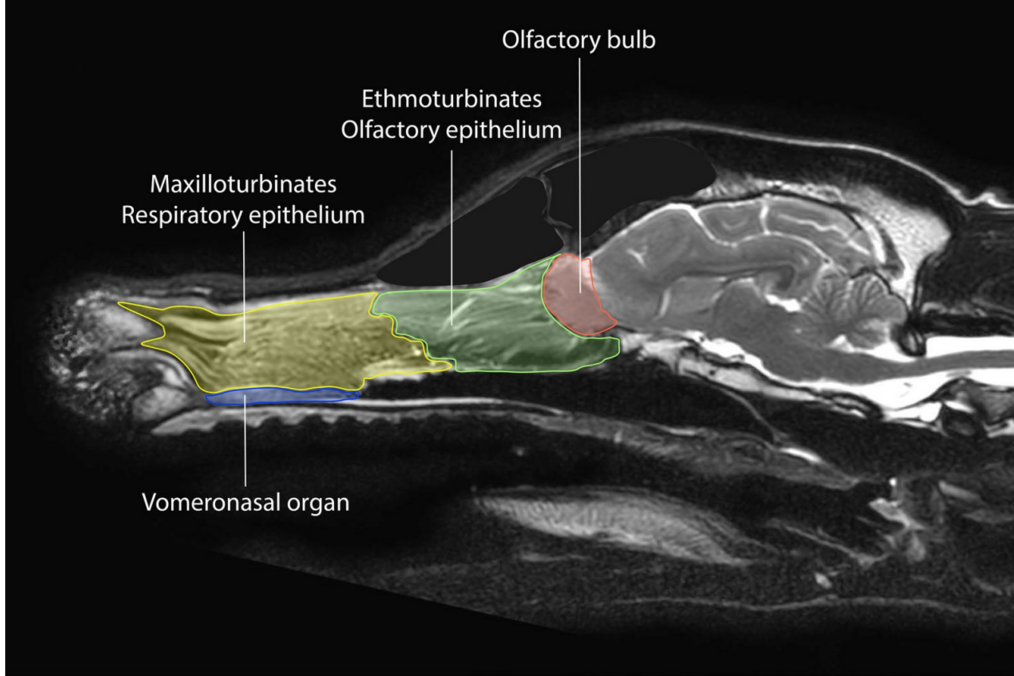
The bedrock of this extraordinary ability is the dog’s olfactory system, which is vastly superior in complexity and sensitivity to that of humans. Dog nose are equipped to detect odors at astonishingly low concentrations, often measurable in parts per trillion, representing an unrivaled level of sensory detail. When a human is stressed, the subtle, complex combination of released VOCs falls well below the human detection threshold. However, this level is easily within the capability of a canine, given their approximately 300 million olfactory receptors (compared to a human’s 6 million). This biological advantage allows them to effectively “chemically image” the nuanced, volatile changes in the air surrounding a person.
5. Stress Scent Affects a Dog’s Emotional State

The transmission of a stress signal is not a passive event; it can induce a form of ’emotional contagion’ in the dogs themselves, leading to observable alterations in their mood and subsequent behavior. A compelling study from the University of Bristol demonstrated this by showing that dogs exposed to human stress odors exhibited more pessimistic judgment when facing ambiguous choices about potential rewards. This behavioral shift suggests a negative affective state in the dog, meaning the human stress scent functions as a potent, biologically relevant social signal that influences the dog’s immediate perception of its environment and potentially its complex decision-making processes.
6. Cortisol is a Primary Olfactory Marker
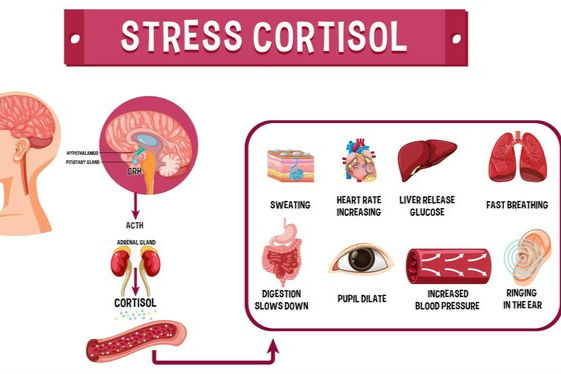
When an individual is under duress, the adrenal glands initiate a systemic release of the stress hormone cortisol into the bloodstream, which is then metabolized and manifests in various bodily secretions. While dogs do not smell the hormone molecule itself, they detect the distinct metabolic byproducts and specific VOCs that are consistently produced when cortisol levels are acutely high. This composite chemical signature serves as a highly reliable and consistent marker for stress detection in controlled research environments, which has allowed scientists to successfully train detection dogs to accurately discriminate between stressed and non-stressed states by scent alone.
7. Detection is Not Reliant on Visual Cues
Historically, there was skepticism regarding this claim, with early hypotheses suggesting that dogs were merely reacting to subtle, easily missed visual cues from their owners, such as minor changes in breathing patterns, posture, or facial tension. However, recent, well-designed studies have rigorously debunked this idea by exclusively utilizing scent-only discrimination tasks. In these experiments, dogs were isolated from the human participants and only presented with collected sweat and breath samples sealed in laboratory-grade containers, providing definitive evidence that the successful detection is based purely on the chemosensory signal.
8. Accuracy Rates Exceed Chance
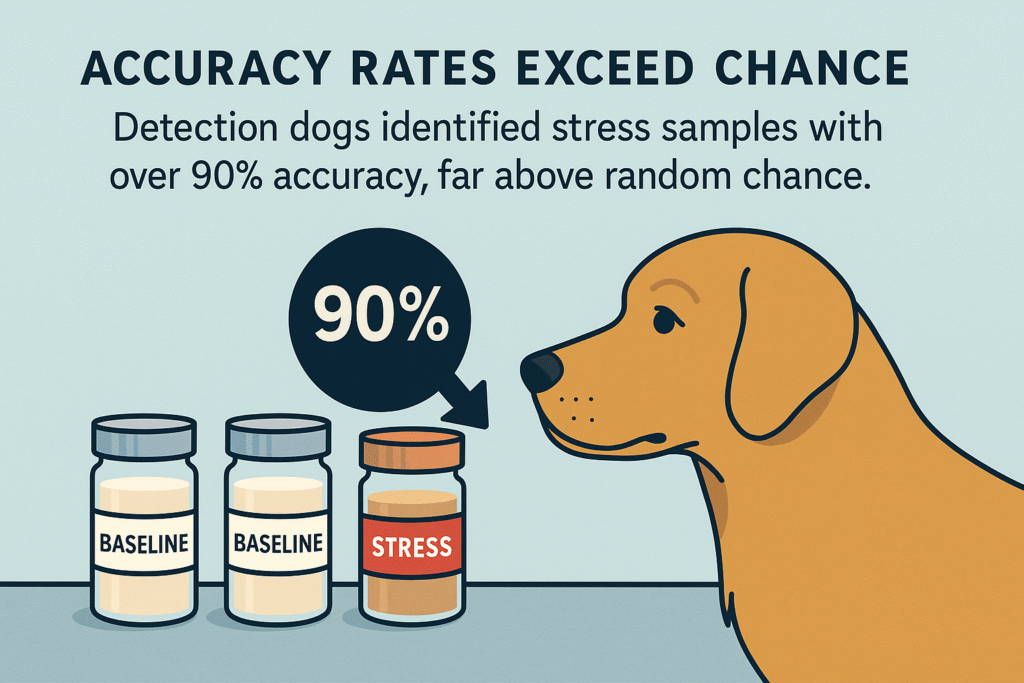
The consistency and success rates demonstrated by detection dogs in identifying stressed samples within controlled experimental conditions are remarkably high, frequently achieving an accuracy that exceeds 90%. This level of precision is far beyond what could possibly be attributed to simple guesswork or random chance, providing compelling statistical evidence. These results robustly confirm that the dogs are truly detecting a significant chemical difference between the baseline (relaxed) and the experimental (stressed) samples, thereby scientifically validating the initial hypothesis of a detectable stress odor.
9. Specific VOCs Are Implicated in Stress

While the precise chemical ‘cocktail’ of VOCs is still a subject of intensive scientific investigation, researchers have successfully identified several key compounds whose concentrations reliably shift during episodes of psychological stress. These implicated compounds include specific organic molecules like isoprene, acetone, and various fatty acids. The consensus is that dogs are not necessarily keying in on a single molecule but rather interpreting the complex, precise combination and relative concentrations of these various compounds, which together create the holistic and distinct chemical fingerprint of the stressful physiological state.
10. Training Utilizes Positive Reinforcement
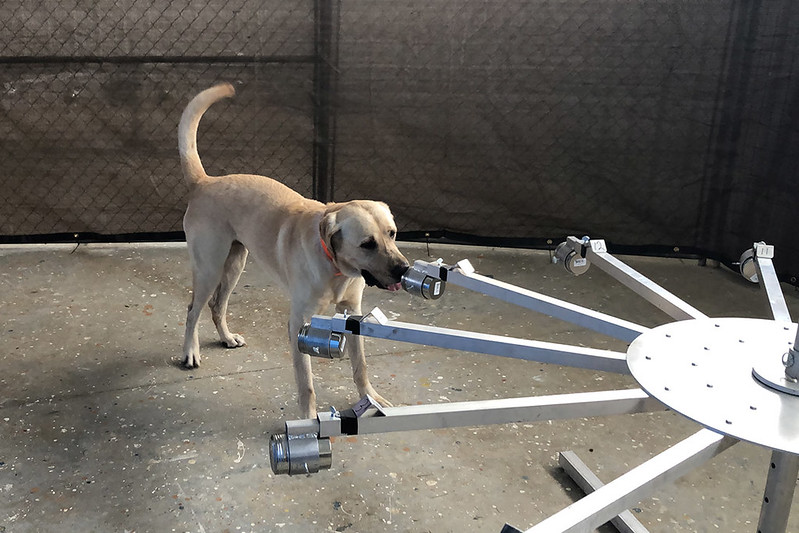
The highly successful and specialized detection dogs employed in these sophisticated studies are routinely trained using established, humane scent-detection protocols that rely heavily on the principles of positive reinforcement. They are promptly rewarded with highly motivating resources, such as high-value treats, beloved toys, or enthusiastic praise, immediately following a correct identification of the target stress odor. This methodology effectively leverages the dog’s intrinsic motivation to work and their naturally powerful scent drive, efficiently turning the subtle, complex chemical changes into a clearly understood and rewarding target odor.
11. Breed is Not the Limiting Factor

While specific breeds, such as Beagles, German Shepherds, and Labradors, are often utilized in scent detection due to their innate trainability and high scent drives, the underlying physiological ability to track human stress by scent is considered a universal trait across all canines. Any dog, regardless of its breed or mix, that possesses a normal, functioning sense of smell has the anatomical and physiological capacity to detect these subtle chemical changes, which means companion and family dogs possess the same basic, innate ability.
12. Potential for Medical Alert Applications
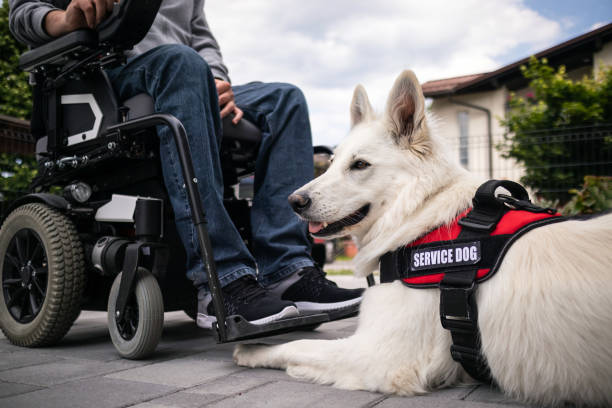
This fascinating research opens up substantial possibilities for training Service Dogs for novel medical and psychiatric alert roles. For individuals managing debilitating conditions such as Post-Traumatic Stress Disorder (PTSD), generalized anxiety, or panic disorder, a dog trained to reliably detect the subclinical, early chemical signs of an impending episode could provide a crucial, precious early warning. This preemptive alert would grant the person a vital window of opportunity to implement coping mechanisms before the anxiety or distress fully escalates.
13. The Adrenal Glands Are Responsible
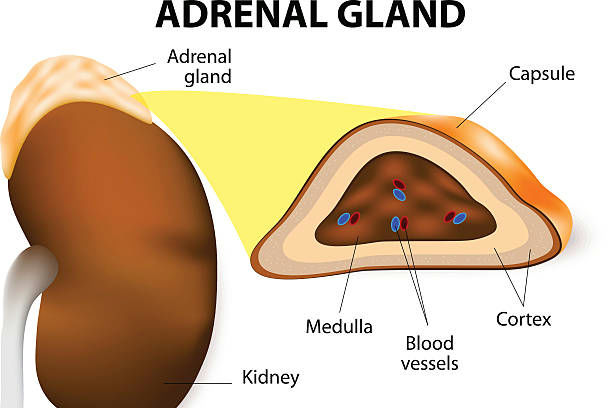
The physical, biological source of the cascading chemical stress signal is the adrenal glands, two small organs located directly atop the kidneys. When the brain registers a threat or major psychological pressure, the hypothalamic–pituitary–adrenal (HPA) axis is swiftly activated, leading to the rapid, systemic release of stress hormones. This immediate, powerful physiological response, which is fundamentally designed for survival, triggers the ensuing metabolic changes that generate the very specific VOCs detected by the dog.
14. Detection Time is Extremely Fast

The shift in the body’s odor profile immediately following a psychological stressor is remarkably rapid in chemical terms. Scientific studies have consistently confirmed that breath and sweat samples collected within a mere one to five minutes of a human participant initiating a stressful cognitive task are entirely sufficient for reliable detection by trained dogs. This impressive speed of detection is critically important for any practical future application in service dogs, as even an alert provided a few minutes earlier can dramatically improve the management and de-escalation of a stressful event.
15. Stress Scent is Distinct from Fear Scent

Although the concepts are related, researchers are actively investigating whether the specific scent profile associated with acute, non-life-threatening stress (such as performing under pressure) is chemically distinguishable from the scent associated with immediate, life-threatening fear or panic. Initial findings suggest that distinct chemical patterns may indeed exist for these different emotional valences. This capacity for fine-grained chemical differentiation suggests that dogs are not just smelling a general state of ‘arousal’ but are capable of detecting the subtle nuance of different emotional categories through chemosensory signals.
16. The Role of the Vomeronasal Organ
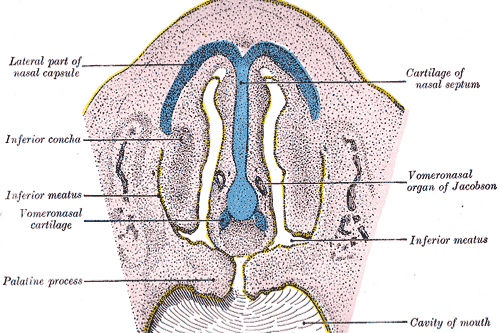
While the main olfactory epithelium, or the primary nose lining, is responsible for processing most general odors, some scientists have proposed that the vomeronasal organ (VNO), also known as Jacobson’s organ, might contribute to detecting non-volatile chemosignals, including those related to stress. This specialized sensory organ is located in the roof of the dog’s mouth and is primarily associated with pheromone detection, suggesting it may play a supporting, but not yet fully understood, role in a dog’s complex and holistic chemical analysis of human emotional states.
17. Scent Concentration is Tiny

The actual concentration of the stress VOCs in the ambient air is extraordinarily minute, frequently measured at levels of parts per billion (ppb) or even reaching the realm of parts per trillion (ppt). To convey this sensitivity, consider that detecting an odor at 1 ppt is analogous to finding a single drop of a substance dissolved within the volume of 20 Olympic-sized swimming pools. This extreme scale illustrates the profound sensitivity and specialized biological machinery required for the dog’s nose to achieve such consistent and impeccably accurate detection in a naturally noisy environment.
18. Chronic Stress Has a Different Scent

Most scientific research to date has concentrated on acute, immediate stress, which produces a sudden chemical spike. However, ongoing investigations are actively exploring the potential chemical distinction between this acute stress and the long-term, sustained physiological state known as chronic stress. This ongoing condition, characterized by a persistent elevation of cortisol, is hypothesized to generate a different, more stable and enduring VOC profile. This important line of research could eventually pave the way for training dogs to assist individuals coping with ongoing, high-stress occupational or personal environments.
19. Scent Transfer is Highly Effective
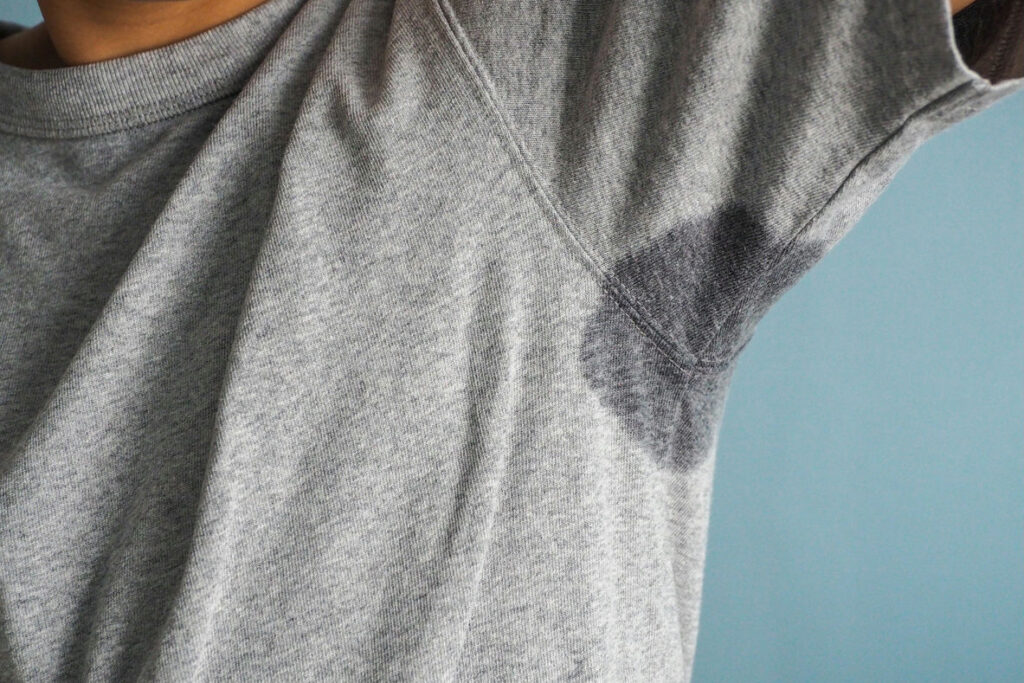
Even remarkably minute quantities of the sweat or breath VOCs, when transferred onto common materials like clothing, fabric upholstery, or personal objects, are entirely sufficient to carry the detectable scent of stress. Researchers consistently leverage this reality by using highly absorbent swabs or cotton pads to collect and then securely store the samples in airtight, laboratory-grade containers. This successful demonstration of odor transfer and subsequent reliable detection proves that the target VOCs are robust and concentrated enough to be identified even when physically isolated from the direct human source.
20. Comparison to Drug and Explosives Detection
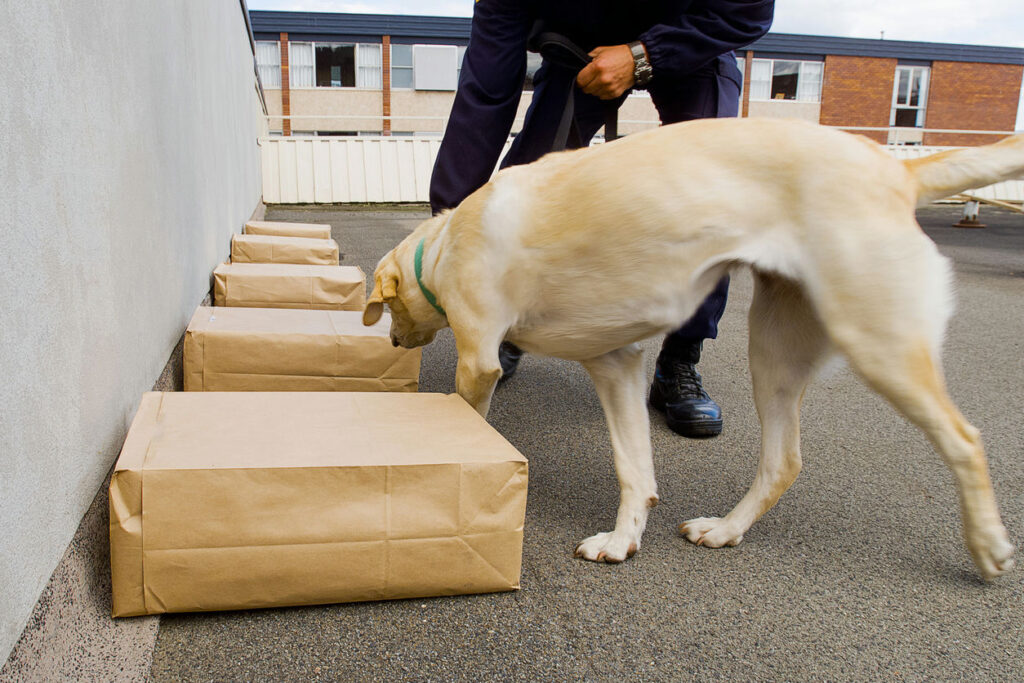
The fundamental neural and biological process that dogs employ to identify a specific stress odor is the same reliable mechanism utilized by highly specialized dogs trained to detect illicit drugs, dangerous explosives, or even certain types of cancer. This training involves creating a potent search image, a clearly learned, desired target odor, in the dog’s memory. The high effectiveness of stress detection further highlights the versatile, exceptional reliability of the canine olfactory system to accurately identify specific, subtle chemical signatures even within a complex, distracting sensory environment.
21. Research Began with Epilepsy Dogs

The initial scientific interest in the concept of dogs sniffing out human physiological changes was partly spurred by widespread, compelling anecdotal reports from owners whose dogs seemed to be able to accurately predict their own or a loved one’s epileptic seizures. These intriguing observations served as a catalyst, prompting scientists to formally investigate whether other major, non-seizure-related physiological and emotional shifts, like the early stages of stress or drops in blood sugar, also produced consistent, detectable odors.
22. Detection Helps Dogs Bond with Humans

Beyond its potential applications in formal assistance roles, the dog’s remarkable ability to perceive human stress through scent also serves to naturally strengthen the human-animal bond. When a dog detects that its owner is experiencing stress, it frequently responds with well-documented comforting behaviors, such as nuzzling, leaning against them, or resting a head on a lap. This is interpreted as a direct, compassionate response to a primary chemical social signal, reinforcing the dog’s profound role as an emotional barometer and responsive companion, thereby further cementing the relationship.
23. Potential for PTSD Service Dogs and the Future of Dog-Assisted Therapy
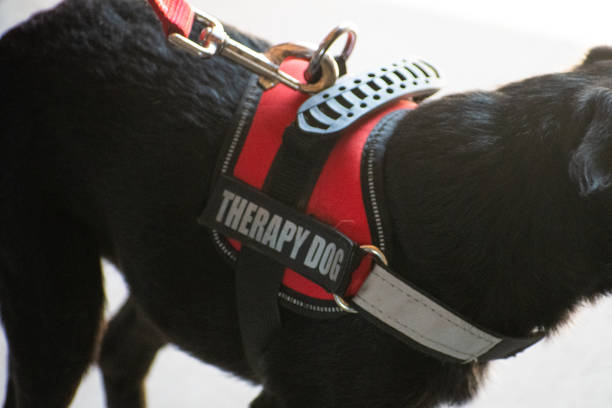
A major area of focused interest and development is the practical application of this knowledge in training specialized PTSD Service Dogs. By reliably detecting the subclinical, chemical onset of a panic attack, extreme anxiety, or a flashback through scent, these dogs can be explicitly trained to perform targeted, disruptive tasks. These tasks might include nudging their owner back to reality, initiating deep pressure therapy, fetching medication, or deliberately creating a buffer space, all with the goal of actively mitigating the severity of the stress response.
This comprehensive body of research paves the way for a transformative new era of dog-assisted therapy and non-invasive medical intervention. This work moves the entire field from relying on anecdotal evidence toward a reliable, scientifically-backed methodology for utilizing a dog’s profound natural talents for the direct benefit of human mental and physical well-being.
Next time your dog gently nudges you when you feel overwhelmed, take a moment to appreciate the powerful, invisible science behind that intuitive, compassionate moment. They don’t just love you; they literally smell how you feel. Like this story? Add your thoughts in the comments, thank you.
This story New Research Shows Dogs Can Track Human Stress by Scent was first published on Daily FETCH


