
1. Hayden Christensen In Star Wars Prequels

Every movie fan has had that moment while watching a film where something feels slightly off. Not terrible, just not quite right. The Star Wars prequels often bring up that feeling when people talk about Anakin Skywalker. Hayden Christensen stepped into the role with clear dedication. He looked believable as a young Jedi struggling with emotions and expectations. Still, many viewers expected a deeper sense of tragedy behind the character. Anakin’s journey toward becoming Darth Vader should feel heavy and slowly overwhelming. Instead, the performance sometimes leaned more toward frustration than quiet inner conflict that gradually grows stronger.
Imagining the role with someone who naturally carries emotional intensity changes the picture a little. Leonardo DiCaprio was once rumored to have discussed the part, and many fans still mention his name when this topic comes up. At that stage in his career he often played characters carrying strong emotional weight. That style might have added a quieter darkness to Anakin’s transformation. Christensen still gave the character sincerity and youthful vulnerability. The conversation simply shows how audiences often imagine how a role might shift with a slightly different tone guiding the performance.
2. Keanu Reeves In Bram Stoker’s Dracula
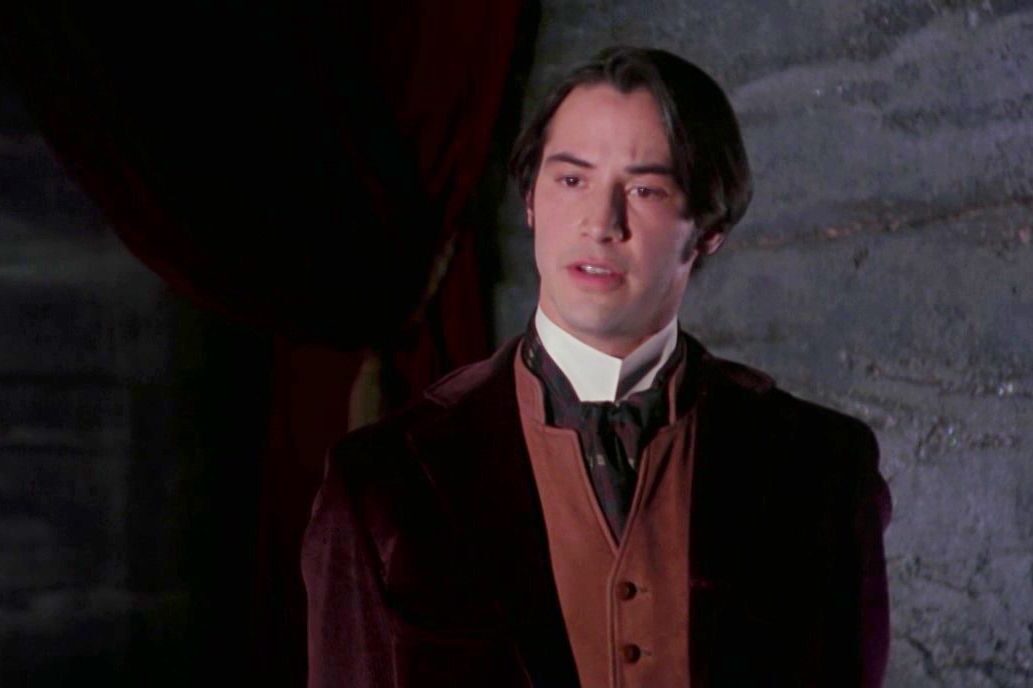
Keanu Reeves is known for his calm presence on screen. His voice and manner often give his characters a thoughtful and steady feeling. In Bram Stoker’s Dracula, he plays Jonathan Harker, a lawyer who travels to meet a mysterious nobleman. The role itself is straightforward and Reeves brings sincerity to the character. The challenge appears when the British accent enters the picture. Throughout the film the accent shifts slightly, and once viewers notice it, their attention sometimes moves away from the story. Instead of focusing entirely on the eerie atmosphere, the effort behind the voice becomes part of the experience.
The performance itself is not without charm. Reeves gives Harker a sense of vulnerability that fits a man slowly realizing he is trapped in a terrifying situation. Even so, a role set firmly in Victorian England often feels smoother when the actor naturally speaks with that tone. Someone like Ralph Fiennes or Hugh Grant might have slipped into the setting without drawing attention to the accent. Reeves later thrived in roles that matched his natural voice and energy perfectly.
3. Jesse Eisenberg As Lex Luthor
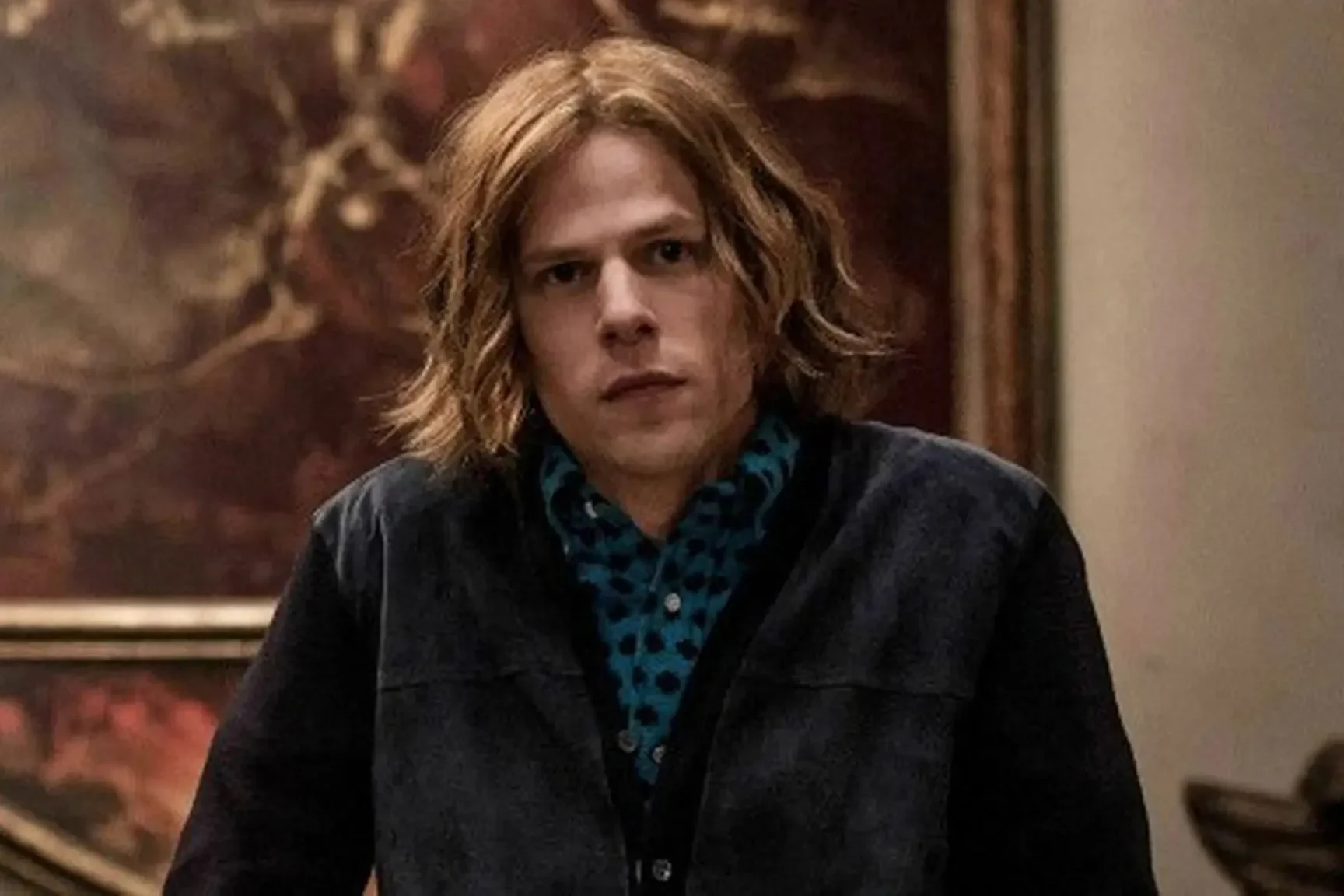
Lex Luthor has always been portrayed as a confident and calculating villain. In many stories he feels calm, intelligent, and quietly dangerous. When Jesse Eisenberg stepped into the role in Batman v Superman, the character arrived with a completely different personality. This version of Luthor spoke quickly, moved constantly, and often seemed amused by his own chaos. The performance clearly aimed to present a modern interpretation of the character. For some viewers it felt fresh, while others struggled to connect it with the powerful businessman they knew from earlier portrayals.
Eisenberg is excellent at playing brilliant characters who feel socially unusual. His work in The Social Network showed how compelling that style can be. Lex Luthor, however, usually carries a colder and more controlled presence. That difference made the performance feel slightly removed from the traditional image of Superman’s rival. Some fans imagined how actors known for quiet authority might approach the role. Even so, Eisenberg brought originality and energy to the character, proving that sometimes casting choices simply reshape a villain in ways audiences did not expect.
4. Jake Gyllenhaal In Prince Of Persia
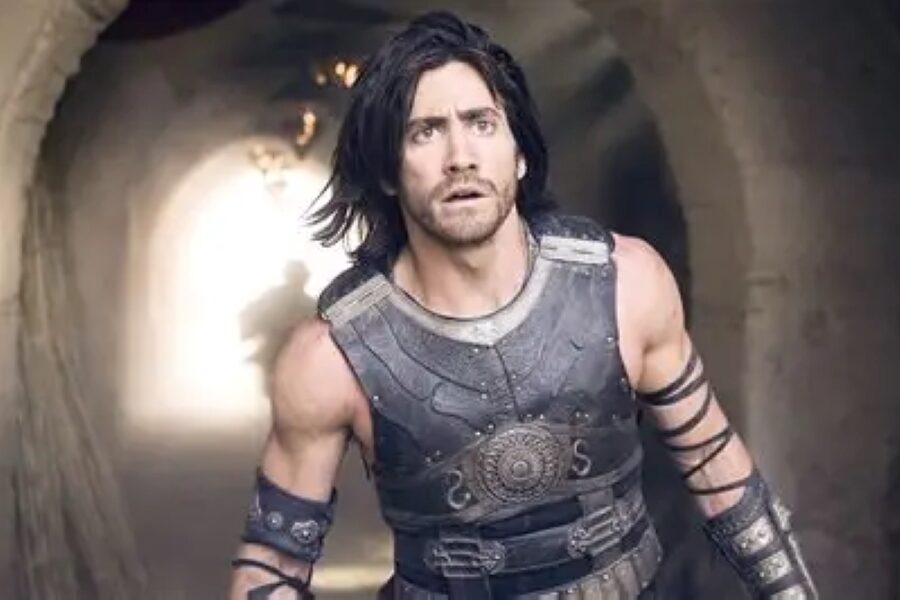
Jake Gyllenhaal has built a reputation for dedication to his roles. When he joined Prince of Persia, he committed fully to the physical demands of the character. The film presented him as Dastan, a heroic prince caught in a magical adventure filled with danger and ancient secrets. Gyllenhaal delivered enthusiasm and energy throughout the story. Even with that effort, the casting choice quickly became a point of discussion among viewers. The character comes from Persian culture, yet the role was played by a Western actor, which created a noticeable contrast.
Adventure films often rely on cultural authenticity to strengthen the world of the story. Seeing an actor from the same background as the character might have made the setting feel more grounded. Gyllenhaal still brought charisma and commitment to the performance. The film itself remains entertaining for its action and spectacle. The conversation surrounding the casting simply highlights how representation can influence how audiences connect with historical or cultural settings on screen.
5. John Wayne As Genghis Khan
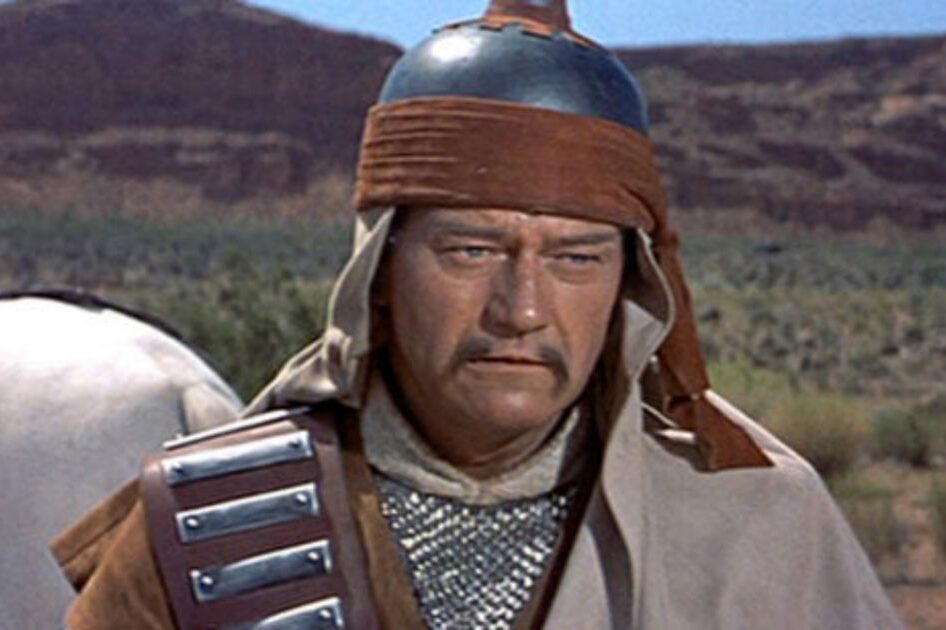
John Wayne spent decades becoming one of the most recognizable figures in Hollywood. His voice, posture, and confident stride made him the face of classic Western films. Audiences knew exactly what to expect when Wayne appeared on screen. That strong identity is also what made his casting as Genghis Khan in The Conqueror feel unusual. Instead of disappearing into the historical character, Wayne still felt like the familiar cowboy hero audiences had seen many times before.
Historical epics often rely on actors who can blend completely into unfamiliar worlds. Someone known for dramatic historical roles might have carried the character with a different tone. Wayne remained charismatic and professional throughout the film. The challenge simply came from his powerful screen identity. When an actor becomes strongly associated with a certain type of role, audiences sometimes struggle to see them as anything else.
6. Tom Holland In Uncharted

Tom Holland has a bright and energetic screen presence that audiences often enjoy. His performances usually carry curiosity and excitement, which helped make his Spider Man widely loved. When he appeared in Uncharted as Nathan Drake, that same youthful energy shaped the character in a new way. In the original video games, Drake feels like a seasoned treasure hunter who has spent years exploring ancient ruins. Holland’s version feels more like someone just beginning that journey.
Some viewers appreciated seeing a younger interpretation discovering adventure for the first time. Others imagined how the character might feel with an older actor carrying more experience in his personality. Nathan Fillion had long been mentioned by fans as someone who matched the game version closely. Holland still brought charm and physical agility to the role. The discussion around the casting mainly reflects how strongly audiences connect to characters they already know.
7. Russell Crowe In Les Misérables
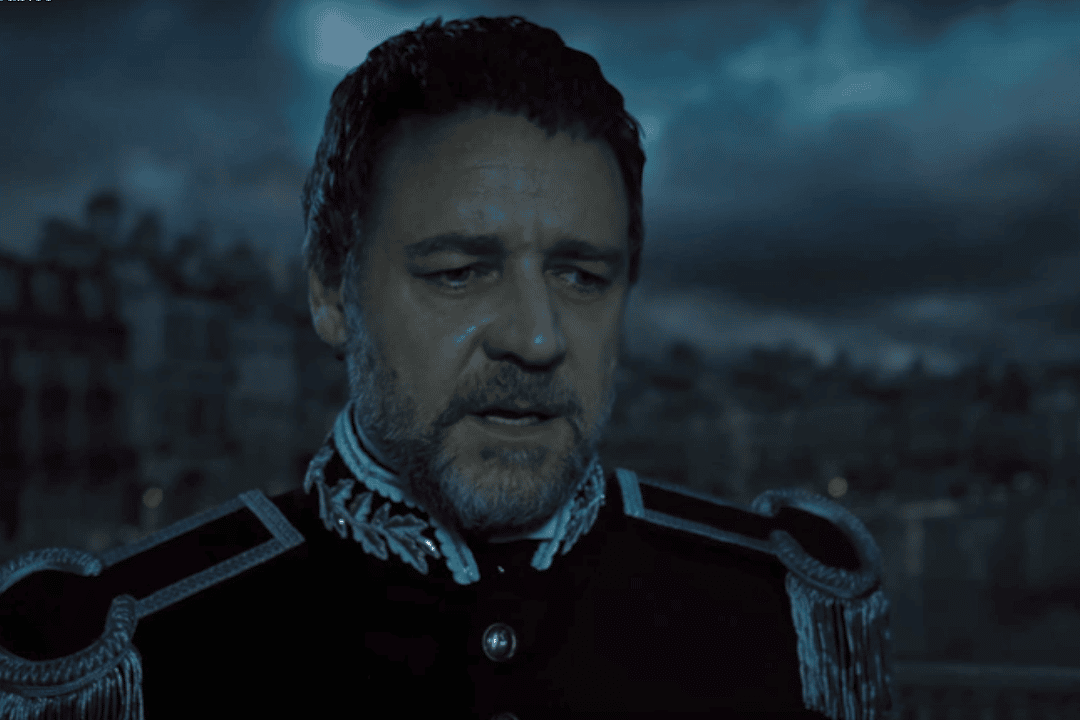
Russell Crowe is widely respected for powerful dramatic performances. His ability to portray serious and determined characters made him an interesting choice for Javert in Les Misérables. Javert is a strict law officer who believes deeply in justice and order. Crowe captured that rigid personality well, giving the character a controlled and disciplined tone. The challenge came from the musical format of the film, where singing carries much of the emotional storytelling.
Musical roles often demand strong vocal projection developed through years of stage experience. Crowe approached the songs with commitment, yet his voice remained softer compared with the performers around him. That difference sometimes became noticeable during big musical moments. Even so, his interpretation still conveyed Javert’s seriousness and moral certainty. The performance shows how musical films require a blend of acting and vocal strength that can challenge even experienced actors.
8. Cameron Diaz In Gangs Of New York
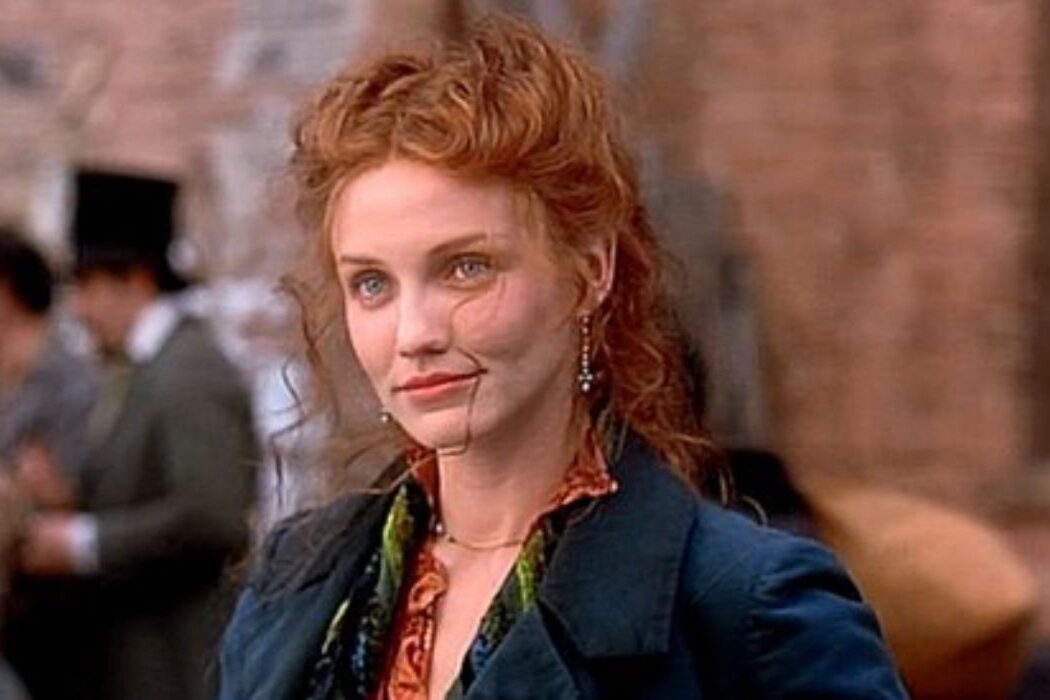
Cameron Diaz became known for lively and modern characters that audiences easily connected with. Her natural charm often shines in contemporary stories. In Gangs of New York, the film places her within a gritty historical setting filled with rough personalities and intense conflicts. Diaz approached the role sincerely, yet her presence sometimes felt slightly different from the darker atmosphere surrounding her.
Period dramas rely on subtle details like accent and tone to make the time period believable. A performer known for historical roles might have blended into that environment more smoothly. Diaz still delivered warmth and emotional sincerity in the story. The contrast simply highlighted how carefully balanced historical films can be. When every other element leans deeply into realism, even a small difference in performance style becomes noticeable.
9. Vince Vaughn In Psycho
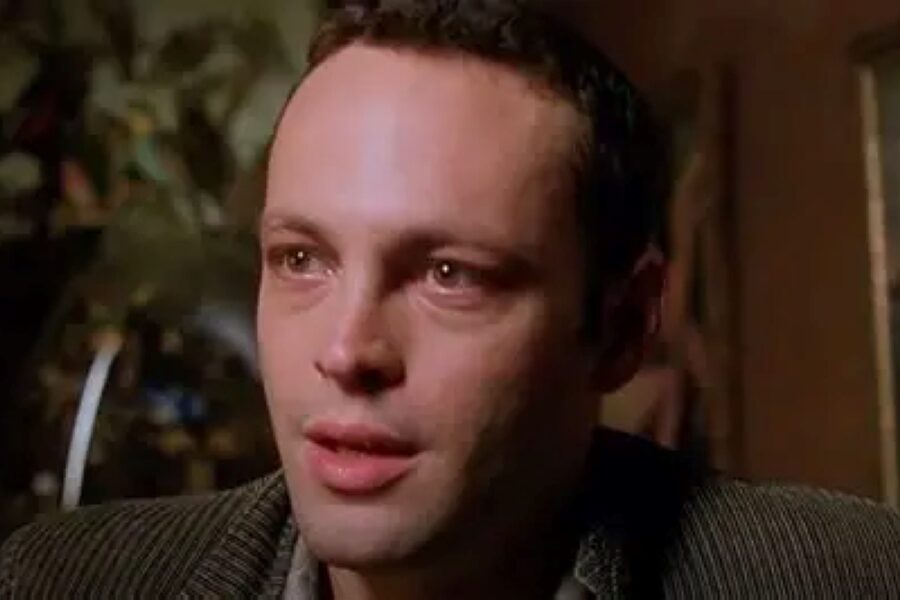
Remaking a classic film always brings comparisons with the original. Psycho introduced audiences to Norman Bates through Anthony Perkins, whose quiet and awkward performance became iconic. When Vince Vaughn stepped into the role in the remake, he faced the challenge of recreating a character viewers already knew well. Vaughn is known for confident and energetic roles, which gave his version of Norman a noticeably different tone.
The original character worked because he appeared shy and harmless at first. The tension slowly grew as the darker side of his personality appeared. Vaughn’s stronger presence changed that delicate balance. Watching the remake shows how subtle the character truly is. Even small shifts in personality can alter the atmosphere of the entire story.
10. Sofia Coppola In The Godfather Part III
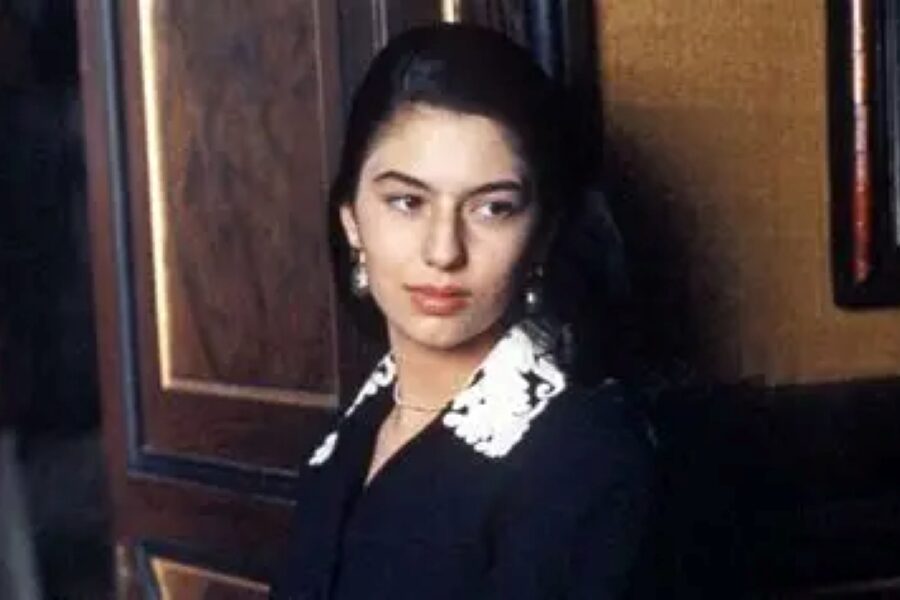
The Godfather films carry enormous expectations because of their place in cinema history. When Sofia Coppola appeared in The Godfather Part III, she joined a cast filled with highly experienced actors. The role came to her unexpectedly after another actress left the project. That situation placed Coppola in a very demanding environment surrounded by performers deeply familiar with dramatic storytelling.
Viewers noticed the difference in experience between Coppola and the actors around her. Over time she became a respected filmmaker, directing thoughtful and successful movies. Looking back now, her appearance in the film feels more like an early step in a long creative journey. At the time, audiences simply wondered how the role might have felt with a more seasoned actress.
11. Arnold Schwarzenegger In Red Sonja
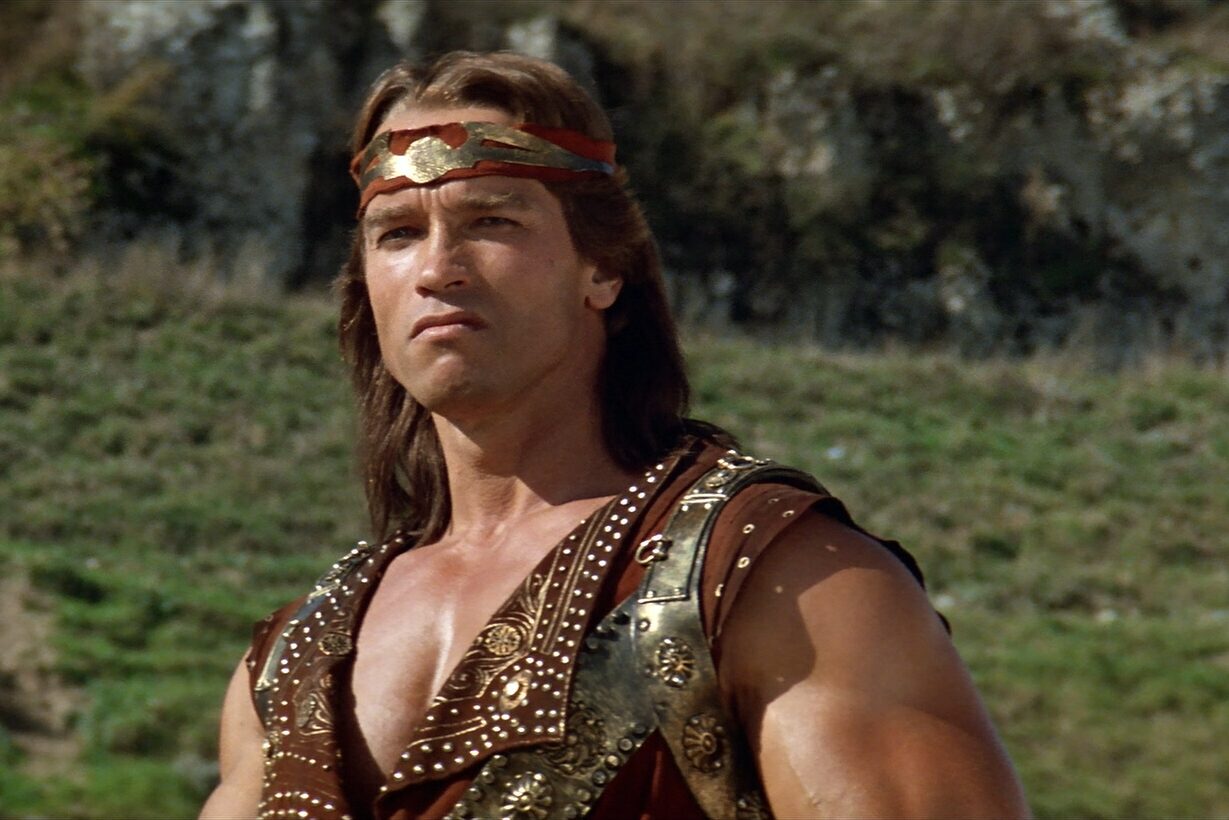
Arnold Schwarzenegger built his reputation playing powerful heroes in fantasy and action films. His performance in Conan the Barbarian showed how naturally he could command a world filled with warriors and ancient kingdoms. When he appeared in Red Sonja, audiences expected the same strong heroic presence. The character he played, however, felt less central to the story’s emotional journey.
Fantasy heroes usually carry a strong connection to the world around them. Conan worked because Schwarzenegger’s strength matched the harsh setting perfectly. In Red Sonja the character lacked that same depth and personality. Watching the film today suggests the issue came more from the writing of the role than the actor himself.
12. Ben Affleck In Daredevil
Ben Affleck has often portrayed thoughtful and serious characters. In Daredevil he played Matt Murdock, a blind lawyer who secretly fights crime. The film presented the hero in a darker tone, emphasizing emotional struggle and personal loss. Affleck leaned strongly into that seriousness, giving the character a heavy atmosphere.
Daredevil in many comic stories balances determination with agility and wit. Later versions of the character showed how well that lighter balance works. Affleck later found a more natural fit playing Batman, where the darker tone suited his style better. The Daredevil film now feels like an early attempt during the evolving era of superhero movies.
13. Mark Wahlberg In The Happening
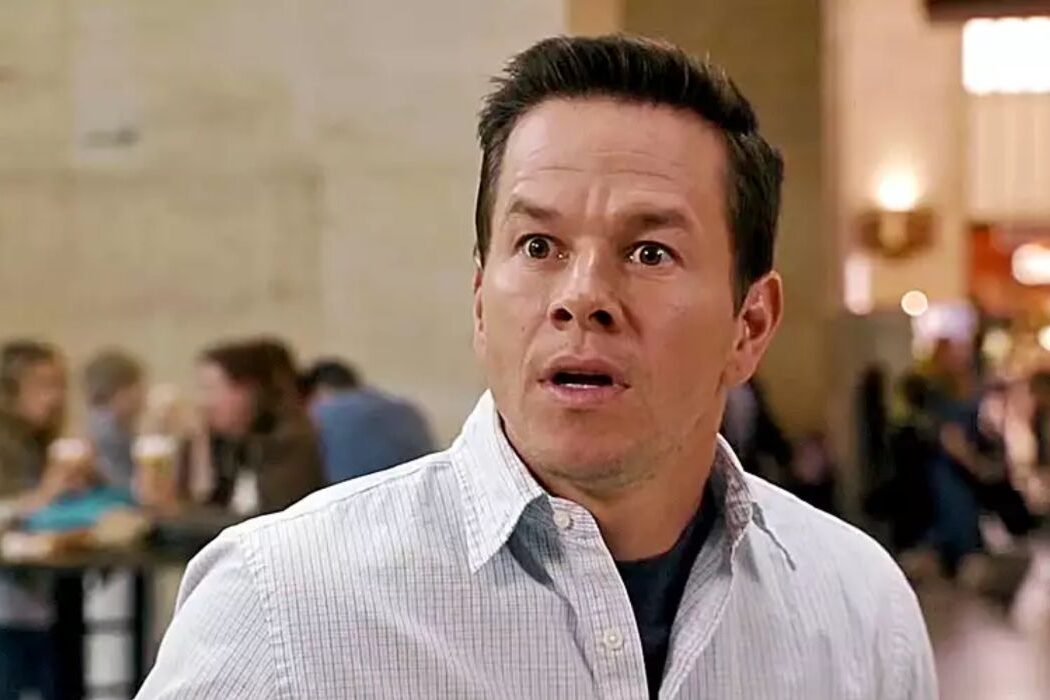
Mark Wahlberg usually plays confident characters who respond quickly when danger appears. In The Happening he portrays a science teacher trying to understand a strange environmental crisis affecting communities. The role required curiosity and quiet concern as the mystery slowly unfolds. Wahlberg approached the character sincerely, yet his delivery sometimes felt uncertain in ways that distracted from the suspense.
The film itself blended environmental themes with psychological tension. That style required a central character capable of grounding the story emotionally. An actor with a more introspective style might have carried that uncertainty more naturally. Wahlberg remained committed to the role, but the tone sometimes felt slightly disconnected from the strange atmosphere of the film.
14. Frank Sinatra In Guys And Dolls
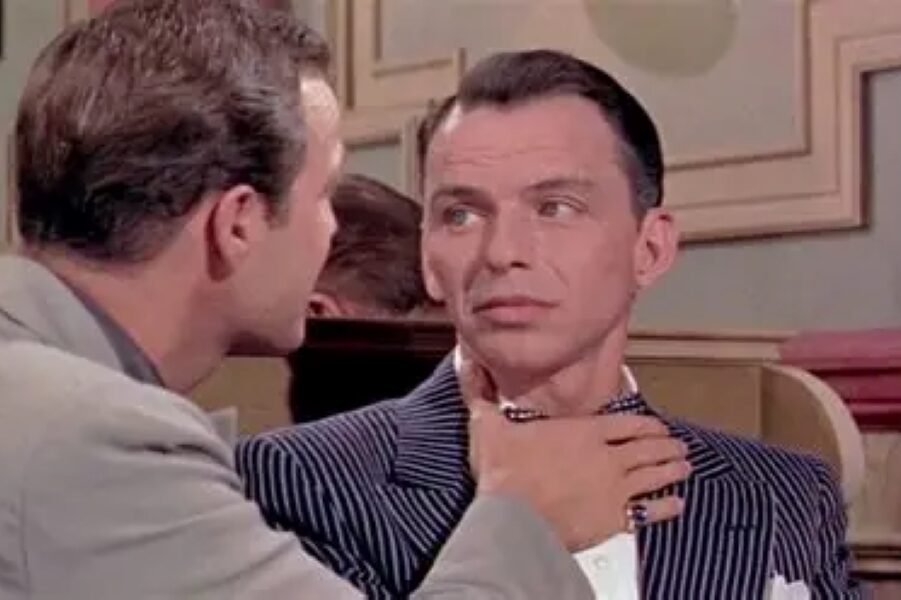
Guys and Dolls first became a beloved Broadway musical before it reached the screen. On stage the character Nathan Detroit was known as a slightly scruffy gambler always trying to stay ahead of trouble. His charm came from that imperfect and slightly desperate personality. When the film adaptation arrived, Frank Sinatra took on the role and brought his smooth charisma to the character.
Sinatra’s natural confidence gave the performance a different flavor. Instead of the rough gambler from the stage version, Nathan Detroit appeared more polished and controlled. The story remained entertaining, but the personality of the character shifted slightly. This example shows how adapting stage productions for film can transform a role in unexpected ways.
15. Denise Richards In The World Is Not Enough

James Bond films often introduce characters who feel capable and intelligent within the world of espionage. In The World Is Not Enough, Denise Richards plays Dr Christmas Jones, a nuclear scientist who becomes involved in Bond’s mission. The idea sounded promising because it placed a scientific expert directly inside the adventure. Richards brought enthusiasm and confidence to the role throughout the film.
The challenge came from making the character’s expertise feel believable within the story. Bond films often succeed when supporting characters feel as capable as the hero himself. A portrayal that emphasized the character’s intelligence more strongly might have helped the role feel grounded. Looking back across all these examples, casting choices quietly shape how audiences remember movies long after the credits roll.


