
1. A Start Built on Plain Strength
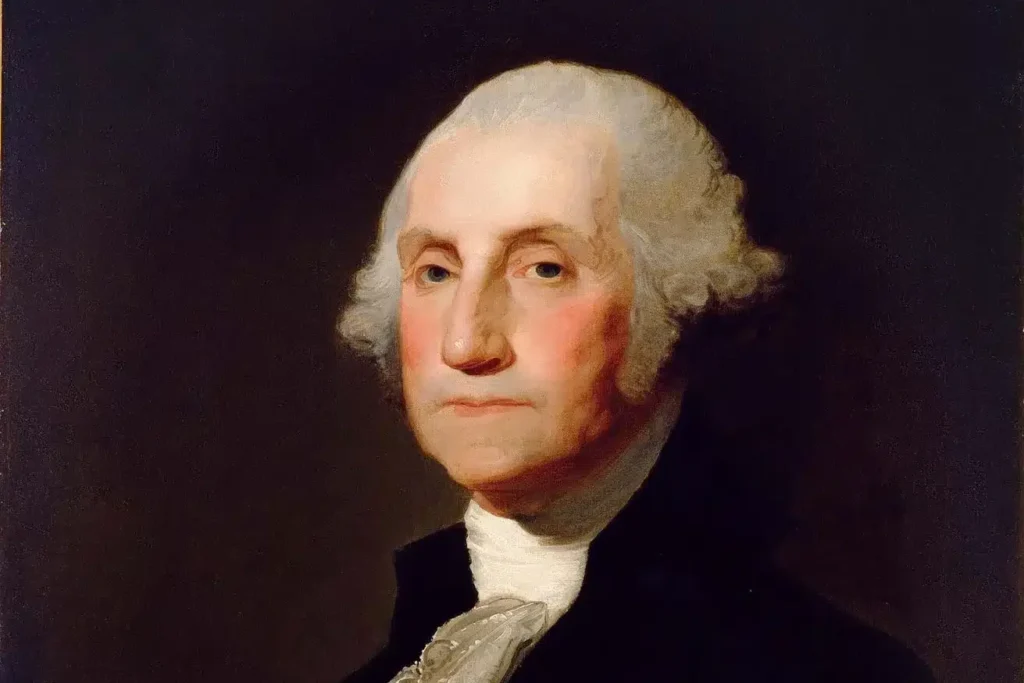
Before power, speeches, and history, mornings often began quietly at the breakfast table, and for George Washington that start was plain and purposeful. He preferred hoecakes made from cornmeal, sometimes topped with butter or honey, eaten early and without ceremony. Breakfast was fuel, not comfort. Records from Mount Vernon describe his taste as simple and steady, focused on strength for long days ahead. There was no lingering, no indulgence, just a routine that reflected discipline and restraint. It is an easy rhythm to recognize, beginning the day with something reliable, nourishing, and calm before responsibility takes over each single morning.
2. When Beer Was a Morning Norm
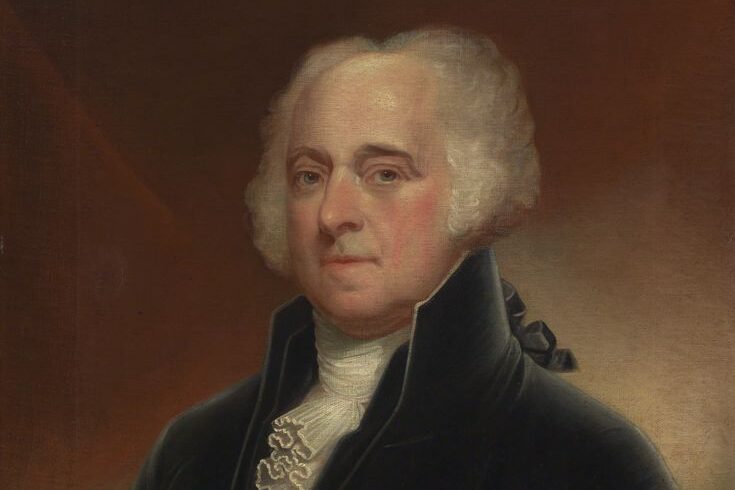
John Adams lived in a time when breakfast looked very different, and his mornings often included bread and a mug of hard cider or beer. Clean water was unreliable, so this choice felt practical rather than indulgent. Adams once described breakfast as simple but strengthening, meant to prepare him for writing and debate. The drink grounded him, setting a steady tone for the day ahead. There was nothing showy about the meal. It was familiar, efficient, and routine. His breakfast reminds us that daily habits always reflect their moment in history and the needs of the day they truly serve.
3. Coffee Before Everything
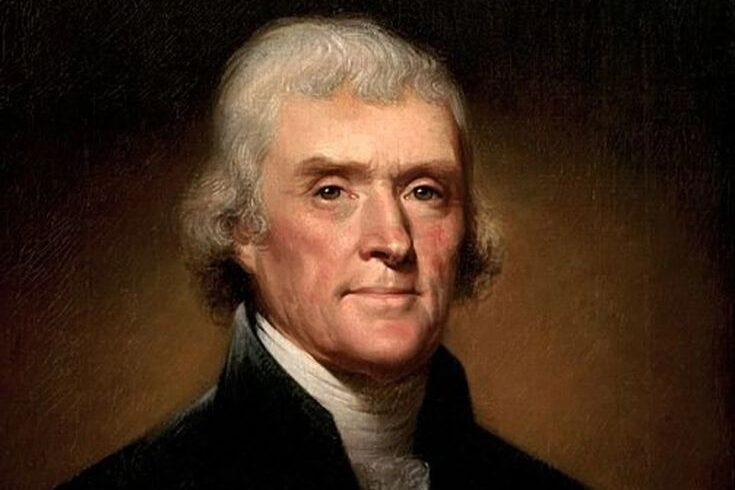
Thomas Jefferson began his mornings with coffee, and lots of it. He famously called coffee the favorite drink of the civilized world, believing it sharpened his mind. Breakfast often meant several cups alongside bread or fruit, enjoyed slowly. Records from Monticello suggest he used this time to ease into reading and reflection. There was no rush, only thought. His breakfast routine matched his curiosity and love for ideas. It feels familiar today, like those quiet mornings when a warm cup helps thoughts settle and the day start gently before responsibilities arrive and demands quietly appear without pressure or noise.
4. A Barely There Beginning
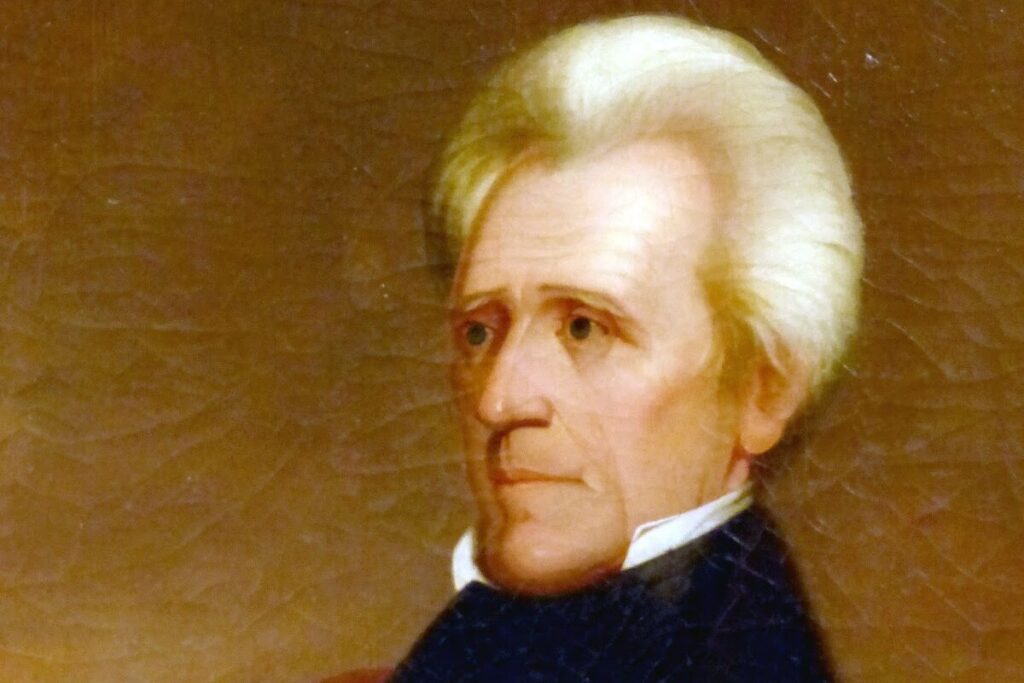
Andrew Jackson rarely lingered over breakfast and often kept it minimal or skipped it entirely. Coffee was usually enough, sometimes paired with a small piece of bread. Ongoing health problems shaped his appetite and mornings. Accounts describe restless starts filled with urgency. Breakfast was not a pleasure but a quick step before action. This habit reflected his tough, driven personality. It feels recognizable to anyone who starts the day with little more than caffeine and resolve, trusting momentum to carry them forward when patience is thin and expectations rise early without comfort or pause in those quiet hours.
5. Quiet Mornings with Coffee
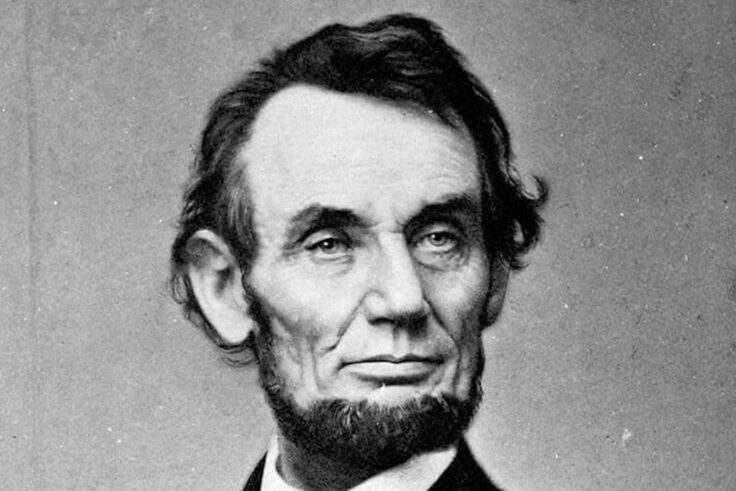
Abraham Lincoln preferred a quiet, modest breakfast, usually coffee with an egg or toast. He often ate alone and had little appetite in the morning. Newspapers kept him company as he eased into the day. Breakfast was less about food and more about stillness before heavy responsibility. There was no extravagance, only calm. His routine reflected an introspective nature and a mind already working. It is easy to relate to this need for silence, gathering thoughts gently before stepping into demanding work when clarity matters most and distractions feel especially unwelcome during early morning hours for many people.
6. Military Habits at the Table
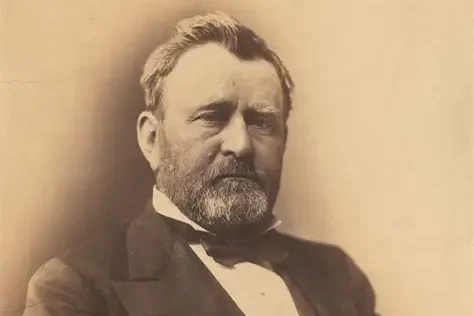
Ulysses S. Grant carried military habits into his mornings, including breakfast. He favored quick, hearty meals like meat, bread, and coffee. Long meals held little appeal. Breakfast was eaten early and without fuss. Familiar routines brought comfort and readiness. Even in the White House, efficiency mattered more than enjoyment. His approach reflects how earlier life experiences quietly shape daily choices. Many people recognize this pattern, sticking to what works because it feels grounding, reliable, and sufficient when the day demands focus from years of repetition built under pressure and strict expectations that rarely fade away with time.
7. Fuel for Boundless Energy
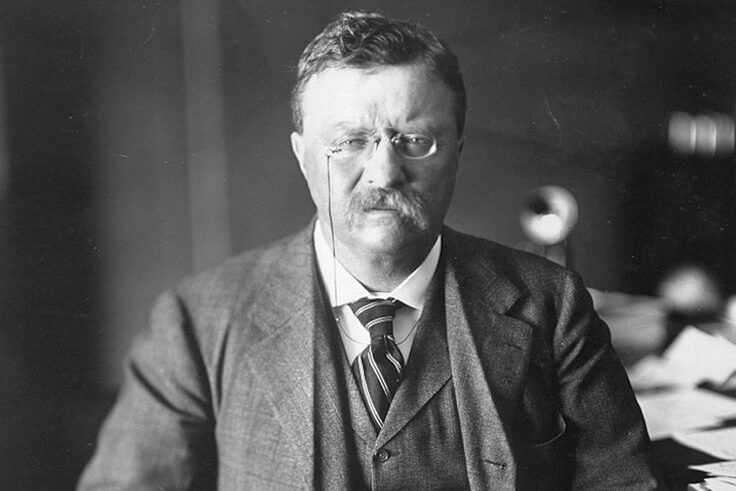
Theodore Roosevelt believed breakfast should prepare the body for action, and his mornings were hearty. Eggs, meat, bread, and coffee filled the table, often shared with lively conversation. Family members recalled energetic breakfasts that matched his personality. Food was fuel for ambition and movement. There was little restraint and plenty of enthusiasm. His breakfast habits reflected strength, optimism, and confidence. It feels familiar to anyone who starts the day hungry for momentum, wanting energy that carries them fully into whatever comes next with purpose intention and excitement guiding each early decision before responsibilities officially begin for the day.
8. A Health Minded Start
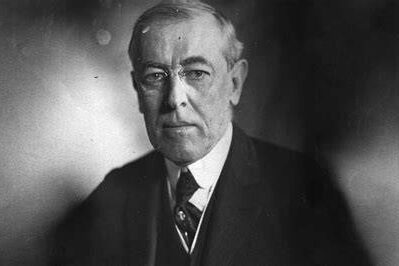
Woodrow Wilson approached breakfast with care, especially as health concerns grew. He preferred light meals like fruit, toast, and tea. Doctors encouraged moderation, and he followed advice closely. Breakfast became intentional and calm. Food choices felt thoughtful rather than emotional. His routine reflected discipline and awareness of limits. Many people relate to this shift, adjusting habits to support wellbeing, making quiet choices each morning that influence energy, focus, and balance throughout the day as life changes require flexibility patience and a gentler pace over time without losing purpose or personal direction during demanding seasons of leadership roles.
9. Breakfast as Connection
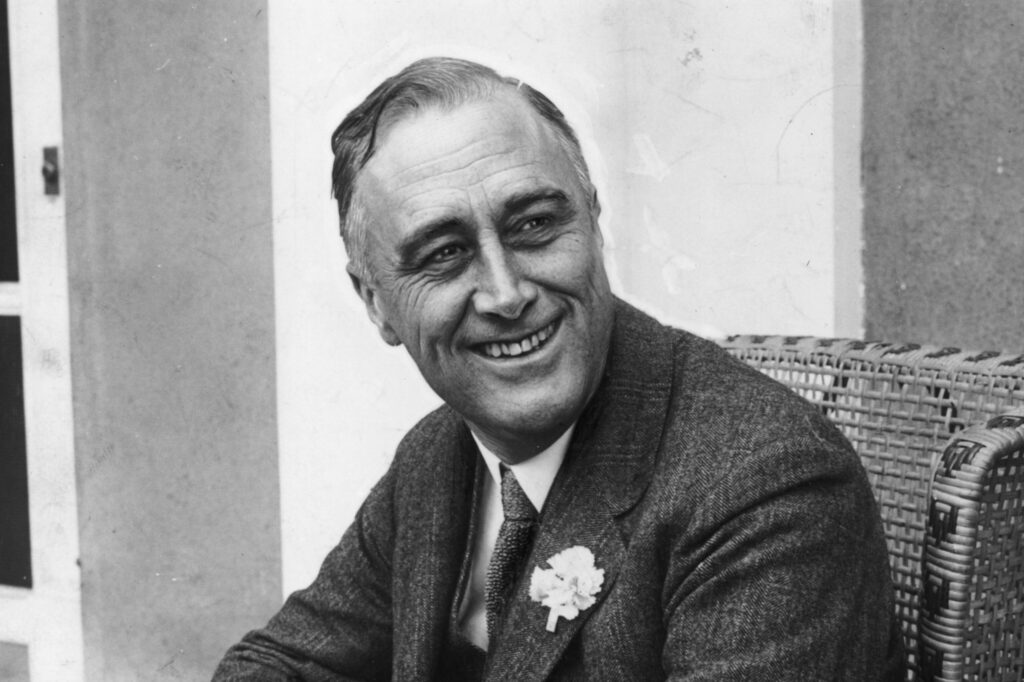
Franklin D. Roosevelt treated breakfast as a social moment rather than a rushed task. He often shared simple meals of eggs, fruit, and coffee with family or guests. Staff remembered warm conversations that set a positive tone. Breakfast offered normalcy before heavy decisions. Connection mattered to him. His mornings remind us that food can bring comfort through presence. Many people recognize this feeling, using breakfast time to ease into the day through shared words, familiarity, and quiet encouragement when leadership feels heavy and reassurance quietly steadies the mind before pressures return and schedules tighten again with purpose.
10. Early and Efficient
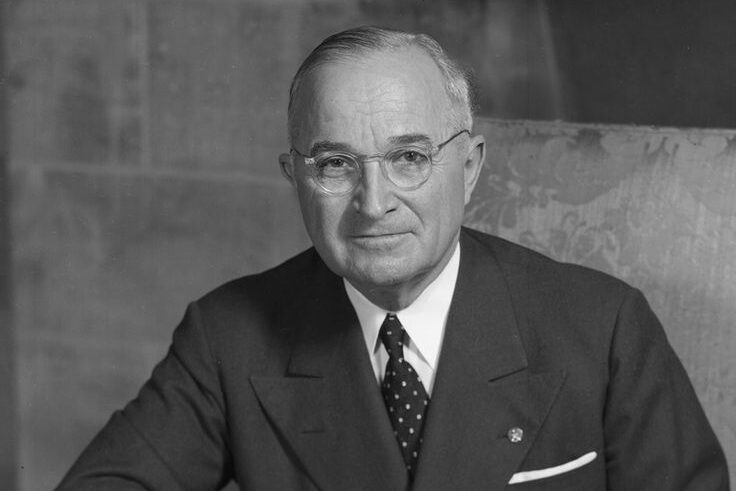
Harry S. Truman woke early and preferred a straightforward breakfast of juice, eggs, and toast. He believed mornings were meant for action, not lingering. Breakfast fueled his walks and work. Routine mattered, and his choices rarely changed. There was comfort in consistency. His mornings reflect a mindset many share, trusting familiar habits to create stability. Starting the day, the same way helped him feel prepared, focused, and steady as responsibilities quickly took over without unnecessary decisions draining energy before important matters demanded attention from early hours until evening responsibilities finally eased after long demanding days of service.
11. Eating by the Doctor’s Rules
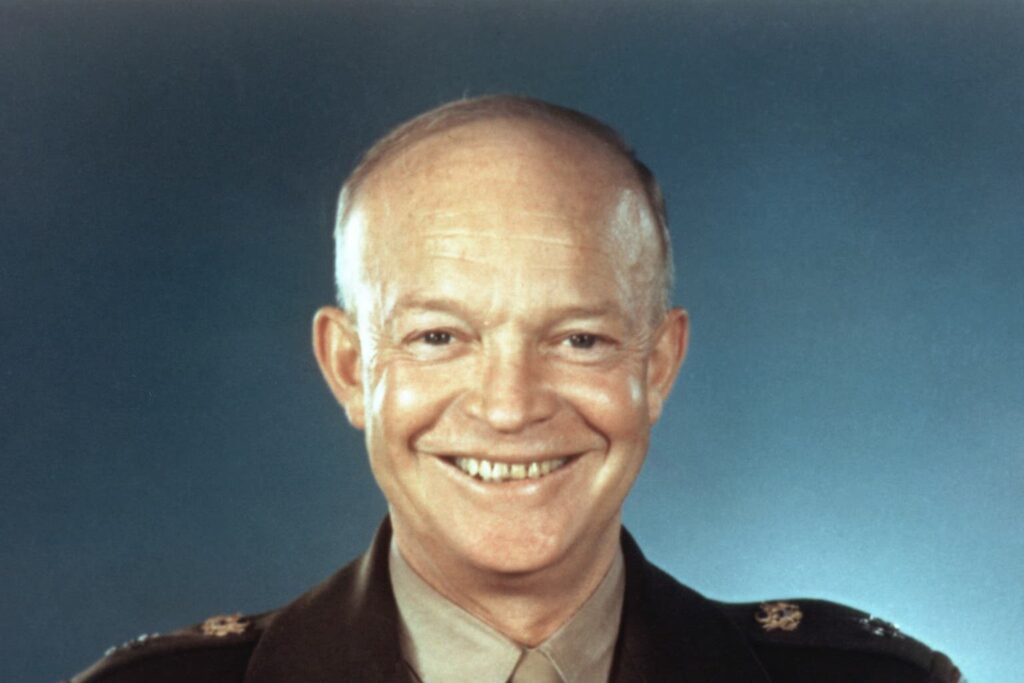
Dwight D. Eisenhower changed his breakfast habits after a serious heart attack. Doctors advised lighter meals, and he listened. Fruit, cereal, and toast replaced heavier options. Breakfast became a daily commitment to health rather than indulgence. Moderation guided his mornings. This shift reflected growing awareness of wellness and longevity. Many people recognize this adjustment, choosing care over comfort, making steady choices each morning that support strength and balance as life continues especially when health becomes a priority shaped by experience and caution after years of demanding schedules and pressure from leadership responsibilities and expectations placed upon him.
12. Minimal by Necessity
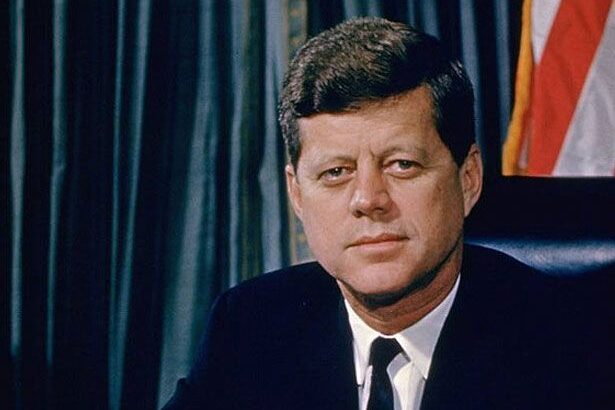
John F. Kennedy kept breakfast minimal, often limited to coffee and toast. Chronic pain and health challenges shaped his mornings. Heavy meals early in the day were rare. Breakfast served a functional purpose rather than comfort. His routine reflected careful energy management. Many people relate to easing into the day gently, conserving strength for later demands. Kennedy’s mornings remind us that unseen struggles often influence simple daily choices more than public image suggests especially when physical limits quietly shape schedules and expectations behind polished appearances and leadership roles seen by the world daily without full understanding.
13. A Controlled Morning Choice
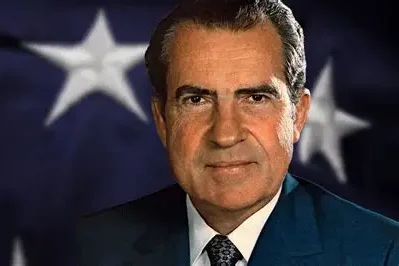
Richard Nixon often chose cottage cheese and fruit for breakfast. He believed the combination supported focus and weight control. Breakfast was quiet and private. Predictability mattered to him. His routine reflected growing diet consciousness of the era. Many people recognize this approach, using controlled habits to create structure. Nixon’s mornings show how breakfast can become less about enjoyment and more about discipline, intention, and maintaining a sense of order during demanding periods when personal control feels important amid pressure and uncertainty from public scrutiny responsibilities and constant expectations placed on leadership roles daily without much relief.
14. A Sweet Way to Start
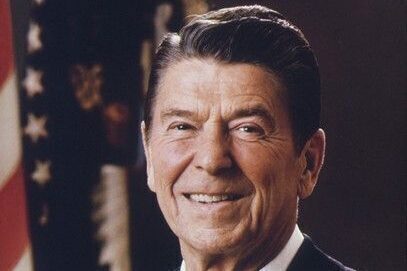
Ronald Reagan enjoyed sweeter breakfasts, often choosing pancakes or waffles with syrup. Breakfast brought him comfort and familiarity. It was a meal he genuinely enjoyed. Mornings felt warmer and unhurried. This preference reflected his optimistic nature and appreciation for simple pleasures. Many people relate to starting the day with something comforting. Reagan’s breakfast habits show how familiar flavors can create calm, helping the day begin on a positive and reassuring note especially when routines provide emotional steadiness before responsibilities appear and expectations quietly demand attention and focus from early hours onward daily for many busy adults.
15. Balance Over Perfection
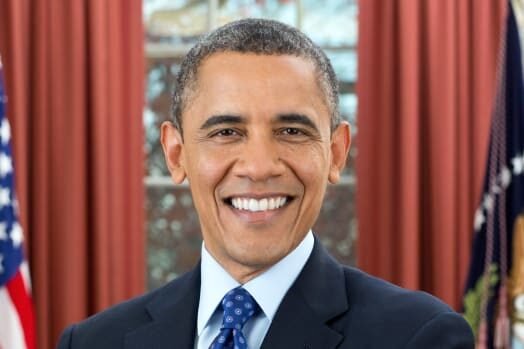
Barack Obama preferred a balanced breakfast, usually eggs, fruit, and whole grains. He spoke about consistency rather than perfection. Breakfast fit into a broader wellness routine. There was flexibility without rigidity. His mornings reflected a modern approach to health and sustainability. This habit brings the story full circle, showing that breakfast still serves the same purpose. It helps people begin the day steady, human, and ready, grounded in small choices that quietly support long demanding days ahead without drama pressure or unnecessary expectations shaping the moment before leadership and life unfold fully in everyday relatable ways now.


