
Finding the Person Behind the Character

Mackenzie Phillips first entered many homes as someone audiences felt they already knew. Before anything else, it helps to ease into her story the way memory works, not as a headline but as a feeling. She was young, quick witted, and believable in a way that made people assume acting came naturally. What most viewers never considered was how little separation there was between her real life and the role she played. Fame arrived early, before she had learned how to take care of herself, and it wrapped around her identity tightly. She later reflected that being recognized everywhere made it hard to know who she was when no one was watching. That confusion quietly followed her for years.
Away from the cameras, she was still growing up, still reacting to a chaotic childhood shaped by the music industry and unstable adults. The applause did not protect her from insecurity or fear. Instead, it often made her feel more exposed. This entry sets the tone for everything that follows because her story is not about leaving a role behind. It is about slowly learning how to exist outside of it, without applause filling the silence.
Growing Up Too Fast in a Loud World

Long before television scripts and studio audiences, Mackenzie Phillips was absorbing the rhythms of an adult world she was not ready for. Being raised inside a famous music family meant constant movement, unpredictable routines, and early exposure to things most children never see. She has spoken about how normal instability felt because it was all she knew. There was music and attention, but very little grounding. That environment shaped her understanding of safety and trust in ways that followed her into adulthood.
When she later entered television, the structure of a set felt familiar yet hollow. It mirrored the same pattern of adults leading while she followed, without being asked how she felt. This upbringing does not explain every choice she made, but it gives context. It shows how survival skills learned early can later become obstacles. Her story reminds readers that childhood experiences do not stay neatly in the past. They quietly inform how people cope, connect, and sometimes unravel later on.
Holding It Together While Falling Apart
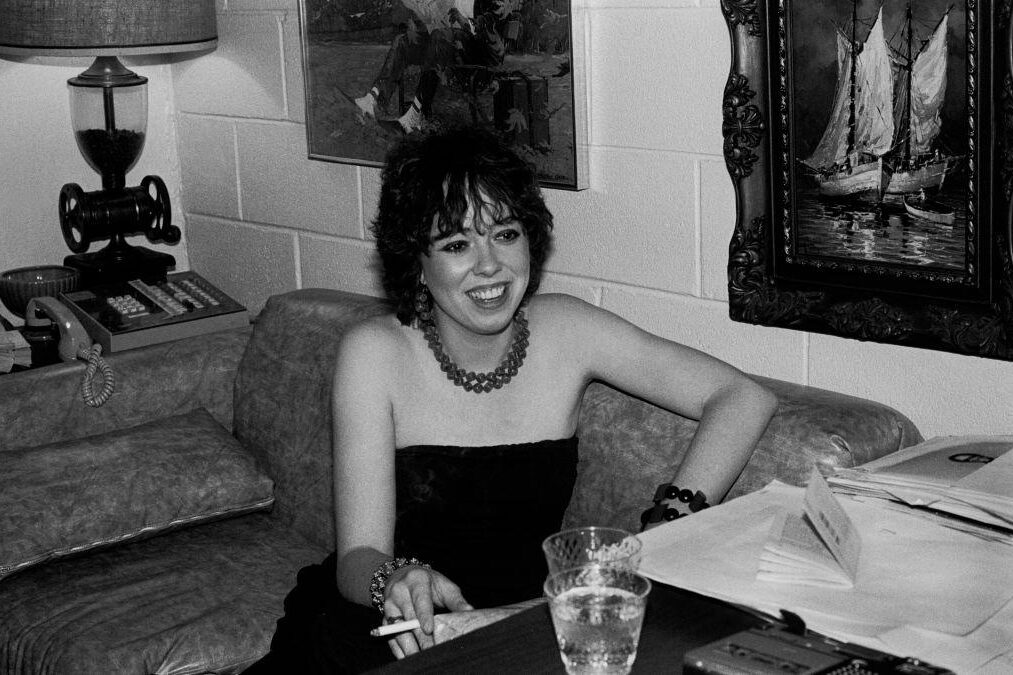
On screen, Mackenzie Phillips appeared confident and composed, delivering lines with timing that felt effortless. Behind the scenes, however, she was struggling to keep herself steady. Addiction did not arrive suddenly. It was already present when her career took off, quietly woven into her daily life. She has described how routine and professionalism helped her hide what was happening. Showing up to work gave her a sense of control, even when everything else felt loose.
Over time, that balance became harder to maintain. The pressure to perform while feeling disconnected inside created a growing strain. She was praised for reliability even as her health suffered. This phase of her life often gets oversimplified, but it was not chaos from the start. It was a slow erosion. The contrast between public success and private struggle is a thread many readers recognize. It shows how easily pain can hide in plain sight when someone is good at doing their job.
When Consequences Finally Arrived

Eventually, the cracks could not be ignored. Mackenzie Phillips began missing work, and the reliability that once protected her was gone. Being written out of the show marked a painful turning point. At the time, it felt like rejection and failure rolled into one. She has since acknowledged that the decision was tied directly to her struggles, not to a lack of talent. Losing the role forced her to face the reality she had been avoiding.
What followed was not immediate clarity, but discomfort. Without the routine of filming, she was left alone with herself. That space was frightening, yet necessary. This moment stands out because it was not dramatic in the way people expect. It was quiet and heavy. It shows how loss can sometimes interrupt harmful patterns, even when it hurts. For Mackenzie Phillips, this consequence became the beginning of a long and uneven reckoning.
Learning That Recovery Takes Time

Recovery did not unfold as a clean victory. Mackenzie Phillips entered treatment more than once, experiencing relapses that tested her resolve. She has been honest about how difficult it was to accept that sobriety required persistence rather than willpower alone. Each attempt taught her something new about accountability and self awareness. Instead of hiding setbacks, she chose to speak about them openly.
This honesty reshaped how people understood her journey. It removed the pressure of perfection and replaced it with realism. Recovery became something she practiced, not something she achieved once and moved on from. That perspective resonates deeply because it mirrors how change works for many people. Progress comes in stages, often messy and humbling. Her willingness to stay visible through that process made her story feel grounded rather than inspirational in a shallow way.
Returning to Work With New Boundaries

When Mackenzie Phillips returned to acting after years of instability, the motivation felt different. She was no longer trying to prove herself or reclaim a place she once held. Work became something she chose rather than something she clung to. Smaller roles suited her better at that stage because they allowed presence without pressure. Showing up sober and prepared mattered more than being noticed. This shift marked a turning point where intention replaced urgency. She was no longer measuring worth through visibility.
Acting became part of her life instead of the center of it. That balance helped her stay grounded and realistic about what she could give. The work no longer demanded sacrifice of her health or peace. Instead, it fit around the life she was building. This return was quiet, steady, and honest. It reflected growth rather than ambition and showed how success can change shape over time.
Choosing to Speak in Her Own Voice

Writing her memoir was not about clearing her name or controlling reaction. It was about telling the truth in her own voice. Mackenzie Phillips understood that staying silent had kept her stuck for years. Sharing her story meant confronting painful memories without hiding behind performance. She accepted that not everyone would understand or agree. What mattered was honesty.
The decision reshaped how the public viewed her. She moved from being remembered only as a sitcom daughter to being seen as a person who survived complicated experiences. The book allowed her to speak plainly about addiction, responsibility, and healing. It was not an attempt to shock. It was an attempt to live openly. That choice brought discomfort, but it also brought clarity and a sense of release she had not known before.
Using Experience to Help Others

After sharing her story, Mackenzie Phillips found purpose in speaking with others who understood struggle firsthand. She spent time in recovery spaces where honesty mattered more than reputation. These conversations were not performances. They were grounded exchanges shaped by lived experience. Showing up in these spaces helped her remain accountable while offering others reassurance.
This work did not attract headlines, but it brought consistency. Advocacy became a way to give meaning to difficult years without romanticizing them. She did not present herself as an expert. She spoke as someone who had walked the path. This role allowed her to contribute quietly and steadily. It reshaped her legacy away from fame and toward usefulness rooted in empathy.
Redefining What Success Means

By the time Mackenzie Phillips reached middle age, success no longer meant applause or visibility. It meant waking up clear headed, keeping promises, and protecting her peace. Years of instability had taught her that attention could disappear overnight, while inner steadiness stayed. She spoke often about valuing routine and honesty more than recognition. That shift did not arrive suddenly. It grew slowly as she learned what actually sustained her. Letting go of old definitions created space for a calmer life that felt earned rather than chased over time without fear or performance shaping her days with intention and quiet confidence.
This redefinition changed how she approached work, relationships, and aging. Instead of measuring worth through roles, she focused on consistency and health. Small victories mattered more than headlines. She chose privacy when needed and presence when it counted. This mindset softened ambition into intention and allowed fulfillment to grow naturally. Her life became quieter but fuller, guided by choices rather than expectations. In stepping away from old markers of success, she found a version of achievement that could not be taken from her. It remained steady even as circumstances shifted around her without demanding approval or validation from anyone else.
Living With Accountability

Accountability became a guiding principle for Mackenzie Phillips as her life stabilized. She stopped minimizing past choices and began naming them honestly. Responsibility no longer felt like punishment but clarity. Owning mistakes helped her remain present rather than trapped in regret. She learned that avoiding truth delayed healing. By acknowledging harm without self destruction, she built trust with herself first. This approach grounded her recovery and shaped how she moved through the world with steadiness. It required patience, humility, and daily attention especially when old patterns tried returning unexpectedly during quiet moments without outside structure or external pressure to perform.
Living this way meant staying honest even when no one was watching. She accepted that accountability was ongoing, not something completed once. Each day asked for attention and choice. This mindset strengthened relationships and reinforced self respect. She avoided rewriting history to feel better and focused instead on living responsibly now. Accountability became freeing rather than heavy. It allowed growth without denial and movement without forgetting, giving her a balanced foundation for the life she continued building. That stability supported long term sobriety and personal integrity even during uncertainty and change when life shifted in unexpected ways around her consistently.
Navigating Family Complexity

Family relationships remained complicated for Mackenzie Phillips despite personal growth. Healing did not arrive neatly or all at once. She learned to set boundaries while accepting limitations. Some connections changed shape rather than repairing fully. This realism allowed her to protect her wellbeing without denying history. She spoke about understanding that love and distance can coexist. Accepting what could not be fixed helped her release constant tension and unrealistic expectations built over many years that once shaped her sense of obligation and guilt from childhood through adulthood without self blame or resentment toward herself or others involved in her past.
This perspective reshaped how she defined peace. Forgiveness became contextual rather than absolute. She stopped forcing reconciliation where it caused harm. By acknowledging complexity, she avoided false closure. Family healing became about balance, not perfection. This approach resonated with many who recognized similar struggles. Her experience showed that peace sometimes comes from acceptance rather than closeness. Allowing relationships to exist differently gave her space to live more honestly and without constant emotional strain. This understanding supported stability and reduced emotional exhaustion over time in ways she once thought impossible during earlier years of turmoil and confusion within her family life.
Aging With Ease

As time passed, Mackenzie Phillips approached aging with acceptance rather than resistance. She no longer chased relevance or visibility. Appearing publicly became a choice instead of an obligation. This ease reflected confidence earned through experience. She carried her years openly, without apology or reinvention. Aging became part of her story, not something to hide. This perspective allowed her to remain present and grounded as life continued changing around her. It marked a departure from industry pressure and self judgment that once shaped how she viewed her worth and sense of relevance within public spaces and conversations about aging women today.
Her presence carried steadiness rather than nostalgia. She did not attempt to reclaim the past or reshape herself for approval. Instead, she allowed life to unfold naturally. This approach offered a quieter model of longevity. It suggested that value deepens through experience. By aging openly, she challenged narrow expectations placed on women in entertainment. Her story affirmed that visibility can be intentional and meaningful without being constant. It highlighted dignity, patience, and confidence developed over many seasons rather than urgency driven by fear or pressure to remain youthful within an often unforgiving industry that values novelty above lived experience sometimes.


