
1. Lorena Bobbitt Today

In the early 1990s, one courtroom case exploded into a global media event, reshaping conversations around marriage, abuse, and sensational justice. After her 1993 acquittal, Lorena Bobbitt gradually stepped away from public spectacle and rebuilt her life with intention. She legally changed her name to Lorena Gallo and focused on advocacy rather than notoriety. Over time, she became involved in domestic violence awareness and later founded the Lorena Gallo Foundation, which supports survivors and at-risk families in Virginia. Documentaries released decades later reframed her story through the lens of trauma and legal context rather than tabloid shock. Now living quietly, Lorena has emphasized healing, accountability, and the importance of listening to survivors, choosing long-term purpose over the fame she never sought.
2. John Bobbitt’s Aftermath
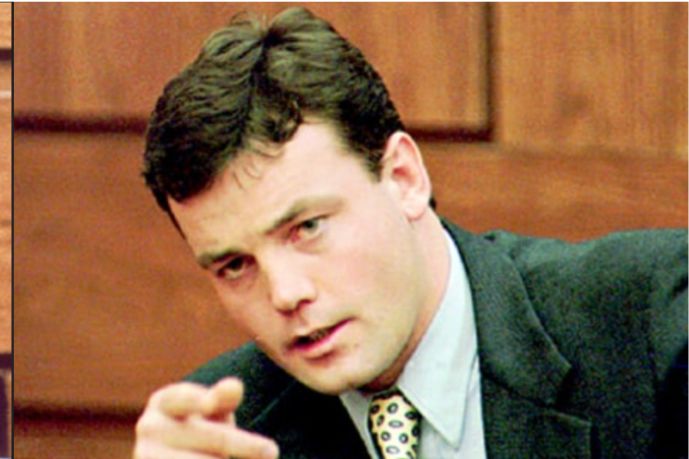
For John Bobbitt, life after the trial followed a very different path. Though physically recovering after surgery, his public image remained deeply tied to the scandal. In the years that followed, he pursued short-lived fame through media appearances and adult entertainment, which often drew criticism and reinforced public skepticism. Bobbitt later faced additional legal troubles unrelated to the original case, further complicating his legacy. While he periodically attempted to reframe his story, public attention largely moved on. His post-trial life became an example of how notoriety, once cemented, can be difficult to escape.
3. Domestic Violence Advocates

The case unexpectedly amplified the voices of domestic violence advocates across the United States. Organizations and shelters reported increased public awareness and discussion following the verdict. Advocates emphasized that while the incident was extreme, the underlying issues were common and often ignored. Hotlines, support centers, and educational programs used the national attention to push for better protections and legal recognition of abuse-related trauma. In hindsight, many experts credit the case with accelerating public understanding of battered woman syndrome and influencing later policy discussions, even if the progress was uneven and hard-won.
4. Feminist Movement Response
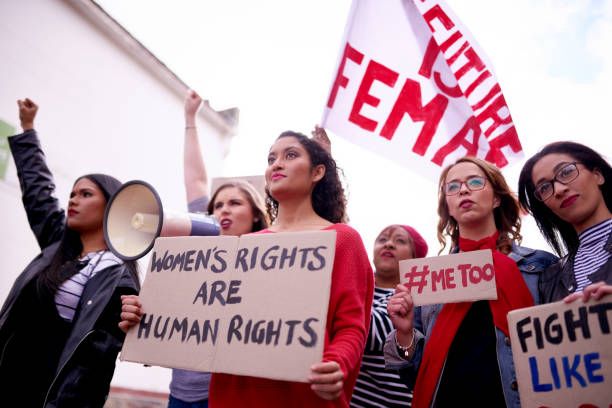
The 1993 trial became a flashpoint within the feminist movement, sparking debates about justice, gender expectations, and media framing. Some activists rallied around Lorena as a symbol of systemic failure to protect abused women, while others urged caution against simplifying the case. The intense coverage forced feminist scholars and organizations to confront how trauma, accountability, and public perception intersected. Over time, the case entered academic literature and gender studies classrooms as a complex example of how women’s experiences are filtered through law and media. Its influence remains visible in modern conversations about survivor narratives.
5. Talk Show Media Surge

Daytime television played a major role in shaping public opinion. Programs like The Oprah Winfrey Show and similar talk shows devoted extensive airtime to the case, often blending legal analysis with emotional storytelling. While these platforms brought national attention to abuse issues, they also contributed to sensationalism. Experts, psychologists, and commentators became regular fixtures on television, turning complex legal questions into digestible debates. The trial marked a turning point in how courtroom stories were packaged for mass consumption, influencing media coverage for decades to come.
6. Mental Health Experts

Psychologists and psychiatrists who testified during the trial found themselves at the center of national discussion. Their explanations of trauma and dissociation helped jurors, and the public, understand how prolonged abuse can affect perception and decision-making. After the verdict, battered woman syndrome gained wider recognition in legal and academic circles. Mental health professionals later pointed to the case as a moment when psychological expertise meaningfully influenced a high-profile jury. This shift encouraged broader acceptance of mental health testimony in future criminal trials involving abuse survivors.
7. Legal System Impact

The Bobbitt trial left a lasting imprint on the American legal system. Law schools continue to study it as an example of how context and expert testimony can shape verdicts. Judges and attorneys became more attentive to psychological defenses, particularly in cases involving domestic abuse. While the ruling did not rewrite the law overnight, it influenced how similar cases were argued and understood. The trial highlighted the gap between strict legal definitions and lived experience, pushing courts to consider broader human factors when weighing responsibility.
8. Public Opinion Shift

Initial public reactions were often flippant, driven by headlines and late-night jokes. Over time, however, attitudes shifted as more details emerged. Editorials, documentaries, and retrospectives encouraged audiences to reconsider their assumptions. The case became an early example of how sustained media reflection can soften snap judgments. Decades later, many commentators note that reactions to similar cases today are noticeably more nuanced, reflecting lessons learned from the Bobbitt coverage and its aftermath.
9. Documentary Reassessment

Modern documentaries revisiting the case played a crucial role in reshaping its legacy. By focusing on Lorena’s perspective and the cultural climate of the 1990s, filmmakers challenged the original tabloid framing. These reassessments drew praise for restoring context and dignity to a story long reduced to punchlines. Viewers were invited to reflect on how media treatment can obscure deeper truths. The renewed attention confirmed that time, distance, and responsible storytelling can significantly alter public understanding.
10. Media Ethics Debate

The Bobbitt case became a defining reference point in discussions about media ethics. Journalism schools, newsrooms, and professional organizations later examined how the story was covered, questioning whether ratings and shock value outweighed responsibility. Critics argued that repeated jokes, graphic curiosity, and uneven framing caused lasting harm, especially to survivors of abuse watching from the sidelines. Over time, the case was cited in ethics panels and academic writing as an example of what happens when nuance is sacrificed for attention. While sensational crime reporting did not disappear, the backlash helped encourage more careful language and survivor-aware reporting standards in later decades.
11. Cultural Memory Today

Today, the Bobbitt scandal occupies a complicated place in cultural memory. What was once treated as late-night humor is now more often referenced as a cautionary tale about media excess and misunderstood trauma. Retrospectives, documentaries, and essays have reframed the story for newer generations, emphasizing context rather than spectacle. The shift reflects broader changes in how society discusses abuse, accountability, and public shaming. While the case remains widely recognizable, its meaning has evolved, serving as a reminder that cultural understanding can grow, and that how stories are told matters just as much as the events themselves.
Like this story? Add your thoughts in the comments, thank you.


