
1. Tonya Harding Rebuilds
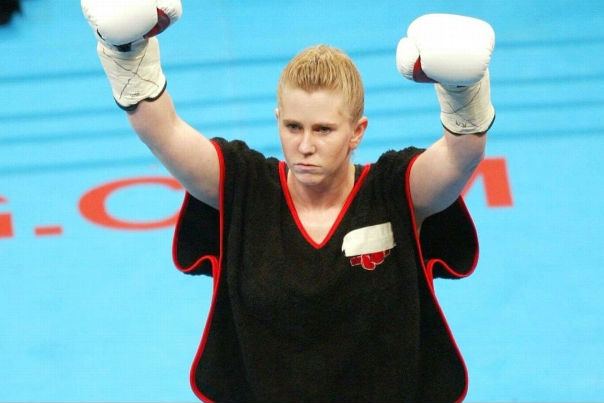
After the 1994 scandal, Tonya Harding was banned for life from competitive figure skating by the U.S. Figure Skating Association. With endorsements gone and competitive doors closed, she turned to other pursuits to survive financially. Harding briefly entered professional boxing in the early 2000s, a widely covered and unconventional move that drew curiosity rather than acclaim. She also worked in manual and service jobs, including welding and painting, while largely staying out of the spotlight. In later years, Harding spoke openly in interviews about abuse, poverty, and the long-term impact of public shaming. Her life became quieter, centered on family in Oregon, far removed from Olympic rinks but permanently tied to one of sports’ most infamous moments.
2. Jeff Gillooly Disappears
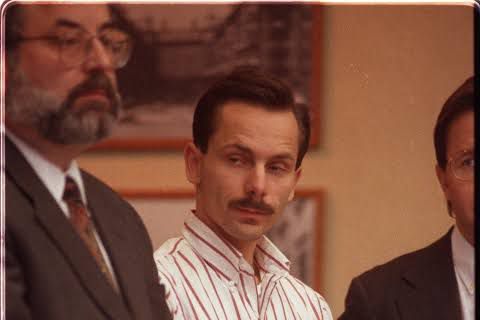
Jeff Gillooly, Harding’s ex-husband, pleaded guilty to racketeering in connection with the attack on Nancy Kerrigan and served two years in prison. After his release, he largely vanished from public life, changing his name to avoid attention. Gillooly later expressed remorse in interviews, acknowledging his role in planning the attack and the damage it caused. Unlike Harding, he did not attempt a public comeback or media career. His disappearance from the spotlight became part of the story, reinforcing how completely the scandal derailed the lives of those closest to its center. Gillooly’s quiet retreat contrasted sharply with the enduring public interest in Harding herself.
3. Shawn Eckardt Fallout
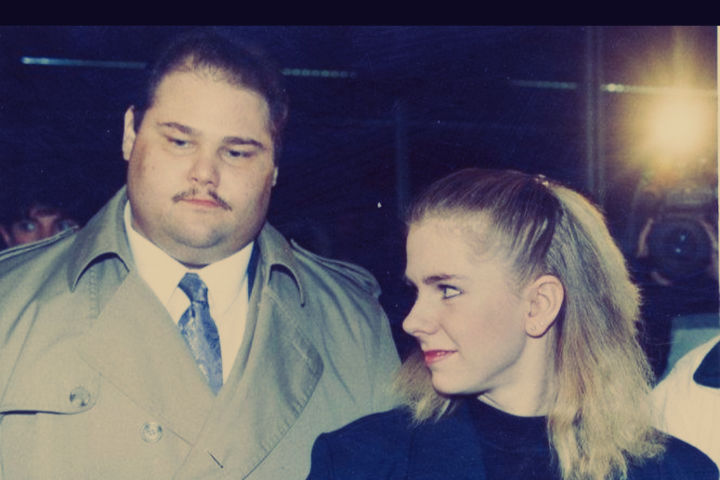
Shawn Eckardt, who presented himself as Harding’s bodyguard, played a central role in connecting Gillooly to the men who carried out the attack. He pleaded guilty to racketeering and served approximately 18 months in prison. After his release, Eckardt struggled with employment and health issues, occasionally speaking to media about regret and betrayal. His role became emblematic of how loosely connected individuals were swept into the scandal, often driven by bravado rather than foresight. Eckardt’s post-prison life was marked by obscurity and hardship, a stark reminder that notoriety rarely translates into lasting opportunity.
4. Nancy Kerrigan Moves On
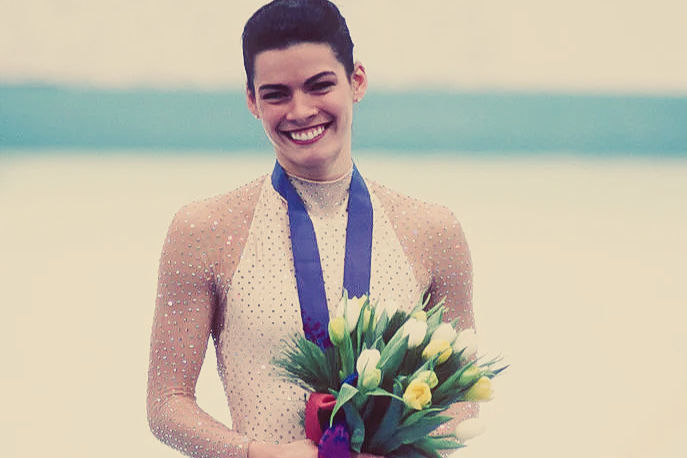
Although not part of Harding’s inner circle, Nancy Kerrigan remained a defining figure in the aftermath. Kerrigan recovered in time to compete at the Lillehammer Olympics, winning silver and becoming a symbol of resilience. She went on to enjoy a long professional skating career, appearing in ice shows and television specials. Public sympathy largely stayed with her, and she avoided prolonged media battles over the incident. Kerrigan’s ability to move forward highlighted the contrast between victim and accused, and her continued success underscored how differently the scandal affected those involved.
5. Diane Rawlinson Defends
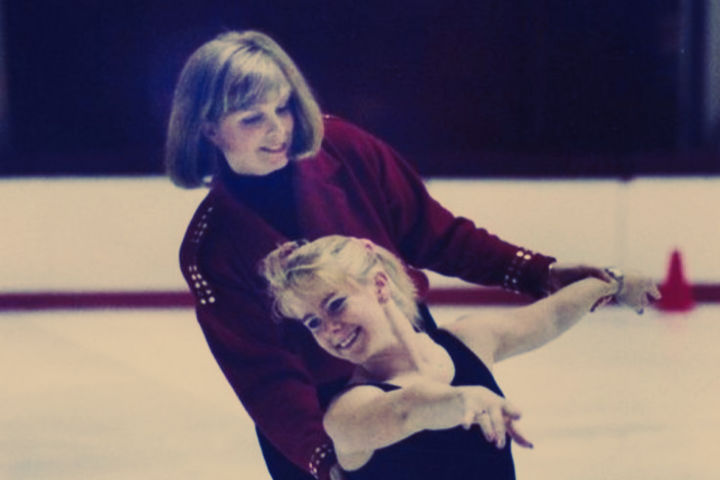
Diane Rawlinson, Harding’s longtime coach, stood by her athlete even as public opinion turned harsh. Rawlinson consistently stated she believed Harding did not plan the attack, emphasizing her skater’s troubled upbringing and emotional volatility. While Rawlinson’s professional reputation took a hit by association, she remained active in coaching and skating education. Her loyalty illustrated the complicated bonds between coaches and athletes, especially when careers intertwine from childhood. Rawlinson’s stance did not change the official outcomes, but it added nuance to a story often flattened into villains and victims.
6. USFSA Enforces Ban

The U.S. Figure Skating Association permanently banned Harding in 1994 after determining she obstructed the investigation. The decision was widely reported and remains one of the most severe penalties in sports history. USFSA officials defended the ban as necessary to protect the integrity of figure skating. The ruling effectively ended Harding’s competitive career overnight. Decades later, the ban still stands, often cited in discussions about athlete responsibility and governance. The association’s firm stance became a defining institutional response to scandal in modern sports.
7. Media Frenzy Persists
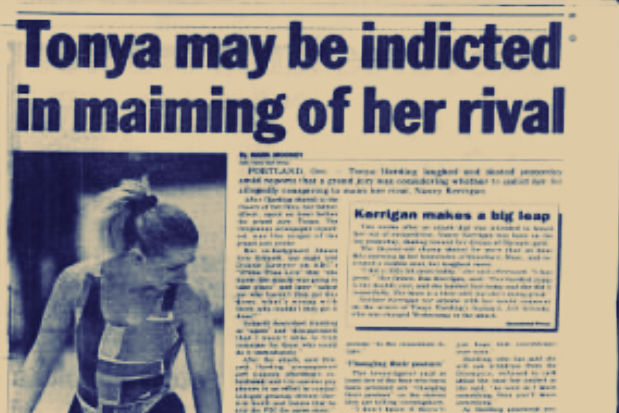
The media attention surrounding Harding never truly faded. From 24-hour cable news in the 1990s to documentaries and viral clips decades later, the story remained culturally relevant. Sensational coverage shaped public perception, often focusing on class, appearance, and personality as much as facts. Harding became a case study in how media narratives can outlast legal judgments. The continued interest demonstrated how the scandal transcended sports, becoming part of pop culture history. For Harding, this meant her past was continually resurfaced, complicating any attempt at a clean slate.
8. Family Support Remains
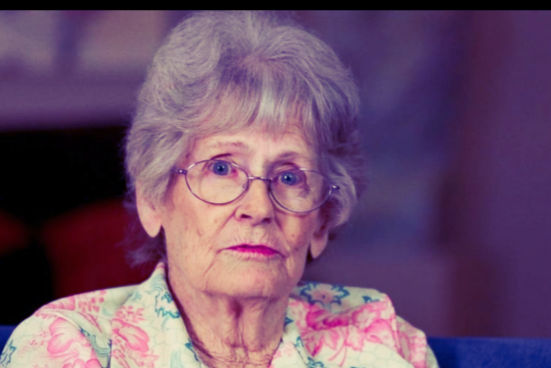
Despite strained relationships and public scrutiny, Harding’s family ties remained part of her support system. Her upbringing, particularly her relationship with her mother, was widely discussed in court testimony and later interviews. While those relationships were complicated, family members often defended Harding against what they saw as unfair portrayals. These dynamics reinforced how personal history shaped public behavior. The family’s presence in her story added emotional depth, reminding audiences that the scandal affected private lives far beyond televised arenas.
9. Pop Culture Reassessment
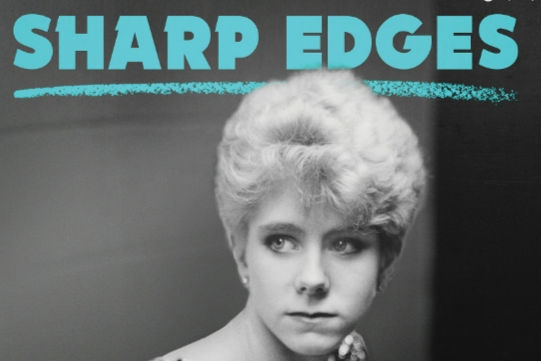
In later years, documentaries and dramatizations prompted a reassessment of Harding’s life and the broader context of the scandal. These projects revisited issues of media bias, class, and domestic abuse, offering perspectives that were largely absent in 1994 coverage. While not erasing responsibility or consequences, the renewed attention added complexity to Harding’s image. The shift reflected changing cultural conversations about how stories are told and who controls the narrative. Harding’s legacy became less one-dimensional, though still controversial.
10. Public Memory Lingers
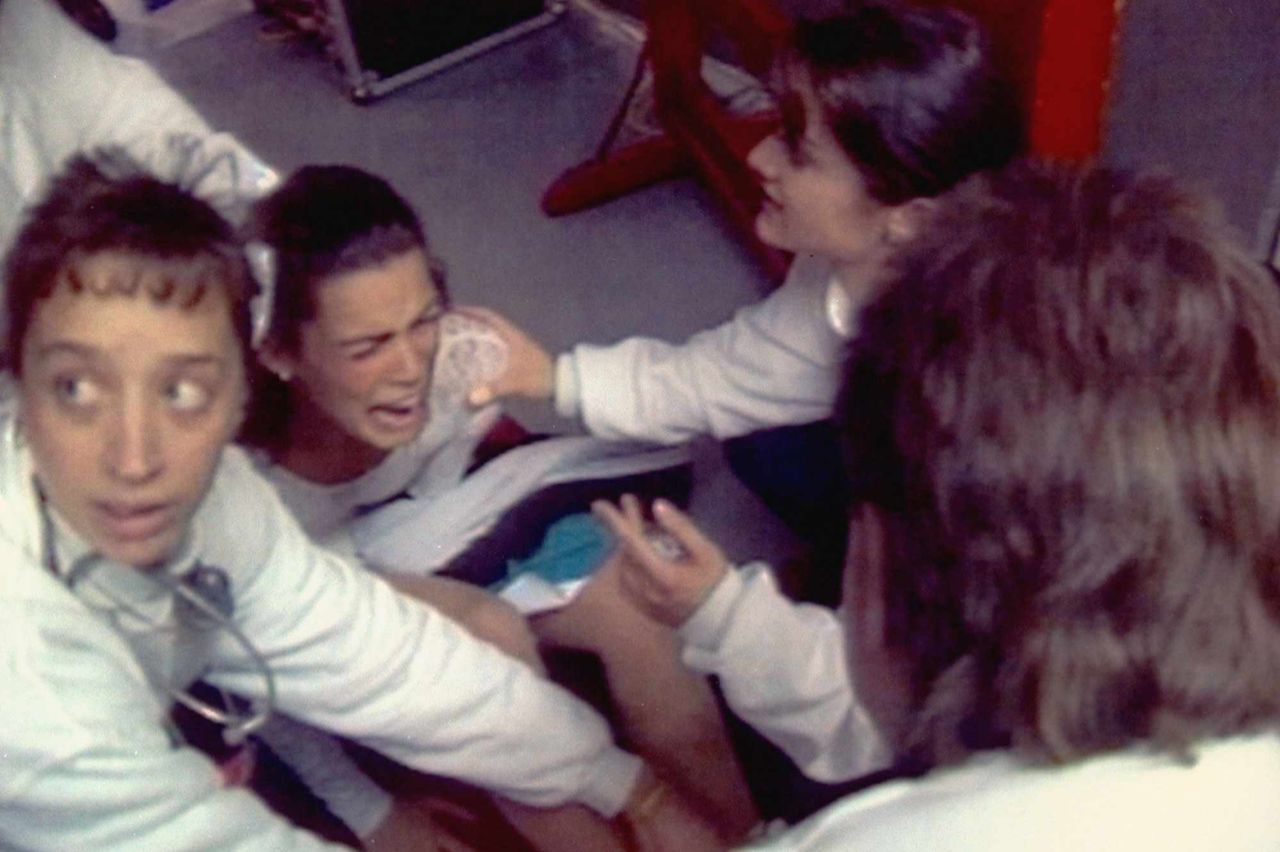
The Harding scandal remains one of the most remembered moments in Olympic history. For those involved, especially Harding, the passage of time did not erase public memory. Anniversaries, retrospectives, and debates continue to resurface. The endurance of the story highlights how certain events become cultural touchstones. Long after medals were awarded, the scandal’s impact continued shaping conversations about accountability, compassion, and the cost of notoriety.
11. Joseph Price Stands By
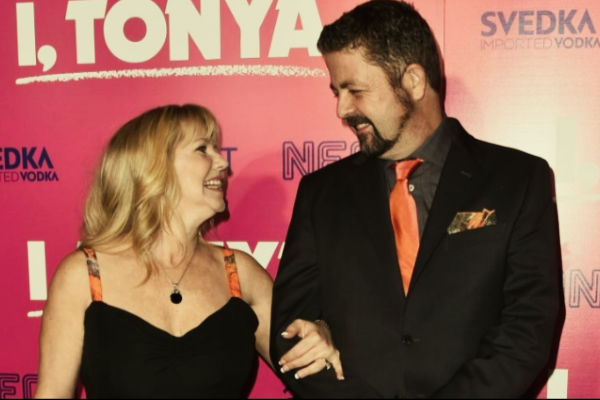
Joseph Price became one of the most stable presences in Tonya Harding’s later life. The two married in 2010, long after the scandal had faded from daily headlines but not from public memory. Price consistently avoided media attention, choosing privacy over public commentary, yet his support was evident through Harding’s quieter, more settled lifestyle. Together they raised a son and lived largely outside the spotlight in Oregon. Unlike earlier figures in Harding’s life, Price was not connected to the skating world or the scandal itself, which allowed their relationship to exist without the baggage of past controversies. His steady presence marked a clear shift from the chaos of the 1990s to a more grounded chapter defined by family rather than notoriety.
12. Loyal Fans Reconsider
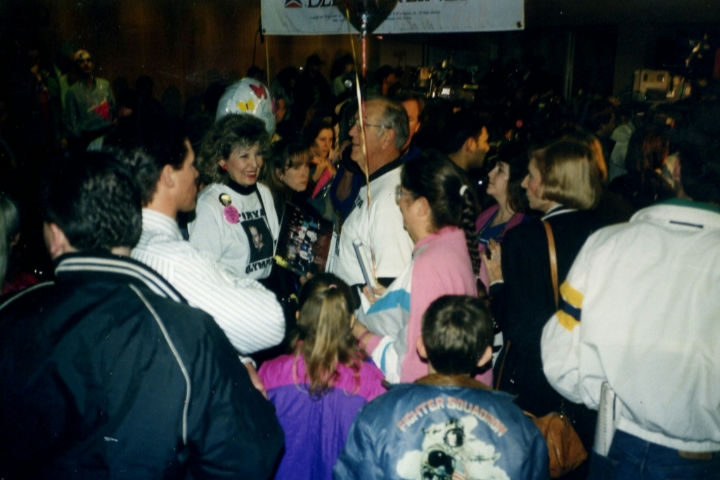
In the years following the scandal, a small but vocal group of skating fans and cultural commentators began reassessing Tonya Harding’s story. While not formal allies, these supporters challenged the one-note villain narrative that dominated early coverage. Through documentaries, interviews, and online discussions, they pointed to Harding’s working-class background, lack of institutional support, and the media’s role in shaping public opinion. This shift did not deny the seriousness of the events but argued for a more nuanced understanding. For Harding, this gradual change in public tone offered a measure of validation, even if it did not restore her career. The evolving fan perspective reflected broader changes in how society revisits and reevaluates infamous public scandals.
Their stories serve as a reminder that in high-profile scandals, consequences linger long after the cameras turn away.
Like this story? Add your thoughts in the comments, thank you.


