
1. Michelle Knight Reclaimed Life

When three women escaped in 2013, their survival story captured the world’s attention. After escaping captivity in 2013, Michelle Knight began a long, public journey of healing and self-definition. She later changed her name to Lily Rose Lee, marking a personal break from the identity tied to years of abuse. Knight shared her story through bestselling memoirs, including Finding Me, which detailed both the trauma and the slow process of reclaiming independence. She became an advocate for missing persons and abuse survivors, speaking openly about mental health, resilience, and rebuilding trust. While she largely stepped back from the spotlight in recent years, her story remains one of the most visible examples of survival after prolonged captivity, often cited in discussions about trauma recovery and victim advocacy.
2. Amanda Berry Found Stability

Amanda Berry emerged from captivity focused on protecting her daughter, who had been born during her confinement. In the years after her escape, Berry became a recognizable voice for missing persons through her work with local Cleveland media, helping families keep unresolved cases in the public eye. She balanced advocacy with a deliberate effort to create a private, stable life for her child, frequently emphasizing routine and normalcy. Berry’s public appearances gradually became less frequent, reflecting her choice to prioritize family over attention. Her post-escape life is often cited as an example of how survivors can blend advocacy with privacy while still contributing meaningfully to their communities.
3. Gina DeJesus Chose Privacy

Unlike some of the other survivors, Gina DeJesus largely stepped away from public life after her rescue. Supported closely by her family, DeJesus focused on healing outside of media attention, a decision widely respected by advocacy groups. She participated in select public events early on, including memorials and community gatherings, but soon made clear that privacy was central to her recovery. Her path highlights an often overlooked reality: survival does not require visibility. By choosing a quieter life, DeJesus reinforced the idea that reclaiming control can mean setting firm boundaries, especially after years in which personal autonomy was stripped away.
4. Charles Ramsey Raised Alarm

Charles Ramsey became an unexpected national figure after responding to cries for help from next door. His quick decision to assist Amanda Berry in escaping directly triggered the rescue of all three women. Ramsey’s interviews, delivered in plainspoken and emotional language, resonated widely and kept public attention on the case during its crucial early hours. Although he briefly experienced media attention and public scrutiny, Ramsey ultimately returned to private life. His role is frequently cited in discussions about bystander intervention, emphasizing how ordinary actions, when taken seriously and without hesitation, can alter lives forever.
5. Neighbor Intervention Saved Lives

Beyond the most visible helper, several unnamed neighbors played supporting roles in the rescue by contacting authorities and assisting in the chaotic moments after the escape. Their involvement underscored how community awareness, even in ordinary residential areas, can become critical during emergencies. While none sought recognition, their cooperation with police ensured a rapid response. In the years since, the Seymour Avenue neighborhood has been studied by journalists and criminologists examining how crimes can remain hidden in plain sight, and how communal action, even when delayed, can still make a decisive difference.
6. Cleveland Police Responded Quickly
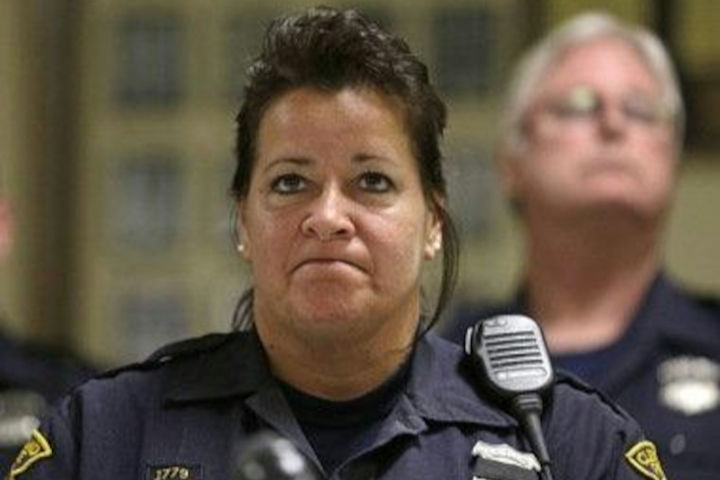
The rapid response by the Cleveland Police Department was instrumental in securing the scene and arresting the suspect without further harm. Officers arrived within minutes of the emergency call, clearing the property and confirming the extent of the crimes. Their handling of the situation was later reviewed as an example of effective crisis response under extreme circumstances. While the case raised broader questions about missed warning signs over the years, the immediate police action during the escape itself was widely credited with preventing further danger.
7. Prosecutors Pursued Accountability
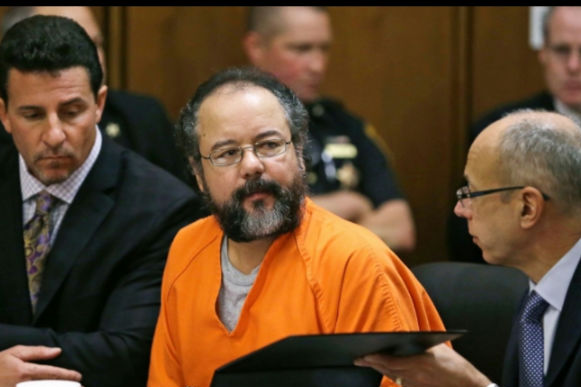
The Cuyahoga County Prosecutor’s Office moved swiftly to build an extensive case, ultimately securing a guilty plea that spared survivors a prolonged trial. Prosecutors worked closely with the victims to prioritize their well-being while ensuring a life sentence without parole. Legal experts later noted the case as an example of balancing justice with survivor-centered decision-making. The outcome brought a measure of closure while reinforcing legal standards for handling long-term abduction and abuse cases.
8. Victim Advocates Provided Support

Local and national victim advocacy organizations stepped in immediately after the rescue to provide counseling, legal guidance, and long-term support. These groups helped the survivors navigate media pressure, compensation processes, and trauma recovery. Their behind-the-scenes role rarely made headlines, yet experts consistently emphasize that such services are critical to long-term healing. The Cleveland case is often referenced in advocacy training as an example of coordinated care following extreme trauma, highlighting how structured support can ease the transition from crisis to recovery.
9. Community Raised Awareness
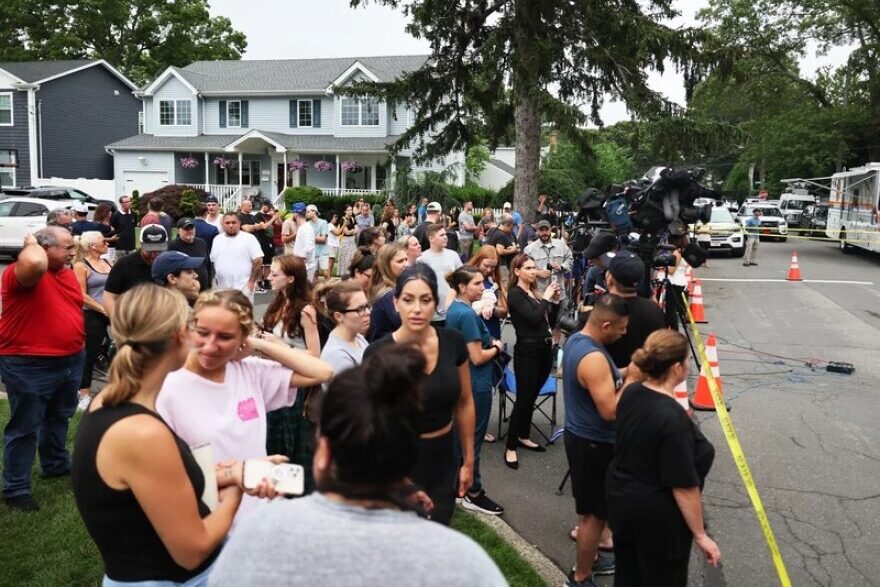
In the months following the escape, Cleveland residents organized vigils, fundraisers, and awareness campaigns focused on missing persons. These events were not only gestures of solidarity but also efforts to address broader issues of neglect and vulnerability. Community leaders used the moment to promote reporting suspicious activity and supporting families of the missing. While public attention eventually faded, these collective responses marked a period of reflection for the city, reinforcing the idea that shared responsibility extends beyond moments of crisis.
10. Media Shifted Coverage Tone

News organizations covering the case gradually shifted from sensational headlines to survivor-focused storytelling. Interviews increasingly centered on resilience, recovery, and accountability rather than graphic detail. Media analysts later cited this transition as part of a broader change in how high-profile trauma cases are reported. The Cleveland kidnappings became a reference point in journalism discussions about ethical coverage, demonstrating how tone and framing can influence public understanding and respect for survivors.
11. City Demolished Crime Scene

After the legal proceedings concluded, the City of Cleveland made the decision to demolish the Seymour Avenue house where the crimes occurred. Officials cited safety concerns and the emotional toll the structure carried for both the survivors and the surrounding neighborhood. The demolition was carried out in 2015, with careful coordination to ensure the site did not become a spectacle. City leaders emphasized that removing the house was about reclaiming the space and allowing the community to move forward. The lot was later cleared and maintained, symbolizing closure rather than erasure. Urban planners and victim advocates often reference this decision when discussing how cities can responsibly handle sites tied to long-term trauma.
12. Support Funds Aided Healing

Following the escape, a combination of state compensation programs, civil settlements, and donated funds were established to support the survivors’ long-term needs. Ohio’s victim compensation system helped cover counseling and essential expenses, while civil action against the perpetrator’s estate resulted in financial awards meant to ease the burden of rebuilding independent lives. Advocacy groups assisted in managing these resources to protect the survivors from exploitation and unnecessary public scrutiny. Though money could never undo the harm, these structured financial supports were widely viewed as practical tools that allowed the women to focus on recovery, stability, and personal choice rather than immediate survival.
The Cleveland kidnapping case remains a painful reminder of how easily suffering can be hidden, but it also shows what happens when courage meets compassion.
Like this story? Add your thoughts in the comments, thank you.


