
Susan Smith Confession
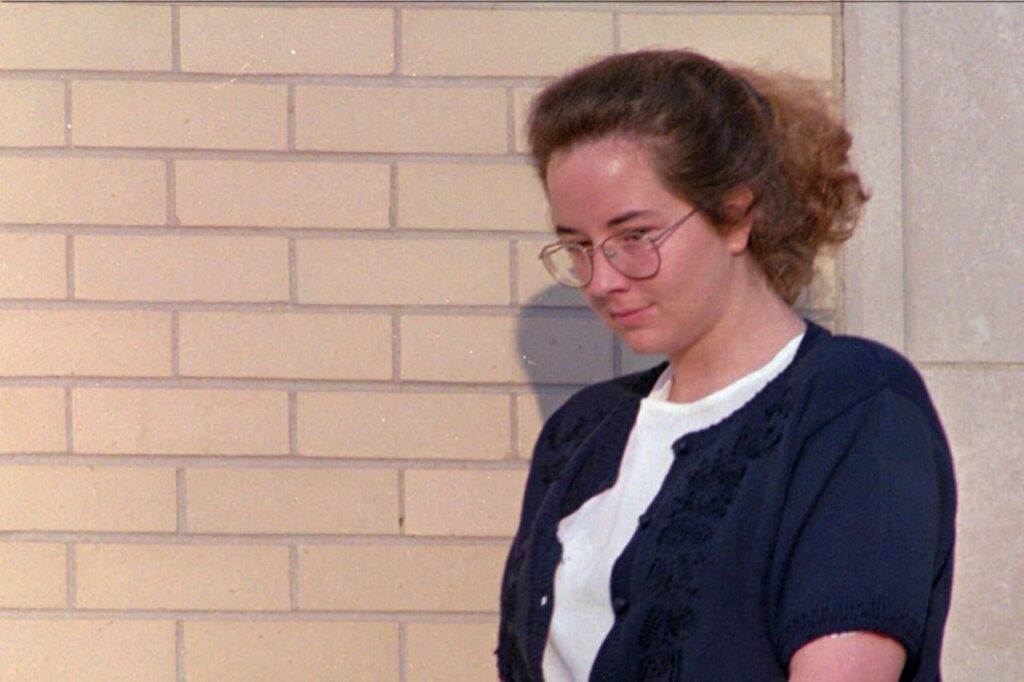
When Susan Smith confessed in November 1994 to killing her two young sons, the revelation instantly transformed her from a grieving mother into one of the most infamous figures in American crime history. For nine days, the public had watched her emotional appeals on national television, believing her story of a carjacking. The confession shattered that narrative and exposed how easily collective sympathy could be manipulated. Smith was later sentenced to life in prison with the possibility of parole after 30 years. Her case became a defining example of how media exposure, emotional storytelling, and public trust can collide with devastating consequences.
Nancy Grace Coverage

The Susan Smith case helped elevate Nancy Grace into a recognizable national voice. As a former prosecutor working with Court TV at the time, Grace covered the case relentlessly, emphasizing victims’ rights and accountability. Her emotional, often forceful style resonated with viewers who felt betrayed by Smith’s actions. The coverage reflected a broader shift in true crime media, where legal analysis blended with moral judgment. For many Americans, Grace’s commentary became inseparable from their memory of the case, illustrating how individual media figures can shape public understanding long after court proceedings end.
Tom Findlay Influence
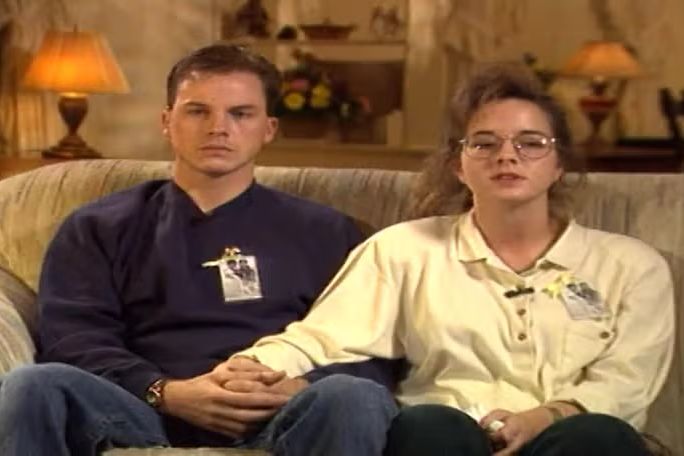
Investigators revealed that Susan Smith’s relationship with Tom Findlay played a significant role in the events leading up to the crime. Findlay, a wealthy mill executive, had reportedly ended their relationship after expressing he did not want children. While he was never charged and was not involved in the crime itself, his rejection became a central element in prosecutors’ explanation of Smith’s motive. The revelation sparked widespread debate about personal responsibility, emotional instability, and the dangers of tying self-worth to romantic validation. Findlay largely disappeared from public view after the trial, while his name remained permanently linked to the case.
Union Community Fallout
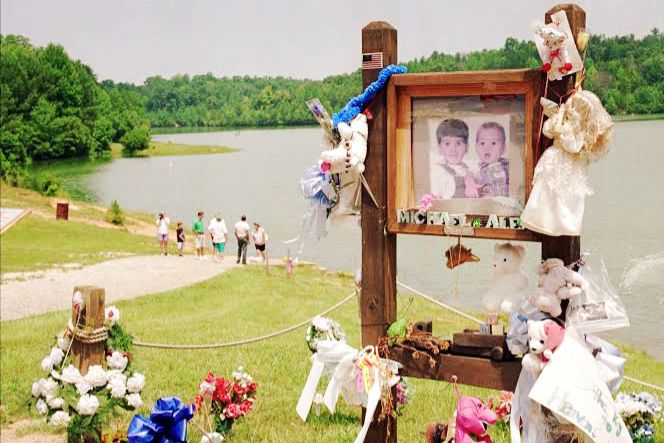
The town of Union, South Carolina, was forever changed by the events of 1994. Once a close-knit community, Union became synonymous with tragedy in national headlines. Residents faced unwanted attention, media intrusion, and lingering stigma as reporters descended on the town. Local businesses, churches, and schools struggled with the emotional weight of being associated with such a widely publicized crime. Even years later, longtime residents have spoken about how the case fractured trust and altered how the town saw itself, proving that the consequences of a single crime can ripple through an entire community for generations.
Media Trust Collapse

Susan Smith’s false allegations against a fictional carjacker sparked serious conversations about media responsibility and public trust. News outlets repeated her claims with limited scrutiny, amplifying fear and misinformation nationwide. When the truth emerged, it forced journalists and viewers alike to confront how quickly narratives can form without verified facts. The case is now frequently cited in journalism schools as a cautionary tale about confirmation bias and emotional storytelling. It marked a turning point in how major crimes were covered, encouraging more skepticism and fact-checking in breaking news situations.
Racial Impact Reckoning

Smith’s initial claim that an unnamed Black man abducted her children had lasting social consequences. The false accusation reinforced harmful stereotypes and heightened racial tension at the time. Civil rights leaders and commentators later condemned how easily the claim was accepted and broadcast. The episode exposed deep societal biases and became part of broader discussions about race, criminal suspicion, and media amplification. Even decades later, the case is referenced in conversations about the real-world harm caused by false racial allegations and the responsibility to question narratives that align too neatly with existing prejudices.
Prison Life Reality
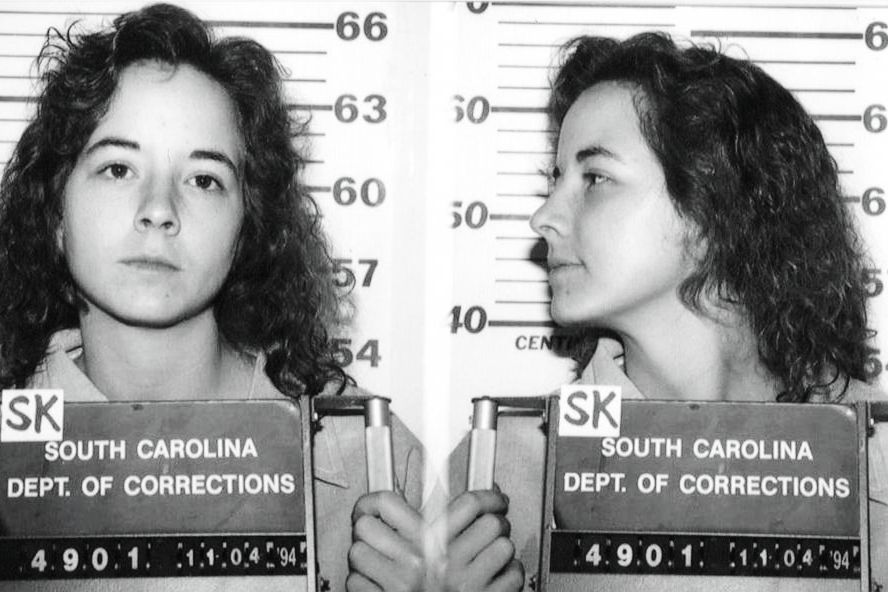
Since her sentencing, Susan Smith has spent decades in South Carolina’s prison system. Reports over the years have documented disciplinary issues, counseling efforts, and parole hearings that continue to draw public attention. In 2024, her first parole hearing was denied, reaffirming the lasting gravity of her crimes. For many observers, her incarceration represents both punishment and an ongoing reminder of the tragedy. The persistence of public interest underscores how certain crimes remain embedded in national memory, long after the courtroom lights fade.
True Crime Legacy

The Susan Smith case became a foundational story in modern true crime culture. It has been revisited in documentaries, books, and televised retrospectives that analyze not only the crime, but the media environment surrounding it. These retellings often focus on how emotion, image, and narrative influenced public perception. The case helped define a genre that blends psychology, journalism, and social critique, showing how a single event can fuel decades of storytelling while raising ongoing ethical questions.
Town Memory Struggle
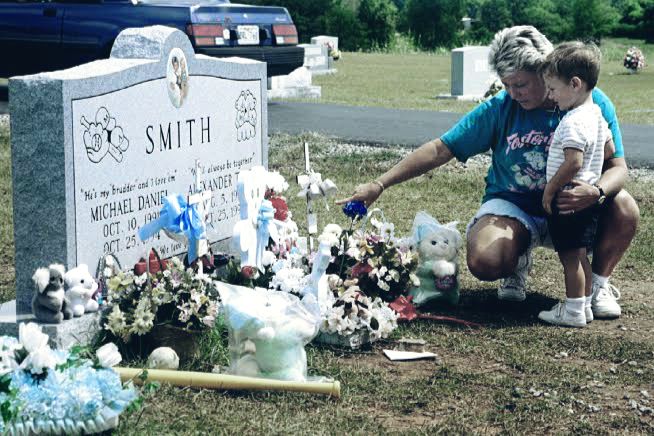
For residents of Union, moving forward has meant learning to live with a shared memory that outsiders still associate with tragedy. Community leaders have worked to refocus attention on local history, education, and resilience rather than the crime itself. Yet anniversaries and media revivals often reopen old wounds. The struggle highlights how communities affected by high-profile crimes must balance remembrance with the desire to be known for more than their darkest moment.
National Cautionary Lesson
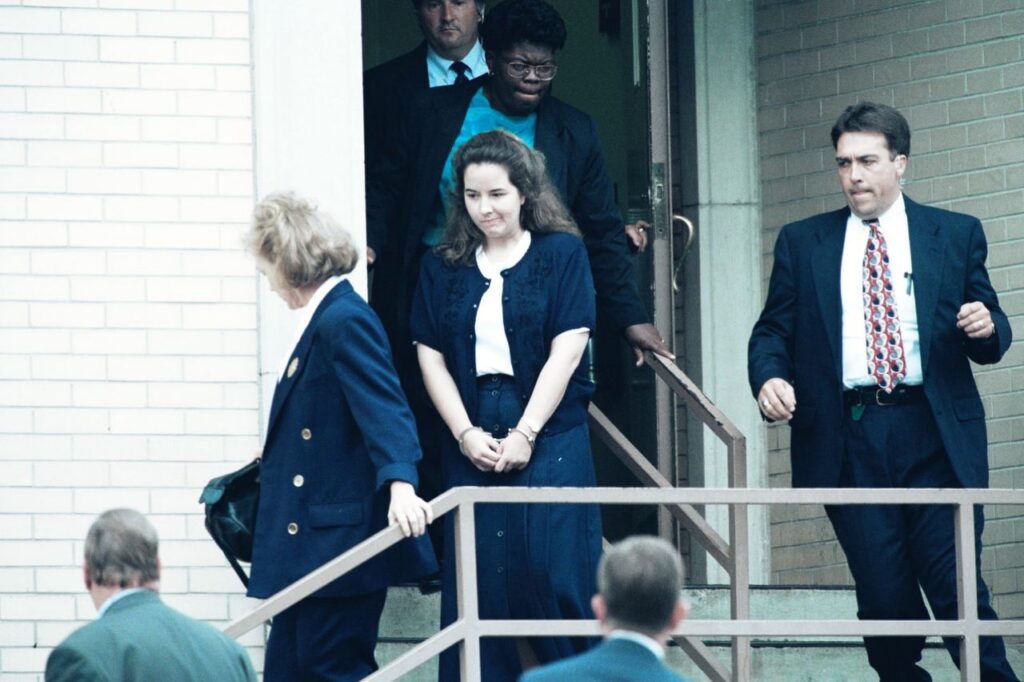
Ultimately, the Susan Smith case endures as a national cautionary lesson about trust, accountability, and the human cost of deception. It reminds audiences that compelling stories are not always truthful, and that the rush to believe can have devastating consequences. For journalists, communities, and viewers alike, the case underscores the importance of empathy paired with skepticism. Its legacy continues to shape discussions about crime reporting, public judgment, and the long shadows cast by moments of collective misbelief.
For Union and the nation, it remains a sobering reminder that some stories never truly end, they simply change the way we see the world.
Like this story? Add your thoughts in the comments, thank you.


