
1. Instant Household Name
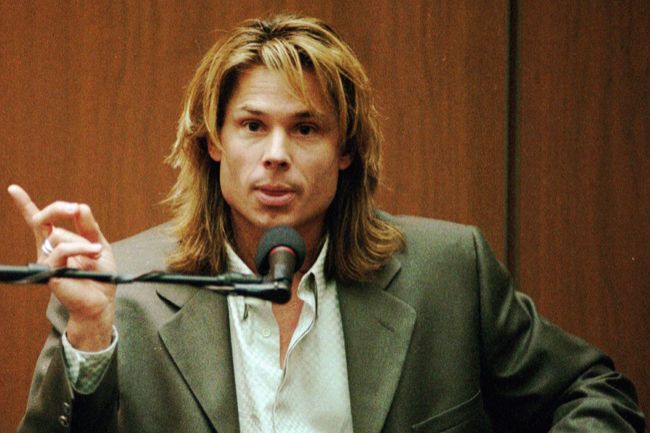
Before 1994, Kato Kaelin was largely unknown outside small acting circles. That changed dramatically when he testified during the highly publicized murder trial of O.J. Simpson. Living in Simpson’s Brentwood guest house at the time, Kaelin’s testimony about noises and movements on the night of the killings made him a key figure for both prosecutors and the media. His casual appearance, surfer-like demeanor, and straightforward answers contrasted sharply with the formality of the courtroom, making him endlessly discussed. Television networks replayed his testimony constantly, and newspapers turned him into a recognizable name almost overnight. That sudden visibility laid the foundation for everything that followed, both the opportunities and the limitations.
2. Media Frenzy Followed
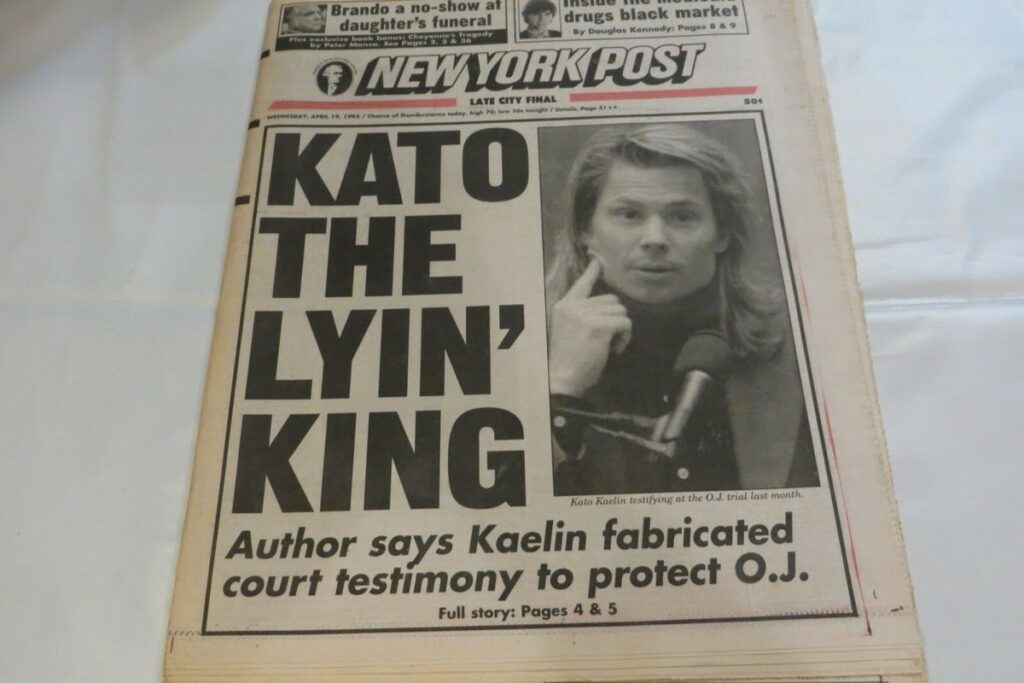
Once the trial concluded, Kaelin found himself in the middle of an intense media frenzy. Talk shows, tabloid interviews, and entertainment programs all wanted his perspective, even when he had nothing new to add. He became a recurring guest on late-night television, often invited less for insight and more for recognition. While some appearances were serious, many leaned into humor or novelty, reflecting how pop culture had absorbed the trial itself. Kaelin rarely avoided these opportunities, understanding that public attention tends to fade quickly. At the same time, the constant exposure locked him into a narrow public image, making it difficult for audiences to see him as anything other than “that guy from the O.J. trial.”
3. Acting Career Stalled

Kaelin originally moved to Los Angeles to pursue acting, but the notoriety from the trial did little to advance that goal. Casting directors often saw him as a distraction rather than a serious performer, and substantial acting roles remained scarce. He did appear in a handful of low-budget films and television projects, but none marked a major career breakthrough. Industry insiders frequently noted that his fame was tied too tightly to a real-life event rather than creative work. While his name recognition opened some doors briefly, it also closed others, reinforcing how celebrity without a defined craft can be difficult to sustain in Hollywood.
4. Reality TV Pivot

As traditional acting opportunities slowed, Kaelin found a more receptive space in reality television. He appeared on several unscripted programs, most notably Celebrity Big Brother, where his familiarity to audiences helped secure casting. Reality TV allowed him to lean into public recognition rather than fight it, offering short-term relevance and modest income. These appearances kept him visible without requiring reinvention as an actor. However, they also reinforced his association with fame rather than talent, keeping his career anchored to personality-driven exposure. Still, reality television proved to be one of the more stable outlets for someone whose public identity was shaped by a single historical moment.
5. Comedy Circuit Presence

Kaelin also spent time on the comedy club circuit, often appearing as a host or special guest rather than a traditional stand-up comedian. His presence alone was usually enough to draw curiosity, especially in the years immediately following the trial. Many appearances relied on audience familiarity with his past rather than structured comedy material. While this path offered a steady stream of bookings for a time, it was limited in scope. Comedy venues welcomed recognizable names, but long-term success required constant reinvention. Kaelin’s comedy-adjacent work highlighted both the advantages and constraints of fame rooted in public memory rather than evolving performance skill.
6. Commercial Endorsements Phase

In the late 1990s and early 2000s, Kaelin appeared in several commercial and promotional campaigns, often leaning into self-aware humor. Advertisers saw value in his instantly recognizable name and face, especially for campaigns seeking irony or pop-culture relevance. These deals were rarely high-profile but provided steady work. Unlike traditional celebrity endorsements built on achievement, Kaelin’s appeal came from cultural association. Over time, as public memory of the trial softened, such opportunities became less frequent. Still, this phase demonstrated how short-term fame can translate into practical income, even without a conventional entertainment career trajectory.
7. Financial Reality Check

Despite assumptions that trial-era fame guaranteed long-term wealth, Kaelin later acknowledged that financial stability was not automatic. Media appearances and endorsements provided income, but they were inconsistent. Without a major acting or hosting contract, he had to manage earnings carefully. In interviews, he has spoken openly about the challenges of maintaining relevance and financial balance once the spotlight dims. His experience reflects a broader reality of sudden fame: attention does not always equal security. For Kaelin, navigating post-trial life required adapting expectations and making practical decisions rather than relying on continued public fascination.
8. Public Image Shift
Over time, Kaelin’s public image gradually shifted from novelty figure to cultural footnote. As newer generations learned about the trial through documentaries and retrospectives, his role became contextual rather than current. He appeared more reflective in later interviews, discussing the experience with measured distance rather than excitement. This shift allowed audiences to view him less as a punchline and more as someone shaped by circumstances beyond his control. While the name recognition remains, it now carries historical weight rather than active celebrity, signaling a natural evolution many high-profile trial figures experience.
9. True Crime Revisitations

The rise of true-crime documentaries and podcast culture brought Kaelin back into public discussion periodically. He participated in interviews and retrospectives examining the trial with the benefit of hindsight. These appearances focused less on spectacle and more on clarifying timelines, media impact, and personal consequences. Unlike earlier talk-show segments, these revisits were typically measured and analytical. They allowed Kaelin to contribute context rather than celebrity commentary, offering audiences a more grounded understanding of his experience. This phase underscored how historical events continue to generate renewed interest decades later.
10. Life Outside Spotlight
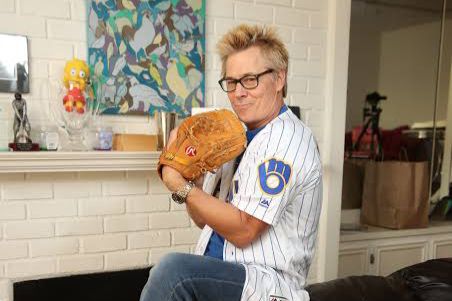
In recent years, Kaelin has largely stepped back from constant public exposure. He maintains a quieter lifestyle, occasionally appearing at events or giving interviews but no longer chasing media attention. Social media and sporadic public appearances suggest a more private, settled routine compared to the chaos of the 1990s. While he remains linked to one of the most infamous trials in American history, his day-to-day life reflects someone who has accepted that chapter without being consumed by it. For many observers, this quieter phase represents a natural and perhaps necessary resolution after years of intense scrutiny.
11. Accepting Cultural Footnote

As years passed, Kato Kaelin increasingly acknowledged that his place in public memory was tied to a single cultural moment rather than an evolving career. In interviews, he has spoken candidly about understanding that the O.J. Simpson trial permanently defined how people recognized him. Rather than resisting that label, Kaelin appeared to accept it as part of his personal history. This acceptance marked a shift from chasing relevance to reframing his experience as something educational and reflective. That perspective resonated with audiences revisiting the case decades later.
12. Legacy Tied to History

Today, Kato Kaelin’s legacy is inseparable from the broader cultural impact of the O.J. Simpson trial. His role is frequently referenced in documentaries, articles, and academic discussions about media sensationalism and courtroom spectacle in the 1990s. While he did not control the narrative that made him famous, his presence became emblematic of how ordinary individuals can be swept into historic events. Kaelin’s story is often cited as a case study in sudden fame and its limits, reminding audiences that visibility does not always translate into lasting influence. In that sense, his legacy endures less as celebrity and more as a human thread within a defining chapter of American media history.
Over time, his story settled into history, not as a tale of lasting stardom, but as a reminder of how cultural moments can shape lives long after the headlines fade.
Like this story? Add your thoughts in the comments, thank you.


