
1. Nancy Kerrigan
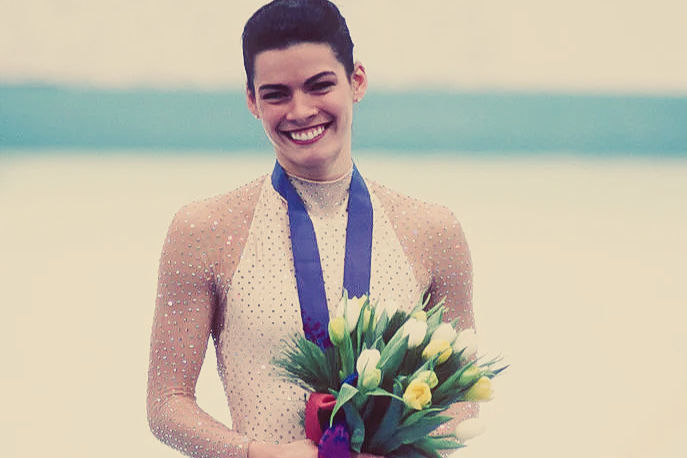
The attack on Nancy Kerrigan briefly derailed her Olympic preparation, but it did not end her career. After recovering from a knee contusion, Kerrigan returned to competition and won the silver medal at the 1994 Lillehammer Winter Olympics. She later earned bronze at the World Championships that same year. In the years that followed, Kerrigan transitioned into professional skating, touring widely and appearing in televised ice shows. She also became a commentator and occasional television personality, maintaining a public presence without courting controversy. Though often reluctant to revisit the attack publicly, Kerrigan has spoken about its emotional toll in documentaries and interviews, framing her post-1994 life around resilience, family, and a lasting connection to the sport.
2. Tonya Harding

Tonya Harding was forever linked to the scandal, even though she consistently denied prior knowledge of the attack. Following investigations, Harding pleaded guilty to hindering prosecution and received a lifetime ban from competitive figure skating by the U.S. Figure Skating Association. She finished eighth at the 1994 Olympics, her final major competition. After skating, Harding pursued various careers, including boxing, reality television appearances, and manual labor jobs, often under intense public scrutiny. Her life became a case study in fame, downfall, and class tensions in American sports. Renewed attention came decades later through documentaries and dramatizations, which reopened public debate about her responsibility and the broader media narrative surrounding her.
3. Jeff Gillooly
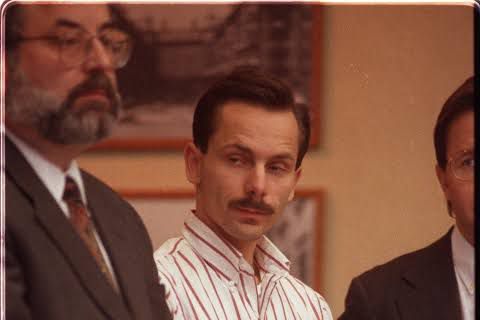
Jeff Gillooly, Harding’s ex-husband, admitted his role as the organizer of the attack plot. He pleaded guilty to racketeering and served two years in prison, completing his sentence in 1995. After his release, Gillooly changed his name to Jeff Stone and largely withdrew from public life. He has since worked in sales and business-related roles, avoiding media attention except for rare interviews connected to anniversaries or documentaries. Gillooly has expressed remorse for his actions, acknowledging the lasting harm caused to Kerrigan and the sport. His post-prison life has been marked by anonymity rather than notoriety, a sharp contrast to the global attention he received in 1994.
4. Shane Stant
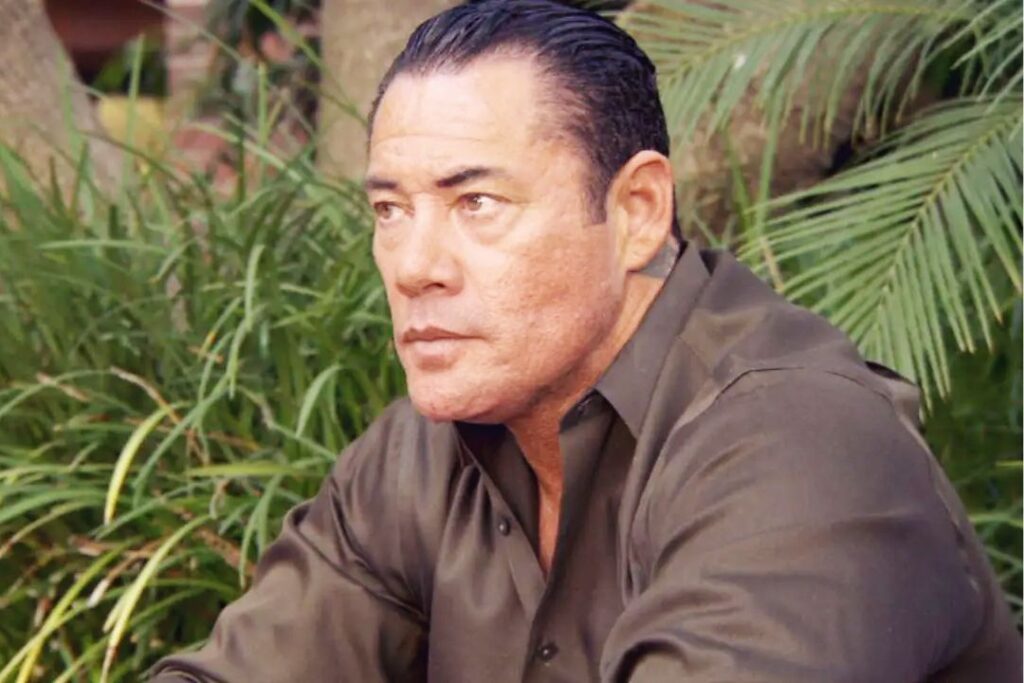
Shane Stant was the man who physically carried out the attack on Kerrigan. He pleaded guilty to conspiracy and served approximately 18 months in prison. Stant later spoke publicly about his role, stating he acted under pressure and poor judgment rather than personal malice toward Kerrigan. After prison, he returned to a relatively private life, working in non-public-facing jobs and avoiding sustained media attention. His case has often been cited in discussions about manipulation and accountability, as he was considered a lower-level participant following instructions from others. Stant’s story remains a cautionary example of how impulsive decisions can permanently alter lives.
5. Shawn Eckardt
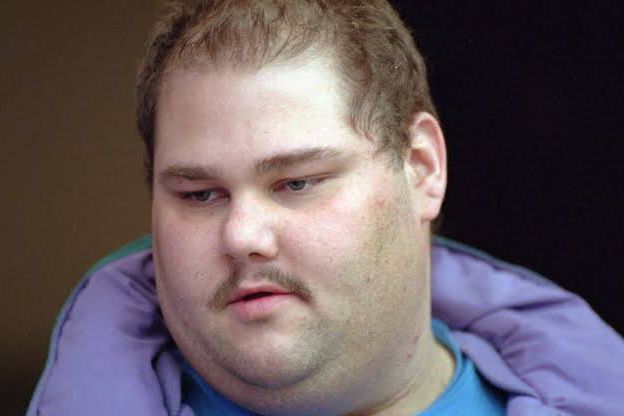
Shawn Eckardt was a close associate of Harding and Gillooly who claimed insider knowledge of the plot. His erratic television interviews during the investigation drew widespread attention and often undermined his credibility. Eckardt was not charged but became a symbol of the chaos surrounding the case. In later years, he spoke about struggling with mental health issues and homelessness, acknowledging that his involvement and media exposure had lasting consequences. Eckardt’s life after the scandal has been marked by instability rather than redemption, and his public statements have consistently reflected regret over how events unfolded. His role said as much about media frenzy as it did about the crime itself.
6. Olympic Skating Spotlight
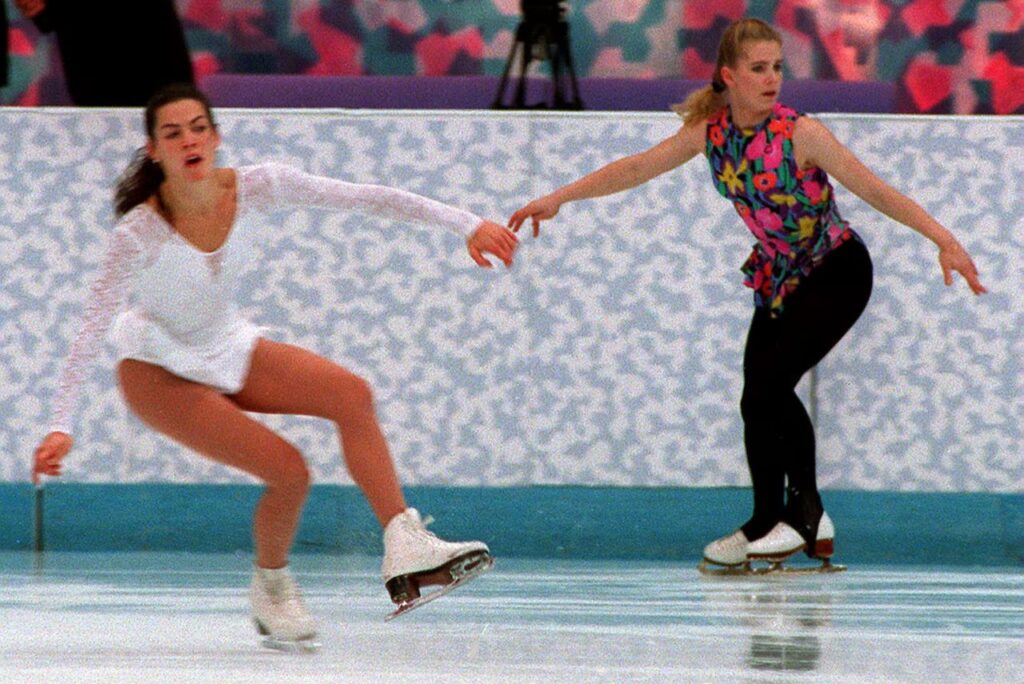
The attack transformed the 1994 Winter Olympics into one of the most watched figure skating events in history. Media coverage focused heavily on the rivalry narrative, drawing unprecedented global attention to women’s skating. Television ratings soared, and the sport reached audiences far beyond its usual fan base. While this exposure boosted commercial interest, it also shifted focus away from athletic performance toward spectacle and scandal. Many skating officials later acknowledged that the incident changed how athletes were marketed and covered. The Lillehammer Games became a turning point, demonstrating both the power and danger of media-driven storylines. The sport benefited financially, but at the cost of a more intense and intrusive spotlight on athletes’ personal lives.
7. Media Frenzy Fallout

The Kerrigan attack marked a defining moment in modern sports media. News outlets provided round-the-clock coverage, blending crime reporting with entertainment-style commentary. Tabloids, talk shows, and late-night programs amplified the story, often reducing complex individuals into simplified characters. This approach influenced how future sports scandals were covered, prioritizing drama over nuance. Athletes, especially women, became subject to intense personal scrutiny that extended beyond competition. Media scholars frequently cite this case as an early example of the 24-hour news cycle’s impact on sports narratives. The fallout reshaped expectations for athlete privacy and set a precedent that continues to influence coverage today.
8. Legal Consequences
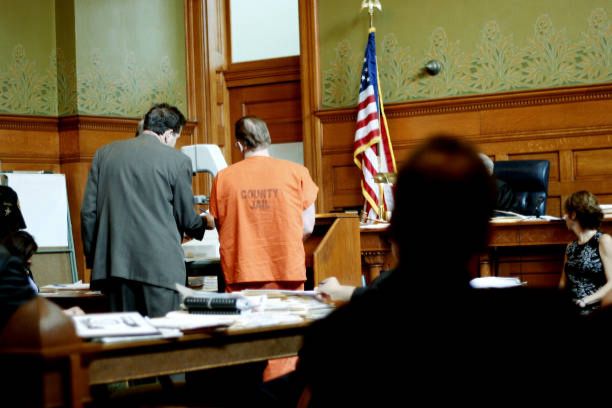
The legal aftermath unfolded quickly and publicly. Prosecutors focused on establishing responsibility without dragging the case through a prolonged trial. Guilty pleas from Gillooly and Stant brought prison sentences, while Harding’s plea deal avoided jail time but carried lasting professional consequences. The U.S. Figure Skating Association’s decision to ban Harding for life underscored the sport’s effort to restore credibility. Legal experts have since referenced the case when discussing plea bargaining and high-profile defendants. The resolution balanced criminal punishment with institutional discipline, demonstrating how sports governing bodies can impose sanctions separate from the courts.
9. Public Sympathy Shift

Public opinion evolved significantly after the attack. Initially, Kerrigan was widely viewed as a victim deserving sympathy, while Harding became a symbol of scandal. Over time, narratives grew more complicated, with some audiences questioning media portrayals and expressing empathy for Harding’s background and pressures. Documentaries and long-form journalism contributed to this reassessment, encouraging viewers to reconsider earlier judgments. The case became an example of how public sympathy can shift as new context emerges. It also highlighted how class, gender, and media framing influence perception. Decades later, discussions about the incident remain emotionally charged but more nuanced than in 1994.
10. Lasting Cultural Impact
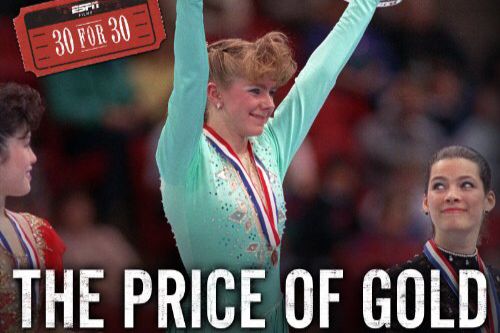
The Kerrigan-Harding scandal left a permanent mark on American pop culture. It inspired books, documentaries, academic studies, and dramatized film adaptations that revisited the event from multiple perspectives. The story became shorthand for rivalry, ambition, and the darker side of competitive sports. Beyond skating, it influenced how audiences consume sports narratives, blending athletic achievement with personal drama. The incident remains one of the most referenced moments in Olympic history, frequently cited in discussions about ethics and media responsibility. Its endurance in cultural memory reflects not just what happened, but how deeply it resonated with the public imagination.
11. Family Life Afterward
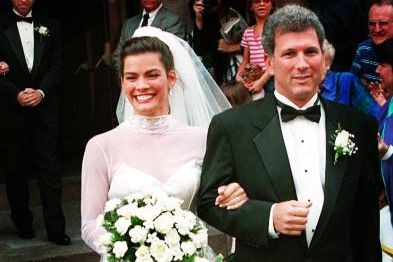
In the years after the attack, family life became a stabilizing force for those at the center of the scandal. Nancy Kerrigan married her longtime agent, Jerry Solomon, and focused on raising their children while remaining connected to skating through shows and commentary. She has spoken about prioritizing privacy and normalcy, especially after such intense public exposure early in her career. Tonya Harding, meanwhile, built a quieter domestic life after multiple marriages, stepping away from competitive sports entirely. Both women’s post-scandal family choices reflected a desire to move beyond the chaos of 1994 and redefine success outside Olympic medals and media narratives.
12. Professional Skating Careers
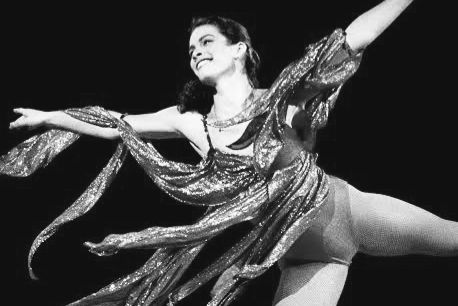
After Lillehammer, professional skating offered Kerrigan a way to stay on the ice without the pressure of elite competition. She joined major ice tours and headlined skating exhibitions that emphasized artistry over rivalry. These shows were lucrative and well attended, benefiting from the heightened interest figure skating enjoyed in the mid-1990s. Kerrigan’s polished style and Olympic reputation made her a natural draw. By contrast, Harding’s lifetime ban from U.S. Figure Skating closed that door entirely. The split paths illustrated how institutional decisions can shape post-competition careers. Professional skating became a place of renewal for some athletes, while remaining permanently out of reach for others linked to controversy.
13. Documentary Reexaminations
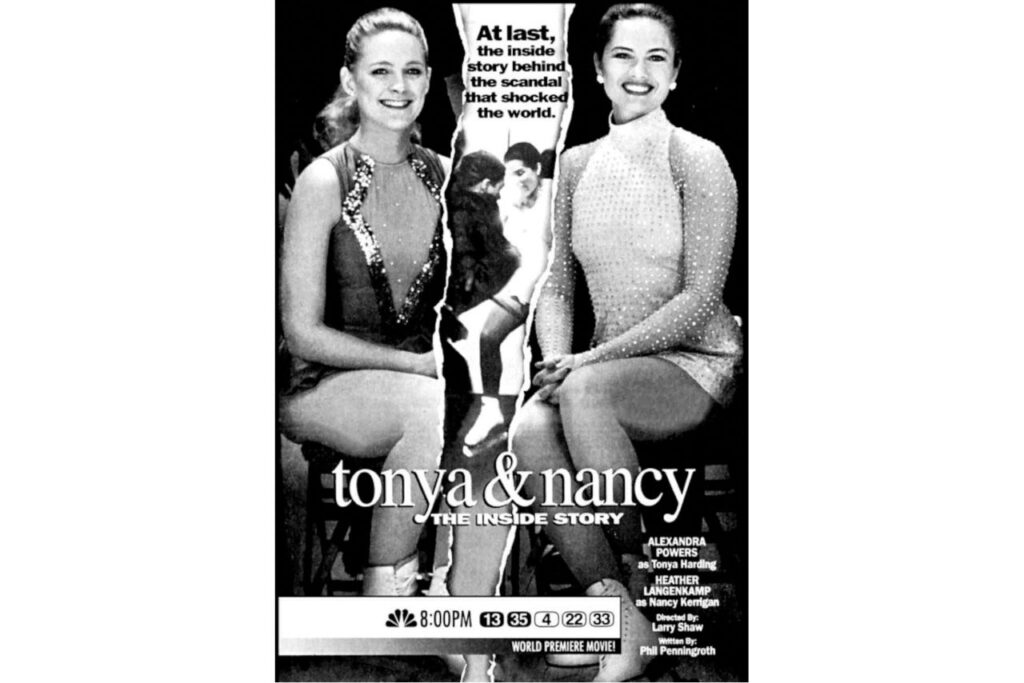
Decades later, documentaries played a major role in reshaping public understanding of the attack. Long-form interviews, archival footage, and expert commentary provided context that was missing during the media frenzy of 1994. These projects examined socioeconomic pressures, media bias, and the legal process, often challenging earlier assumptions. Kerrigan participated selectively, emphasizing accuracy and personal boundaries, while Harding appeared more frequently, offering her version of events. The renewed attention sparked debate rather than consensus, but it deepened the conversation. Documentaries helped move the story from tabloid shorthand to a more layered historical case study, inviting audiences to reassess what they thought they knew.
14. Hollywood Adaptations
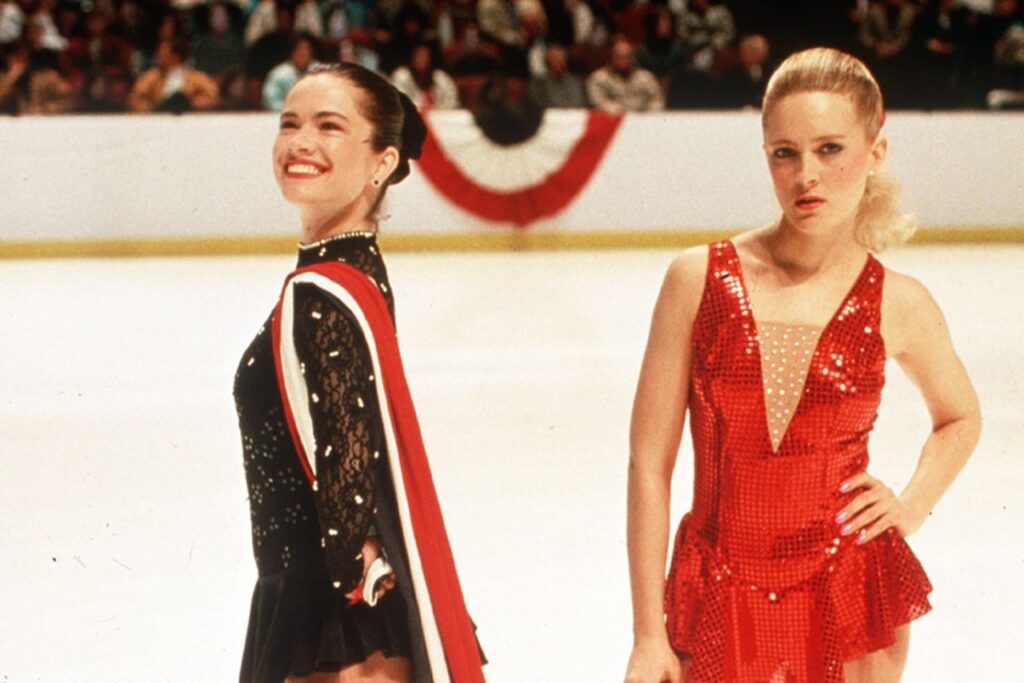
Hollywood dramatizations brought the scandal to new generations unfamiliar with the original news coverage. These adaptations blended fact with interpretation, reigniting public interest and controversy. While praised for performances and production quality, they also raised questions about accuracy and artistic license. Kerrigan publicly distanced herself from fictionalized portrayals, expressing discomfort with entertainment-driven retellings. Harding, on the other hand, often engaged with these projects, seeing them as opportunities to present her perspective. The films underscored how real events can be reshaped by storytelling priorities. They also demonstrated the enduring commercial appeal of the scandal, even decades after the original incident.
15. Academic Case Studies

Universities and scholars frequently reference the Kerrigan attack in courses on sports ethics, media studies, and criminal justice. The case offers a clear example of how competitive pressure, poor decision-making, and media amplification intersect. Academic analyses often focus on institutional responses, gendered media framing, and the long-term effects of public shaming. By examining court documents and contemporary reporting, researchers highlight gaps between early narratives and later findings. The incident remains relevant because it predates social media yet mirrors many modern controversies. Its continued presence in academic discussion shows how a single sports crime can illuminate broader cultural patterns.
16. Media Responsibility Debate

The scandal permanently altered conversations about journalistic responsibility in sports coverage. Critics argue that sensational reporting contributed to lasting harm for everyone involved, while defenders note the public’s appetite for dramatic storytelling. The case is often cited when discussing limits of speculation and the human cost of nonstop coverage. Newsrooms later adopted more explicit ethical guidelines, particularly around crime-adjacent sports stories. While such reforms did not eliminate sensationalism, they reflected lessons learned from excesses of the 1990s. The Kerrigan case remains a reference point whenever media outlets reassess how far coverage should go when athletic competition collides with criminal investigation.
17. Public Memory Today

Today, the attack exists as both historical fact and cultural shorthand. Many remember where they were when the news broke, while younger audiences encounter the story through documentaries and films. Kerrigan is largely remembered for her resilience and Olympic success, while Harding’s legacy remains contested and complex. Public memory has softened in some respects, allowing for empathy without excusing wrongdoing. The story’s endurance reflects its emotional impact and narrative clarity. It continues to surface during Olympic cycles, reminding viewers how one violent act reshaped careers and altered the trajectory of an entire sport.
18. Lessons From The Scandal
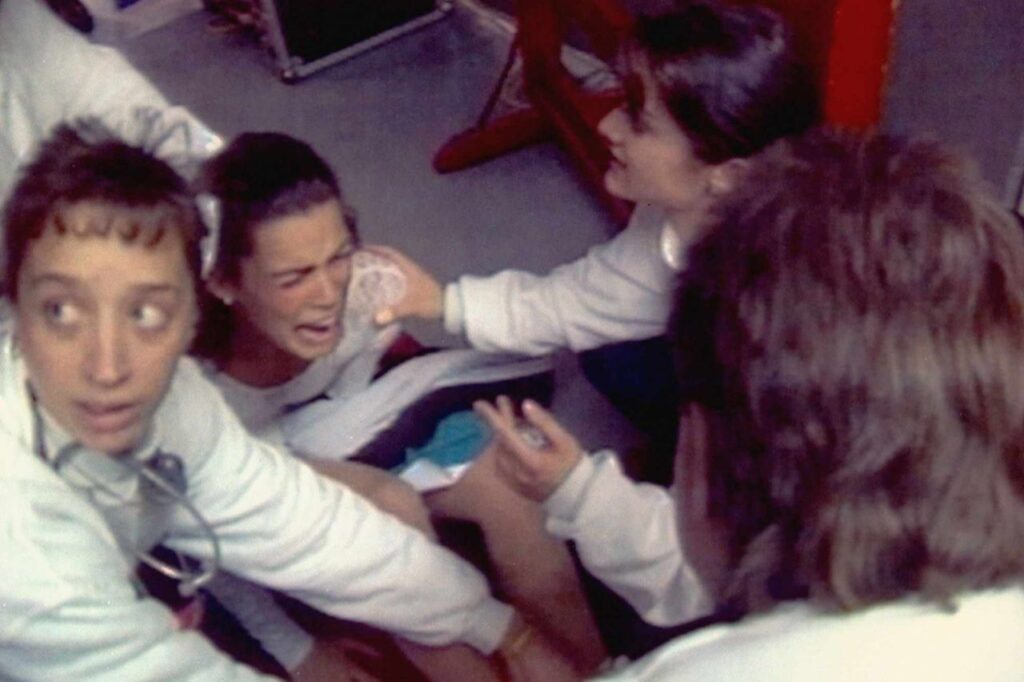
The Kerrigan attack left behind lasting lessons about competition, accountability, and media power. It demonstrated how ambition, when combined with poor judgment, can produce irreversible consequences. The scandal also showed the importance of institutional safeguards in protecting athletes and preserving credibility. For fans, it served as a reminder that sports figures are human, vulnerable to pressure and error. Decades later, the case remains relevant precisely because it resists simple moral conclusions. Its lessons continue to inform discussions about ethics, fairness, and responsibility in modern sports culture.
More than thirty years later, the attack on Nancy Kerrigan remains one of the most examined moments in sports history. What began as a shocking act became a lasting lens through which we still view sports, media, and human decision-making.
Like this story? Add your thoughts in the comments, thank you.


