
1. Return To Freedom
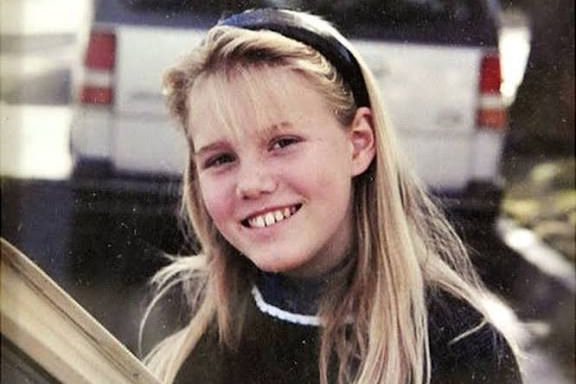
Jaycee Dugard’s rescue in August 2009 came after authorities discovered her living behind the Antioch, California home of her captor during a parole-related investigation. At age 29, she was reunited with her mother and stepfather after nearly two decades of absence. The moment marked both an end and a beginning, freedom from captivity, but also the start of reintegrating into a world that had moved on without her. Law enforcement officials emphasized her composure and strength during the initial interviews, while the public response was one of shock and relief. Her rescue highlighted serious failures in parole oversight, sparking immediate discussions about accountability and reform.
2. Family Reconnection

Reuniting with family was emotionally complex for Jaycee Dugard. While her mother, Terry Proby, had never stopped searching, the passage of time created emotional gaps that required patience and care. Jaycee also introduced her two daughters, born during captivity, to extended family members for the first time. Mental health professionals supported the reunification process, emphasizing stability and privacy. Public statements from the family focused on gratitude rather than anger, reinforcing the importance of a calm, protective environment. These early family efforts laid the foundation for Jaycee’s gradual healing and helped shield her children from unnecessary media exposure.
3. Medical And Psychological Care
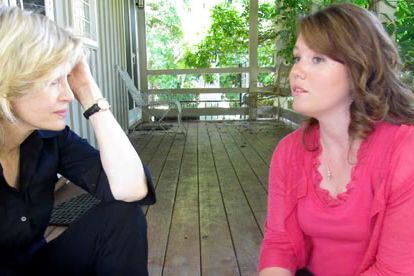
Following her rescue, Jaycee Dugard underwent extensive medical evaluations and long-term psychological care. Specialists addressed trauma-related conditions common among long-term abduction survivors, including anxiety, trust challenges, and adjustment difficulties. Authorities and advocates stressed the importance of giving Jaycee control over her treatment choices, a key factor in trauma recovery. Reports later confirmed that her care plan emphasized gradual reintegration rather than rushed public appearances. This approach became a case study for survivor-centered recovery, showing how thoughtful mental health support can significantly impact long-term outcomes after extreme trauma.
4. Media Boundaries Established

In the days after Jaycee Dugard’s rescue, media attention was intense. Recognizing the potential harm, legal representatives and family members quickly established firm boundaries. Press access was limited, and Jaycee declined most interviews in the early years. This decision was widely respected by advocacy groups and later praised by trauma experts as essential to her recovery. By controlling when and how her story was told, Jaycee avoided becoming defined solely by the crime committed against her. Her approach influenced how media outlets handle similar cases, encouraging restraint and survivor consent over sensational coverage.
5. Criminal Justice Outcomes

Jaycee Dugard’s captor, Phillip Garrido, and his wife were prosecuted and sentenced to lengthy prison terms in California. The case exposed major failures in parole supervision, as Garrido had been under state monitoring during the years of captivity. Investigations revealed missed warning signs, prompting policy reviews and internal audits. Jaycee chose not to attend all court proceedings, prioritizing emotional well-being over public visibility. The sentencing provided legal closure, but it also sparked statewide conversations about systemic accountability and the need for improved safeguards to prevent similar crimes.
6. Writing Her Own Story

In 2011, Jaycee Dugard published her memoir, A Stolen Life, offering a carefully measured account of her experiences. The book was written with therapeutic intent rather than shock value, focusing on resilience and survival. It became a bestseller and was praised for its restraint and clarity. Years later, she followed with Freedom, reflecting on life after rescue. Writing allowed Jaycee to reclaim her narrative on her own terms, transforming public curiosity into understanding. The books also became important resources for educators, counselors, and survivor advocacy organizations.
7. Advocacy And Foundations

Jaycee Dugard later established the JAYC Foundation to support child abuse prevention and recovery programs. The organization focused on education, community awareness, and survivor resources rather than public appearances. Through partnerships with nonprofits and schools, the foundation worked to improve early intervention and survivor support systems. Jaycee’s involvement remained intentional and limited, reflecting her preference for impact over visibility. The foundation’s work reinforced the idea that survivors can contribute meaningfully to prevention efforts without reliving trauma in the public eye.
8. Community Support Systems

Local community members played a quiet but crucial role in Jaycee Dugard’s recovery. From educators assisting with her daughters’ schooling to counselors providing long-term guidance, support networks helped create stability. Law enforcement agencies also worked with social services to coordinate care without overwhelming the family. This collaborative approach demonstrated how communities can support survivors through practical assistance rather than public attention. Experts later cited the Dugard case as an example of how coordinated local support can significantly influence healing outcomes.
9. Parenting After Trauma

Raising her daughters became a central focus of Jaycee Dugard’s life after rescue. Professionals emphasized maintaining routines, privacy, and age-appropriate communication about the past. Jaycee prioritized creating a sense of normalcy, shielding her children from media exposure and public scrutiny. Over time, reports indicated that the girls adjusted well, supported by counseling and extended family involvement. Jaycee’s approach highlighted the importance of trauma-informed parenting and demonstrated how stability and consistency can help break cycles of harm.
10. Life Out Of Spotlight

As years passed, Jaycee Dugard gradually withdrew from public life. She limited interviews, reduced foundation activities, and chose privacy over visibility. This decision was widely respected and aligned with expert recommendations for long-term trauma recovery. Rather than disappearing, Jaycee simply reclaimed an ordinary life, one not defined by headlines. Her choice challenged public expectations that survivors must remain symbols or advocates forever. Instead, it reinforced a powerful truth: healing often happens away from attention, in quiet moments of regained control and personal peace.
11. Influence On Survivor Care

Jaycee Dugard’s case became a reference point for improving survivor-centered care across law enforcement, social services, and mental health fields. Advocates and professionals cited the importance of respecting survivor autonomy, especially regarding media exposure, legal participation, and therapeutic pacing. Training programs increasingly emphasized trauma-informed interviewing, privacy protections, and long-term psychological support rather than short-term crisis response. Dugard’s experience showed how rushed reintegration or public pressure can complicate healing. As a result, her case has been referenced in academic discussions, victim advocacy conferences, and professional guidelines as an example of how thoughtful, consent-based support can significantly affect recovery outcomes.
12. A Life Reclaimed
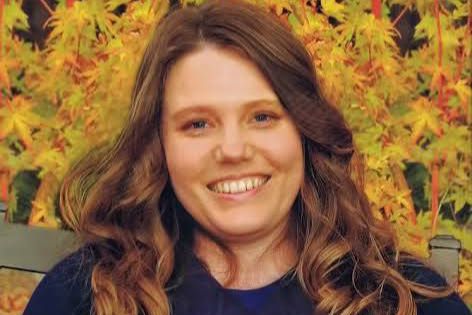
More than a decade after her rescue, Jaycee Dugard’s story stands as one of reclamation rather than definition by trauma. She chose a quiet life focused on personal well-being and family, stepping away from public roles once they no longer served her healing. This decision challenged common narratives that survivors owe continued visibility or advocacy. Instead, Dugard demonstrated that recovery is deeply personal and does not follow a public timeline. Her life after abduction underscores a powerful truth: survival is not just about enduring harm, but about regaining choice, privacy, and the freedom to live without explanation.
Her life after the headlines is not about what was taken, but about what was rebuilt, on her own terms.
Like this story? Add your thoughts in the comments, thank you.


