
1. Ladybugs Aren’t Ladies
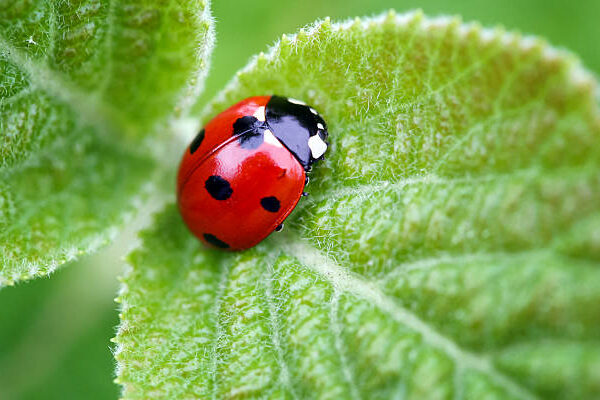
It is funny how certain animal names become so familiar that we stop questioning them. Growing up, many of us heard that a ladybug landing on your hand meant good luck, so the name sounded sweet and harmless enough. But once you look a little closer, the story becomes more interesting. Ladybugs are not all female, and technically they are not even bugs in the scientific sense. They belong to the beetle family called Coccinellidae, which includes thousands of species found across the world. Scientists usually call them lady beetles or ladybird beetles because that name fits their biology much better. The word ladybug simply survived because people liked how it sounded and because the insect became a cheerful symbol in gardens and fields where people often notice them crawling across leaves and flowers.
The history behind the name goes back centuries to European farmers who believed the tiny red beetles protected their crops from pests. When aphids attacked wheat fields, lady beetles showed up and quietly ate them. Farmers linked this helpful insect with the Virgin Mary and began calling it “Our Lady’s beetle.” Over time everyday speech shortened the phrase into ladybug. The name stayed, even though it does not describe the insect very accurately. Today when one lands nearby, people still smile and call it a ladybug without thinking about the science behind the name. The cheerful beetle simply kept the friendly title people grew used to saying.
2. Koala Bear That Isn’t A Bear
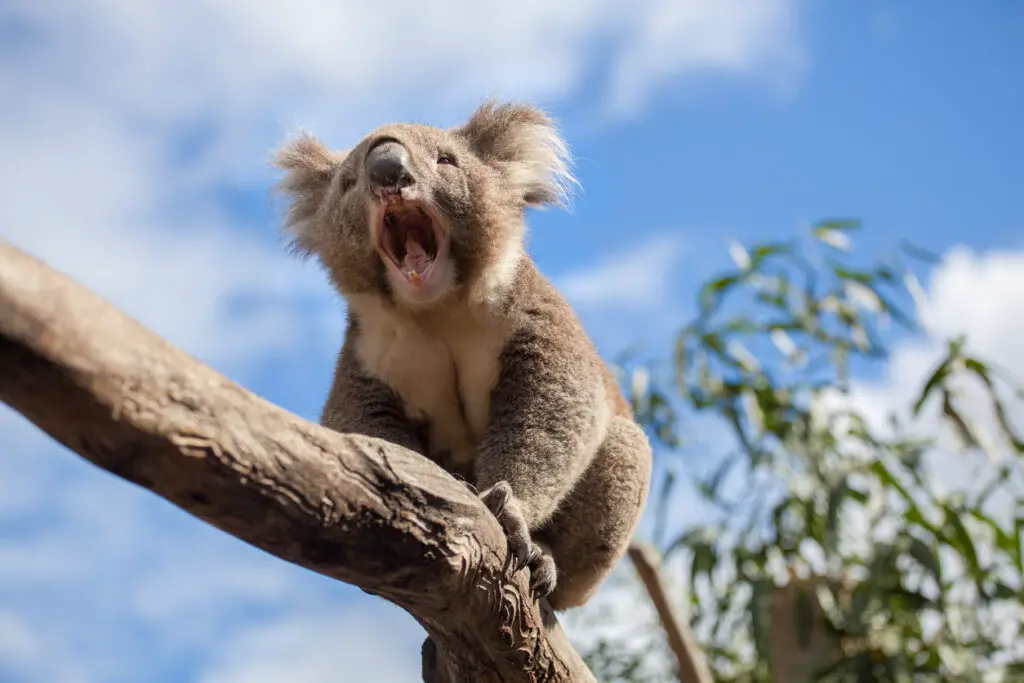
The koala is one of those animals that instantly looks familiar even if you have never visited Australia. With its round ears, soft fur, and sleepy expression, it is easy to understand why early visitors thought it looked like a small bear sitting in a tree. That first impression shaped the nickname koala bear, and the name spread quickly through travel stories and children’s books. But the koala’s real identity is quite different. Koalas are marsupials, which means they raise their young in a pouch just like kangaroos and wombats. Bears belong to a completely separate group of mammals and have very different biological traits. The koala’s pouch, diet, and reproductive system clearly place it among marsupials rather than bears.
The confusion happened mostly because early European settlers in Australia tried to describe unfamiliar animals using comparisons to creatures they already knew back home. The koala’s thick fur and tree climbing habits reminded them of bears, so the label felt convenient at the time. Science later corrected the classification, but the nickname stayed in everyday conversation. Even today people casually say koala bear without realizing the animal is more closely related to hopping marsupials than to any bear wandering through northern forests. Sometimes a simple first impression becomes a permanent name, and the koala is a perfect example of how language can stick around long after science has quietly told a different story.
3. The Starfish That Isn’t A Fish

If you stroll along a rocky beach and spot a bright starfish clinging to a stone, the name seems perfectly logical. The creature looks like a little star resting in the water, so calling it a starfish feels natural. For generations people accepted that name without thinking much about it. But once scientists began studying marine life more closely, they realized the label did not match the animal at all. Starfish are not fish in any biological sense. They do not have gills, fins, or a backbone like fish do. Instead they belong to a group of marine animals known as echinoderms, which also includes sea urchins and sand dollars.
Their bodies are built around a completely different structure. Rather than swimming, they move slowly using hundreds of tiny tube feet underneath their arms. Those small suction like feet allow them to grip rocks and creep along the ocean floor. The name starfish probably came from early sailors who described sea creatures using the simplest words they knew. Anything living in the water was casually called a fish. As science improved, researchers began using the name sea star to reflect the animal’s true classification. Still, everyday language moves slowly, and the old name starfish continues to feel familiar to most people who wander along the shore.
4. Jellyfish That Are Closer To Coral
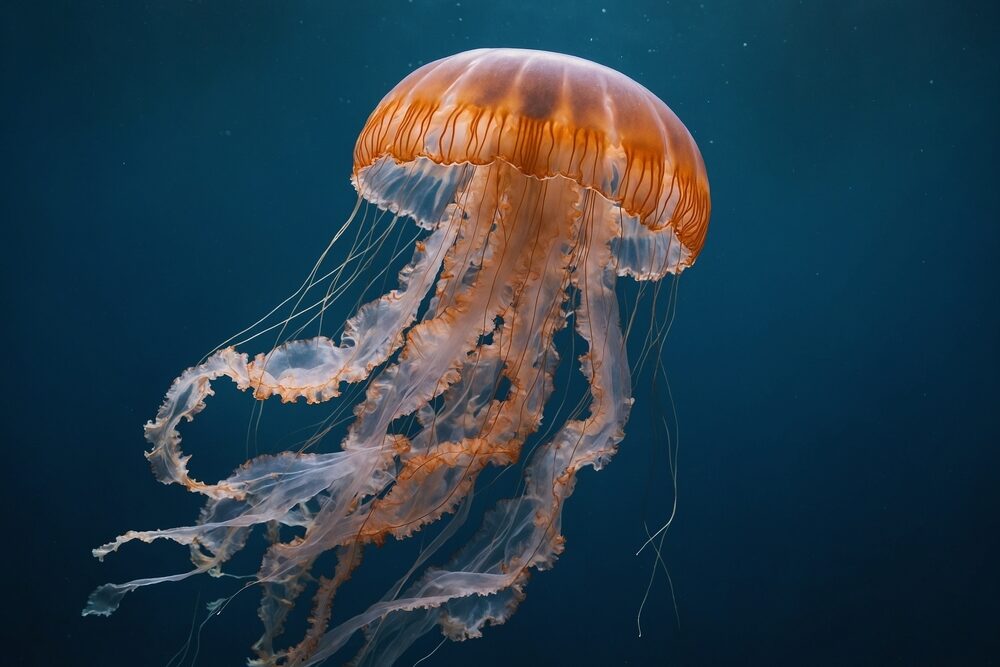
Watching a jellyfish drift slowly through the water can feel almost hypnotic. The soft body pulses gently while long tentacles trail behind like ribbons in the current. With a name like jellyfish, it is easy to imagine the creature as a type of fish made of jelly. The truth is far more surprising. Jellyfish are not fish at all. They belong to a much older group of animals called cnidarians, which also includes sea anemones and coral. Their bodies are simple compared with fish. They have no bones, no heart, and no brain in the way most animals do.
Instead they rely on a loose network of nerves that helps them sense light and movement in the water. Their tentacles contain tiny stinging cells that help them capture prey such as small fish or plankton. The reason people started calling them jellyfish likely comes from the early days of ocean exploration when sailors used the word fish to describe almost anything swimming in the sea. As marine science advanced, researchers realized that these drifting creatures belonged to an entirely different branch of life. Even so, the name jellyfish stuck in everyday language, and it still appears in aquariums, travel guides, and beachside conversations today.
5. Guinea Pigs From The Wrong Place
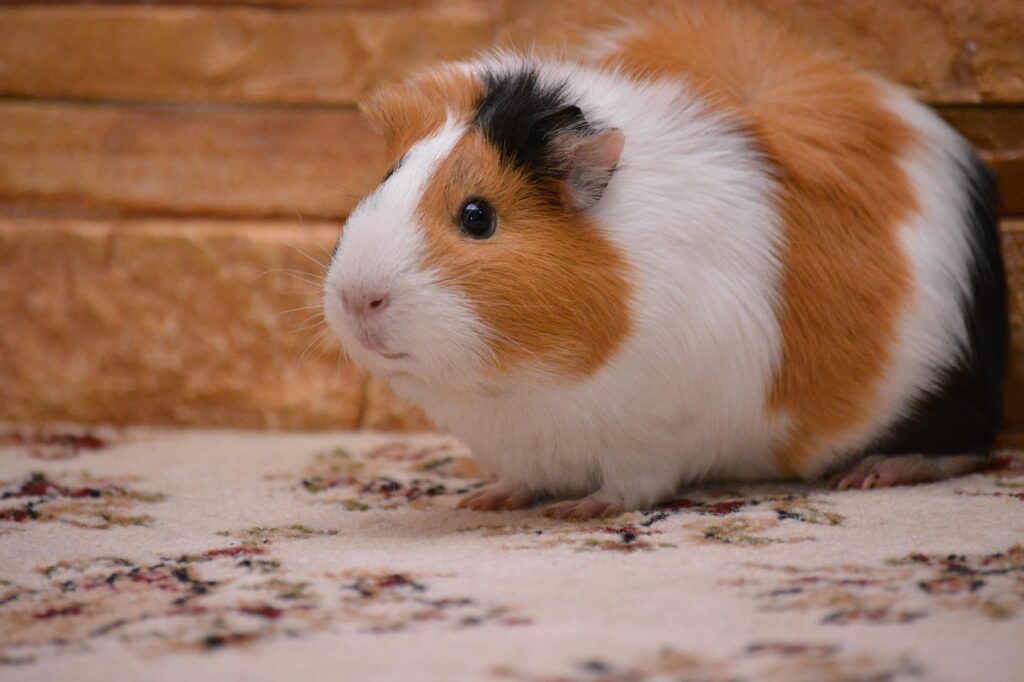
The name guinea pig is one of the strangest animal names when you stop and think about it. The small furry pet squeaks like a toy and spends most of its time nibbling vegetables and hay. Nothing about it really resembles a pig, yet the word pig has been part of its name for centuries. The confusion does not stop there. Guinea pigs are not from Guinea either. These animals actually come from the Andes region of South America, where Indigenous communities raised them long before Europeans arrived. In those regions they were valued for food and companionship and were part of everyday village life.
When European traders eventually encountered them, the animals were brought back across the ocean and quickly became popular curiosities. No one is completely certain how the name guinea pig formed. Some historians believe the animals were sold for a coin called a guinea, while others think the word guinea was once used loosely to describe exotic imports. Whatever the reason, the label stayed. Today guinea pigs are loved pets in homes around the world. Meanwhile their name continues to quietly mislead anyone who assumes the little rodent must have something to do with pigs or with Africa.
6. Mountain Goats That Aren’t True Goats
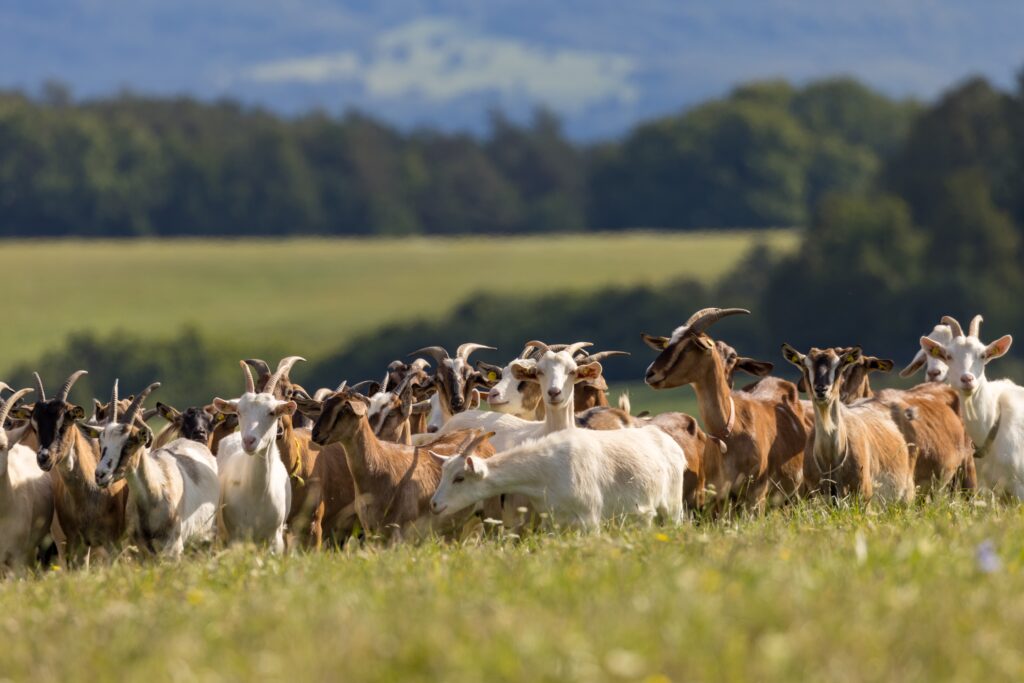
Anyone who has seen a mountain goat standing calmly on a steep cliff understands why early explorers gave it that name. The animal has horns, a shaggy coat, and a beard that make it look a lot like a farm goat that wandered into the mountains. The comparison felt simple and practical when people first described it. But scientists later discovered that the mountain goat is not a true goat in the same way domestic goats are. Mountain goats belong to their own genus called Oreamnos. Their closest relatives include animals that resemble antelope more than the goats found in barns and fields.
Despite this difference, the name mountain goat had already taken hold in everyday language. The animal’s behavior certainly helped reinforce the label. Mountain goats are famous for climbing steep rocky slopes where very few predators can reach them. Their hooves have special grips that allow them to balance on narrow ledges high above the valley floor. Hikers in North America often pause in amazement when they see one standing confidently in a place that looks impossible to reach. Even though scientists recognize the difference today, the familiar name mountain goat still feels like the easiest way to describe this remarkable climber.
7. Electric Eels That Are Actually Fish
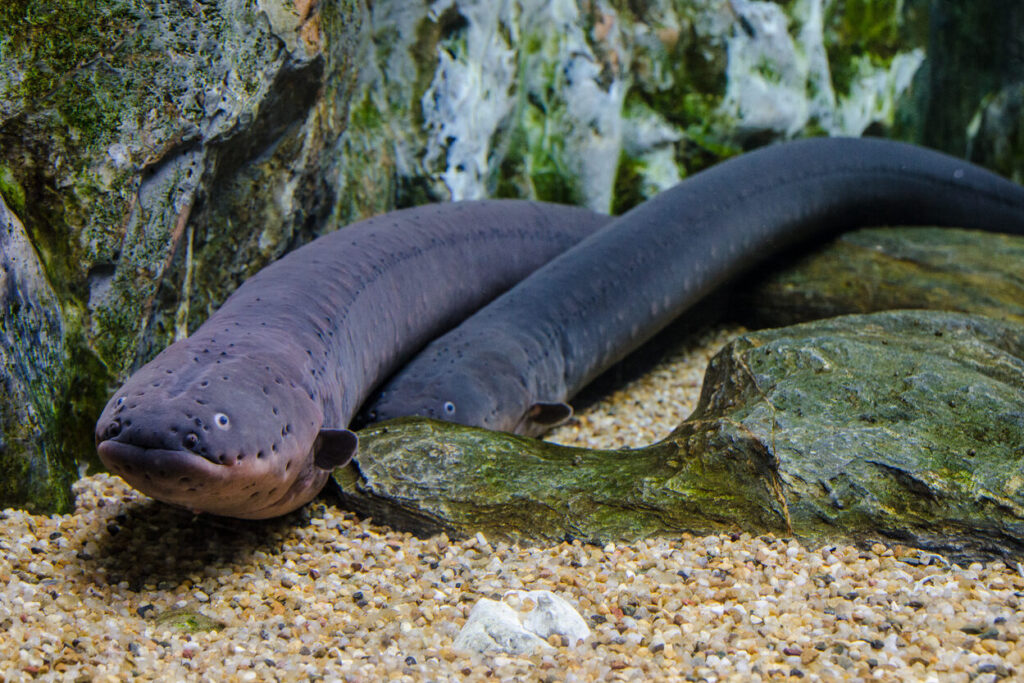
The electric eel is one of the most surprising creatures found in freshwater rivers. At first glance it looks exactly like the eel you might imagine sliding through ocean water. Its long body and smooth skin make the comparison seem obvious. That is why early naturalists assumed it belonged to the eel family. But scientists later learned that the animal is not a true eel at all. Electric eels belong to a group of freshwater fish known as knifefish. These fish live in rivers and flooded forests across South America. What truly sets the electric eel apart is its remarkable ability to generate electricity.
Special cells inside its body act like tiny batteries. When the fish releases that stored energy, it can produce a strong electric shock capable of stunning prey or discouraging predators. This ability makes it one of the most unusual fish in the world. The mistaken name likely came from explorers who relied mostly on physical appearance when identifying new animals. Since the fish looked long and eel shaped, they simply called it an eel. Later research revealed its true place in the fish family tree, but the dramatic name electric eel continued to capture people’s imagination whenever people hear about the strange creature living in South American rivers.
8. Flying Lemurs That Do Not Fly
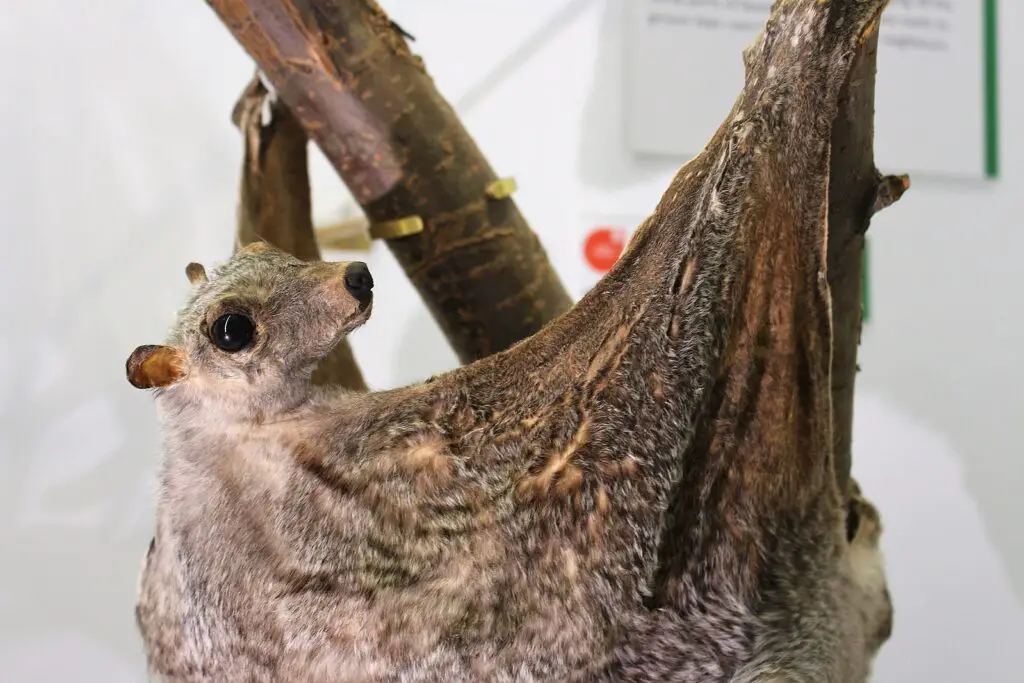
The phrase flying lemur sounds like something from a storybook, suggesting a small primate that soars through the forest canopy. The truth is a little less dramatic but still fascinating. The animal often called a flying lemur does not truly fly, and it is not a lemur either. Scientists know these animals as colugos. They live in the tropical forests of Southeast Asia and spend most of their lives in trees. What makes them special is a wide membrane of skin that stretches between their limbs and tail.
When a colugo leaps from one tree, this membrane spreads out like a parachute and allows the animal to glide long distances through the air. From below it can look almost like flight. Early explorers noticed the large eyes and nighttime habits and compared the animal to lemurs, which are primates from Madagascar. The graceful gliding movements inspired the flying part of the nickname. Over time the description flying lemur appeared in travel writing and natural history books. Scientists now prefer the name colugo, but the older label still appears in many conversations about unusual forest animals.
9. Horned Toads That Are Lizards
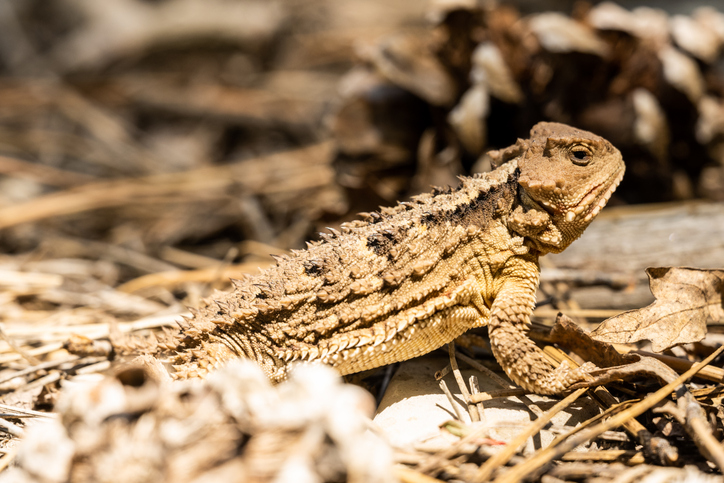
In the dry deserts of the American Southwest, people sometimes talk about horned toads running across sandy ground. The animal does look a bit like a toad at first glance. Its body is round and flat, and it tends to sit quietly against the warm earth. That shape probably explains how the nickname horned toad began. But the creature is actually a reptile rather than an amphibian. Horned toads are lizards belonging to the genus Phrynosoma. Their bodies are covered in scales, and they lay eggs instead of giving birth in water like true toads do.
These lizards are perfectly adapted to desert life. Their coloring blends into the sand, helping them hide from predators. Some species even have the unusual ability to squirt a small stream of blood from the corners of their eyes when threatened, which can startle attackers. Early settlers in the region likely used the word toad simply because the animal’s shape reminded them of one. Over time the nickname spread through local stories and everyday speech. Today wildlife experts usually call them horned lizards, though many people in desert towns still prefer the older name they grew up hearing.
10. Killer Whales That Are Really Dolphins
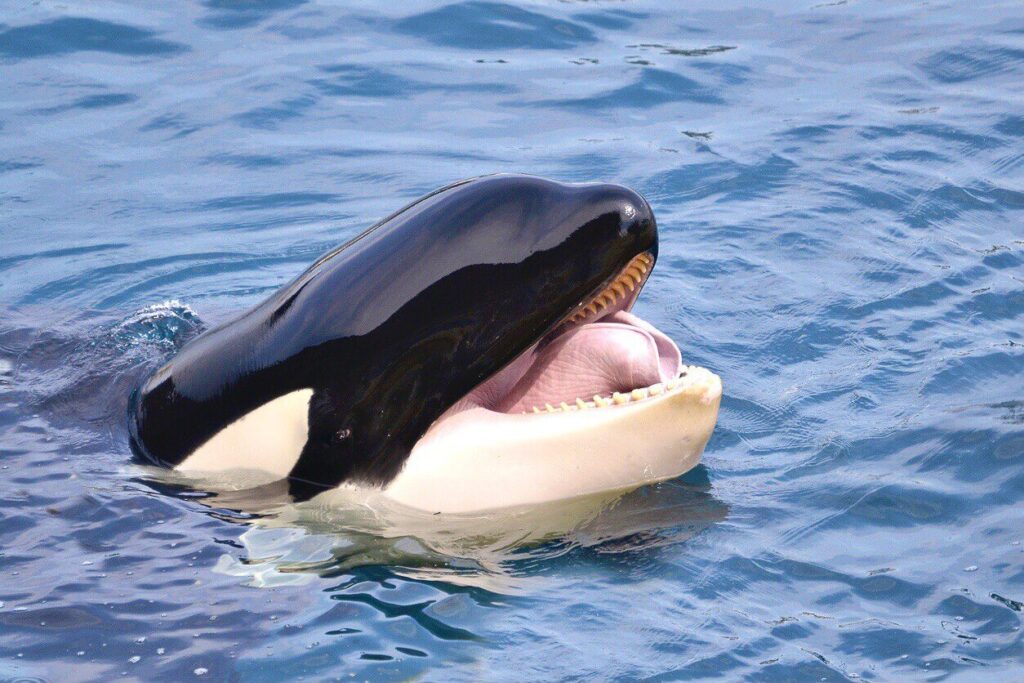
The animal known as the killer whale has one of the most dramatic names in the ocean. With its striking black and white coloring and powerful hunting skills, the title seems to fit at first. Yet the name hides an interesting twist. Killer whales are not whales in the scientific sense. They belong to the dolphin family and are actually the largest dolphins on Earth. These animals, often called orcas, are highly intelligent and live in close family groups known as pods. Members of a pod communicate with one another through a variety of sounds and work together while hunting fish or seals.
The name killer whale likely came from early sailors who watched orcas hunting larger whales in the ocean. Those observers described them as whale killers. Over time the phrase gradually flipped into killer whale. Even though scientists now prefer the name orca, the older label remains widely used in books and documentaries. It is another example of how animal names often grow from early human impressions rather than careful scientific understanding. Once a name settles into everyday language, it can remain there for generations, even after the true story becomes clearer.


