
1. A Place That Caught Everyone’s Attention
Before headlines and side conversations took shape, The Villages was simply a retirement community built around sunshine, activity, and connection. Tucked into Central Florida, it grew quickly as adults over fifty five arrived looking for purpose after full careers. Golf carts replaced long drives, social clubs replaced quiet evenings, and neighbors became chosen family. Growth brought attention, and attention brought curiosity. What started as interest slowly shifted into speculation. Entry one sets the tone because understanding the place matters before understanding the noise. The Villages did not ask for a spotlight, but it learned to live inside one.
2. How a Label Took Hold

As curiosity grew, a nickname followed, repeating itself until it felt permanent. The phrase attached to The Villages traveled faster than explanation ever could. Stories were shortened, reshaped, and shared until context faded. For outsiders, it became an easy summary. For residents, it felt confusing and distant from daily life. Labels often stick because they are simple, not because they are accurate. This entry explores how a community became known for something louder than its routines. Once a narrative takes hold, it can overshadow reality, even when most days inside the gates feel ordinary and calm.
3. Life Inside the Bubble

Inside The Villages, life follows a rhythm that surprises first time visitors. Mornings are busy, calendars stay full, and social plans stretch far ahead. Residents talk about clubs, fitness classes, and dinners more than downtime. It feels active rather than idle. This energy shapes how people experience aging here. From the outside, assumptions fill the gaps. From the inside, it feels like a place built around staying engaged. This contrast explains why misunderstandings form so easily. What looks unusual from afar often feels completely normal when you are living it day by day.
4. Aging Without Disappearing

The Villages challenges a quiet assumption that aging means fading into the background. Residents remain visible, expressive, and socially present. They form friendships, try new activities, and show up for one another. This openness surprises people who expect retirement to look slower or smaller. Entry four connects that surprise to the conversations that followed. When older adults live fully and publicly, it disrupts expectations. That disruption draws attention, sometimes admiration, sometimes judgment. The Villages becomes less about age and more about how society reacts when later life refuses to stay invisible or silent.
5. When Health Entered the Conversation

As stories spread, health became part of the discussion surrounding The Villages. Not quietly, but publicly. This entry slows the pace and centers perspective. Health conversations evolve as people live longer, stay active, and form relationships later in life. Inside the community, wellness programs, screenings, and education are part of everyday routines. Outside, those details are often skipped. What remains is concern without context. This section reframes the topic gently, showing that awareness and openness often reflect adaptation rather than alarm. Health here is managed, discussed, and treated as part of normal living.
6. Rumors That Grew Louder Than Reality

Every well known place attracts stories that stretch beyond truth. In The Villages, playful jokes slowly turned into exaggerated beliefs repeated online. This entry addresses how humor and speculation blended together until fiction felt familiar. Residents often encounter these rumors secondhand, usually with disbelief or laughter. Inside the community, daily life remains practical and routine. Errands, hobbies, friendships, and rest fill the hours. The gap between rumor and reality highlights how easily storytelling can drift when curiosity outpaces understanding and distance replaces direct experience.
7. Growth Changed the Lens

Rapid growth reshaped how The Villages was seen. As the population expanded, so did outside attention. Larger communities invite stronger opinions and broader assumptions. This entry explores how size alone can distort perception. A small town might escape notice, but a massive one becomes a symbol. Complex lives get simplified. Individual choices blur into general ideas. Growth turned The Villages into a talking point, whether residents wanted that role or not. This section reminds readers that scale magnifies stories, often flattening nuance in the process.
8. Headlines Versus Daily Life
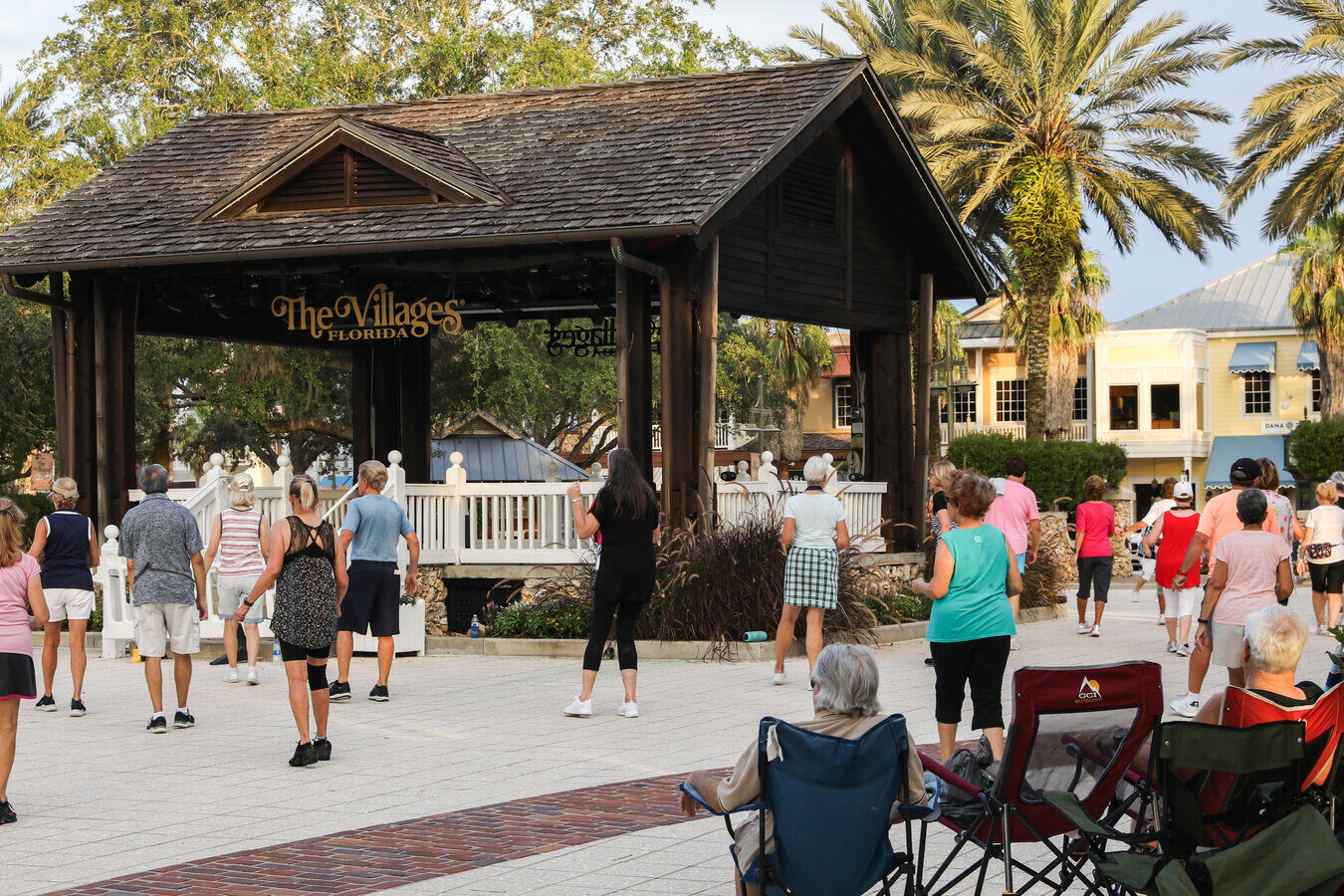
There is often distance between how a place is described and how it feels to live there. This entry sits in that space. Headlines focus on what surprises, not what sustains. Daily life in The Villages includes routines, relationships, and quiet moments that never travel far. Residents worry about family, health, and the future like anyone else. The difference is proximity to community. This contrast explains why outside portrayals feel louder than life inside actually sounds. Reality moves slower than headlines, and it rarely fits neatly into a single idea.
9. Conversations That Reached Further

The attention surrounding The Villages sparked broader conversations beyond its borders. This entry reflects on that ripple effect. People began talking more openly about aging, health, and connection later in life. Families asked better questions. Communities reconsidered assumptions. The Villages never set out to represent anything larger than itself, yet it became a reference point. That visibility pushed discussions forward. In this way, the story shifted from curiosity to reflection, encouraging people to think rather than judge, and to look beyond surface narratives when considering places they do not live.
10. What the Story Leaves Behind
As conversations settle, the story of The Villages feels calmer and clearer. It becomes less about labels and more about people choosing connection later in life. Residents are not chasing headlines. They are building routines, friendships, and a sense of belonging that feels earned. The attention surrounding the community quietly points to something larger about aging in America. People want to stay seen, active, and understood at every stage. When curiosity replaces judgment, understanding grows naturally. If this story shifted your perspective, keep exploring communities with open eyes and patience. The best stories often live beyond first impressions today here
This story Inside The Villages: How America’s Fastest-Growing Retirement Community Became the Nation’s STD Capital was first published on Daily FETCH


