
1. The Case for Keeping It Simple
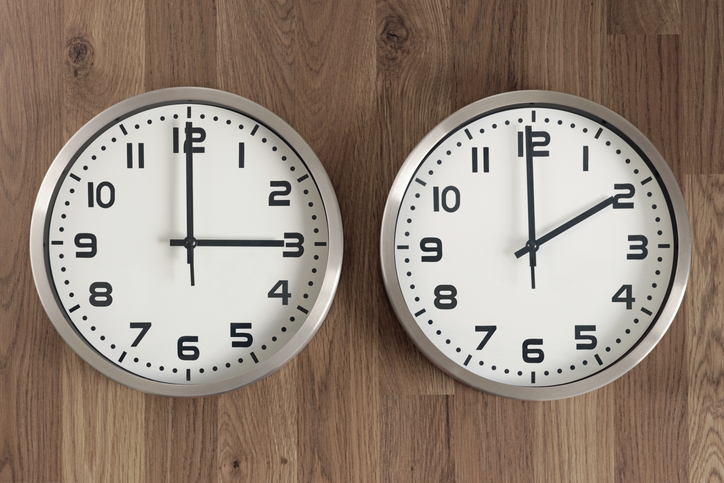
A lot of us don’t even realize how much energy we waste on the time change until it hits again. If we ever lock the clocks for good, standard time feels like the calmer choice because it works with real daylight. Your body gets to stay on one steady rhythm instead of constantly adjusting like it is traveling. Mornings feel more natural, routines feel easier, and sleep becomes less of a fight. It is not perfect life, but it is a softer daily flow. And once you notice that calm, you start wondering why we ever kept switching.
2. Your Body Clock Gets a Real Break

Standard time matches the sun in a way your body understands without stress. When morning light shows up earlier, it helps your brain wake up naturally instead of feeling forced. That simple change can help you fall asleep easier at night too. You may not think of it as a health decision, but your body notices. With fewer weird sleep disruptions, you might feel less foggy during the day. It is the kind of benefit that sneaks up on you slowly. Then one day you realize you are functioning better with less effort.
3. Bright Mornings Make Life Feel Safer

There is something comforting about starting the day with light outside. Standard time gives you brighter mornings when people are commuting, walking children to school, or opening shops. It makes early movement feel safer and less tense. Even simple things like waiting for a bus feel better when you can see clearly around you. In many places, mornings are when life truly begins, so it helps when the sun agrees. That morning light also lifts your mood without you even trying. It is a small shift that makes the whole day feel steadier.
4. Kids Have an Easier Start to the Day

If you have ever tried to wake a child on a dark morning, you already know the struggle. Standard time supports earlier daylight, which makes school mornings less stressful. Kids wake up better, move faster, and complain less when the room is not pitch dark. Parents also get a smoother routine because everything flows instead of dragging. It is not magic, but it helps. Teachers may even notice better focus when students are not half asleep. In a world where kids already juggle a lot, making mornings easier feels like a win.
5. Teens Struggle Less in the Morning

Teenagers naturally sleep later, so mornings can already feel like a battle. With standard time, the morning light supports their body clock instead of working against it. Darker mornings make it harder for teens to wake up and harder to stay alert in early classes. Standard time gives them a better chance to feel awake sooner, even if they still want five more minutes. It is the kind of support that feels small but matters. When teens start the day with less fatigue, everything else can improve, even their mood at home.
6. The Week Feels More Predictable
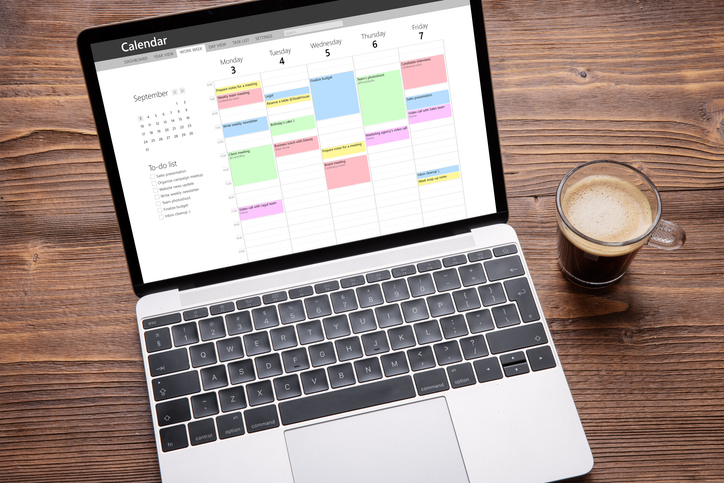
Switching the clocks always creates that strange week where nothing feels quite right. You eat at odd times, you feel tired too early, and your energy is messy. Standard time removes that adjustment period and gives you one steady schedule. Predictability helps more than people admit. It is easier to plan mornings, workouts, and family routines when time stops shifting under you. Even your Sunday night feels calmer because you are not bracing for a sudden change. A stable clock makes a stable week, and that is something busy people need.
7. Less Foggy Brain at Work

Ever notice how your mind works better when you sleep well? Standard time supports earlier morning light, which helps your brain wake up with less struggle. That means better focus, fewer mistakes, and a smoother start to the workday. Even if your job is stressful, a clear head helps you handle it. It is not about being perfect, it is about having a better baseline. When your body feels synced with the morning, you stop feeling like you are dragging yourself into productivity. You simply start, and that makes the day easier.
8. It Supports Health Without Overthinking It

People spend money on sleep teas, supplements, and fancy routines, yet time changes keep disturbing rest twice a year. Standard time supports healthier sleep patterns without extra effort. It is like giving your body permission to follow its natural rhythm. Better sleep can improve mood, patience, and even appetite control. You might find yourself less irritable in the mornings, and that alone changes relationships. It is one of those quiet lifestyle upgrades that does not require planning. You just live, and your body adjusts in a way that feels more normal and less forced.
9. Winter Feels a Bit Lighter

Winter can already feel heavy, so darker mornings make it worse. Standard time helps daylight arrive earlier, which makes the season feel slightly more bearable. When you see morning light sooner, it reminds you the day has started, even if the weather is cold. That early brightness can help your mood and reduce that gloomy feeling many people battle. It does not erase winter, but it softens it. When the sun meets you earlier, you feel more encouraged to move, run errands, or take a walk. Little light can bring big relief.
10. It Helps Early Workers the Most

Not everyone starts work at nine or has a flexible schedule. Many people begin before sunrise, from nurses to drivers to cleaners. Standard time respects that early life by giving more morning light during the hours they move most. It can feel safer, calmer, and more human to work when the sky is not completely dark. Those workers already carry heavy responsibilities, so making their mornings easier matters. Standard time supports the reality of how society runs. It does not cater only to evening plans. It supports the people who keep everything running from dawn.
11. It Makes Morning Exercise Feel Easier

Some people love a morning walk or gym session, but dark mornings can kill motivation fast. Standard time makes it easier to get moving because daylight shows up earlier. A brighter morning feels more inviting, like the day is cheering you on. You also feel safer walking outside when you can see clearly. Even indoor workouts feel better when morning light is coming through the window. It helps your brain wake up and your body warm up. When exercise feels easier to start, you do it more often, and that consistency can change your whole lifestyle.
12. You Spend Less Time Feeling Off

The clock change messes with people in different ways, from headaches to mood dips to pure tiredness. Standard time eliminates that back and forth switching, so you stop going through mini recovery weeks. It is not only about sleep, it is about comfort. Your body likes routine, and standard time offers it. When the rhythm stays steady, you feel more balanced overall. You may not notice it right away, but over months, it adds up. You stop feeling like time is playing games with you. You just live, and things feel smoother.
13. It Helps Families Run Better

Families survive on routines, especially when kids are involved. Standard time makes mornings more predictable and helps bedtime stay consistent. That means fewer rushed moments, fewer late arrivals, and less conflict when people are trying to leave the house. Even meal times feel more regular when sleep is stable. Parents also benefit because they are not trying to fix everyone’s schedule twice a year. It becomes one less thing to manage. When the time stays steady, the home feels steadier too. And a calmer home makes everyone kinder, even when life is busy.
14. It Improves School Commutes

School mornings are already a rush, from buses to traffic to walking routes. Standard time supports brighter mornings, which makes commuting feel safer and more organized. Kids can be seen more easily, drivers can react faster, and parents feel less anxious. In many communities, morning safety is a big concern, so light helps. It also feels less harsh to start the school day with daylight. Children adjust better when they are not waking in complete darkness. Standard time makes the school routine feel more natural. And when kids start the day well, the whole household feels it.
15. You Wake Up With Less Resistance

Waking up is hard enough without fighting darkness that feels like midnight. Standard time supports morning light, which helps your body wake up more naturally. Instead of feeling like you are being dragged into the day, you start to rise with it. That difference can change your mood quickly. You might notice you are less cranky, less slow, and more willing to move. Even if your day is packed, a calmer morning helps you handle it. Standard time gives you that gentle push. And once waking up feels easier, everything else becomes easier too.
16. Your Evenings Still Feel Fine

People worry that standard time will shorten evenings, but the truth is life adjusts. You still get your rest, your shows, your dinner dates, and your wind down time. The difference is that mornings feel more useful and less stressful. It is a trade that works better for daily life, especially in winter. Evenings are important, but mornings are when responsibilities hit first. Standard time supports the part of the day that most people cannot skip. And when mornings go well, evenings actually feel sweeter. You end the day less drained and more satisfied.
17. It Reduces That Springtime Struggle

The spring change is usually the one that hits hardest because you lose an hour of sleep. People feel tired, late, and scattered. Standard time avoids that whole experience by keeping time steady. No more reading reminders, no more forgetting, no more feeling unwell for days. It removes an unnecessary stress that nobody asked for. Even workplaces benefit because people are more alert and consistent. It feels like a quiet upgrade to society. You do not notice the benefit until it is gone. But once time stays steady, you realize how much the change was affecting you.
18. It Supports Better Mood

When sleep is better, emotions behave better too. Standard time supports earlier morning light and more stable sleep patterns, which can help your mood feel more balanced. You may feel less anxious in the mornings and less drained during the day. It is not a cure for everything, but it helps. Even your patience can improve when you are not tired all the time. People underestimate how much sleep affects how kind we are. Standard time encourages that steady rest. And when you feel good inside, you show up better outside. That helps relationships, work, and everyday life.
19. It Fits Nature’s Timing

Standard time follows the sun more closely, and that matters more than we like to admit. Humans are still wired to respond to daylight, even with electric lights everywhere. When sunrise and your clock align, your body feels less confused. It makes mornings feel real and nights feel restful. Permanent daylight saving time can push sunrise later, which can feel unnatural in winter months. Standard time keeps the natural flow of daylight in a more comfortable position. It is like letting the day unfold the way it was meant to. Sometimes the smartest choice is simply the most natural one.
20. It Helps Older Adults Too

Older adults often wake earlier and rely more on morning routines, from medication schedules to walks and appointments. Standard time supports earlier daylight, which helps them feel safer moving around in the morning. It also supports steadier sleep, which many older adults already struggle with. A stable rhythm helps the body feel less stressed. It can also reduce confusion for those who find time changes frustrating. Standard time is simple, and simplicity matters. When time stays steady, planning becomes easier, and daily life feels calmer. It supports people at every age, especially those who prefer a gentle morning start.
21. Fewer Mistakes in Daily Life

When you are tired, small mistakes happen more often. You forget keys, miss turns, send wrong messages, or lose focus at work. Standard time supports steadier sleep and brighter mornings, which can reduce that tired scatter feeling. A clear mind helps you stay sharper, especially early in the day. That matters for drivers, workers, students, and even parents managing busy schedules. You may not connect time to mistakes, but sleep affects everything. Standard time helps you start better, and starting better helps you finish better. It is not about perfection, it is about fewer unnecessary errors.
22. Less Argument About Bedtime

Bedtime fights are real, especially with kids. When it suddenly feels darker or lighter at odd hours, children resist sleep and parents get stressed. Standard time creates a more consistent day and night rhythm, making it easier to keep bedtime steady. It may not solve everything, but it reduces confusion. Kids respond better to routine than to logic, so consistency wins. Parents benefit too because they are not adjusting the household schedule twice a year. Standard time makes evenings predictable, and that helps the whole home. When bedtime becomes smoother, nights feel more peaceful and mornings feel more manageable.
23. It Keeps Your Meal Times Stable

Time changes affect hunger cues more than people notice. You might feel hungry earlier, snack late, or skip meals because your body is confused. Standard time helps keep meal routines steady because sleep stays stable. That means breakfast feels like breakfast and dinner feels like dinner. It may sound small, but eating patterns affect energy, mood, and digestion. When your body stays on one rhythm, your appetite feels more normal. A consistent routine also supports healthier choices because you are not eating out of exhaustion. Standard time supports rhythm, and rhythm supports the body in quiet, everyday ways.
24. It Makes Travel Days Less Confusing

Even local travel can be annoying around clock changes. People miss flights, show up early, or forget appointments. Standard time all year removes the need to double check what week it is. It is just one time, always. That simplicity makes planning easier for families, businesses, and travelers. When time is stable, you focus on the real trip, not the clock. Even reminders and calendars work better. It reduces those silly mistakes that waste time. Standard time is basically the friend that never changes plans last minute. You always know what to expect, and that feels good.
25. It Helps Remote Workers Stay Balanced

Remote work depends on structure, and a clock change can mess with it fast. Standard time supports steady routines, which helps remote workers manage meetings, sleep, and productivity. You do not have to spend a week adjusting your energy and trying to focus. You just wake up and work. It also helps when working with people across time zones because at least your local time stays consistent. Remote workers already juggle enough. A stable clock removes a stressor that adds nothing of value. Standard time keeps the day flowing naturally, and that helps you stay grounded, even when work is busy.
26. It Supports Better Public Safety

When people are sleepy, roads are riskier and workplaces become more distracted. Standard time supports steadier sleep by aligning better with natural light patterns. It also keeps mornings brighter, which can help visibility for drivers, pedestrians, and cyclists. Public safety is often about reducing small risks that add up. If keeping one time system lowers those daily risks, it is worth considering. It is not flashy, but it is practical. Bright mornings plus better sleep create a safer environment. Standard time supports both. Sometimes the safest change is simply removing unnecessary disruption and letting people function on a consistent rhythm.
27. It Works Better for Nature-Based Jobs

Jobs like farming, fishing, and outdoor construction often start early and depend on daylight. Standard time supports those workers because sunrise happens earlier and mornings feel usable. When daylight shows up later, it delays natural productivity, especially in colder seasons. Standard time respects the sun’s schedule instead of shifting it for convenience. It helps outdoor workers plan safely and work efficiently. Even gardeners and market sellers feel the difference. The day begins when the day begins. That simple alignment makes life easier for people whose jobs are tied to the real world outside. Standard time keeps things grounded, practical, and close to nature.
28. It Reduces the Feeling of Constant Adjustment

Sometimes it feels like life never lets you settle. Standard time offers one less thing to constantly fix. No switching, no recalculating, no strange body stress. Your sleep improves, your mornings feel more natural, and your weekly rhythm becomes steady. That steadiness helps you feel more in control, even when life is busy. People underestimate how much constant adjustment drains them. Standard time removes a recurring disruption and replaces it with stability. It may seem small, but it is felt daily. When your body relaxes into a routine, your mind relaxes too. And that calmer feeling spreads into everything.
29. It Makes Weekends Actually Restful

Weekends are supposed to help you reset, not recover from schedule confusion. Standard time supports consistent sleep, so your Saturday morning does not feel like you are still catching up. You wake up easier, you move better, and you enjoy the day more. Even simple things like brunch, errands, and family visits feel smoother when your body clock is steady. Rest works best when it is regular. Standard time helps you keep that regular rhythm without interruptions. It makes weekends feel like real rest, not survival time. And when you rest well, the next week feels less heavy before it even starts.
30. It Feels Like a Smarter Long-Term Choice

When you look at the bigger picture, standard time feels like the option built for real life. It supports sleep, safety, routines, and calmer mornings, which is what most people need daily. It may not give the longest evenings, but it gives a steadier rhythm that makes life easier to manage. If we are ending the clock switching, choosing the time that fits our bodies best makes sense. Over time, you stop thinking about time at all, and that is kind of the goal. You just wake up, live your day, and rest at night without fighting the clock.


