
When Hype Outruns The Film

Cinema has always been shaped by strong opinions and the subjective nature of art. Some films capture the imagination of audiences and critics alike, winning prestigious awards, breaking massive box office records, and becoming genuine cultural landmarks. Yet, time often brings a second look, and what once seemed like a groundbreaking masterpiece can sometimes feel far less impressive when revisited years later. This is precisely why the concept of an “overrated” movie continues to spark such lively and often heated debate among film lovers across the globe.
Calling a movie overrated does not necessarily mean it is a bad film by objective standards. In many cases, these movies are still highly entertaining or historically significant to the industry. The argument usually revolves around whether the extreme praise they receive truly matches their storytelling, acting performances, or lasting cultural influence. Some critics argue that certain titles benefited more from aggressive marketing hype, awards season momentum, or technological novelty rather than enduring cinematic strength. Below are twenty American films that frequently appear in these discussions, showing how complicated our relationship with the silver screen can be.
Forrest Gump
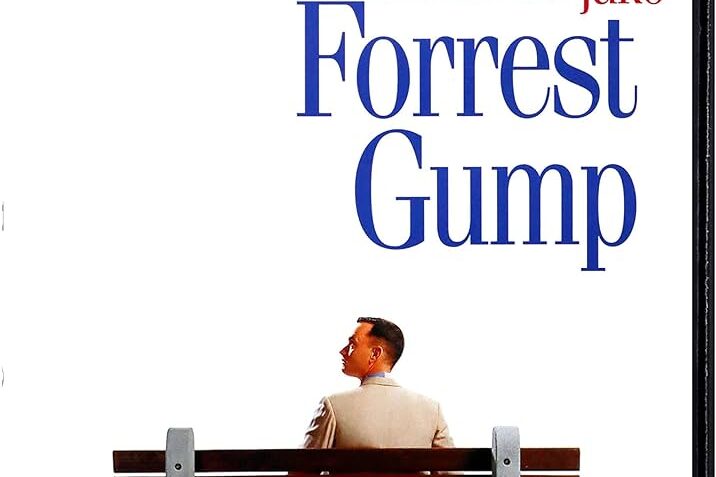
Released on July 6, 1994, and directed by Robert Zemeckis, Forrest Gump became one of the most celebrated and financially successful films of the 1990s. The movie follows the life of Forrest, portrayed by Tom Hanks, a simple man who unintentionally finds himself at the center of many key moments in modern American history, from the Vietnam War to the Watergate scandal. Audiences originally embraced its emotional storytelling and the then-innovative visual effects that placed Hanks into real archival footage. The film eventually won six Academy Awards, including Best Picture, and earned more than $677 million at the worldwide box office.
However, as the decades have passed, many critics have questioned whether the film truly deserves its near-universal acclaim. A common criticism is that the story offers an overly simplistic and sanitized view of incredibly complex historical events and social movements in the United States. Others argue that its sentimental tone often feels like emotional manipulation rather than genuine depth. Some film historians also point out that its 1995 Best Picture win over Pulp Fiction and The Shawshank Redemption remains one of the most debated moments in Oscar history, leading some to believe its reputation is now larger than the actual quality of the film.
Titanic
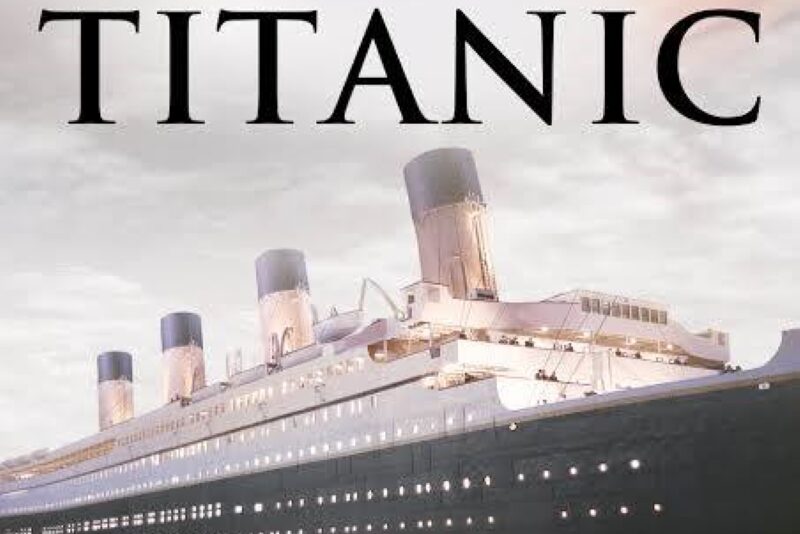
James Cameron’s Titanic arrived in theaters on December 19, 1997, and rapidly transformed into a global phenomenon that defined a generation of moviegoers. By combining a sweeping, fictional romance with the historical tragedy of the 1912 sinking of the RMS Titanic, the film captivated the hearts of millions. Leonardo DiCaprio and Kate Winslet became instant superstars as Jack and Rose, the young lovers from different social classes. The production was legendary for its massive $200 million budget, eventually winning eleven Academy Awards and holding the record as the highest-grossing film of all time for twelve years.
Despite this monumental success, Titanic has long been a primary target for critics who believe the movie’s legacy rests more on visual spectacle than on sophisticated storytelling. Many viewers find the central love story to be predictable, featuring dialogue that occasionally feels clichéd or overly melodramatic. While the technical achievements and the scale of the reconstruction are still widely respected today, the film’s three-hour runtime and intense sentimentality continue to divide modern audiences. For many detractors, the massive hype of the late nineties created an untouchable status that the actual script struggles to support upon a modern re-watch.
The Big Lebowski
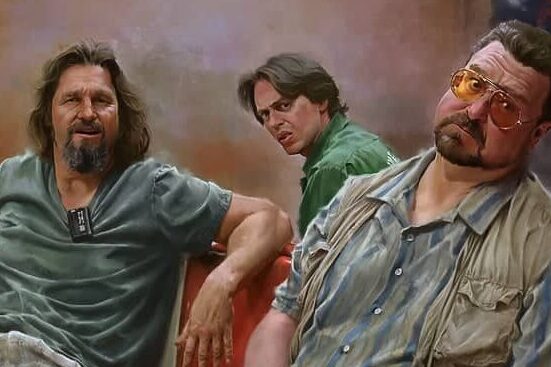
When The Big Lebowski premiered on March 6, 1998, it was far from an immediate box office sensation, earning only $18 million during its initial domestic run. Directed by the Coen Brothers, the film follows Jeffrey “The Dude” Lebowski, played by Jeff Bridges, a laid-back slacker who gets caught up in a confusing kidnapping plot. Over the years, the movie developed a massive cult following, leading to the creation of “Dudeism” and the annual Lebowski Fest. Fans celebrate its eccentric characters, like the volatile Walter Sobchak, and its endlessly quotable, profanity-laced dialogue that defined a specific era of independent cinema.
Yet, the sheer intensity of its fanbase has led many to label it as significantly overrated. Critics often point out that the film’s loose, episodic narrative structure leaves the plot feeling unfocused or even entirely pointless by the time the credits roll. For viewers who prefer tightly structured storytelling or a clear resolution, the film’s slow pace and deliberately absurd tone can feel more frustrating than charming. Because its devotees praise it with such religious fervor, those who find the humor hit-or-miss often argue that its status as a “masterpiece” is a result of internet culture rather than narrative excellence.
Avatar
James Cameron returned to the summit of the box office on December 18, 2009, with Avatar, a science-fiction epic set on the lush alien moon of Pandora. The film stunned the world with its groundbreaking use of 3D technology and motion-capture performances, particularly by Zoe Saldaña. It quickly surpassed Cameron’s own Titanic to become the highest-grossing film in history, a title it held for years. The immersive experience of Pandora’s bioluminescent forests and unique creatures was hailed as a major leap forward for digital filmmaking, forever changing how big-budget blockbusters were produced in Hollywood.
However, the primary criticism of Avatar has always been that its narrative depth never quite reached the heights of its visual innovation. Many critics noted that the story of a soldier joining an indigenous tribe to protect their land felt derivative of earlier films like Dances with Wolves (1990) or Pocahontas. While the movie is undeniably a visual marvel, the characters are often described as thin, one-dimensional archetypes. This has led to a long-standing debate about whether Avatar is a truly great film or simply an expensive tech demo that benefited from the novelty of 3D glasses and high-end CGI.
Crash
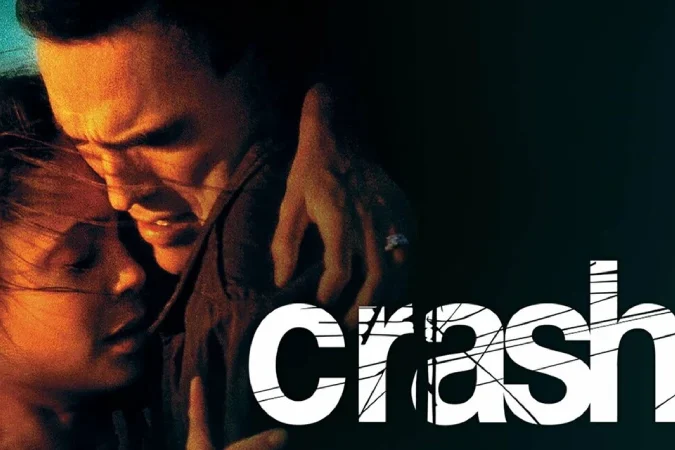
Paul Haggis’s Crash premiered at the Toronto International Film Festival in September 2004 before its wide release in 2005. The drama explored the volatile themes of race, prejudice, and social anxiety through the interconnected lives of various citizens in Los Angeles. Featuring an ensemble cast including Sandra Bullock and Don Cheadle, the film aimed to provoke difficult conversations about bigotry. In one of the biggest upsets in Academy Awards history, it won Best Picture in 2006, beating out the heavily favored Brokeback Mountain, a decision that remains highly controversial among cinephiles and industry insiders.
In the years following its Oscar win, Crash has faced a significant critical backlash, with many calling it one of the worst Best Picture winners ever. Modern commentators argue that the film treats the incredibly complex issue of systemic racism in a simplistic, heavy-handed, and ultimately shallow manner. Critics suggest the script relies far too heavily on unbelievable coincidences and “teachable moments” that feel forced rather than organic. Because the movie is seen as tackling a serious subject with a lack of nuance, it frequently tops lists of overrated films that were rewarded for their good intentions rather than their actual artistic execution.
The Matrix
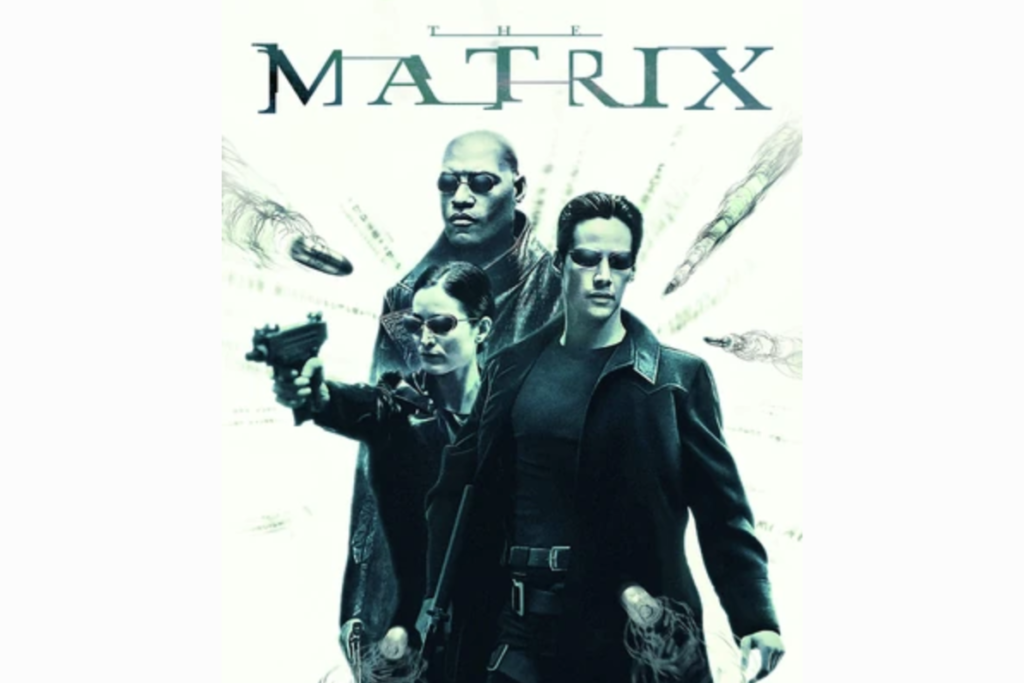
When The Matrix hit theaters on March 31, 1999, it fundamentally altered the landscape of action and science-fiction cinema. Directed by the Wachowskis, the film introduced a dystopian future where humanity is unknowingly trapped inside a simulated reality. Its “bullet time” visual effects and high-concept philosophical questions made it an instant touchstone of pop culture. Starring Keanu Reeves as Neo, the film grossed over $460 million and spawned a massive franchise. Its influence can still be seen today in everything from fashion to the way fight scenes are choreographed in modern superhero movies.
Despite its undeniable impact, some critics argue that the film’s reputation is heavily inflated by its stylish aesthetic rather than its narrative clarity. While the core concept of a simulated world is fascinating, repeat viewings often highlight dialogue that is bogged down by heavy, clunky exposition. Others suggest that the “deep” philosophical themes are actually quite derivative of older cyberpunk literature and Asian cinema, repackaged for a Western audience. While it remains a landmark of the late nineties, some argue that the sequels eventually exposed the weaknesses in the original’s logic, making the first film seem slightly less brilliant in hindsight.
Fight Club
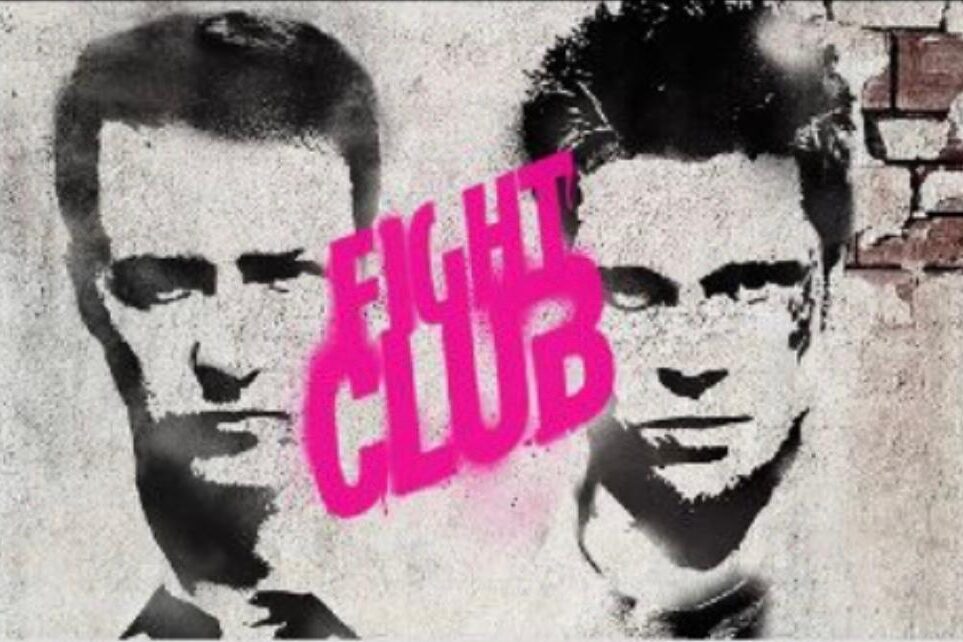
David Fincher’s Fight Club debuted on October 15, 1999, and was initially considered a box office disappointment, earning only $37 million domestically against a $63 million budget. However, following its release on DVD, it exploded in popularity to become one of the most discussed and analyzed films of its generation. Based on the novel by Chuck Palahniuk, the story follows a nameless narrator and the enigmatic Tyler Durden, played by Brad Pitt, as they start an underground society. The film’s themes of anti-consumerism and the crisis of modern masculinity resonated deeply with young audiences at the turn of the millennium.
While many fans view it as a bold masterpiece, others believe the film is significantly overhyped and often misunderstood by its own following. Critics have noted that the “twist” ending, while shocking in 1999, overshadows much of the film’s actual substance. Furthermore, there is a common argument that many viewers celebrate Tyler Durden as a hero, missing the fact that the film is actually a satire of his toxic ideology. Because it has been adopted as a “bro-classic,” many cinephiles feel its artistic merit has been exaggerated by a fanbase that values its edgy style over its actual social commentary.
La La Land
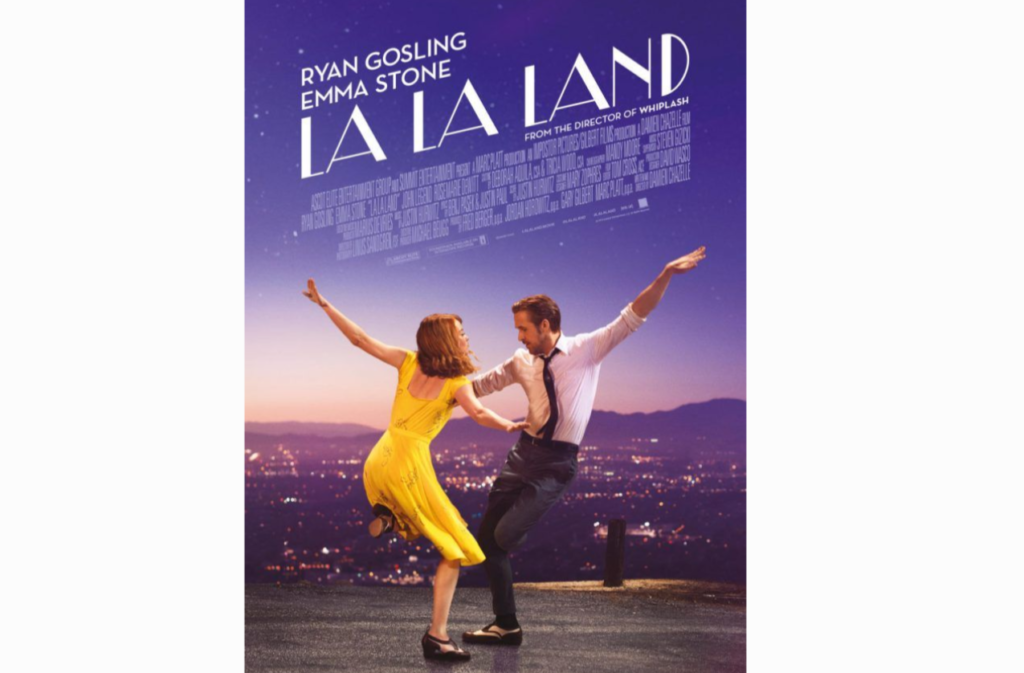
Damien Chazelle’s La La Land was released on December 9, 2016, and was immediately met with a tidal wave of critical acclaim. The vibrant musical, starring Ryan Gosling and Emma Stone, served as a love letter to the “Golden Age” of Hollywood while telling a modern story of two struggling artists in Los Angeles. The film was a massive success during awards season, tying the record for the most Oscar nominations with fourteen and winning six. It was even famously involved in the “Best Picture” mix-up during the 89th Academy Awards ceremony, briefly being announced as the winner before Moonlight was correctly identified.
Despite the initial love, a vocal group of critics and viewers soon began to label the film as overrated. Some felt the praise was driven more by industry nostalgia than by the quality of the musical numbers themselves. A frequent criticism is that neither Gosling nor Stone possess the vocal or dance technicality required for a truly top-tier musical, making the performances feel amateurish compared to the legends they were honoring. Additionally, some argued that the plot was thin and failed to offer a fresh perspective on the “struggling artist” trope, suggesting the film’s charm masked a lack of narrative substance.
Interstellar
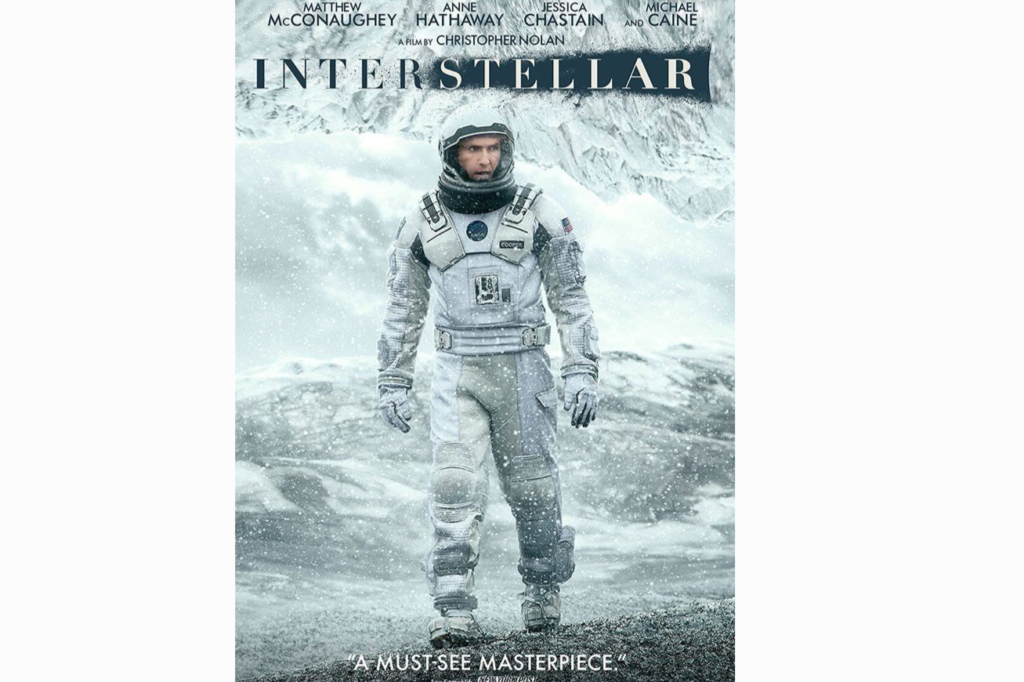
Christopher Nolan’s Interstellar was released on November 7, 2014, and quickly became one of the most ambitious science-fiction projects of the 21st century. The film follows a group of explorers, led by Matthew McConaughey, who travel through a wormhole in an attempt to ensure the survival of humanity. Nolan famously collaborated with Nobel Prize-winning physicist Kip Thorne to ensure the scientific accuracy of the black hole, Gargantua. The film was praised for its grand scale, stunning Hans Zimmer score, and its attempt to ground high-concept physics in a story about the emotional bond between a father and daughter.
However, many critics argue that the film’s ambition often exceeds its grasp, leading to a narrative that feels uneven and occasionally confusing. A common complaint involves the film’s sound mixing, which sometimes made dialogue difficult to hear over the loud score, and a final act that many felt abandoned scientific logic for sentimental fantasy. While visually breathtaking, detractors suggest the movie is overly long and suffers from heavy-handed dialogue that explains the plot to the audience rather than letting them experience it. For those who aren’t fans of Nolan’s specific style, Interstellar is often cited as a prime example of a film that is “loud and long” but not necessarily deep.
Scarface
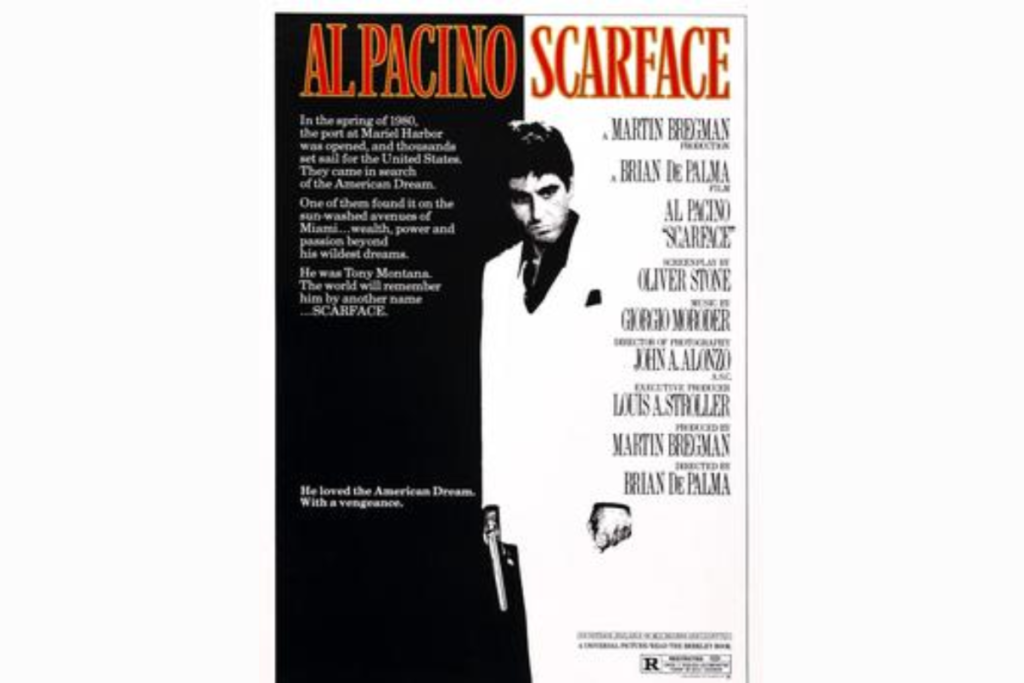
Brian De Palma’s Scarface was released on December 9, 1983, and initially received a lukewarm response from critics who were put off by its extreme violence and nearly three-hour runtime. However, over the following decades, the story of Tony Montana’s rise and fall in the Miami drug trade became a cornerstone of popular culture. Al Pacino’s over-the-top performance and famous lines like “Say hello to my little friend!” turned the film into a legend, particularly within the hip-hop community. Today, it is often displayed on posters in bedrooms across the world as a symbol of the American Dream gone wrong.
Despite its cult status, many film historians argue that Scarface is one of the most overrated crime dramas in history. Critics point out that the film lacks the nuance and psychological depth of other classics like The Godfather or Goodfellas. The acting is frequently described as hammy or exaggerated, and the pacing is often criticized for being sluggish in the middle acts. Some argue that the film glorifies a lifestyle it should be critiquing, and that its reputation is sustained more by its “cool” factor and posters than by the actual quality of the filmmaking or the script’s dialogue.
Joker
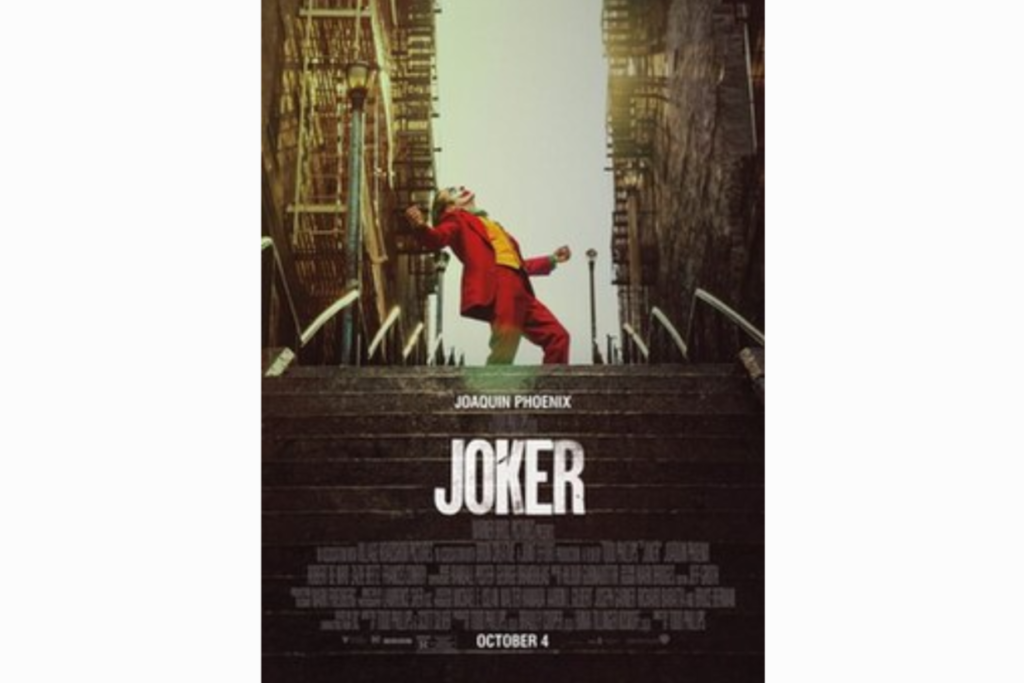
Todd Phillips’s Joker arrived in cinemas on October 4, 2019, and immediately became one of the most discussed films of the decade. Starring Joaquin Phoenix as Arthur Fleck, the film reimagined the famous Batman villain as a troubled man slowly descending into violence in a bleak version of 1980s Gotham City. Phoenix’s intense performance earned him the Academy Award for Best Actor, and the film itself grossed more than $1.07 billion worldwide. This was an extraordinary figure for a dark, R-rated character study that lacked the traditional action sequences usually found in comic-book properties.
Yet, the film has long divided critics and audiences who feel its praise is somewhat unearned. While many admired Phoenix’s commitment to the role, others argued that the film leaned too heavily on borrowed ideas from Martin Scorsese’s masterpieces like Taxi Driver (1976) and The King of Comedy (1982). Critics also pointed out that its critical reception was actually quite mixed, holding a Metacritic score of 59 out of 100 despite the massive audience interest. Some reviewers felt the narrative lacked true psychological depth and relied more on shock value and a depressing atmosphere than on a truly insightful exploration of social issues or mental health.
The English Patient
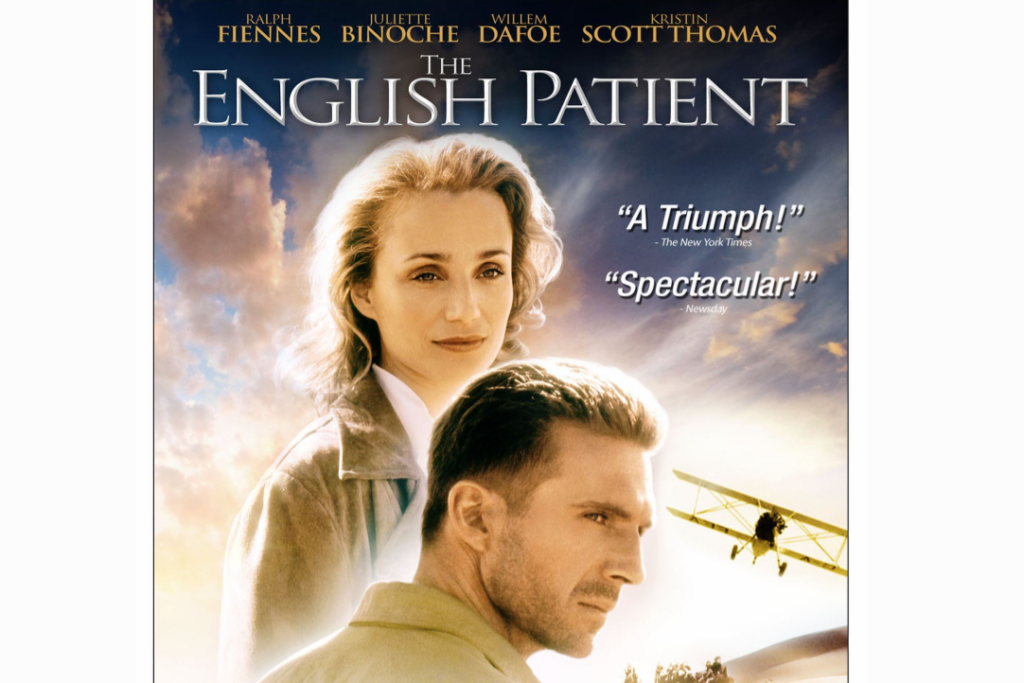
Released on November 15, 1996, and directed by Anthony Minghella, The English Patient became one of the most decorated films of its era. This romantic war drama starred Ralph Fiennes, Kristin Scott Thomas, and Juliette Binoche, telling a sweeping story of love and betrayal during the final years of the Second World War in North Africa and Italy. The film was a massive success during awards season, winning nine Academy Awards, including Best Picture and Best Director. At the time, critics praised its beautiful cinematography and its old-fashioned, epic approach to storytelling that seemed to bring back the glamour of classic Hollywood.
Despite these high honors, the film has become a frequent target in modern conversations about overrated Oscar winners. Many viewers today find the movie’s 162-minute running time and complex, non-linear structure to be slow and difficult to stay engaged with. The story moves back and forth between different timelines and romantic relationships, which some audiences find emotionally distant rather than truly compelling. In popular culture, the film’s reputation as a “boring” awards favorite was famously mocked in a 1997 episode of the hit sitcom Seinfeld, where the character Elaine Benes loses her mind over how much she dislikes the movie while everyone else adores it.
Napoleon Dynamite
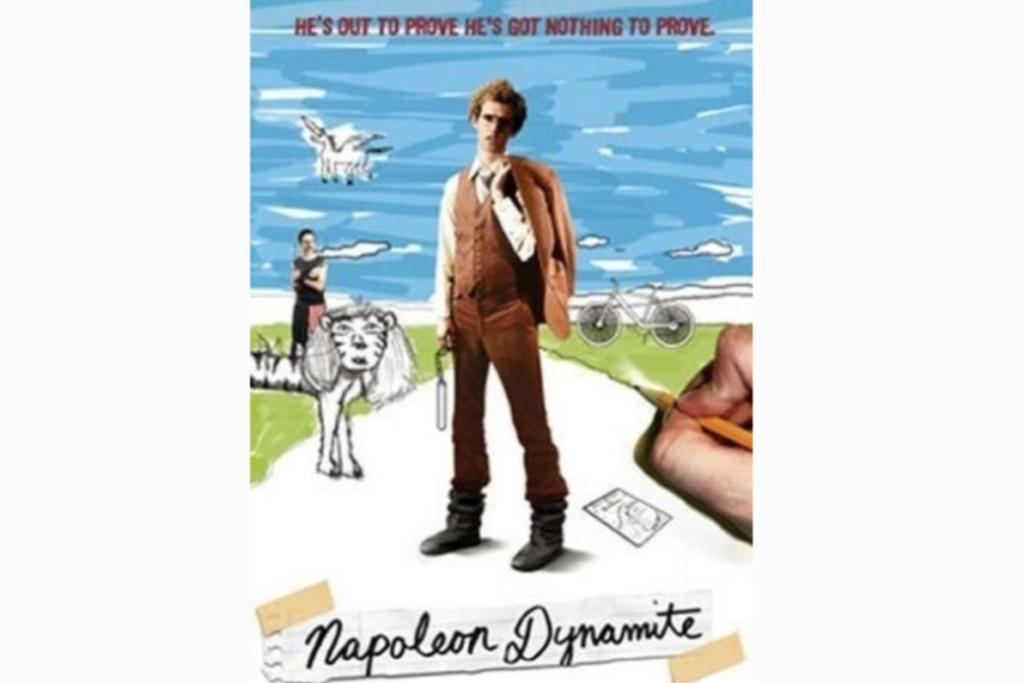
When Napoleon Dynamite premiered at the Sundance Film Festival in January 2004, it quickly gained attention for its unusual humor and low-budget charm. The film follows an awkward, moon-boot-wearing teenager in rural Idaho who spends his days drawing “ligers” and helping his friend Pedro run for class president. Produced for an incredibly small budget of only $400,000, the movie became a massive surprise box-office success, earning over $46 million. It eventually developed a massive cult following, with its quirky dialogue and “Vote for Pedro” shirts becoming iconic staples of mid-2000s high school culture across America.
Still, its reputation as a comedy classic often puzzles viewers who do not connect with its very specific, offbeat style. The film’s humor relies almost entirely on awkward silences, uncomfortable social interactions, and small, everyday moments rather than traditional jokes or punchlines. For some audiences, this approach feels refreshing and highly original, but for others, the pacing is agonizingly slow and the story feels thin. Because fans frequently praise the film as being endlessly funny and “genius,” detractors often argue that its cultural reputation far exceeds what actually happens on the screen, leaving many first-time viewers wondering what all the fuss was about.
Pirates Of The Caribbean: At World’s End
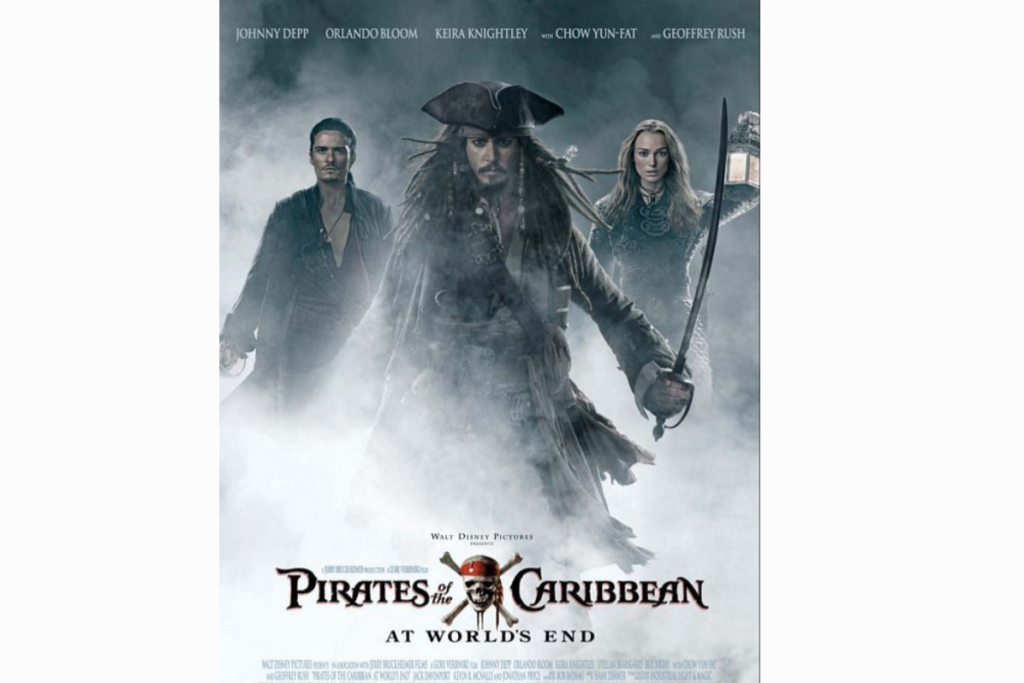
The Pirates of the Caribbean franchise began strongly with the 2003 film The Curse of the Black Pearl, which was a surprise hit that earned Johnny Depp an Oscar nomination. However, by the time the third installment, At World’s End, arrived on May 25, 2007, many critics felt the series had grown far too large and complicated for its own good. The film attempted to conclude the sprawling story of Captain Jack Sparrow, Will Turner, and Elizabeth Swann with massive sea battles and a confusing network of alliances. While the film was a financial giant, earning $960 million, it was the beginning of a downward trend in critical reception for the series.
Reviewers frequently criticized the film’s nearly three-hour running time and its incredibly tangled plot that required multiple viewings just to understand the motivations of the characters. Critics suggested that the film prioritized expensive visual effects and CGI spectacle over the witty, clear storytelling that made the first movie so special. Because the earlier entries in the series were so widely loved, the mixed reception of the third film led to many discussions about blockbuster fatigue. For many viewers, it remains a prime example of a movie that is overrated simply because it was part of a massive brand, even though the actual script was a messy and overstuffed experience.
Spider-Man 3
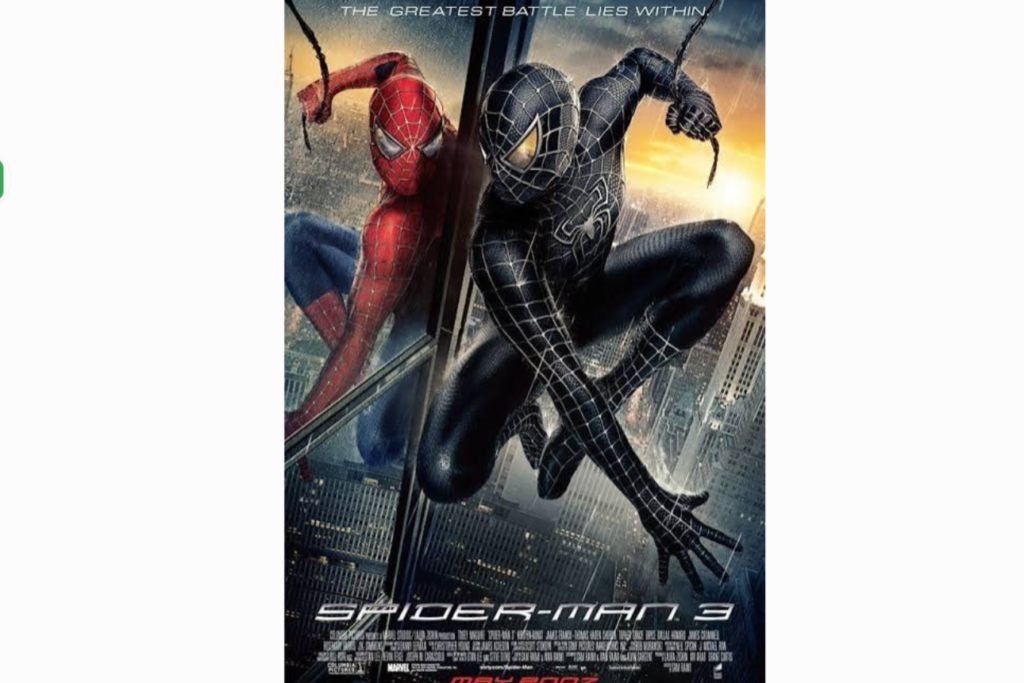
Sam Raimi’s Spider-Man 3 was arguably the most anticipated superhero film of 2007, following the massive success of its two predecessors. The first two films helped define the modern comic-book genre, and fans were eager to see the introduction of iconic villains like Sandman and Venom. When it was released on May 4, 2007, it performed exceptionally well at the box office, earning nearly $895 million worldwide. However, the initial excitement quickly turned into a long-lasting debate among the fanbase regarding the film’s tone and its decision to juggle three major villains in a single story.
Critics and fans often argue that the film struggled under the weight of having too many ideas and too much studio interference. The crowded narrative forced the script to rush through important character arcs, leaving little room for the emotional depth found in Spider-Man 2. Specific scenes, such as Peter Parker’s “emo” dance sequence, became widely mocked and are still used as memes today. While the film was a massive hit at the time, its reputation has suffered significantly over the years. It is now frequently cited as a cautionary tale of how a successful franchise can lose its way when it tries to do too much at once.
Saving Private Ryan
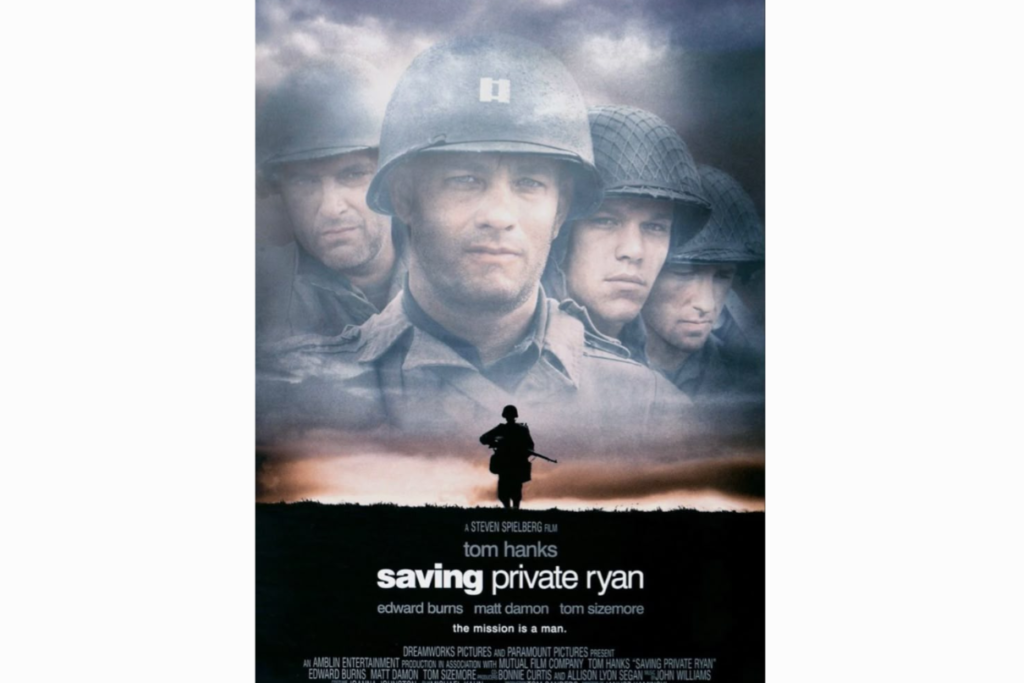
Released on July 24, 1998, Steven Spielberg’s Saving Private Ryan is often cited as the definitive World War II film. It is famous for its visceral, twenty-minute opening sequence depicting the Omaha Beach landing, which was praised for its brutal realism and technical mastery. The film earned five Academy Awards and grossed over $480 million worldwide, cementing its place as a staple of American cinema. For many, it remains a heartbreaking tribute to the “Greatest Generation” and the sacrifices made during the liberation of Europe.
However, some critics argue that once the legendary opening sequence concludes, the movie settles into a fairly conventional and sentimental Hollywood war story. Detractors point out that the plot, a squad of soldiers risking their lives to find one man for a PR victory, feels more like a scripted adventure than a realistic portrayal of military strategy. While the technical direction is undeniably top-tier, some film historians feel the script leans too heavily on patriotic tropes, making its reputation as the “greatest war movie ever” a bit of an overstatement when compared to more nuanced international war films.
Gravity
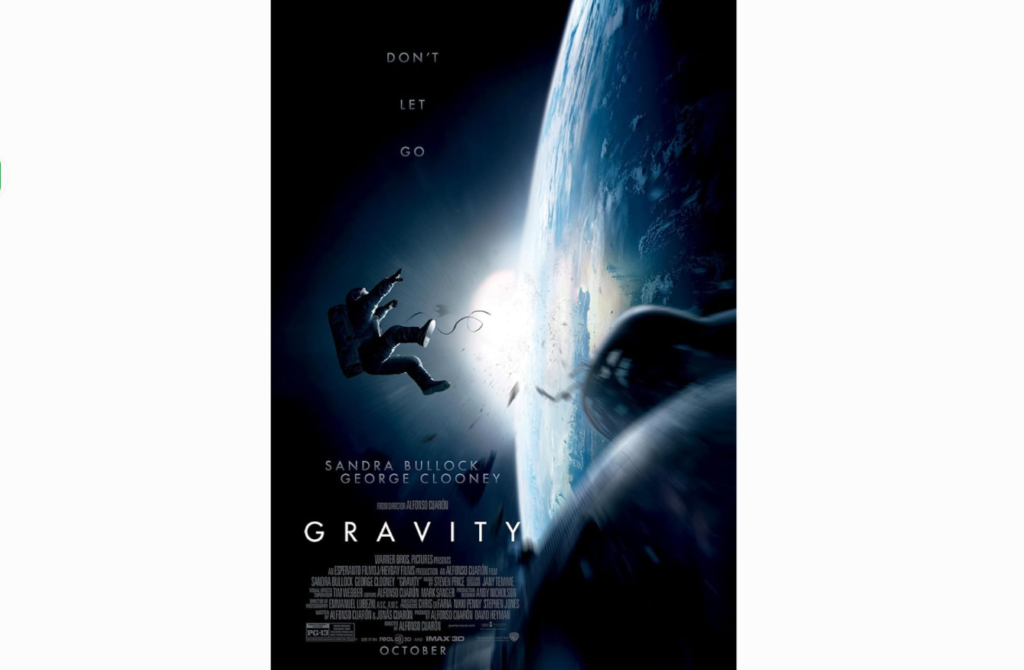
Alfonso Cuarón’s Gravity hit theaters on October 4, 2013, and was immediately hailed as a “game-changer” for its stunning visual effects and immersive 3D experience. Starring Sandra Bullock as an astronaut stranded in orbit, the film won seven Academy Awards, including Best Director. At the time of its release, the film was praised for its relentless tension and for pushing the boundaries of what digital filmmaking could achieve. It earned over $723 million and was frequently called a “must-see” theatrical event that would redefine the science-fiction genre.
In the years since the 3D hype has faded, however, many viewers have found that the film doesn’t hold up as well on a standard home screen. A common criticism is that the story is incredibly thin, relying almost entirely on technical “wow” moments rather than character development or a compelling script. Critics have also noted several scientific inaccuracies that distract from the “realism” the film worked so hard to establish. Because its initial success was so tied to the theatrical “spectacle,” many now view it as a technically impressive achievement that lacks the narrative substance to be considered a true cinematic masterpiece.
American Beauty

When American Beauty premiered on September 15, 1999, it was the “it” movie of the year, capturing the late-nineties zeitgeist of suburban disillusionment. Directed by Sam Mendes and starring Kevin Spacey, the film swept the 72nd Academy Awards, winning Best Picture, Best Director, and Best Actor. It was praised for its “deep” exploration of the emptiness of middle-class life and its stylish cinematography, including the famous image of rose petals. For a time, it was considered a bold, revolutionary look at the cracks in the American Dream.
Today, the film’s reputation has shifted dramatically, with many now viewing it as pretentious and overly cynical. Critics argue that its “rebellious” themes feel dated and even a bit sophomoric by modern standards. The characters are often seen as unlikable caricatures rather than real people, and the film’s attempts at profound symbolism, like the infamous floating plastic bag, have been the subject of endless parody. Because it was so highly decorated in 1999, it is now frequently cited as a prime example of a film that was “of its moment” but lacks the timeless quality of a genuine classic.
Frozen
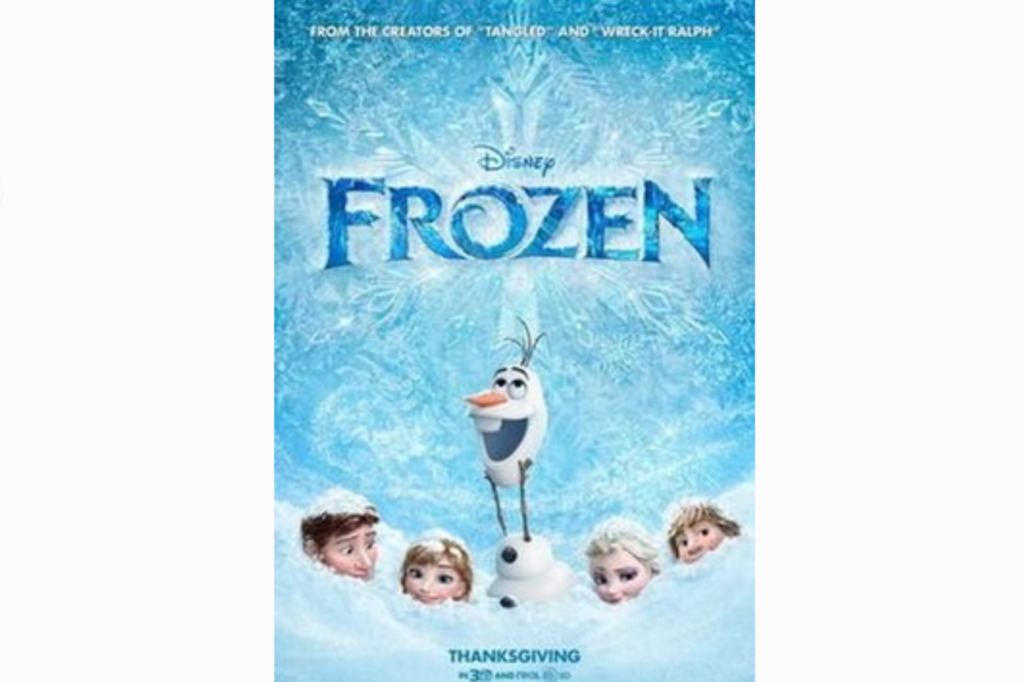
Disney’s Frozen arrived on November 27, 2013, and quickly became a cultural juggernaut that no parent could escape. Centered on the bond between sisters Anna and Elsa, the film grossed over $1.2 billion and won two Academy Awards, including Best Animated Feature. The song “Let It Go” became a global phenomenon, and the film was praised for subverting the traditional “damsel in distress” trope. It revitalized the Disney brand for a new generation and led to a massive wave of merchandise and sequels that dominated the toy aisles for years.
Despite its massive popularity, many animation fans argue that Frozen is significantly overrated compared to other Disney classics or films from studios like Pixar and Ghibli. Critics point out that the plot is actually quite messy, with a “twist” villain that many feel was poorly executed and non-sensical. Others argue that the animation itself was not as groundbreaking as its predecessors and that the film’s success was driven more by a catchy soundtrack than by a cohesive or particularly deep story. For those who find the “Frozen fever” exhausting, the film’s status as a top-tier animated masterpiece feels more like a result of marketing than artistic perfection.
Silver Linings Playbook
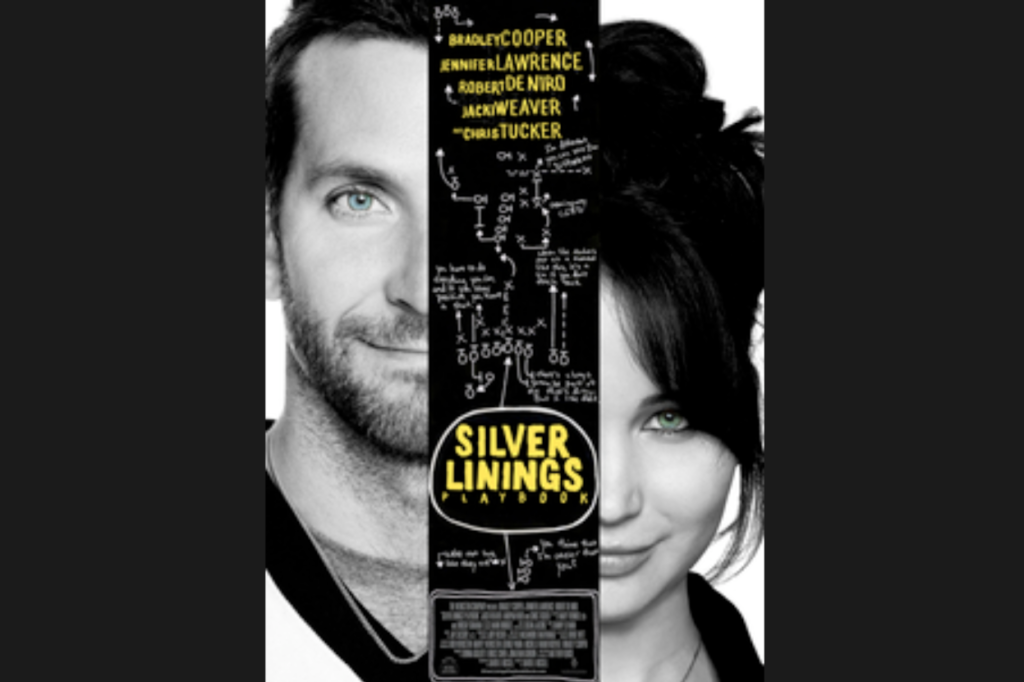
Released on November 16, 2012, Silver Linings Playbook was a major critical darling that managed to earn Academy Award nominations in all four acting categories, a rare feat in Hollywood. Starring Bradley Cooper and Jennifer Lawrence, the film follows two people dealing with mental health struggles who find an unlikely connection through a dance competition. It was praised for its “quirky” energy and for bringing a more grounded, emotional weight to the romantic-comedy genre. Jennifer Lawrence even won Best Actress, making her one of the youngest winners in the category’s history.
However, the film has faced a growing chorus of criticism from those who feel its portrayal of mental illness is unrealistic and “Hollywood-ized.” Detractors argue that the film suggests a serious psychological condition can be “fixed” through the power of a romantic relationship and a dance routine, which many find to be a simplistic and potentially harmful narrative. While the acting performances are strong, some critics feel the script falls into predictable rom-com clichés in its final act. Because it was so heavily pushed as a “prestige” film during awards season, many now see it as a standard drama that was elevated beyond its actual merit.
The Big Debate
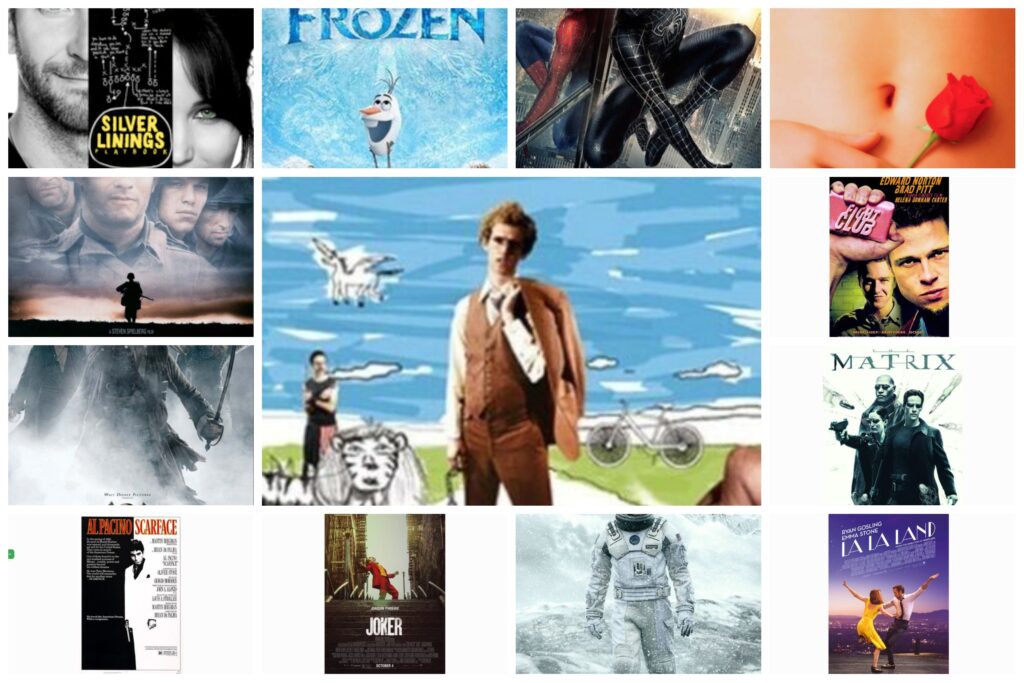
The concept of an “overrated” film is ultimately a reflection of our collective relationship with media. When a film is widely praised, it creates a set of high expectations that the movie must then live up to. If a viewer feels that the film falls even slightly short of that “masterpiece” label, the natural reaction is to label it as overrated. These debates are what keep the history of cinema alive, as they force us to re-evaluate what we value in storytelling and how our perspectives change as the world moves forward.
Ultimately, calling a film overrated does not take away from the joy it brings to its fans or its place in history. Many of the movies on this list, from Forrest Gump to Titanic, were essential steps in the evolution of filmmaking technology and popular culture. The fact that we are still arguing about them decades later is a testament to their impact. Whether you agree with these criticisms or find them completely unfair, the conversation surrounding these twenty films shows that the power of cinema lies as much in our opinions as it does in the images on the screen.


