
1. The Promise of Results

Weight loss drugs have moved into the mainstream over the past decade, especially since the early 2020s. Once rarely discussed, they now feature regularly in health news, online forums, and celebrity interviews. Clinical trials published between 2015 and 2023 show that newer medications can help many users lose between 10 and 20 per cent of their body weight within a year. This level of weight reduction is far greater than what diet and exercise alone usually achieve for people with obesity. Doctors also report improvements in blood sugar levels, blood pressure, and cholesterol.
For patients who have struggled for years, these measurable health gains make the drugs feel like a genuine breakthrough rather than a short-term fix. After years of trying and failing, seeing the scale finally move can restore hope. Some users describe feeling lighter not just physically, but mentally, less consumed by constant hunger or frustration. Still, the excitement often comes with caution. Early success raises questions about sustainability and dependence. The promise is real, but so is the need for realistic expectations and ongoing support.
2. The Financial Reality

Despite their medical promise, the cost of weight loss drugs remains a major obstacle. In many countries, monthly prices can range from several hundred to over a thousand pounds without insurance support. Since around 2021, rising demand has only increased these costs. Many people find themselves paying out of pocket, even when the medication is prescribed by a doctor. For families already managing housing, education, or childcare expenses, this creates a difficult financial decision. Some users start treatment only to stop months later because the cost becomes unsustainable.
As a result, money, rather than medical need, often determines who can continue using these drugs long term. Some stretch budgets, skip holidays, or delay other priorities just to stay on treatment. Others start with optimism only to stop months later when the expense becomes overwhelming. This financial pressure can quietly undermine motivation and mental wellbeing. It also raises uncomfortable questions about fairness, especially when access to health improvements depends more on income than need.
3. Insurance Coverage Gaps

Insurance coverage for weight loss drugs is still uneven and confusing. While medications used for diabetes are often approved, the same drugs may be denied when prescribed solely for weight loss. This issue has persisted despite growing medical consensus since the late 2010s that obesity is a chronic disease. Health policy experts argue that many insurance policies have not kept pace with scientific understanding. As a result, patients with similar health risks may receive very different support depending on how their condition is coded.
Until insurers fully recognise obesity as a long-term medical condition, many patients will continue to face delays, denials, and inconsistent coverage. Two people with similar health risks may receive very different support based on paperwork rather than need. Navigating approvals, rejections, and appeals can become a full-time task. The frustration often leaves patients feeling dismissed or undervalued.
4. Side Effects to Consider

Like all prescription medicines, weight loss drugs can cause side effects. The most commonly reported issues include nausea, vomiting, diarrhoea, constipation, and reduced appetite. These symptoms are usually strongest during the first few weeks of treatment, especially when doses are increased. Doctors often recommend starting slowly to help the body adjust. Although serious complications are rare, some people stop treatment because ongoing discomfort affects their daily routine. Since large-scale use expanded after 2020, doctors have placed greater emphasis on close monitoring.
For many patients, deciding whether to continue means balancing noticeable health benefits against physical discomfort. In daily life, even mild side effects can feel disruptive. Feeling unwell at work, avoiding meals with friends, or worrying about sudden discomfort can affect confidence. Some users accept these symptoms as temporary, while others find they interfere too much with everyday routines. Deciding whether the benefits outweigh the discomfort is rarely straightforward. It’s a personal judgement that often changes over time.
5. The Risk of Regain

Studies published between 2021 and 2024 consistently show that weight regain is common after stopping weight loss drugs. These medications work by changing hunger signals and metabolism, but those effects usually fade once treatment ends. Research suggests many users regain much of the lost weight within six to twelve months. This raises important questions about whether the drugs should be used temporarily or for life. For patients, the idea of long-term or indefinite use adds pressure, both financially and emotionally.
Knowing that weight may return after stopping can make starting treatment feel like a bigger commitment than expected. Therefore, This reality can feel discouraging. After months of effort, the idea of weight returning is emotionally hard to face. Some users describe a fear of “going back” that makes stopping treatment feel risky. Others worry about becoming dependent on medication indefinitely. These concerns add emotional weight to an already complex decision and shape how people think about long-term use.
6. Long-Term Unknowns

Although modern weight loss drugs have been carefully tested, most studies focus on short- to medium-term use. Because widespread prescribing only expanded in the early 2020s, researchers still lack data covering decades of continuous use. Doctors and regulators continue to monitor possible long-term effects on digestion, hormones, and overall health. This does not mean the drugs are unsafe, but it does mean some questions remain unanswered.
Many prefer to wait for more data before committing to prolonged treatment. Likewise, for many users or cautious individuals, deciding whether to take these drugs involves not only health considerations but also personal beliefs about body image and self-worth. Some people are comfortable moving forward with incomplete information, while others prefer to wait and watch.
7. Medicalising Weight

The growing use of weight loss drugs has reshaped how society talks about body weight. Supporters argue that these medications help frame obesity as a medical condition rather than a personal failure. This shift has gained momentum since major medical bodies updated their guidance after 2018. However, critics worry that reliance on medication may reinforce narrow ideas of health and appearance.
Public health experts recognise both concerns, noting that treatment can reduce stigma for some people while increasing pressure on others. Yet emotions around weight run deep as health advocates warn that without policy reform, these drugs could widen existing health gaps. The issue extends beyond individual choice and raises questions about fairness, equity, and who truly benefits from medical innovation.
8. Access Inequality

Access to weight loss drugs highlights wider inequalities in healthcare systems. Since demand surged around 2022, supply shortages and high prices have made access uneven. People with higher incomes or better insurance are far more likely to benefit, while lower-income communities often face the greatest barriers. This is particularly concerning because obesity rates are often higher in disadvantaged areas.
For many, this inequality feels personal rather than theoretical. Those who could benefit most are often least able to afford treatment. This imbalance risks widening existing health gaps and reinforcing frustration with healthcare systems. Without thoughtful policy changes, innovation may unintentionally deepen inequality rather than reduce it.
9. Impact on Eating Habits

Weight loss drugs significantly reduce appetite, which can help control overeating but may also disrupt normal eating patterns. Some users report skipping meals without realising it, while others struggle to consume enough nutrients. Since appetite suppression became more common with newer drugs after 2020, dietitians have stressed the importance of balanced meals. Without proper guidance, reduced hunger can lead to low protein intake or vitamin deficiencies. This makes medical supervision essential, especially for long-term users.
The goal is not simply to eat less, but to maintain adequate nutrition while losing weight safely. For many, this inequality feels personal rather than theoretical. Those who could benefit most are often least able to afford treatment. This imbalance risks widening existing health gaps and reinforcing frustration with healthcare systems. Without thoughtful policy changes, innovation may unintentionally deepen inequality rather than reduce it.
10. Social Pressure and Trends

As weight loss drugs gain popularity, social pressure to use them has increased. Since around 2022, celebrity stories and viral transformations have shaped public opinion, often without full medical context. This visibility can make people feel as though medication is the expected solution rather than one option among many. Health professionals caution that individual needs vary widely. What works for one person may not be appropriate for another. Navigating this cultural pressure requires careful thought, honest conversations with doctors, and a focus on personal health rather than online trends.
Quietly, many people feel caught between curiosity and hesitation. Seeing dramatic results online can create unrealistic expectations or subtle shame for those who choose not to use medication. Navigating these trends requires self-awareness and honest conversations with healthcare providers. Ultimately, health decisions are most sustainable when guided by personal needs, not public momentum.
11. Doctor Supervision Matters

Weight loss drugs are prescription medications, and medical supervision is essential for safe use. Doctors assess a patient’s medical history, current medications, and risk factors before prescribing them. Since wider use began after 2020, healthcare professionals have increasingly stressed the importance of follow-up appointments. Regular monitoring allows doctors to manage side effects, adjust dosages, and track changes in blood sugar or blood pressure. Without supervision, patients may stop treatment suddenly, misuse doses, or combine medications unsafely. Experts warn that using these drugs purely for appearance rather than health increases risks
Beyond the clinical reasons, many patients say regular contact with a doctor provides reassurance. Having someone explain what is “normal,” what is temporary, and what needs attention can ease anxiety during the early stages of treatment. Weight loss can feel deeply personal, and changes do not always follow a straight line. A trusted medical professional helps patients interpret setbacks without panic and progress without unrealistic expectations. In many cases, it is this ongoing guidance, not just the prescription, that makes treatment sustainable and safer over time.
12. Mental Health Effects

Weight loss can bring emotional changes that are not always expected. Some people report improved confidence after losing weight, while others experience anxiety linked to food restriction or fear of regain. Mental health specialists have noted since the early 2020s that appetite suppression can be challenging for individuals with a history of disordered eating. Rapid physical changes may not resolve long-standing body image concerns. For some users, the pressure to maintain results can become emotionally stressful. This highlights the importance of psychological support alongside medical treatment. Weight loss is not purely physical, and emotional wellbeing plays a key role in long-term outcomes.
What often surprises people is how closely food, identity, and emotion are linked. Losing weight does not automatically silence self-criticism or insecurity. Some users describe feeling proud one day and uneasy the next, especially when social situations revolve around eating. This emotional push and pull is normal, but it highlights why mental health support matters. Addressing thoughts, habits, and self-talk alongside physical changes helps ensure that weight loss improves overall wellbeing, not just the number on the scale.
13. Lifestyle Changes Still Required

Despite their effectiveness, weight loss drugs do not replace healthy habits. Medical experts consistently stress that long-term success depends on diet, physical activity, and behaviour changes. Research published between 2021 and 2024 shows that people who rely solely on medication are more likely to regain weight if treatment stops. Many clinics now combine prescriptions with nutritional advice and exercise support. This approach reflects growing recognition that medication works best as part of a wider health plan. Drugs may help create momentum, but lasting results still depend on everyday choices and sustainable routines.
In real life, medication can feel like a helpful boost rather than a magic solution. Patients often describe it as creating breathing space, less hunger, fewer cravings, which makes healthier choices feel achievable instead of exhausting. However, habits still matter. Learning how to eat well, move regularly, and cope with stress builds confidence that lasts beyond the prescription. When medication is paired with lifestyle change, people are not just losing weight; they are building routines they can carry forward.
14. Supply Shortages

Rising demand for weight loss drugs has led to supply shortages in several countries since 2022. Manufacturing limits and unexpected demand have made consistent access difficult for some patients. Interruptions can force people to switch medications or pause treatment, increasing the risk of weight regain. For patients who rely on these drugs for ongoing health management, uncertainty adds stress and frustration. Regulators and health systems acknowledge that supply stability is now a major concern. These shortages highlight how market forces and production capacity can directly affect personal healthcare decisions.
For patients, shortages can feel deeply frustrating and unsettling. Many describe anxiety when pharmacies run out, especially after they have finally found something that works. Stopping suddenly is not just inconvenient; it can feel like losing progress and control. These disruptions remind users that personal health decisions are sometimes shaped by larger market forces. Reliable access is not just about convenience, it is about trust, continuity, and peace of mind.
15. Public Health Implications

On a broader scale, weight loss drugs raise important public health questions. If widely accessible, they could reduce rates of obesity-related conditions such as heart disease and type 2 diabetes. However, experts caution that medication alone cannot address underlying causes of obesity, including food access, urban design, and income inequality. Public health leaders argue that drugs should support, not replace, prevention strategies. Since policy discussions intensified after 2020, there has been growing emphasis on combining treatment with systemic changes. The challenge lies in balancing individual benefits with long-term population health goals.
From a human perspective, many people see these medications as one piece of a much larger puzzle. While they may help individuals today, long-term progress also depends on healthier environments tomorrow. Safe streets, affordable food, and supportive workplaces all play a role. Weight loss drugs may offer relief for individuals, but meaningful public health change still requires addressing the systems that shape everyday choices.
16. Changing Medical Guidelines

Medical guidelines around obesity treatment have evolved in recent years. Since around 2018, professional bodies have increasingly recognised obesity as a chronic condition requiring ongoing management. This shift influences how doctors discuss treatment duration and expectations with patients. Updated guidelines also encourage earlier intervention for eligible individuals rather than waiting for serious complications.
These changes reflect growing acceptance of weight loss drugs within mainstream medicine. However, debates about cost, access, and long-term use continue. For patients, this change can feel validating. Many have spent years being told to “try harder” before medical help was offered. Recognising obesity as a long-term health condition helps shift the conversation from blame to support. It reassures people that needing treatment is not a failure, but a response to a complex condition. Clearer guidelines also help patients feel more confident discussing options openly with their doctors.
17. Stigma Reduction Potential
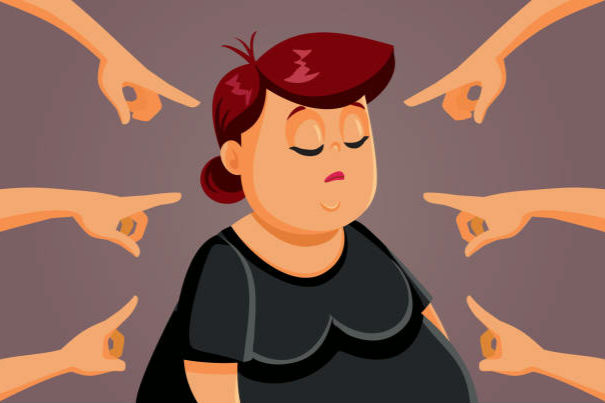
For some individuals, weight loss drugs reduce stigma by framing obesity as a medical issue rather than a personal failing. Studies published since 2019 suggest that understanding biological factors behind weight gain can ease self-blame. However, stigma does not disappear entirely. Critics argue that portraying medication as an easy solution may invite judgement. Advocates stress the need for better public education so these treatments are seen as legitimate healthcare options. How society talks about weight loss drugs plays a key role in whether they empower patients or reinforce harmful stereotypes.
Many users describe mixed reactions from friends, family, or colleagues. Some feel supported, while others sense judgement or curiosity that crosses boundaries. This shows how powerful public narratives can be. When society treats these medications as legitimate healthcare tools rather than trends, patients feel less pressure to justify their choices. Respectful language and better education can help ensure that treatment empowers rather than isolates.
18. Media Influence
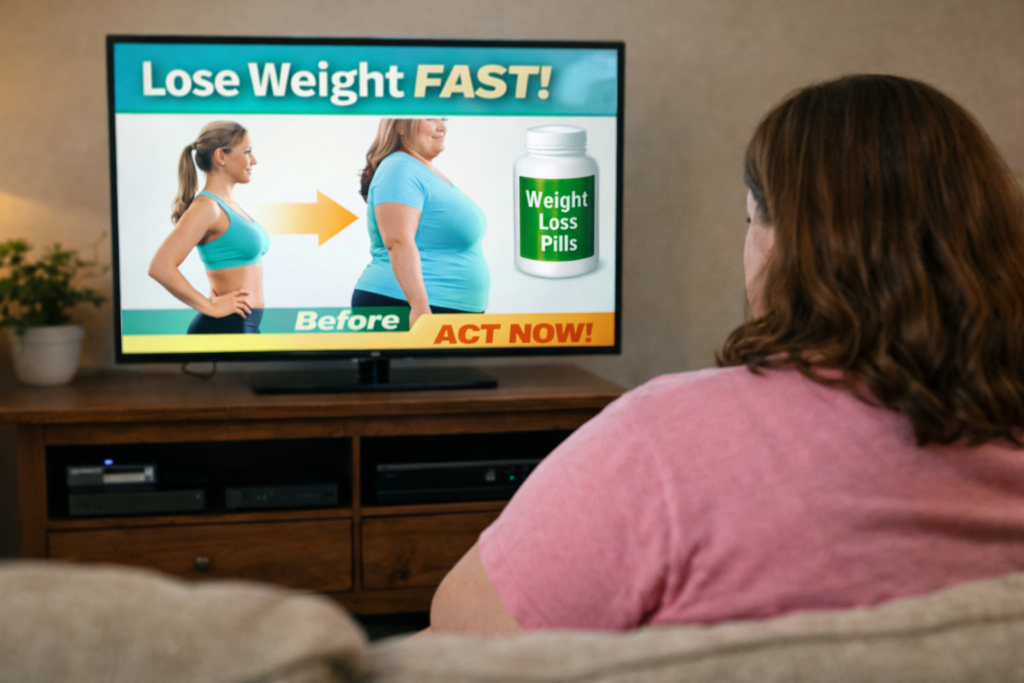
Media coverage has strongly shaped public understanding of weight loss drugs. News stories and social media posts often focus on dramatic transformations, sometimes without explaining risks or eligibility. Since the early 2020s, health journalists have warned that simplified narratives can distort expectations. While increased visibility has reduced secrecy, it has also encouraged misconceptions. Balanced reporting is essential so audiences understand both benefits and limitations. Media framing influences who seeks treatment and why, making responsible coverage an important public health issue.
For readers, these headlines can create quiet pressure. Seeing rapid results everywhere may make normal progress feel inadequate. Many people forget that behind each transformation is medical care, monitoring, and personal effort. Balanced reporting helps remind audiences that health journeys are individual. When stories include nuance, setbacks, and context, they encourage informed decisions rather than comparison.
19. Ethical Prescribing Questions

As demand increases, doctors face ethical decisions about prescribing weight loss drugs. Limited supply and high costs mean not everyone who wants treatment can access it. Clinicians must prioritise patients based on medical need rather than appearance or social pressure. Ethical guidelines emphasise informed consent, realistic expectations, and avoiding unnecessary prescriptions. These responsibilities have become more prominent since prescriptions rose after 2021. With powerful medical tools comes the need for careful judgement and consistent standards across healthcare systems.
From the patient’s side, these decisions can feel personal. Being told to wait or not qualify can be disappointing, even when medically justified. Clear communication helps manage expectations and maintain trust. Ethical prescribing is not about denying care, but about ensuring fairness, safety, and responsible use. These choices shape how society views medical treatment as care, not consumerism.
20. A Personal Trade-Off

Ultimately, deciding to use weight loss drugs is a personal choice shaped by health, finances, and values. Patients weigh potential benefits against side effects, long-term commitment, and cost. For some, improved health outcomes justify the trade-offs; for others, the risks feel too high. Medical experts encourage decisions based on evidence rather than trends or pressure. This personal calculation reflects a broader truth: there is no single right answer.
What makes this decision so complex is that it is rarely just medical. It touches identity, confidence, and daily life. Many people take time to reflect, discuss, and reconsider before starting. However, there is no single right answer, only informed choices. When decisions are made with honesty, support, and realistic expectations, patients are more likely to feel at peace with whichever path they choose.
Like this story? Add your thoughts in the comments, thank you.


