
1. Adolf Hitler and the Machinery of Hate
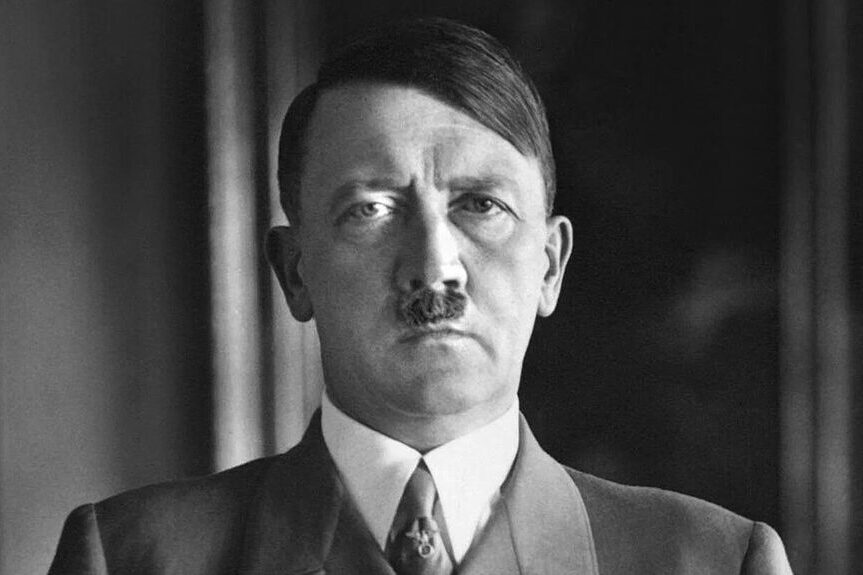
When people think about immense harm in modern history, Adolf Hitler is often one of the first names that comes to mind. Rising to power in Germany during a time of economic hardship and political instability, he built a movement rooted in extreme nationalism and racial ideology. What followed was not just war, but a deliberate and systematic attempt to eliminate entire groups of people, especially Jewish communities across Europe. The scale and coordination of that effort still feels difficult to fully comprehend.
Historians often point out how ordinary systems were turned into tools of destruction. As one widely cited observation puts it, “The Holocaust did not happen in a single moment, but through countless small steps.” That idea lingers because it reminds us how dangerous unchecked authority can become. Looking back, the story is not just about one man, but about how institutions, fear, and propaganda can combine in ways that spiral far beyond control.
2. Joseph Stalin and Rule by Fear
It’s hard to talk about 20th-century power without mentioning Joseph Stalin. Leading the Soviet Union for decades, Stalin oversaw rapid industrialization and political consolidation, but at a staggering human cost. Millions were imprisoned, exiled, or executed during purges that targeted perceived enemies of the state. Entire communities lived under constant surveillance, where even a small suspicion could change a life overnight.
Writers and historians often describe his era with a quiet heaviness. One reflection captures it well: “The death of one man is a tragedy, the death of millions is a statistic,” a quote often attributed to Stalin himself, though debated. Whether or not he said it, the sentiment reflects how distant leadership can become from human suffering. Looking at his legacy, what stands out is not just the numbers, but the atmosphere of fear that shaped everyday life for millions of people trying to survive.
3. Mao Zedong and Policies That Backfired
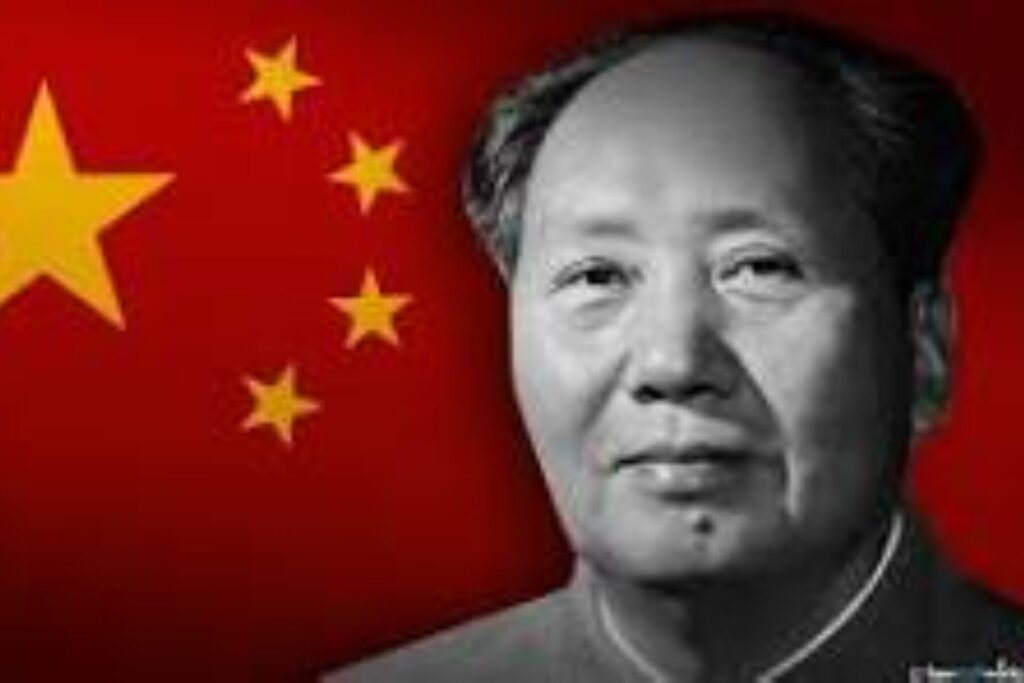
In conversations about large-scale impact, Mao Zedong often appears because of policies that led to unintended but devastating consequences. As the founding leader of the People’s Republic of China, Mao introduced sweeping reforms meant to transform the country rapidly. The Great Leap Forward, in particular, aimed to boost agricultural and industrial output but instead contributed to one of the deadliest famines in history.
What makes Mao’s story complex is that intentions and outcomes didn’t align in ways people expected. Historians frequently note that “policy decisions, not just natural causes, turned hardship into catastrophe.” That line stays with many readers because it highlights how leadership decisions ripple outward. It’s not just about authority, but about how ideas are implemented and how quickly things can go wrong when feedback is ignored or suppressed.
4. King Leopold II and Exploitation in the Congo
The name King Leopold II doesn’t always come up first, but his actions in the Congo Free State left deep and lasting damage. Under his personal control, vast regions of Central Africa were exploited for resources like rubber, with local populations subjected to forced labor and brutal punishments. Reports from the time describe a system driven by profit with little regard for human life.
Observers and reformers eventually brought attention to what was happening. One historical account noted that “the Congo became a place where profit was measured against human suffering.” That framing helps explain why his legacy is still debated today. It’s a reminder that harm isn’t always tied to war alone, but can also grow out of economic systems that prioritize gain over dignity, especially when accountability is far away.
5. Pol Pot and a Radical Vision Gone Wrong
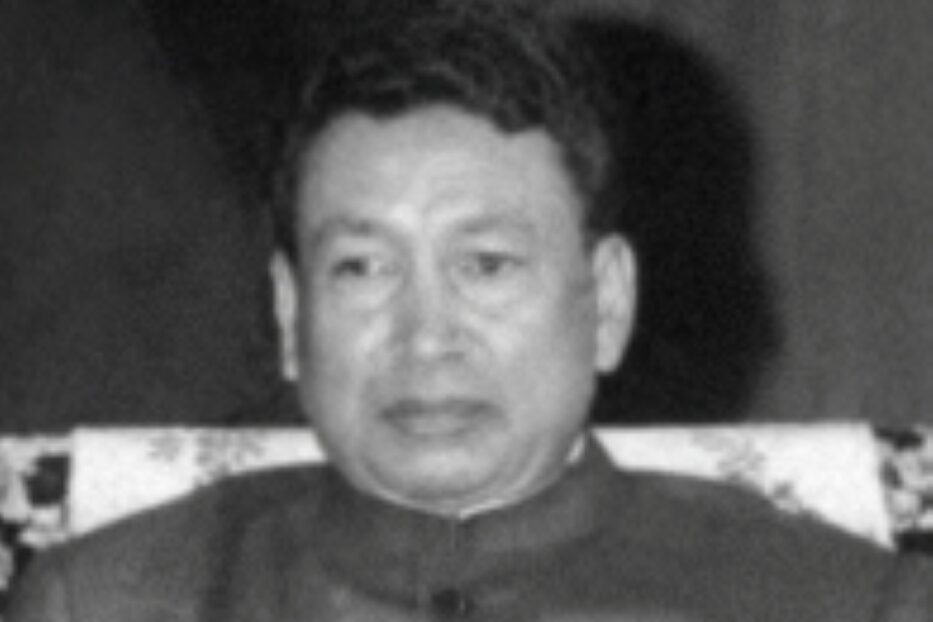
For many, the story of Pol Pot feels almost surreal in how quickly things unraveled. As leader of the Khmer Rouge, he tried to reshape Cambodia into a purely agrarian society, emptying cities and forcing millions into rural labor. In the process, intellectuals, professionals, and even people perceived as educated were targeted, leading to widespread suffering and loss of life.
Historians often reflect on how ideology can become dangerous when taken to extremes. One account simply states, “An entire nation was pushed into an experiment it could not survive.” That sentence carries weight because it feels both simple and deeply unsettling. Looking back, the lesson isn’t just about one leader, but about how rigid visions, when enforced without compassion or flexibility, can leave lasting scars that take generations to heal.
6. Genghis Khan and Conquest on a Massive Scale
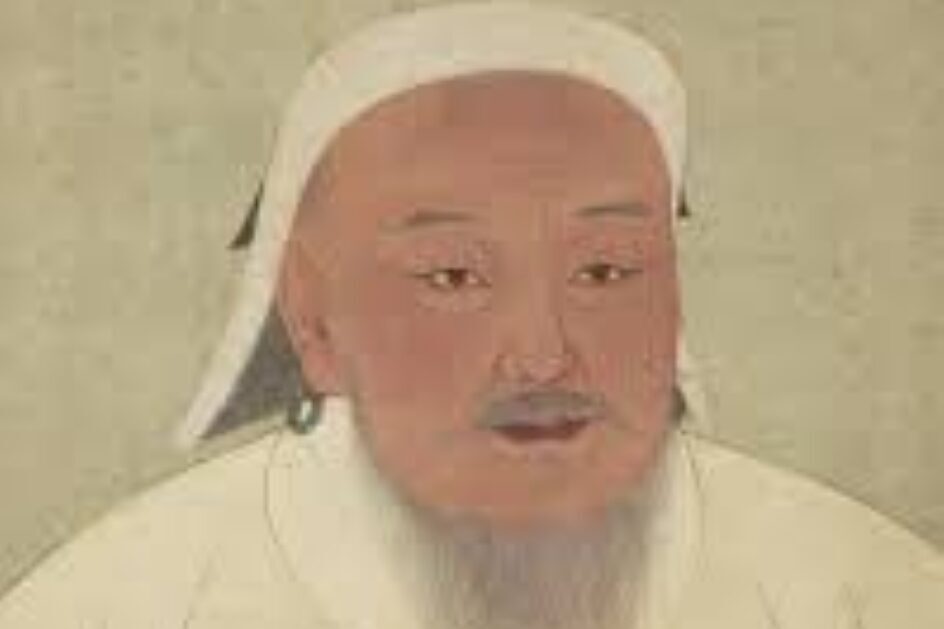
When people look further back in time, Genghis Khan often enters the conversation. He built one of the largest empires in history, stretching across continents, and did so through relentless military campaigns. Cities that resisted were often destroyed, and entire populations were displaced or wiped out. It’s a story that blends remarkable strategy with overwhelming destruction, leaving a legacy that still sparks debate today.
Historians sometimes describe his campaigns in stark but simple terms: “Where resistance was met, devastation followed.” That line captures the pattern many accounts point to. At the same time, some scholars note the systems of trade and communication that later emerged under Mongol rule. Even so, when people reflect on harm, it’s the scale of violence that stands out first, and how quickly entire regions could be changed by a single advancing force.
7. Hernán Cortés and the Fall of a Civilization
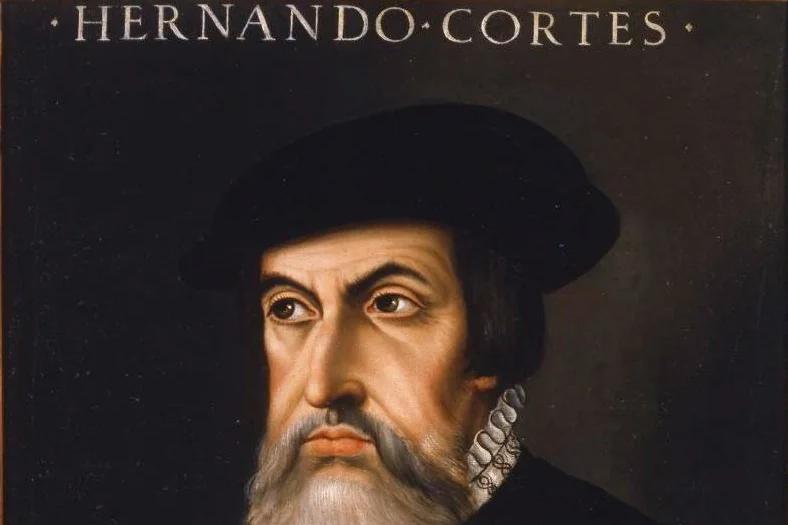
The story of Hernán Cortés often reads like a turning point. Arriving in what is now Mexico, he led a small force that ultimately contributed to the fall of the Aztec Empire. But beyond the battles themselves, the consequences included disease, cultural destruction, and a reshaping of entire societies. It’s one of those moments where history shifts in ways that are hard to reverse.
Many accounts reflect on how uneven the encounter was. One common observation is that “conquest was not just military, but biological and cultural.” That idea helps explain why the impact went far beyond the battlefield. Looking back, Cortés’s actions are often discussed not just as exploration or expansion, but as part of a broader pattern that changed the lives of millions across generations.
8. Christopher Columbus and the Start of Lasting Consequences
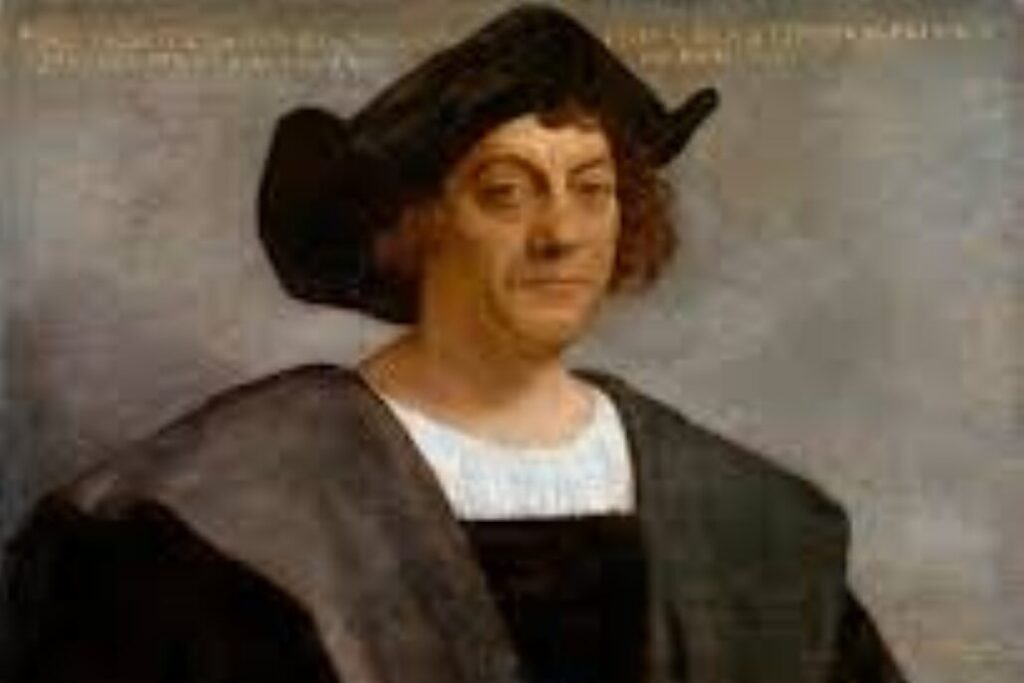
For many years, Christopher Columbus was mainly remembered for exploration, but more recent discussions take a fuller view. His voyages opened the door to sustained contact between continents, which brought trade and exchange, but also exploitation, disease, and forced labor for Indigenous populations. It’s a reminder that beginnings can carry consequences no one fully grasps at the time.
Historians often frame this period carefully. One widely shared idea is that “the encounter of worlds came with unequal costs.” That phrasing resonates because it acknowledges both the connection and the harm. Today, Columbus’s legacy is more openly debated, with many people trying to balance what was achieved with what was lost. It’s a conversation that continues to evolve as perspectives shift.
9. Attila the Hun and Fear Across Empires
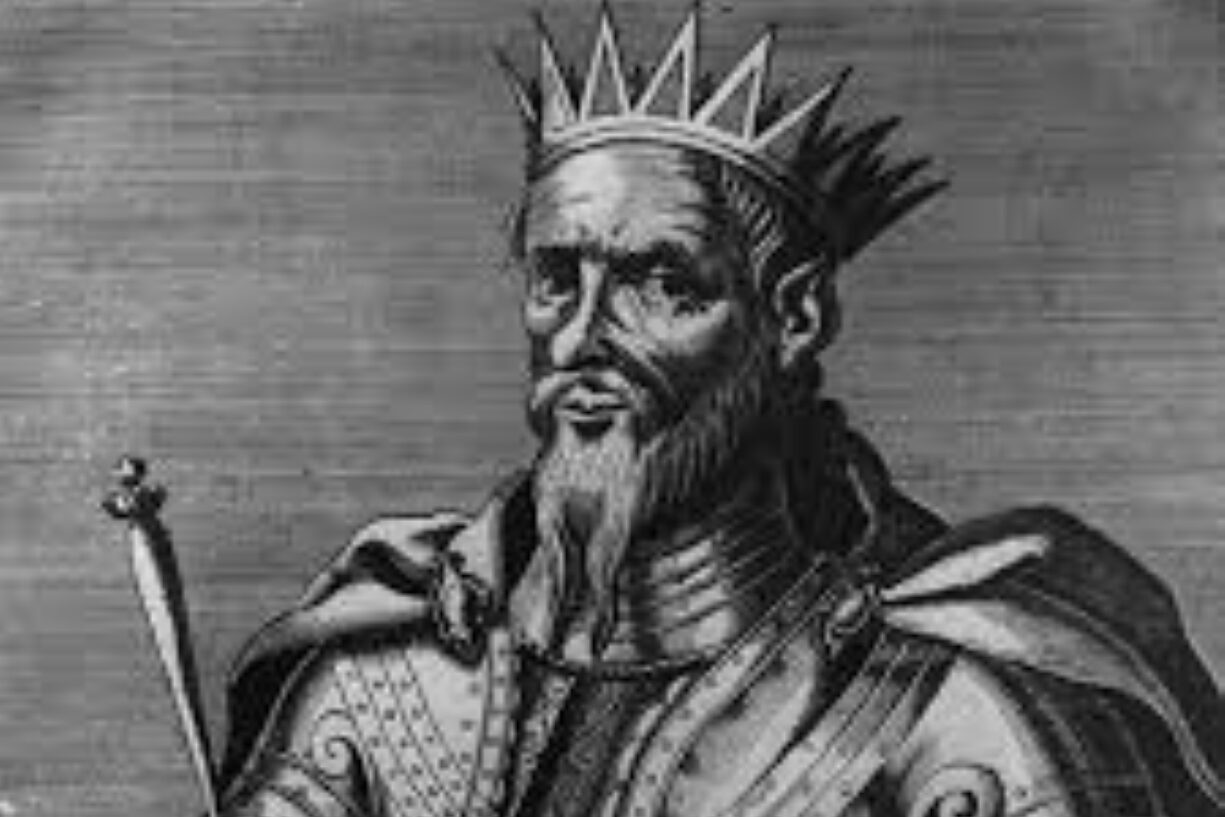
The name Attila the Hun carries a certain weight, even centuries later. Leading the Huns across parts of Europe, Attila became known for campaigns that brought destruction to cities and pressure to empires like Rome. His reputation alone often spread fear ahead of his armies, shaping how people responded before battles even began.
Some historical descriptions lean into that sense of presence. One account notes that “his approach was often enough to unsettle entire regions.” Whether exaggerated or not, it shows how perception can become part of power. Looking back, Attila’s story is less documented than more recent figures, but it still reflects how influence, movement, and force combined to leave a mark on the map and memory of Europe.
10. Ivan the Terrible and Power Turned Inward
With Ivan the Terrible, the story shifts slightly, focusing on how power can affect a nation from within. As the first Tsar of Russia, Ivan expanded territory, but his later years were marked by deep suspicion and harsh crackdowns. The oprichnina, a policy that allowed for widespread repression, led to suffering among his own people.
Writers often describe his reign as unpredictable. One reflection puts it simply: “Fear became a tool of governance.” That idea helps explain why his legacy is still discussed in terms of both state-building and internal damage. When people look back at Ivan’s rule, they often see a reminder that harm doesn’t always come from outside forces. Sometimes, it grows within systems meant to protect, shaping lives in quieter but lasting ways.
11. Vlad the Impaler and Rule Through Fear
There’s something almost unsettling in how the story of Vlad the Impaler has been told over time. Known for his brutal methods of punishment, especially impalement, Vlad ruled in a way that made fear a central part of control. His actions were often directed at enemies and invaders, but they also affected local populations who lived under his authority. The line between defense and cruelty blurred in ways that still leave people unsure how to fully interpret his legacy.
Some historical accounts suggest that “his harshness was meant to deter chaos,” pointing to the constant threats his region faced. Even so, the methods themselves left a lasting impression that went far beyond strategy. When people look back, the focus often lands on how violence was used not just as a tool, but as a message. It’s one of those cases where reputation becomes inseparable from reality, shaping how generations understand both the man and the time he lived in.
12. Maximilien Robespierre and Revolution Taken Too Far
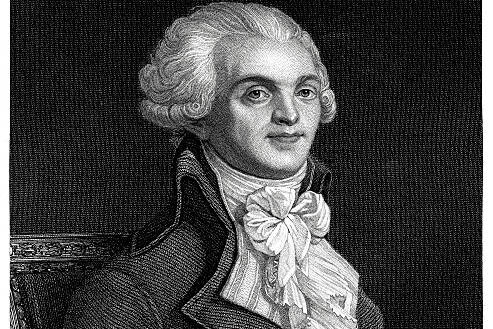
The name Maximilien Robespierre often comes up when people talk about how quickly ideals can shift. During the French Revolution, he became a leading voice for change, advocating for equality and reform. But as tensions rose, his role in the Reign of Terror brought a wave of executions that affected thousands, including those once seen as allies.
Historians often reflect on how momentum can change direction. One observation notes that “revolution can consume its own,” a phrase that captures the uncertainty of that period. For many, Robespierre’s story feels like a turning point where hope and fear collided. Looking back, it’s not just about the numbers, but about how quickly circumstances can push leaders to make choices that reshape their original vision in ways they may not have intended.
13. Saddam Hussein and Decades of Control
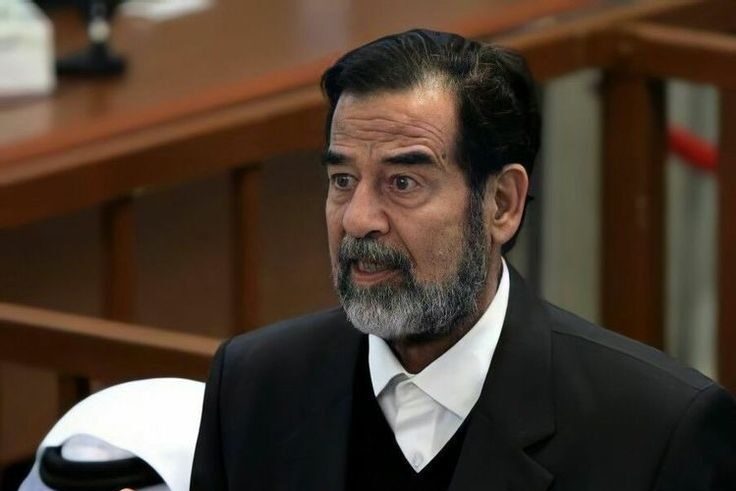
In more recent history, Saddam Hussein is often discussed in terms of power, control, and conflict. Leading Iraq for decades, his rule included internal repression, conflicts with neighboring countries, and policies that deeply affected civilians. For many people, life during his leadership was shaped by uncertainty and strict oversight.
Accounts from that time often emphasize the atmosphere. One description simply states that “loyalty was expected, and dissent carried consequences.” That quiet phrasing reflects how everyday life can be influenced by political systems. When people look back on Saddam’s legacy, they often focus on both the regional impact and the personal experiences of those who lived through it, trying to understand how leadership decisions ripple outward over time.
14. Kim Il-sung and the Foundations of Isolation

The story of Kim Il-sung is often told as the beginning of a system that still exists today. As the founding leader of North Korea, he established a highly controlled state, shaping its political and social structures in lasting ways. Over time, that system led to isolation from much of the world and strict limits on everyday freedoms.
Observers often point to how deeply rooted these systems became. One reflection notes that “structures built early tend to endure,” highlighting how initial decisions can define generations. Looking back, Kim Il-sung’s impact is often discussed not just in terms of his own leadership, but in how it set the stage for what followed. It’s a reminder that influence can extend far beyond a single lifetime, shaping a country’s direction for decades.
15. Osama bin Laden and Global Shockwaves
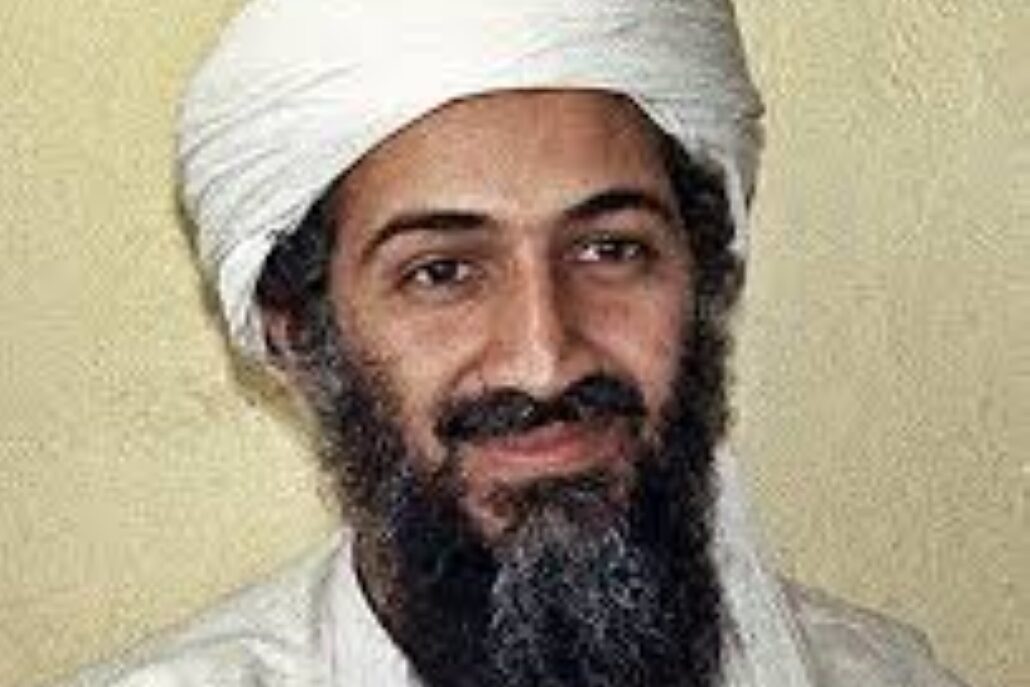
When conversations turn to the 21st century, Osama bin Laden is a name many recognize. As the founder of al-Qaeda, he was responsible for orchestrating attacks that had global consequences, most notably those on September 11, 2001. The impact was immediate and far-reaching, affecting not just those directly involved, but international relations, security policies, and everyday life in subtle ways.
Many reflections on that moment focus on its lasting effects. One widely shared idea is that “the world changed in a single morning,” capturing how quickly events can shift direction. Looking across all the names in this list, what stands out isn’t just the scale of harm, but how decisions echo long after they’re made. It leaves a quiet question about responsibility, memory, and what people choose to carry forward.


