
1. Education (General Teaching Degrees)

Choosing education often comes from a genuine place. You want to teach, to guide, to make a difference in someone’s life. And that purpose still matters deeply. But the reality of the profession has shifted in ways that many students don’t fully see until they’re already in it. Budget constraints, policy changes, and burnout have reshaped the teaching landscape.
There’s a quiet but common observation that “many teachers leave the profession within the first five years.” That says a lot about the challenges involved. While the degree itself is still necessary to enter the field, it doesn’t always prepare graduates for the day-to-day realities they’ll face. Some also find that salaries and growth opportunities don’t match the level of commitment required. As a result, many education majors end up exploring alternative paths like corporate training, instructional design, or educational technology. The degree still holds value, but the traditional classroom route is no longer the only, or even the most appealing, option for many.
2. Philosophy

Philosophy has always had a quiet kind of pull. It invites you to think deeply, question everything, and sit with ideas that don’t always have clear answers. For many students, it feels like a refreshing break from purely practical subjects. You learn how to argue well, write clearly, and see issues from different angles. Those are valuable skills, no doubt. But once school ends, the path forward can feel a bit uncertain.
You’ll often hear people say that “philosophy teaches you how to think, but not always what to do next.” That’s where the challenge begins. The degree doesn’t point directly to a specific job, so graduates often have to create their own direction. Some move into law, writing, or academia, but many take longer to find their footing. It’s not about the subject lacking value, it’s about how that value is applied. Those who pair philosophy with something more tangible, like business, law, or technology, tend to navigate things more smoothly. In the end, it becomes less about the degree itself and more about how you choose to build on it afterward.
3. English Literature

There’s something comforting about studying literature. You spend your time reading, analyzing stories, and understanding how words shape meaning. It sharpens your ability to think critically and express yourself clearly. For many, it feels like a natural fit, especially if you’ve always enjoyed writing or storytelling. But after graduation, the question of “what next” tends to come up quickly.
It’s often said that “an English degree builds strong communication skills, but needs direction to translate into a career.” That’s where many graduates find themselves pausing. Some move into writing, publishing, or teaching, while others branch into marketing, media, or corporate roles. Without a clear plan, though, it can feel like the degree is too broad. The skills are there, but the connection to specific jobs isn’t always obvious. Those who build portfolios, gain internships, or learn complementary skills like digital content creation often find their way more easily. It becomes less about the degree alone and more about how you shape it into something practical.
4. Traditional Journalism Degrees

There was a time when studying journalism felt like holding a key to the newsroom. You imagined yourself chasing stories, working your way up at a respected paper, maybe even landing a byline that people recognized. For years, that path was clear and structured. But today, the media landscape looks very different. Newsrooms have shrunk, budgets are tighter, and many roles have shifted online.
As one widely cited observation puts it, “the industry now values digital skills as much as, if not more than, traditional reporting training.” That change has left many graduates competing not just with each other, but with bloggers, content creators, and independent writers who built their own platforms. It’s not that journalism is gone, it’s that the doorway has widened and, in some ways, become harder to navigate. Many people now find that pairing journalism with skills like data analysis, video editing, or social media strategy makes a stronger case than the degree alone.
5. Fine Arts Without a Digital Focus

Studying fine arts has always been about passion. Painting, sculpture, and traditional forms of expression carry deep meaning, and that hasn’t changed. What has changed is how art is consumed, shared, and even sold. The modern art world leans heavily into digital platforms, online galleries, and multimedia storytelling.
There’s a growing sentiment that “artists today need to be marketers, designers, and digital creators all at once.” That reality can catch graduates off guard if their education focused only on traditional methods. While the talent is still there, the pathway to making a living often requires skills like digital illustration, animation, or even social media branding. Those who adapt tend to find opportunities, but those who don’t can feel like the ground shifted beneath them. It’s less about abandoning art and more about expanding what being an artist now includes.
6. General Business Administration
At first glance, a business administration degree feels like the safest bet you can make. It sounds broad, practical, and flexible. And for a long time, it was exactly that. You could walk into different industries and still find your footing. But lately, that generality has started to work against it in a competitive job market that prefers specialization.
Employers often say they’re looking for candidates who can “hit the ground running,” and that usually means specific skills in finance, marketing analytics, or operations. A general business degree doesn’t always show that clearly. Many graduates realize they need extra certifications or hands-on experience to stand out. It’s not that the degree has no value, it’s that it’s no longer enough on its own. People who succeed with it often go a step further, carving out a niche that gives the broad foundation a sharper edge.
7. Hospitality Management

Hospitality management used to feel like a direct line into hotels, resorts, and event planning. It was practical, people-focused, and often came with the promise of steady work. But the industry itself has become more unpredictable, especially with economic shifts and changing travel patterns.
Some insiders note that “experience in the field often outweighs formal education in hospitality roles.” That means many graduates find themselves starting at the same entry-level positions as those without degrees, learning on the job rather than applying what they studied. At the same time, automation and streamlined operations have reduced the number of traditional management tracks. It doesn’t make the degree useless, but it does mean expectations need adjusting. Many people now combine it with business skills or entrepreneurship to create more stable opportunities.
8. Psychology (Without Advanced Study)

Psychology is one of those degrees that draws people in because it feels meaningful. You want to understand people, maybe help them, maybe even change lives. And in many ways, it delivers on that curiosity. But the challenge comes after graduation, when the reality of the field becomes clearer.
A common piece of advice is that “a bachelor’s in psychology is often just the first step, not the final one.” Many roles in counseling, therapy, and clinical work require advanced degrees and licensing. Without that, job options can feel limited or unrelated to what you studied. That realization can be frustrating, especially for those who expected a more direct path. Still, those who plan ahead and commit to further study often find the degree becomes much more powerful over time. It’s less about the subject itself and more about how far you’re willing to take it.
9. Communications Degrees
You’ve probably heard someone say they majored in communications, and it sounded like a smart, flexible choice. It promised versatility, a chance to work in media, public relations, marketing, or even corporate spaces. For a while, that wide reach felt like a strength. But lately, that same flexibility has started to feel a bit too open-ended, especially when employers are scanning for very specific skills.
There’s a growing sentiment that “communication roles now demand measurable technical skills, not just theory.” That shift means knowing how to write well isn’t always enough on its own. Employers often expect familiarity with analytics tools, content strategy, SEO, and digital platforms. Many graduates find themselves learning these things after school, sometimes wishing they had focused more narrowly earlier on. The degree still opens doors, but it rarely closes the deal by itself anymore. Those who pair it with practical, hands-on experience tend to move forward more confidently, while others may take a little longer to find their footing.
10. Criminal Justice

At first, criminal justice feels like a clear path. You picture roles in law enforcement, corrections, or federal agencies, and the structure of the degree seems to match those ambitions neatly. It has a sense of purpose, and for many, that’s what draws them in. But once graduation comes around, the pathway isn’t always as direct as it once seemed.
Some professionals point out that “many law enforcement agencies prioritize academy training and personal qualifications over specific degrees.” That can be surprising for graduates who expected their education to give them a clear advantage. In some cases, people without the degree enter the same roles through different routes. Meanwhile, advancement often depends more on experience and internal exams than academic background. This doesn’t make the degree irrelevant, but it does change how useful it feels in practice. Many graduates now look for ways to combine it with law, cybersecurity, or public policy to make it more aligned with evolving opportunities.
11. Information Technology (Outdated Curriculum Focus)

Information technology used to feel like one of the safest bets around. And in many ways, it still is. The world runs on technology, after all. But the issue isn’t the field itself, it’s how quickly it changes compared to how slowly some academic programs adapt. That gap has become more noticeable over time.
You’ll often hear that “tech employers care more about current skills than formal degrees.” That means knowing outdated programming languages or systems might not help much in today’s job market. Graduates sometimes discover that what they learned in class doesn’t fully match what companies are using right now. As a result, many spend extra time learning new tools, earning certifications, or building personal projects to stay relevant. The degree still provides a foundation, but it’s no longer the main proof of readiness. Staying current has become the real requirement, and that responsibility often falls on the individual rather than the institution.
12. Biology (Without a Clear Career Path)
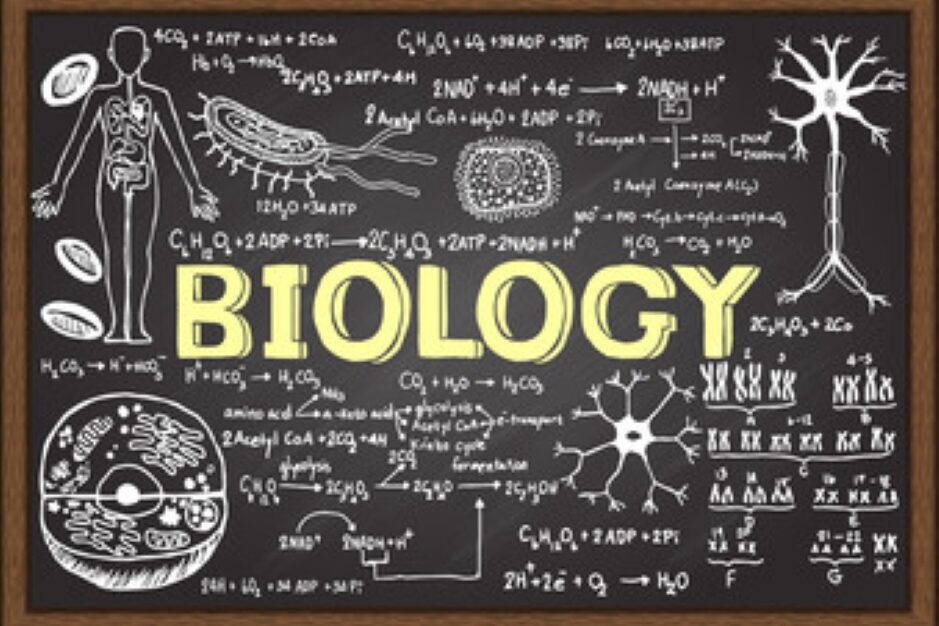
Biology has always been one of those degrees that feels both interesting and respectable. It opens your eyes to how life works, from the smallest cells to entire ecosystems. Many students start with big ideas, medicine, research, or environmental work in mind. But somewhere along the way, the path can become less clear than expected.
A common reality check is that “many biology graduates need further specialization to access higher-paying roles.” Without that next step, job options can feel limited or only loosely connected to the field. Some people find themselves in lab assistant roles or unrelated industries, trying to figure out their next move. It’s not that the degree lacks value, it’s that it often serves as a stepping stone rather than a final destination. Those who plan early, whether for medical school, biotech, or research, tend to navigate it more smoothly. Others may take a bit longer, piecing together where their interests and opportunities truly meet.
13. Marketing (Traditional Focus)

Marketing used to feel like one of those exciting, creative paths where ideas turned into campaigns and campaigns turned into real impact. You imagined brainstorming slogans, working on big brand projects, and maybe seeing your work out in the world. And for a long time, that version of marketing was enough to build a career. But things have shifted quietly, and the expectations have become far more technical than many people expected.
These days, there’s a common understanding that “modern marketing is driven by data as much as creativity.” That means knowing how to analyze metrics, run targeted ads, and understand customer behavior across digital platforms. A traditional marketing degree that focuses mostly on theory or broad concepts can leave graduates feeling a step behind. Many end up learning tools like Google Analytics, SEO strategies, and content automation after graduating. The degree still has value, but it no longer stands alone. Those who adapt to the digital side tend to find their rhythm faster, while others take a bit more time finding where they fit in a space that now blends creativity with numbers.
14. Music (Without Business or Tech Skills)

There’s something deeply personal about choosing music. It’s rarely just a career decision, it’s often a calling. You imagine creating, performing, maybe even teaching, and building a life around something you genuinely love. That part hasn’t changed. What has changed is how the music industry operates behind the scenes.
It’s often said that “today’s musicians are also expected to manage their own brand and distribution.” That shift has made the industry more accessible, but also more demanding. A music degree that focuses only on performance or theory may not prepare students for the realities of streaming platforms, promotion, and monetization. Many graduates find themselves learning about marketing, production software, and audience engagement on their own. The talent is still the core, but it’s no longer the only piece of the puzzle. Those who understand both the creative and business sides tend to build more sustainable paths, while others may feel like they’re constantly catching up in an industry that rewards independence as much as skill.
15. Sociology
Sociology draws people in because it helps make sense of the world. It gives language to social patterns, inequality, culture, and human behavior on a larger scale. For many students, it feels meaningful and relevant, especially in a time when social issues are part of everyday conversation. But when it comes to translating that knowledge into a clear career path, things can become less straightforward.
You’ll often hear that “sociology graduates need to pair their degree with practical skills to stand out.” On its own, the degree can feel a bit abstract in a job market that leans toward technical or specialized abilities. Some graduates move into roles in research, social services, or policy, but many others find themselves exploring unrelated fields. It’s not a lack of opportunity, it’s more about how those opportunities are accessed. Adding skills like data analysis, public policy training, or community program management can make a big difference. Without that, the transition from classroom to career can feel uncertain, even if the subject itself remains as relevant as ever.
16. Graphic Design (Without UX/UI Focus)
Graphic design has always been one of those degrees that blends creativity with real-world application. You think about logos, branding, and visual storytelling, and it feels like something you can actually build a career around. And that’s still true in many ways. But the field itself has expanded, and what employers are looking for has shifted alongside it.
There’s a growing belief that “design today is as much about user experience as it is about visuals.” That means understanding how people interact with websites, apps, and digital products, not just how something looks. A traditional graphic design program that focuses mainly on print or static visuals can leave graduates needing to learn UX/UI principles on their own. Many end up picking up tools like Figma or Adobe XD after school, trying to bridge that gap. The creative foundation is still valuable, but it’s no longer the full picture. Those who adapt to interactive design tend to find more opportunities, especially in tech-driven spaces where design is tied directly to function.
17. History

Studying history often starts with curiosity. You want to understand how things came to be, how decisions made years ago still shape the present. It teaches critical thinking, research, and perspective, all of which matter more than people sometimes realize. But when it comes to career outcomes, the path isn’t always clearly defined.
A familiar takeaway is that “history degrees are valued for thinking skills, but less for direct job placement.” That can leave graduates wondering how to translate what they’ve learned into something tangible in the job market. Some go into teaching, law, or academia, while others branch into writing, research, or public service. Without a clear plan, though, it can feel like you’re piecing things together as you go. The degree itself isn’t the issue, it’s how it’s positioned. Those who combine it with internships, writing portfolios, or further specialization tend to find clearer direction. In a quiet way, it reminds you that understanding the past is powerful, but shaping a future with it takes a bit more intention.
18. Anthropology

Anthropology starts with curiosity about people, cultures, and how societies evolve over time. It feels expansive and meaningful, especially if you enjoy understanding human behavior in a broader context. There’s something fascinating about studying how communities live, think, and connect. But when it comes to turning that knowledge into a stable career, the path isn’t always clearly marked.
A common reflection is that “anthropology often requires advanced study for specialized roles.” Without that next step, many graduates find limited options directly tied to their degree. Some move into research or academia, while others branch into fields like development work or cultural consulting. Still, many end up in roles that don’t fully reflect what they studied. It’s not that the discipline lacks importance, it’s that the opportunities are more niche than expected. Those who combine it with skills like data analysis, public health, or international relations tend to open more doors. Otherwise, the transition from interest to income can take longer than anticipated.
19. Environmental Science (Without Technical Specialization)

Environmental science feels more relevant now than ever. With growing conversations around climate change and sustainability, it seems like a degree that should naturally lead to meaningful work. And in many ways, it does. But the field itself has become more technical and specialized than many students initially realize.
There’s a practical truth that “environmental roles often require technical expertise in areas like GIS, engineering, or policy.” That means a general degree may not be enough to stand out. Graduates sometimes find themselves competing for roles that expect specific certifications or hands-on experience with tools they didn’t fully explore in school. The passion is there, but the pathway can feel a bit crowded. Those who plan early and focus on a niche, whether it’s renewable energy, environmental law, or data analysis, tend to move forward with more clarity. Without that focus, it can take time to find a role that truly matches both the degree and the intention behind it.
20. Liberal Arts (General Studies)
A liberal arts degree often starts with the idea of keeping your options open. You explore different subjects, develop a broad understanding of the world, and build skills that apply across many areas. It feels flexible, and for a while, that flexibility is reassuring. But as the job market becomes more focused on specialization, that same openness can start to feel a bit uncertain.
You might hear that “employers increasingly look for defined skill sets rather than broad academic exposure.” That doesn’t mean the degree lacks value, it just means the expectations have changed. Graduates often find themselves needing to define their path more clearly than the degree itself does. Some succeed by adding certifications, gaining practical experience, or narrowing their focus over time. Others take a bit longer to figure out where they fit. And that’s really where everything in this list quietly comes together. It’s not that these degrees no longer make sense, it’s that they ask more from you now than they used to. A little more planning, a little more intention, and a willingness to adapt can make all the difference.


