
1. Social Media Feeds: Endless Scrolling Without Pause
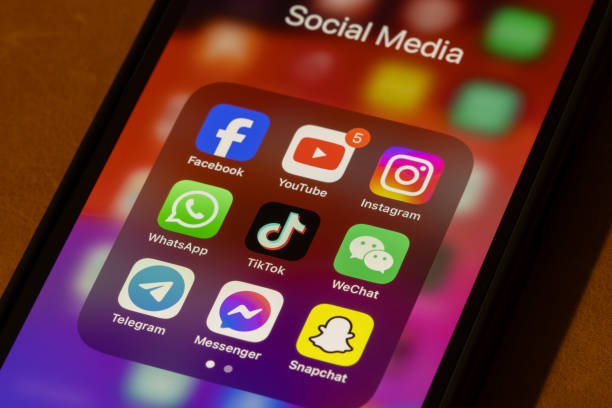
Social media was meant to connect people, share ideas, and keep us informed. On the surface, it feels like a simple way to see friends, discover news, or find inspiration. People open apps expecting a quick glance, but hours can slip by as feeds endlessly refresh. The constant mix of updates, photos, and videos creates a kind of digital rhythm that draws attention without asking permission. Many users scroll while waiting in line, during breaks, or before bed, often without realizing how much time has passed.
But that constant engagement comes with hidden consequences. Psychologists note that “excessive social media use is linked to decreased attention span and increased anxiety,” showing that connectivity can carry stress along with connection. People often compare themselves to curated posts, leading to feelings of inadequacy or self-doubt. The simple act of scrolling, which once felt harmless and fun, can quietly shape moods, expectations, and focus.
2. Smart Speakers: Convenience at the Cost of Privacy

Smart speakers entered homes with a promise that felt almost effortless. Play music, answer questions, set reminders, all without lifting a finger. It quickly became part of everyday life, sitting quietly in the corner but always ready to respond. There’s something appealing about speaking naturally and getting instant results, as if technology is finally adapting to human behavior instead of the other way around. Over time, many people stopped thinking about it as a device and started treating it like a small assistant woven into daily routines.
But that constant readiness comes with a layer that isn’t always visible. Experts often warn that “devices designed to listen for commands may also capture unintended audio,” raising concerns about how much is being recorded or stored. While the convenience feels real, so does the quiet awareness that something is always listening in the background. For some, it doesn’t matter, but for others, it creates a subtle discomfort that never fully goes away. It’s a reminder that ease often comes with trade-offs, and sometimes those trade-offs sit quietly in the background, unnoticed until you stop and think about them.
3. Auto-Correct: Helping Words, Hurting Clarity

There was a time when typing meant slowing down, thinking through each word, and making sure everything was spelled correctly. Auto-correct changed that almost overnight. It steps in quickly, fixing mistakes, predicting words, and helping messages move faster than ever. At first, it feels like a helpful companion, catching errors before they’re even noticed. It gives a sense of ease, especially when you’re typing quickly or multitasking, allowing conversations to flow without interruption.
But that same convenience can quietly create new problems. Words get changed without intention, meanings shift, and sometimes messages come out completely different from what was meant. Linguists often say that “over-reliance on auto-correct can reduce attention to spelling and language structure.” Over time, people begin to trust the system more than their own awareness, which changes how they engage with writing. It’s a small shift, but a meaningful one.
4. GPS Navigation: Lost Without a Device

GPS made getting around feel easier than ever before. Instead of memorizing routes or asking for directions, all it takes is a destination and a tap. The voice guides every turn, every stop, every movement, making even unfamiliar places feel manageable. For many people, it removed the stress of being lost and replaced it with a sense of control. Traveling became less about figuring things out and more about simply following instructions. Yet, over time, something subtle begins to change.
Studies suggest that “heavy reliance on GPS can weaken spatial awareness and memory,” meaning people remember less about the places they visit. Landmarks fade into the background because attention shifts to the screen instead of the surroundings. Without the device, even familiar areas can feel uncertain. It’s one of those technologies that solves a problem so well that it replaces a skill entirely. What feels like guidance in the moment can slowly become dependence, changing how people move through the world without them fully realizing it.
5. Email Notifications: Always On, Never Off
Email was once seen as a breakthrough in communication, making it possible to send messages instantly across any distance. Notifications took it a step further, ensuring that no message goes unnoticed. At first, it feels efficient, like staying on top of everything without effort. A quick check here, a reply there, and the day keeps moving smoothly. It creates a rhythm that feels productive, as though nothing is slipping through the cracks.
But that constant flow can become overwhelming in ways that aren’t immediately obvious. Research often shows that “frequent email interruptions can reduce focus and increase stress levels.” Instead of improving productivity, it fragments attention into small pieces, making it harder to stay fully present in any one task. The expectation to respond quickly adds another layer of pressure, even outside of work hours. Over time, what started as a helpful system begins to shape the pace of the day itself.
6. Streaming Services: Choice Overload
Streaming services brought a kind of freedom that people hadn’t experienced before. No schedules, no waiting, just instant access to movies, shows, and music whenever you want. At first, it feels exciting, almost limitless, like having an entire library at your fingertips. You sit down to relax, open the app, and expect to find something easily. The variety feels like a gift, offering something for every mood and moment. But that abundance can quickly turn into something else.
Studies often note that “too many options can lead to decision fatigue, making it harder to choose and enjoy content.” Instead of watching, people spend time scrolling, comparing, and second-guessing their choices. The experience becomes less about enjoyment and more about searching. Over time, the freedom of choice starts to feel like pressure, making something simple feel unnecessarily complicated. It’s one of those situations where having everything doesn’t always make the experience better, it just makes it heavier.
7. Ride-Hailing Apps: Quick Rides, Hidden Stress

Ride-hailing apps changed the way people move around cities almost overnight. Instead of standing by the roadside or planning ahead, you can request a ride within seconds and watch it arrive in real time. It feels efficient, controlled, and surprisingly simple. For many, it removed the uncertainty of transportation and replaced it with convenience that fits into busy schedules. Whether it’s getting to work, running errands, or heading out late at night, the ease of tapping a button makes the whole process feel seamless.
But that smooth experience isn’t always consistent. Pricing can shift unexpectedly, especially during peak hours, and drivers may cancel or take longer than expected. Experts often point out that “dynamic pricing models can create unpredictability and stress for users.” Over time, what once felt reliable can start to feel uncertain in small but noticeable ways. Instead of reducing stress completely, it sometimes just changes its form. It’s one of those technologies that works incredibly well most of the time, but the moments when it doesn’t tend to stand out the most
8. Fitness Trackers: Pressure to Move

Fitness trackers were designed to encourage healthier habits, and at first, they do exactly that. Counting steps, tracking sleep, and monitoring activity levels can feel motivating, like having a quiet coach guiding you through the day. You begin to notice patterns, celebrate small wins, and feel more in control of your health. It turns everyday movement into something visible and measurable, which can be surprisingly satisfying. However, that constant tracking can slowly shift how you relate to your body.
Missing a goal or seeing lower numbers can bring an unexpected sense of disappointment. Experts often explain that “self-tracking can sometimes replace intrinsic motivation with external validation.” Instead of moving because it feels good, people begin moving to meet targets. Over time, rest can feel like failure, and effort can feel forced. It’s a subtle shift, but a powerful one, showing how something meant to support well-being can quietly change how it’s experienced.
9. Instant Messaging: Faster, But Interruptive
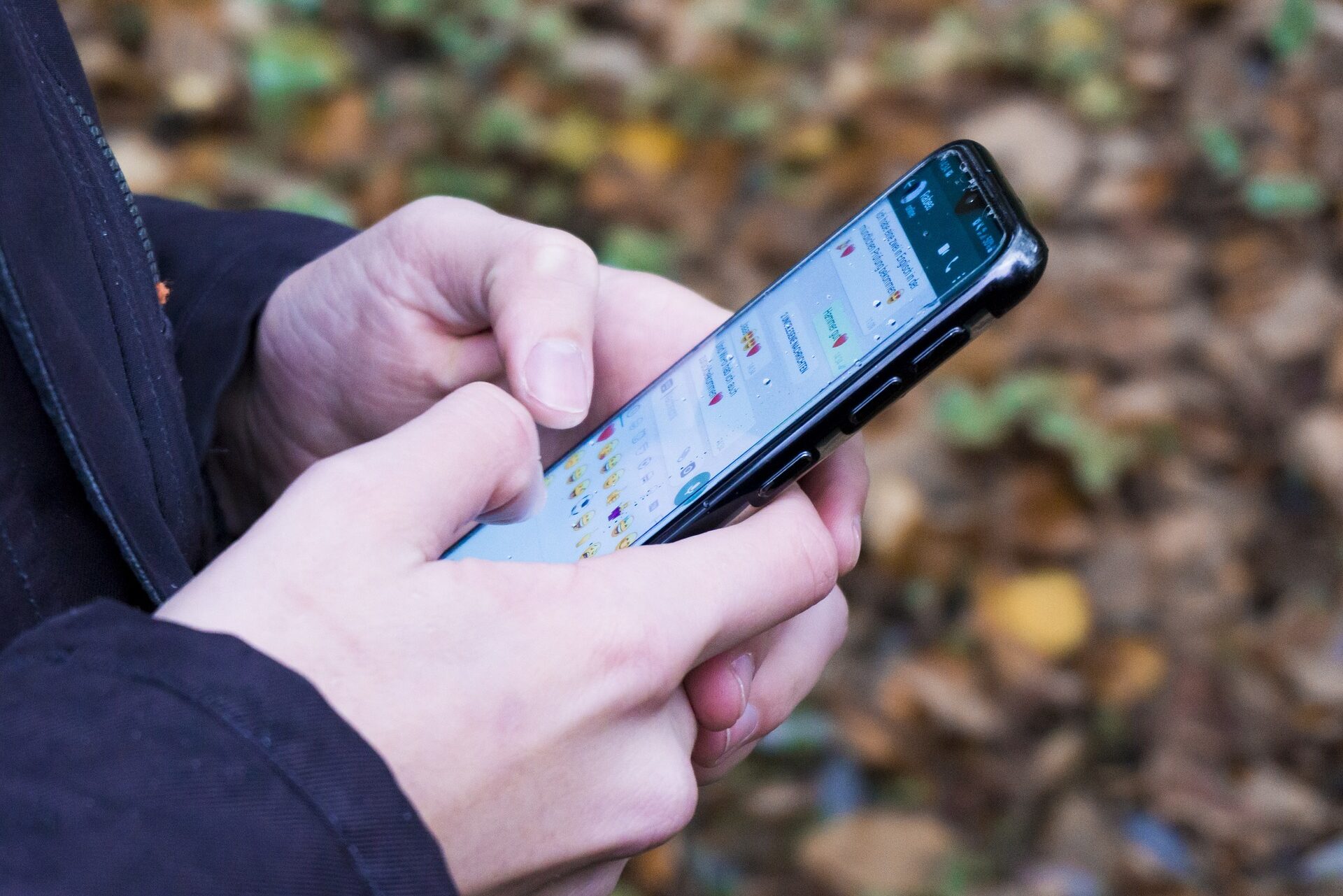
Instant messaging made communication feel almost effortless, turning conversations into something that happens instantly, without delay. Whether it’s a quick “Are you free?” or a long exchange of ideas, everything flows in real time. At first, it feels like a gift, especially compared to slower forms of communication that required waiting. You can reach anyone, anywhere, at any moment, and that kind of access feels comforting. It creates the sense that no one is ever too far away, and nothing important has to wait. But that constant connection comes with its own quiet pressure.
Messages don’t just arrive, they expect a response, often quickly, sometimes immediately. Psychologists often point out that “continuous messaging can increase mental load and reduce the ability to focus deeply.” Over time, attention becomes fragmented, shifting from one notification to another without fully settling. What once felt like convenience begins to feel like interruption. It’s not that messaging itself is the problem, it’s how constant it has become, turning simple communication into something that quietly competes for attention throughout the day.
10. Online Shopping: Convenience That Encourages Overbuying
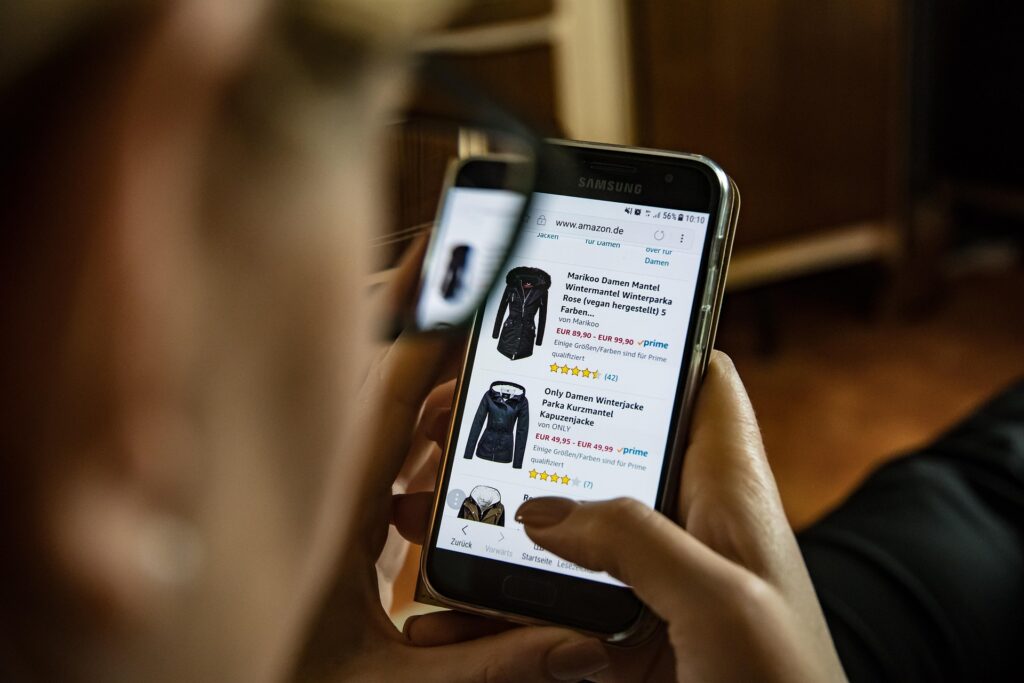
Online shopping changed the way people interact with buying almost completely. Instead of planning a trip to a store, comparing items physically, or thinking through a purchase, everything can now be done from a screen in minutes. It feels efficient, smooth, and incredibly accessible. You see something, you like it, and with just a few taps, it’s on its way to you. For many, this ease feels like progress, removing unnecessary effort from everyday tasks. However, that same simplicity can make spending feel less real.
Without the physical act of paying, it becomes easier to overlook how often purchases are made. Behavioral experts often explain that “frictionless payment systems reduce the emotional awareness of spending.” Over time, small, frequent purchases begin to add up in ways that aren’t immediately obvious. What starts as convenience can quietly become habit, and habit can become excess. It’s one of those shifts that feels harmless in the moment but becomes clearer when you step back and look at the bigger picture.
11. Smart Home Devices: Automation, But Complexity
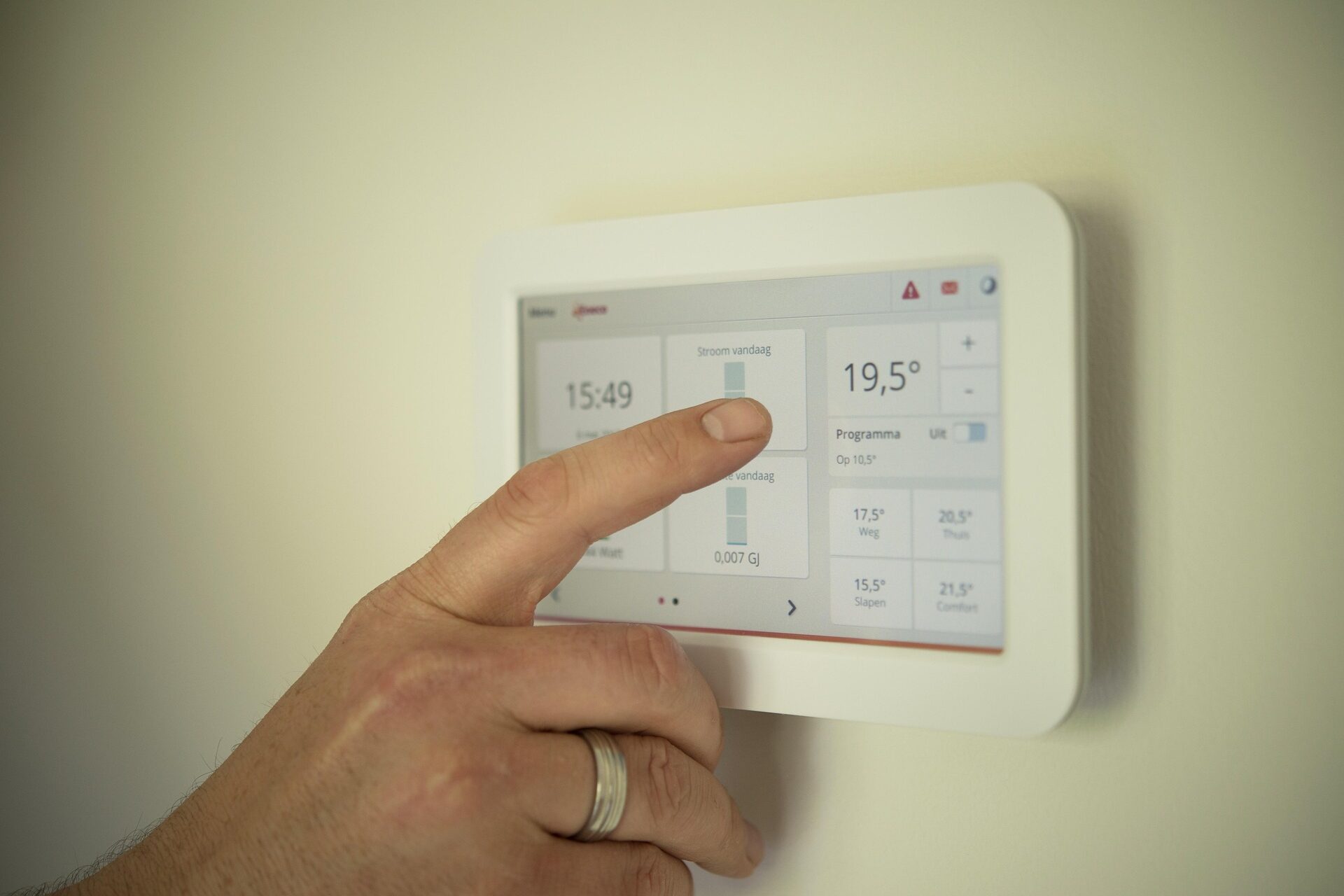
Smart home technology promised effortless living. From thermostats that adjust automatically to lights that turn on with voice commands, these devices are meant to anticipate needs and reduce daily chores. It sounds like a dream: you wake up, and your home has already adjusted for comfort, or you control everything with a single app. In theory, it’s convenience at its best, making daily routines smoother. In reality, many users find setup and maintenance frustrating.
Devices sometimes fail to connect, require constant updates, or don’t integrate well with other systems. Technology analysts note that “home automation can introduce unintended complexity, creating more frustration than ease,” highlighting how promise doesn’t always match experience. What should simplify life often demands attention, troubleshooting, and patience. Future generations may be surprised that controlling lights, temperature, or locks required constant supervision.
12. Digital Assistants: Always Listening, Rarely Understanding
Digital assistants were designed to make everyday life feel lighter, almost like having a quiet helper in the background. You ask a question, set a reminder, or request a song, and it responds instantly. There’s something comforting about that simplicity, about not needing to reach for your phone or type anything out. In moments of convenience, it feels like technology is finally catching up to human needs in a natural way. Yet, the experience isn’t always as smooth as it seems. Misheard commands, repeated attempts, and limited understanding can slowly turn convenience into mild frustration.
Experts often explain that “voice recognition systems still struggle with context, accents, and nuanced requests,” which affects how reliable they feel in everyday use. Over time, users begin to adjust how they speak just to be understood, which subtly shifts the dynamic. Instead of the device adapting to you, you adapt to it. It’s a small change, but noticeable, and it highlights how even helpful tools can fall short in ways that change how we interact with them.
13. Notifications Everywhere: A World Always Alert

Notifications were created to keep people informed, making sure nothing important is missed. Emails, messages, updates, reminders, everything arrives instantly, creating a constant stream of information throughout the day. At first, it feels helpful, like having a system that keeps you aware and in control of everything happening around you. It creates a sense of connection, making sure you’re always up to date. But over time, that constant flow can become overwhelming.
Instead of helping, notifications begin to interrupt, pulling attention away from whatever you’re doing. Studies often show that “frequent notifications can reduce focus and increase stress levels.” The mind shifts from one alert to another, rarely settling into deep concentration. What was meant to support productivity can quietly disrupt it. It’s one of those changes that happens gradually, where being informed starts to feel like being constantly interrupted, making it harder to find moments of stillness.
14. Auto-Suggest: Helping, But Steering Decisions

Auto-suggest features were designed to make typing faster and easier, predicting words and phrases before you finish them. At first, it feels helpful, like the device understands what you’re trying to say and helps you get there quicker. It reduces effort, speeds up communication, and makes everyday typing feel smoother. For many, it becomes something they rely on without even thinking about it. But over time, it begins to shape more than just speed. Linguists often point out that “predictive text can influence language patterns and reduce originality.”
Instead of forming thoughts fully, users start selecting from suggestions, which subtly changes how ideas are expressed. What feels like assistance can quietly guide decisions, even in small ways. It’s not always noticeable, but it’s there, influencing how sentences are built and how thoughts are completed. It’s one of those tools that helps in the moment but raises questions about how much of the thinking is still entirely your own.
15. Ad Targeting: Personalized but Intrusive
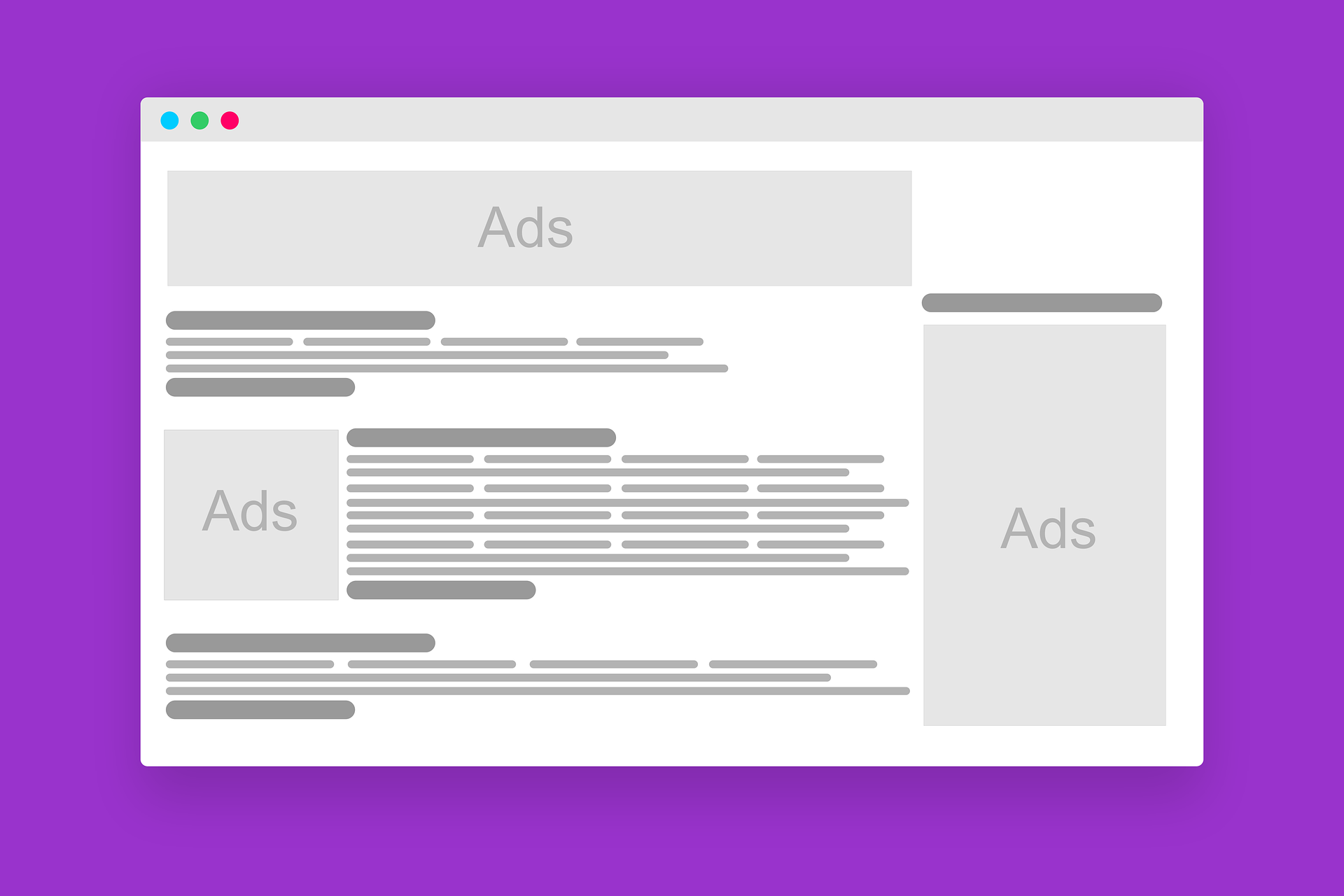
Advertising used to feel like a simple interruption: a commercial on TV or a flyer in the mail. Digital technology changed that, promising ads tailored to individual interests. In theory, this should make shopping easier and more relevant. Platforms track browsing habits, purchases, and even conversations to deliver hyper-personalized promotions that anticipate what users might want next. The downside is constant, sometimes invasive, monitoring. Targeted ads follow people across devices, creating a sense of being watched.
Marketing experts note that “hyper-targeted advertising raises privacy concerns and can contribute to consumer stress,” showing that convenience comes at a cost. Instead of simplifying shopping, it can feel manipulative, nudging decisions subtly while eroding a sense of autonomy. Future generations may find it strange that advertising once tracked users so closely without consent being fully understood.
16. Cloud Storage: Freedom with Fragility
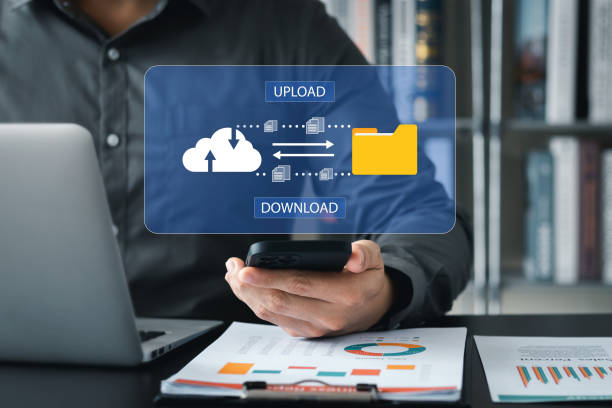
Cloud storage allows files to be accessed from anywhere, shared instantly, and backed up automatically. It was meant to eliminate dependence on physical drives, reduce the risk of data loss, and make collaboration effortless. Many rely on it daily for work, school, and personal projects, experiencing a sense of freedom knowing everything is available at their fingertips. Yet dependence on the cloud introduces new vulnerabilities. Poor connectivity, accidental deletion, or platform errors can create unexpected stress.
Cybersecurity experts often mention that “reliance on cloud storage creates both convenience and new vulnerabilities,” showing the subtle trade-offs. What should offer security can feel fragile, especially when access fails at critical moments. Future generations may find it surprising that humans once placed all their digital lives in the hands of invisible servers, relying on tech they couldn’t see.
17. Smartphones: A Tool That Rules Daily Life
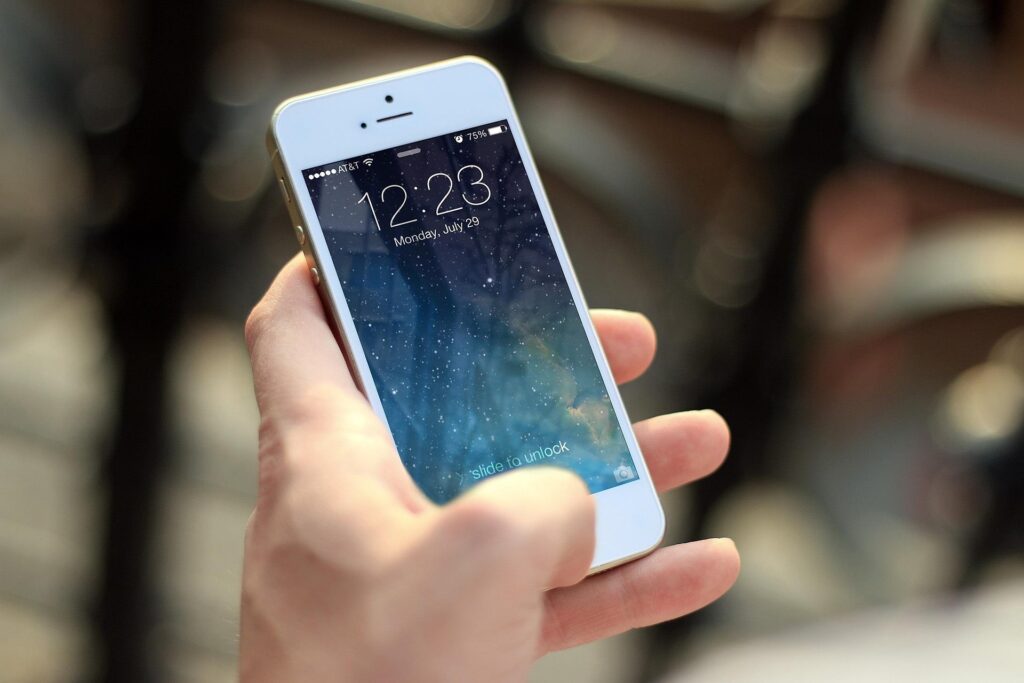
Smartphones have become central to how people live, work, and connect. They combine communication, navigation, entertainment, and information into one device, making life feel more efficient and accessible. Everything is within reach, from conversations to directions to moments of distraction. It’s hard to imagine a day without one, as it quietly supports almost every part of modern life. But that constant presence comes with a deeper influence.
Notifications, apps, and endless content shape how time is spent, often without conscious choice. Studies suggest that “heavy smartphone use can contribute to reduced attention span and increased stress levels.” Over time, the device stops being just a tool and becomes something that directs behavior. It fills empty moments, interrupts focus, and makes disconnection feel unfamiliar. What began as convenience slowly becomes dependence, changing not just what people do, but how they experience their day.
18. Automated Customer Service: Help That Frustrates
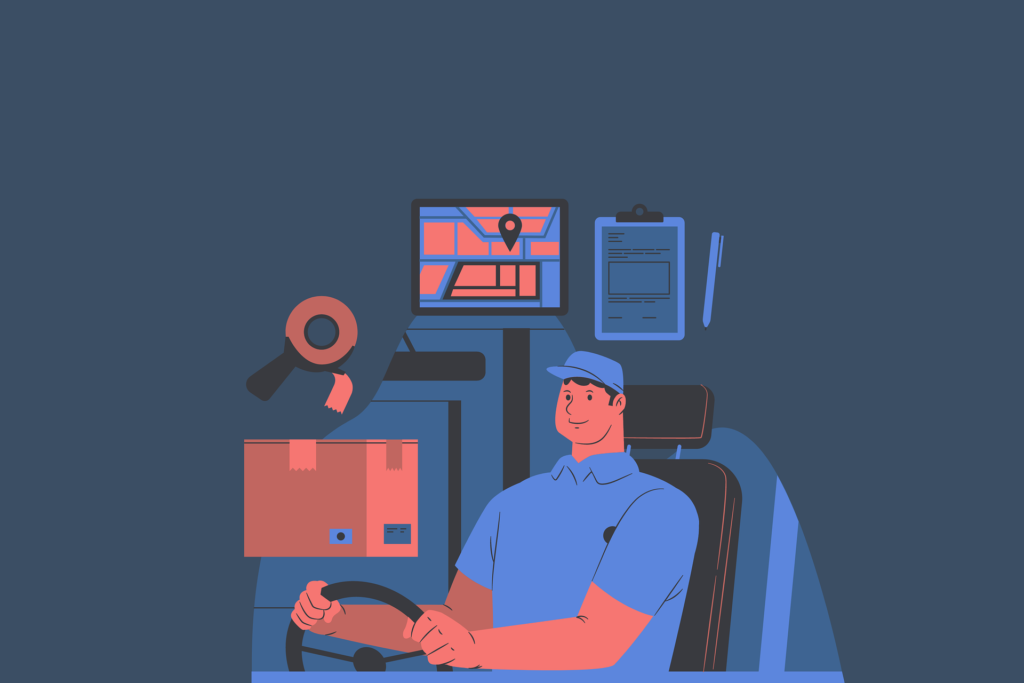
Automated customer service was introduced to make support faster and more efficient. Instead of waiting for a human agent, systems can provide instant responses, guiding users through common issues. For simple problems, it works well, offering quick solutions without delay. It creates the sense that help is always available, right when it’s needed. However, when situations become more complex, the limitations quickly appear. Repeating the same issue, navigating endless menus, or struggling to get a clear response can become frustrating.
Experts often explain that “automated systems lack the ability to fully understand context and nuance.” Over time, what was meant to save time can feel like it’s doing the opposite. And as you look across all these technologies together, a quiet pattern begins to form. Convenience is everywhere, but so are the trade-offs.


