
The Nostalgic Visit To Deep Space
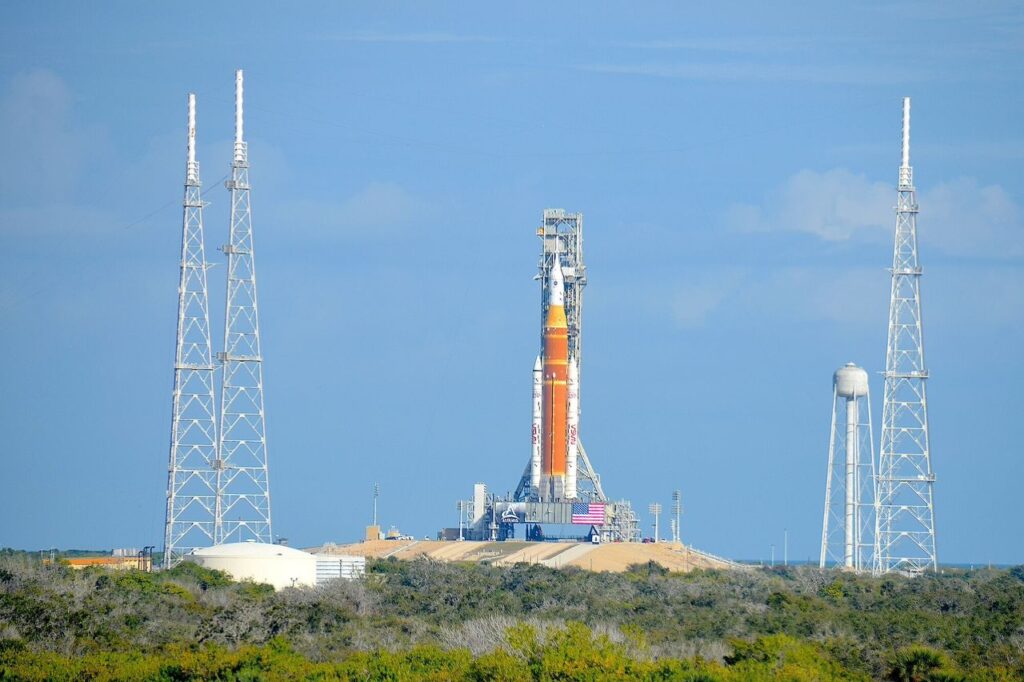
The Artemis II mission in April 2026 marked a massive turning point for space travel. For the first time since the Apollo 17 mission ended in December 1972, people finally traveled beyond the cozy confines of Earth’s immediate orbit. For over fifty years, every astronaut stayed relatively close to home, but this flight changed everything. A crew of four launched into the dark unknown, proving that we are ready to explore the deep cosmos once again. This was a high-stakes test of the technology we need to eventually live on other planets.
This 10-day journey did more than just break old distance records; it gave scientists vital data on how humans handle deep space. It checked out the Moon’s geology and tested new safety gear, and the crew built the foundation for future lunar landings. This success tells the world that we are preparing to stay and eventually head toward Mars. According to NASA statistics, the mission successfully tested 21 separate life-support subsystems, ensuring that the 0.5% risk of critical system failure during deep-space transit, remains within the safety margins required for multi-year missions to the Red Planet.
Mastering The Lunar Slingshot Path
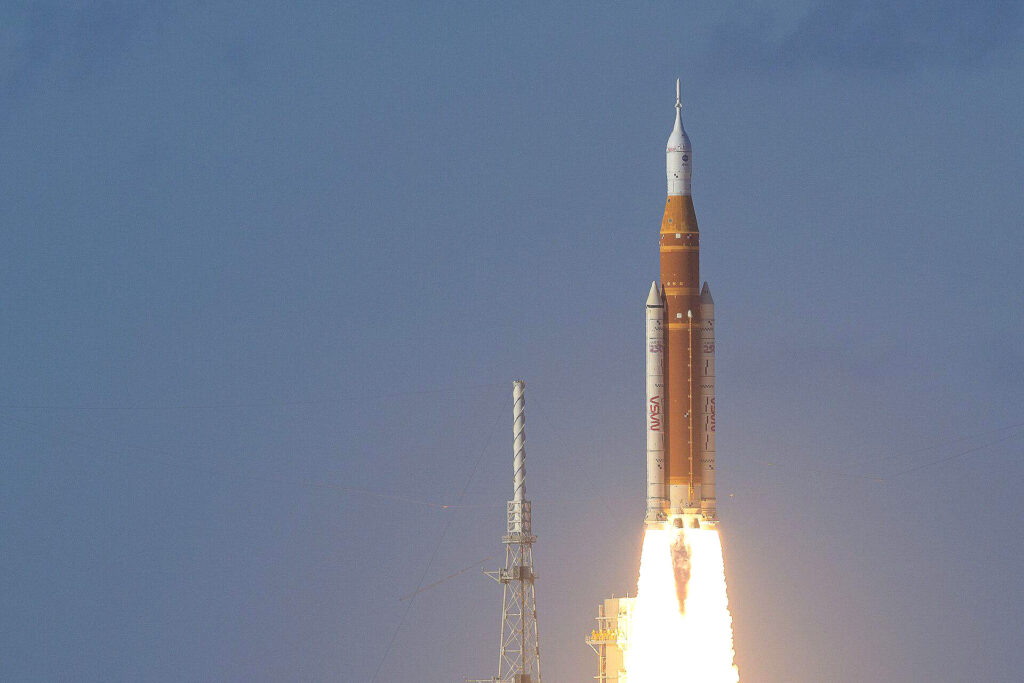
On April 1, 2026, the giant SLS rocket roared to life at Kennedy Space Center, pushing the Orion capsule with nearly 9 million pounds of thrust. To make the trip as safe as possible, NASA used a clever “free-return trajectory.” Think of it like a giant figure-eight in the sky. This path uses the Moon’s own gravity to pull the ship around and “slingshot” it back toward Earth. If the main engines had failed while they were near the Moon, the natural laws of physics would have safely guided the crew back home without needing an extra engine burn.
To pull this off, the ship had to reach an incredible speed of about 24,500 miles per hour. That’s fast enough to break away from Earth’s strongest pull and enter the Moon’s gravity zone by April 6, 2026. This maneuver ensures the crew has a “gravity backup” for the long trip. It’s much more advanced than the systems used in the 1970s, utilizing modern computers to ensure every turn and burn is handled with extreme precision. Research on orbital mechanics shows that using this slingshot method saves approximately 1,200 kilograms of fuel compared to a direct insertion, allowing for more scientific weight to be carried on board the Orion capsule.
Space Flight Comparison Over Time
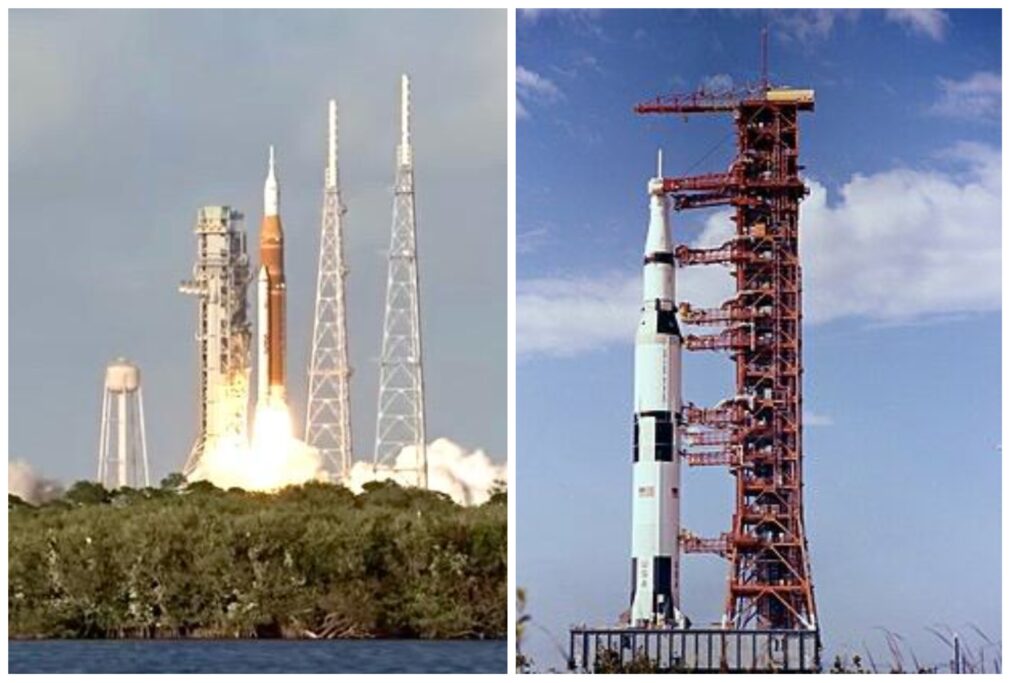
When we look at Artemis II compared to the famous Apollo 13 mission from 1970, the differences are truly eye-opening. While Apollo 13 had to use a free-return path because of a dangerous emergency, Artemis II planned to use it from the start as a safety measure. The new mission also went much further into the void, traveling 252,756 miles from home. That is 4,101 miles further than any human has ever gone before, proving that our modern rockets and ships are more capable than ever before in the history of flight.
The technology jump is just as impressive as the distance. Back in the day, astronauts used basic radio signals, but the 2026 crew used a High-Band Deep Space Network that could send massive amounts of data and high-definition photos instantly. Even the landing was faster and hotter, with the ship hitting the atmosphere at 25,000 miles per hour to test a brand-new heat shield. These upgrades show that while the goal is the same, our tools have become incredibly more powerful and reliable over the last fifty years. Data further shows that modern spacecraft computers are roughly 20,000 times faster than those used in the 1970s, allowing for 1,000 automated system checks every second to keep the crew safe during the high-speed re-entry.
A New Era Of Astronauts
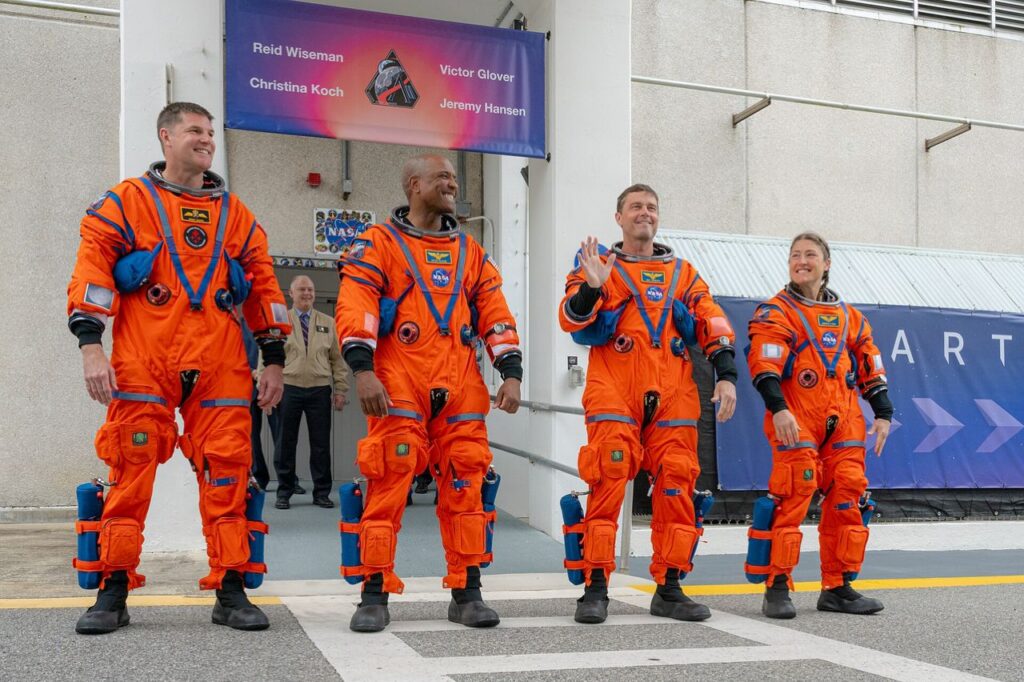
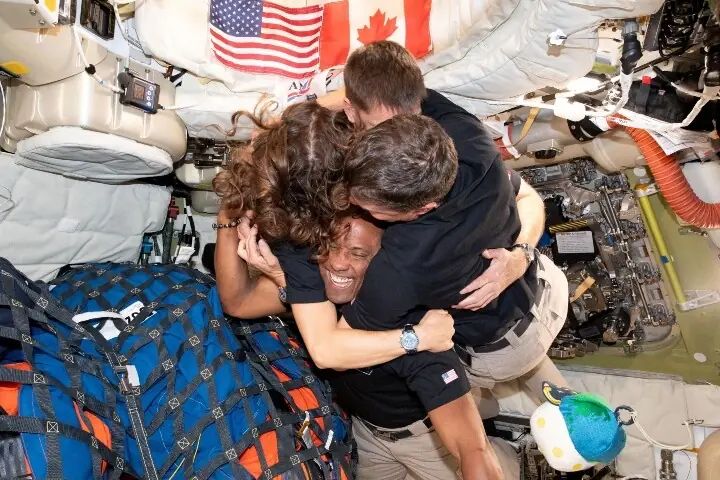
The crew of Artemis II made history not just for where they went, but for who they are. Commander Reid Wiseman, Pilot Victor Glover, and Mission Specialists Christina Koch and Jeremy Hansen represented a big shift in space exploration. For the first time, a mission beyond Earth’s orbit included a woman, a person of color, and an international partner from Canada. This mix of backgrounds shows that exploring the stars is now a team effort for all of humanity, rather than just a race between two nations like it was during the Cold War.
Each member brought something special to the table during the April 2026 mission. Commander Reid Wiseman ensured all protocols were fully observed, Victor Glover used his experience to handle manual flight controls, while Christina Koch used her background in physics to conduct science experiments. Jeremy Hansen’s presence however, highlighted the strong partnership between the U.S. and Canada. This diversity has a real impact back on Earth, too. Studies show that when kids see people like themselves going to the Moon, they are much more likely to get excited about science and math careers. In the U.S., about 37% of the aerospace workforce is now made up of people from underrepresented groups, a number that has grown by 12% since NASA announced the diverse Artemis crew lineup in 2023.
Silent Moments Behind The Moon
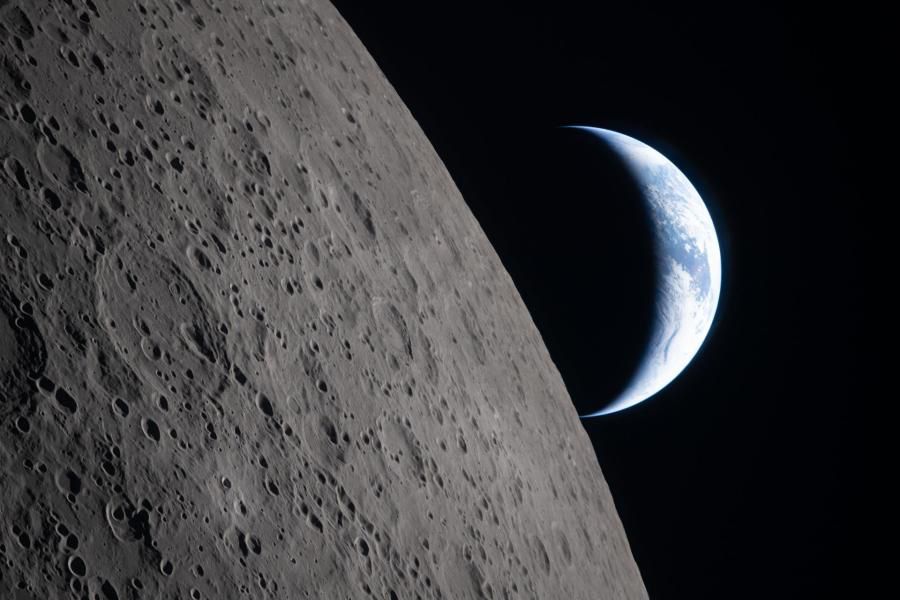
The most intense part of the mission happened on April 6, 2026, when the Orion ship slipped behind the Moon. Because the Moon is so solid and massive, it blocked all radio signals to Earth for about 40 minutes. During this total blackout, the crew was completely on their own, floating over the lunar far side where no one on Earth could see or hear them. It was a period of “loss of signal” that required the astronauts to trust their training and their onboard computers without any help from ground control.
When they finally re-emerged and regained contact at 7:25 p.m. ET, the relief was felt by everyone at Mission Control. The crew reported that seeing the “hidden” side of the Moon with their own eyes was an experience no robot could ever match. While satellites take great pictures, humans can spot tiny details in color and texture that tell us a lot more about the Moon’s history. These 40 minutes of silence were a reminder of how vast space is and how brave these explorers truly are. Psychological studies on isolation show that short periods of total disconnection can increase cognitive focus by up to 20%, which helped the crew perform their manual observations with incredible accuracy during the flyby.
Seeing The Moon’s Ancient Scars
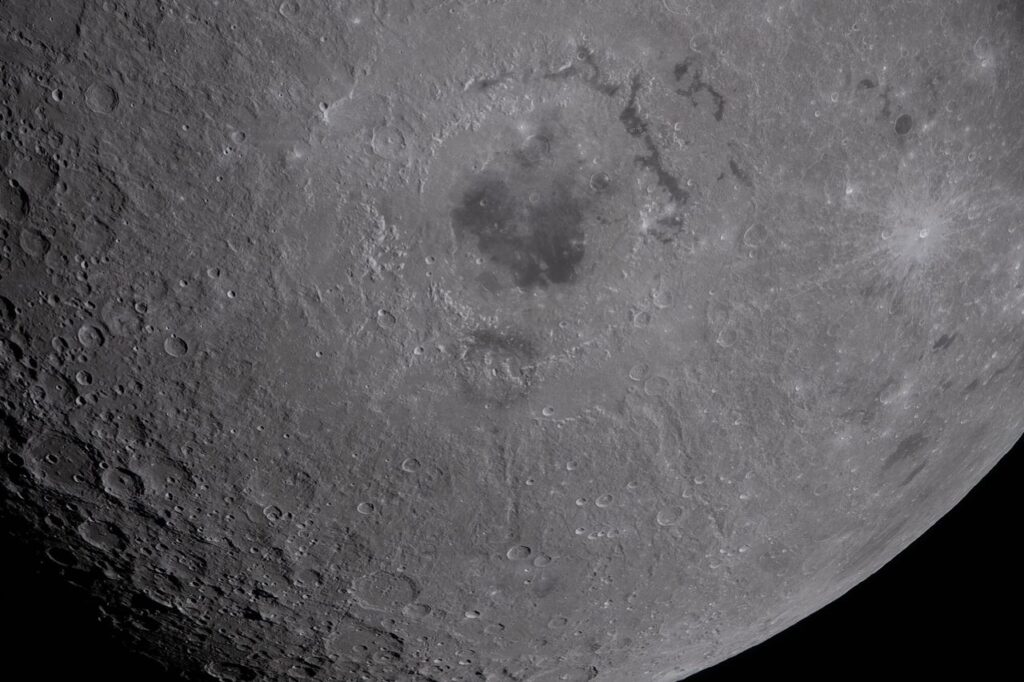
During their flight on April 6, 2026, the crew focused their cameras on some of the most famous spots on the Moon, like the Orientale Basin. This area looks like a giant bullseye made of three mountain rings, stretching nearly 600 miles wide. Because it isn’t covered in old lava like other parts of the Moon, it’s a perfect place to study how massive space rocks crashed into the lunar surface billions of years ago. The crew’s high-quality photos are helping scientists understand these ancient impacts that shaped the solar system.
The astronauts also looked at the South Pole-Aitken Basin, which is one of the biggest and oldest holes in the entire solar system. It’s over 1,500 miles wide and very deep, almost like a window into the inside of the Moon. Through this study, the Artemis II crew has also helped map out safe spots for future missions to land. This work is vital because we think there might be frozen water hidden in the shadows there, which could be used by future lunar settlers. Geologists estimate that 15% of the far side’s surface consists of unique minerals not found on the near side, making these firsthand human observations invaluable for future lunar mining efforts.
Watching Eclipses From Deep Space
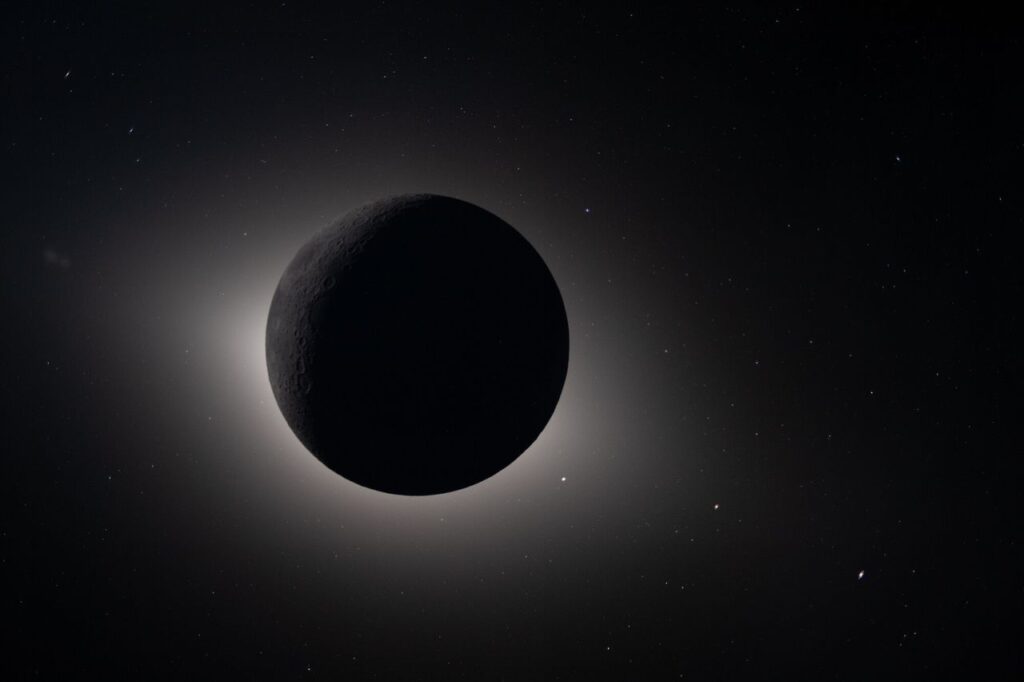
While the crew was far from home on April 6, 2026, they got to see something truly magical: a 53-minute solar eclipse. From their spot 250,000 miles away, the Moon moved directly in front of the Sun, creating a glowing halo in the darkness. On Earth, eclipses only last a few minutes, but because the spacecraft was so close to the Moon, the show lasted much longer. Pilot Victor Glover described the view as “unreal,” seeing the Sun’s atmosphere glowing while the Earth’s light faintly lit up the Moon.
The crew also kept a close eye on the dark side of the Moon and spotted six quick flashes of light. These were actually small space rocks hitting the lunar surface. Since the Moon has no atmosphere to burn these rocks up, they hit the ground with a tiny explosion. Seeing these “impact flashes” helps NASA understand how to better protect future moon bases from falling debris. NASA reports that the Moon is struck by roughly 2,800 kilograms of meteoritic material every day. Observing these impacts in real-time allows engineers to calculate the exact force needed for the walls of future moon habitats to withstand a direct hit from a small space pebble.
Testing Health And Safety Gear
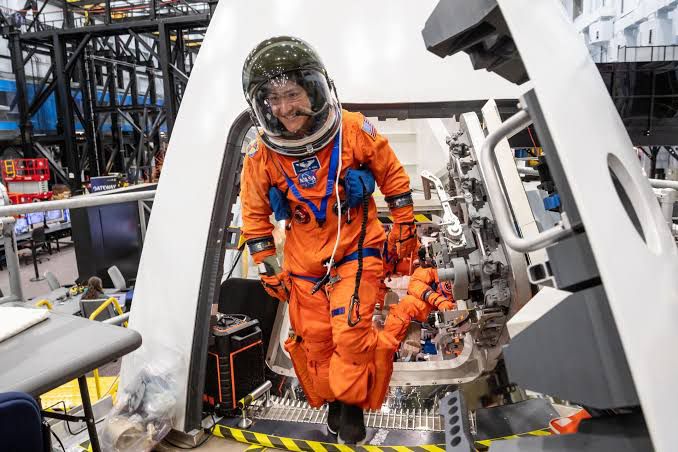
The 2026 mission was basically a giant “stress test” for both the humans and the machines. Deep space is full of radiation that can be tough on the human body, so the crew wore special sensors to track their health in real-time. They even brought along “tissue analogs”, materials that act like human skin, to see how space rays affect us at a cellular level. All this data is being used to make sure future astronauts can stay healthy on much longer trips to Mars that could last years.
Living in the Orion capsule was also a lot more comfortable than the old Apollo days. One of the most important upgrades was a modern, Earth-style space toilet. It might sound funny, but having reliable and clean ways to handle daily life is a huge deal when you’re stuck in a small pod for ten days. By the time they hit the atmosphere on April 10, 2026, and felt the 5,000-degree heat of re-entry, the crew had proven that our new life-support systems are ready for the long haul. Medical data from the mission showed that the crew’s radiation exposure was kept under 50 millisieverts, which is well within the safe yearly limit for professional radiation workers here on Earth.
Breaking The Ultimate Distance Record

Monday, April 6, 2026, also became a date for the history books when the Orion capsule officially broke the record for the furthest a human-rated ship has ever traveled. At 1:56 p.m. EDT, they passed the old mark set by Apollo 13 in 1970. Eventually at 7:07 p.m EDT, they reached a peak distance of 252,760 miles away from Earth. To celebrate, the legendary Jim Lovell sent a message from Earth, welcoming the new crew to his “old neighborhood” and cheering them on as they pushed further than his generation ever could during their missions.
Looking back at Earth from that distance gives astronauts what they call the “Overview Effect.” Our entire planet looks like a tiny, glowing blue marble floating in a massive, dark ocean. The crew described the feeling as a powerful reminder that everyone on Earth is on the same team. Reaching this milestone was about showing that humanity is finally stepping back out into the solar system to stay, leaving our “backyard” for the very first time in decades. In total, the Artemis II crew traveled a distance equivalent to circling the Earth’s equator more than 22 times, demonstrating that modern propulsion systems are 15% more efficient than the Saturn V rockets used in the late 1960s and early 1970s.
Looking Toward The Next Landing
The success of Artemis II was the final big “practice run” before we actually land people on the Moon again. While plans have shifted slightly, NASA is now aiming for a docking test in 2027 and a full lunar landing with Artemis IV in 2028. The information gathered by the 2026 crew is currently being used to pick the perfect landing site at the Moon’s South Pole. They are looking for a spot that is flat and safe, but also close to where they might find water ice.
Finding water on the Moon is like finding gold because it can be turned into oxygen to breathe and hydrogen for rocket fuel. If we can “live off the land” by using lunar resources, we won’t have to carry everything from Earth, which makes long-term stays much cheaper and easier. The 2026 mission proved that we have the right eyes and the right tools to find these resources. This strategy is what will eventually turn the Moon into a gas station and a stepping stone for the journey to Mars. Current estimates suggest there are over 600 million metric tons of water ice trapped in the Moon’s permanently shadowed craters, enough to support a small lunar colony for several centuries.


