
By Michael Gitter
They crawl, they bite, and some of them can even kill. While bugs may seem like nothing more than a backyard nuisance, some carry a punch strong enough to end lives or change them forever. From silent killers to painful predators, these creepy crawlers are more dangerous than you think, especially if you’re not looking.
1. Mosquito
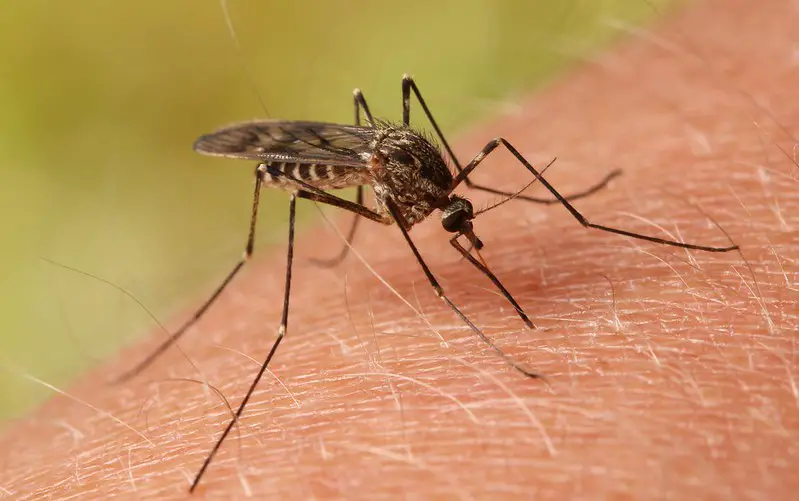
You’d think something so small wouldn’t be a threat, right? Wrong. Mosquitoes are responsible for more deaths than any other animal on Earth, spreading diseases like malaria, dengue, and Zika. These flying needles thrive in warm, humid climates and breed in stagnant water, making them hard to avoid. They detect carbon dioxide and body heat, homing in on humans with chilling accuracy. In places like sub-Saharan Africa, the risk is especially high. Prevention methods help, but the real issue lies in the environments that allow them to flourish and that makes them a worldwide threat hiding in plain sight. Source: isglobal.org
2. Bullet Ant
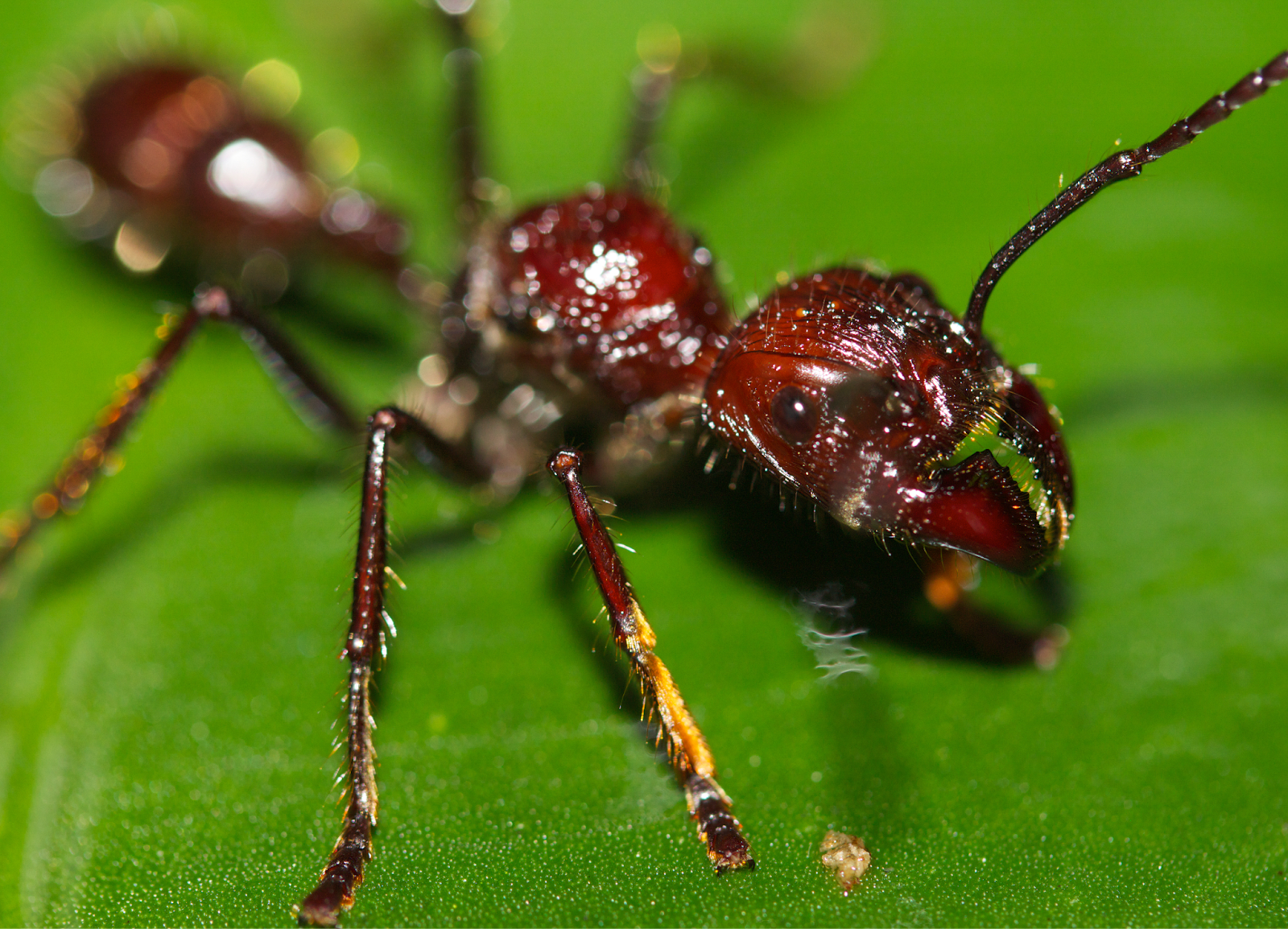
The bullet ant is often regarded as the king of painful insect stings. Found mainly in the rainforests of South America, these ants deliver a sting that has been described as one of the most excruciating experiences a human can endure, according to the Indian Express. The name “bullet ant” comes from the intense pain that feels like being shot, sharp, intense, and lasting for hours. The venom injected by these ants contains toxins that cause immediate, debilitating pain. However, while the pain may be unbearable, it is not life-threatening, and the bullet ant does not pose a fatal risk to humans. Source: indianexpress.com
3. Assassin Bug
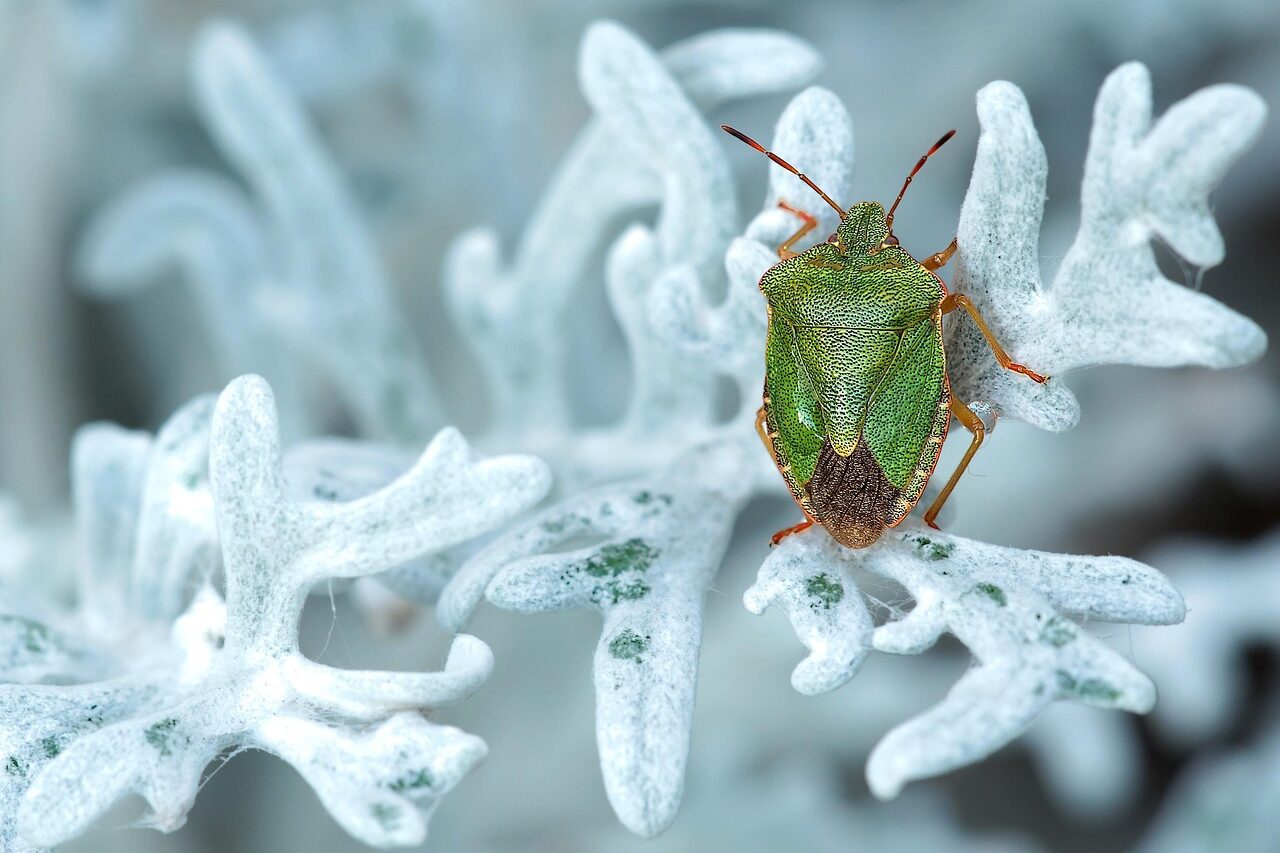
Also known as the triatomine bug, this insect might not win any beauty contests, but it certainly stands out for its lethal nature. According to the CDC, These bugs are notorious for their ability to transmit Chagas disease, a potentially deadly condition that affects millions of people, particularly in Central and South America. The bugs feed on the blood of animals and humans, often at night when their victims are asleep. As they bite, they excrete a parasite called Trypanosoma cruzi, which can enter the body and cause long-term health problems. The worst part? Chagas disease can go undiagnosed for years, making it even more dangerous because people may not realize they have it until it’s too late. Source: cdc.gov
4. Tsetse Fly
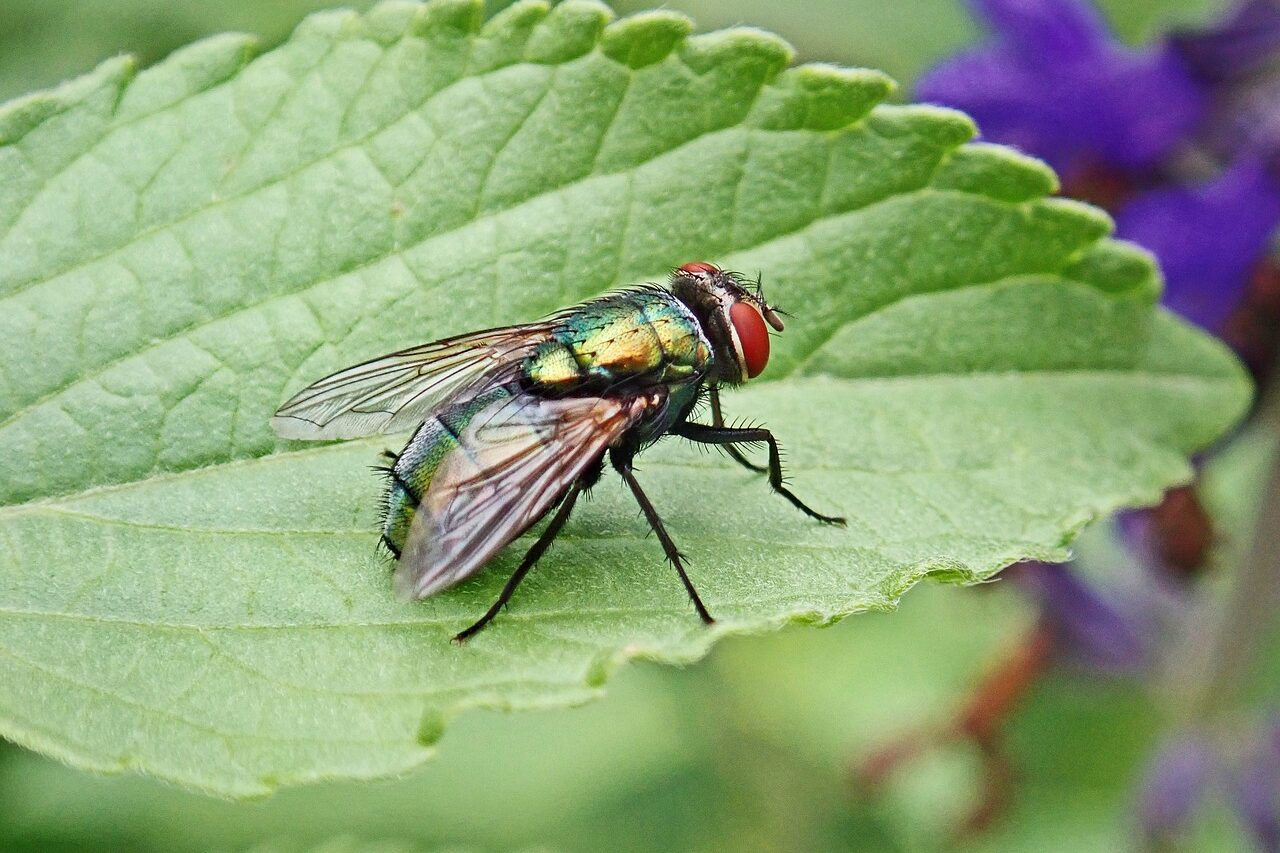
The tsetse fly is another insect that is both stealthy and deadly. Found primarily in sub-Saharan Africa, this fly is infamous for spreading sleeping sickness, a disease that can be fatal if not treated according to the MSD Manual. What makes the tsetse fly particularly dangerous is that it bites and feeds on blood, similar to a mosquito, but it also transmits a parasite called Trypanosoma brucei. This parasite can cause serious neurological symptoms, including confusion, lethargy, and eventually, coma. Without prompt medical treatment, the disease can be fatal, making the tsetse fly one of the most lethal insects in the world. Source: msdmanual.com
5. House Centipede
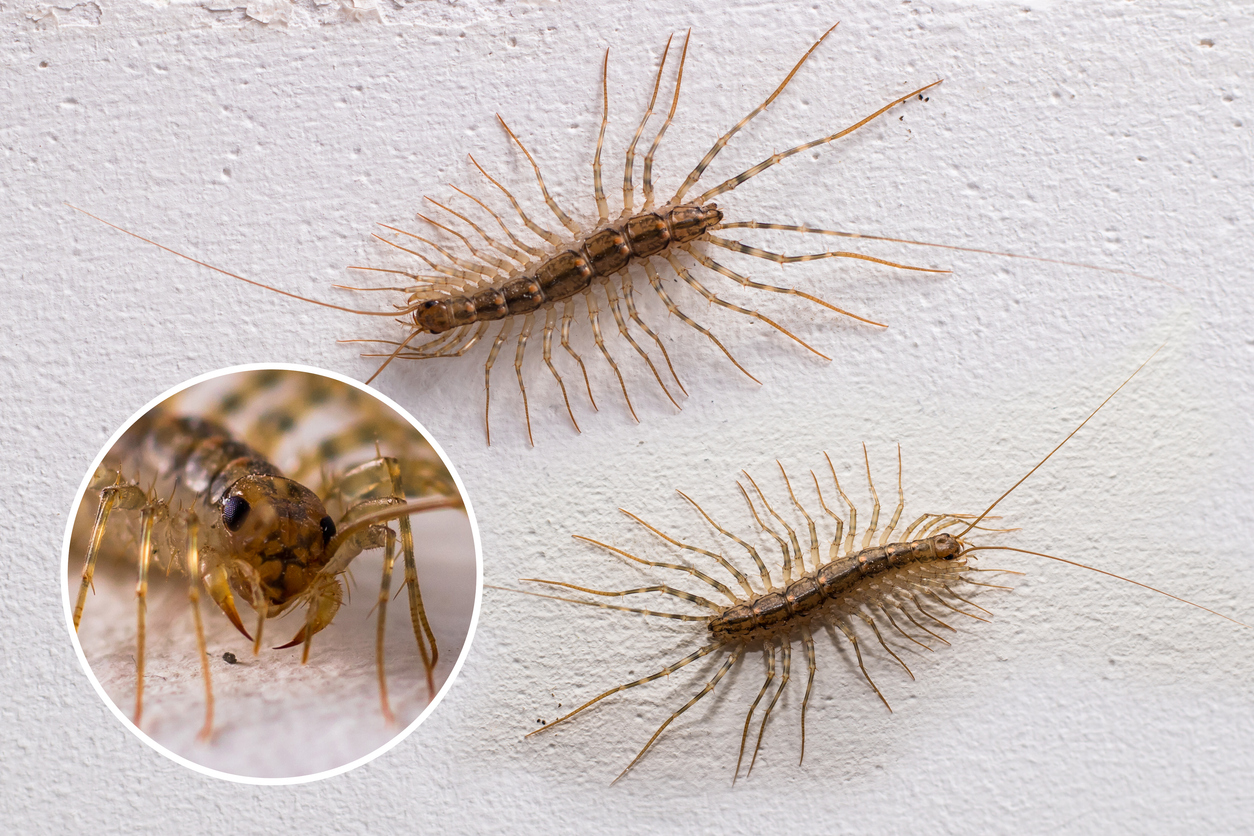
The house centipede is an insect that sends shivers down the spines of many people, not just because of its creepy appearance but also due to its venomous bite. Found in homes across the world, these long, multi-legged predators move at lightning-fast speeds, using their venom to subdue their prey. Although they primarily hunt other insects like cockroaches, spiders, and termites, they will not hesitate to bite humans if they feel threatened. While their venom is not deadly to humans, a bite from a house centipede can cause swelling, redness, and intense pain similar to a bee sting. Source: en.wikipedia.org
6. Brown Recluse Spider
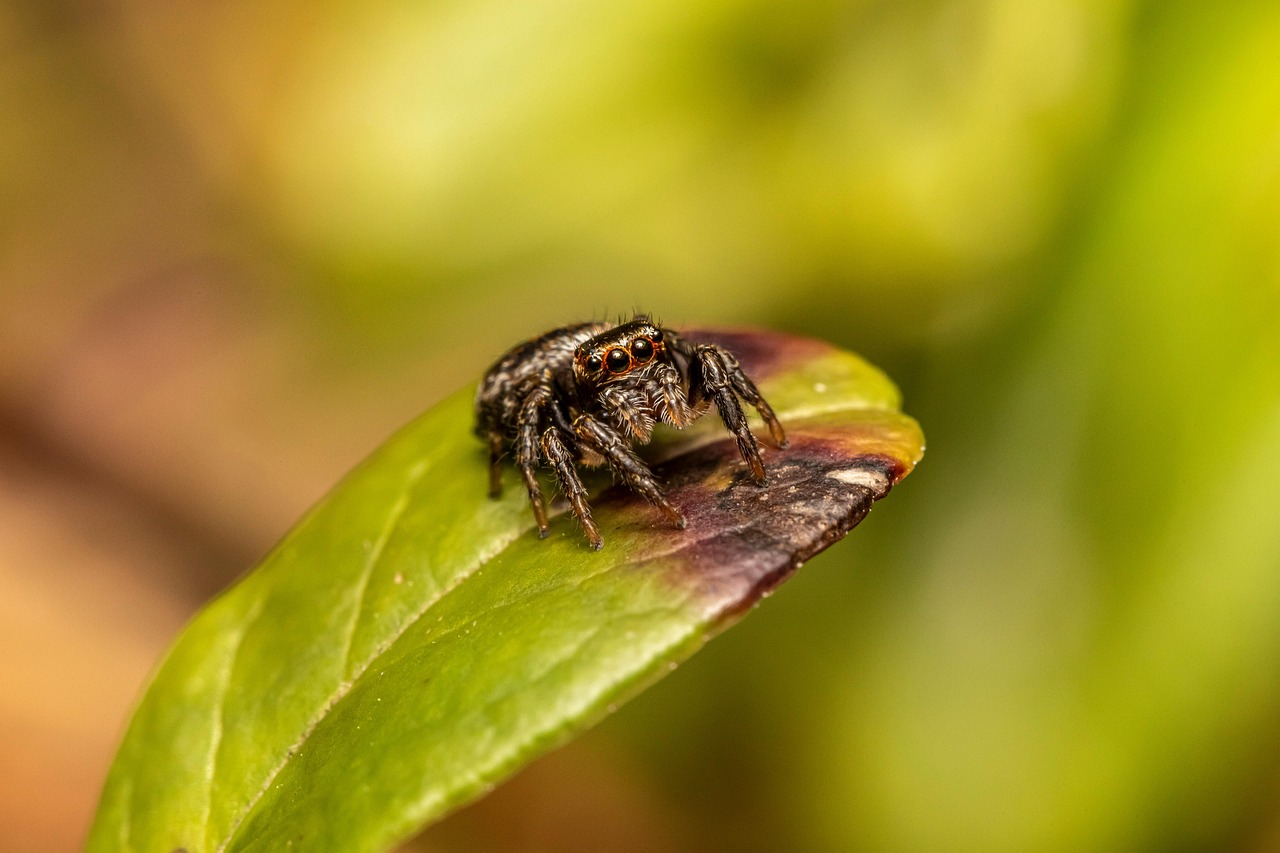
While not technically an insect, the brown recluse spider deserves a spot on this list due to its venomous bite and the serious health risks it poses. Native to the central United States, the brown recluse is known for its distinctive violin-shaped mark on its back, which helps identify it. The spider is generally non-aggressive and will bite only when provoked, but its venom can cause severe reactions in some people. The bite may initially appear harmless, but over time, it can lead to tissue necrosis, causing the skin around the bite to die. In rare cases, the venom can cause systemic reactions like fever, chills, and even organ failure. Source: medicalnewstoday.com
7. Sydney Funnel-Web Spider
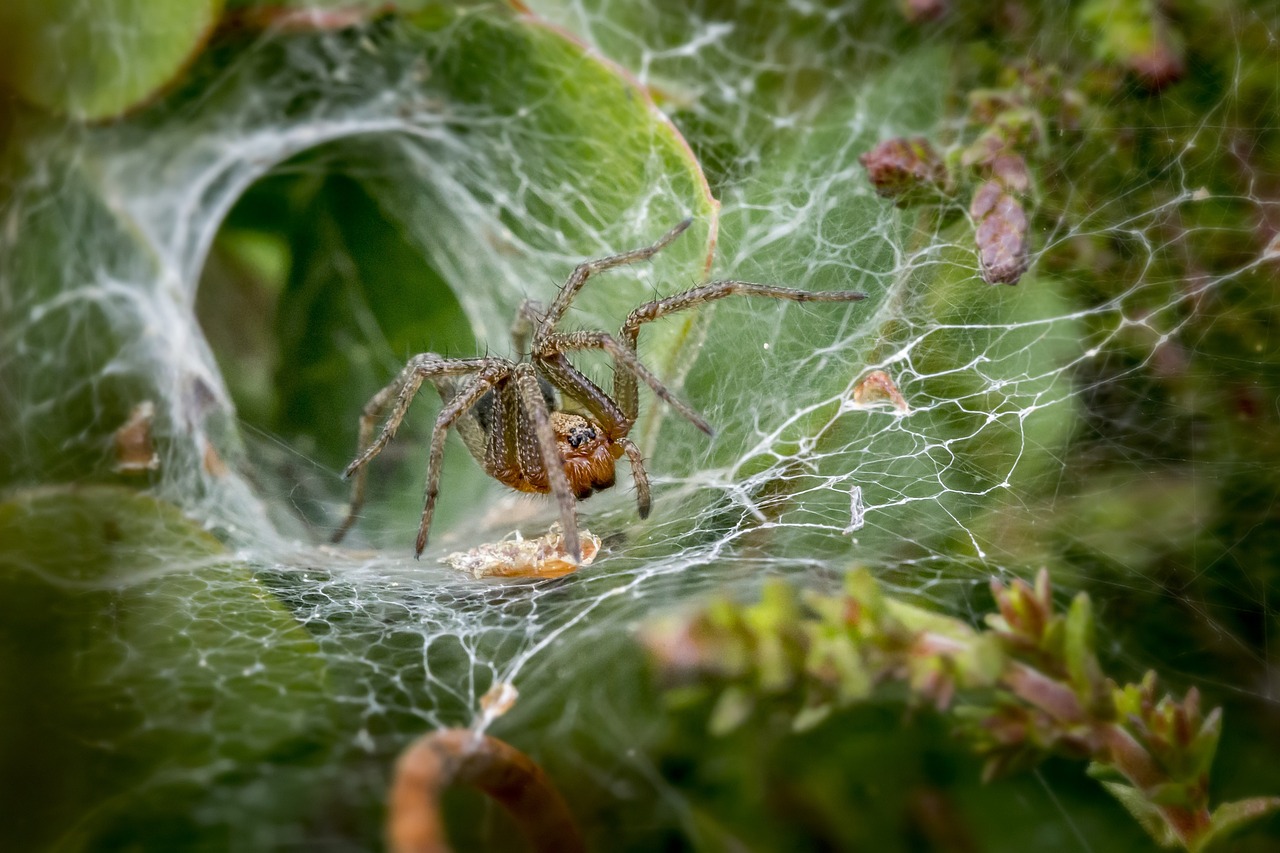
Another spider that deserves attention is the Sydney funnel-web spider, one of the deadliest arachnids in the world. Native to Australia, this spider is known for its aggressive behavior and potent venom, which can cause severe neurological damage. The venom of the male Sydney funnel-web is particularly dangerous, capable of causing paralysis and even death if left untreated. Bites from this spider are extremely painful, and without prompt antivenom treatment, the outcome can be fatal. Fortunately, modern medicine has significantly reduced the fatality rate, but the spider’s venom remains one of the most potent in the animal kingdom.
8. Brazilian Wondering Spider
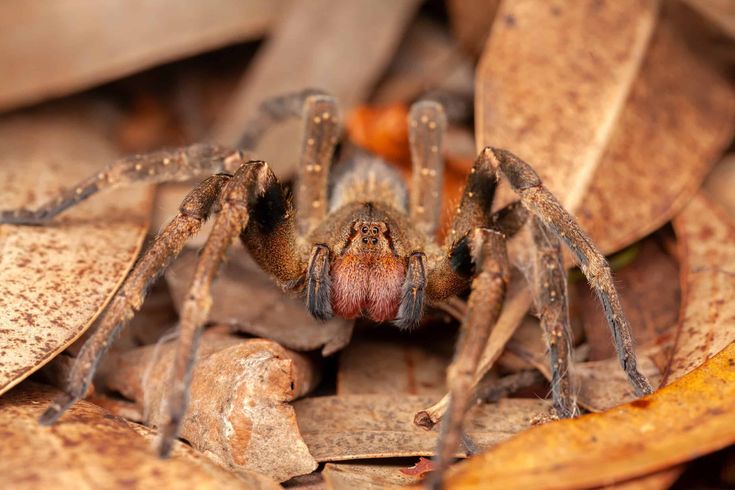
If you ever find yourself in the rainforests of South America, keep an eye out for the Brazilian wandering spider. Unlike most spiders that wait in webs, this large and fast-moving hunter roams the forest floor at night. Its venom contains a potent neurotoxin that can cause intense pain, loss of muscle control, and, in severe cases, respiratory paralysis. While bites are rare, they’re taken very seriously by medical professionals in Brazil, and antivenom is available for serious cases.
9. Yellow Fever Mosquito
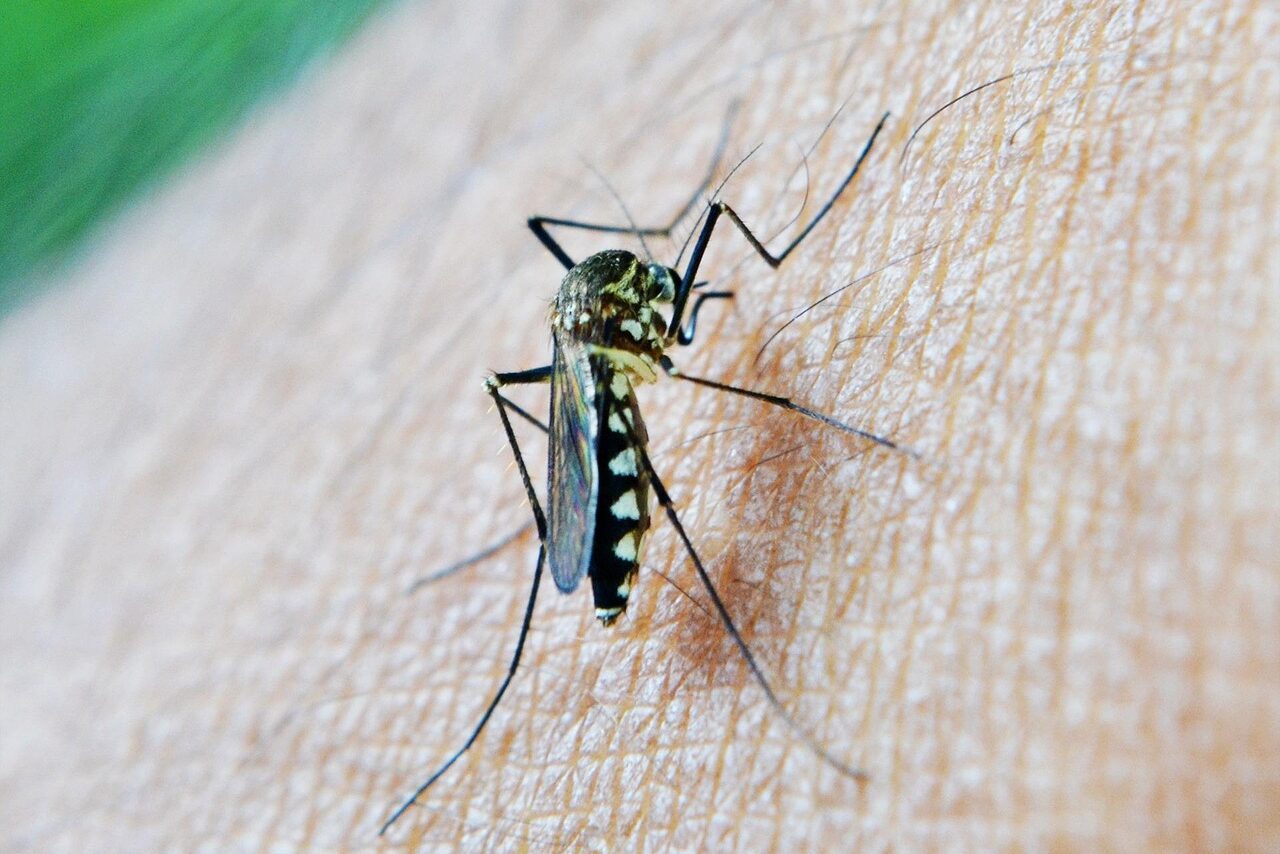
The yellow fever mosquito, also known as Aedes aegypti, is responsible for transmitting several dangerous diseases, including yellow fever, dengue, and Zika virus. These mosquitoes are particularly dangerous because they prefer to live in close proximity to humans, often breeding in containers of stagnant water found around homes. Yellow fever, which is caused by a virus spread by these mosquitoes, can lead to severe symptoms like fever, jaundice, and organ failure. If left untreated, it can be fatal. In areas where yellow fever is common, vaccination is the best line of defense, but outbreaks still occur in parts of Africa and South America.
10. European Hornet
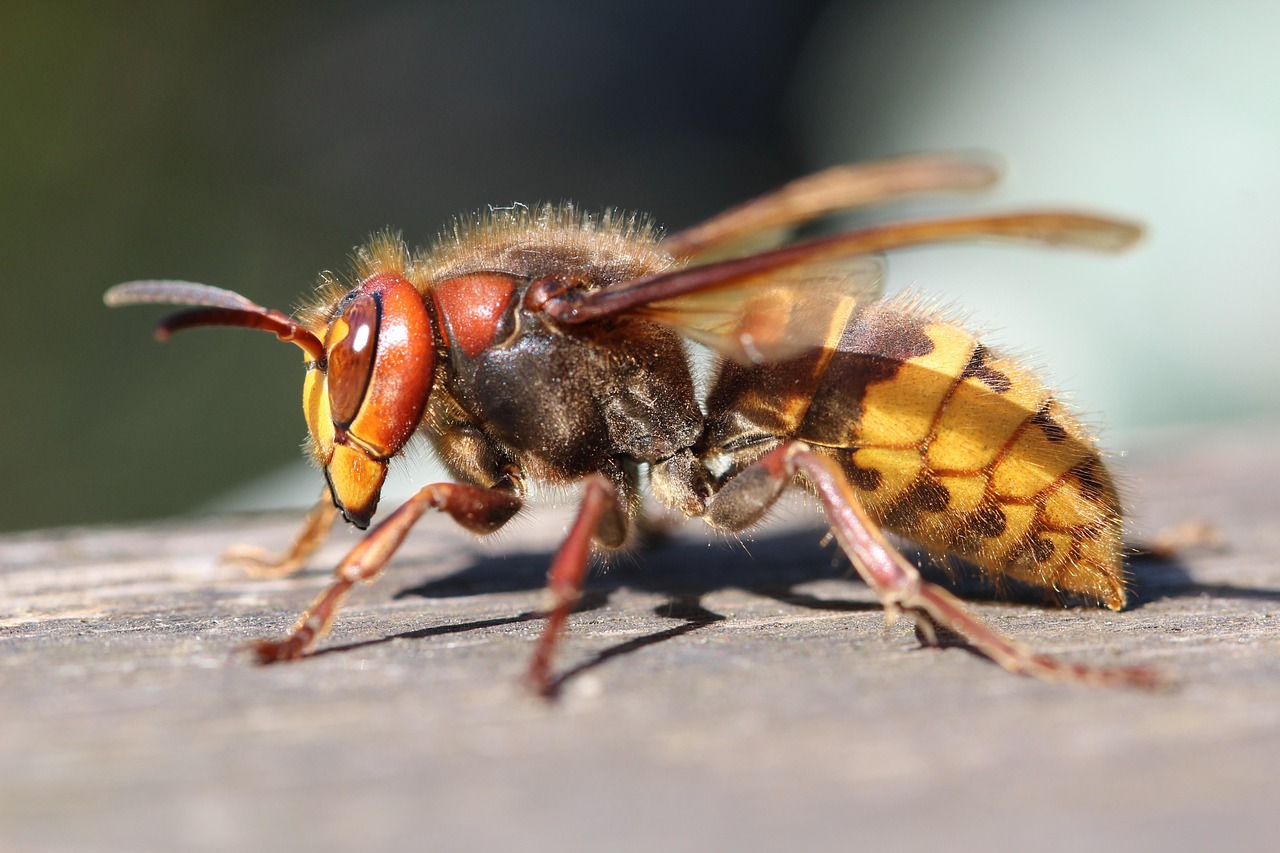
The European hornet may not have the same global notoriety as some other insects on this list, but it is certainly not one to be underestimated. These large, aggressive wasps are capable of delivering painful stings that can cause severe reactions, especially in individuals who are allergic to insect venom. Unlike honeybees, which die after stinging, European hornets can sting multiple times, injecting venom with each attack. Their nests, which are often found in tree hollows or wall cavities can house hundreds of hornets, making them a formidable force when provoked.
11. Africanized Honey Bee
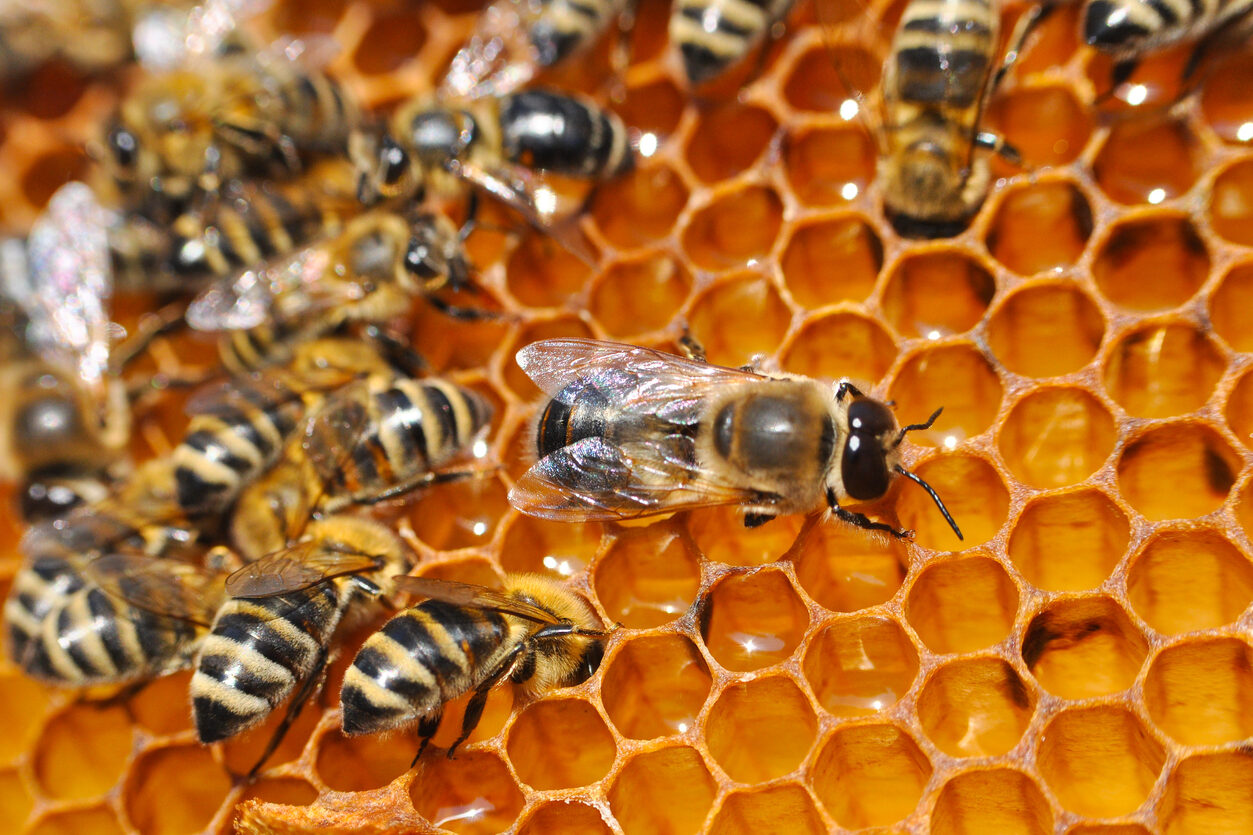
The Africanized honey bee, also known as the “killer bee,” is infamous for its aggressive nature and relentless swarming behavior. Originally bred in Brazil as an experiment to create a more productive honeybee, these bees escaped from a lab and spread throughout South and Central America, eventually reaching parts of the United States. What sets them apart from regular honeybees is their heightened aggression and their tendency to attack in large numbers. When an Africanized bee perceives a threat, it releases pheromones that signal the entire colony to swarm and sting repeatedly. Unlike typical honeybees, which may attack in smaller numbers, killer bees can chase their target for hundreds of meters, stinging repeatedly.
12. Japanese Giant Hornet
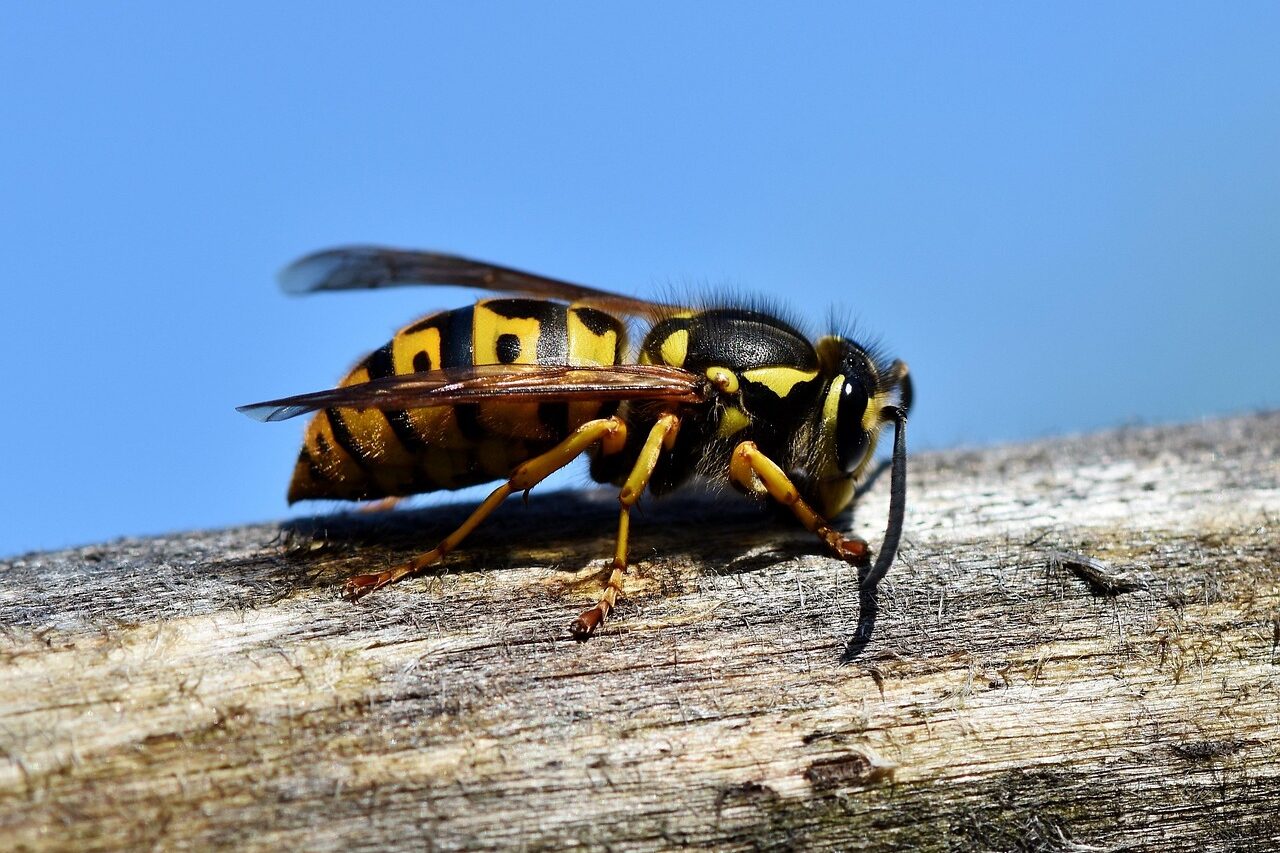
The Japanese giant hornet is the stuff of nightmares, especially for those who fear flying insects. This massive hornet, which can grow up to two inches long, is known for its powerful sting, aggressive nature, and ability to kill in large numbers. Native to Japan and parts of East Asia, the Japanese giant hornet is a predator that primarily hunts other insects, particularly honeybees. What makes it so dangerous is its potent venom, which contains a cocktail of neurotoxins and cytotoxins that can destroy human tissue, cause excruciating pain, and even lead to death in extreme cases. A single sting is enough to cause severe swelling and pain, but multiple stings can cause kidney failure, organ damage, or anaphylactic shock.
13. Flea
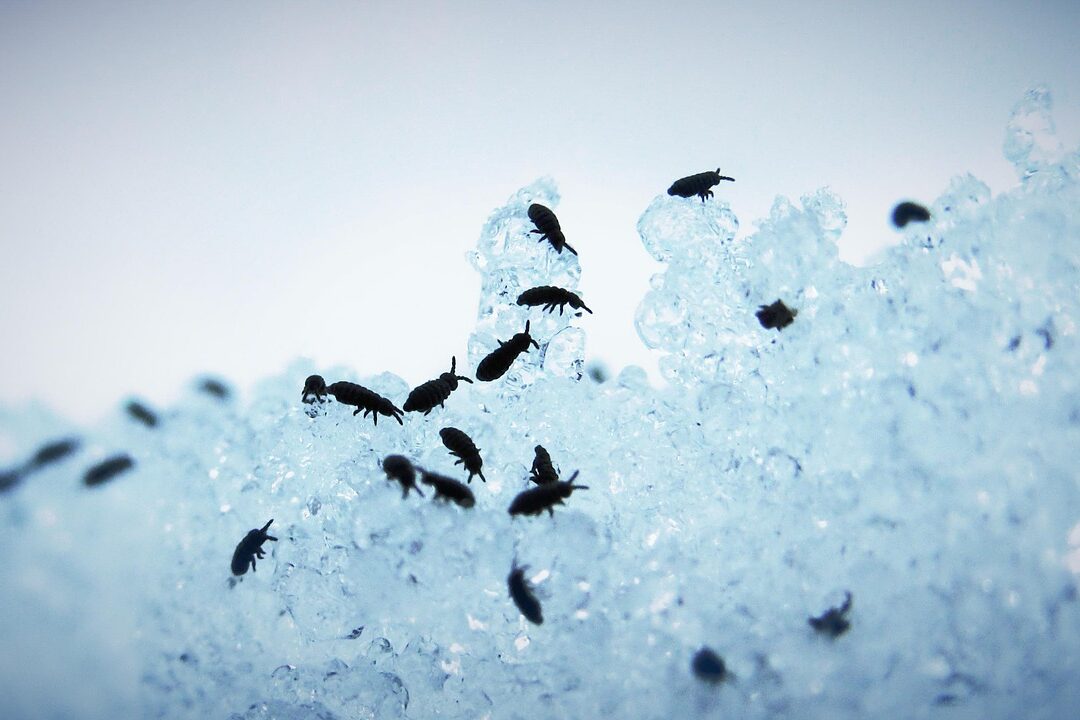
Fleas may seem like minor nuisances that simply cause itching, but they have historically been responsible for some of the deadliest disease outbreaks in human history. These tiny, wingless parasites feed on the blood of mammals and birds, using their powerful legs to jump great distances and latch onto their hosts. The most infamous disease associated with fleas is the bubonic plague, also known as the “Black Death,” which wiped out millions of people in the 14th century. Fleas transmit the plague-causing bacterium Yersinia pestis by biting infected rodents and then passing the bacteria to humans. Although modern medicine has made plague outbreaks rare, fleas still pose a significant health threat in some parts of the world.
14. Black Widow Spider
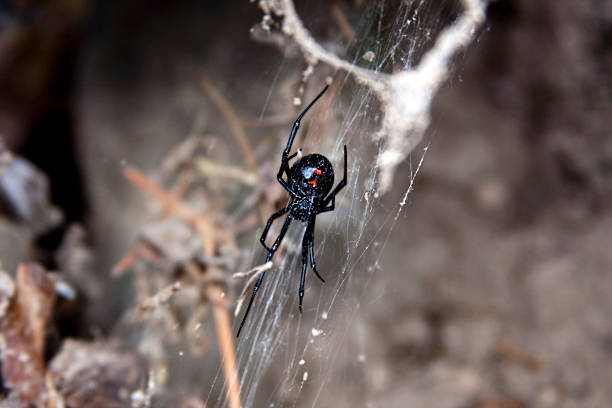
The black widow spider is one of the most well-known venomous spiders in the world, infamous for its potent neurotoxic venom. Recognizable by the red hourglass marking on its glossy black abdomen, this spider is found primarily in North America but has relatives in other parts of the world. While black widows are not naturally aggressive, they will bite if they feel threatened, especially when protecting their eggs. Their venom contains a powerful neurotoxin called latrotoxin, which attacks the nervous system, causing severe pain, muscle cramps, nausea, and sometimes respiratory difficulties. Although fatalities from black widow bites are rare due to the availability of antivenom, the pain and symptoms can be extremely debilitating.
15. Deer Tick
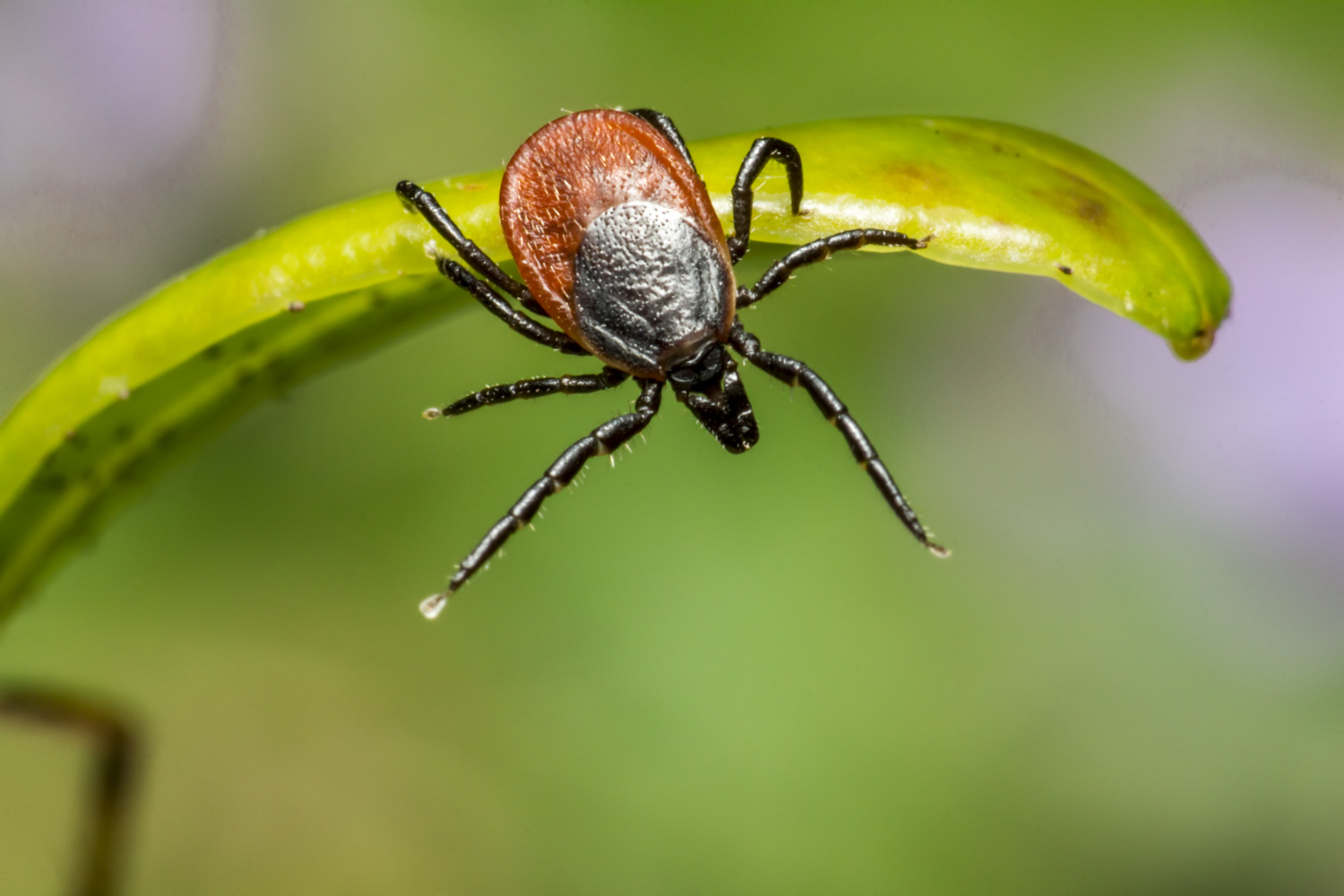
The deer tick may not look intimidating, but it is one of the most dangerous disease-carrying insects in the world. Found primarily in North America, this tiny arachnid is responsible for spreading Lyme disease, an illness that can cause chronic pain, neurological problems, and severe fatigue if left untreated. Deer ticks latch onto their hosts, feeding on their blood for days without being noticed. Unlike mosquito bites, which can be felt immediately, tick bites are painless, allowing them to go undetected until symptoms of disease appear.
16. Army Ant
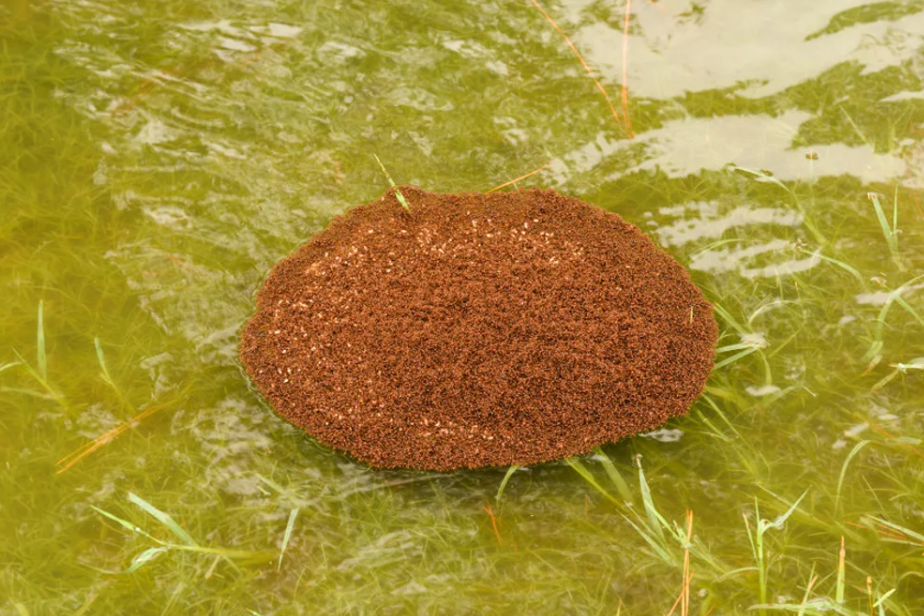
Army ants are the ultimate predators in the insect world, known for their relentless swarming behavior and highly organized attacks. Found in the rainforests of Central and South America, these ants do not build permanent nests but instead travel in massive colonies, devouring everything in their path. What makes them so dangerous is their sheer numbers and aggressive hunting tactics. They can overwhelm small animals, insects, and even birds, stripping them to the bone within minutes. Their powerful mandibles can deliver painful bites, and their venom can cause intense irritation and swelling in humans.
17. Fire Ant
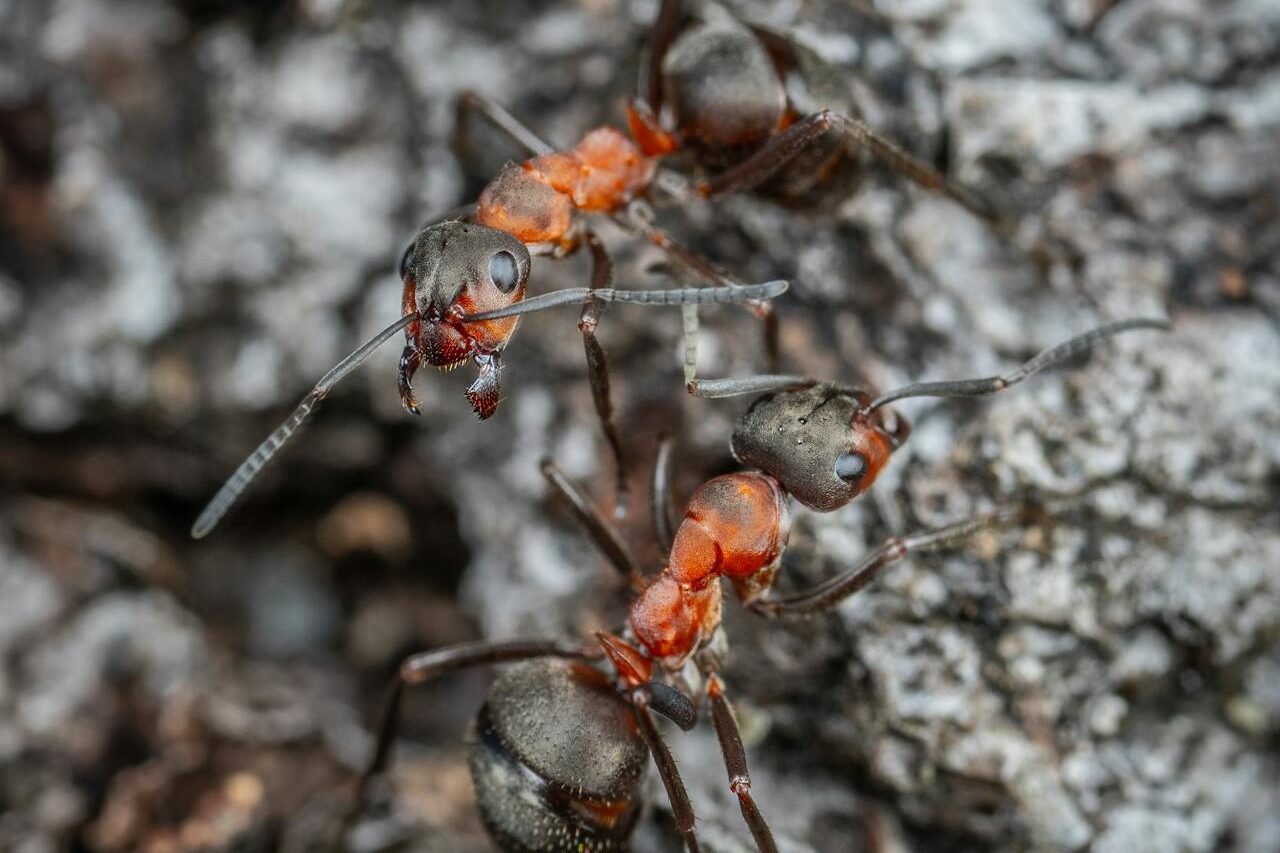
Fire ants are notorious for their painful stings and aggressive swarming behavior, making them one of the most dangerous insects in the world. These small but highly aggressive ants are native to South America but have spread to other parts of the world, including the United States and Australia. What makes them so dangerous is their ability to attack in massive numbers, stinging repeatedly and injecting venom that causes intense burning pain, earning their name. Their venom contains alkaloid toxins that create painful, itchy blisters, which can turn into pus-filled sores if not treated properly. For people who are allergic to fire ant venom, even a few stings can trigger life-threatening anaphylactic shock.
18. Botfly
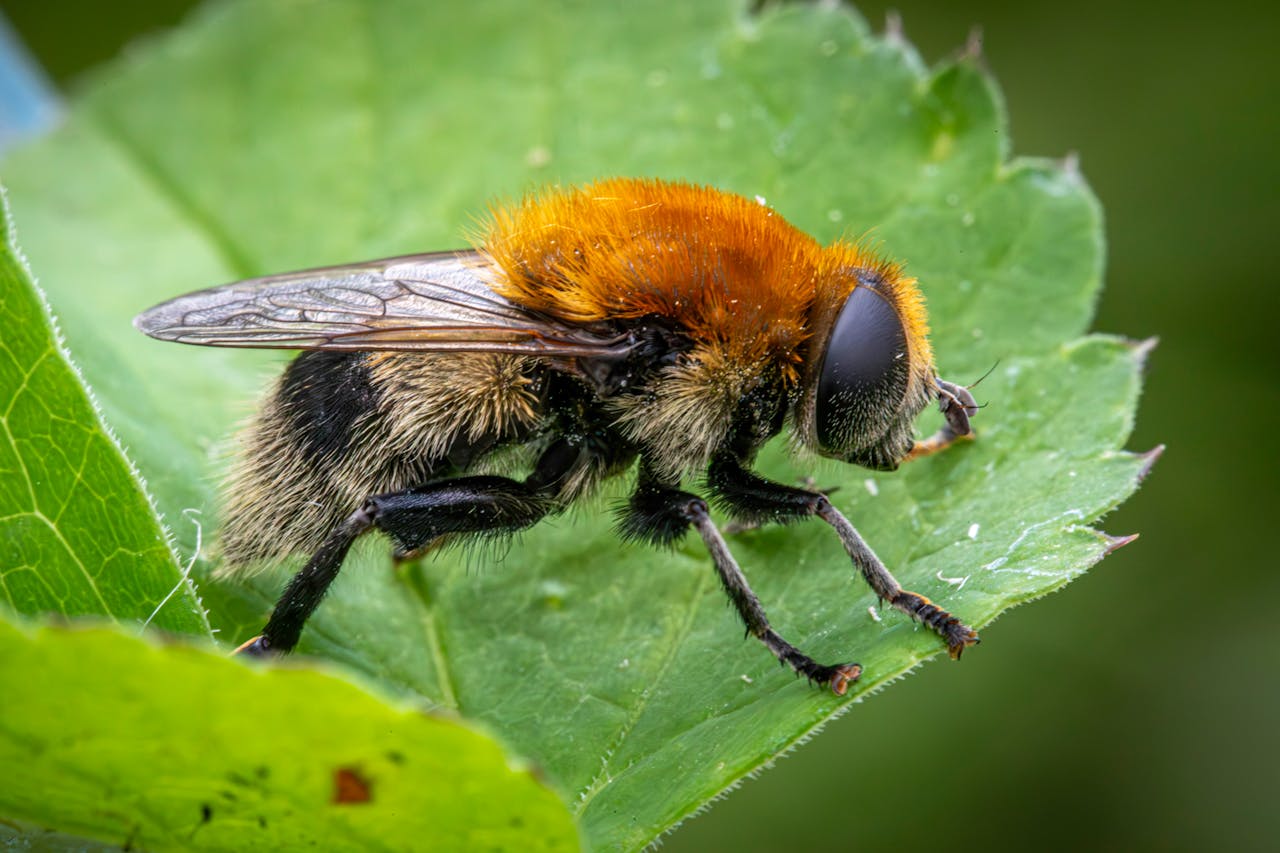
The botfly is one of the most horrifying insects in existence due to its parasitic nature and the gruesome way it reproduces. Native to Central and South America, the human botfly lays its eggs on mosquitoes, ticks, or other insects, which then transfer the eggs to human or animal hosts when they land to feed. Once the eggs hatch, the larvae burrow under the skin, feeding on the host’s tissue and growing into large, wriggling maggots. The presence of botfly larvae under the skin causes intense pain, swelling, and a sensation of movement, as the larvae need to breathe and will occasionally poke their heads out for air.
19. Sandfly
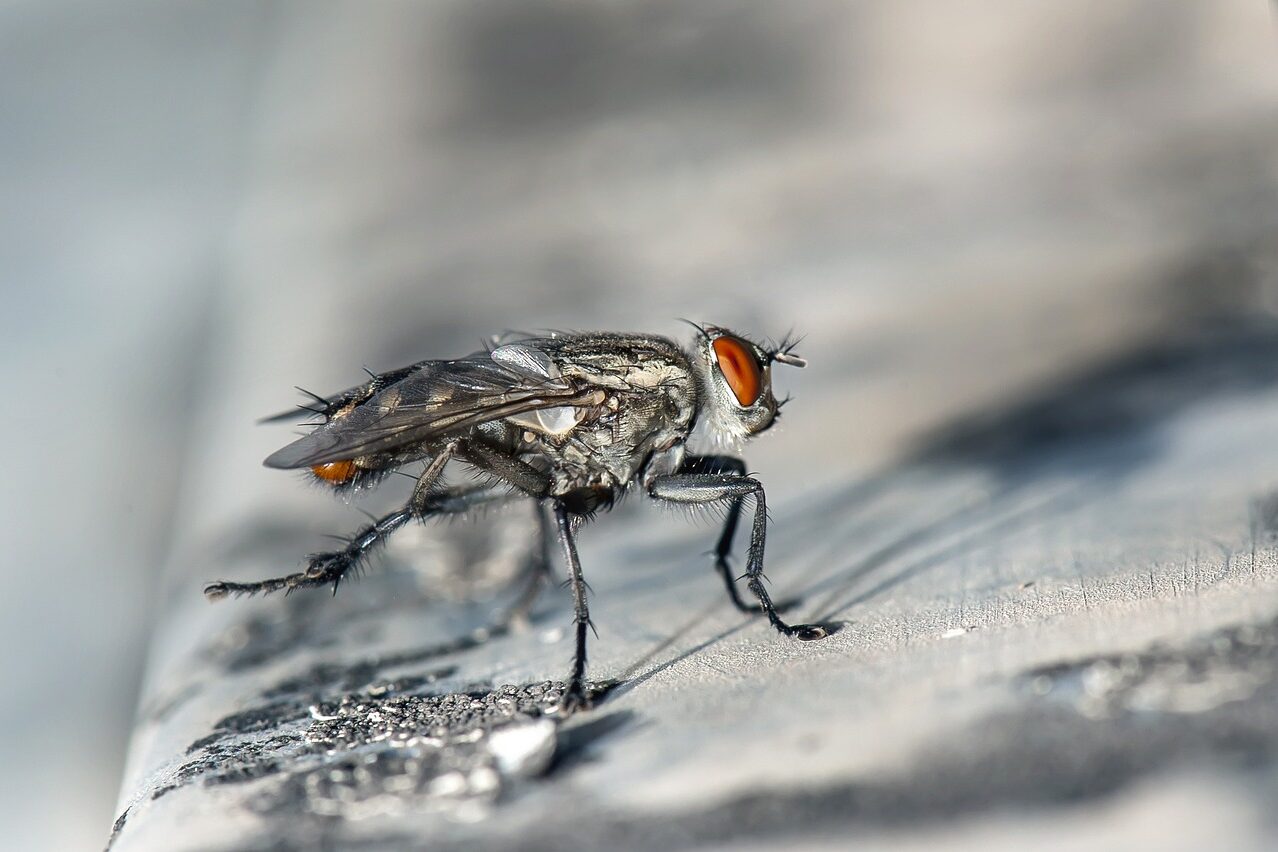
Sandflies may be tiny, but they are responsible for spreading some of the most serious diseases in tropical and subtropical regions. These small, blood-feeding insects transmit leishmaniasis, a parasitic disease that can cause severe skin ulcers, organ failure, and even death. When an infected sandfly bites a human, it injects parasites into the bloodstream, where they multiply and attack the immune system.
20. Giant Water Bug
The giant water bug is one of the most formidable predators in the insect world. Found in freshwater habitats across the Americas and Asia, these massive bugs can grow up to four inches long. Their powerful front legs are designed for grabbing prey, and they use their needle-like mouthparts to inject venomous saliva that liquefies their victim’s insides. This allows them to suck up their prey’s internal fluids like a smoothie. Although they primarily hunt fish, amphibians, and other insects, giant water bugs have been known to bite humans if handled carelessly. Their bite is extremely painful, earning them the nickname “toe-biters.”
Which insect on this list surprised you the most? Let us know in the comments section!


