
Tiny Creatures With Giant Impact
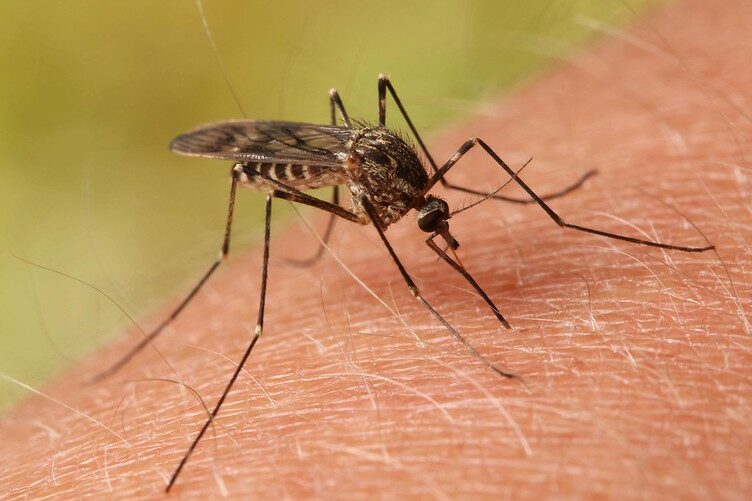
Mosquitoes are among the smallest living things people actually notice, yet they carry a reputation that is much bigger than their physical size. Throughout history and across many different cultures, very few insects have changed human life in such a massive way. Their annoying buzzing sound and itchy red bites are familiar to almost everyone on Earth, but what truly makes them stand out is how much they affect our health, science, and the stories we tell.
The reason everyone pays so much attention to them is quite simple: mosquitoes are responsible for more human deaths than any other animal in the world. Because of this huge impact, mosquitoes have become famous in fields like politics, science, and even military history. While “fame” usually means people like you, in this case, it just shows how much these tiny insects have shaped the world we live in today.
The Deadliest Animal
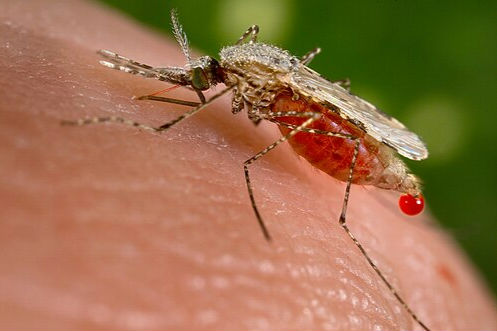
Despite having tiny, fragile bodies, they are officially known as the deadliest animal on the planet. This title isn’t because they are mean or strong, but because of the tiny germs they pass to humans when they bite. Health groups and researchers found that mosquito-related sicknesses cause between 725,000 and one million deaths every year. Malaria is the biggest killer in this group, sadly taking the lives of many young children, particularly in sub-Saharan Africa, where the climate allows these insects to thrive.
The mosquito’s reputation as a top killer became world-famous in the late 20th century as doctors got better at tracking health data globally. Scientists eventually pointed to specific types, like the Anopheles mosquito, as the main spreaders of malaria parasites. By the year 2017, this fact was so well-known that it was included in major scientific records and popular documentaries. It is interesting to note that a mosquito doesn’t actually want to hurt anyone. Female mosquitoes are just looking for a bit of blood so they can have the energy to lay their eggs, but that one biological habit has turned them into the most dangerous neighbors in human history.
Vectors of Disease
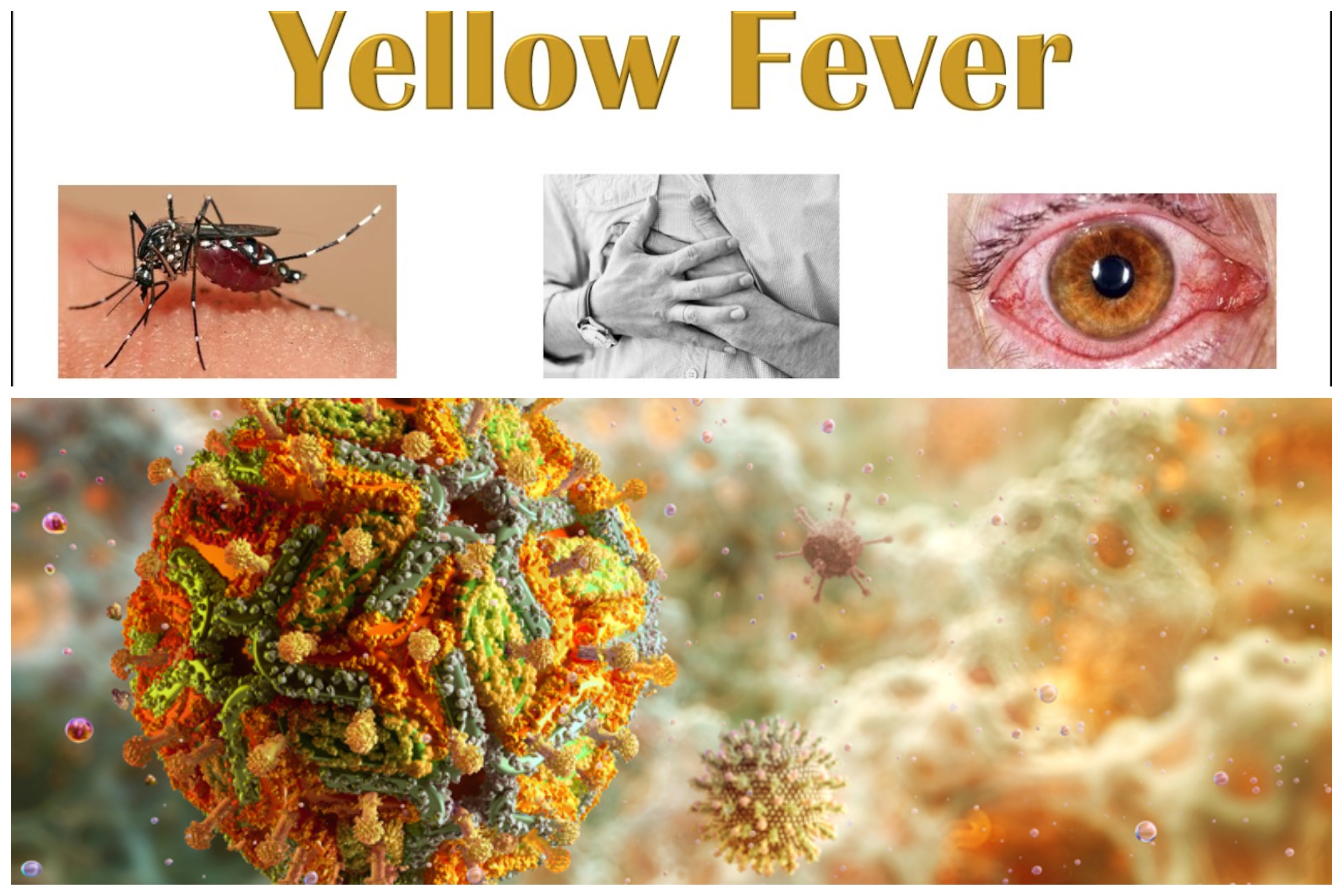
Mosquitoes are mostly famous because of the many different sicknesses they can carry from person to person. Unlike most bugs that just cause a little bit of itching, certain types of mosquitoes carry serious infections that have changed the course of human health for centuries. Some of the most well-known diseases include malaria, yellow fever, the Zika virus, and West Nile virus. Health experts explain that these mosquito-borne illnesses make up a huge portion of all infectious diseases around the world. Every year, millions of people get sick, especially in warm, tropical places where the weather stays perfect for mosquitoes to live and grow.
Our scientific understanding of how these insects spread germs started to really grow in the late 1800s. A major breakthrough happened in 1897 when a British doctor named Ronald Ross proved that mosquitoes were the ones moving malaria parasites between humans. This discovery completely changed medicine and led to new ways to protect people, like using bug sprays or draining stagnant water. Today, out of the more than 3,500 different types of mosquitoes, only a small handful actually spread diseases to humans. However, because those few are so dangerous, scientists spend a lot of time and money using vaccines and special nets to keep people safe from them.
The Little Fly Name

The actual word “mosquito” has a pretty interesting history that shows how people first viewed the insect. The name comes from the Spanish and Portuguese languages, where it literally translates to “little fly.” Back in the day, early explorers and travelers used this name to describe the tiny, buzzing bugs they ran into while visiting warm, sunny parts of the world. At that time, nobody really knew that these small flies were capable of carrying deadly diseases. Because of this, the name actually sounded somewhat cute or harmless, focusing more on the insect’s tiny physical size rather than the massive danger it would later represent.
As time went on and we entered the 19th and 20th centuries, the meaning of the word started to feel a lot more serious. As medical experts learned more about how people were getting sick, they realized that this “little fly” was actually a major threat to public health. The contrast between its soft-sounding name and its deadly nature is quite a surprise. Today, the word is used in everything from serious scientific papers to everyday chats on the porch. Even though the name started out simple and small, it now carries a huge global reputation for being a risk, proving that even the smallest words can gain a lot of weight over time.
Ancient Survivors

Mosquitoes aren’t just famous for the way they affect us today; they are also incredible survivors that have been around since long before humans. Based on fossils found by scientists, mosquitoes have lived on Earth for at least 100 million years. This means they were buzzing around during the time of the dinosaurs. Some of the coolest discoveries are ancient mosquitoes stuck inside amber, which is hardened tree sap. These fossils show that prehistoric mosquitoes looked almost exactly like the ones we see today, meaning they found a physical design that worked perfectly and they haven’t needed to change it much since the Cretaceous period.
Their ability to adapt to almost any environment has helped them survive massive changes in the Earth’s climate. While many other animals went extinct over millions of years, mosquitoes kept evolving and moved to almost every continent on the globe. Currently, there are over 3,500 known species living in places ranging from deep tropical jungles to busy city centers. This long history is exactly why they are so hard to get rid of today. Over millions of years, they have developed very tough eggs and smart ways to find food. Their long-term success across geological history makes them one of the most resilient and enduring insects to ever live on our planet.
Jurassic Park Myth
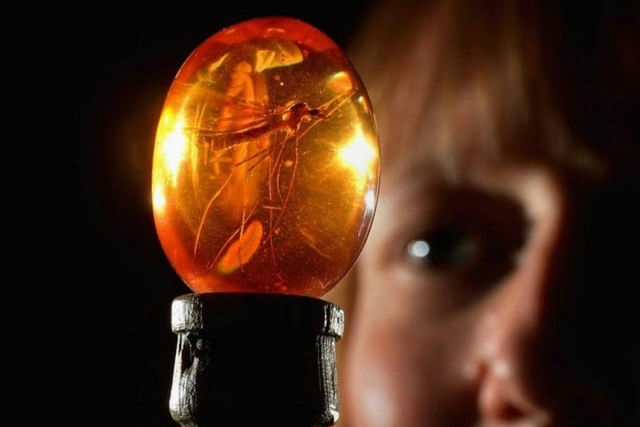
One of the most famous appearances of a mosquito in a movie happened in 1993 with the release of the blockbuster film Jurassic Park. The movie made a very cool idea famous: that scientists could bring dinosaurs back to life by taking DNA out of a mosquito that had been trapped in amber for millions of years. In the story, the mosquito bit a dinosaur, got stuck in tree sap, and preserved the dinosaur’s blood inside its body. While this made for a very exciting movie, real-life scientists were quick to explain that this wouldn’t actually work in the real world because of how biology behaves over long periods of time.
The main problem is that DNA is very fragile and breaks down as time passes. After millions of years, the genetic code would be way too damaged to use for cloning anything. Even if a few pieces of DNA survived, there wouldn’t be enough information to build a whole dinosaur from scratch. Despite the science being a bit off, the image of a mosquito in a golden piece of amber became a legendary part of pop culture. Museums and schools often use the movie as a fun way to talk about the limits of genetics. Thanks to Hollywood, the mosquito became the “star” that helped people imagine a world where giants walked the Earth again.
Mozzies Around The World
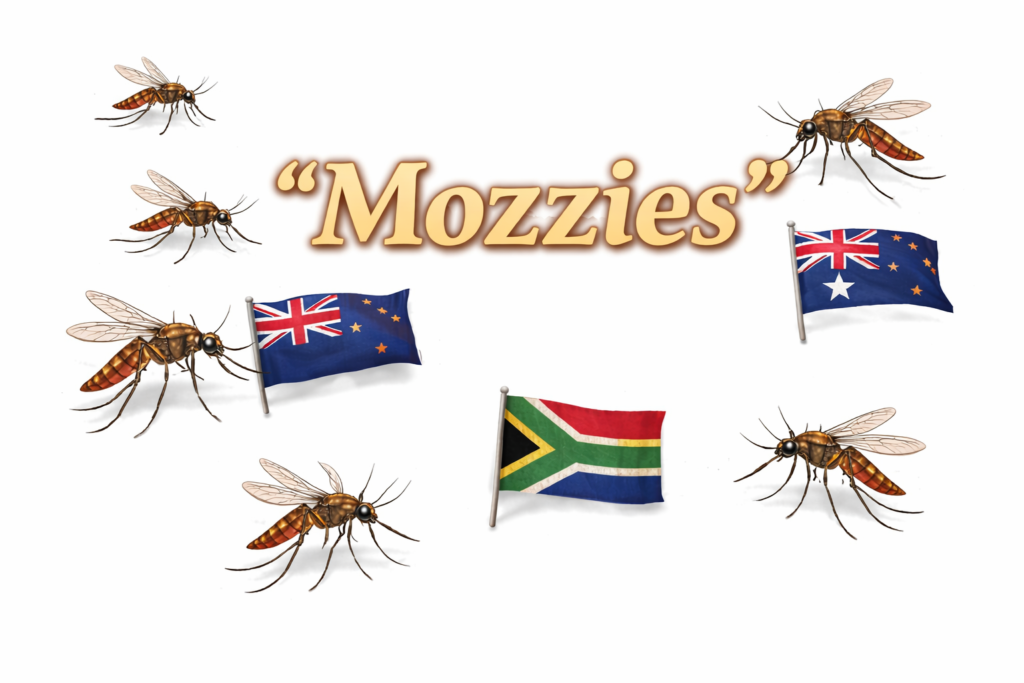
In many different parts of the world, people have come up with funny or creative nicknames for mosquitoes. In places like Australia, New Zealand, and parts of South Africa, they are commonly called “mozzies.” This casual, shortened name shows how much a part of everyday life these insects really are. You’ll hear the word used in casual talk, see it in travel guidebooks, and even find it in official health warnings about the bug season. While the nickname might sound a bit friendly or cute, it usually describes a feeling of total annoyance, especially during the hot summer months when the mosquito population explodes.
These local names show how deeply the insects are woven into the culture of different countries. In areas that get a lot of rain or have tropical weather, kids grow up hearing constant reminders to put on bug spray or sleep under protective nets. The name “mozzies” is a mix of being used to them and being tired of them at the same time. It also shows how our language changes based on what we deal with every day. Over many years, these informal names become a part of the local identity.
The Celebration of Bite Contest
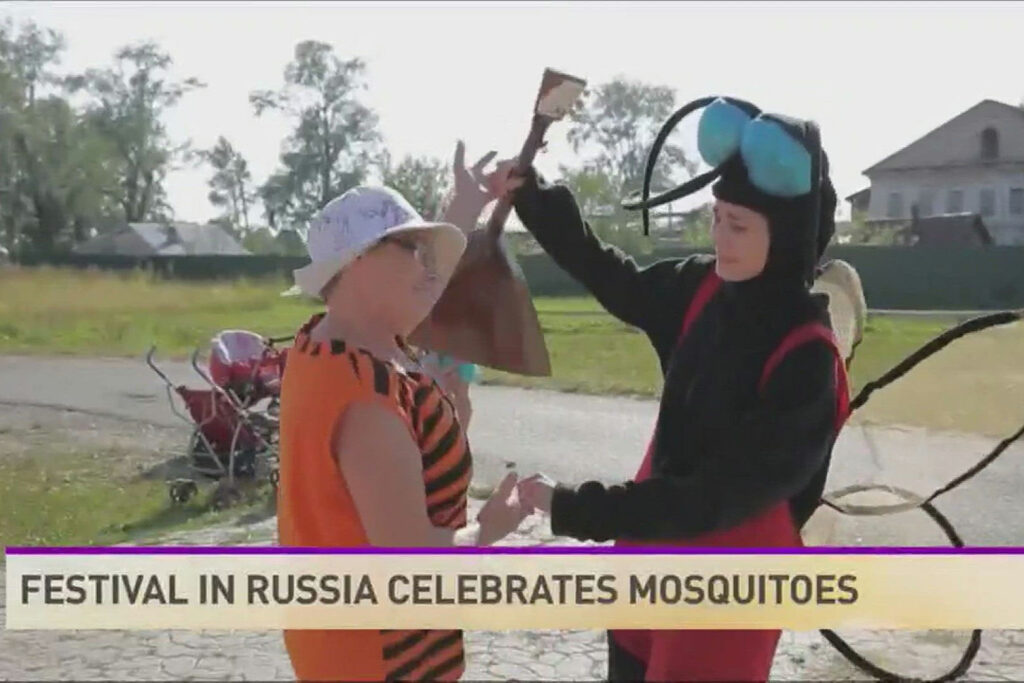
There are a few events that show just how weird our relationship with mosquitoes can be, especially when it comes to local festivals. One of the strangest examples happens in the Russian city of Berezniki. They hold a festival that includes a competition to see who can get the most mosquito bites. Participants often wear short clothing and stand still for about twenty minutes in an area full of mosquitoes while judges count up the red bumps on their skin. The person who ends up with the highest number of bites is declared the winner of the contest.
While this might sound like a painful way to spend an afternoon, it is actually part of a big celebration for the local environment. It shows the tough spirit of the people who live in places where mosquitoes are a huge part of summer life. Instead of just being upset about the bugs, the community turns them into a reason to get together and have a laugh. These types of festivals often get a lot of attention from the news and attract curious tourists who want to see the spectacle for themselves.
Legends of Revenge
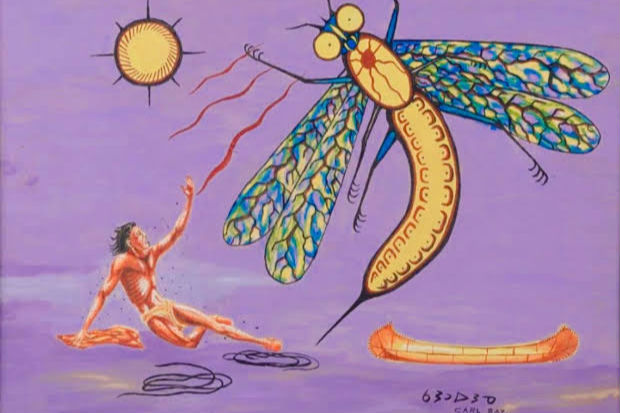
Long before we had microscopes and science to explain how mosquitoes work, different cultures made up creative stories to explain why they exist. In some Native American and Siberian legends, people believed that mosquitoes were born from the ashes of defeated giants. According to these old tales, there were once mean giants who bothered humans constantly. When the humans finally won the battle and burned the giants, their ashes blew into the wind and turned into swarms of tiny mosquitoes. This was seen as a way for the giants to keep bothering people, just in a much smaller and more annoying form.
These legends show how humans have always tried to make sense of why such tiny creatures can be so bothersome. The idea that mosquitoes used to be giants helped explain why they are so persistent and why they never seem to give up. These stories were told out loud for hundreds of years before anyone ever wrote them down in books. Today, historians and scientists look at these tales to see how early societies viewed the natural world around them. It reminds us that mosquitoes have been a part of human imagination and storytelling for a very long time, long before we knew the scientific details of their biology.
Buzzing Ear Folktale
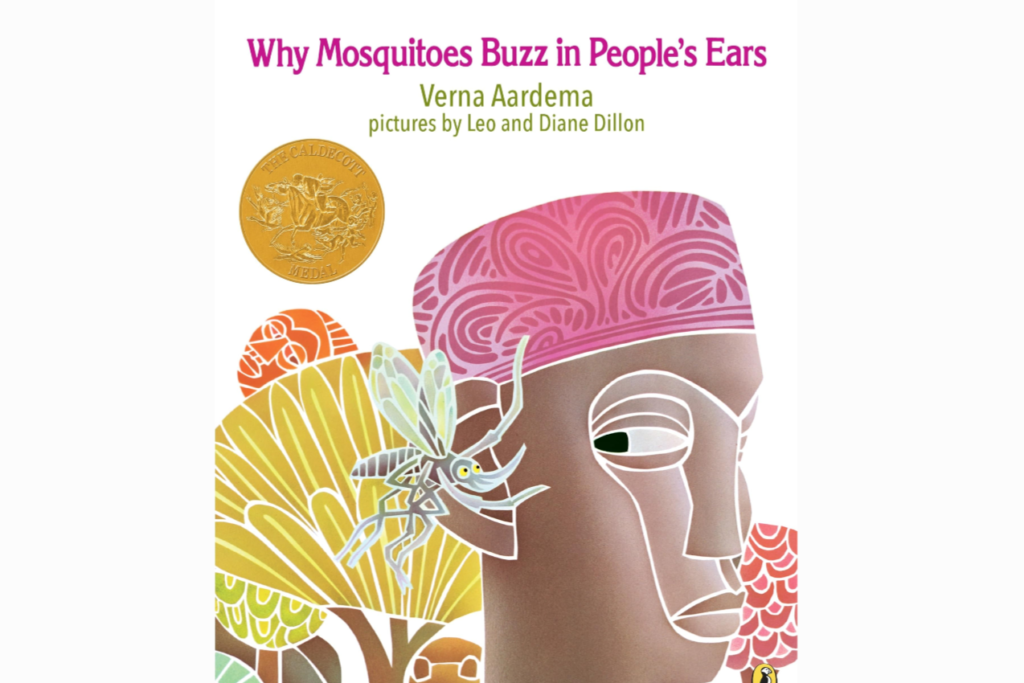
One of the most famous stories about mosquitoes comes from West Africa and explains that annoying sound they make near your head. This story became a global hit after it was published in the 1975 children’s book Why Mosquitoes Buzz in People’s Ears by Verna Aardema. In the tale, a mosquito tells a silly lie to an iguana, which starts a big chain reaction of mistakes among all the animals in the forest. Eventually, the whole jungle is in a mess because of one small rumor started by the tiny insect.
By the end of the story, the mosquito feels so bad about all the trouble it caused that it hides away in shame. The legend says that mosquitoes buzz in people’s ears today because they are still trying to ask if everyone is still mad at them for the big mistake they made long ago. The story is a fun way to teach kids about the dangers of gossip and how small actions can have big consequences. It has become one of the most loved animal stories in schools and libraries. Because of this book, the mosquito is known by children everywhere as a character that teaches a very important life lesson.
The Holy Mosquito
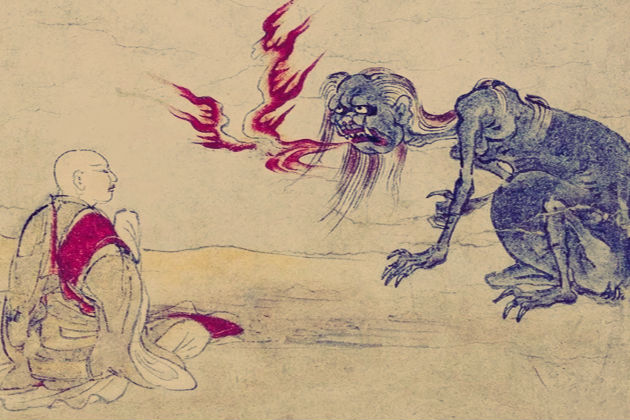
In Japan, mosquitoes have a unique place in spiritual stories linked to ancient Buddhist beliefs. Some traditional views connect these insects to the idea of “hungry ghosts,” known as pretas. In Buddhist teachings, these are spirits trapped in a state of constant hunger and thirst as a result of being greedy or selfish in a past life. Because mosquitoes spend their entire lives searching for blood and never seem satisfied, some storytellers saw them as a perfect symbol for these restless, suffering spirits.
While these spiritual ideas were not believed by everyone, they show how different cultures tried to find a deeper meaning behind the insect’s annoying behavior. To people long ago, the way mosquitoes appeared in endless swarms, always hunting for their next meal, felt like a powerful lesson about human desire and its consequences. Even though modern science now explains exactly why mosquitoes need blood to survive, these old stories remain a fascinating part of cultural history. They prove that even a tiny pest can influence the way people think about life, death, and the spirit world.
Wooden Wonder Aircraft
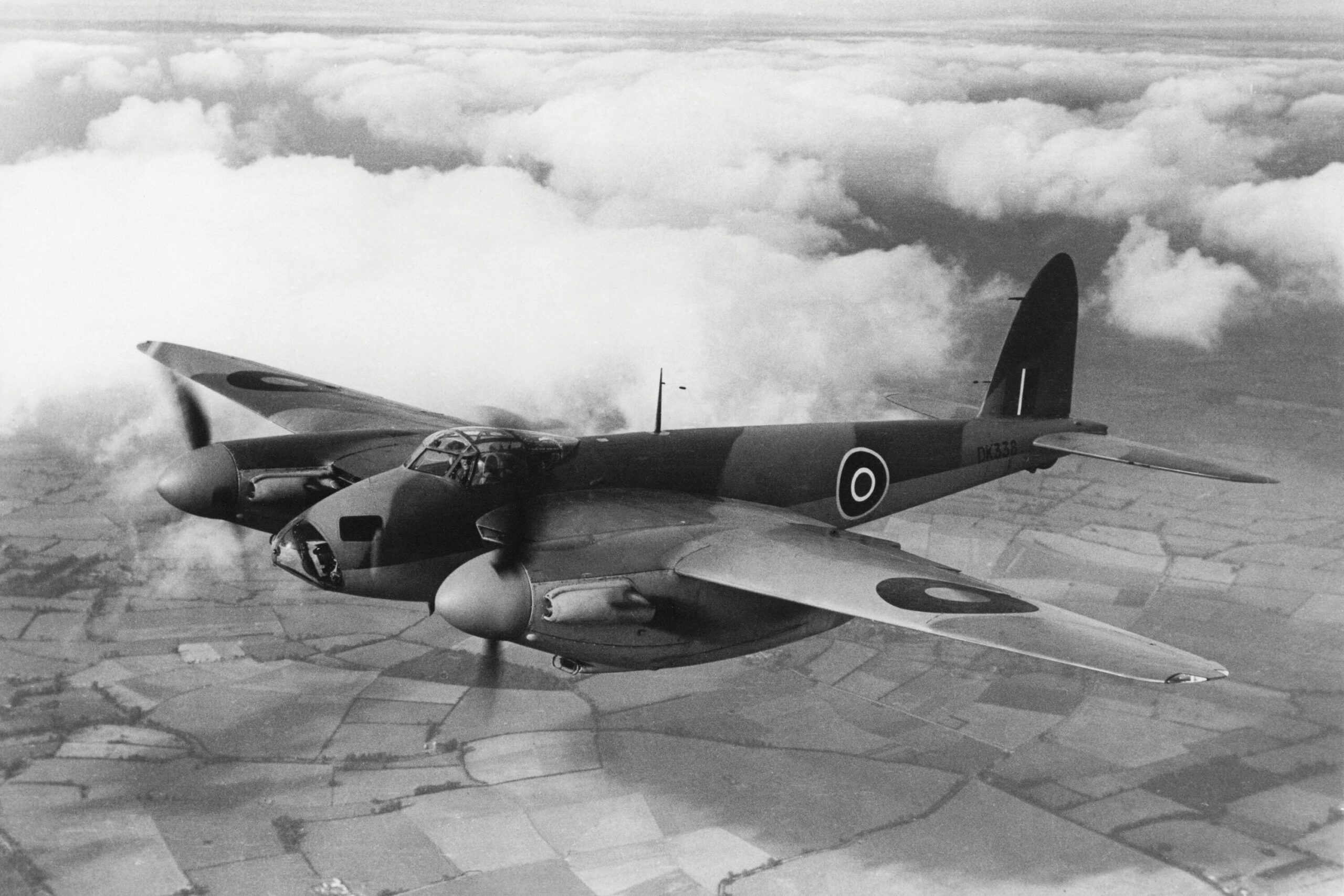
One of the most surprising ways the mosquito name became famous has nothing to do with bugs at all. During the Second World War, Britain created a truly amazing airplane called the de Havilland Mosquito. This fast and powerful warplane first took to the skies on November 25, 1940, and it quickly became a legend among pilots. What made it special was its construction; while most military planes were made of metal, the Mosquito was built almost entirely out of wood, using layers of plywood and balsa. This unique design earned it the famous nickname “The Wooden Wonder.”
Despite being made of wood, the aircraft was incredibly effective and fast. It was used for many different jobs, including acting as a bomber, a night fighter, and a scout plane. In fact, the early versions were so fast that they didn’t even carry guns for defense because they could simply outrun any enemy plane that tried to catch them. Between 1940 and 1950, more than 7,700 of these aircraft were built, playing a huge role in the missions flown across Europe. The success of this “Wooden Wonder” gave the mosquito name a brand-new reputation for speed and bravery in the middle of a global conflict.
Haiti’s Historic Impact
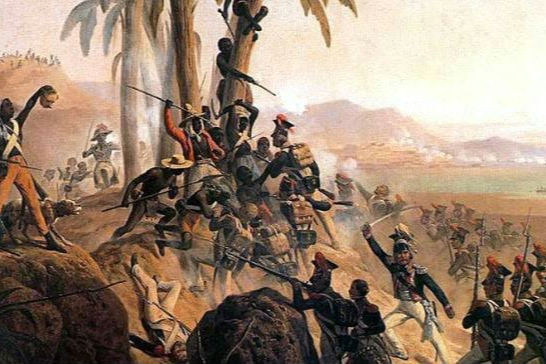
It might be hard to believe, but mosquitoes have actually changed the map of the world. One of the most famous examples happened in the early 1800s during the Haitian Revolution. In 1802, the famous French leader Napoleon Bonaparte sent a massive army to the Caribbean to try and take back control of the colony of Saint-Domingue, which we now know as Haiti. The French soldiers were very well-trained and expected to win the fight quickly, but they ran into a hidden enemy they couldn’t defeat: yellow fever.
This deadly disease, which is spread by mosquitoes, absolutely devastated the French troops. Historians believe that tens of thousands of soldiers died from the sickness in a very short amount of time. These losses were so heavy that France had to give up its plans for the colony, and Haiti became the first independent Black republic in 1804. Because of this failure, Napoleon also decided to sell a huge piece of land called the Louisiana Territory to the United States in 1803. In this way, a tiny insect played a secret but massive role in the history of North America.
Science’s Favourite Pest
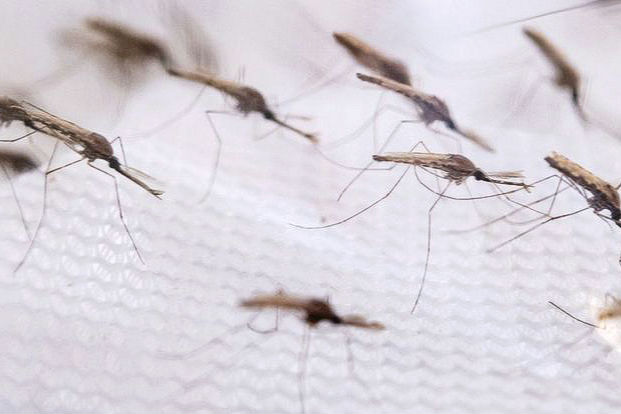
Even though most people really dislike mosquitoes, they are actually some of the most studied creatures on the planet. Scientists have been looking at their life cycles and genetics for over a hundred years to understand how they work. While there are over 3,500 different types of mosquitoes, only a tiny group of them actually spread diseases to humans. These specific groups, like the Anopheles and Aedes mosquitoes, get a huge amount of attention because of their roles in spreading malaria and the West Nile virus.
Today, high-tech labs use very advanced tools to study mosquitoes at a microscopic level. Researchers look at their DNA to see how they smell humans and are even working on ways to change their genetics to stop them from spreading germs. Some modern projects even involve releasing special mosquitoes that can’t have babies, which helps naturally shrink the population in dangerous areas. Because these insects affect the health of so many people worldwide, governments spend a lot of money on this research. In a strange twist, being a “jerk” has made the mosquito one of the most important animals for modern medical science.
The Blood Type Magnet

Many people feel like they get bitten by mosquitoes way more than their friends do, and it turns out there might be a scientific reason for that. Researchers have spent years looking into whether our blood type makes us more “tasty” to these insects. Some studies have found that people with Type O blood are bitten much more often than people with Type A or Type B. In tests where mosquitoes were given a choice between different people, they seemed to land on the Type O group about twice as much as the others.
However, scientists are quick to point out that blood type isn’t the only thing that attracts them. Mosquitoes are like tiny high-tech sensors; they also look for body heat, the carbon dioxide we breathe out, and even the smell of our sweat. Certain colors of clothing or the types of bacteria living on our skin can also make a big difference in who gets targeted. So, while having Type O blood might make you a “mosquito magnet,” it is actually a combination of many different things that tells the insect where to land. It remains one of the most talked-about facts whenever people gather outside for a summer barbecue.


