
1. The Overbooking Reality
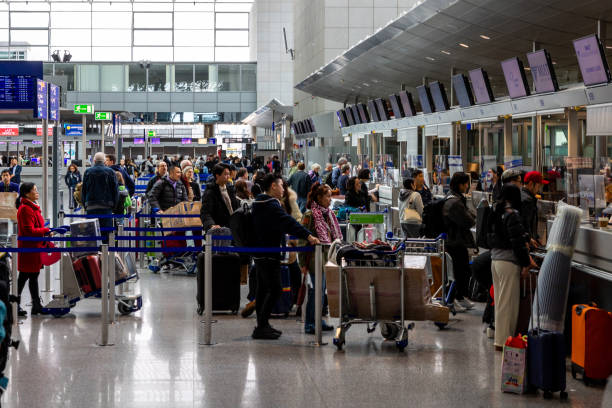
You may not notice it when you book your ticket, but airlines almost always sell more seats than exist on the plane. It sounds unfair at first, but it is actually based on patterns. People cancel, miss flights, or change plans, and airlines rely on that behavior to avoid flying with empty seats. As one industry explanation often puts it, “overbooking helps keep fares lower by ensuring planes fly full.” So the problem starts before you even get to the airport.
When everyone shows up, things get complicated. The airline now has more passengers than seats, and someone has to give way. At this stage, they do not force anyone off immediately. Instead, they begin by asking for volunteers. You may have heard those announcements offering vouchers or cash. That is the airline’s first and most preferred solution. If enough people step forward, no one gets bumped unwillingly, and things stay calm. But if no one volunteers, the decision shifts from choice to criteria. That is where the real sorting begins, and it is less personal than it feels in the moment.
2. Check In Timing Matters
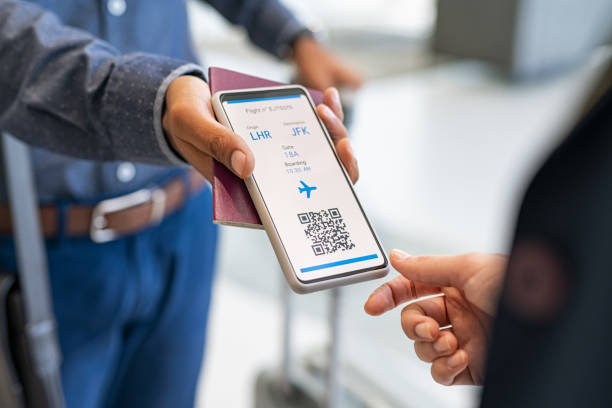
It might seem like a small detail, but the time you check in can quietly shape your chances of keeping your seat. Airlines keep track of when passengers confirm their presence, whether online or at the airport. In many cases, those who check in later are seen as more flexible, or at least less committed, than those who checked in early. There is a common industry idea that “last to check in may be first considered,” and while it is not always stated outright, it plays a role in decision making. Early check in signals certainty. It tells the airline you are very likely to show up and expect your seat. Late check in, on the other hand, introduces a bit of uncertainty, even if that is not your intention.
This does not mean checking in early guarantees safety, but it does move you slightly up the list of people the airline prefers to keep on board. It is one of those small habits that quietly works in your favor. So while it feels routine, that quick tap to check in the night before your flight is actually doing more than saving time. It is giving you a stronger position if things get tight.
3. Ticket Type and Price
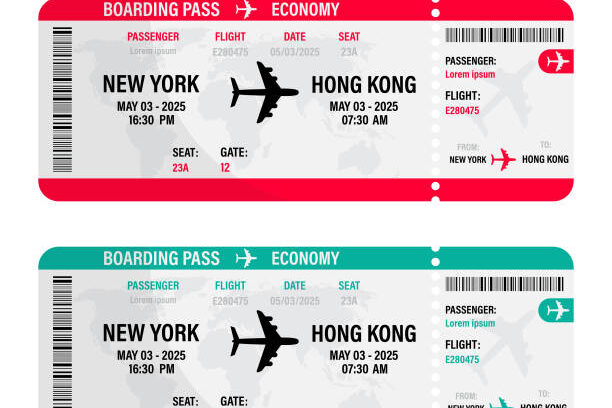
Not all tickets are treated the same, even if everyone ends up on the same plane. Airlines divide fares into categories, and those categories influence who gets priority when seats run out. Generally, passengers who paid more for flexible or premium tickets are less likely to be bumped compared to those on basic or discounted fares. There is a straightforward logic behind this. Higher fare passengers often have more flexibility, better loyalty status, or business travel needs. As one airline policy summary puts it, “customers with higher fare classes and elite status are given priority during irregular operations.” It is not about fairness in a personal sense, but about protecting the airline’s most valuable bookings.
If you booked the cheapest ticket available, you are not being singled out, but you are in a group that is easier for the airline to move. These tickets often come with stricter rules and fewer protections, which quietly extends to situations like overbooking. It is a reminder that price is not just about the seat itself. It also reflects how secure that seat is when demand suddenly outweighs space.
4. Frequent Flyer Status
Loyalty matters more than you might think. If you have ever stuck with one airline over the years, those miles and status levels are not just perks for upgrades or lounge access. They also act as a kind of protection when flights are oversold. Passengers with frequent flyer status are often placed higher on the priority list. Airlines see them as long term customers, and keeping them satisfied carries more weight. A typical industry explanation notes that “elite members are prioritized during rebooking and denied boarding situations.” It is a quiet reward for consistency.
For someone without status, it can feel like an invisible line exists. Two people may have similar tickets, but the one with loyalty status is more likely to stay on the flight. It is not personal, just part of how airlines manage relationships over time. If you travel often, this is where loyalty starts to pay off in ways that are not always advertised. And if you do not, it helps explain why some people seem to move through disruptions more smoothly than others.
5. Final Call Decisions
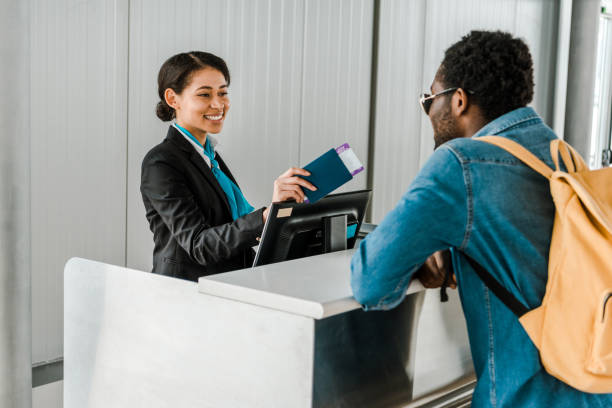
When it comes down to the last few seats, the process becomes more structured and, at times, more difficult. If not enough volunteers come forward, airlines follow internal guidelines to decide who will be denied boarding. This can include check in time, fare class, loyalty status, and sometimes even special needs or travel circumstances. Airlines are required to follow certain rules, especially in the United States, where compensation and fairness are regulated. You might hear something like, “passengers denied boarding involuntarily are entitled to compensation,” which is meant to balance the inconvenience. Still, being bumped is never pleasant, even with compensation.
In the end, it is less about a single reason and more about a combination of factors quietly working together. It may feel random at the gate, but there is usually a checklist behind the scenes guiding every decision. And maybe that is the simplest way to see it. Not as a personal setback, but as part of a system trying to juggle people, schedules, and expectations all at once.
6. Health and Special Needs Considerations
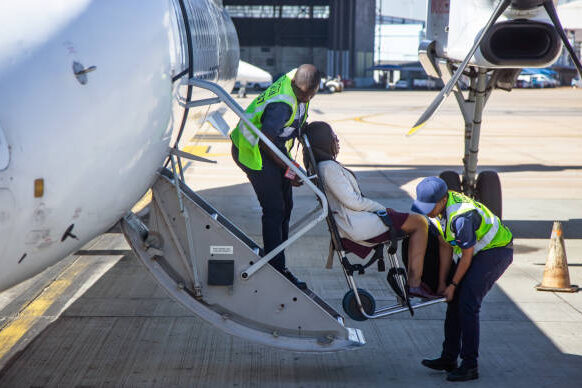
Airlines are careful when it comes to passengers with health issues or special needs, and this factor can influence who stays on board and who might be asked to give up a seat. Passengers requiring medical assistance, traveling with infants, or needing extra support usually get priority. It’s part of the airline’s duty of care and also a reflection of practical necessity someone who cannot easily wait or travel later is treated differently from those who can adapt.
This doesn’t mean everyone else is being ignored; it simply means that in the final shuffle, airlines try to protect those who may face greater difficulty if delayed. Staff are trained to identify these passengers quickly during check in or at the gate. If you’ve ever watched a family with a stroller or someone using a wheelchair board first, you’ve seen this in action. It may feel invisible to many, but for those affected, it’s life-changing. Understanding that these rules exist can also help passengers feel less frustrated if they are asked to volunteer or move seats, knowing the process has a considerate side that goes beyond fare classes or loyalty points.
7. Flight Connection Timing
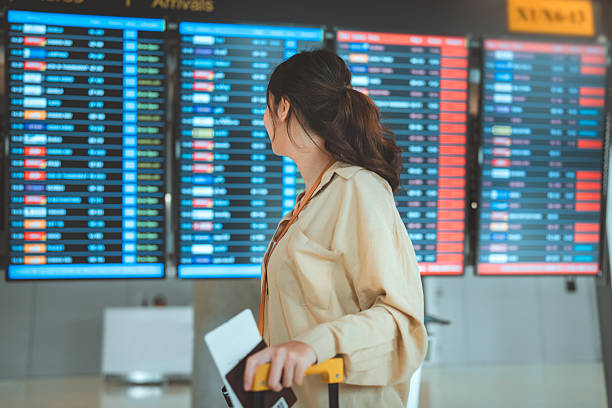
When airlines decide who to bump, one of the hidden factors is how your travel schedule fits into the larger network. If you have a tight connection, the airline may prioritize keeping you on your flight so you don’t miss the next leg. Conversely, passengers with flexible schedules or multiple alternative options might be more likely to be asked to wait or take a later flight.
Airlines track the ripple effect of delays across many flights. If moving one passenger avoids a chain of missed connections for others, they often make that choice. This isn’t personal; it’s about minimizing disruption across thousands of travelers. If you’ve ever been rerouted, the airline may have been trying to keep the overall system flowing rather than focusing only on your inconvenience. Understanding this helps make the experience a little easier to digest. While it can feel unfair in the moment, it’s part of the airline’s complex balancing act, trying to keep planes full, passengers moving, and schedules intact. Being aware of this can even help you plan connections more safely in the future.
8. Group and Family Travel
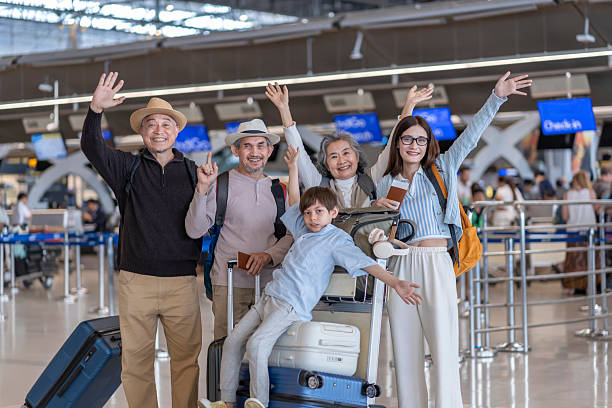
Flying with family or a group can also affect your odds of being bumped. Airlines usually try to keep groups together, especially when children are involved. That means a single passenger traveling alone might be more flexible in the system if space becomes tight. On the other hand, a family of four or a tour group may be prioritized to ensure no one is separated, which can influence final seating decisions.
Gate agents and staff are trained to manage these dynamics subtly. They balance fairness with logistics, aiming to keep the largest number of people happy while minimizing disruptions. Sometimes, if a group is willing to switch flights, the airline may incentivize them first, but smaller parties often get fewer options. This is another reason why volunteering early can help avoid surprises at the gate. While it might feel like chance is at play, it is more about patterns and priorities designed to move people safely and reasonably. Observing these patterns can make your next group trip feel less stressful and more manageable when flights are full.
9. Standby and Last-Minute Tickets
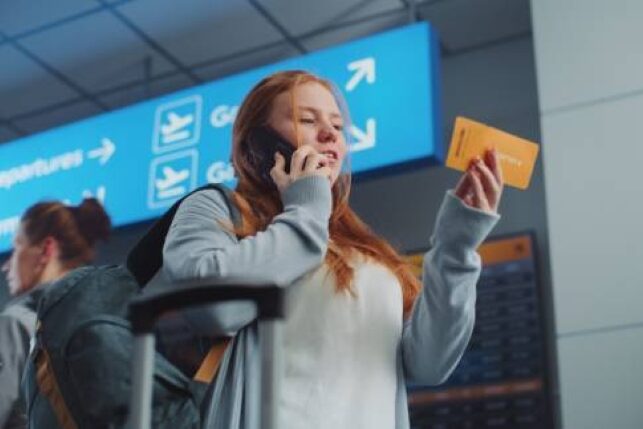
Passengers flying standby or holding last-minute tickets are usually the first considered for voluntary or involuntary moves when flights are oversold. Airlines view these tickets as flexible, which is why those travelers often get approached with offers first. Standby tickets, after all, are based on availability, and the airline can move these passengers with minimal disruption to others.
Being on standby isn’t a penalty, it’s a choice for those seeking cheaper fares or flexible schedules, but it comes with trade-offs. Travelers in this category can plan accordingly by arriving early and being ready to adjust, knowing that full flights may require shifts. Understanding this system also helps reduce anxiety; it’s not random unfairness but a reflection of the ticket type you chose. Preparing for this reality with a flexible mindset and early check-in can make the experience smoother, even enjoyable, because you know the rules before you arrive at the gate.
10. Incentives and Volunteering Strategies
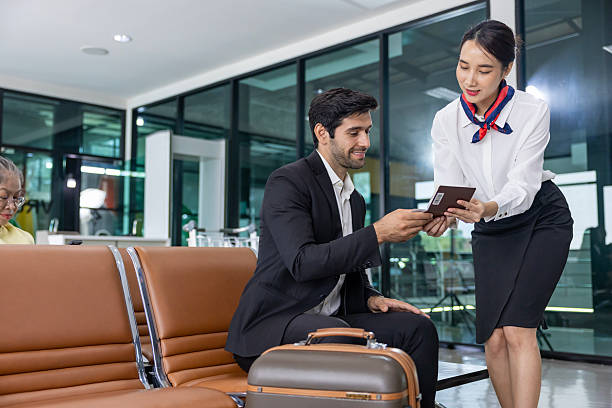
Sometimes the most human part of bumping decisions is the negotiation at the gate. Airlines often offer travel vouchers, meal credits, or hotel accommodations to passengers willing to take a later flight. This approach allows travelers to make their own choice, turning what could be an uncomfortable situation into an opportunity. People often find themselves weighing a few hours of delay against a voucher that can pay for a future trip, and many happily volunteer.
The key is that volunteering is mutually beneficial. The airline fills its plane and avoids disruption, while you gain a reward for flexibility. Observing this interaction can even make the airport feel more cooperative than chaotic. It’s a reminder that behind every overbooked flight, there are people making decisions with practical reasons, balancing schedules, loyalty, ticket rules, and simple human needs. If you ever face this, approach the gate with a calm mindset and consider the incentives offered. They may turn an inconvenience into a surprisingly positive outcome and even make your next flight feel less stressful.


