
1. Quiet Shifts In Everyday Life

Sometimes change arrives quietly and we barely notice until routines feel different. As we look toward 2026 life seems to soften around the edges and our habits begin to shift. This first entry sets the scene because daily life is being rewritten in small gentle ways. We see tools becoming more personal, errands easier, and choices calmer. Nothing feels dramatic, yet the direction is clear and comforting. The future feels close, almost familiar, like a friendly voice guiding us forward while we continue our ordinary days with a little more ease as we slowly adjust and grow into the changes.
2. Work Finds A New Rhythm

Work is often the first place we feel quiet shifts. In 2026 work becomes less about a desk and more about rhythm. People spread tasks across the day, fitting calls between errands and moments of rest. Managers focus on results instead of hours. Commutes shrink, and homes feel calmer. It does not happen overnight, but the pattern settles in and feels natural. Little by little we learn to build days that support energy and family, and the office becomes only one part of a wider picture that actually makes sense for how we choose to live and work each day.
3. Homes Learn Our Habits
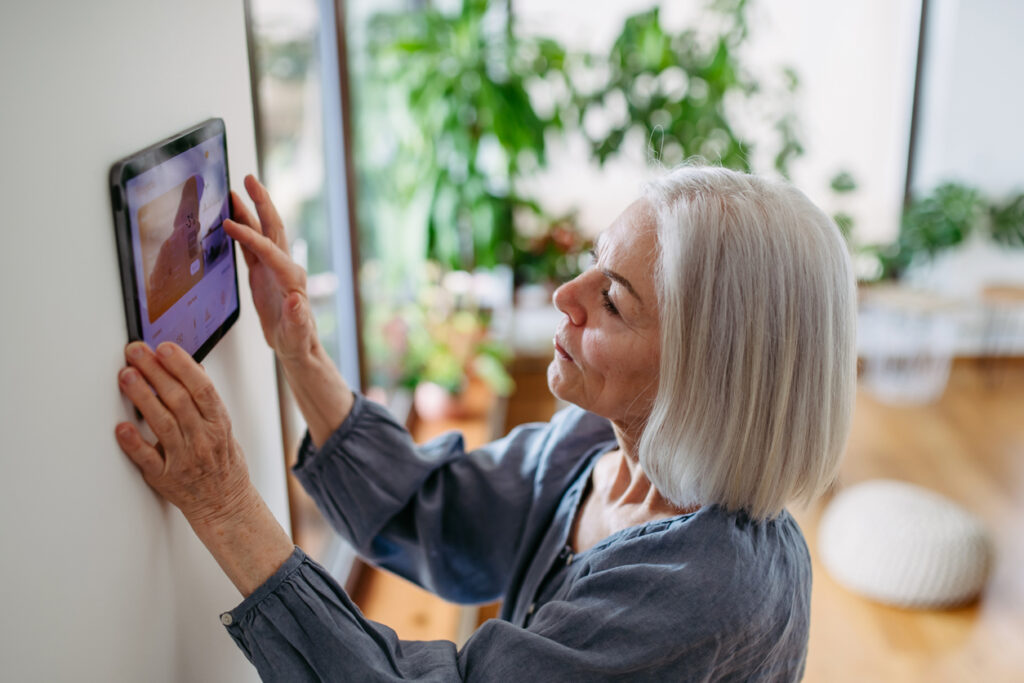
Homes are starting to feel like gentle helpers instead of silent walls. By 2026 many houses quietly adjust lighting, climate, and reminders around our routines. Doors lock when evenings settle, appliances save energy, and simple alerts prevent small worries. None of it feels like showy technology. It is more like subtle care in the background. We still decide, but the home suggests, and that guidance frees time for meals, conversation, and rest. Over time the house becomes a partner in daily living, supporting comfort and safety without asking us to think about every single detail through each ordinary day ahead.
4. Health Comes Closer To Home
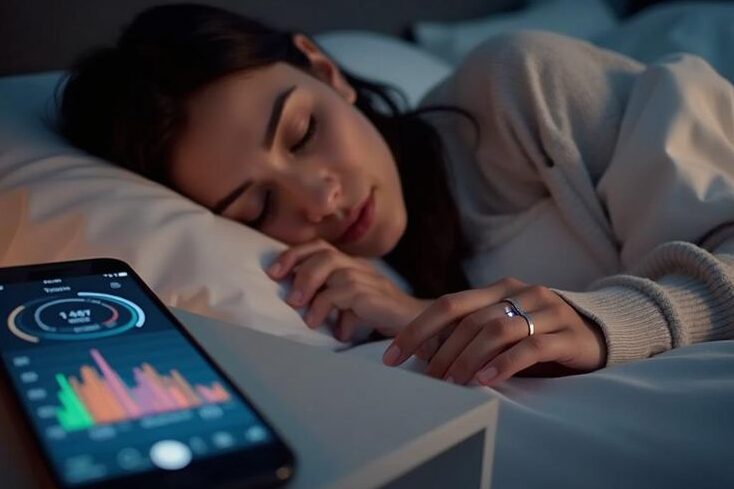
Health is moving closer to everyday life in quiet ways. By 2026 many people use simple tools that track sleep, steps, and heart trends so problems are noticed sooner. Instead of waiting until illness forces an appointment, small reminders encourage rest, stretching, water, and calm breathing. Doctors still guide important choices, yet visits feel smarter because information tells the story. This approach feels gentle rather than scary. It helps us stay aware without worrying all the time, and it gives a steady sense that caring for our bodies can be part of normal routine through mornings afternoons evenings and nights.
5. Rooms Feel More Welcoming
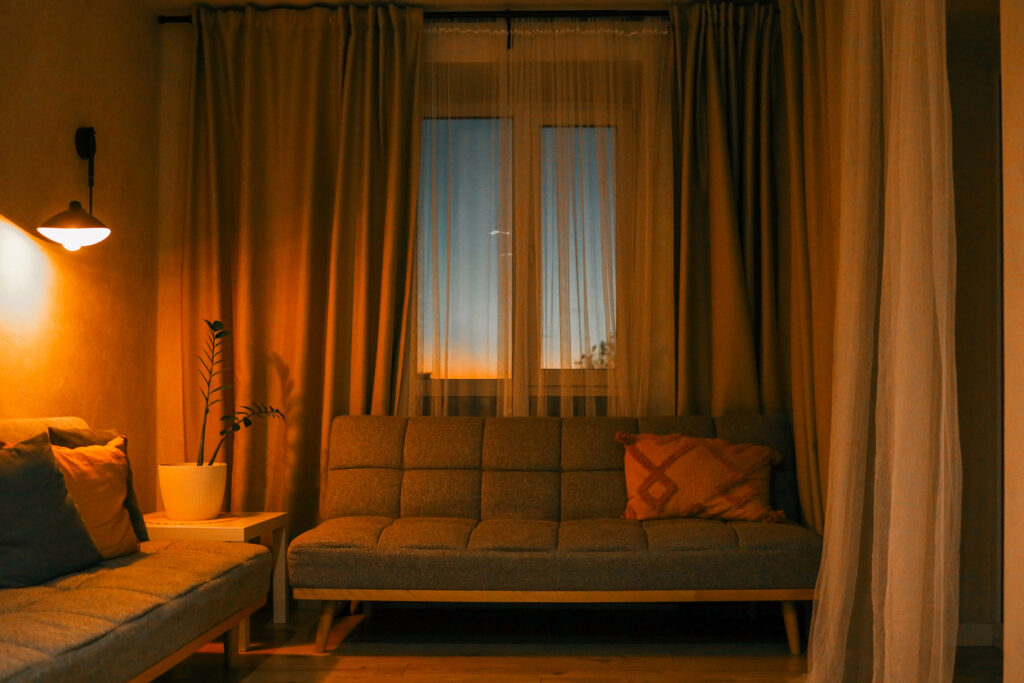
Rooms are beginning to feel warmer and more personal again. By 2026 many people choose cozy textures, plants, and colors that calm the senses. Instead of chasing every new trend, we mix favorite pieces with simple touches that tell family stories. Living rooms invite conversation. Bedrooms feel restful. Kitchens hold laughter. None of it is perfect, yet it feels welcoming after long days. The shift is quiet, but it matters because home becomes a place that restores energy and helps us slow down. We notice ourselves breathing easier and enjoying the moments we share with people we love so much.
6. Money Habits Grow Mindful
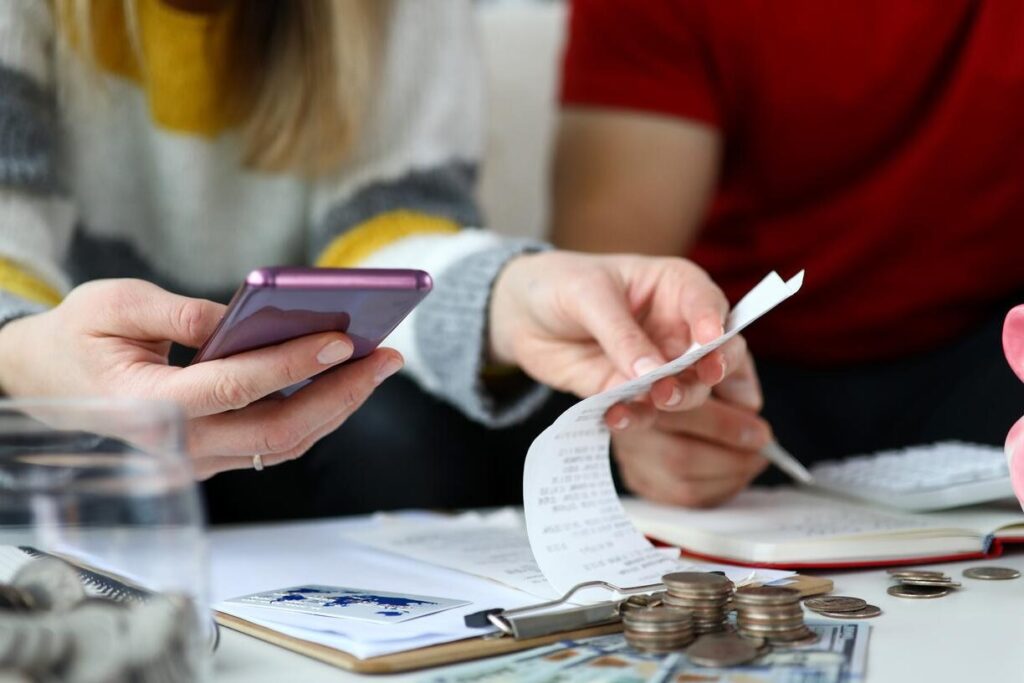
Money habits are changing in steady practical ways. By 2026 many families review spending more often and choose goals with intention. Fewer impulse purchases, fewer forgotten subscriptions, and more saving for needs create calm. Budgets become tools that support freedom instead of guilt. We pause before buying and ask whether something truly adds value. Over time that question builds confidence. It does not make life perfect, but it makes the future feel less uncertain and gives everyday choices a sense of purpose that brings quiet peace as weeks pass and we see our plans slowly becoming real for our families.
7. Community Grows Through Movement

Community is finding new spaces through movement. By 2026 people meet on walking paths, in dance classes, at parks, and on simple weekend hikes. Talking while moving feels easier than sitting across a table. Laughter comes naturally, and friendships grow without pressure. These gatherings mix wellness and belonging in a way that feels honest. They give us reasons to leave the house, breathe fresh air, and share stories. Over time the habit becomes part of weekly life, and loneliness slowly loosens its hold. We begin to look forward to showing up again and again together because it feels good inside.
8. Fast Food Gets Smarter

Even quick meals are changing in small helpful ways. By 2026 many restaurants use simple digital systems that organize orders and keep lines moving. Paying becomes quicker, menus are clearer, and mistakes happen less often. It does not feel futuristic. It just feels smoother. The goal is not to replace people, but to give them tools that make busy hours easier. Customers spend less time waiting and more time enjoying food with friends, which makes ordinary days feel a bit lighter. Over time we barely remember the slower routine that once tested our patience during long afternoons and evenings together.
9. Short Video Shapes Sharing

Sharing online is turning into quick moving moments. By 2026 short videos carry jokes, lessons, memories, and snippets of everyday life. We scroll and see faces we know, and it feels like small visits throughout the day. Creativity grows because tools are simple. At the same time many people learn to set limits so screens do not swallow every spare minute. Used with care, this style of sharing can inspire connection and leave us smiling long after the phone is put away. We hold onto the best parts and let the rest drift past without losing our real lives completely.
10. Clothes Reflect Comfort And Self

Clothing choices are becoming softer and more personal. By 2026 many people pick fabrics that breathe, shoes that support, and colors that lift the mood. Style still matters, but comfort leads the way. Getting dressed feels easier and kinder, especially on busy mornings. Wardrobes slowly shift toward pieces that work in many settings instead of single occasions. This change may sound small, yet it helps the day start calmly and gives confidence without pressure. We begin to appreciate clothing that supports movement warmth and self expression through everyday tasks from work to rest which makes ordinary moments feel better inside.
11. Shopping Becomes Easier

Shopping is gradually becoming simpler. By 2026 many stores let us order ahead, compare prices easily, and pick up without wandering every aisle. Lists sync across family phones so nothing is forgotten. The experience saves time and reduces stress. It also helps people plan meals and avoid waste. Cashiers and helpers remain important, but the process feels smoother from start to finish. As these habits grow, we notice weekends opening up a little, leaving more room for rest, visits, and hobbies that make life feel balanced and we carry that lighter feeling with us into the week with quiet gratitude.
12. Getting Around Feels Calmer
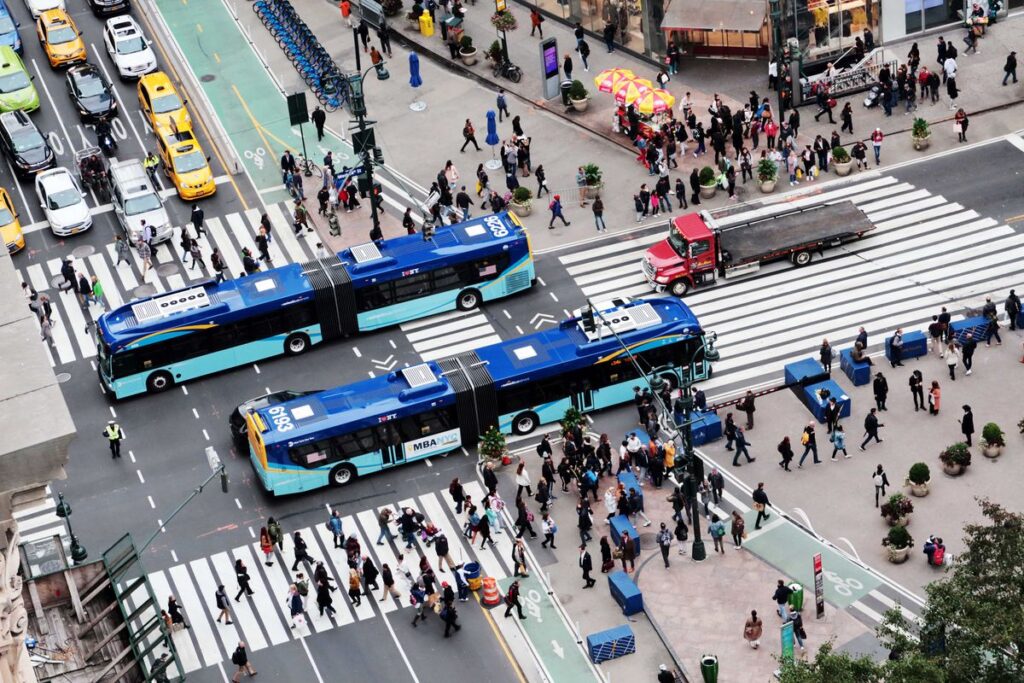
Getting around is slowly changing too. By 2026 more cities improve public transit, add safer bike lanes, and support cleaner vehicles. Trips that once felt stressful begin to feel manageable. People combine walking, buses, and shared rides without thinking much about it. The goal is simple movement that fits different budgets and needs. As choices expand, we gain back time and reduce noise and fumes around neighborhoods. Travel becomes a calmer part of the day instead of a constant frustration. Little improvements add up and make daily routes feel friendlier for families workers and students alike in every season ahead.
13. Learning Flows Through Life
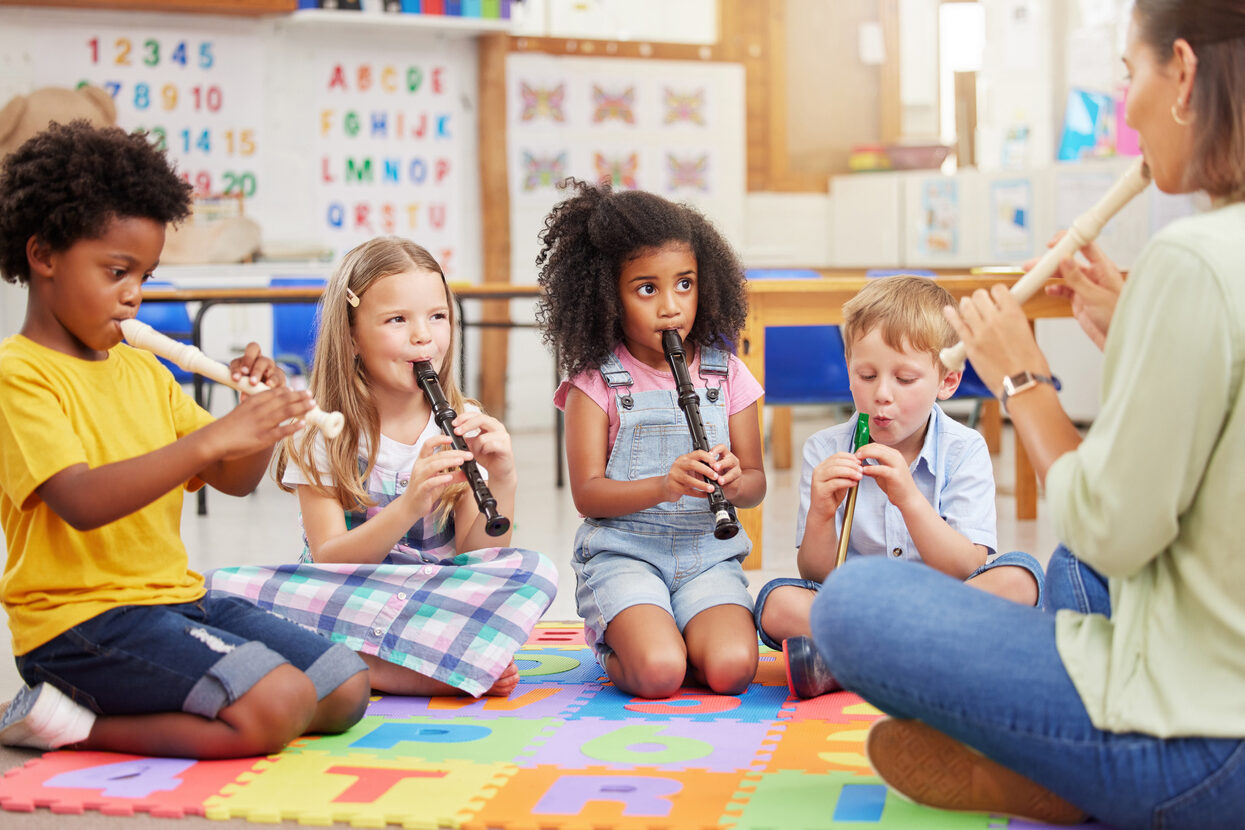
Learning is spreading beyond classrooms in natural ways. By 2026 people pick up new skills through short lessons, community groups, and online courses taken at their own pace. Education becomes something we return to throughout life. Parents learn alongside kids. Workers try new paths. Curiosity guides the process. This gentle approach removes fear and replaces it with possibility. Instead of feeling left behind, more people feel invited back in, ready to grow whenever the moment feels right. That feeling builds confidence and reminds us that learning belongs to everyone at every age around the world in ways that truly matter.
14. Cooking Returns To The Table
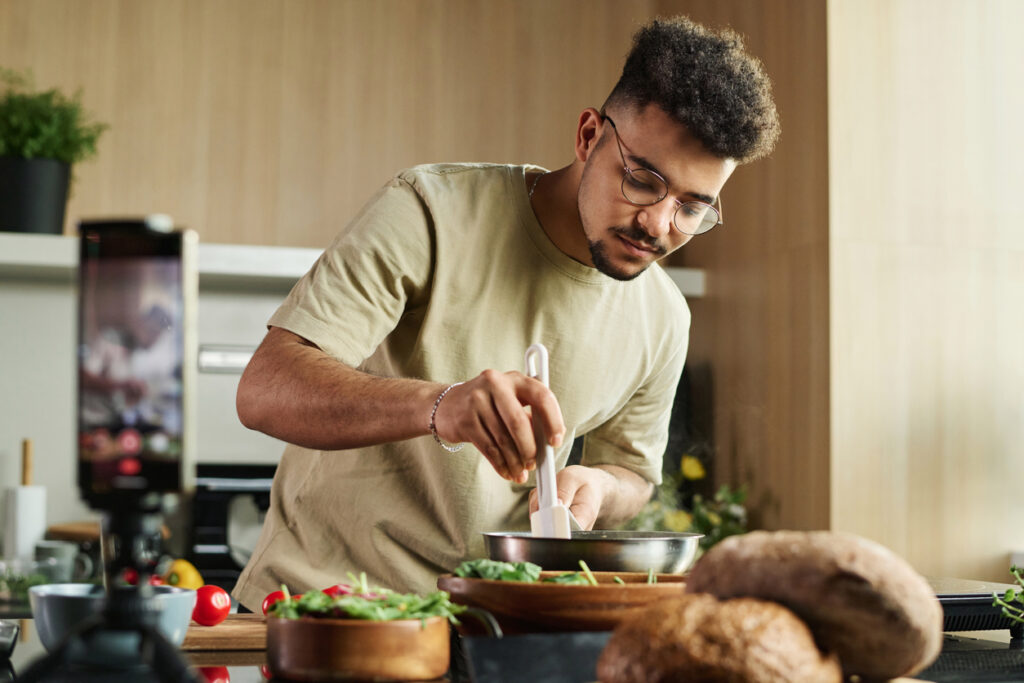
Cooking at home is quietly returning for many households. By 2026 people experiment with simple recipes, batch cooking, and shared meals that save money and bring connection. Kitchens feel active again, not just for storage. Children help stir and taste. Friends bring dishes to share. The table becomes a small anchor in busy weeks. Preparing food together takes time, but it gives back conversation, health, and gratitude. Over many evenings these routines create memories and traditions that feel steady and honest, supporting families in ways that stretch far beyond the plate and keep everyone gathered a little longer at home.
15. Caring For the Mind

Care for the mind is becoming part of regular life. By 2026 more people talk openly about stress, seek counseling when needed, and practice small habits like journaling, prayer, meditation, or quiet walks. These gentle routines reduce pressure and help emotions settle. Workplaces offer resources. Schools teach coping skills. Families learn to listen with patience. None of this removes hardship, but it gives tools that support resilience and hope during difficult seasons. Over time these practices shape calmer conversations, steadier decisions, and kinder communities that feel safer for everyone who shares space together as we move forward each year gently.
16. Digital Payments Feel Natural
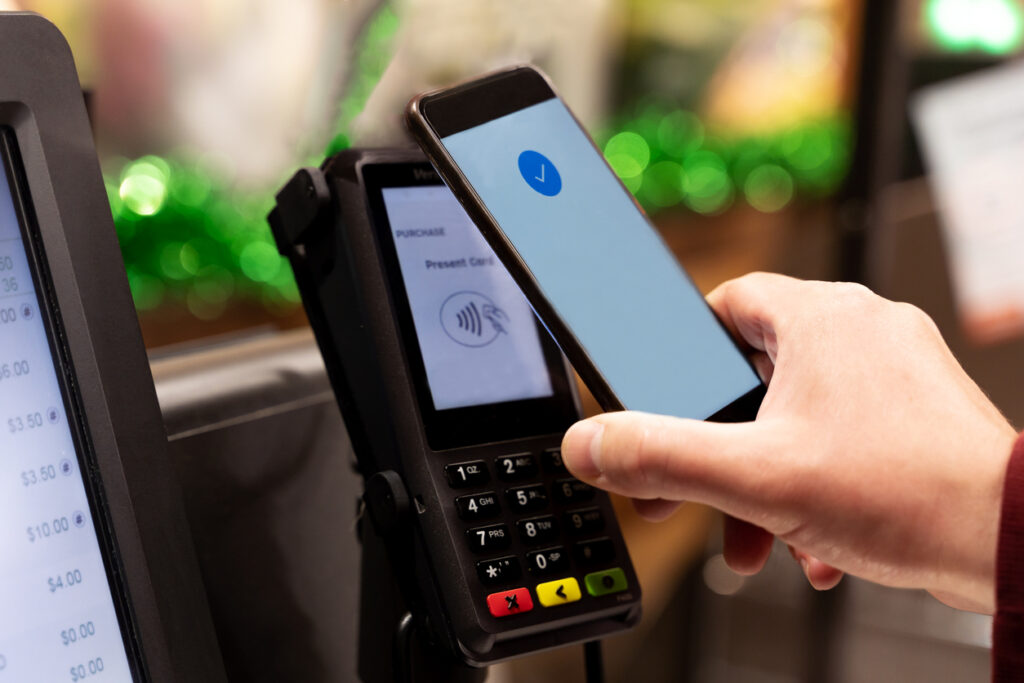
Paying for things is becoming almost effortless. By 2026 many people tap phones, watches, or simple cards without thinking about it. Receipts live in apps, budgets update automatically, and small purchases stay organized. This does not remove cash completely, but it gives choices that feel secure and quick. Waiting in long lines becomes rare, and checkout time shrinks into moments. Over time this ease changes how we plan errands and trips. Money moves quietly in the background while we focus on conversations, errands, and moments that matter more than the mechanics of paying each day for many of us now.
17. Home Energy Gets Smarter

Energy use at home is slowly becoming more thoughtful. By 2026 devices help track electricity, water, and heating so families see patterns clearly. Simple settings reduce waste without sacrificing comfort. Bills become easier to manage, and repairs are caught earlier. These small choices protect budgets and the environment at the same time. We start to feel more in control instead of guessing. Over the months the savings add up and create calmer planning for seasons ahead. It feels practical, not fancy, and it makes home life steadier for everyone who shares the space together each ordinary day of our lives.
18. Pets Become True Companions
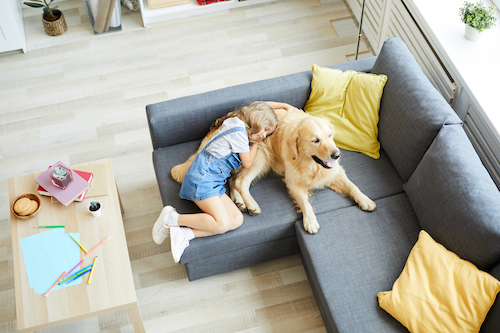
Life with pets is gaining deeper meaning. By 2026 many families treat animals as full companions with routines built around care, play, and health. Better food, gentle training, and regular checkups keep pets happier and safer. In return they bring comfort, laughter, and company during quiet evenings and busy mornings. This relationship encourages responsibility in children and eases loneliness in adults. The home feels warmer when paws or whiskers are nearby. Small habits like walking, grooming, and tidying become bonding time that shapes days in positive ways we carry with us wherever we go through changing weather and seasons ahead.
19. Sleep Takes Its Place Again

Sleep is finally getting respect again. By 2026 more people protect bedtime, dim screens earlier, and treat rest as essential rather than optional. Mornings feel clearer, tempers soften, and focus returns during work and study. Families build routines that signal quiet, like reading, stretching, or simple talks. This gentle rhythm supports the body and mind together. It reminds us that productivity begins with recovery, not exhaustion. Over time better sleep shapes healthier choices everywhere else and gives each day a calmer start that carries forward into everything we hope to do well at home at work and beyond for all.
20. Gardens Return To Daily Life
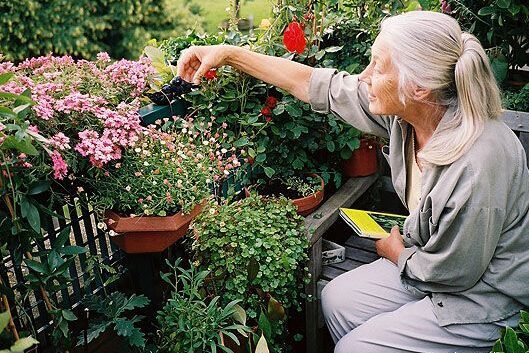
Gardening is making its way back into ordinary routines. By 2026 more balconies, yards, and shared plots hold herbs, tomatoes, and flowers that bring color and food. People enjoy touching soil and watching seeds grow. It teaches patience, care, and gratitude. Families step outside more often and talk while watering. Harvests may be small, but they feel meaningful. These simple gardens connect us to seasons and remind us that growth takes time, yet it always rewards attention. Over months the habit strengthens presence and peace, encourages movement, reduces stress, and gives children small victories they proudly share at home daily.
21. Celebrations Feel More Meaningful
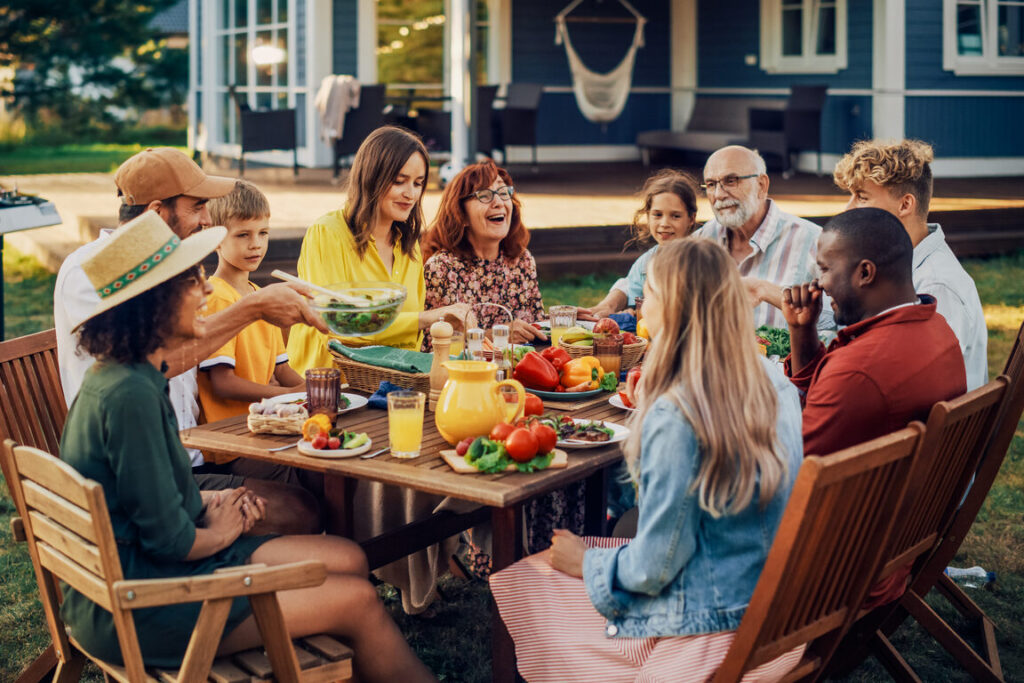
Celebrations are becoming simpler yet richer. By 2026 many families choose smaller gatherings, homemade food, and thoughtful activities instead of endless noise. The focus shifts toward connection, gratitude, and memory. People take more photos, share stories, and spend time really talking. Children feel included, elders feel honored, and friendships deepen. These quieter choices save money and reduce pressure while still keeping joy at the center. Over the years this approach builds traditions that last and lets everyone breathe more easily before, during, and after each celebration that brings us together in ways that nurture hearts and strengthen bonds gently forever.
22. Volunteering Finds New Energy
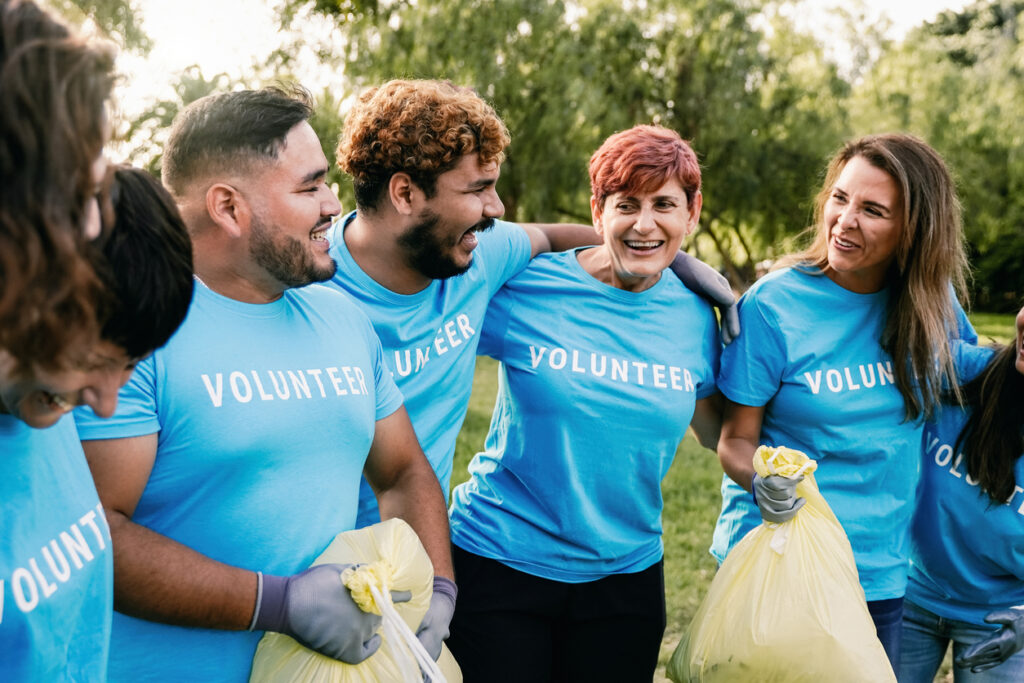
Volunteering is growing again in thoughtful ways. By 2026 more people give small pieces of time to schools, clinics, shelters, and community projects. Instead of waiting for perfect opportunities, they simply start where they are. These acts create friendships and build trust. They also remind us that help does not need to be huge to matter. Over time neighborhoods feel safer and more connected. Children see examples of kindness and learn to join in. The habit of service slowly shapes character and brings a steady sense of purpose to ordinary weeks for people of every age and background everywhere today.
23. News Consumption Slows Down
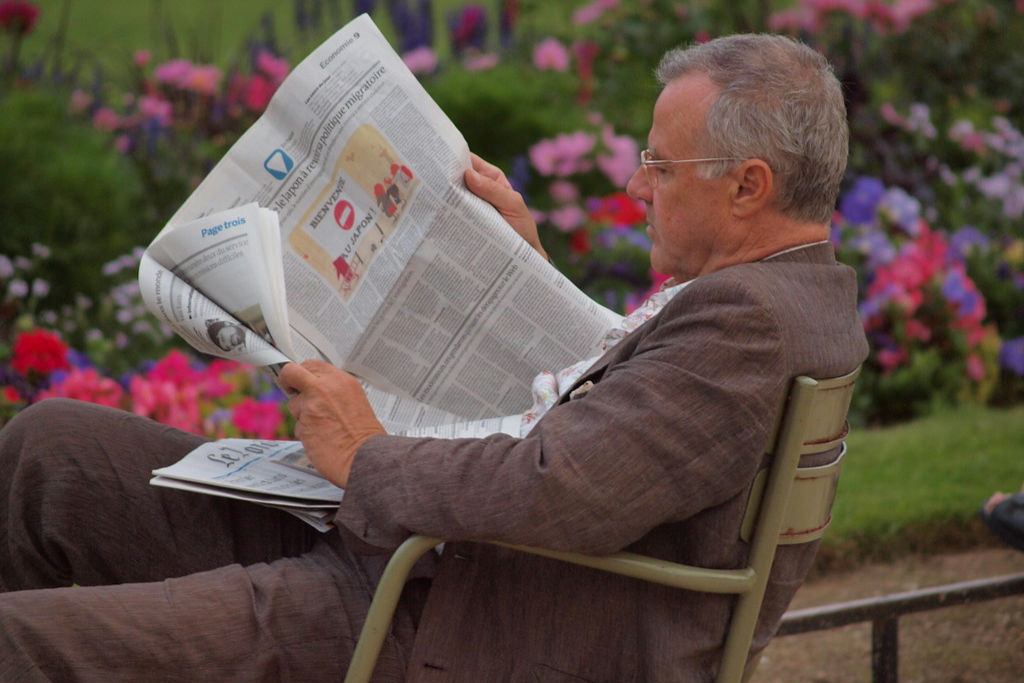
The way we consume news is settling into a healthier rhythm. By 2026 more people choose specific times to catch up instead of scrolling constantly. They look for context, not just headlines, and compare different viewpoints calmly. This approach reduces anxiety and helps conversations stay respectful. We feel more informed and less overwhelmed. Over time the habit brings clarity and preserves attention for work, family, and rest. News returns to its role as information rather than constant noise, and life feels steadier because of that shift which helps our minds recover and stay focused on what truly matters each day.
24. Nature Becomes Part Of Plans
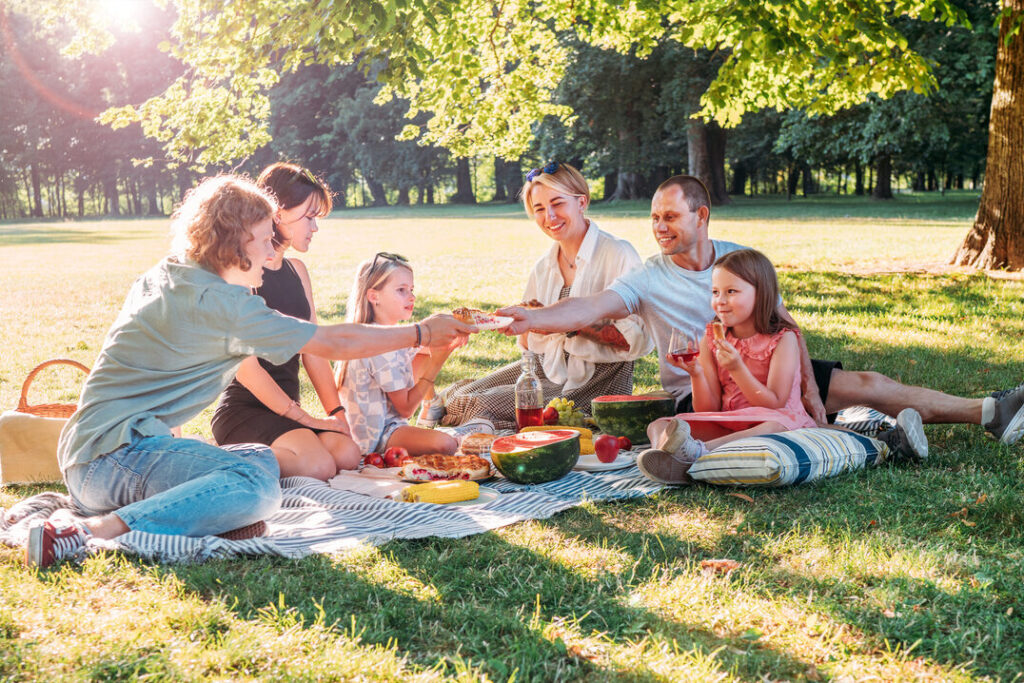
Nature is finding its way back onto our calendars. By 2026 more families plan walks, picnics, short trips, and outdoor play as regular habits. Fresh air clears thoughts and lifts moods. Children learn curiosity from bugs, trees, and clouds. Adults remember to pause and breathe. These little visits cost very little yet give so much. Over time they build appreciation for the world around us and encourage care for parks, rivers, and wildlife. Life feels wider and calmer when nature shares space with our schedules instead of staying outside them, and that gentle balance supports healthier choices for everyone daily.
25. Faith And Values Find Space

Faith and personal values are finding quiet room again. By 2026 many people carve moments for prayer, reflection, gratitude, or reading that guides their hearts. These practices help anchor decisions and steady emotions during uncertain seasons. They are not loud, but they shape character slowly. Families talk about meaning, kindness, and purpose. Communities gather with respect for differences. Over time these rhythms bring peace and give strength for challenges. They remind us who we want to be and how we hope to live together in ways that honor both truth and compassion as life unfolds across years and generations ahead.
26. Retirement Looks More Flexible
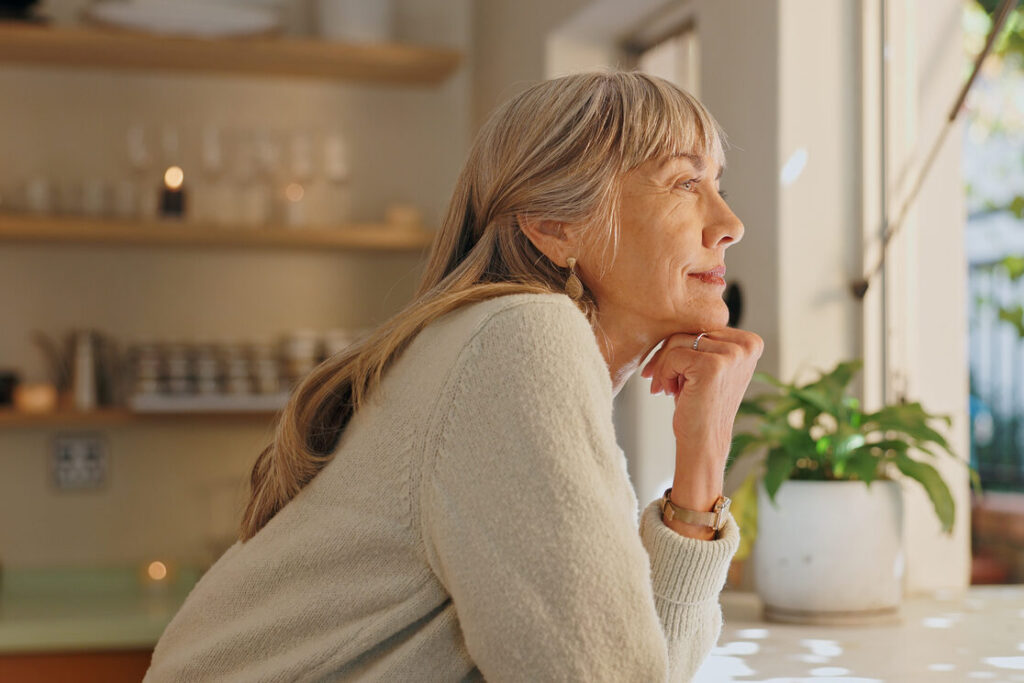
Retirement is slowly being reimagined. By 2026 many older adults work part time, volunteer, start small businesses, or learn new skills instead of fully stopping. Income continues, purpose stays strong, and social circles grow. Health improves when minds and bodies stay active. Families benefit from shared wisdom and support. This flexible season blends rest with contribution and allows people to design paths that match their needs. Over time it reduces fear about aging and turns later years into a stage of growth that still honors rest while keeping relationships, curiosity, community, and simple joys at the center always for life.
27. Technology Stays In The Background
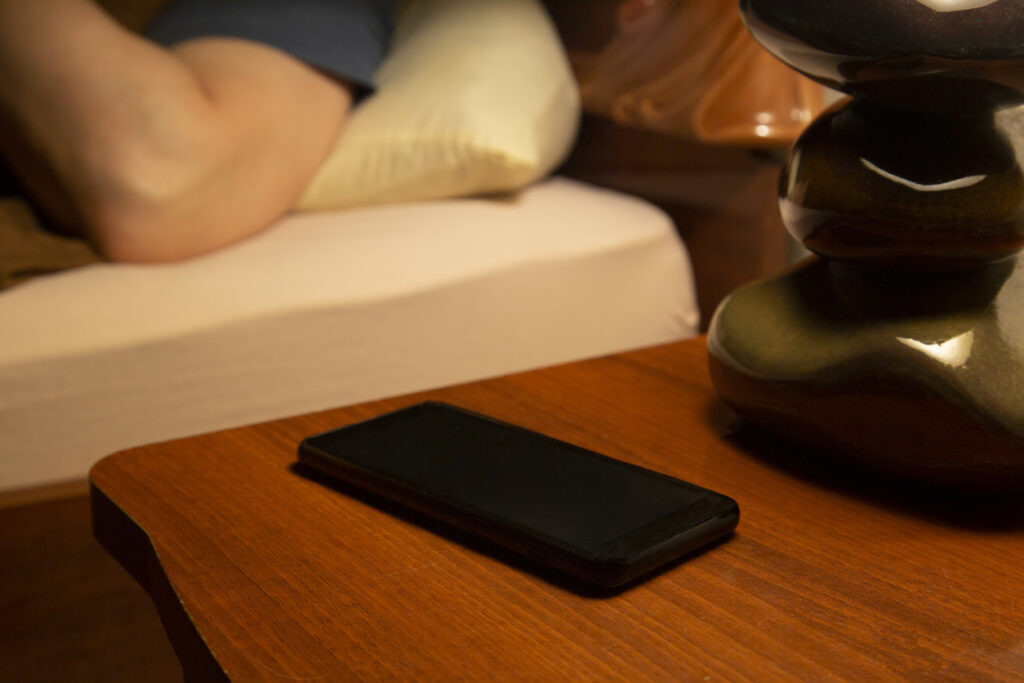
Technology is slowly learning when to step back. By 2026 settings become quieter by default, notifications reduce, and devices support focus instead of scattering it. People choose when to engage and when to rest. Screens still help, but they are not the center of every moment. This balance gives room for conversation, creativity, and reflection. Over time we feel less rushed and more present. Technology becomes a tool again, not the main event, and daily life feels more human because of that gentle shift helping families reconnect, students concentrate, workers breathe, and communities share real presence together in daily moments.
28. Small Businesses Feel Closer
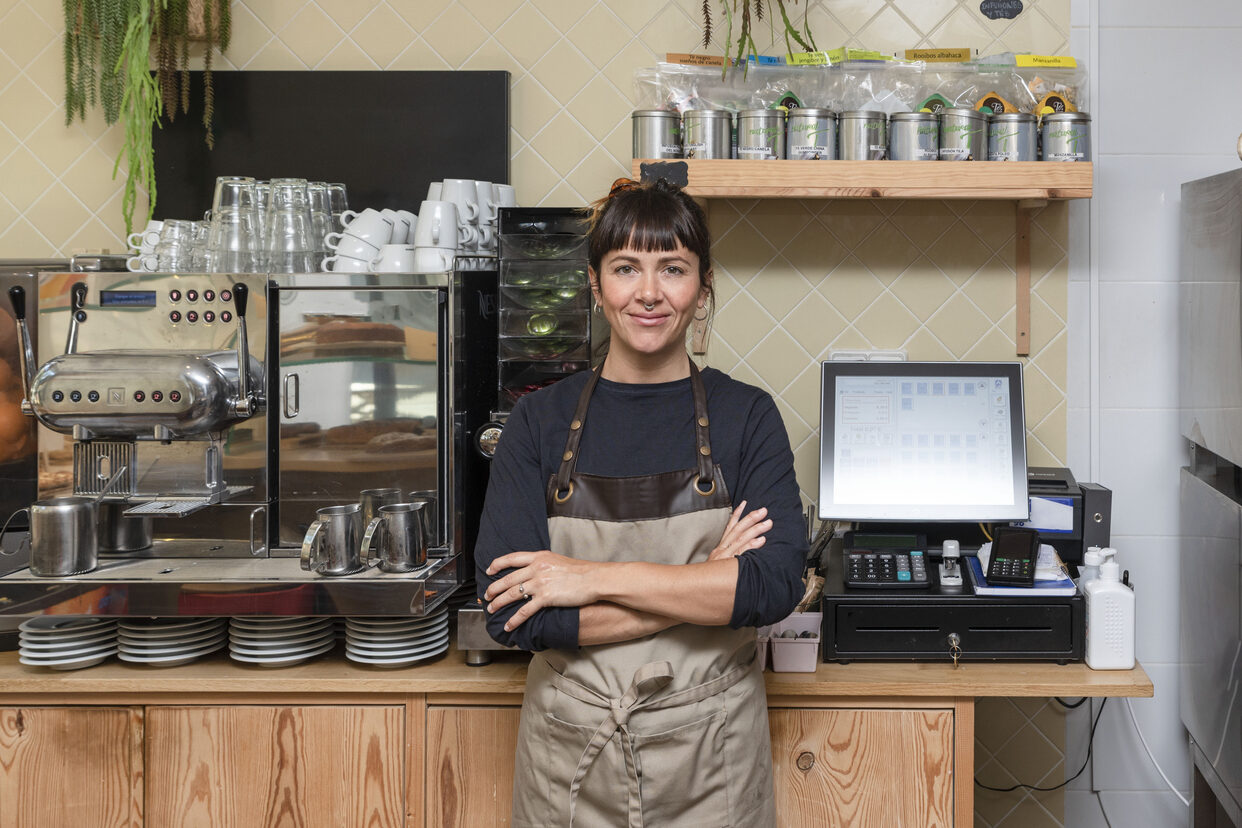
Small businesses are becoming anchors again. By 2026 local shops, markets, and services build trust through familiar faces and steady quality. Customers like knowing who they support, and owners care deeply about neighborhoods. These relationships create resilience when times are uncertain. Shopping becomes more than a transaction. It becomes part of community life. Over time loyalty grows both ways and keeps streets lively. The sense of belonging that develops reminds us that economies are ultimately built from people caring for people and that mutual care strengthens identity, opportunity, stability, and hope for future generations everywhere we all share together always.
29. Family Time Finds Balance
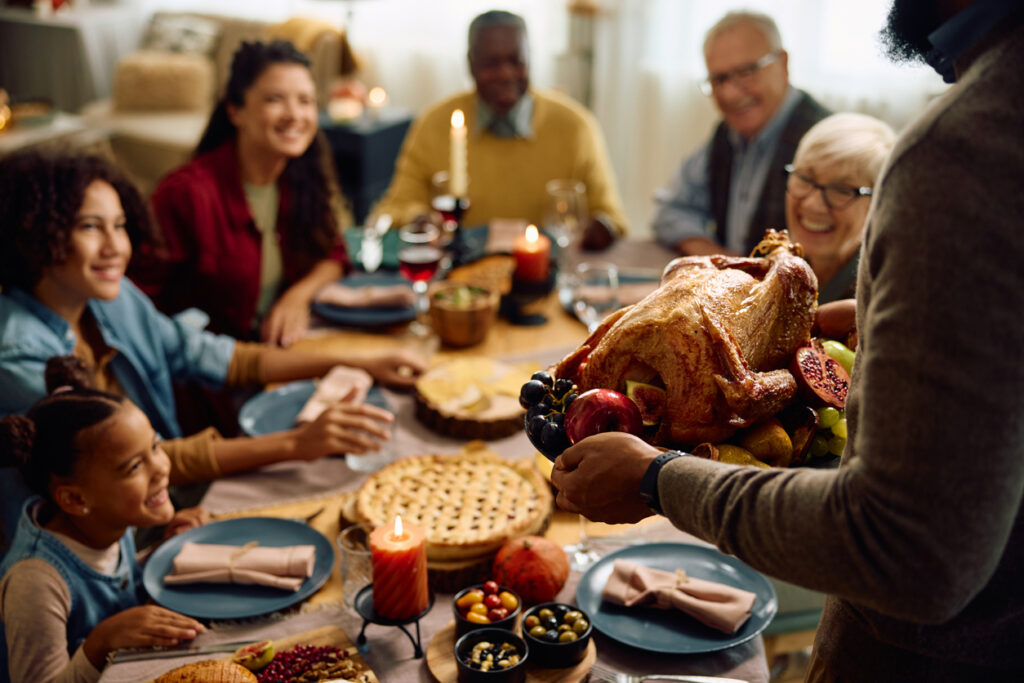
Family time is becoming more intentional. By 2026 many households create simple routines for meals, conversations, play, and quiet evenings. Phones go aside more often, and eye contact returns. The goal is not perfection, but connection. These steady moments build trust and help children feel secure. Adults also benefit with less stress and more laughter. Over the months families notice that planning together makes schedules easier and arguments fewer. The home becomes a place where everyone belongs and is welcomed as they are each day and that gentle stability supports growth, kindness, learning, patience, and shared memories for years ahead.
30. A Future That Feels Close
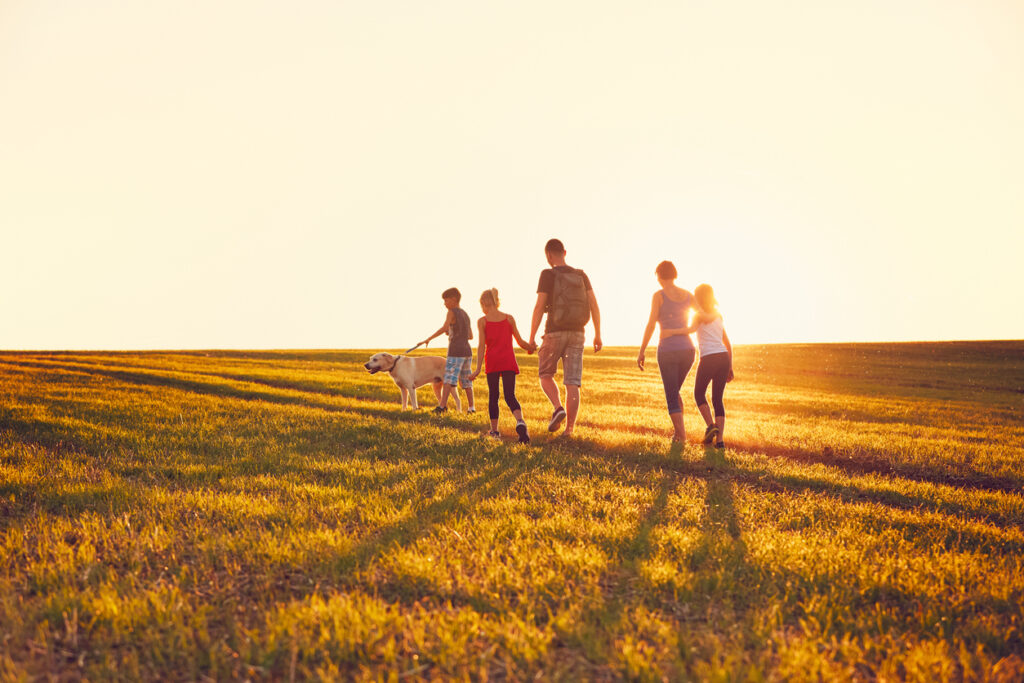
As all these quiet changes gather, daily life in 2026 begins to feel gently rewritten. Nothing arrives loudly. Habits shift, spaces soften, and choices grow kinder. We notice more connection, steadier rhythms, and clearer priorities. The future feels close, not distant, because it grows from small steps we take today. Each person and family shapes it in ordinary ways that matter. As you think about your own routines, it might be worth asking which small change you want to start and inviting others to join you so the journey forward can feel hopeful and shared. Take a step with us.


