
1. Trash Day Lessons
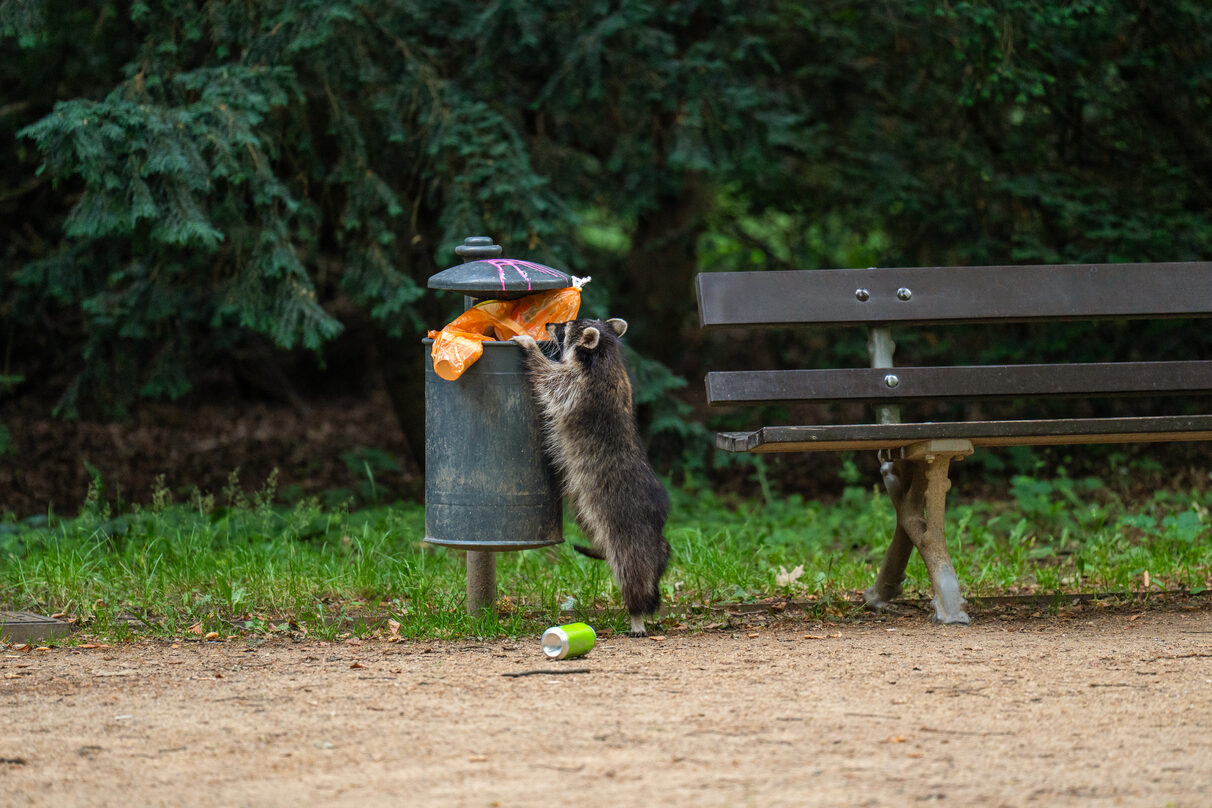
Cities were never meant to teach animals anything, yet daily routines quietly became lessons. Trash day is one of the clearest examples. When bins appear on the same evenings, animals notice. Raccoons begin to remember timing, sounds, and even which lids resist longer. Over time, trial becomes skill. What looks like clever mischief is really practice rewarded by consistency. Humans created schedules for convenience, not instruction, but repetition does the teaching. Trash left behind becomes more than food. It becomes information. In watching us move predictably, animals learn when effort pays off and when patience works better. That awareness follows them everywhere else in the city.
2. Pigeons Watching Our Hands
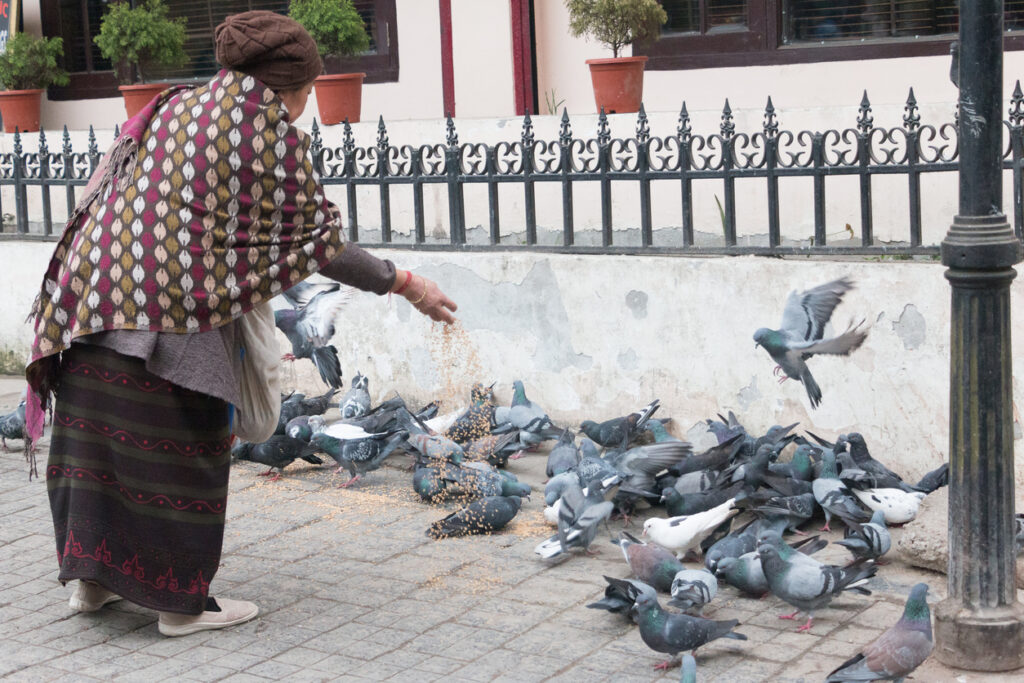
Pigeons survive in cities by paying attention to small details. Instead of reading faces, they study hands, bags, and body language. A person slowing down or holding food signals opportunity. This skill grows sharper in crowded places where patterns repeat every day. Sidewalk lunches, park benches, and rushed commuters create predictable behavior. Pigeons learn who pauses, who drops crumbs, and who keeps walking. What feels like boldness is actually careful observation. Cities taught pigeons that humans are readable if you watch long enough. The lesson came quietly, built from countless ordinary afternoons where nothing dramatic happened, yet everything was learned.
3. Rats Following Human Schedules
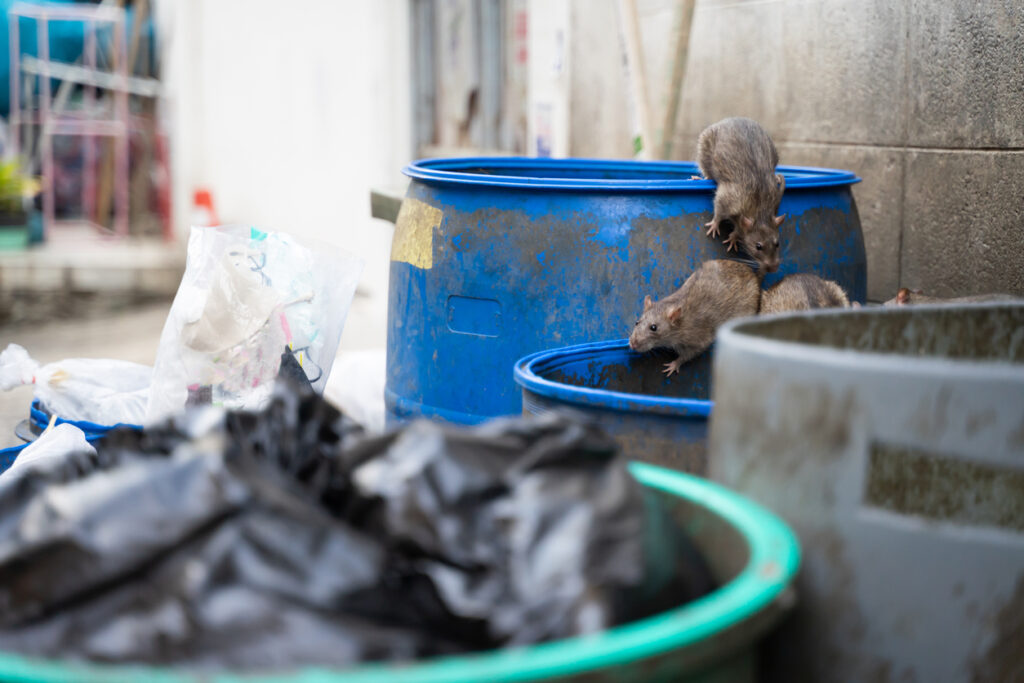
Rats do not wander randomly through cities. They follow routines built by people. Restaurants close at the same hours. Trash appears shortly after. Lights turn off. Doors lock. Rats learn these rhythms and organize their movements around them. When schedules stay consistent, survival becomes easier. Instead of reacting, rats anticipate. Cities taught them that timing matters as much as speed. The lesson is simple but powerful. When humans repeat habits without change, animals notice and adapt. What feels unsettling is really familiarity working in their favor. Cities reward those who learn patterns, and rats have learned well.
4. Crows Learning Street Timing
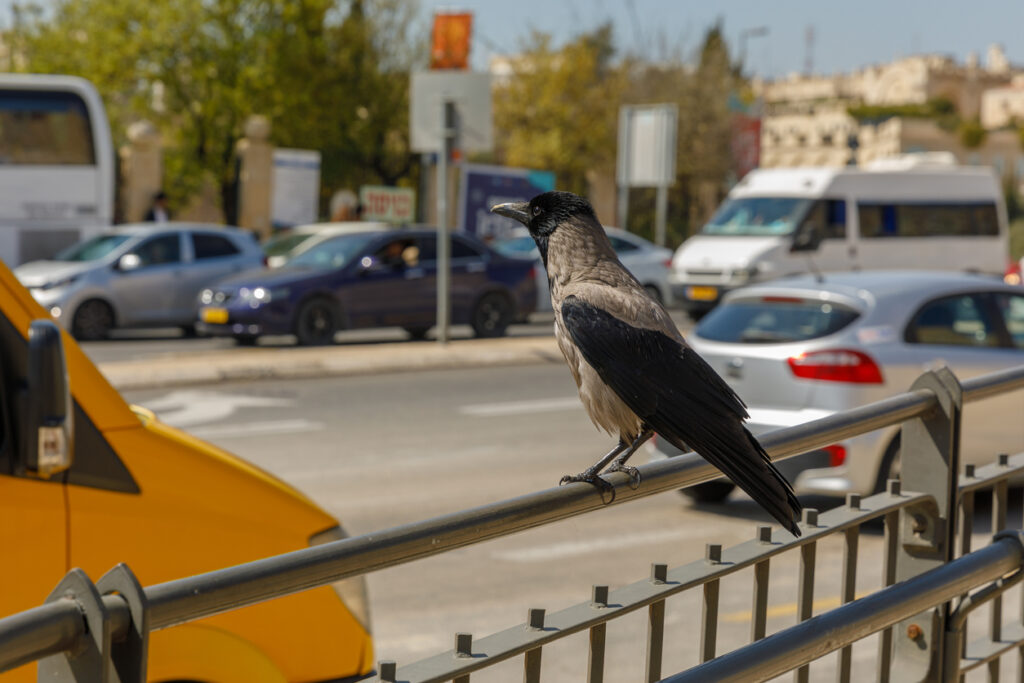
Crows are patient observers. In busy cities, they watch traffic more than people realize. Over time, they learn when cars stop and when movement pauses. This awareness allows them to use roads without panic. Timing becomes safety. Cities taught crows that order exists even inside noise. Traffic lights repeat. Cars slow. Gaps appear. Crows adapt by waiting instead of rushing. This is not imitation. It is understanding built from watching the same sequences unfold daily. Human systems created predictable moments, and crows learned how to live inside them calmly and efficiently without ever being invited.
5. Squirrels Remembering Park Layouts
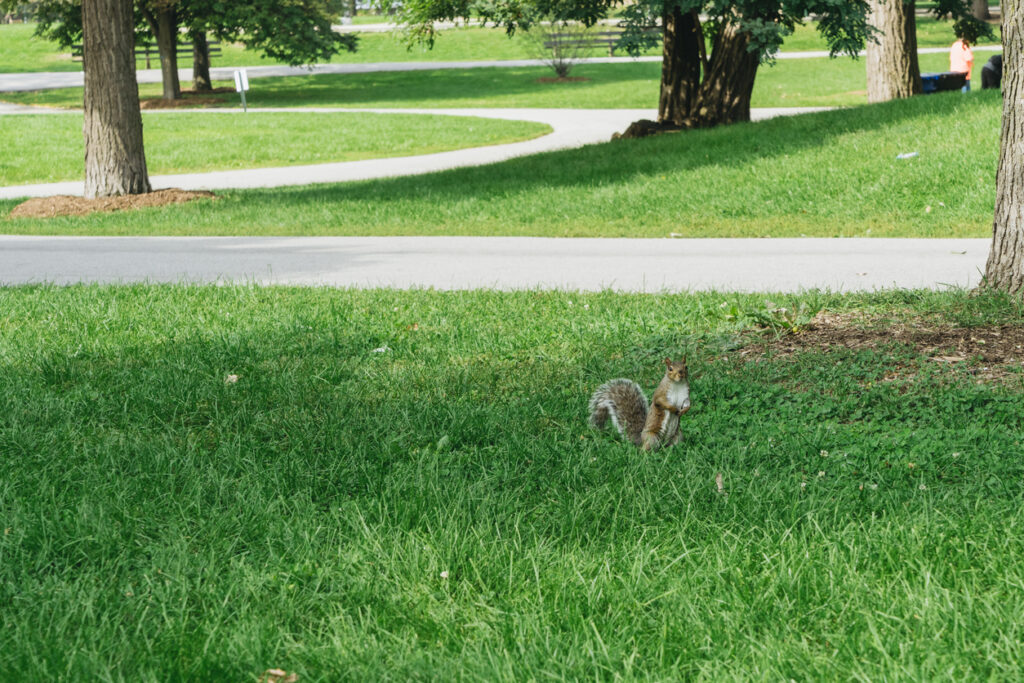
City parks look simple to humans, but squirrels treat them like detailed maps. Benches mean food scraps. Certain trees mean shelter. Paths mean danger. Because parks rarely change, squirrels remember where everything belongs. This strengthens memory and decision making. Cities taught squirrels stability. When layouts stay the same, animals learn faster and take fewer risks. Over time, confidence grows. What looks like fearlessness is actually familiarity earned through repetition. Squirrels are not guessing where to go. They know. The city quietly rewarded memory, and squirrels responded by becoming experts in their small shared spaces.
6. Foxes Moving When We Sleep
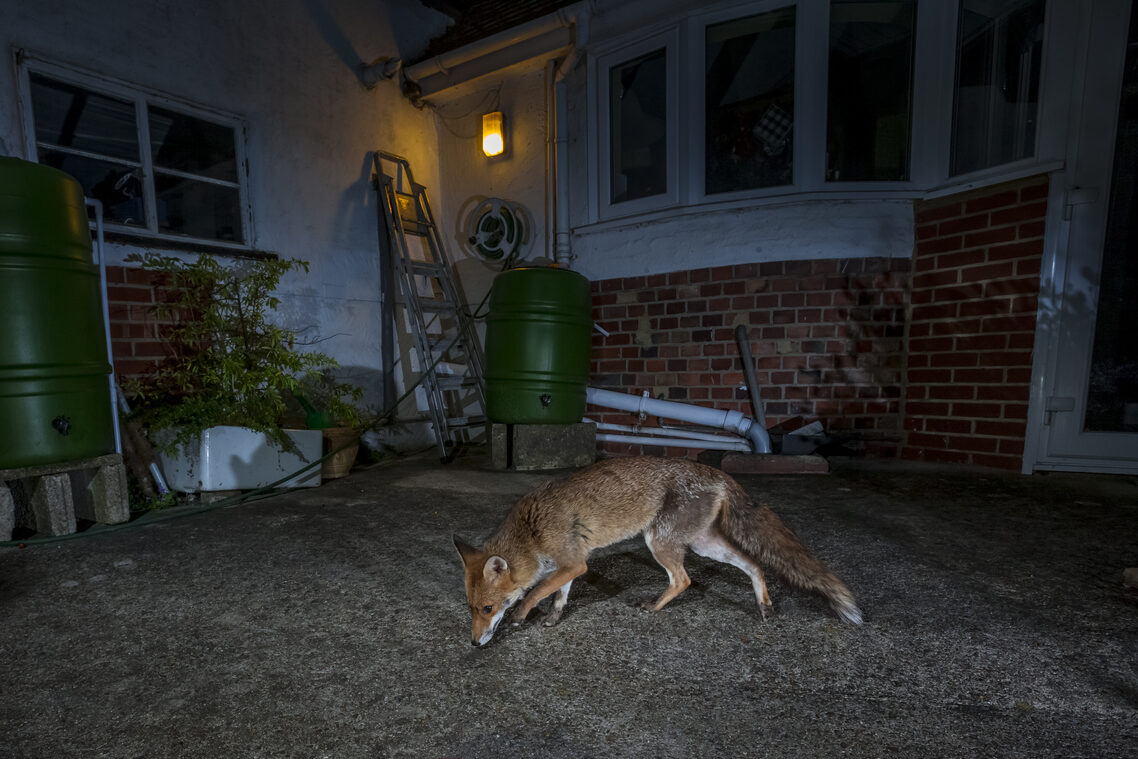
Urban foxes rarely appear during busy hours. They learned long ago when streets feel safer. Traffic, noise, and human presence signal risk. Quiet signals opportunity. Cities taught foxes to read time the way people do. Night becomes movement. Early morning becomes retreat. This adjustment is not bravery. It is restraint shaped by observation. Foxes learned that survival depends on choosing moments carefully. Human routines created windows of calm, and foxes stepped into them. What feels like mystery is actually rhythm. Cities taught foxes when absence matters as much as presence.
7. Coyotes Choosing Safer Crossings
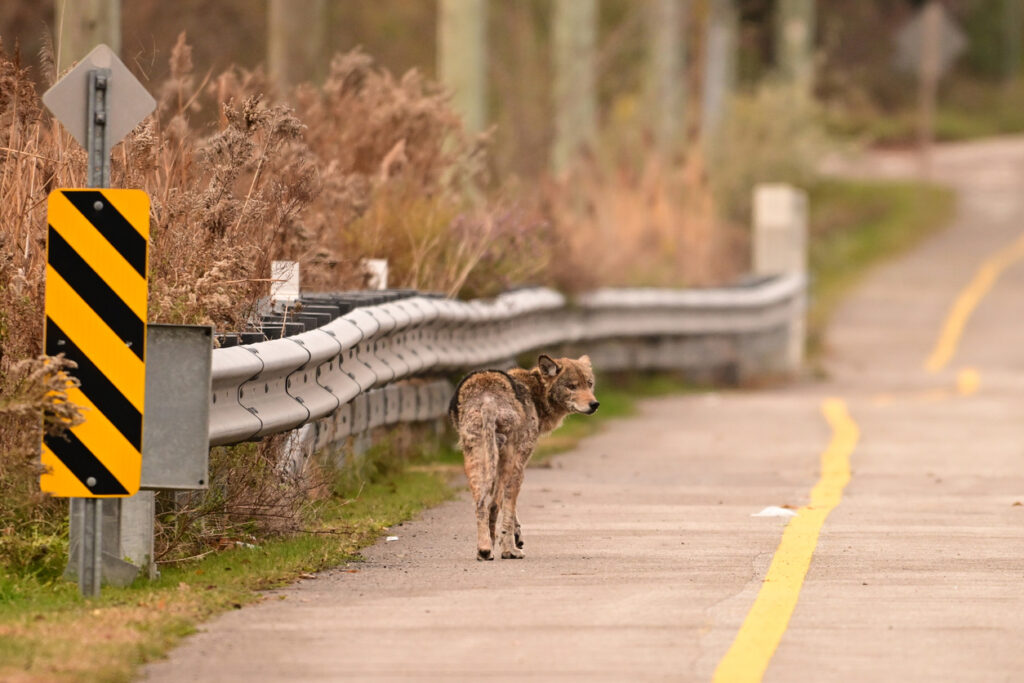
Coyotes living near cities quickly learn where danger concentrates. Busy roads become barriers, but crossings designed for humans offer relief. Over time, coyotes notice where movement slows and visibility improves. These locations become preferred routes. Cities taught coyotes that safety often follows structure. Humans built crossings to protect themselves, then used them consistently. Coyotes watched and learned. This is not imitation but adaptation. When patterns remain reliable, learning becomes survival. Coyotes adjusted their behavior to match the safest human habits, proving that cities teach even when they are not trying to.
8. Seagulls Reading Human Behavior

Seagulls in cities do not approach everyone. They choose carefully. A person holding food, walking slowly, or sitting still sends clear signals. These cues repeat often in tourist areas and parks. Over time, seagulls learn which behaviors lead to success. Cities taught them that humans advertise without realizing it. Packaging, posture, and timing become information. What feels like bold stealing is actually calculated choice. Seagulls are responding to patterns we repeat daily. By behaving the same way again and again, people quietly trained birds to read us before making a move.
9. Monkeys Studying Human Movements
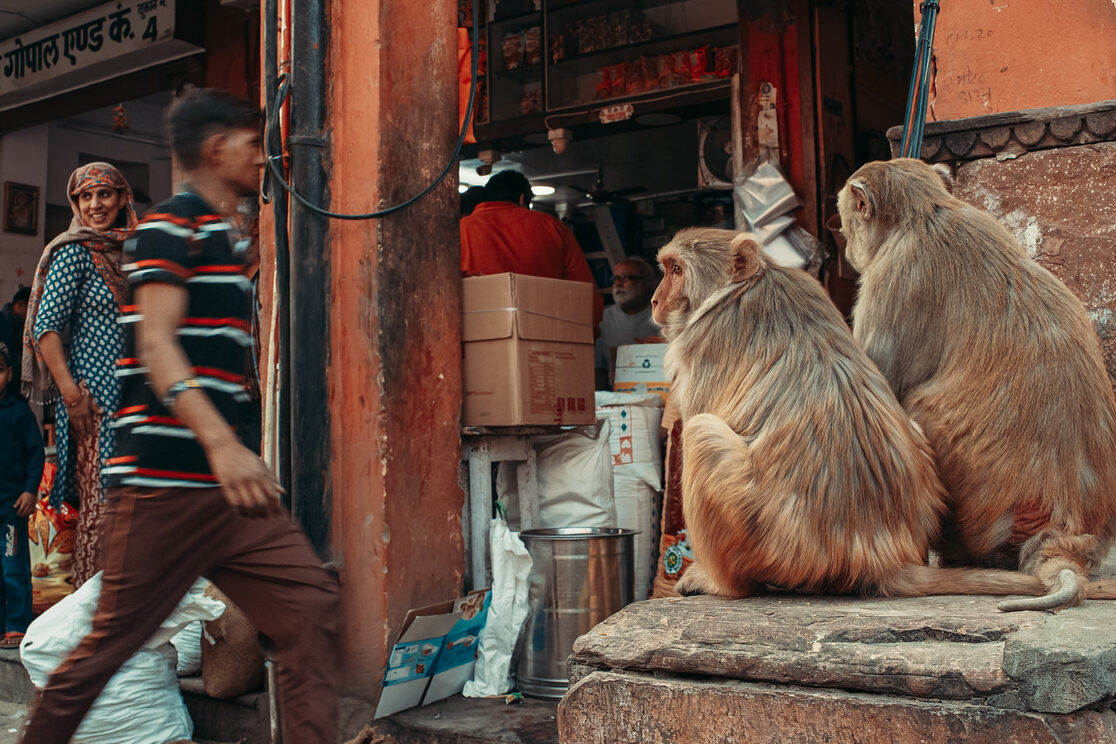
In cities where monkeys live close to people, observation becomes education. Door handles, windows, and latches all move in visible ways. Monkeys watch hands turn, pull, and lift. Over time, they copy what works. Cities taught monkeys precision instead of force. When systems reward careful movement, learning follows. What feels invasive is actually imitation shaped by opportunity. Monkeys are not inventing new skills. They are applying lessons learned by watching humans solve problems daily. Urban life placed solutions on display, and monkeys paid attention.
10. Cats Tracking Door Routines

Urban cats quickly learn which doors open and when. Feeding schedules, work hours, and evening routines become signals. When doors open regularly, cats appear. When routines change, confusion follows. This shows learning at work. Cities taught cats reliability. Repetition builds expectation. Cats adapt by waiting rather than wandering. What looks like coincidence is memory responding to pattern. Human habits create invisible calendars that animals follow closely. In cities, time becomes a guide. Cats learn it quietly, one routine at a time.
11. Bears Remembering Familiar Spots
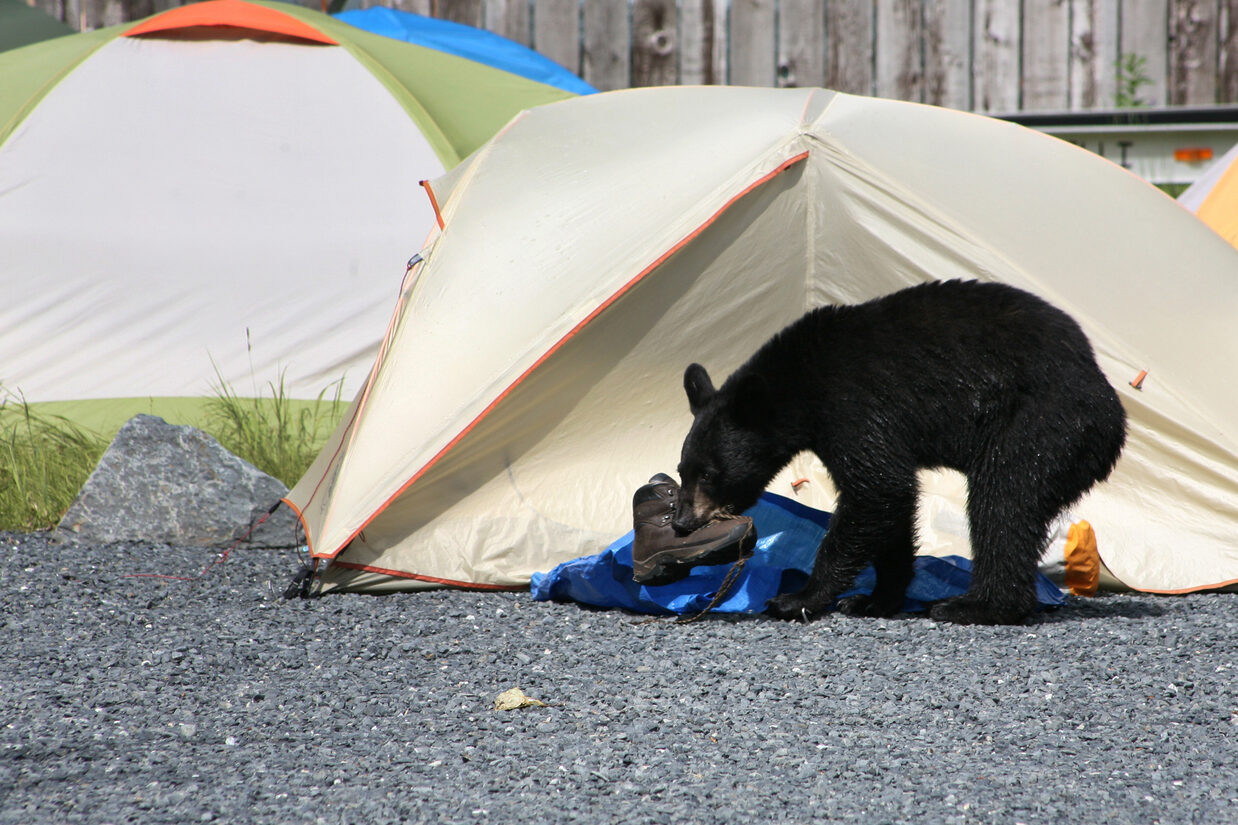
Bears living near cities often return to the same locations year after year. Campsites, dumpsters, and trails become landmarks tied to reward. When food appears repeatedly in one place, memory strengthens. Cities taught bears that some locations are worth remembering. This learning is powerful and long lasting. What begins as curiosity becomes habit. Bears do not forget easily. Human consistency reinforces memory. When the same mistakes repeat, animals learn faster than expected. Cities become maps filled with remembered opportunities.
12. Elephants Reading Road Danger
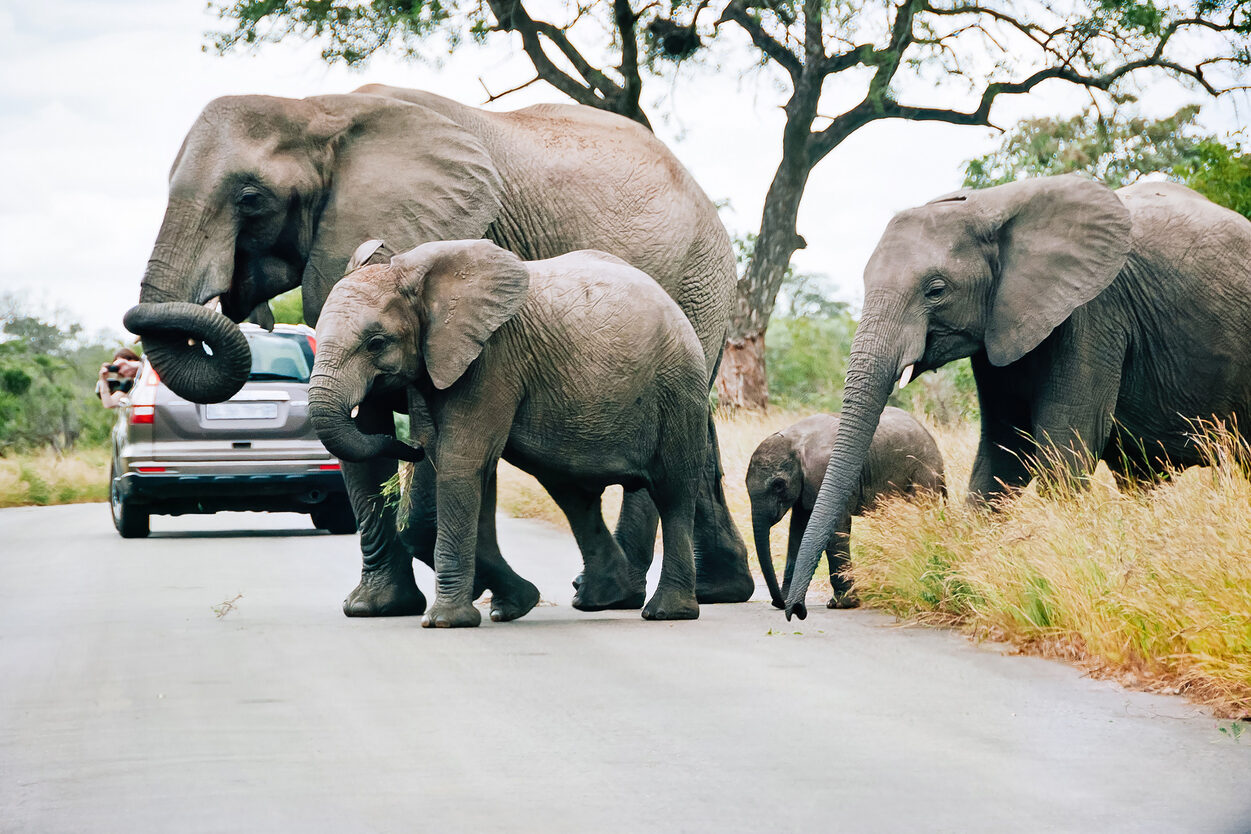
In areas where elephants encounter roads, learning happens through experience. Loud noise, fast movement, and sudden stops signal danger. Over time, elephants adjust when and where they cross. Cities taught elephants caution. Roads become boundaries rather than pathways. This change is not fear alone. It is understanding shaped by repetition. When patterns stay the same, animals adapt behavior to avoid harm. Elephants learn that timing matters. Quiet moments become safer. Cities unintentionally teach risk assessment through infrastructure.
13. Dogs Interpreting City Signals
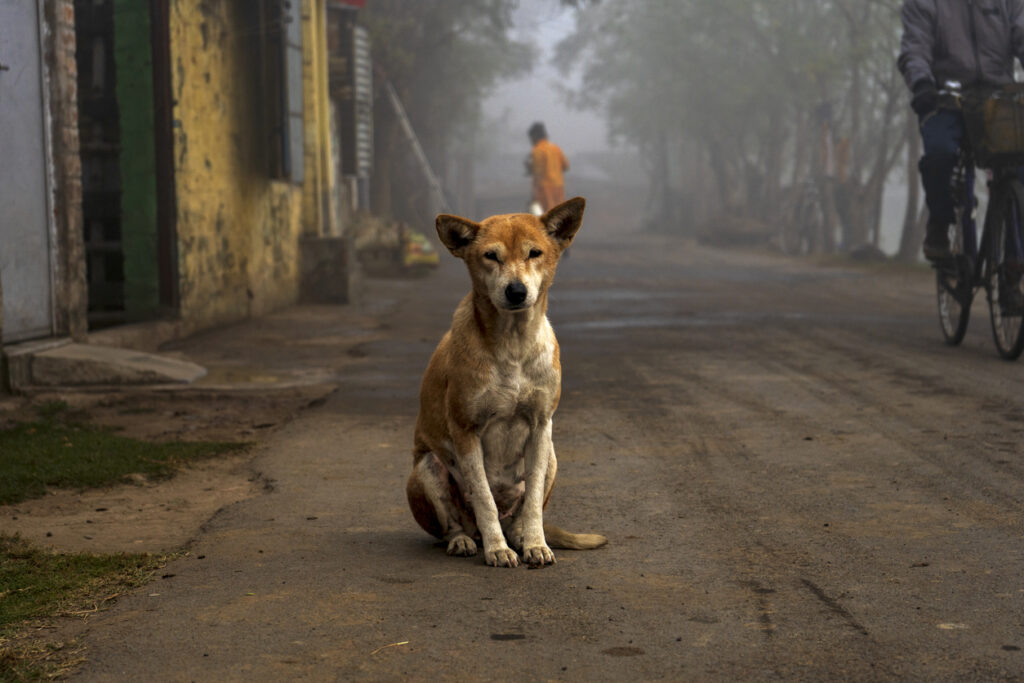
Free roaming dogs in cities learn quickly how streets work. Traffic flow, human gestures, and sound cues guide movement. Dogs watch people cross roads, pause, and retreat. Over time, they copy safe choices. Cities taught dogs social awareness. Constant exposure sharpens interpretation. Dogs learn when to wait and when to move. What seems instinctive is actually learned behavior reinforced daily. Urban life offers endless examples, and dogs absorb them naturally. Cities reward attention, and dogs respond by becoming skilled readers of human environments.
14. Raccoons Using Hidden Pathways
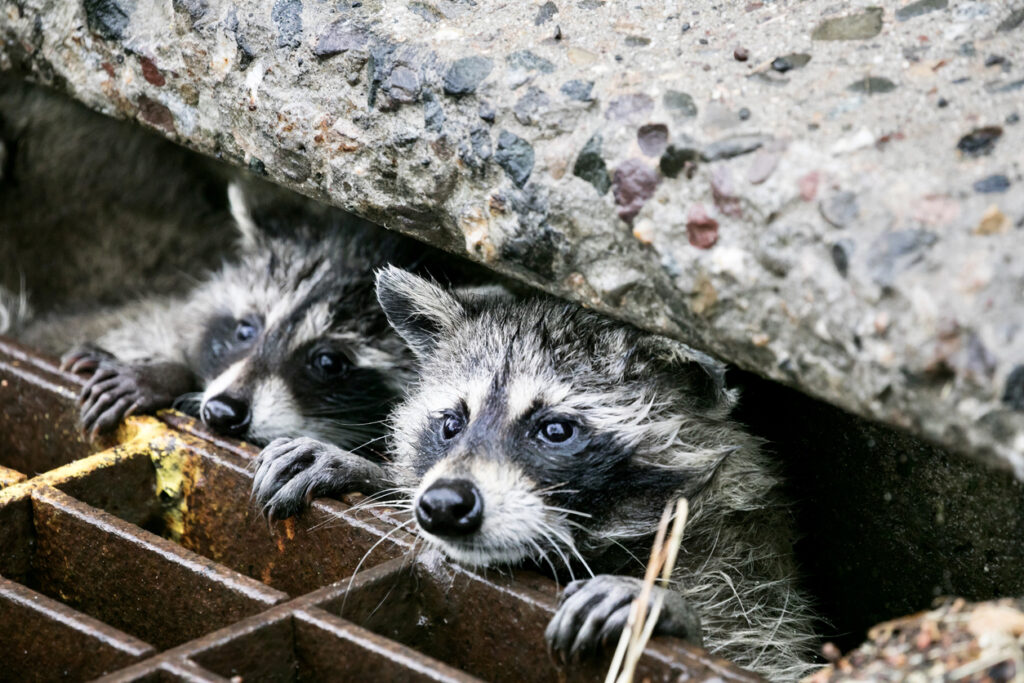
Storm drains, alleys, and gaps beneath structures become travel routes for raccoons. These spaces offer shelter and quiet movement. Cities taught raccoons where safety hides. Infrastructure built for water or access accidentally created protected corridors. Over time, raccoons learn which paths avoid danger. Familiar routes reduce risk. What looks like clever escape is simply learning reinforced by success. Cities offer patterns of protection, and raccoons remember them well.
15. Birds Choosing Warm Structures
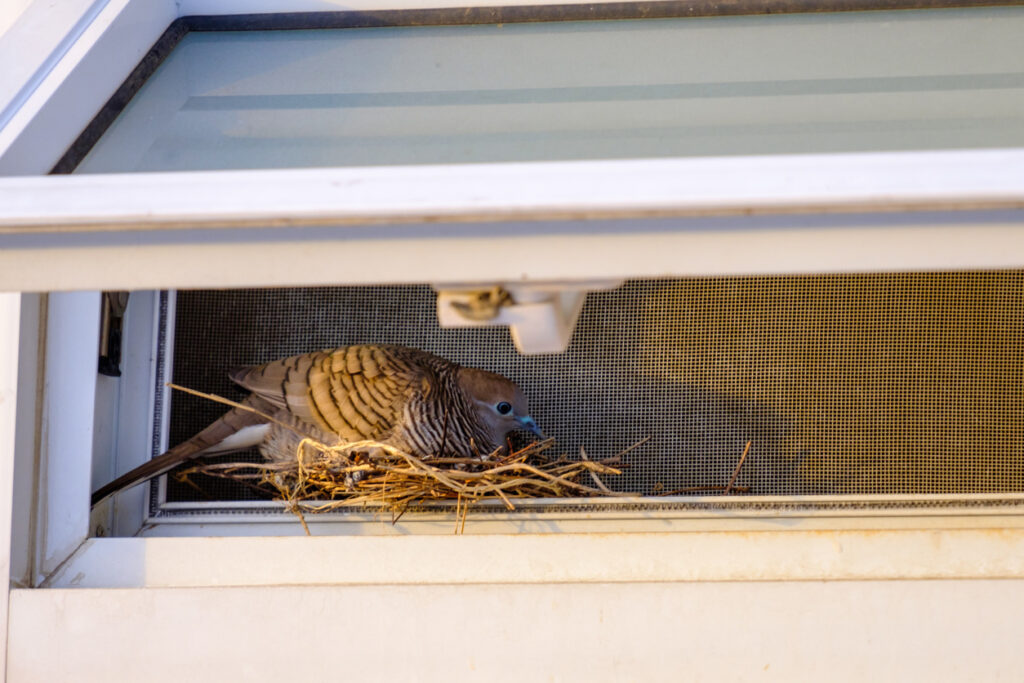
Birds nesting in cities often choose places near vents, lights, and electronics. These structures provide warmth and stability. Over time, birds learn which spots stay safe through weather changes. Cities taught birds where comfort lasts. Human buildings hold heat and resist storms. Repetition turns preference into habit. What seems like coincidence is adaptation guided by experience. Birds follow warmth because it works. Urban life quietly teaches them which structures offer survival without needing to change anything else.
16. Bats Following Streetlight Paths
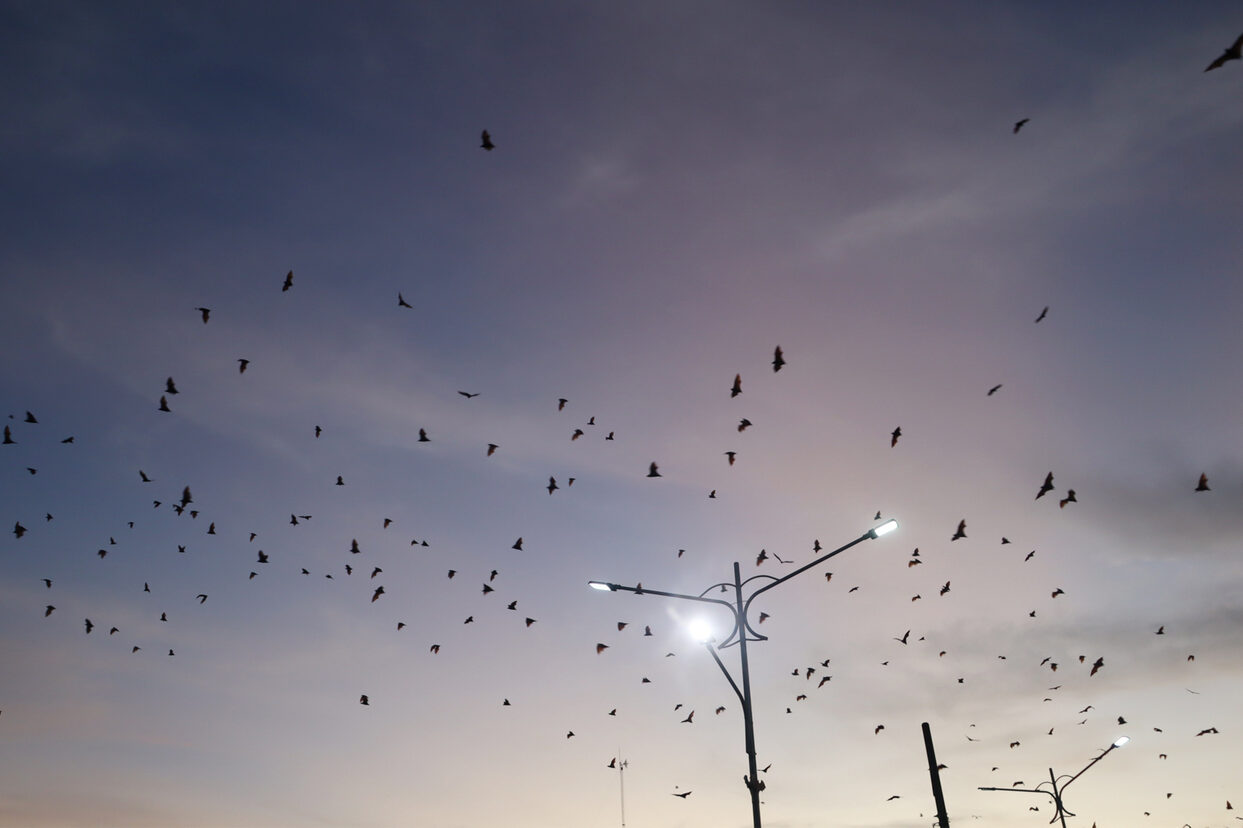
Streetlights changed night life long before animals noticed the shift. In cities, insects gather where light stays constant, and bats follow without hesitation. Over time, bats learn which streets glow reliably and which corners stay dark. Cities taught bats where food concentrates after sunset. This learning is quiet and efficient. Instead of roaming widely, bats focus on familiar paths that deliver results. What looks like natural instinct is refined behavior shaped by repetition. Human need for visibility created feeding signals animals now understand. Light became information, and bats adjusted their movements accordingly, night after night, without confusion in cities today.
17. Ants Reading Sidewalk Edges
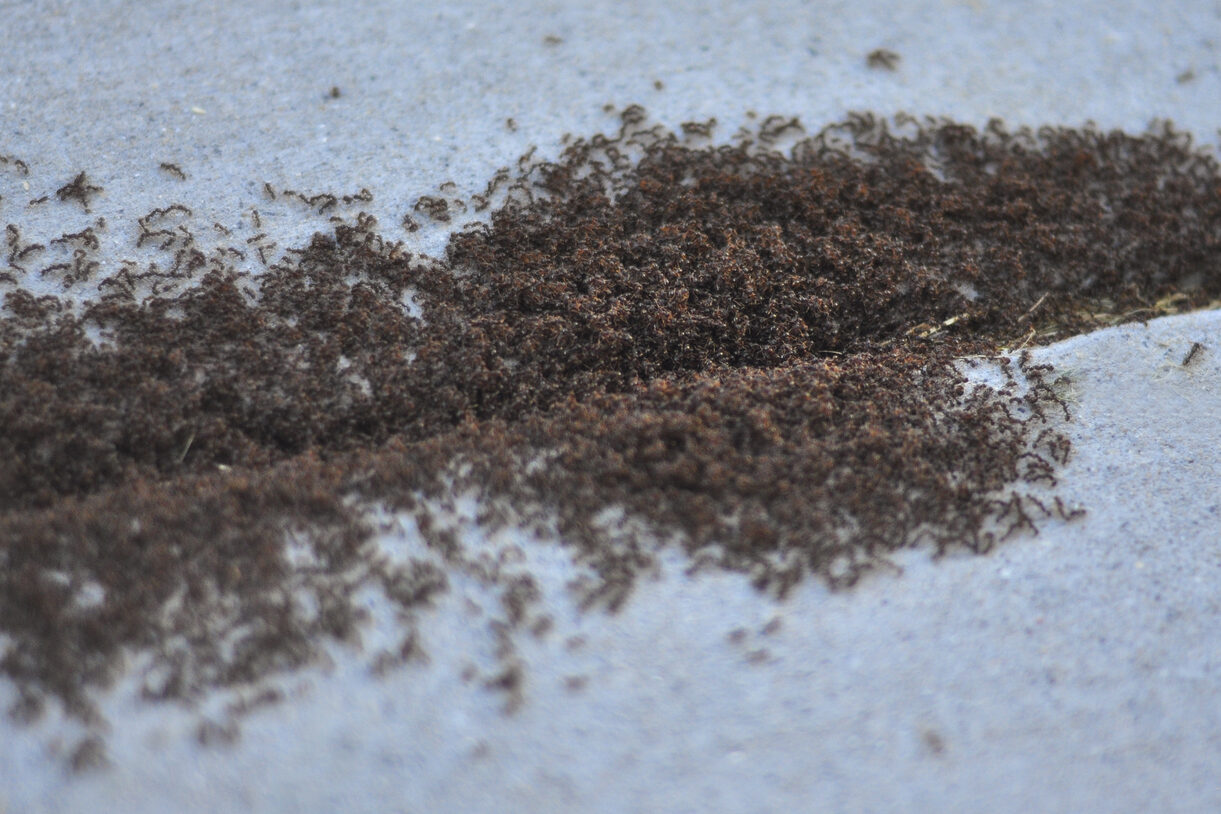
Urban ants thrive by following edges most people ignore. Sidewalk cracks, curbs, and building lines form clear routes. Because pavement rarely changes, ants memorize paths quickly. Cities taught ants structure through repetition. Straight lines reduce confusion and save energy. Over time, colonies expand confidently using familiar edges as guides. What feels accidental is actually learning reinforced daily. Human construction simplified navigation without meaning to. Ants respond by organizing movement efficiently. Cities reward those who read patterns carefully. For ants, concrete became a map that stays reliable through seasons, crowds, rain, and constant human movement within dense neighborhoods everywhere today still.
18. Frogs Adapting to Drainage Water
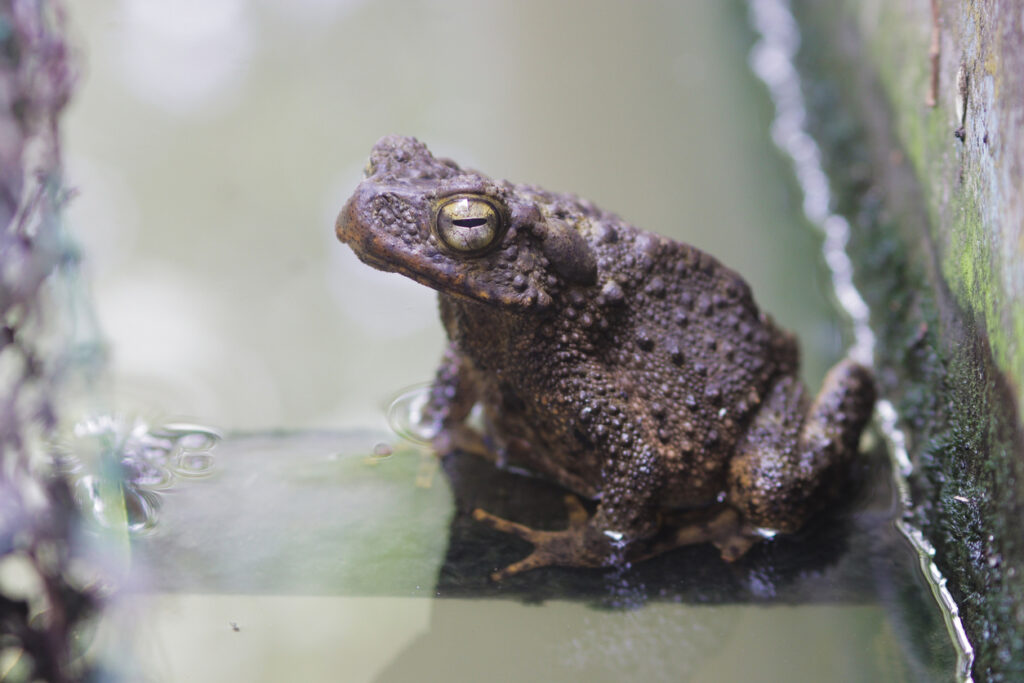
Drainage systems altered urban water flow, and frogs noticed quickly. Pooled water beneath streets and near buildings became new breeding spaces. When rain returned regularly, frogs adapted timing and location. Cities taught frogs flexibility without warning. Instead of relying only on natural ponds, frogs used what stayed available. Over time, calls, cycles, and movement adjusted. What seems like resilience is learned behavior shaped by infrastructure. Human water control created alternative habitats. Frogs followed consistency wherever it appeared. Urban life quietly rewrote survival rules, and frogs responded by adjusting rhythms that once depended on wilderness alone outside cities now everywhere nearby.
19. Parrots Changing Their Voices
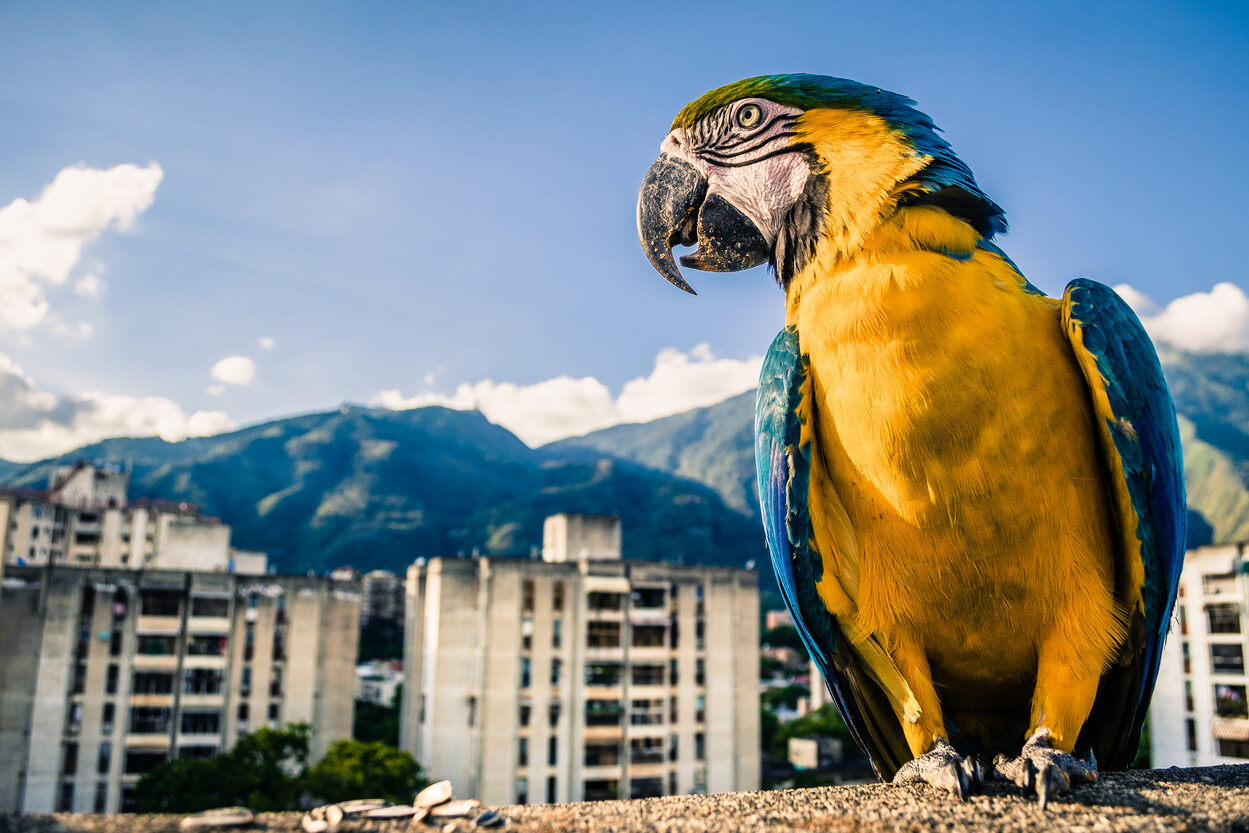
Urban parrots face constant noise from traffic and crowds. To stay heard, they adapt. Studies of city parrots show higher pitched calls than rural ones. Cities taught parrots volume control through necessity. When sounds drown messages, adjustment follows. Over time, flocks learn when to call and how loudly. This is not panic. It is refinement shaped by repetition. Human noise changed communication rules. Parrots responded by modifying language to fit new conditions. City life rewards clarity, and parrots meet that challenge daily, reshaping conversation without losing connection with neighbors nearby always listening in busy shared spaces today for survival purposes.
20. Raccoons Recognizing Uniforms

Uniforms carry meaning animals learn over time. In cities, raccoons often encounter animal control workers repeatedly. Clothing color, movement, and tools become signals. Cities taught raccoons recognition through experience. When encounters repeat, memory forms. Raccoons adjust behavior, avoiding familiar threats. This is not fear alone. It is learning reinforced by outcomes. Human roles became visible markers. Over time, animals connect appearance with consequence. Urban life makes patterns unavoidable. Raccoons simply read them well, proving that observation can replace instinct when environments stay consistent across neighborhoods filled with routine encounters during shared daily city moments that repeat endlessly for years sometimes.
21. Fish Learning Dock Schedules
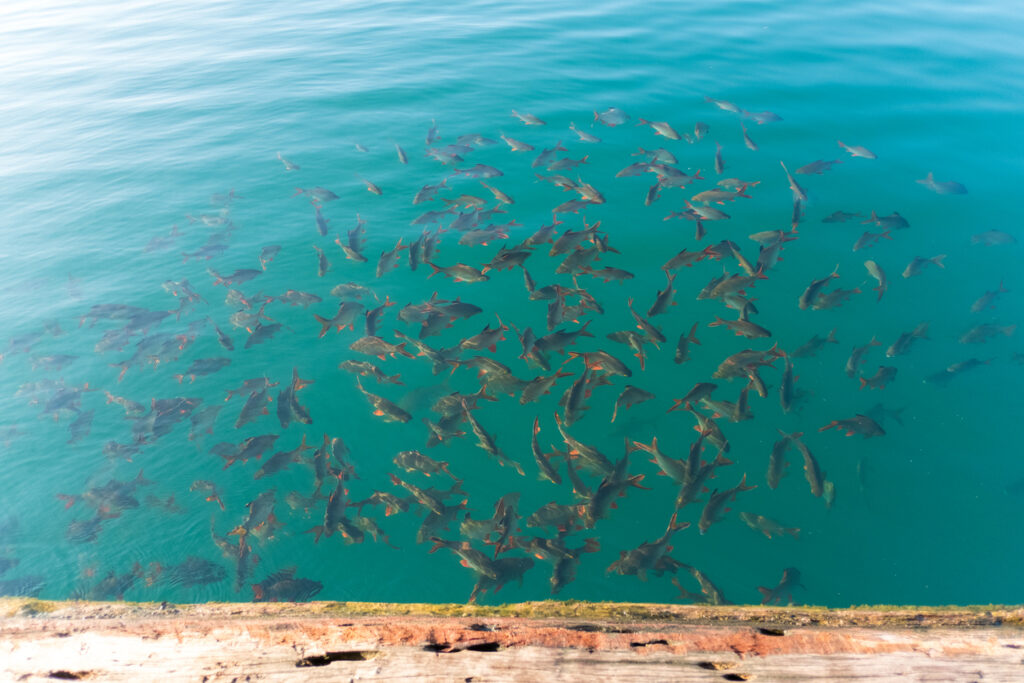
Fish near urban docks learn quickly when food appears. Regular feeding from boats and restaurants creates expectation. Over time, fish gather at familiar hours. Cities taught fish timing through repetition. When patterns stay steady, learning follows. Instead of wandering, fish wait. This reduces energy use and increases success. Human presence shaped aquatic behavior quietly. What looks like instinct is adjustment built from routine. Urban waterways became classrooms without walls. Fish responded by trusting consistency, showing that learning happens below the surface as reliably as it does on land within busy cities everywhere today through repeated human actions near docks daily.
22. Snakes Using Warm Roads
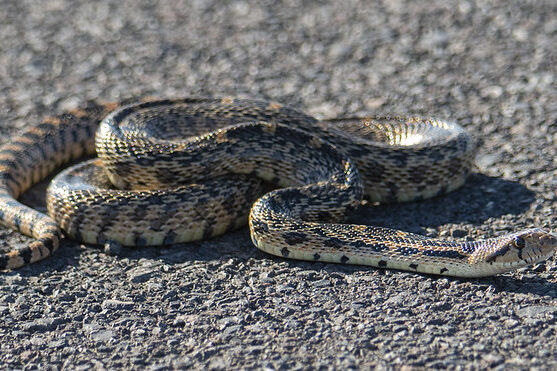
Warm pavement changes how snakes behave in cities. Roads hold heat after sunset, creating resting spots. Over time, snakes learn which surfaces stay warm longest. Cities taught snakes comfort cues through materials. This learning reduces energy use and improves survival. Instead of hiding randomly, snakes choose predictable warmth. Human construction reshaped thermal landscapes. What seems risky is actually calculated choice. Snakes adapt quietly, responding to physical changes without drama. Urban life altered the ground itself, and snakes adjusted movement patterns to match new conditions found across modern developed city spaces during cooler nighttime hours through repeated experience over years there.
23. Insects Following Artificial Light
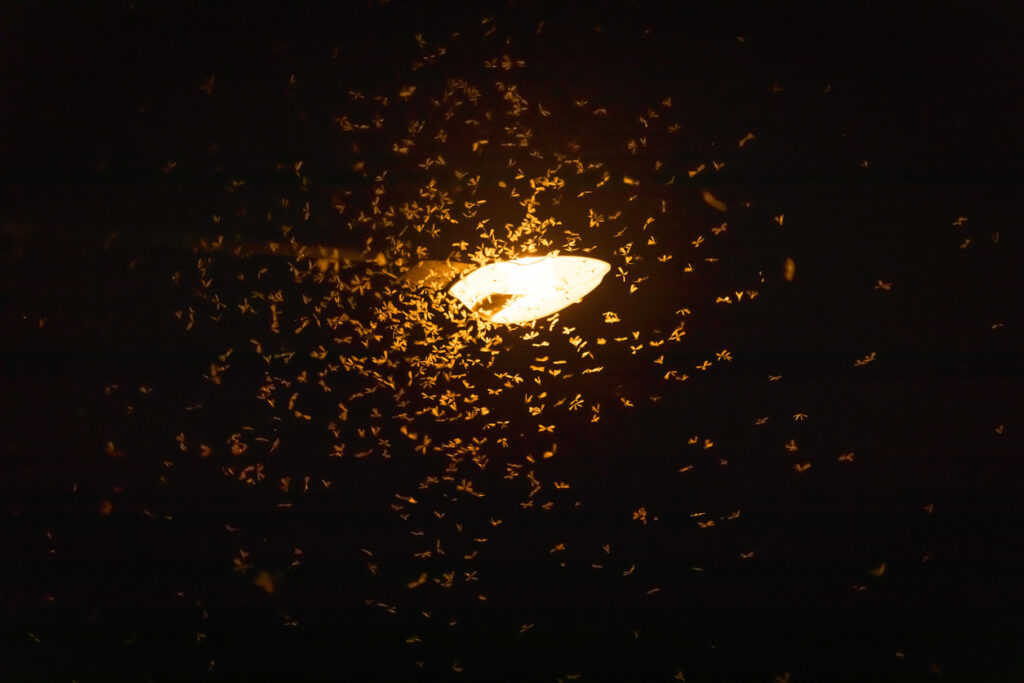
Artificial light reshaped insect life in cities. Night no longer means darkness. Insects gather around lamps where visibility stays constant. Over time, behavior shifts. Cities taught insects new timing rules. Mating, feeding, and movement adjust to light cycles. This learning happens gradually. Human design changed environmental signals. Insects respond by following what remains consistent. What feels disruptive becomes routine. Urban nights created new patterns insects now depend on. Learning follows stability, even when stability comes from wires, bulbs, and illuminated streets that shape modern city environments daily for countless small creatures living close to people in dense areas today now.
24. Birds Learning Window Paths
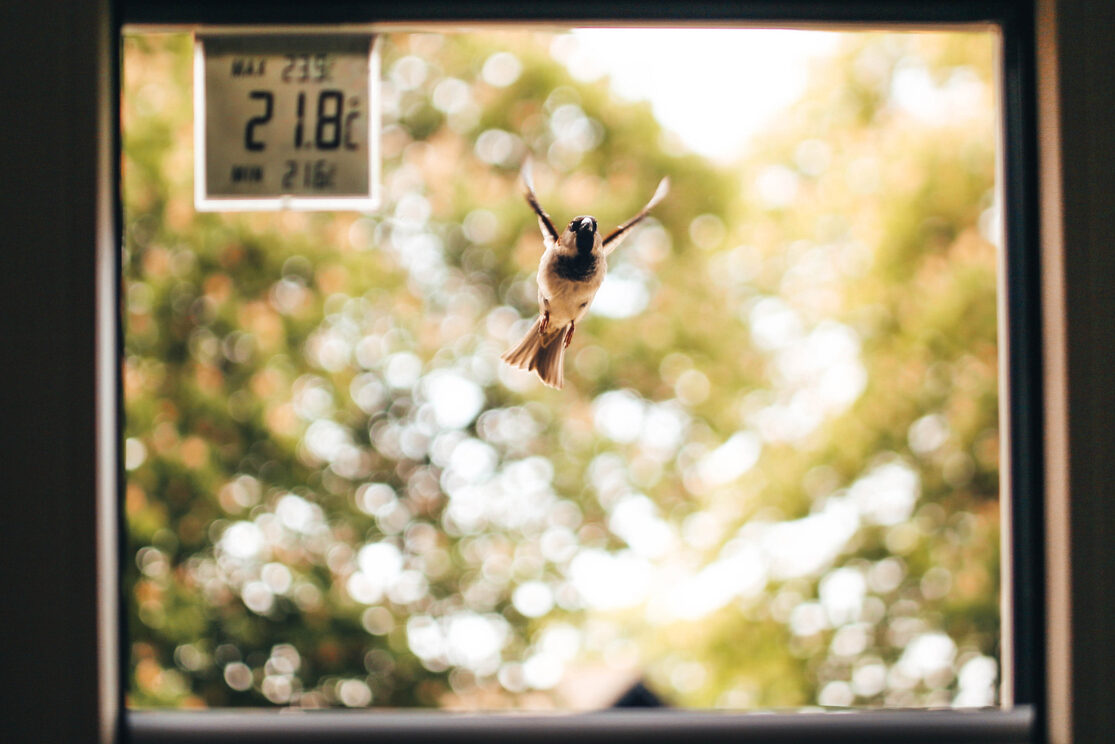
Birds living in cities learn quickly where danger repeats. Glass windows reflect sky and confuse flight paths. Collisions teach hard lessons. Over time, surviving birds adjust routes. Cities taught birds caution through experience. Familiar buildings become landmarks to avoid. This learning spreads as birds follow safer paths. Human architecture created invisible hazards. Birds respond by remembering and adapting. What seems tragic also becomes instruction. Urban landscapes demand awareness, and birds meet that demand by changing how they move through shared spaces within crowded neighborhoods filled with glass and repeating architectural patterns seen every day by flying residents of cities worldwide.
25. Raccoons Mastering Containers
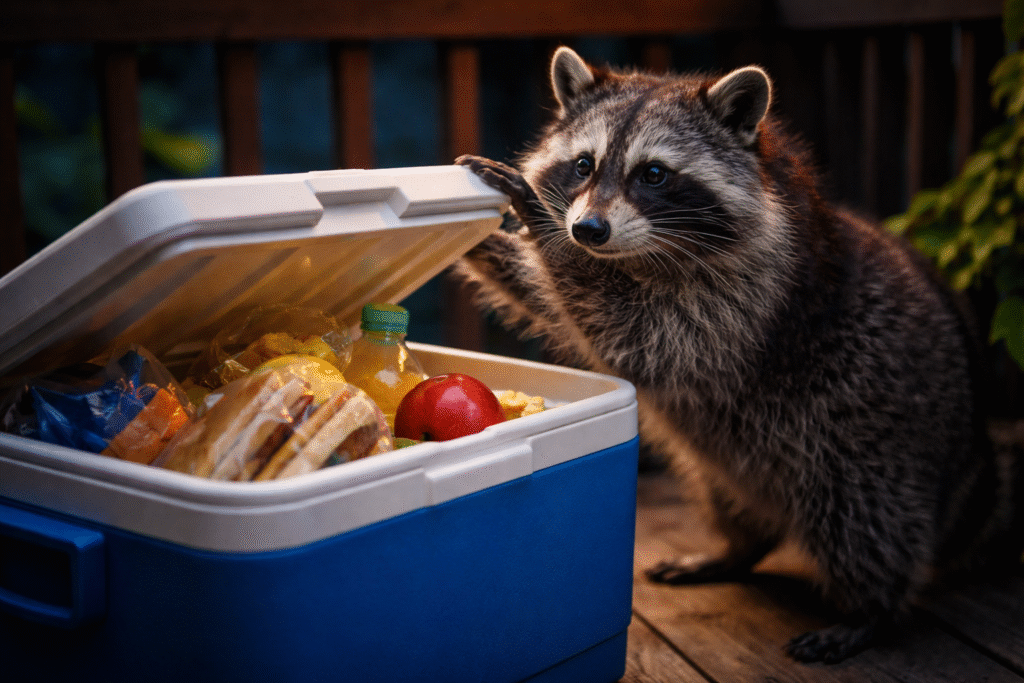
Coolers and containers present puzzles animals learn to solve. In cities, raccoons encounter similar designs repeatedly. Latches, hinges, and lids behave the same way. Cities taught raccoons mechanics through repetition. Each success reinforces memory. Over time, skill replaces trial. Human storage solutions became lessons without intention. What feels impressive is learned familiarity. Raccoons are not guessing. They remember. Urban life rewards those who recognize patterns. Design consistency made learning easy, and raccoons responded by mastering objects meant to keep them out across neighborhoods using similar equipment every night after dark without changing approach once learned fully by repeated access attempts.
26. Foxes Traveling Rail Lines
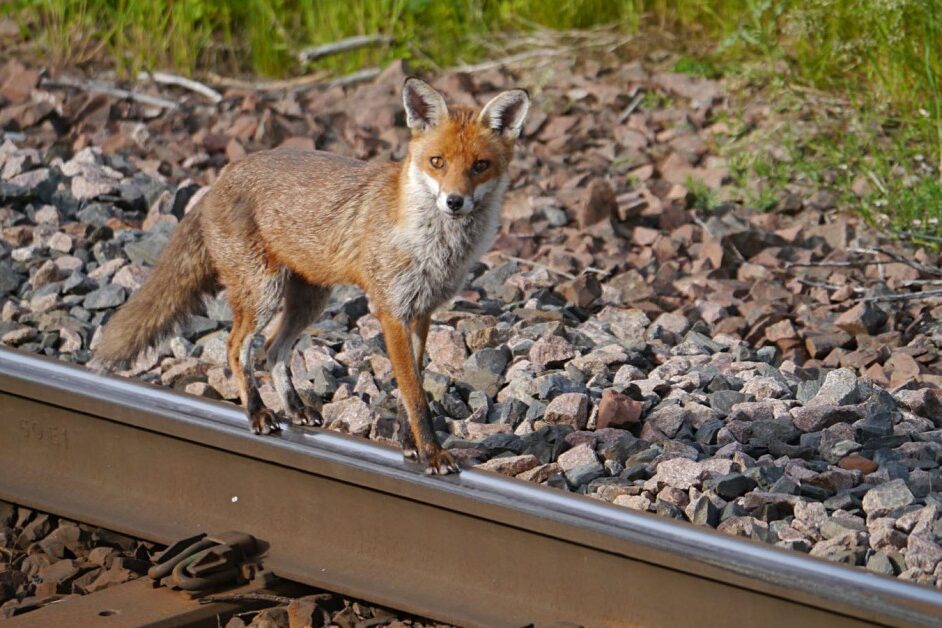
Rail lines offer quiet corridors through busy cities. Trains follow schedules, leaving long calm gaps. Foxes notice quickly. Over time, they learn when tracks are safe. Cities taught foxes that movement follows patterns. Rails become pathways rather than barriers. Human transport created predictable noise and silence. Foxes respond by traveling efficiently. What seems daring is actually informed choice. Urban life provides structure even in motion, and foxes adapt by using it thoughtfully during nighttime hours and early mornings when human activity slows significantly across connected city landscapes that rarely change routes for long periods each year without disruption or fear.
27. Crows Remembering Faces
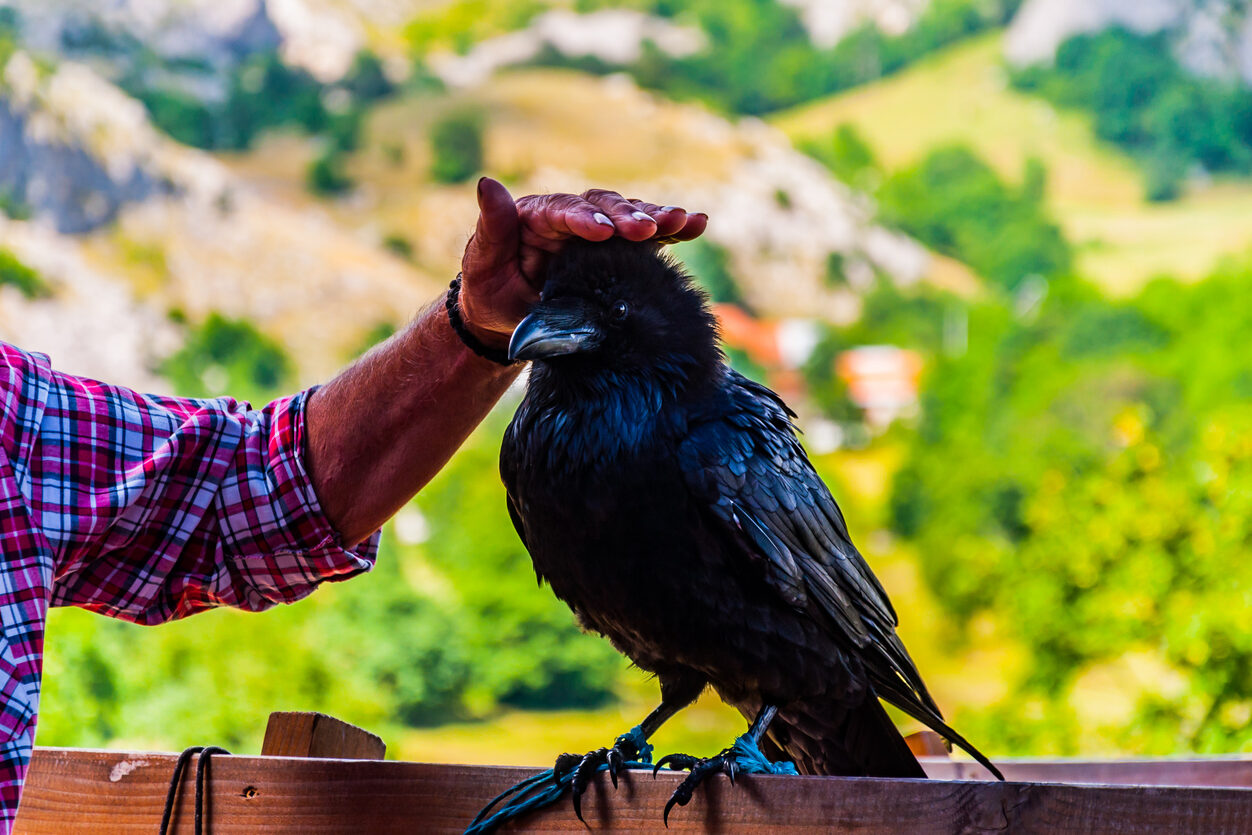
City animals learn by watching people closely. Crows are especially observant. Over time, they remember individual faces. Repeated encounters shape response. Cities taught crows recognition through experience. Friendly behavior invites calm. Threatening behavior triggers warning. This learning spreads socially among birds. Human actions become reputation. What seems personal is memory at work. Urban environments repeat encounters often. Crows respond by cataloging faces and reactions carefully, proving that attention and memory matter as much as instinct within shared neighborhoods and public spaces where daily contact is unavoidable for birds living near people in modern cities around the world today everywhere now.
28. Animals Learning Consistency
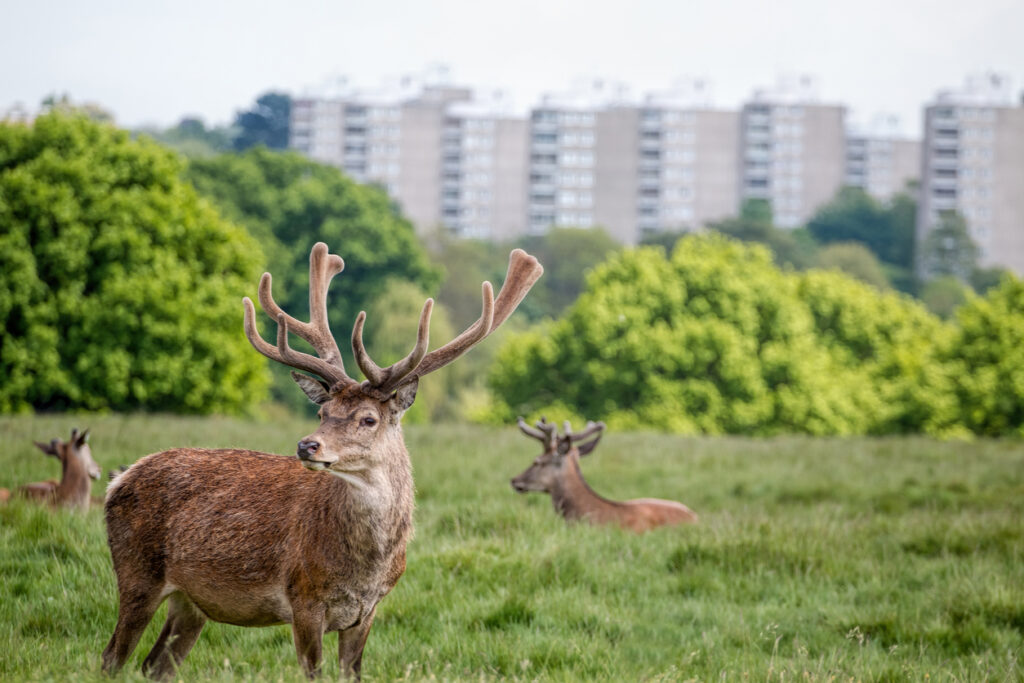
Cities offer animals countless repeated signals. Foxes, birds, rodents, and insects all respond to consistency. Learning happens not through intent but exposure. Cities taught animals how to live alongside people by staying predictable. Habits repeat daily. Infrastructure stays fixed. Animals adapt accordingly. What feels like outsmarting is adjustment. Urban life rewards memory, timing, and patience. Animals notice what stays the same. When we pay attention, shared space feels less divided. Learning flows quietly both ways, shaping cities into places of ongoing exchange between humans and wildlife daily without needing dramatic change or loud awareness campaigns to succeed for survival together.
29. Humans Learning Back
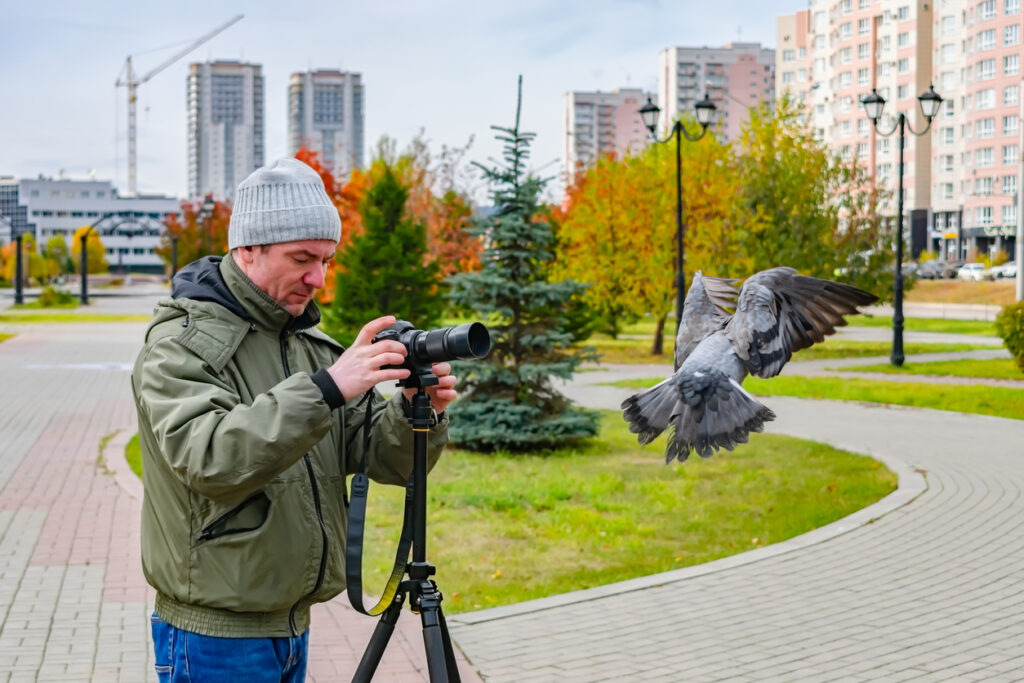
Urban learning does not belong only to animals. Humans adapt too. As animals change behavior, people respond with curiosity, frustration, or care. This feedback loop grows quietly. Cities taught both sides awareness through shared routines. When habits clash, adjustment follows. Coexistence improves with understanding. What once felt surprising becomes familiar. Observing animal intelligence invites reflection. Urban life becomes less about control and more about awareness. Learning happens through proximity. Cities continue shaping behavior, reminding us that adaptation is mutual and ongoing for everyone sharing limited space across crowded environments daily where attention matters more than force or dominance alone here.
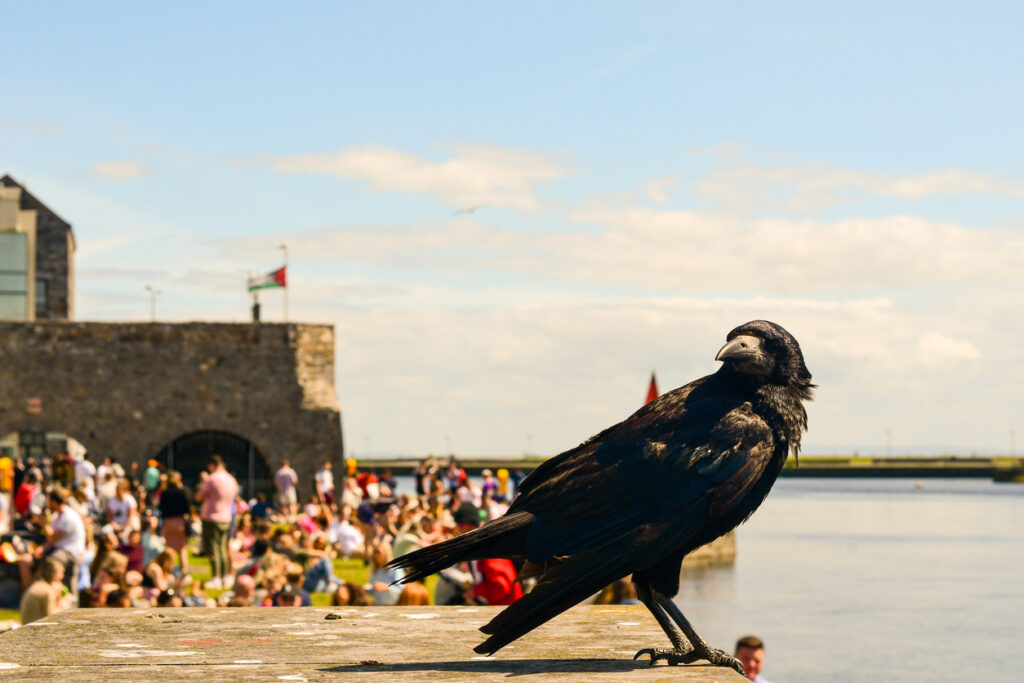
30. Crows Watching Us Learn
Crows in cities do more than adapt. They observe how humans respond to them. When people avoid certain areas, cover trash, or change behavior, crows notice. Over time, they adjust again. Cities taught crows that learning moves both directions. Repeated interactions shape trust, caution, and timing. What began as observation becomes mutual awareness. Crows remember faces, routines, and reactions. They respond calmly when patterns remain respectful. Urban life turns learning into a quiet exchange. Nothing dramatic happens, yet understanding grows. In shared spaces, crows remind us that attention builds coexistence better than control ever could when daily routines repeat and behavior reflects awareness over time naturally.


