
1. The Tune That Starts It All
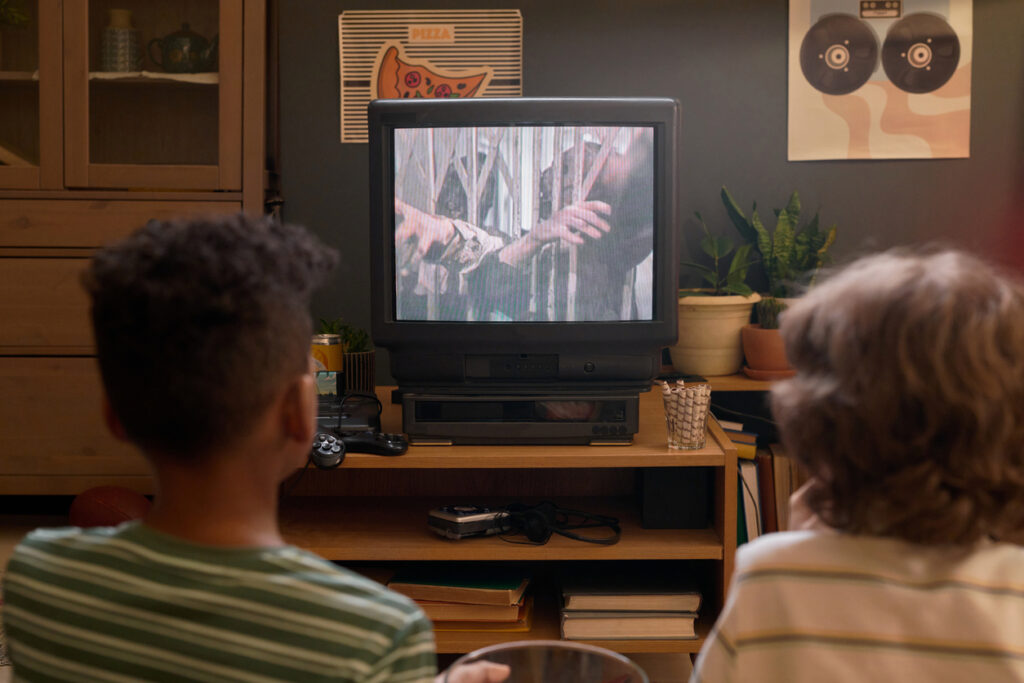
Growing up, many of us could hum the shows we watched after school, and that easy memory leads us into everything here. Those opening songs did more than fill space. They wrapped around our routines and our laughter, gently teaching our minds what comfort sounded like. When we hear them now, they pull us back toward the people we were becoming, almost like a doorway opening quietly. The simple chords and repeating lines helped our brains keep them, so a few notes can reopen whole scenes and remind us that some parts of childhood stay kind and close for good
2. Why Simple Songs Stay

Think about how a tiny bit of melody can loop in your head and feel gentle instead of loud. Childhood TV themes were short, clear, and easy to sing, which made them unforgettable. Repetition trained our ears while familiar rhythms gave our minds a place to rest at the end of long days. Each time the song returned the memory settled deeper, linking the music with couches, snacks, and quiet evenings. When the tune shows up years later it is not noise at all. It is a small reminder that simple patterns can live inside us for a lifetime today
3. Little Songs with Big Feelings

Sometimes it takes only the first note to wake something warm inside. Those themes carried bits of feeling along with every chord, and our hearts learned them as easily as our ears. They arrived with comfort or excitement right before the show began, quietly setting the mood. Over the years our minds tied sound and feeling together so tightly that both stayed. Now a short melody can lift a long day or soften a hard moment, because the song remembers how we once felt and invites us back to that gentler space we thought we had outgrown for a while
4. A Routine That Became Memory

Many of us watched the same shows at the same times, almost like quiet little traditions at home. The theme song opened the moment every day and told us it was time to settle in. Because it returned so regularly our brains treated it like something important. It marked safety, familiarity, and a chance to breathe. Years later our bodies sometimes relax the instant we hear it again. The music carries echoes of those soft evenings and reminds us that ordinary routines can turn into lasting memories without trying, simply by showing up over and over in steady ways again
5. Music Our Minds Practiced Without Trying

We often think practice takes effort, yet childhood theme songs gave us practice without asking anything from us. They played again and again until our minds traced every curve of the melody. With each replay the memory deepened, almost like drawing the same line until it becomes permanent. That is why a simple tune can stay clear while other details fade. The music slipped quietly into daily life and stayed. When it returns now it feels less like remembering and more like greeting an old friend our hearts recognize before our thoughts have even had the chance to catch up
6. How Sound Turns into Story

What surprises many of us is that the music rarely returns alone. When a childhood theme shows up, pictures begin forming too. We see rooms, faces, and little moments that once felt ordinary. The song opens the first door, and memories begin walking through behind it. Our brains learned the sights and the sounds together, so they rise together now. In that quiet way, the theme becomes a storyteller that brings back pieces of life we had tucked away and helps us notice how much of our growing years still lives gently inside our hearts today and stays with us
7. Comfort You Can Hear

There is something calming about a song that knows where you have been. Childhood themes often feel like soft blankets for the mind. They return at random moments and bring along a sense of safety that feels honest and kind. Back then they promised fun and familiarity. Now they remind us that those pieces of life still matter. The tune may be small, yet the peace it carries can be real. Comfort does not always need big speeches. Sometimes it arrives as music that has walked beside you for years and still knows how to help you breathe so gently
8. Simple Notes with Lasting Roots

Many of those songs were built on simple notes and steady rhythms that invited us in without effort. That simplicity helped them root themselves more deeply than fancier music ever could. Our minds liked following patterns that felt easy, so the themes stayed. Over time they became part of how we recognize our own childhood when we look back. When they return now, they feel honest instead of loud. They show that ordinary things can last the longest, and that a few familiar notes can hold on to whole seasons of growing, learning, and becoming ourselves all over again today
9. When Memory Feels Like Music

Every so often it feels as if memory itself begins to sing. A theme rises up, and suddenly a whole chapter returns with it. That mix of music and remembering may be why childhood shows stay with us so clearly. They tied moments together through melody and helped shape the way we look back. When the tune appears, it carries laughter, quiet time, and even the sense that we were safe. It shows how the past can return softly, not to take over, but to remind us that the parts we loved most are still here with us right now
10. How Memory Learns Through Repetition
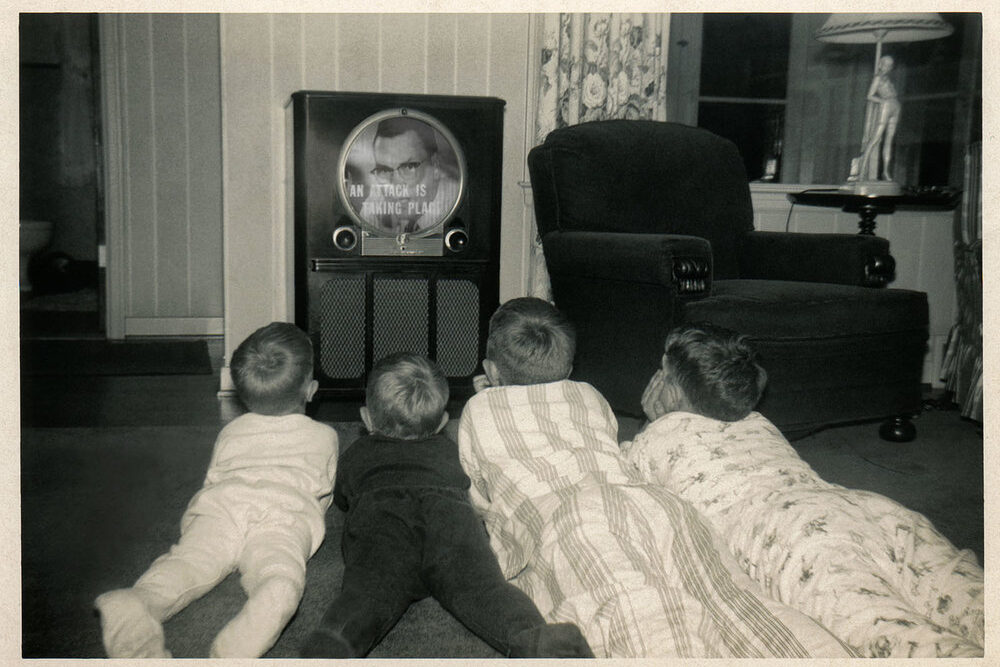
Sometimes the way memory works is quieter than we expect. Childhood themes came back week after week, and repetition taught our minds to keep them. Each return gave the melody another chance to settle, like gentle footsteps wearing in a path. Before long the song felt automatic, almost part of breathing at home. When we hear it now, the past answers easily, as if it had been waiting. That steady practice shows how small routines become lasting memories that stay with us long after the show ends and ordinary life moves forward around us again for a good while longer
11. When Songs Shape Our Days

It is interesting how a short tune could shape the rhythm of a whole day. As kids, the opening song often marked when homework paused and relaxation began. That little signal set the mood before we even spoke. Over time our minds trusted that pattern and kept it close. Now the same music can calm us even when life feels busy. It reminds us that simple signals can carry meaning far beyond childhood, quietly guiding how we unwind, remember, and reconnect with ourselves whenever the familiar notes rise again in the middle of ordinary moments we are living today still
12. How Songs Travel with Us

Some memories refuse to stay in one place, and childhood themes are like that. They traveled with us from small rooms to grown up lives, showing up in quiet corners when we least expected. Each time they returned they felt like gentle reminders that the past had not disappeared. Instead it had settled into our thoughts, ready to visit. The music followed birthdays, schools, moves, and changes, staying steady when other things shifted. When we hear it now, it feels like something loyal walking beside us, helping us hold both the child and the adult together in one heart today
13. Small Melodies Big Memories

At first those melodies seemed small, just a tiny part of the show. Later we realized they carried much more. They became keys that opened whole rooms of memory, filled with faces and voices we loved. Even when the stories faded, the songs stayed bright, ready to lead us back. That is the quiet strength of music from childhood. It holds details we did not know we were saving, and returns them when we need comfort. Each familiar note reminds us that the past is still reachable, simple, and close enough for us to feel again without forcing anything today
14. Why These Songs Feel Honest

Many people are surprised by how sincere childhood themes feel when they return. They do not try to impress us. They simply sound the way they always did, steady and familiar. That honesty is part of why they stay. They came from ordinary moments instead of big events, so they connect with everyday life. When we hear them again, they remind us that real comfort is often simple and quiet. The music carries no pressure, only memory, and it allows us to rest for a moment inside something safe while the world continues moving around us with its usual pace
15. How Themes Bring People Together

Sometimes a song from childhood becomes a shared language. Two people hear it and suddenly they are laughing about the same memories, even if they grew up miles apart. Those tunes created small communities without us noticing, because so many homes listened at the same time. Later, when someone hums the melody, others join in and the past feels shared rather than lonely. In that way, TV themes help us feel connected. They show how music can link stories, families, and friendships, reminding us that our separate childhoods still touch in ways we only notice when the song appears again
16. Quiet Lessons Hidden in Music

Without realizing it, many of those songs taught us small lessons about rhythm, listening, and patience. We waited through the opening theme, learning to expect something good at the end. That waiting helped shape how we enjoyed stories and how we handled time. The music gently trained our attention, showing us how to settle, focus, and follow along. Today those same melodies can steady us when life feels rushed. They remind us that learning does not always happen loudly. Sometimes it builds slowly inside familiar sounds that stay with us long after childhood and keep supporting us in quiet ways
17. The Memories We Did Not Plan

We never planned to remember these songs so clearly. They simply slipped into our days and stayed. While we worried about grades or chores, the music was quietly settling into long term memory. Years later it appears without effort and surprises us with how strong it feels. That unplanned remembering shows how life stores meaning in unexpected places. A short tune becomes a bookmark for whole chapters, ready to reopen feelings and scenes we thought were gone. When it returns, it reminds us that memory can be gentle and kind, holding on to parts of us we still need today
18. The Last Note Stays with Us

By the time we reach the last theme in our minds, it is easy to see how these songs shaped more than childhood. They quietly wove together comfort, routine, and identity, leaving threads we still follow. The melodies do not ask for attention. They simply show up and remind us who we have been and who we are becoming. That gentle pull is a gift, inviting us to listen, smile, and share a memory with someone else. If a theme still lives in you, talk about it, revisit it, and let it carry you back while you keep moving forward


