
Quiet Grazers With Big Impact
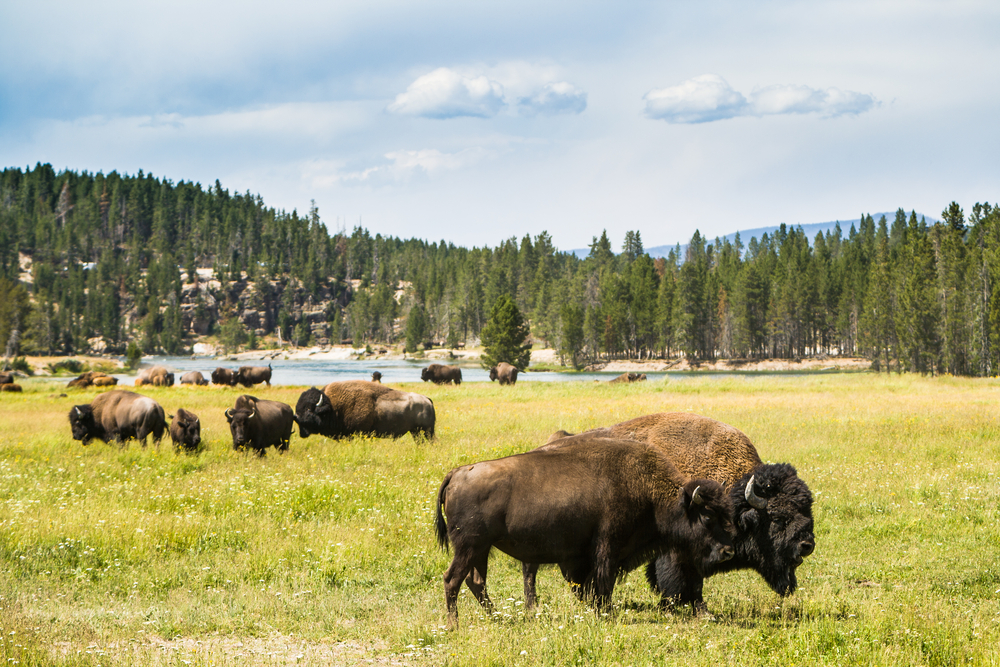
It is easy to think grasslands simply take care of themselves, yet they depend on bison in ways we barely notice. Just by grazing, these quiet giants shape everything around them. When they trim tall grasses, they make space for flowers and smaller plants that would never stand a chance on their own. That shift invites bees, butterflies, and other wildlife that depend on variety. One simple bite becomes a chain reaction, turning uneven grasslands into richer habitats. With every mouthful, bison create balance, proving that big change sometimes comes from small natural habits anyone might overlook.
Gentle Feeding That Enriches Soil
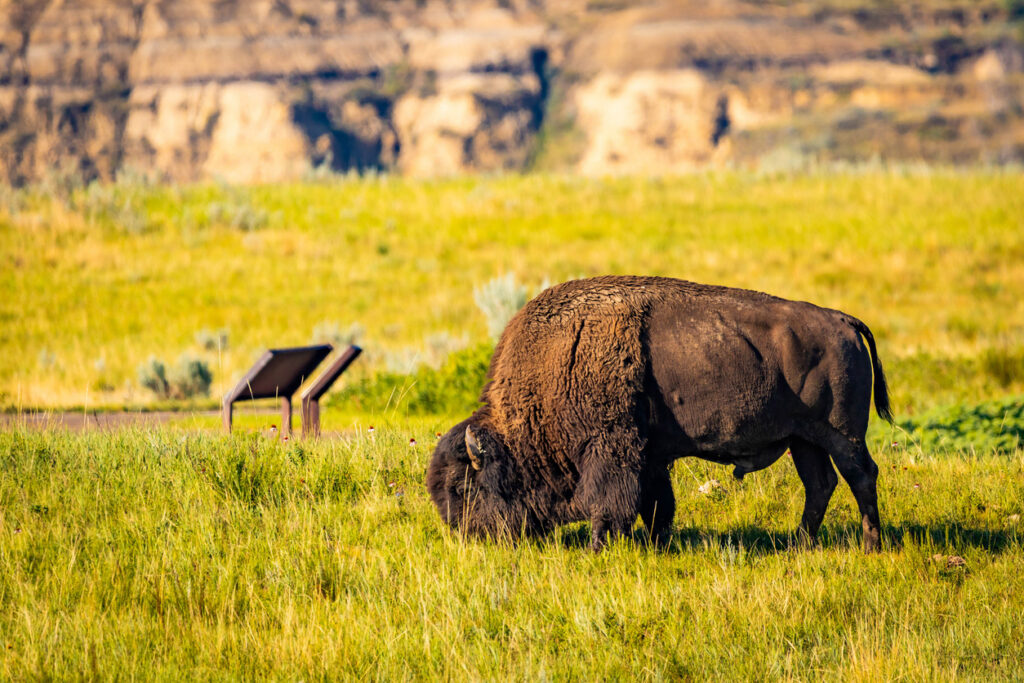
Bison may look rough and tough, but their feeding habits give grasslands a gentle boost that helps the soil stay healthy. As they eat, they leave behind natural fertilizer in the form of waste that returns nutrients to the ground. That waste nurtures soil microbes and fuels new plant growth without anyone needing to add chemicals. It is a cycle that works slowly, yet its results show up in sturdier grasses and wildflowers that thrive even through dry seasons. What looks like an ordinary meal becomes an investment in tomorrow’s prairie, keeping the land alive through natural recycling.
A Landscape Shaped Like a Patchwork Quilt
Grasslands grazed by bison are never uniform, and that variety is part of what keeps them thriving. Instead of nibbling evenly across the land, bison choose certain areas and leave others untouched for a while. That creates short patches, tall stretches, and different plant mixes scattered like a quilt. Each patch attracts its own community of creatures, from hidden insects to nesting birds. These natural patterns support a wider range of life than flat fields ever could. The prairie becomes richer not because it is perfect, but because it stays uneven, shaped by the unpredictable movement of grazing bison.
Helping Nature Recover From Stress
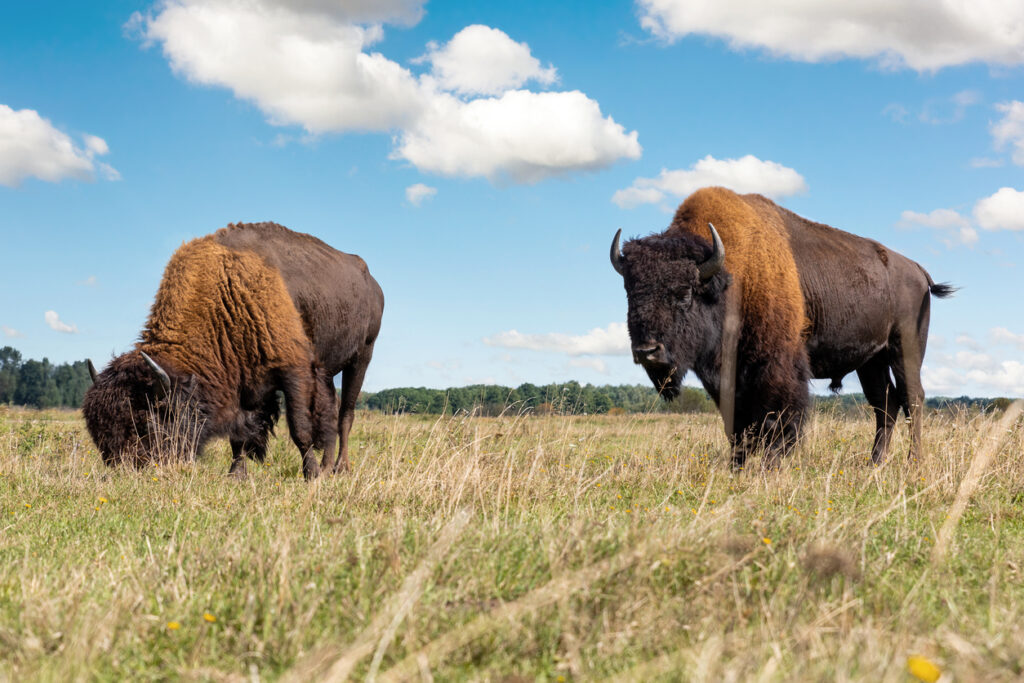
Bison quietly help grasslands bounce back from stress such as long dry seasons. When they graze, they make way for tougher, drought resistant plants that can survive when rain becomes scarce. Their grazing encourages fresh roots and new growth, which strengthens the soil and reduces the risk of plants dying off when the weather gets harsh. Over time, a grazed prairie becomes more flexible, able to handle big changes without collapsing. It is nature’s version of building strength through small challenges. Bison help the land prepare for hardship, simply by eating what others might leave untouched.
Creating Tiny Habitats Through Wallowing
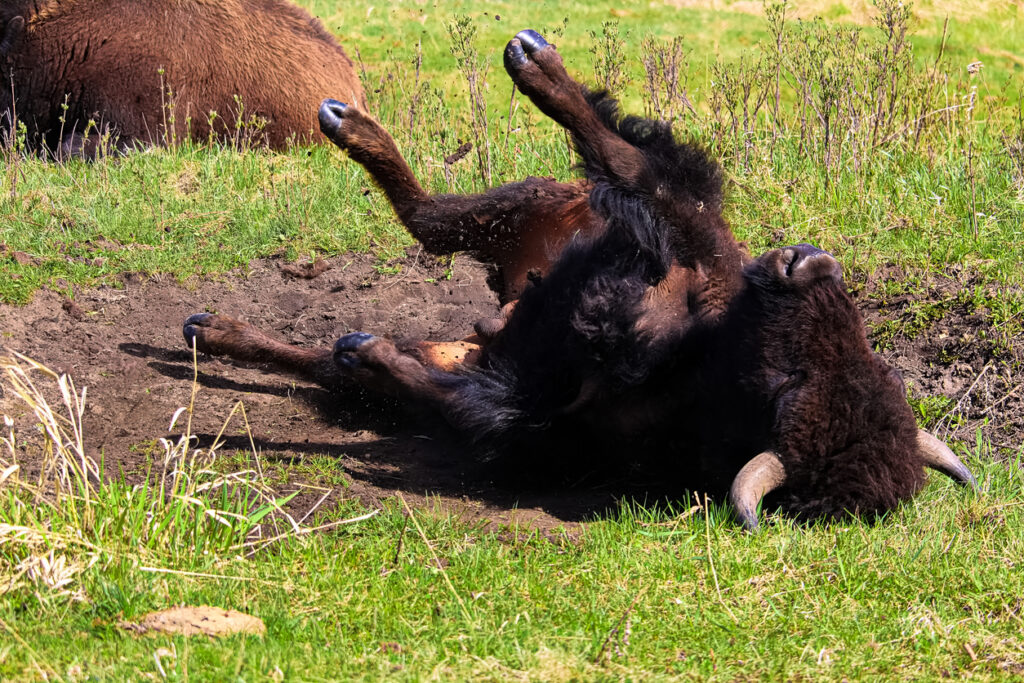
Every so often, bison flop onto the ground, twist, roll, and kick up dust in what is called wallowing. It might look like play, but it leaves shallow pits in the earth that fill with water when it rains. Those pits become mini habitats where seeds sprout, insects gather, and small animals find shelter. Plants that cannot compete on open soil suddenly gain a chance to grow. What starts as a messy moment in the dirt turns into a resting place for new life. Bison shape these spaces without a plan, yet they benefit countless little creatures.
Encouraging Wildflowers to Thrive

When bison shorten tall grasses, they give wildflowers room to stretch toward the sun. Those flowers then attract pollinators like bees, moths, and butterflies, adding color and energy to the prairie. Without grazing, many flowers would stay hidden under thick vegetation that blocks their light and steals their nutrients. Bison restore balance by trimming competition, allowing these smaller plants to bloom freely. The result is a burst of diversity that keeps grasslands active instead of dull. Behind every field of prairie blossoms is a herd of grazers making space for beauty to grow naturally and effortlessly.
Natural Seed Travelers

Bison do not just feed the land, they move it. Seeds latch onto their thick coats or pass through them after feeding, then fall across new areas as the animals wander. This helps plants spread without wind, water, or human help. As different seeds travel with the herd, grasslands develop a mix of plant species in more places, not just where they originally grew. The prairie slowly rearranges itself as bison roam, building new patches of life everywhere they go. One slow walk across the land becomes an invisible gardening effort that keeps the prairie full and ever changing.
Keeping Trees in Check
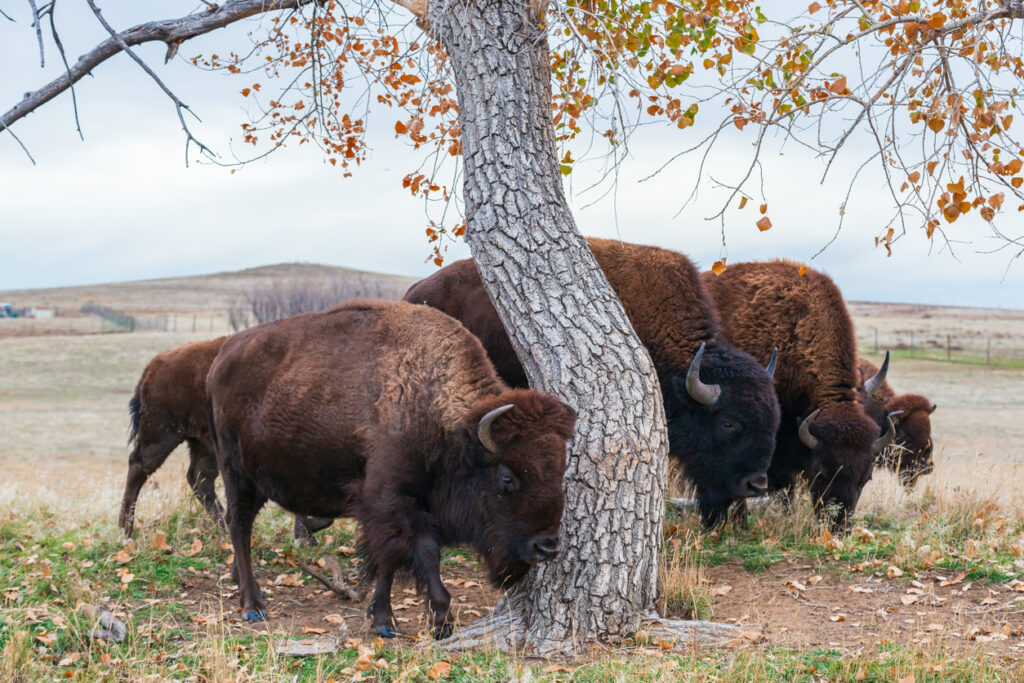
Bison help grasslands remain open by reducing the spread of trees and shrubs that may take over if left alone. Their grazing weakens tall grasses that shelter young tree shoots, and their hooves crush fragile saplings trying to grow. Bison often rub their bodies against young trees, breaking stems before they get strong. Without this pressure, prairies would slowly shrink and forests would expand into open land. Because of bison, grasslands stay grasslands. They protect the unique openness of the prairie, not by fighting trees, but simply by living as they always have.
Food Chains Flourish Wherever They Roam
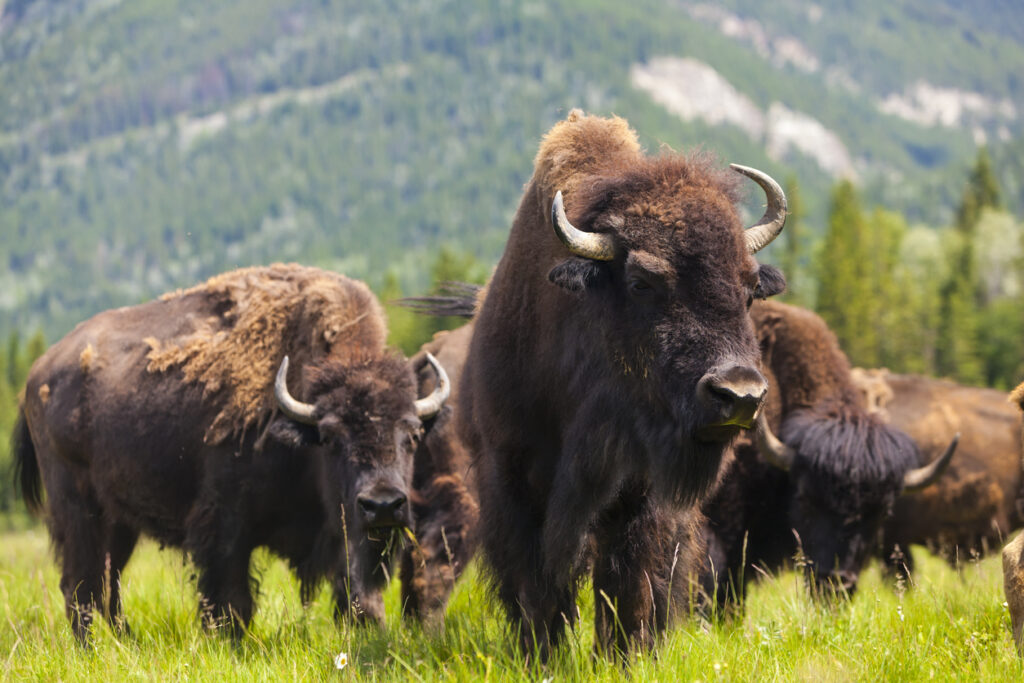
By encouraging plant diversity, bison indirectly feed animals they will never meet. More flowers mean more insects, more insects feed birds, and more seeds feed small mammals. Healthy soils grow richer plants for grazing animals, which invite predators seeking prey. Bison do not choose to support any of these species, yet their actions ripple outward, nourishing food chains from the roots upward. Landscapes without them become less lively, offering limited food choices. Their presence keeps every level thriving, proving that one species can energize an entire system just by following its natural routine without effort or planning.
Hooves That Help the Soil Breathe

The hooves of bison press, break, and loosen soil as they walk, helping air and water reach underground layers. That natural aeration supports strong root growth and helps seeds settle into the earth instead of sitting uselessly on top. It also prevents the ground from becoming too compacted, which can suffocate plant life over time. Each heavy step becomes part of a larger process that refreshes the land beneath them. Without machines, chemicals, or human effort, large herds slowly treat the soil with every movement. They heal the earth just by being present and active.
Supporting Burrowing Animals
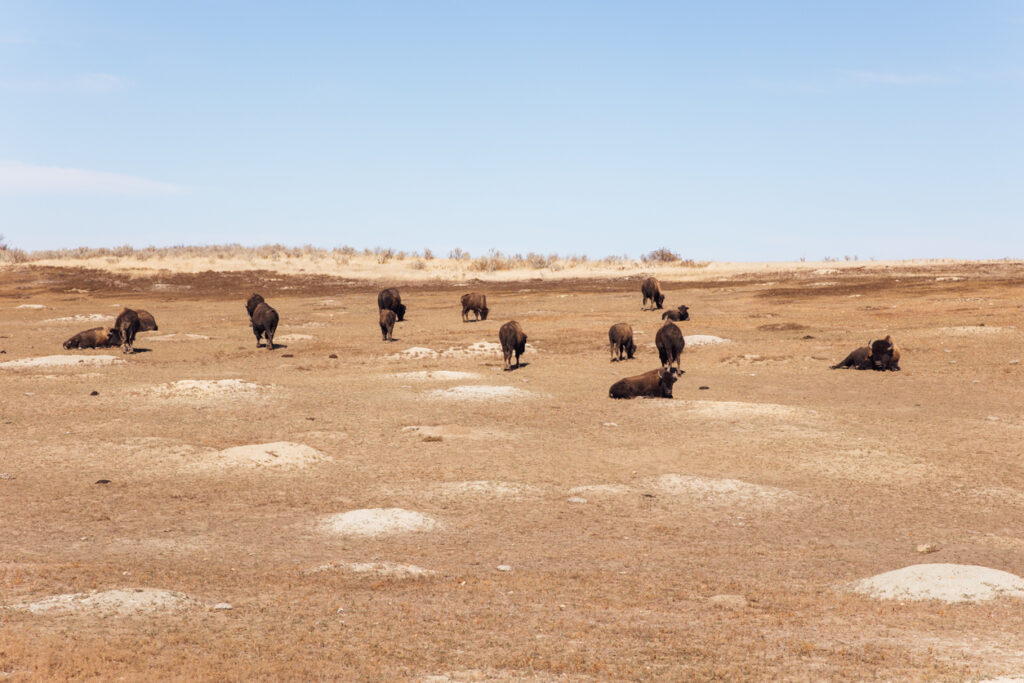
Bison altered soil structure does more than help plants. It also creates better conditions for burrowing animals such as prairie dogs and small mammals that dig tunnels. Loose, aerated soil is easier to move through, and the patchy vegetation gives burrowers open views to watch for predators. These tiny creatures then create underground homes that further enrich the soil, making space for water movement and nutrient storage. Bison build the stage, burrowers expand it, and together they strengthen the land. Life under the prairie thrives because life above it quietly prepares the ground for survival.
Stronger Plants With Deeper Roots
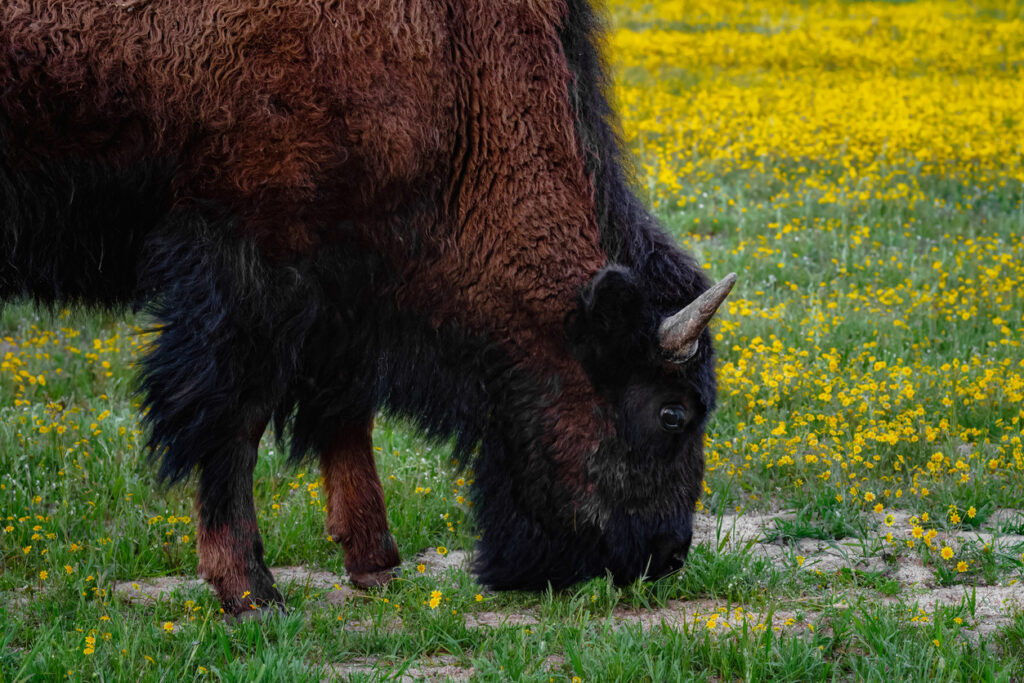
Bison grazing encourages plants to grow deeper roots as they constantly recover after being eaten. These roots improve water absorption, strengthen soil structure, and help the prairie endure harsh weather. Deeper roots store nutrients that feed new growth even in poor conditions. Instead of weakening plants, grazing pushes them to build resilience from below, becoming sturdier with each cycle. This hidden strength keeps grasslands productive regardless of temperature changes or dry stretches. The landscape grows tough by being challenged, and bison unknowingly train it, turning ordinary grass into a network of hardy survivors beneath the surface.
Cleaner Spaces For Ground Nesting Birds
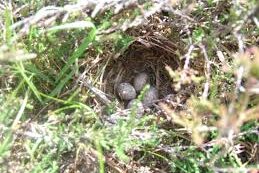
Not all birds prefer tall vegetation. Some need clear ground to build nests, spot predators, and feed safely. Bison create those open spaces when they graze specific areas down to shorter heights. Birds like meadowlarks and prairie chickens thrive in these trimmed zones, finding protection in visibility instead of cover. Without grazing, grasslands grow too thick for them to survive. Bison become quiet partners in their survival, shaping safe neighborhoods where birds can raise young. They do not nest or care for these species, yet their feeding habits provide exactly what certain birds cannot live without.
Helping Insects Multiply
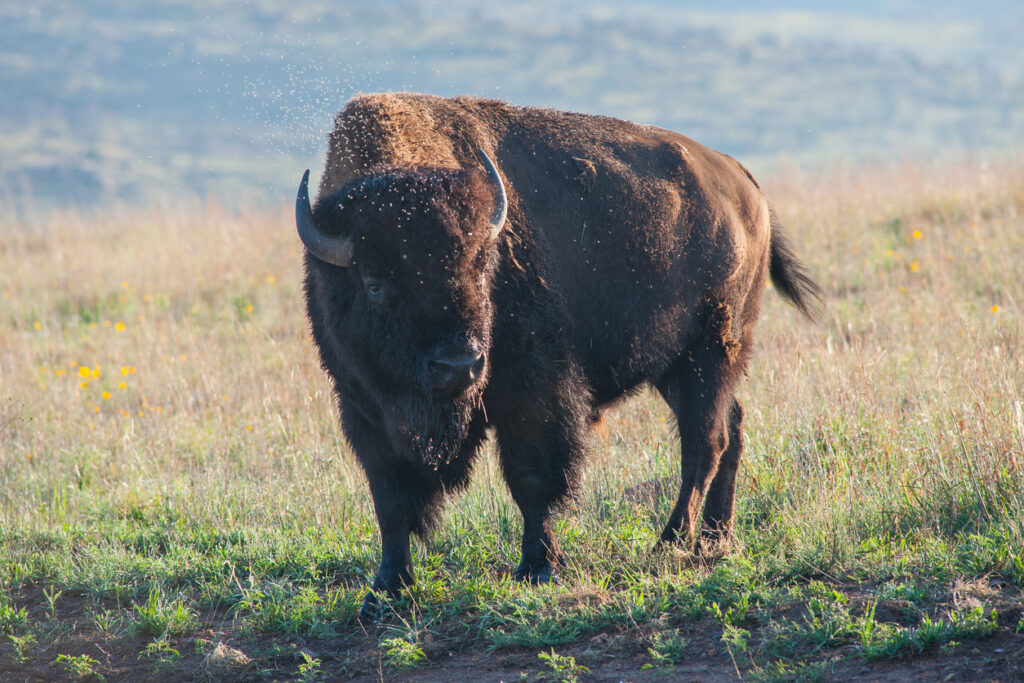
Many people overlook insects, yet they are essential to the balance of the prairie. When bison create varied plant heights, leave waste, and expose patches of bare ground, insects find everything they need. Pollinators drink from flowers that bloom after tall grasses are trimmed. Dung beetles break down waste, returning nutrients to the soil. Other insects lay eggs in loose earth created by hooves and wallowing. The result is an explosion of tiny life that supports birds, reptiles, and small mammals. Bison do not manage insects, yet every action they take makes the land more insect friendly.
Water Flows Better Through Healthy Soil
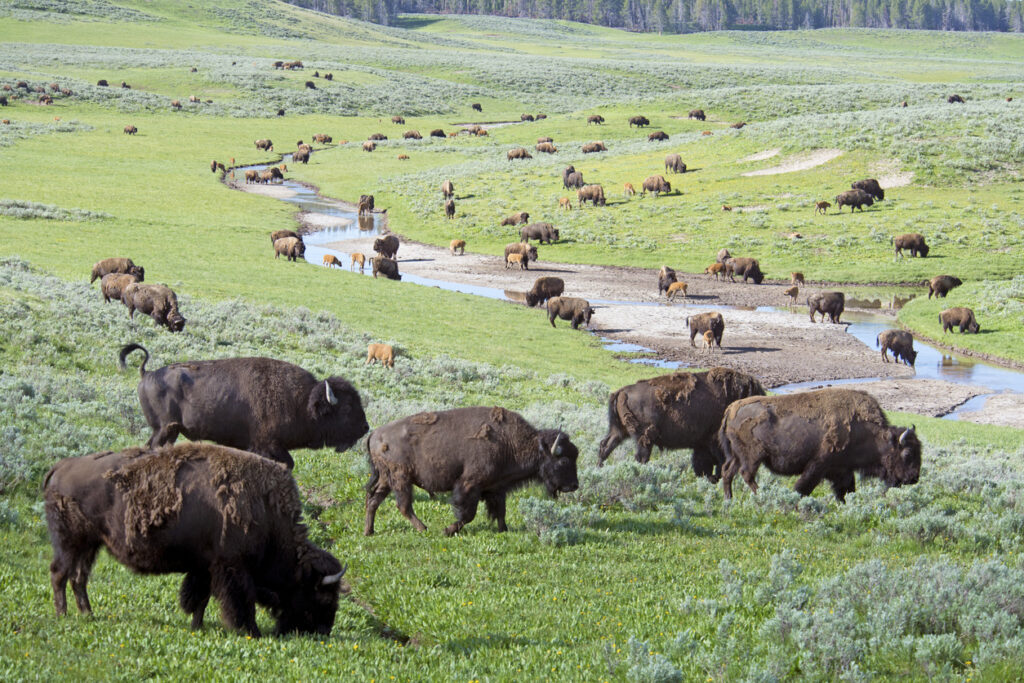
Because bison loosen soil and stimulate deep root systems, rainwater soaks into the ground rather than running off the surface. Healthy grasslands act like sponges that capture moisture instead of letting it escape. That stored water supports plants during dry periods and reduces erosion. Streams and ponds nearby often stay cleaner because less soil washes into them. A grazed prairie holds water inside itself, saving it for days when it is most needed. Bison make that possible without thinking about climate or conservation. Their everyday movement turns grasslands into natural water managers built for survival.
Natural Pest Control Through Diversity
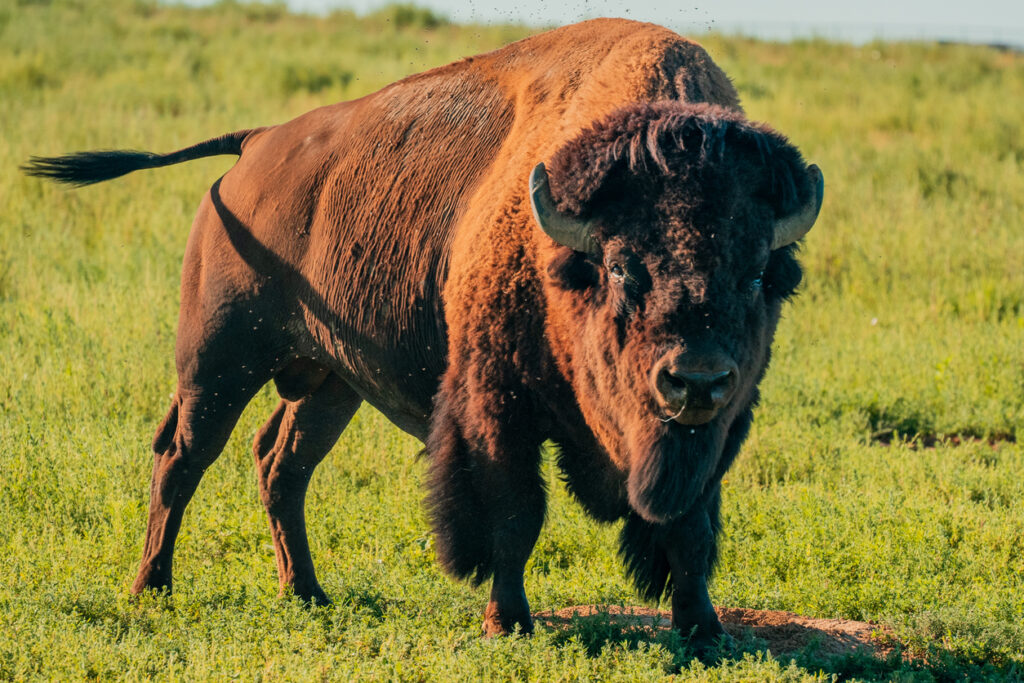
The variety of plants that flourish under bison grazing attracts a wider range of insects, including those that feed on pests harming vegetation. Predatory insects flourish where there are enough flowers and hiding spots to support their life cycle. Birds attracted by abundant insects help control pests even more. A diverse prairie becomes a self regulating system where harmful insects rarely dominate. Instead of needing pesticides, the land relies on natural checks created by bison activity. They build balance that makes grasslands tougher against disease and infestation. What looks like ordinary grazing leads to strong natural protection.
Fertile Soil Without Human Effort

Healthy soil is often associated with farming tools, compost, and fertilizers, but grasslands do not need any of that when bison are around. Their waste enriches the ground, hooves break soil gently, and feeding sparks deep root systems that encourage underground life. Microorganisms flourish because the grasslands remain alive with movement, waste, and plant recovery. Farmers work hard to create this cycle artificially, yet bison accomplish it daily without trying. Their presence alone builds fertile land. It shows how natural systems can outperform human solutions when animals are allowed to do what they have always done.
Pathways That Guide Water And Seeds
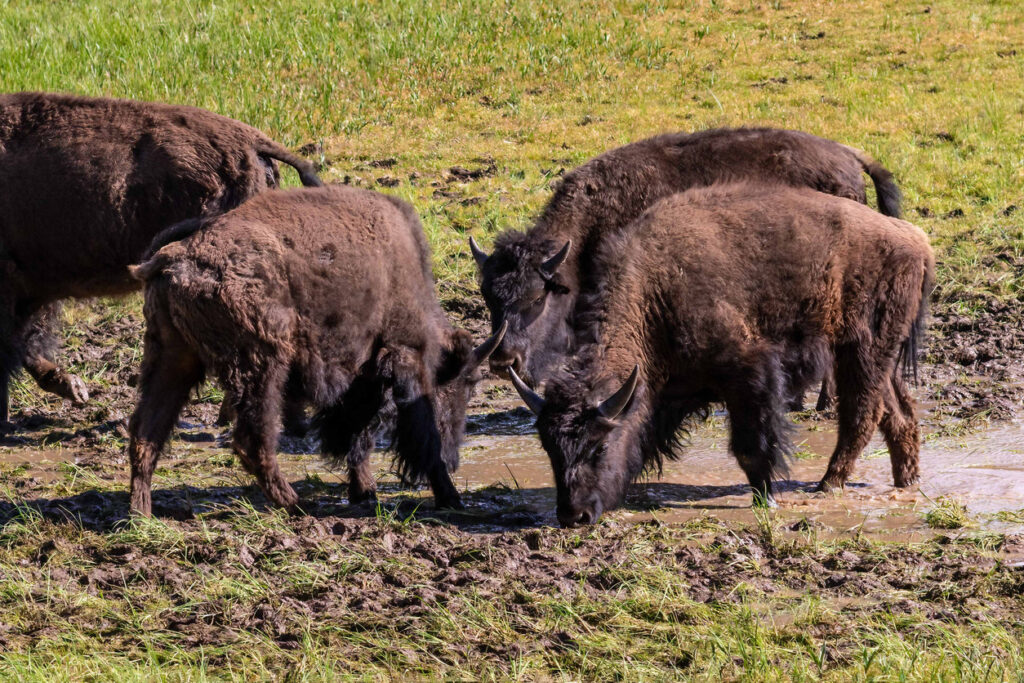
As bison walk the same trails over time, their hooves form pathways that guide water and shift seeds. Rainwater follows these patterns, soaking into certain low areas and feeding clusters of vegetation. Seeds fall along these paths, growing wherever moisture lasts longest. The landscape slowly shapes itself around repeated travel, building natural irrigation and planting lines. These trails may look like simple routes, yet they influence how life spreads and how water travels. Bison carve these corridors through simple routine, leaving behind patterns that support new plants and give grasslands natural direction with every step.
Inviting Scavengers And Decomposers To Work
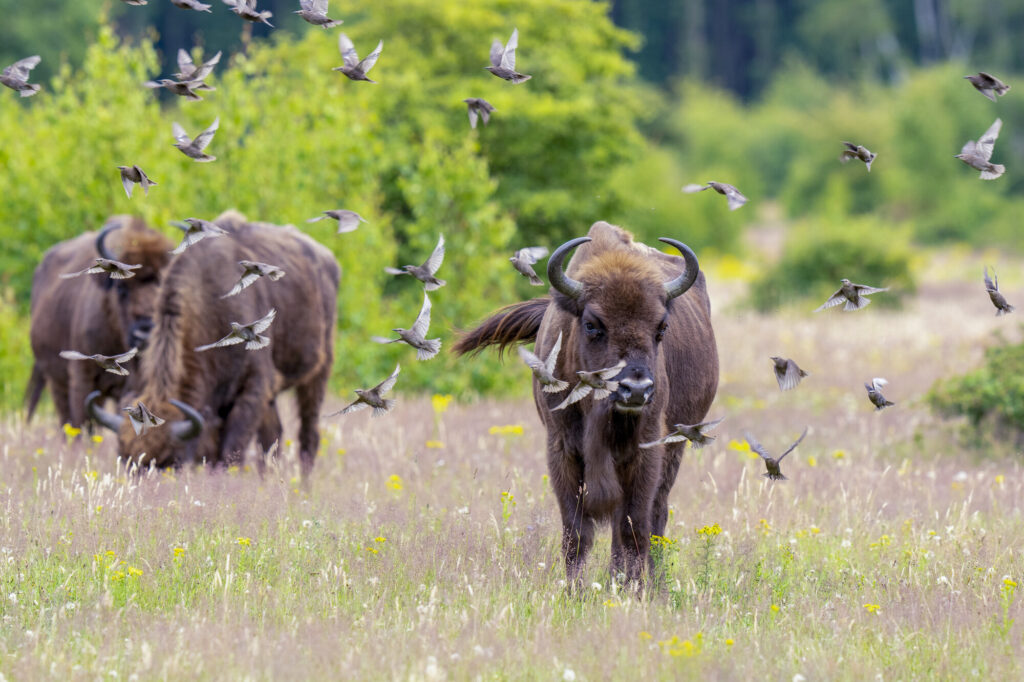
Where bison live, scavengers and decomposing organisms become more active. Their droppings feed insects and fungi, which then get eaten by bigger animals. When a bison dies, its remains support entire communities, feeding birds, coyotes, beetles, and bacteria. Nothing goes to waste, because every part enters the cycle of life. This continuous breakdown enriches soil and keeps nutrients moving across the prairie. Bison are not just grazers, they are contributors to an ongoing recycling system that strengthens the land. Even in death, they support life, proving that their influence never truly leaves the grasslands they call home.
Energy That Moves Through Generations
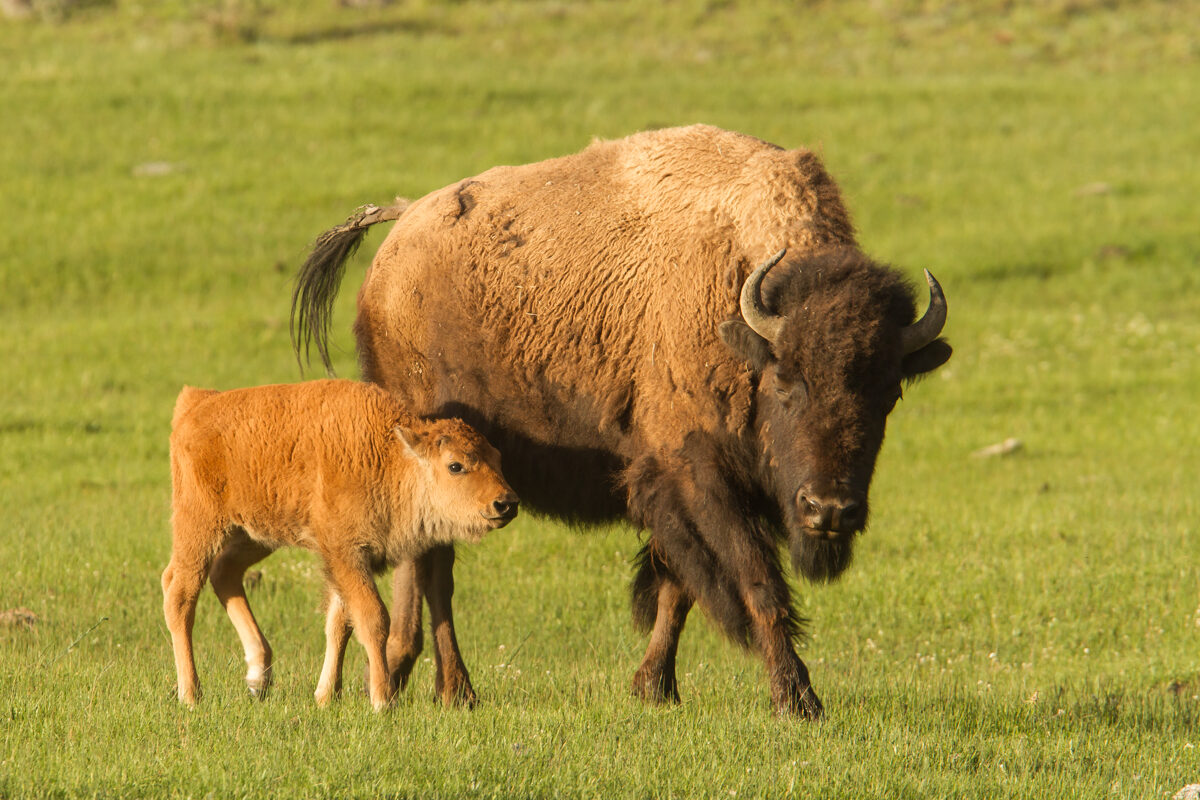
The diversity bison promote does more than feed today’s ecosystem. It influences what will grow and survive long into the future. Stronger soil, deeper roots, varied insects, and healthier birds all support generations of plants and animals yet to come. Grasslands influenced by bison stay productive and adaptable, passing resilience forward like a gift to those that follow. Without bison, that generational foundation weakens and becomes dependent on human maintenance. When bison remain present, nature manages itself. Their constant influence builds a future where grasslands evolve naturally, shaping their own destiny through energy that continues to flow.
Safer Spaces For Small Mammals
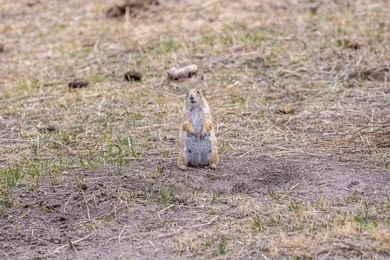
Small mammals like voles, mice, and ground squirrels use patchy grasslands to forage and hide from predators. Shorter areas left by grazing make it easier for them to spot danger quickly, while taller patches offer escape when they need cover. This balance of open and dense sections provides both safety and opportunity for gathering food. Without this pattern, small animals become more exposed or overcrowded. Bison build a safer layout by accident, not intent. Their feeding habits create a neighborhood design that helps tiny mammals survive, showing once again how unintentionally helpful they are to the prairie.
Strengthening Native Plants Against Invaders
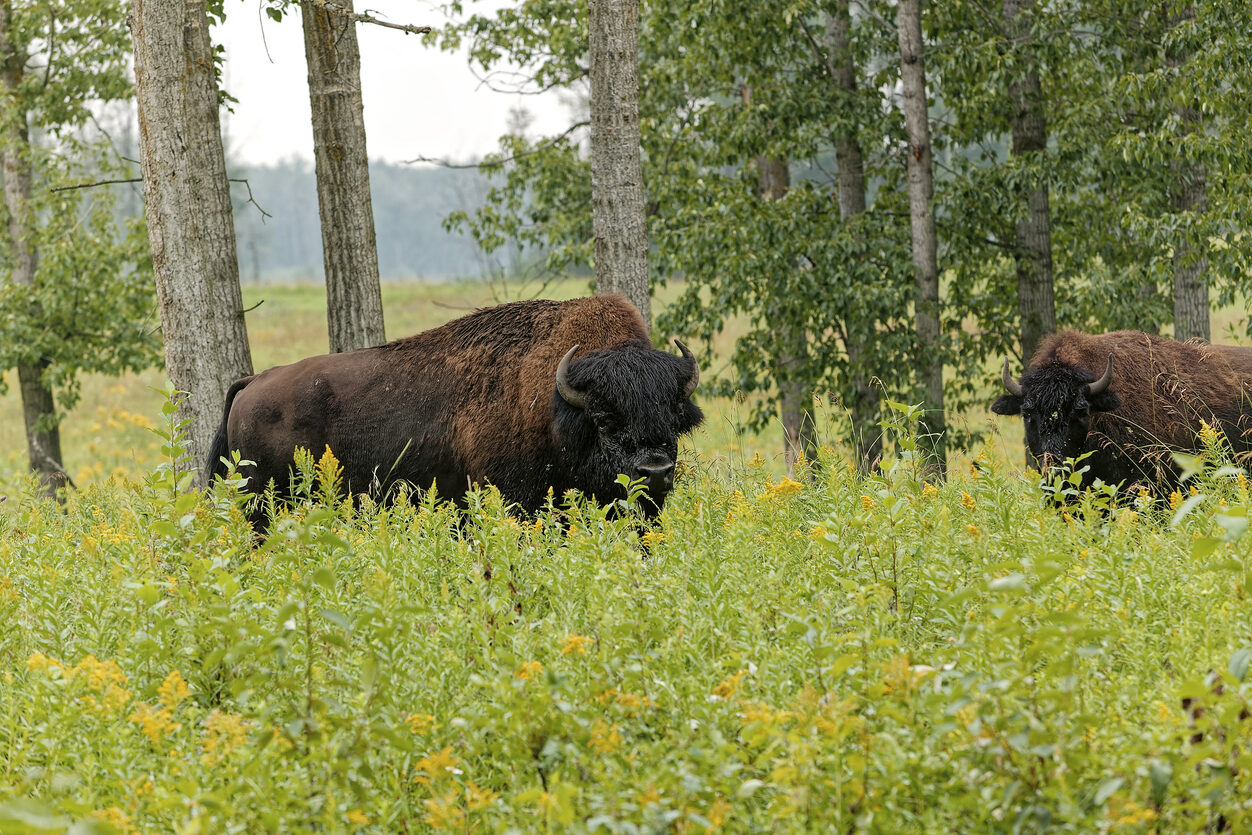
In many grasslands without grazing, invasive species and aggressive plants take over and push out native ones. Bison keep these potential bullies in check by grazing areas where fast growing plants dominate. Their feeding reduces competition and gives native species space to regrow. Stronger root networks form among the natives, helping them fight back naturally. The prairie becomes more resistant to invasion, not through chemicals or human intervention, but through simple grazing patterns. Bison act as quiet protectors of native species, helping them hold their ground and preserving a botanical heritage that might otherwise disappear.
Using Every Season Wisely
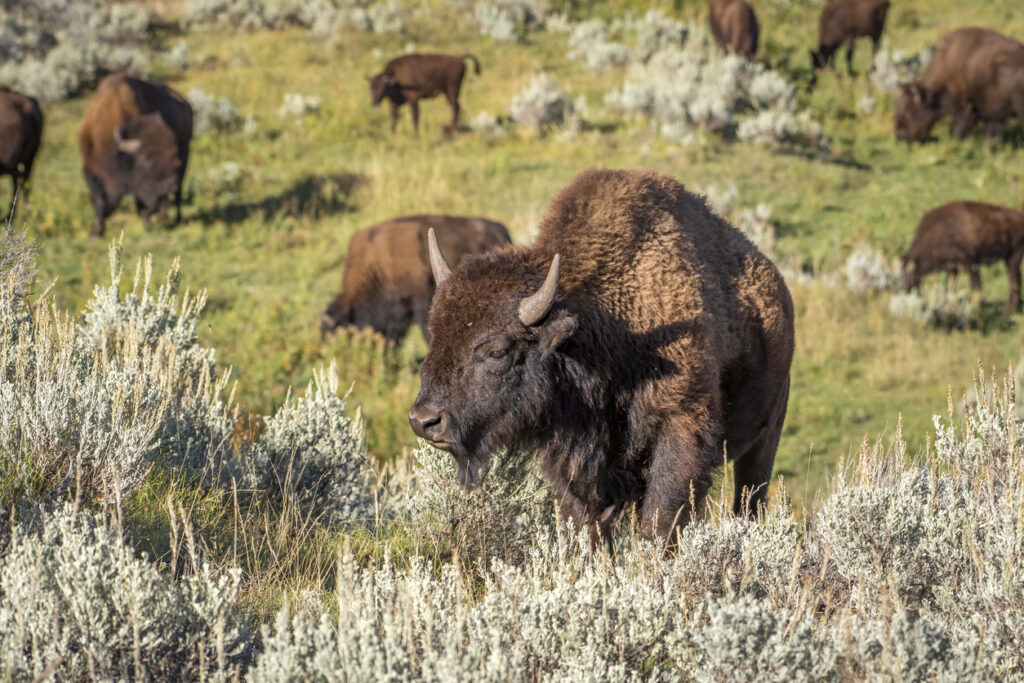
As seasons change, bison shift their grazing habits and movement, allowing different plants to flourish at different times of the year. Some grasses benefit in spring, wildflowers take advantage in summer, and sturdy plants recover in cooler months. This rotating rhythm gives various species time to grow without being overwhelmed by others. The prairie becomes a calendar of life, not a single season repeating itself. Bison do not plan this, yet their timing creates waves of growth that keep grasslands lively from month to month. Their natural schedule supports a landscape that stays productive all year.
Natural Climate Supporters
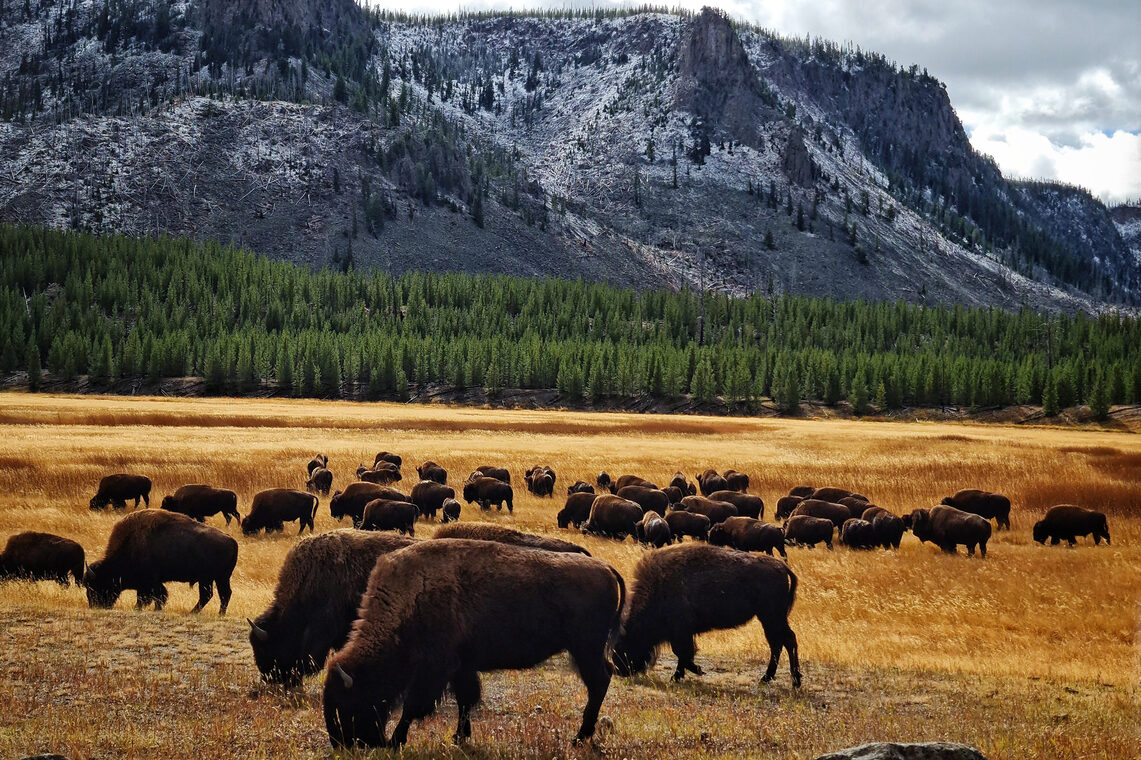
Because bison grazing encourages deep roots and diverse plant life, grasslands store more carbon underground. These roots lock carbon inside the soil where it remains stable instead of floating into the atmosphere. The healthier the prairie, the more carbon it can hold. Bison never try to solve climate problems, yet their influence creates one of nature’s most effective storage systems. Large herds keep grasslands active instead of letting them turn into less stable shrublands. Their everyday life becomes climate support, not through effort, but through an unbroken relationship with the land that thrives around them.
Grasslands That Feed More Than Themselves
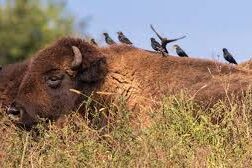
The animals, birds, and insects that thrive in bison grazed areas do not just benefit the prairie. They spread seeds, carry nutrients, and migrate, carrying the prairie’s influence outward. A healthy grassland supports farms nearby, pollinates food crops, and helps surrounding ecosystems stay balanced. Even towns near these prairies benefit when erosion decreases and water stays clean. The energy flowing from bison influenced land reaches well beyond where they walk. Their presence feeds more than the immediate environment. It shows how a thriving prairie can uplift everything connected to it, far beyond the grasses that grow there.
Inspiring Restoration Efforts
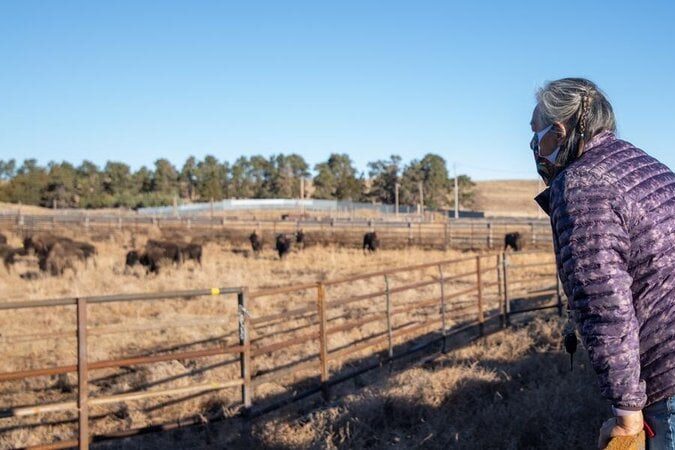
People working to restore damaged grasslands often choose to bring back bison rather than replace them with machines or chemicals. They know that bison repair land through everyday behaviors that humans struggle to replicate. Their grazing, movement, waste, and wallowing create conditions that experts try to simulate. Instead of copying nature, restoration projects invite nature to help itself. When bison return, soil recovers faster and plant communities rebuild with less effort. This partnership shows that the best restoration sometimes comes from respecting the original architects of the land. Bison prove how healing begins with presence.
Teaching Balance Through Behavior
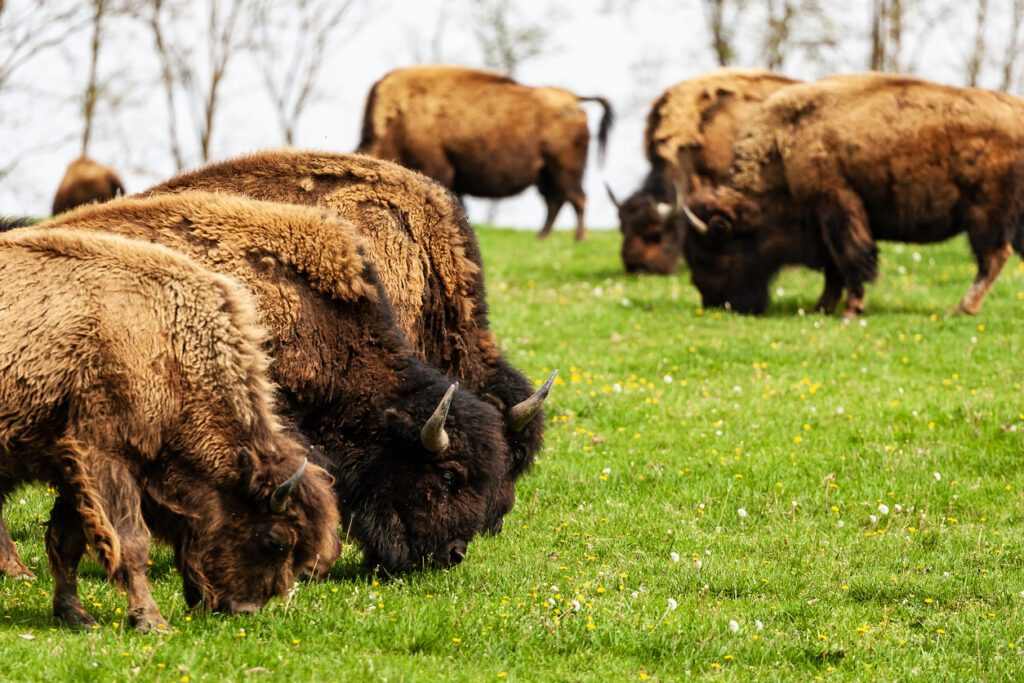
Bison rarely overgraze one location. They move on naturally after feeding, allowing plants time to recover. This instinct creates balance without rules, fences, or management. Their behavior reflects a relationship with the land that keeps both sides healthy. They take only what can regrow, then let the prairie replenish itself. Humans studying them learn that balance is not forced, it is practiced through rhythm and patience. Bison become teachers without trying, showing that sustainability can be simple when guided by respect for natural timing. Real harmony happens when each side gives and receives without strain.
Grasslands That Invite Wonder
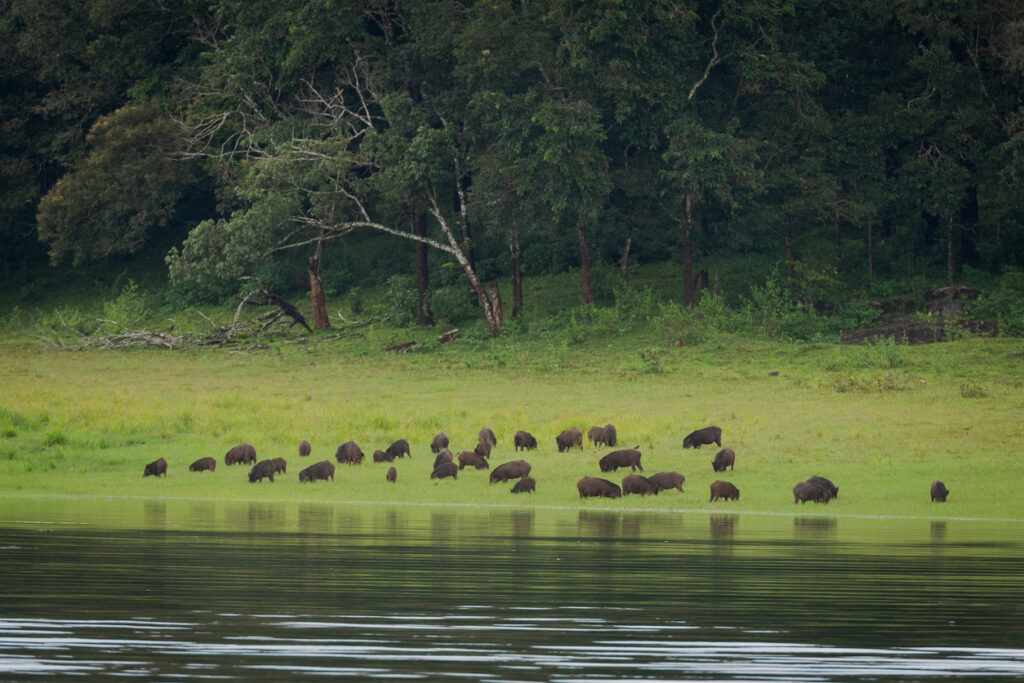
People who visit bison inhabited prairies often notice how alive the land feels. There are more sounds, more movement, more colors, and more hidden life than in untouched or heavily managed fields. The prairie seems to tell stories through rustling grasses, flapping wings, and busy insects. Bison are not just part of this scene, they set the stage for it. Their quiet presence creates landscapes full of discovery for anyone willing to pay attention. In caring for themselves, they leave behind thriving places that remind us how nature flourishes when its animals are allowed to lead.
A Relationship That Needs No Instructions
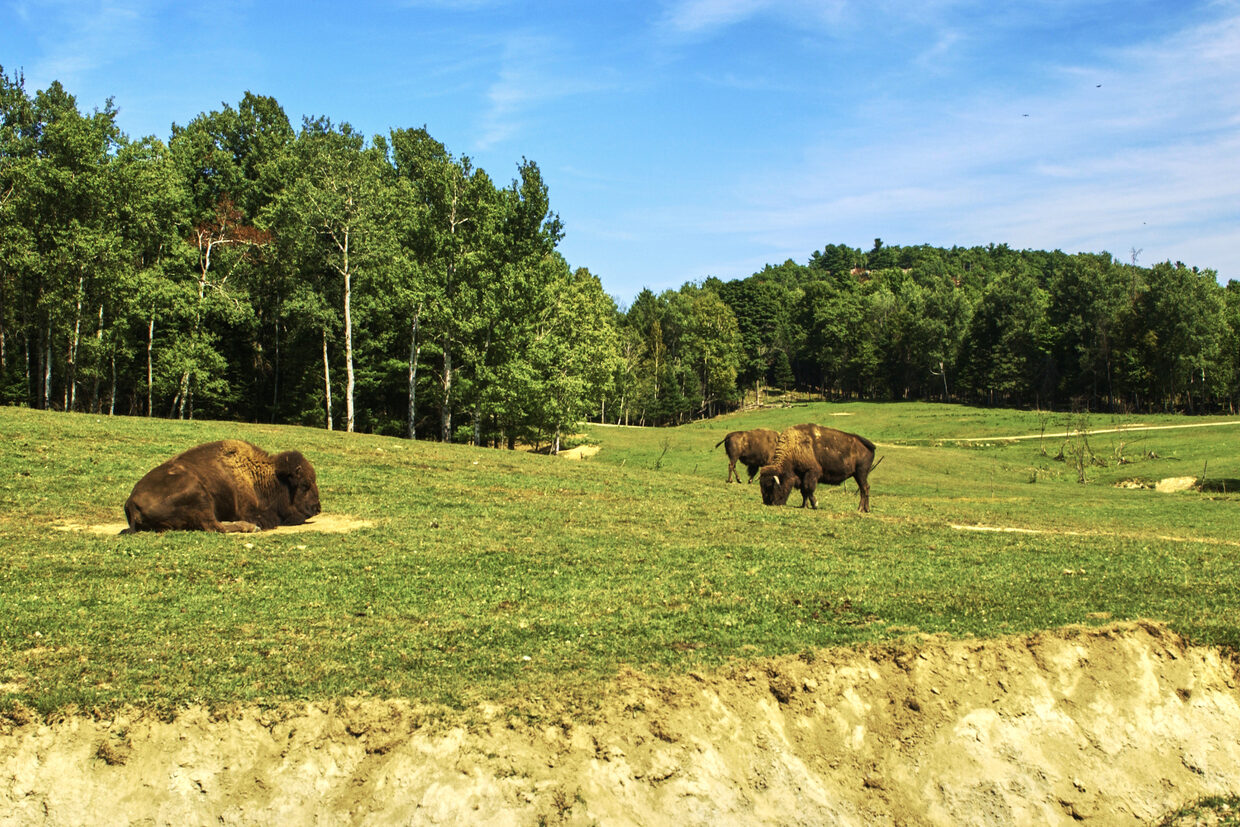
Bison and grasslands work together without guidance or design. The land feeds them, and in return, they feed the land. This exchange exists without technology or rules. It has been shaping ecosystems long before humans studied conservation. Their connection is a reminder that nature is built on relationships, not domination. Grasslands do not survive because bison control them, and bison do not thrive because the land is forced to obey. They coexist through instincts that benefit both. This relationship shows how strength comes from cooperation that requires nothing more than allowing life to function as intended.
Balance That Grows When We Step Back
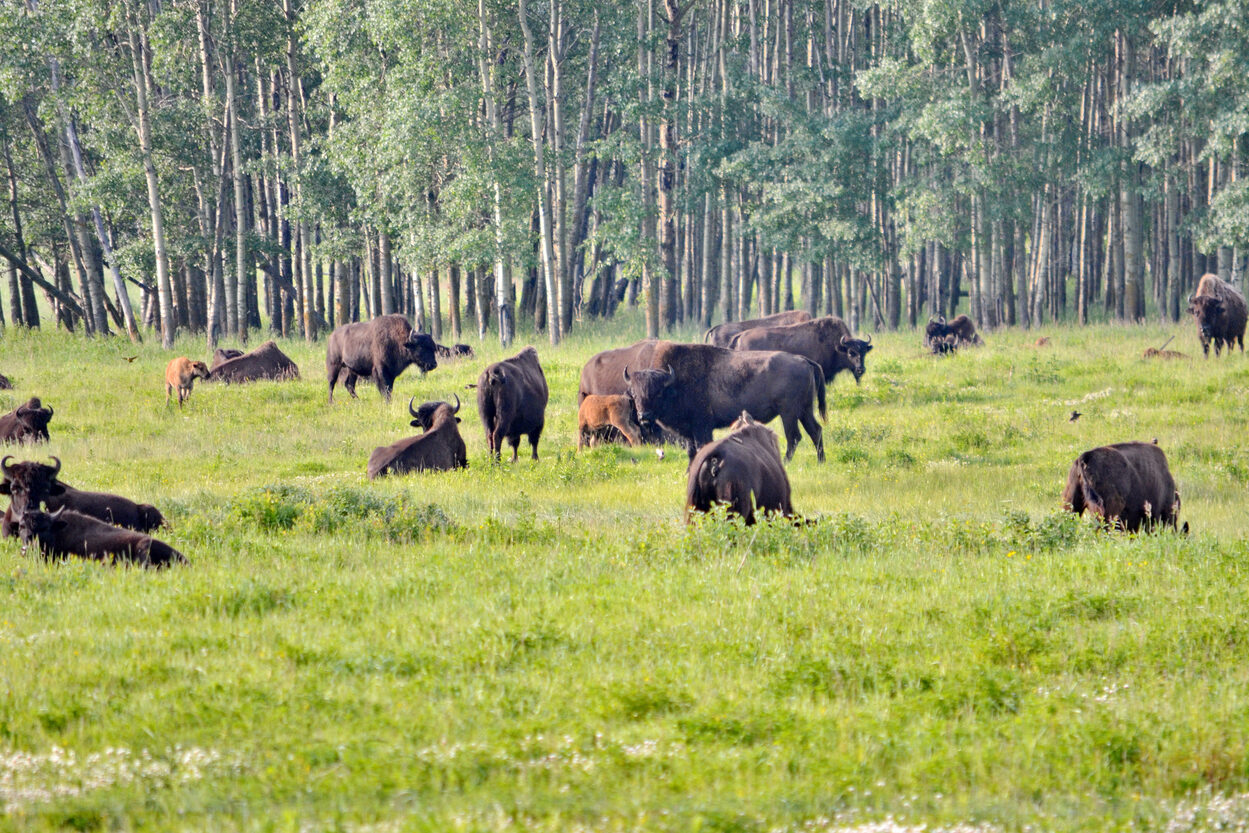
In the end, bison show that grasslands flourish when we allow nature to guide itself. Their quiet habits create healthy soil, resilient plants, thriving animals, and a landscape that adapts with time. They do this without planning, tools, or intervention. Each graze, hoofprint, and movement builds balance piece by piece. Instead of fixing the prairie for them, letting them live freely repairs the land better than artificial methods ever could. Bison remind us that sometimes the best solution is to step back and trust natural systems. If we protect them, they will protect the grasslands in return.
This story How Bison Shape Grassland Ecosystems Simply by Grazing was first published on Daily FETCH


