
Curious Chimpanzees
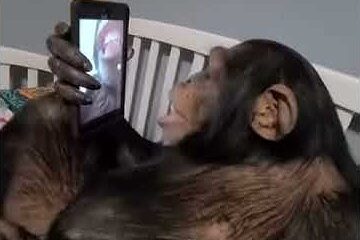
It usually starts quietly, almost like an invitation to look closer, and chimpanzees often accept it with thoughtful calm. When a chimpanzee sees itself on video, the reaction is rarely loud or frantic. Many pause, move closer, and study the image with clear focus. Some touch their faces, adjust their posture, or make small movements to test what they are seeing. It feels less like meeting another chimp and more like meeting a version of themselves. Their response sets the tone for understanding animal awareness, easing us gently into how recognition can appear without words.
Elephants Testing the Image
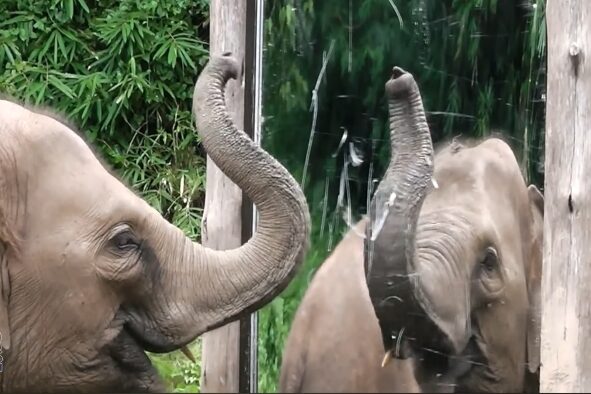
Elephants approach Mirrors with patience that feels deeply intentional. When they notice their own image, they often slow down, extend their trunks, and explore the screen gently. Some shift positions or touch parts of their bodies as if confirming what they see. There is no rush, no alarm, just quiet investigation. Watching an elephant respond this way feels grounding, like witnessing thought unfold in real time. Their reactions suggest understanding rather than confusion, and they move on only after satisfying their curiosity. It reminds you that intelligence can be calm, careful, and deeply observant.
Dolphins Watching Closely
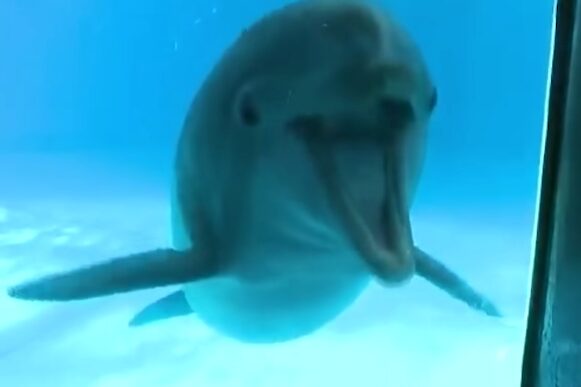
Dolphins tend to turn self-viewing into an experiment. When shown a mirror, many repeat movements, swim back and forth, or perform familiar flips as if testing cause and effect. They appear engaged and alert, watching closely for responses. The behavior feels playful but purposeful, like a game with rules only they understand. Over time, the excitement settles into recognition, and they lose interest in treating the image socially. Their reaction feels joyful yet thoughtful, showing how curiosity and intelligence often travel together in animals that seem to enjoy learning about themselves.
Orangutans Taking Their Time
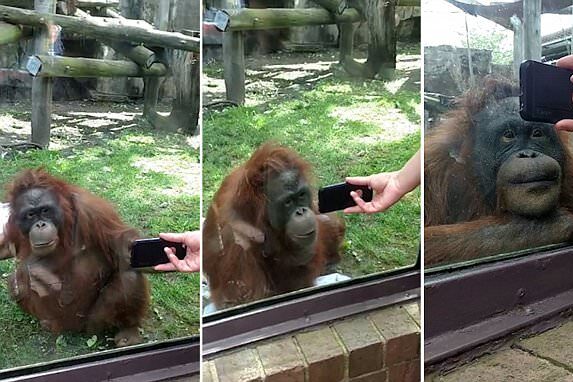
Orangutans often respond to seeing themselves on video with calm attention. They sit, watch, and occasionally make small facial expressions or movements, as if comparing what they feel with what they see. There is no rush to react. Their patience stands out. The experience feels reflective, almost contemplative. It is like watching someone linger on a familiar thought. Their reaction suggests awareness without urgency, and when they move on, it feels complete. Observing an orangutan in this moment reminds us that understanding does not always announce itself loudly. Sometimes it settles in quietly and stays.
Pigs Showing Quiet Awareness
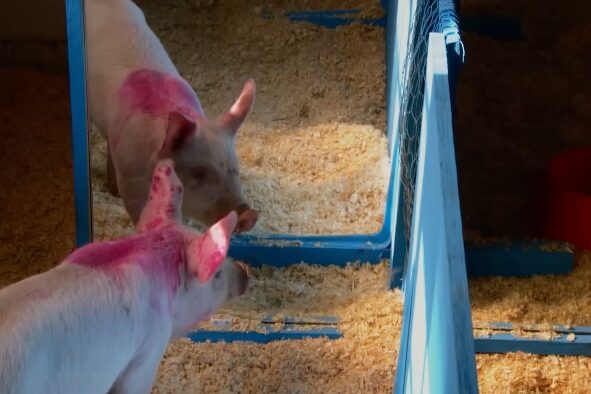
Pigs often approach mirrors with practical curiosity. When they see themselves, many pause, reposition, and adjust their movements rather than reacting socially. Their behavior feels focused, like solving a small puzzle. They are not startled or excited. They simply observe and respond. Watching pigs engage with their own image feels grounding, especially for an animal often underestimated. Their reaction suggests recognition tied to usefulness rather than emotion. It shows that awareness can look calm and purposeful, appearing in everyday moments without drama, simply doing what it needs to do.
Crows Studying the Screen
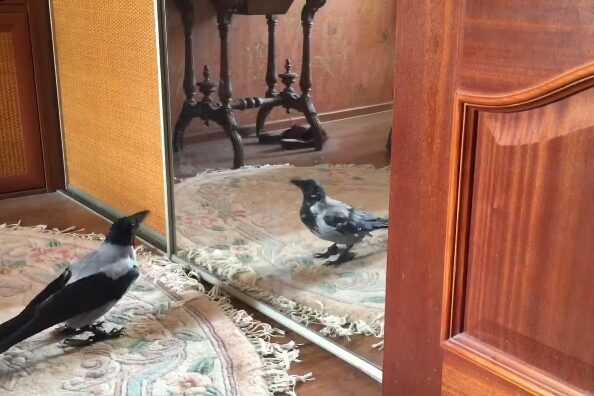
Crows tend to treat mirrors as something worth careful inspection. Instead of attacking or calling out, many stop, tilt their heads, and move around the mirror to view it from different angles. Their reaction feels analytical. They seem to be checking for inconsistencies, as if deciding whether the reflection deserves further attention. Over time, interest fades once nothing changes. Watching a crow respond this way feels like watching a thinker at work. It highlights how intelligence can be sharp, efficient, and quietly curious, without any unnecessary display.
Gorillas Reacting Carefully
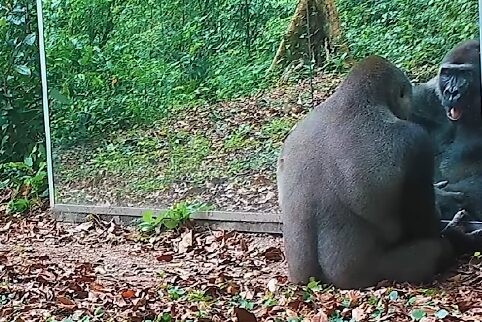
Gorillas often respond to mirrors with restraint. When they notice themselves, there may be brief interest followed by calm observation. Some touch their faces or adjust their posture, then lose interest once recognition settles in. There is no aggressive display, just quiet acknowledgment. Their reaction feels self-assured, almost indifferent in a confident way. Watching a gorilla recognize itself feels steady and composed. It suggests an understanding that does not require reaction. That calm acceptance makes their response feel relatable, like noticing your reflection and simply moving on with your day.
Horses Pausing and Processing
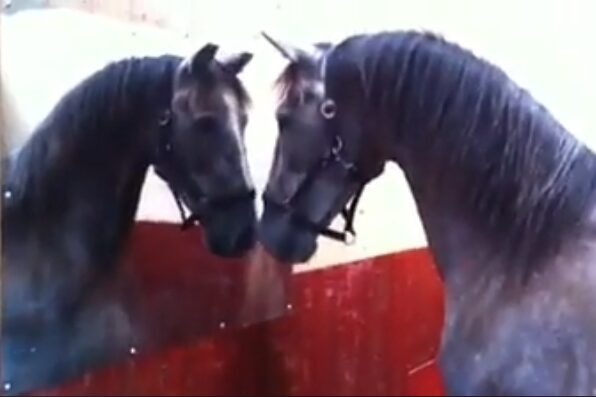
Horses tend to approach mirrors cautiously. When they see themselves, many stop, watch, and slowly move closer. Their ears flick, their posture shifts, and they observe without panic. The reaction feels thoughtful, as if they are processing familiar cues in a new format. There is no rush to react. Watching a horse in this moment feels gentle and honest. It shows how recognition can emerge through careful observation. The horse does not need to fully understand the reflection to respond with calm awareness and quiet curiosity.
Dogs Recognizing Something Familiar
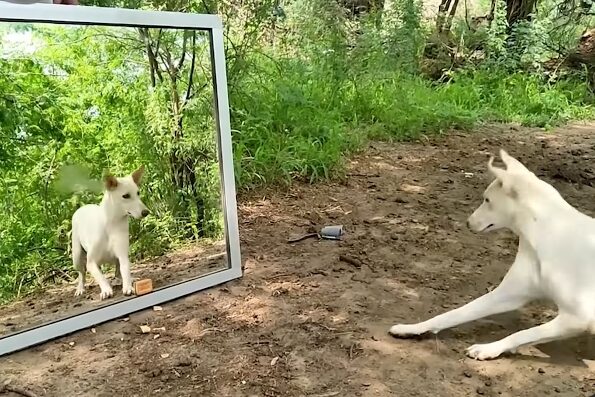
Dogs often respond to mirrors with mixed signals. Some tilt their heads, approach the mirror, or pause briefly, while others lose interest quickly. Their reactions feel curious but incomplete. Dogs rely heavily on scent, so visual recognition alone may not be enough. Watching a dog respond this way feels relatable. Sometimes something looks familiar but does not quite connect. Their reaction reminds us that awareness varies across senses. Recognition does not always arrive fully formed. Sometimes it lingers at the edge of understanding, comfortable with not knowing everything.
Cats Watching with Caution
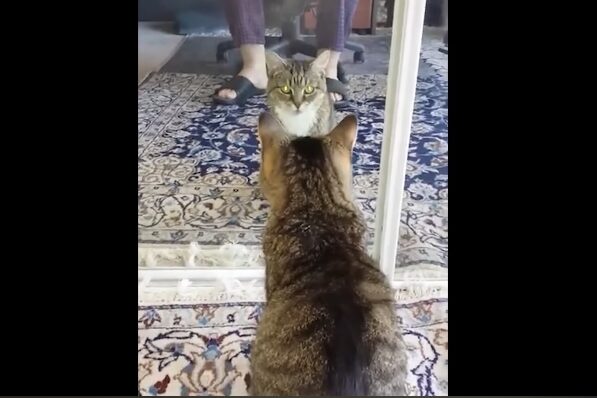
Cats usually approach mirrors with quiet reserve. Some watch closely, paw at mirror, or sit nearby observing movement. Others glance once and walk away. Their reaction feels selective. Watching a cat see itself feels oddly familiar, like noticing something interesting but deciding it is not worth much effort. There is no confusion or excitement, just observation. This response highlights how recognition does not require engagement. Sometimes awareness is simply noticing and choosing not to act. It feels honest, understated, and very much in character.
Octopuses Investigating Carefully
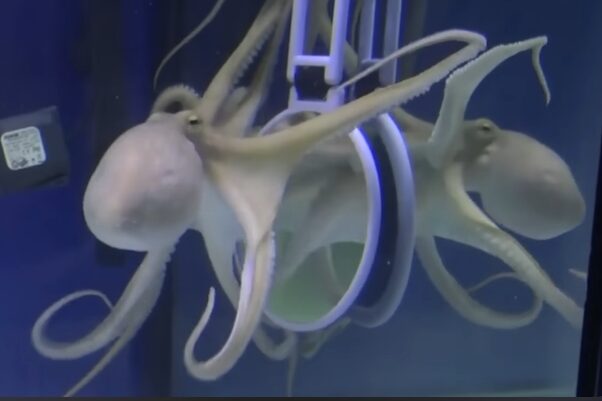
Octopuses tend to respond to mirrors with exploration. They may change color, extend their arms, or move closer to the mirror. Their reaction feels analytical rather than emotional. Watching an octopus investigate itself feels like watching intelligence adapt in real time. There is curiosity without fear, interest without attachment. Once the image offers no new information, attention shifts elsewhere. Their response shows how awareness can be fluid, responsive, and practical. It does not linger longer than necessary. It simply gathers information and moves on.


