
1. Boxer
YouTube
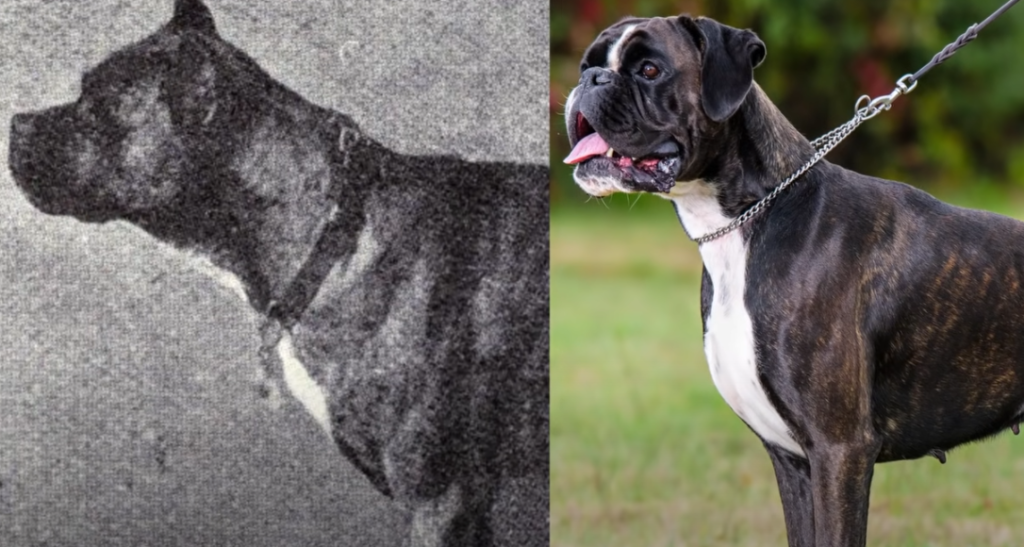
Originally bred as a working dog for hunting and guarding, the Boxer has undergone a transformation in appearance and temperament over the last 100 years. Their strong, muscular build and energetic personality have made them ideal companions for families. However, their physical traits have become more exaggerated, with larger, stockier frames and a more prominent chest. This has led to some health issues, such as hip dysplasia and heart problems. Despite this, their playful nature and loyalty continue to make them a popular choice as a family dog.
2. Dachshund
YouTube
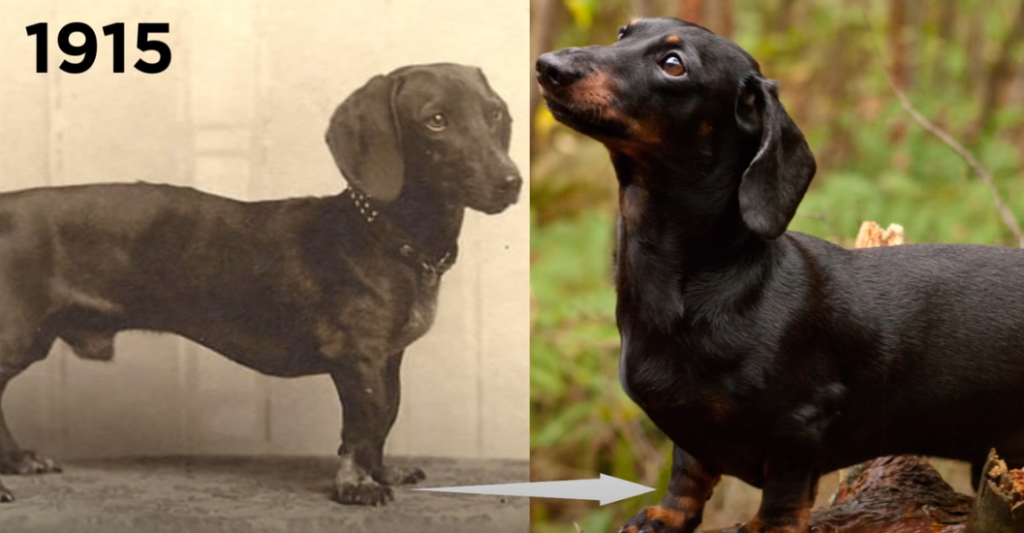
The Dachshund was originally bred for hunting small game, specifically badgers, with their long bodies and short legs designed to fit into burrows. Over the years, the Dachshund’s appearance has been exaggerated, with some breeders focusing on their distinctive long ears and unique proportions. While these traits are still charming, modern Dachshunds are more prone to back issues due to their elongated spine. This makes them susceptible to conditions like intervertebral disc disease (IVDD), especially if overfed or improperly exercised. Despite the health concerns, their curious and playful nature makes them a beloved pet.
3. Bull Terrier
YouTube
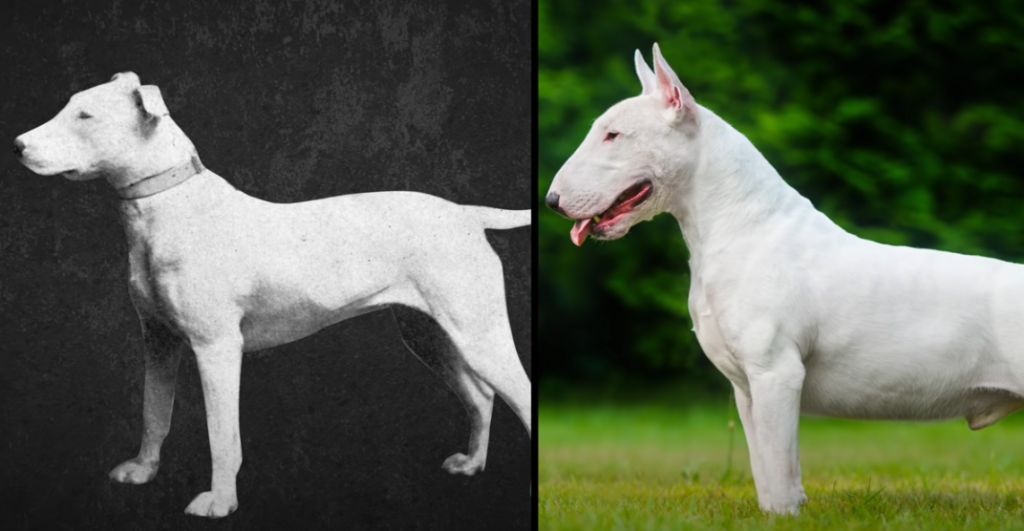
The Bull Terrier was originally bred for dog fighting and as a companion to bull-baiting, but modern breeding has transformed them into playful, loyal pets. Over the last 100 years, their distinctive egg-shaped head and muscular frame have been refined, with breeders emphasizing their unique appearance. While their strong build and terrier personality are still intact, these dogs have become more sociable and affectionate. However, the breed’s strong prey drive and stubborn nature still require consistent training and socialization to ensure they make good family pets.
4. Basset Hound
YouTube
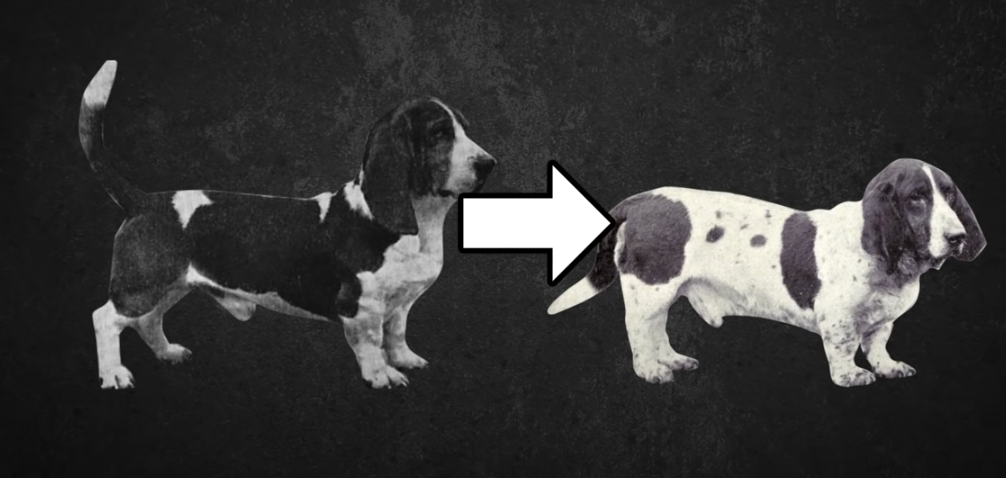
The Basset Hound’s signature droopy eyes and long ears were developed for scent detection, originally to hunt small game like rabbits. Over time, their long bodies and distinctive appearance have been emphasized by breeders, leading to the exaggerated, low-slung look we recognize today. While this has made them one of the most endearing breeds, their unique physique can cause health problems, especially with their joints and ears. Additionally, their strong sense of smell still makes them great tracking dogs, although they can be stubborn and independent, making training a challenge.
5. Saluki
YouTube
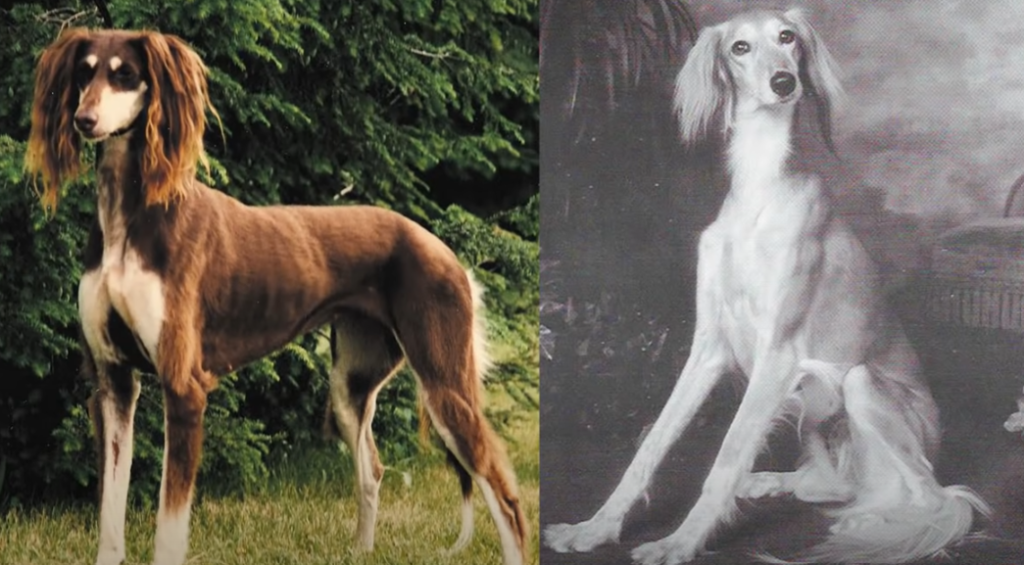
Known for their grace and agility, the Saluki has remained relatively unchanged over the past 100 years compared to some other breeds. Originally bred as a hunting dog for gazelles and other small game, the Saluki’s sleek build and athleticism have been honed over generations. However, breeding has led to a somewhat more refined appearance, with longer legs and a thinner, more elegant body. Their temperament is still gentle and reserved, making them excellent companions for those who enjoy an independent and calm dog. Salukis are generally healthy, though they are prone to some genetic conditions like hip dysplasia.
6. Saint Bernard
YouTube
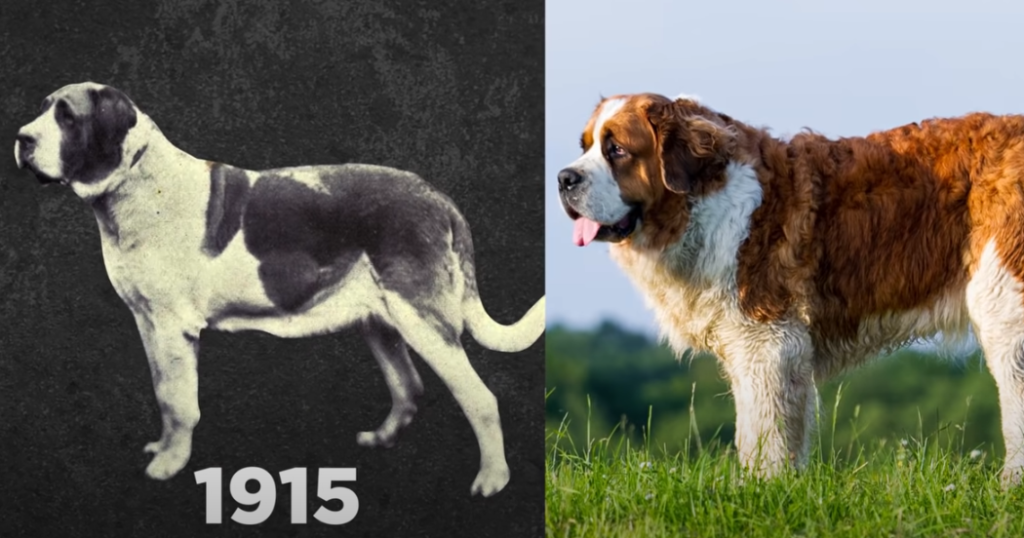
The Saint Bernard was initially bred as a rescue dog in the Swiss Alps, known for its ability to save travelers in snowstorms. Over time, their massive size and gentle nature were emphasized, creating the iconic large, powerful dog we know today. However, selective breeding for size has led to increased health issues, including hip dysplasia, heart conditions, and breathing difficulties due to their short snout. Despite these challenges, Saint Bernards remain popular for their gentle temperament, loyalty, and protective instincts, making them excellent family pets.
7. West Highland Terrier
YouTube
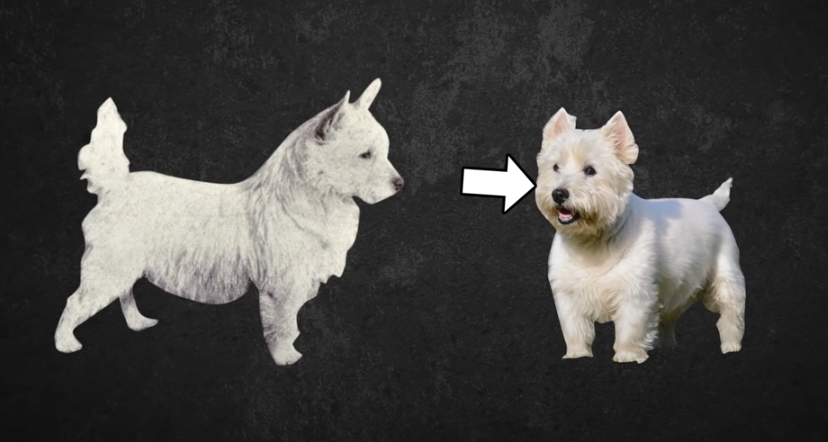
The West Highland Terrier, or “Westie,” was originally bred for hunting vermin in Scotland. Over the years, breeders have focused on enhancing their distinctive white coat and small, sturdy frame. The result is a dog that is both hardy and lively, with a strong terrier personality. While Westies still retain their instinct to dig and chase, they have become more domesticated, making them suitable for apartment living. Despite their adorable appearance, Westies can be stubborn, and their independent nature can make training a bit of a challenge, but their intelligence and loyalty make them wonderful companions.
8. King Charles Spaniel
YouTube
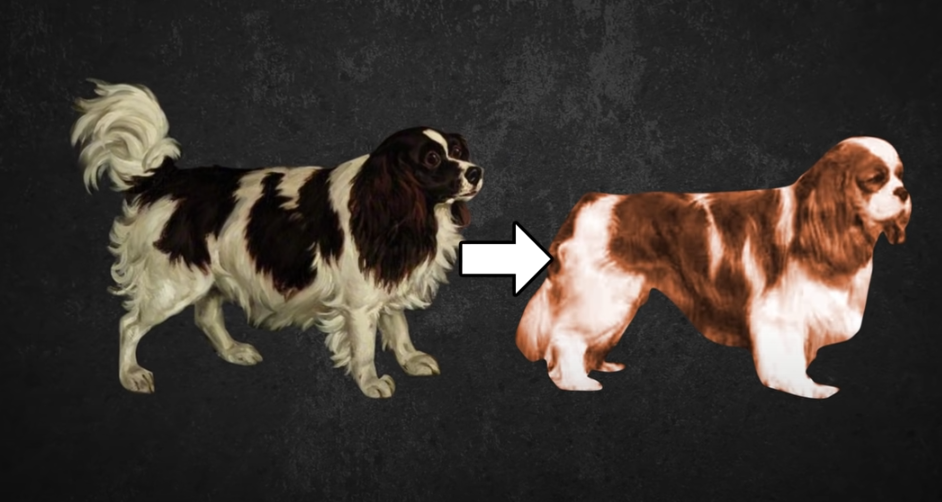
The King Charles Spaniel, known for its affectionate nature, was once bred to be a lapdog for European nobility. Over the past century, the breed has undergone significant changes in appearance, with breeders focusing on enhancing their distinctive large, round eyes and long, flowing coat. However, this selective breeding has led to several health concerns, including brachycephalic syndrome, which affects their breathing due to their short snouts. Despite these issues, the King Charles Spaniel remains a popular companion, known for its loving, playful nature and its ability to adapt well to various living situations.
9. Chow Chow
YouTube
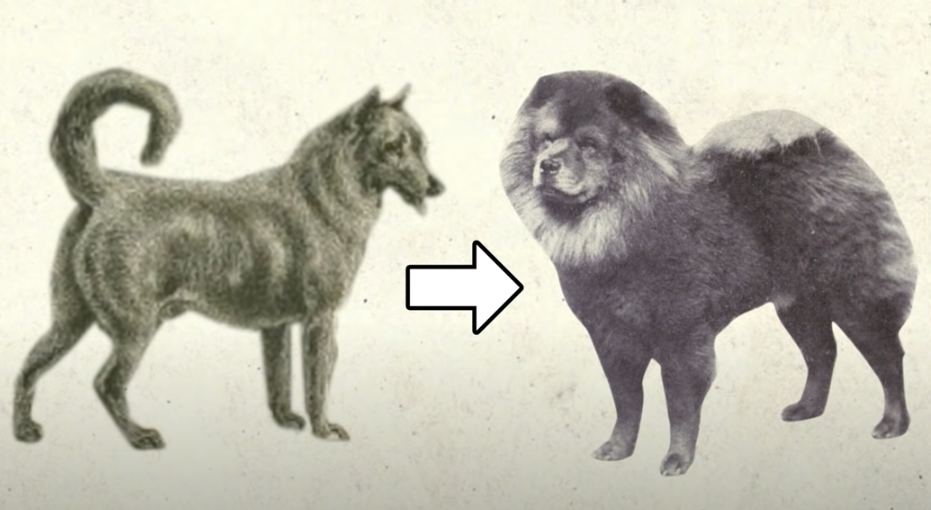
The Chow Chow’s distinct lion-like mane and blue-black tongue have made it one of the most recognizable dog breeds. Originally bred in China for guarding and hunting, Chow Chows have been selectively bred for their appearance, leading to a more aloof temperament. While their independent and somewhat standoffish nature makes them excellent guard dogs, they are also known to be fiercely loyal to their families. Over the past 100 years, their physical traits have been exaggerated, with a more prominent mane and a stockier frame. This breed is prone to some health conditions like hip dysplasia and entropion, a condition where the eyelids roll inward.
10. Poodle
YouTube
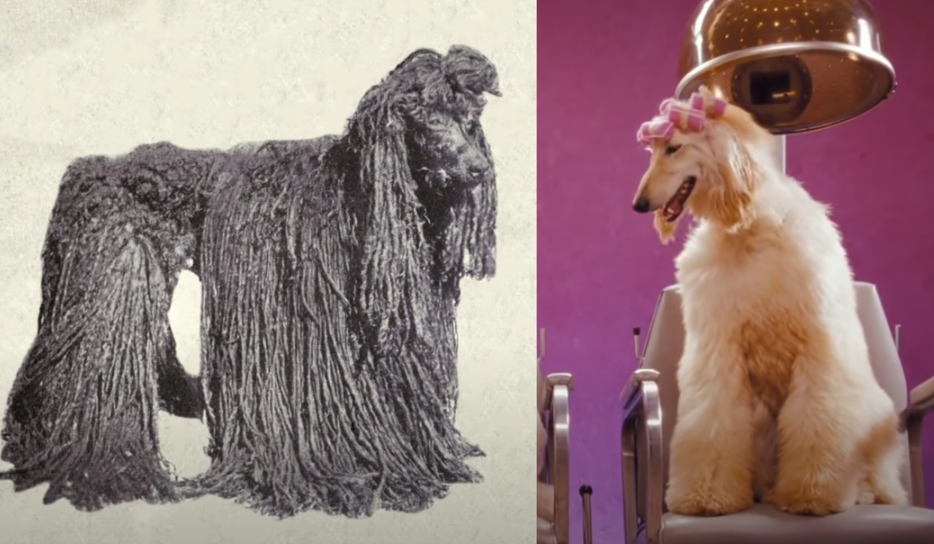
The Poodle was initially bred as a water retriever in Germany, and over the last 100 years, it has undergone significant changes. Selective breeding has enhanced their intelligence and hypoallergenic coat, making them popular as companion dogs. The Poodle’s appearance has also evolved, with variations in size, from Toy to Standard to Miniature Poodles. While they have kept their playful and intelligent nature, their curly coat now requires regular grooming. Poodles are also highly trainable, excelling in various activities like obedience competitions and agility training. Their popularity continues to rise, due to both their looks and their versatile temperament.
11. English Bulldog
YouTube
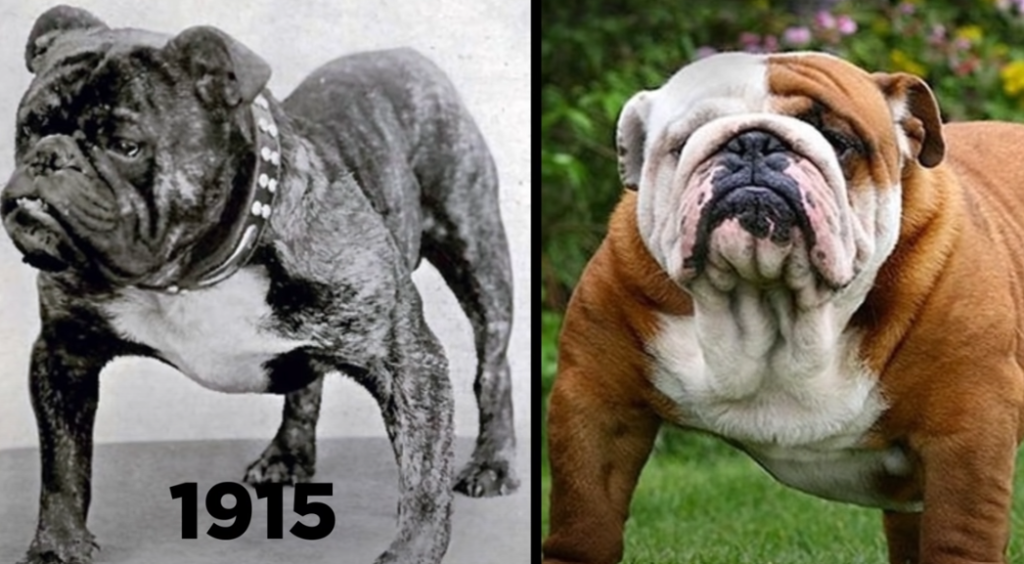
Originally bred for bull-baiting, the English Bulldog has undergone significant changes in the past century. Through selective breeding, the Bulldog has transformed into a compact, muscular companion dog with a distinctive wrinkled face and pushed-in nose. While their docile and affectionate nature has remained, the breed’s physical traits have caused a rise in health problems, particularly with respiratory issues due to their brachycephalic facial structure. Despite these challenges, Bulldogs are still cherished for their easygoing temperament, loyalty, and charm, making them a popular choice for families and apartment dwellers.
12. German Shepherd
YouTube
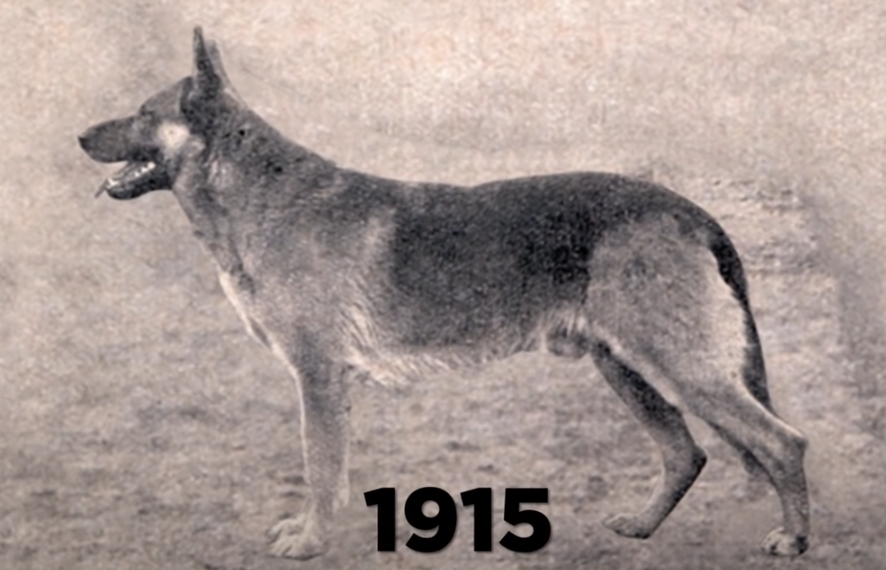
German Shepherds were originally bred for herding and protection, and over time, they have become one of the most versatile working breeds. Their appearance has been refined to emphasize a strong, athletic build, with breeders focusing on improving their temperament for service and police work. This has made them intelligent, highly trainable, and eager to work. However, some changes in breeding have led to issues like hip dysplasia and back problems, especially in lines bred for extreme physical traits. Despite these health concerns, the German Shepherd remains a favorite for various roles, including police, military, and search-and-rescue work.
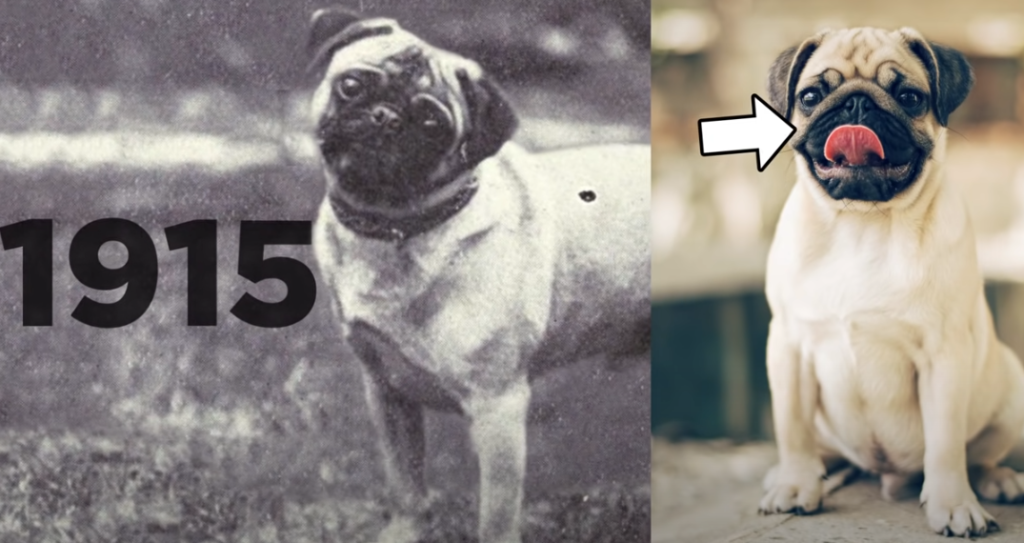
13. Pug
YouTube
The Pug has been a beloved companion for centuries, and in the last 100 years, its appearance has become even more distinct with a more exaggerated, flat face and deep wrinkles. Originally bred as a lapdog for Chinese royalty, the Pug is known for its playful and affectionate nature. Unfortunately, selective breeding for its short snout and wrinkled face has led to a range of respiratory issues, including brachycephalic obstructive airway syndrome. Despite these challenges, Pugs are still adored for their charming personalities and their ability to thrive as city dogs and family companions.


