
1. Retail Workers – Smiles That Hide Strain

You walk into a store, greeted with cheerful faces, and rarely see the full story behind the counter. Retail workers often face grueling hours, low pay, and strict management policies that leave them little room to breathe. The invisible pressure to upsell or hit targets can quietly wear down someone’s spirit. “I feel like I’m constantly performing, even when I’m exhausted,” one retail employee shared in a Glassdoor review, reflecting a sentiment common across thousands of similar roles. The constant juggling of customer satisfaction, stock management, and emotional labor makes retail one of the quietly draining jobs in America.
Beyond the surface-level smiles, retail workers often juggle multiple responsibilities without adequate recognition. Many must cover shifts at short notice, handle abusive customers, or manage online orders alongside in-store duties. The pay rarely reflects this load, and benefits may be minimal, leaving employees feeling trapped. Despite this, they persevere, creating the experience shoppers enjoy while silently bearing the weight. Next time you visit a store, a kind word or acknowledgment can make a world of difference and remind us that labor doesn’t always show itself on the surface.
2. Call Center Agents – Voices for the Invisible

It might sound simple, answering phones and helping people, but call center work can be a quiet grind. Employees often face back-to-back calls, strict scripts, and metrics that turn every conversation into a timed challenge. Many experience emotional exhaustion from handling complaints or angry customers, all while being judged on speed and customer satisfaction scores. According to a report by the American Psychological Association, this type of repetitive, high-pressure communication can increase stress levels dramatically. Agents may feel like cogs in a machine, valued only for efficiency rather than human contribution.
The isolation can also be subtle but profound. Many call centers monitor workers constantly, tracking keystrokes, call length, and even tone. The constant oversight leaves little room for individuality or human error, creating a work environment where stress quietly accumulates. Beyond the mental load, the compensation is often modest, and career growth can be limited. Yet, these voices carry the weight of customer service industries, ensuring systems run smoothly while their own needs go unnoticed. Recognizing the humanity behind the headset can shift how we view these essential, yet quietly exploited, roles.
3. Fast-Food Crew – Orders Served with Sweat
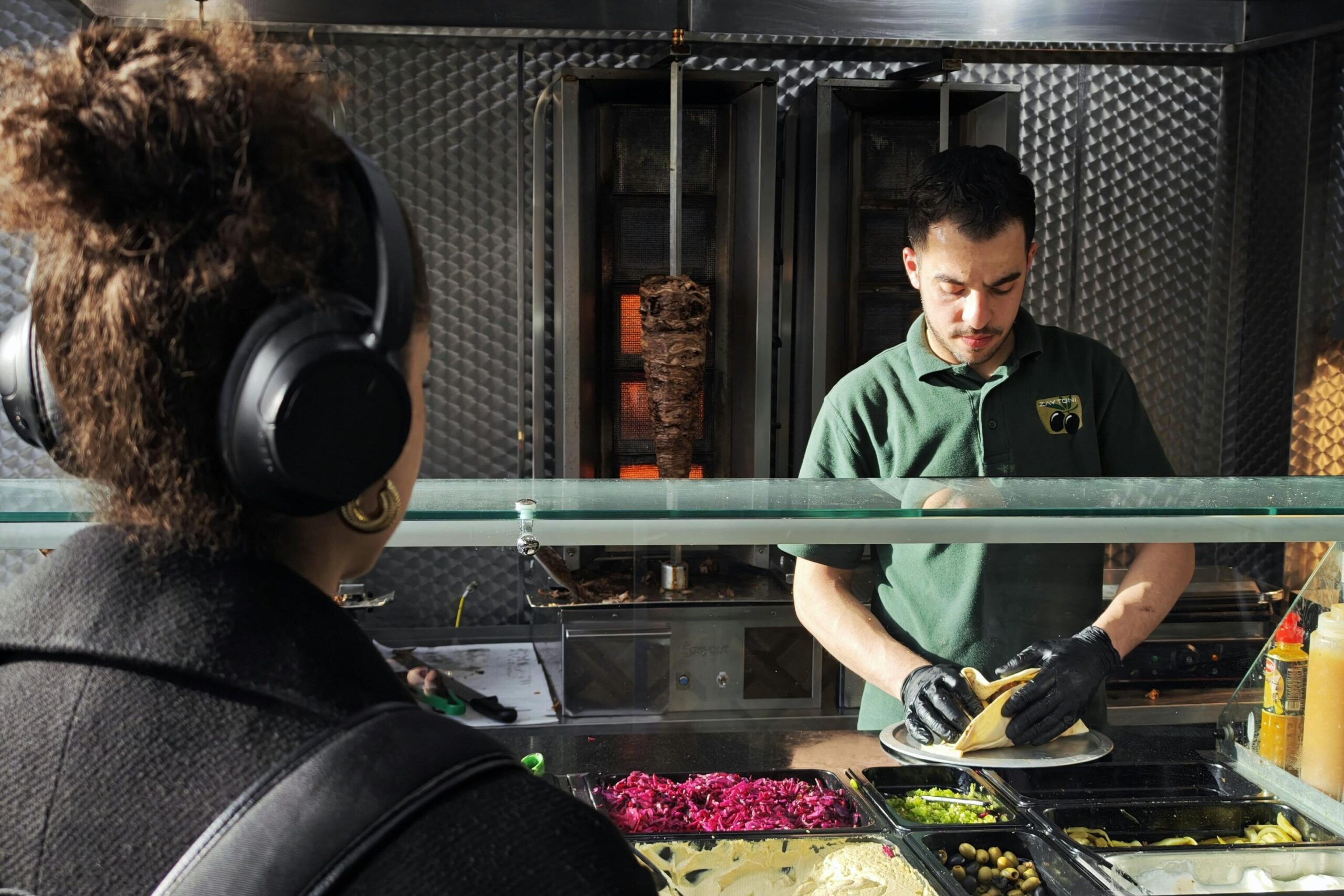
Fast food looks easy from the outside: burgers, fries, and smiles all around. But behind the counter, employees often face rigid schedules, minimal breaks, and a pace that can feel relentless. According to the National Employment Law Project, fast-food workers are more likely than many other sectors to deal with inconsistent hours and unpredictable shifts, which quietly strains their financial stability. Even with a “friendly environment,” the physical and mental toll of standing for long hours and managing impatient customers creates an invisible form of labor exploitation.
Low wages compound the problem. Many fast-food employees must juggle multiple jobs to make ends meet, often missing out on benefits like healthcare or paid time off. They are expected to maintain cheerfulness and speed, all while navigating a system designed for efficiency over employee wellbeing. Despite being the backbone of a multibillion-dollar industry, these workers’ challenges often go unseen by the customers they serve. A small acknowledgment, like patience or a smile, can highlight the humanity that so often gets overlooked.
4. Delivery Drivers – Racing Against the Clock

In our convenience-driven world, delivery drivers are the lifeline that brings our packages and meals to our doors. On the surface, it’s appealing freedom and independence, but many face unrealistic time constraints, minimal pay per delivery, and a constant threat of deactivation for falling behind. A 2022 report by the Economic Policy Institute found that gig delivery workers often earn less than minimum wage after factoring in expenses like gas and car maintenance, showing how quietly the system leans on their labor.
Beyond the financial strain, the mental load of navigating traffic, customer complaints, and unpredictable schedules can be draining. Drivers frequently cover long distances without breaks, all while the apps and metrics monitor their every move. The illusion of independence masks the underlying exploitation, as companies shift costs and risks to the workers while maintaining profits. This invisible pressure reflects a modern twist on traditional labor challenges, showing how convenience for some can quietly cost others far more than money.
5. Home Health Aides – Caring for Others While Overlooked

Home health aides carry a responsibility that is as immense as it is underappreciated. They provide essential care for the elderly, disabled, or chronically ill, often entering homes multiple times a day to manage medications, assist with daily tasks, or provide emotional support. Yet, despite this deeply personal work, compensation remains low, and the emotional toll can be immense. A 2021 survey from PHI, a workforce advocacy group, highlighted that many aides experience high levels of burnout due to long hours, physically demanding tasks, and limited workplace protections.
Their work requires compassion, patience, and skill, yet society often undervalues the labor involved. Scheduling demands and underpayment can force aides to juggle multiple clients or jobs, leaving little time for their own lives. These quiet caregivers form the backbone of a system designed to support vulnerable populations, yet their own struggles often go unnoticed. Acknowledging their role and advocating for fair pay and benefits could transform the way we see care work, revealing the human cost behind a system built to protect others.
6. Warehouse Workers – Packing Life into Boxes
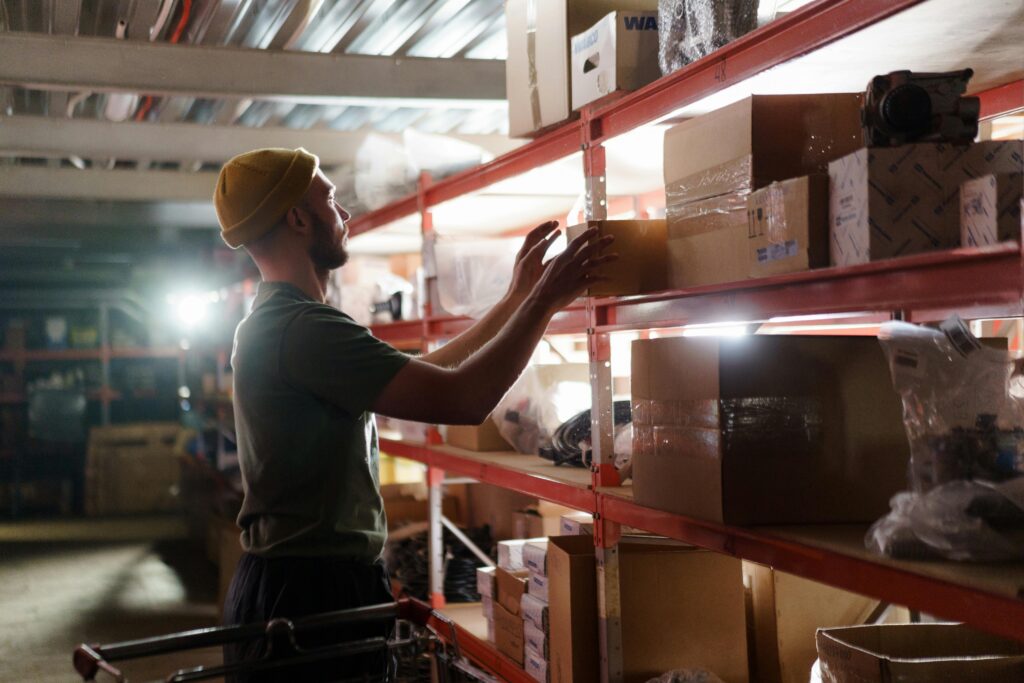
It’s easy to see warehouses as quiet, organized spaces where packages move efficiently, but the reality for workers is a constant physical grind. Employees often lift heavy items, stand for long hours, and race against strict quotas set by management. OSHA reports show that injuries and repetitive strain are common in warehouse environments, highlighting the physical toll that is rarely acknowledged. Many workers describe the work as relentless, with minimal breaks and constant pressure to keep productivity high.
The invisible layer of stress comes not just from physical demands but also from a workplace culture that prioritizes speed over well-being. Mistakes are penalized, schedules can change at the last minute, and overtime is sometimes expected without fair compensation. Warehouse workers quietly shoulder the burden of moving goods that the rest of us take for granted. Recognizing their contribution and advocating for safer conditions or fairer pay can help balance the invisible scales, showing that the hands behind the packages deserve more than just acknowledgment; they deserve support.
7. Janitors and Cleaners – Hidden Efforts That Shine

Every clean floor or sparkling office hides the labor of janitors and cleaners who often work odd hours and receive little recognition. Their job is physically demanding, and exposure to chemicals, repetitive tasks, and long hours can quietly wear down both body and spirit. According to a study by the Bureau of Labor Statistics, janitors often earn near-minimum wage, despite the essential nature of their work, making them a quietly exploited backbone of every public and private space.
Beyond physical strain, the work is undervalued socially. Cleaners often feel invisible, their contributions taken for granted, while clients or employers rarely acknowledge the effort it takes to maintain safe and welcoming spaces. The job requires consistency, attention to detail, and resilience, yet financial rewards and career advancement are limited. Recognizing this labor as essential, rather than routine, could shift how we value the people who keep our environments healthy and functional, reminding us that some of the most impactful work is often the least visible.
8. Fast Fashion Workers – Sewing the Cost of Cheap Trends
The allure of trendy, affordable clothing comes at a hidden cost to the people who make it. Fast fashion workers, often in domestic factories or abroad, endure long hours, low pay, and unsafe working conditions, quietly carrying the burden of the apparel industry. While the U.S. sees cheap, stylish clothing racks daily, reports from the Clean Clothes Campaign highlight that many workers receive wages insufficient to cover basic living expenses, a silent exploitation baked into the system.
Even when working in the U.S., garment workers face tight deadlines, repetitive motion injuries, and the pressure to meet ever-changing fashion trends. The mental and physical strain is compounded by the lack of recognition for their skill and dedication. Consumers rarely see the human cost behind their purchases, making it easy to forget the sacrifices required to produce “fast” fashion. Understanding the labor behind our clothes can encourage more ethical choices and greater empathy, showing that exploitation is often woven into convenience and affordability.
9. Agricultural Laborers – Hands That Feed the Nation
Every apple, lettuce, or ear of corn has likely passed through the hands of farmworkers whose work is physically demanding and often underpaid. Seasonal schedules, exposure to harsh weather, and long hours are common, and many agricultural laborers have limited access to healthcare or labor protections. The U.S. Department of Labor notes that migrant and seasonal farmworkers face higher risks of injury and exploitation, quietly sustaining the food system we depend on.
The work requires endurance, skill, and resilience, yet it is often undervalued socially and economically. Laborers frequently live far from the communities they feed, in temporary housing with little security, adding emotional strain to physical hardship. While the fruits of their labor nourish the nation, recognition and fair compensation often lag behind, reflecting a system that quietly takes advantage of essential work. Elevating awareness of farmworkers’ contributions can encourage more equitable practices and appreciation for the hands that keep our plates full.
10. Janitorial and Security Staff in Schools – Guardians Behind the Scenes

Schools are places of learning and care, but many of the people keeping them safe and clean go unnoticed. Custodians and security staff work long hours, often early mornings or late evenings, handling tasks ranging from cleaning and maintenance to monitoring safety. Despite being essential to the daily functioning of educational environments, pay is modest and benefits may be limited. The work carries both physical and emotional challenges, quietly sustaining the spaces where students thrive.
Staff often take on additional responsibilities without extra recognition, covering for absences, managing emergencies, or maintaining equipment, all while rarely receiving acknowledgment. Their presence is vital to the safety and wellbeing of students, yet it often blends into the background. Recognizing these contributions can create a culture of respect and support, reminding us that even the most unnoticed roles carry immense value. A simple thank-you or policy advocacy can transform an often-exploited job into one recognized for its crucial role.
11. Taxi and Rideshare Drivers – Miles Behind the Wheel

Every ride you take might seem simple, but for taxi and rideshare drivers, it’s a long day of navigating traffic, managing passenger expectations, and stretching every dollar to cover car expenses. Many drivers rely on apps that take a significant cut of their earnings while imposing strict ratings systems that can penalize minor mistakes. According to a 2020 report from the National Bureau of Economic Research, many gig drivers earn below minimum wage once expenses like fuel and maintenance are considered, revealing a quiet form of exploitation hidden behind convenience.
The work also takes a mental toll. Constant vigilance on the road, handling complaints or unsafe passengers, and juggling unpredictable hours can create exhaustion that isn’t always visible. Yet, drivers keep the wheels turning, ensuring people get where they need to go, often at personal cost. Recognizing this work as essential, not just a side hustle, can help shift how society values these roles. A smile, a tip, or patience can go a long way in acknowledging the human effort behind every ride, making us more aware of the people quietly supporting modern mobility.
12. Fast Food Managers – Managing Pressure from Both Sides

Fast food managers occupy a unique space where they’re expected to motivate employees, satisfy customers, and hit strict corporate goals, often with limited support. They juggle schedules, supply orders, and staffing challenges while receiving modest pay compared to their responsibilities. According to a survey from CareerBuilder, many fast-food managers report burnout due to this constant balancing act, a quiet exploitation that doesn’t get much public attention.
The challenge is both physical and emotional. Managers may have to step in on busy days, covering shifts themselves, handling complaints, and ensuring compliance with corporate standards. They face accountability from above and expectations from below, often without commensurate authority or compensation. The role highlights a deeper truth: exploitation isn’t always about low wages; it can be about pressure, stress, and constant responsibility. Recognizing the demands of management roles in service industries can help create empathy and support for employees carrying burdens we rarely see.
13. Warehouse Packers – Efficiency Over Everything

Packing, labeling, and sorting may sound routine, but warehouse packers often work under intense quotas, long hours, and harsh conditions. Employees may spend their shifts lifting heavy packages, operating machinery, or moving quickly to meet targets set by management or automated systems. Reports from the Economic Policy Institute note that these jobs often pay low wages, with little job security, quietly exploiting those who make efficiency look effortless to consumers.
Beyond physical strain, the mental pressure can be relentless. Mistakes can lead to penalties, and constant monitoring leaves little room for human error. While the role is critical to supply chains, the people doing the work often remain invisible, with little recognition or upward mobility. Understanding this reality can reshape how we view convenience, reminding us that the seamless delivery of goods often comes at a human cost. Acknowledging the effort behind the scenes is a small but meaningful step toward valuing essential labor.
14. Grocery Store Stockers – Shelving More Than Products

The grocery store looks organized, but stockers quietly do much of the heavy lifting. They unload shipments, arrange shelves, and ensure products are available, often during early mornings or late nights. While shoppers rarely notice, stockers face physically demanding work with minimal pay and inconsistent hours. The Bureau of Labor Statistics notes that grocery clerks and stockers often receive low wages despite the importance of their role in keeping food accessible to communities.
Beyond lifting and moving, stockers handle inventory errors, unpack damaged goods, and navigate tight spaces, all while remaining friendly and attentive to customer inquiries. The quiet labor ensures that stores operate smoothly, yet it’s rarely recognized or compensated proportionally. Valuing stockers’ contributions could start with basic acknowledgment, respect, or advocating for fair scheduling and wages. Their work reminds us that the convenience of daily shopping is built on a foundation of effort that often goes unseen.
15. Customer Support Representatives – Problem Solvers Behind the Screens

Customer support may seem like a simple job, but representatives often bear the brunt of frustration, technical challenges, and unrealistic expectations. Many are evaluated constantly through metrics like call resolution time, customer satisfaction scores, and error rates, creating pressure that quietly exploits their time and emotional energy. A 2021 report from the International Journal of Human-Computer Interaction highlights that emotional labor is a key source of burnout in customer support roles, showing how invisible effort can accumulate over time.
These workers manage inquiries across phones, chats, and emails, often with scripts that limit their autonomy. The role requires patience, problem-solving skills, and empathy, yet the compensation rarely reflects the complexity or stress involved. Recognition is often limited to temporary bonuses or thank-you emails, masking the true weight of their daily work. Highlighting and valuing the contributions of support staff can create a culture where human effort is seen and appreciated, reminding us that behind every solution is someone quietly giving their time and energy.
16. Hospitality Housekeepers – Cleaning Rooms, Carrying Weight

Hotel housekeepers move quickly from room to room, ensuring guests enjoy a clean, welcoming stay. What seems like a simple task is physically demanding: lifting mattresses, carrying laundry, bending repeatedly, and working under strict time constraints. The American Hotel & Lodging Association notes that housekeepers often earn low wages while performing strenuous work, quietly sustaining an industry that heavily relies on their labor.
Beyond the physical demands, housekeepers often work invisible shifts, handling personal belongings and responding to guests’ needs without acknowledgment. Emotional labor adds to the strain, as professionalism must remain constant despite fatigue or discomfort. Their role is essential to the hospitality experience, yet they remain mostly unseen. A small act of recognition or respect can remind us that the comfort we enjoy is built on someone’s quiet dedication. Housekeepers teach us that invisible effort often carries immense value, deserving of appreciation and fair treatment.
17. Telemarketers – Selling Against the Clock

Telemarketing jobs are often associated with constant rejection, strict scripts, and the pressure to meet tight quotas. Workers spend hours on the phone, juggling customer patience, company goals, and often negative feedback, all while earning modest pay. The Campaign for Commercial-Free Childhood highlights that the emotional labor of repetitive rejection and pressure can quietly exploit employees who are treated primarily as productivity machines.
The mental toll is real. Telemarketers must maintain upbeat tones and persuasive dialogue while managing frustration, fatigue, and the monotony of the job. Despite their efforts, recognition is minimal, and advancement opportunities are limited. Their work keeps businesses running, yet the human cost behind those phone calls is rarely acknowledged. Small gestures, from respect during calls to better workplace policies, can transform how this labor is valued, reminding us that persistence and patience carry hidden effort deserving of acknowledgment.
18. Restaurant Servers – Smiles That Tip the Scales

Restaurant servers are often the face of hospitality, carrying plates and smiles while managing multiple tables, special requests, and high-pressure dining environments. While tips can supplement wages, servers often endure unpredictable schedules, rude customers, and constant multitasking. According to the U.S. Bureau of Labor Statistics, many servers earn below minimum wage without tips, highlighting how subtly the system relies on them to shoulder much of the economic burden.
Servers must navigate physical demands, emotional labor, and the pressure to perform flawlessly while tips often determine their take-home pay. The job may appear social or flexible, but in reality, it’s a balancing act that quietly exploits those who ensure diners have a smooth experience. Recognizing their effort, offering patience, and tipping fairly can make a real difference, reminding us that behind every meal is someone working hard, often without the acknowledgment they deserve.
19. Parking Attendants – Watching Over Spaces, Under Pressure

Parking attendants may seem like simple gatekeepers, but their role often comes with long hours, exposure to weather, and strict rules about efficiency and customer service. Many earn modest pay while handling stressful situations, like irate drivers or overbooked lots, quietly carrying responsibility that goes largely unnoticed. Reports from urban workforce studies show that attendants often face inconsistent scheduling and limited benefits, reflecting a subtle exploitation of essential work that keeps urban systems functioning.
Beyond the visible work, attendants frequently manage multiple tasks simultaneously: collecting fees, monitoring security, and helping customers, all while maintaining a courteous demeanor. Their presence ensures smooth operations, yet recognition is minimal. A polite interaction, understanding, or advocacy for fairer policies can transform how this labor is perceived, showing that even small roles sustain larger systems quietly and effectively.
20. Content Moderators – Guarding the Internet’s Shadows

The digital world seems infinite, but someone has to keep it safe. Content moderators review images, posts, and videos to enforce community standards, often encountering disturbing material that can affect mental health. Many moderators are hired through outsourcing firms with modest pay, limited support, and high pressure to maintain efficiency. A study by the Center for Humane Technology highlights the emotional strain of this labor, quietly exploiting employees tasked with managing the digital environment for the rest of us.
The work is mentally exhausting, isolating, and rarely recognized. Moderators perform the crucial role of keeping online spaces safe, yet their own well-being can be overlooked, reflecting a modern, invisible form of labor exploitation. This final entry reminds us of the broader lesson across all these jobs: the conveniences and systems we rely on daily often rest on quiet, underappreciated human effort. Taking a moment to acknowledge, support, and advocate for fair treatment can make a difference. If this list opened your eyes, share it, comment, or take a small action today to recognize the work quietly sustaining our lives, it matters more than we see.


