
Gay Actors with Straight Roles
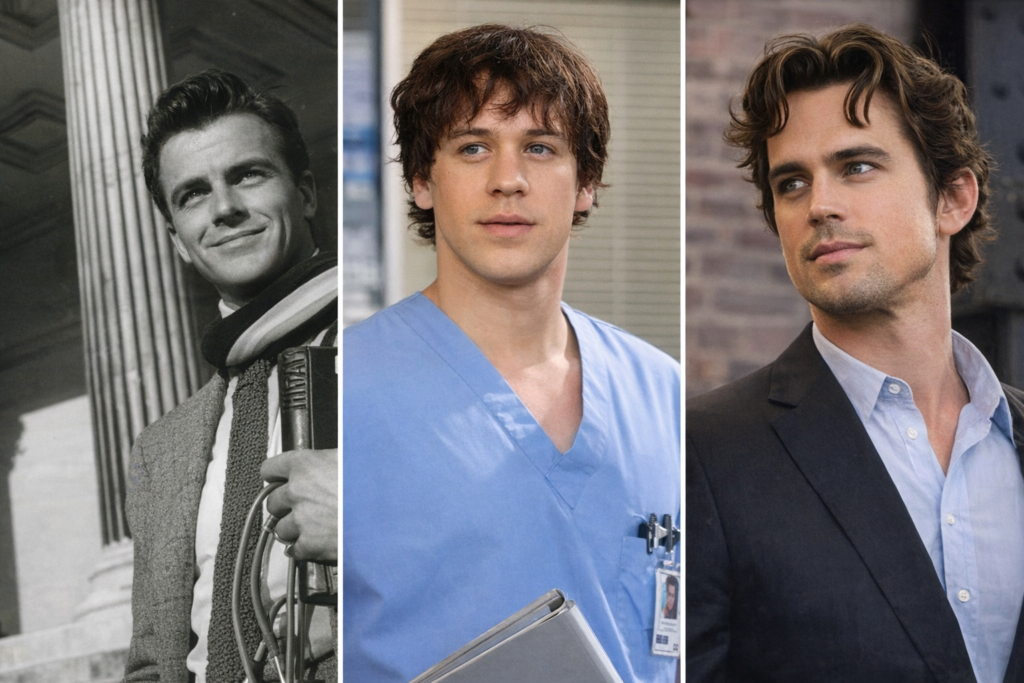
In film and television, acting has always been about stepping into another life. A skilled performer convinces audiences that a character’s emotions and experiences are real, even when they are very different from the actor’s own life. This is particularly visible in stories about sexuality and relationships. Over the years, many openly gay actors have portrayed straight characters, while a number of straight actors have taken on complex LGBTQ+ roles that earned praise from critics and audiences alike.
The discussion sometimes sparks debate about representation, authenticity, and casting choices. Yet the long history of cinema shows that versatility remains one of an actor’s most valuable skills. From television icons to Academy Award winners, performers have crossed these boundaries with memorable results. Their work highlights the craft of storytelling and reminds audiences that compelling characters often come from actors willing to explore lives beyond their own experiences.
Matt Bomer’s Leading Man
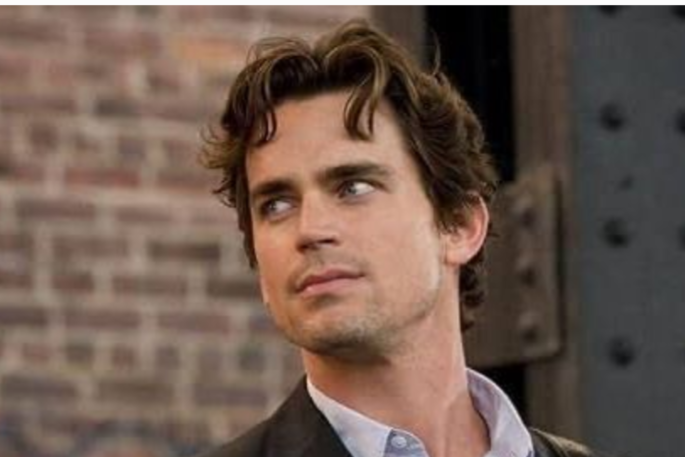
Matt Bomer first captured the public’s imagination as the suave and sophisticated Neal Caffrey on the USA Network hit White Collar, which premiered on October 23, 2009. Born in Missouri in 1977, Bomer spent years portraying the quintessential heterosexual heartthrob, often using his character’s romantic charm to manipulate marks in elaborate high-stakes heists. For six seasons ending in 2014, television audiences across the globe viewed him as a traditional leading man, largely unaware of his private life. His ability to anchor a major cable franchise while playing a character constantly pursuing women cemented his reputation as one of the most versatile and convincing actors of his generation.
Bomer publicly acknowledged his sexuality in 2012 while accepting an award and thanking his husband, publicist Simon Halls. By that time, he had already built a strong reputation playing straight characters in both television and film. His later projects have shown even greater range, including roles in Magic Mike and the television drama The Normal Heart. Bomer’s career demonstrates how modern audiences increasingly recognise acting as a craft rather than expecting performers to mirror the identities of their characters.
Jonathan Groff On Television
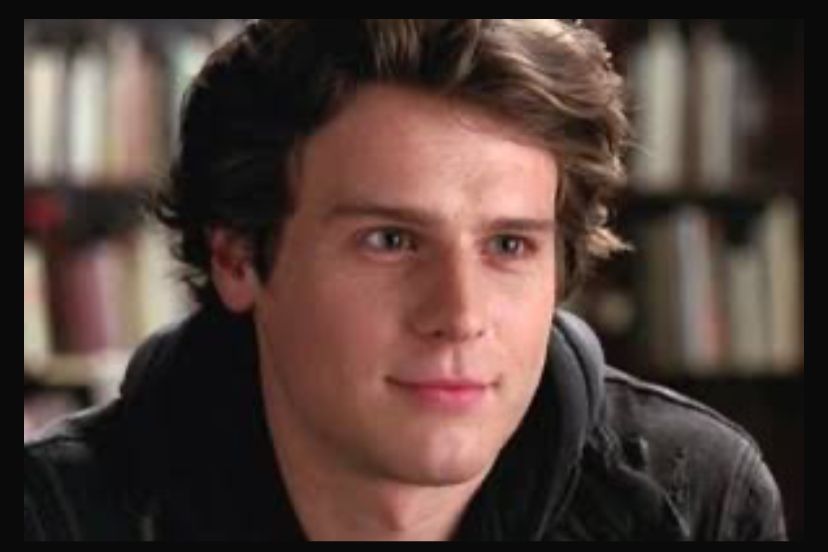
Jonathan Groff’s journey from a Pennsylvania stage prodigy to a global television star is marked by his incredible range. After earning a Tony nomination for the 2006 Broadway smash Spring Awakening, Groff transitioned to the screen in 2010 as Jesse St. James on the musical phenomenon Glee. In the series, his character served as a primary heterosexual love interest for the lead, Rachel Berry, played by Lea Michele. Despite his Broadway background, Groff’s transition to a mainstream TV heartthrob was seamless, demonstrating a “leading man” energy that resonated with millions of teenage viewers who followed the show’s romantic plotlines throughout its run.
Groff’s decision to come out publicly in 2009, during the National Equality March, occurred just as his television career was taking flight. While many feared such a move might “typecast” a performer, Groff’s career flourished in unexpected directions. In 2017, he took on the role of FBI agent Holden Ford in the gritty Netflix drama Mindhunter, a character defined by his obsession with serial killers rather than his sexuality. His career trajectory highlights a significant shift in the entertainment industry of the 2020s, where performers are increasingly judged by their craft. He continues to be a sought-after talent, effortlessly moving between masculine law enforcement roles and theatrical masterpieces.
Wentworth Miller’s Breakout

Wentworth Miller became a household name following the August 2005 debut of the Fox thriller Prison Break. Playing the stoic and brilliant Michael Scofield, Miller portrayed a man driven by brotherly love and a complex romantic connection with the prison’s doctor, Sara Tancredi. The show was a massive international success, and Miller’s image was frequently used to market the series as a high-octane, masculine drama. For years, the actor remained private about his personal life while the show’s narrative focused heavily on his character’s heterosexual motivations and the sacrifices he made for his family and female partner.
It wasn’t until August 2013 that Miller publicly shared his identity as a gay man. He did so in a powerful letter to the St. Petersburg International Film Festival, refusing an invitation to Russia due to the country’s discriminatory anti-LGBTQ legislation. Following this announcement, Miller became an advocate for mental health and queer rights, sharing the struggles he faced while living in the Hollywood spotlight. Despite the shift in his public persona, his legacy as a premier action star remains intact. In recent years, he has embraced roles in the “Arrowverse” as Captain Cold, showing that his transition from a closeted leading man to an out activist has only added depth to his public legacy.
Luke Evans As Gaston
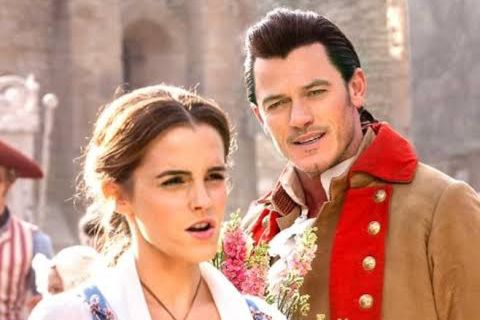
Welsh performer Luke Evans has navigated the blockbuster landscape with a rare level of transparency, having been open about his sexuality since the early days of his career in the late 1990s. Born in 1979, Evans spent years on the London stage before transitioning to major Hollywood roles, including his 2013 appearance as Bard the Bowman in The Hobbit: The Desolation of Smaug. His most iconic “straight” role came in March 2017 with the release of Disney’s live-action Beauty and the Beast. In it, he played Gaston, a character defined entirely by his aggressive, hyper-masculine pursuit of a female protagonist.
Evans’ portrayal of Gaston was widely praised for its energy and comedic timing, proving that an actor’s personal life does not dictate their ability to play a womanizing antagonist. His career serves as a modern blueprint for how out actors can maintain “tough guy” status in action films like Fast & Furious 6 and period dramas like The Alienist. By consistently winning roles that demand traditional masculinity, Evans has helped dismantle the outdated Hollywood myth that gay men cannot convincingly portray rugged or romantic male leads. He remains a prominent figure in the industry, proving that authenticity and acting range are not mutually exclusive.
Jim Parsons As Sheldon
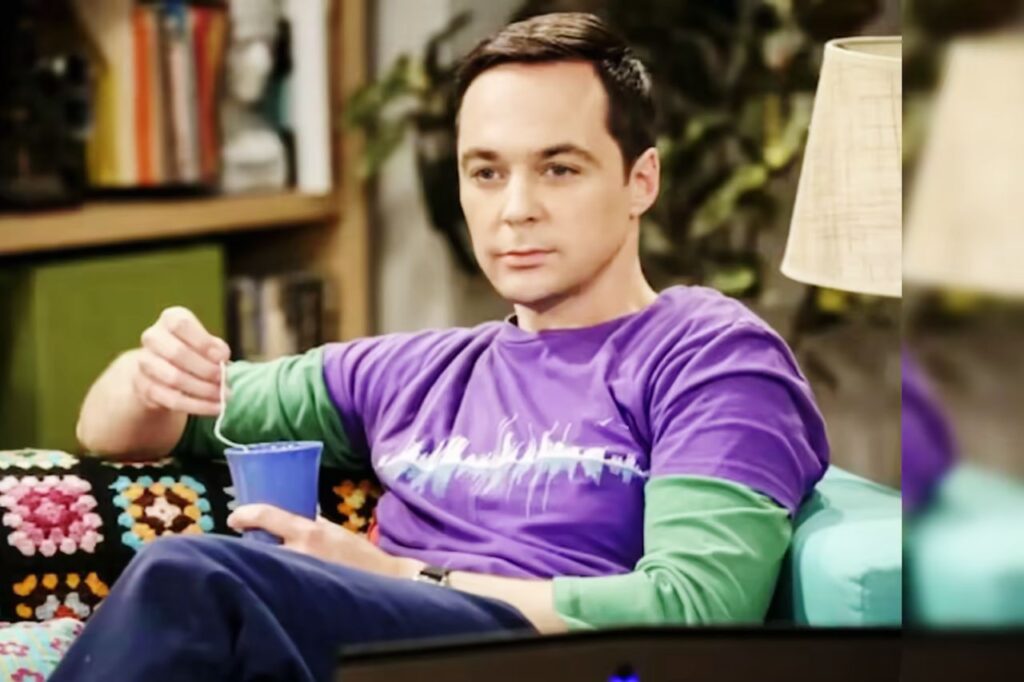
Jim Parsons transformed the landscape of modern comedy through his role as Sheldon Cooper on The Big Bang Theory, which premiered on September 24, 2007. For twelve seasons, Parsons portrayed the idiosyncratic physicist whose social struggles were a central theme of the show. While the character was initially written as asexual, the writers eventually introduced a long-term heterosexual romance with Amy Farrah Fowler. This relationship became a cornerstone of the series, leading to a highly publicized television wedding in May 2018. Parsons’ performance was so convincing that he earned four Primetime Emmy Awards for Best Lead Actor in a Comedy Series.
In May 2012, The New York Times casually mentioned that Parsons was gay and had been in a committed relationship for a decade. The news was met with widespread support and notably did nothing to change the audience’s perception of his character, Sheldon. Parsons’ ability to lead the most-watched sitcom in the world while being an out gay man was a landmark moment for television representation. Since the show concluded in 2019, he has continued to produce and act in diverse projects, including the 2020 film The Boys in the Band. His career stands as a testament to the fact that viewers prioritize a character’s relatability over an actor’s private reality.
Jane Lynch’s Sharp Comedy
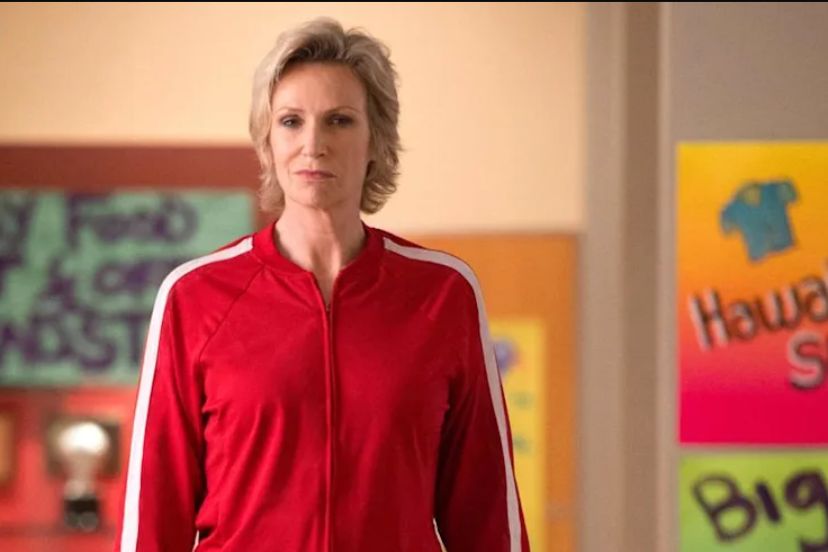
Jane Lynch is a powerhouse of American comedy whose career spans decades of memorable characters. Born in 1960, she gained significant fame in the mid-2000s through her work in Christopher Guest’s mockumentaries and her role as the aggressive store manager in the 2005 hit The 40-Year-Old Virgin. However, it was her 2009 debut as Sue Sylvester on Glee that made her a global icon. While Lynch has been openly gay throughout her mainstream success, many of her most famous roles have depicted her as a straight woman or a character whose sexuality was incidental to her authoritative and often hilarious persona.
Lynch’s portrayal of characters like Paula in The 40-Year-Old Virgin showcased her ability to play traditionally straight, often sexually aggressive women with perfect comedic timing. Her career highlights how the industry’s perception of queer actors has evolved; she is rarely “boxed in” by her identity, instead being cast for her unique “tall and commanding” presence. Beyond her acting, Lynch has become a prominent host and voice actor, winning multiple Emmys for her work. Her enduring success on both the small and large screens proves that a performer’s comedic genius and professional reliability are what truly resonate with the general public.
Rosie O’Donnell On Screen
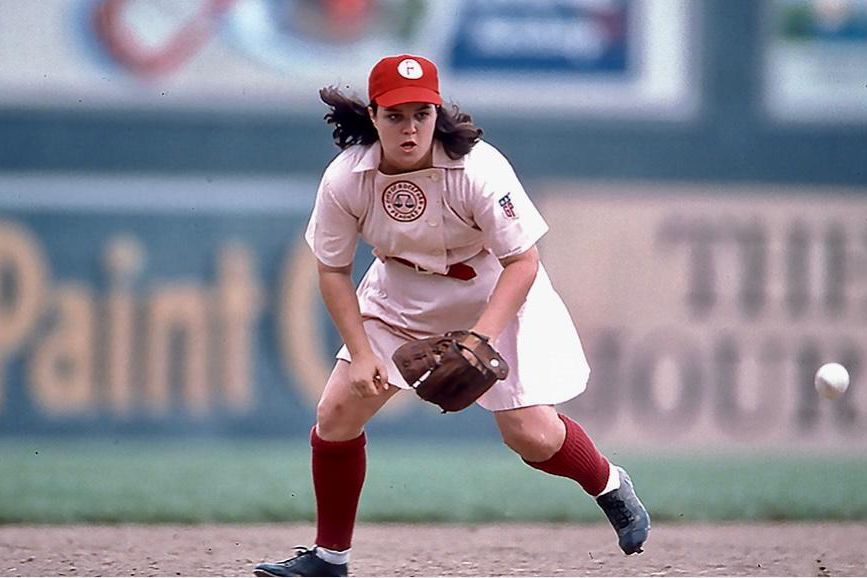
Rosie O’Donnell became a massive cultural figure in the 1990s, earning the nickname “The Queen of Nice” during the run of her popular talk show. Before her hosting success, she was a sought-after actress, famously playing Doris Murphy in the 1992 baseball classic A League of Their Own. In this role, she portrayed a tough-talking, straight-talking woman from New York, a character that resonated with millions. Throughout the 90s, she continued to take on roles in family-friendly films and romantic comedies, including the 1993 hit Sleepless in Seattle, where she played the best friend of the female lead.
O’Donnell officially came out as gay in 2002 during a stand-up set at the Beacon Theatre, shortly before the conclusion of her talk show. Even after coming out, she continued to participate in projects that required her to play traditional roles, such as her appearance in The Flintstones in Viva Rock Vegas (2000) as Betty Rubble. Her career has been a mix of acting, activism, and broadcasting, and she has remained a vocal advocate for adoption and LGBTQ+ parental rights. O’Donnell’s journey reflects the transition of the entertainment industry from an era of silence to one where a performer’s personal life can be a source of strength rather than a career obstacle.
Wanda Sykes In Comedy
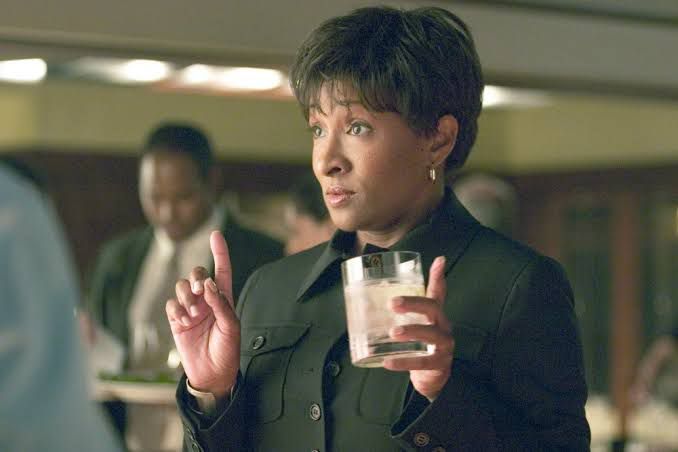
Wanda Sykes has been a force in American entertainment since she began writing for The Chris Rock Show in 1997. Known for her sharp wit and unmistakable voice, she transitioned into acting with ease, often playing the “sassy best friend” or a confident professional in various sitcoms and films. In the 2005 romantic comedy Monster-in-Law, Sykes played the assistant to Jane Fonda’s character, a role situated firmly within a mainstream, heterosexual narrative. Her ability to steal scenes with her observational humor made her a favorite in Hollywood, regardless of the romantic orientation of the characters she happened to be playing.
Sykes came out publicly in November 2008 during a rally against Proposition 8 in Las Vegas. Since then, she has balanced her comedy career with a high-profile role as an activist for equality. Despite being one of the most visible Black lesbian women in entertainment, she continues to be cast in a wide variety of roles that are not defined by her sexuality, such as her work in Black-ish and various voice-over roles in animated hits like Ice Age. Her longevity in the industry serves as a powerful example of how talent and a strong personal brand can transcend traditional casting barriers, allowing an actor to remain a household name for decades.
Guillermo Díaz On Scandal
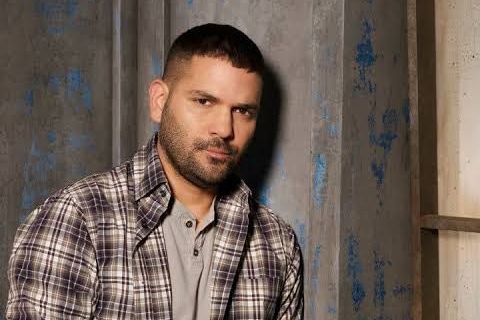
Guillermo Díaz delivered one of the most intense and memorable performances in modern television as Huck on the ABC drama Scandal, which aired from April 2012 to April 2018. As a former CIA operative with a dark and violent past, Huck was a character defined by trauma and loyalty rather than his dating life. However, when the show did explore his personal history, it focused on his past life as a husband to a woman and a father to a son. Díaz, who is openly gay, played these heterosexual family dynamics with a heartbreaking vulnerability that earned him significant critical acclaim and a loyal fan following.
Díaz has been open about his sexuality since the early 1990s, a time when such honesty was often considered a “career killer” for Latino actors. He ignored the conventional wisdom of the time, building a diverse resume that includes cult classics like Half Baked (1998) and gritty dramas like Weeds. His success on a major network show like Scandal proved that audiences are more than willing to embrace a gay actor in a rugged, “straight” role if the performance is grounded in truth. Today, Díaz remains a respected figure in Hollywood, often speaking about the importance of visibility for queer actors of color in the 21st century.
T.R. Knight In Grey’s
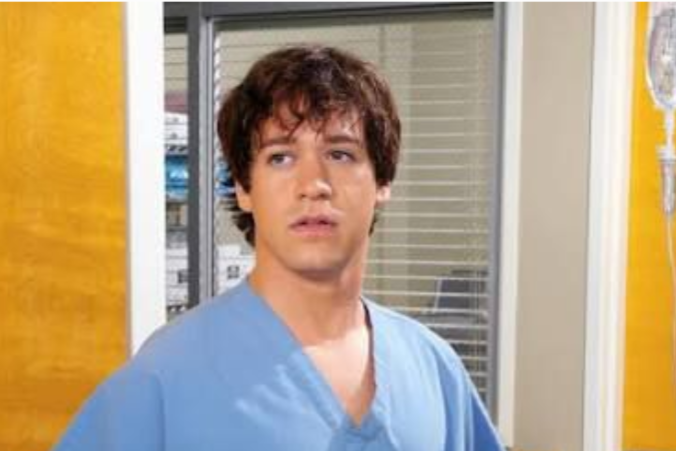
T.R. Knight became a centerpiece of the medical drama Grey’s Anatomy when it debuted on March 27, 2005. His character, Dr. George O’Malley, was the “heart” of the original intern group and was involved in several major heterosexual plotlines, including a marriage to Dr. Callie Torres and a long-standing crush on Meredith Grey. Knight’s portrayal of the sensitive, bumbling, yet heroic George made him a fan favorite. For the first two seasons of the show, his personal life remained private as he became one of the most recognizable faces on television, embodying the “boy next door” archetype for millions of viewers.
In October 2006, Knight chose to come out publicly following a widely reported on-set incident involving a co-star. The news was a major talking point in the media, as Knight was one of the first lead actors on a top-rated network drama to come out while his character was actively engaged in straight romantic arcs. He remained with the show until 2009, continuing to play George O’Malley with the same dedication. Following his departure from the series, Knight returned to his roots in the theater and appeared in various television projects like The Good Wife. His legacy on Grey’s Anatomy remains a pivotal moment in TV history, proving that an actor’s honesty does not diminish their character’s fictional journey.
Dirk Bogarde’s Hidden Persona
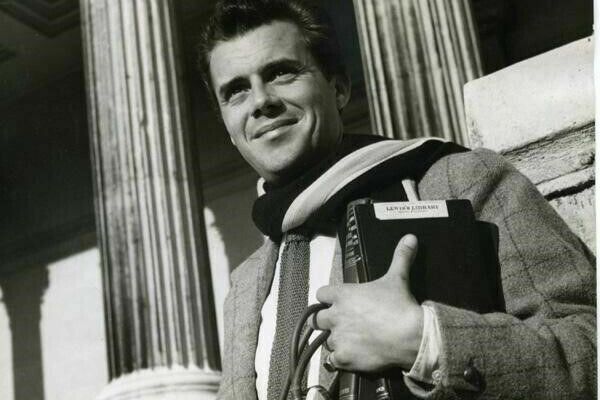
Dirk Bogarde was the definitive matinee idol of British cinema during the 1950s, a decade where he was consistently voted the nation’s most popular film star. Born in 1921, Bogarde achieved massive success with the Doctor film series, starting with Doctor in the House on March 26, 1954. In these roles, he portrayed the charming, heterosexual romantic lead, a persona that made him a heartthrob for millions of female fans. His public image was carefully curated by film studios to embody the ideal English gentleman, masking a private life that was far more complex than the characters he played on the silver screen.
Behind the scenes, Bogarde shared his life for over forty years with his manager and partner, Anthony Forwood. During an era when homosexual acts were still criminalized in the United Kingdom, until the partial decriminalization in 1967, Bogarde never publicly confirmed his sexuality. However, he took a monumental professional risk in 1961 by starring in Victim, the first British film to use the word “homosexual.” In it, he played a married barrister being blackmailed, a role that mirrored some of the real-world pressures he faced. His career remains a fascinating study of an actor who mastered the art of playing the straight leading man while privately navigating a very different reality.
Straight Actors Who Played Gay Roles
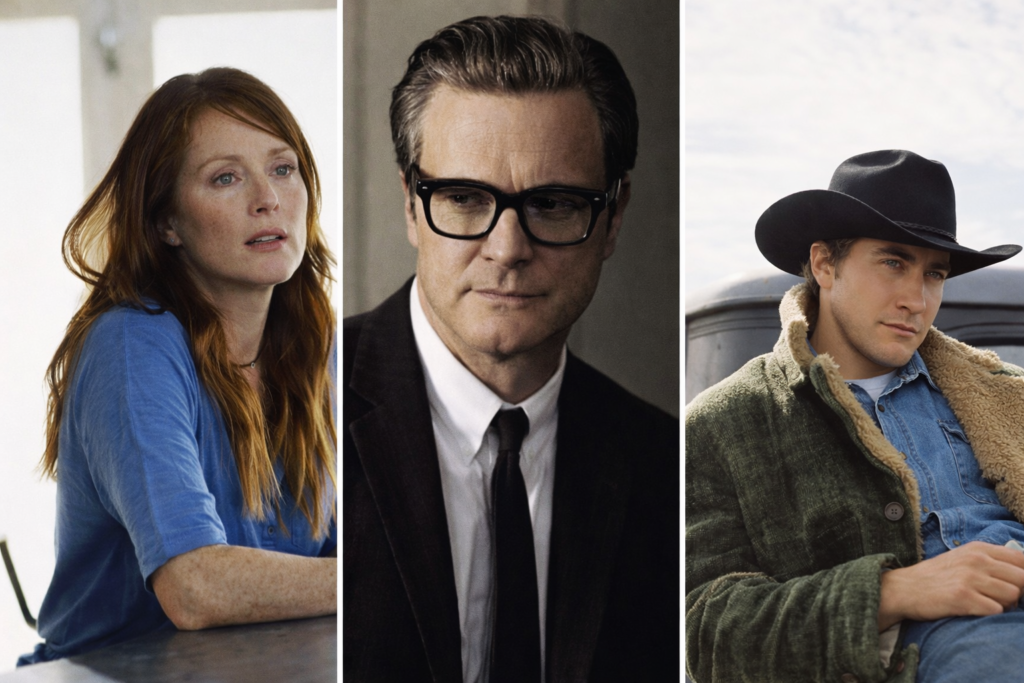
The history of cinema is filled with transformative performances where heterosexual actors have stepped into the shoes of LGBTQ+ individuals. These roles often require a high degree of empathy and research, as performers strive to capture the specific social and emotional challenges faced by the community. While the casting of straight actors in these roles has sparked modern discussions regarding representation, many of these performances have been instrumental in bringing queer stories into the mainstream. These actors often use their star power to shine a light on historical struggles, health crises, and the universal quest for romantic acceptance.
Heath Ledger’s Cowboy
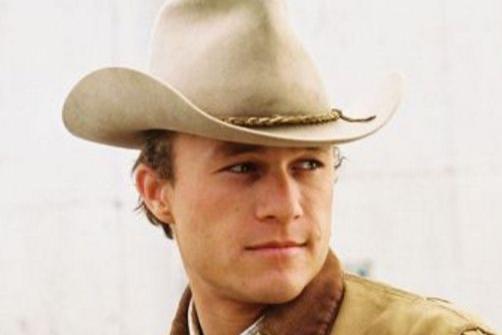
Heath Ledger delivered a performance of profound silence and internal struggle in the 2005 masterpiece Brokeback Mountain. Released in the United States on December 9, 2005, the film challenged the traditional “macho” archetype of the American cowboy. Ledger played Ennis Del Mar, a ranch hand who enters into a decades-long secret affair with another man. Ledger, who was straight and a rising Hollywood star at the time, avoided the flamboyant stereotypes often seen in earlier films. Instead, he portrayed Ennis as a man physically and emotionally constricted by the conservative, homophobic environment of the 1960s American West.
Ledger’s dedication to the role was evident in his physical performance, particularly his clenched jaw and muffled speech, which symbolized a man unable to express his true self. The film became a cultural phenomenon, earning Ledger an Academy Award nomination for Best Actor in 2006. His work helped shift the global conversation about masculinity and queer love, proving that a heterosexual actor could treat a gay romance with the utmost gravity and respect. Tragically, Ledger passed away in 2008, but his portrayal of Ennis remains a gold standard for sensitive, ego-free acting that prioritizes the humanity of the character above all else.
Jake Gyllenhaal’s Jack Twist
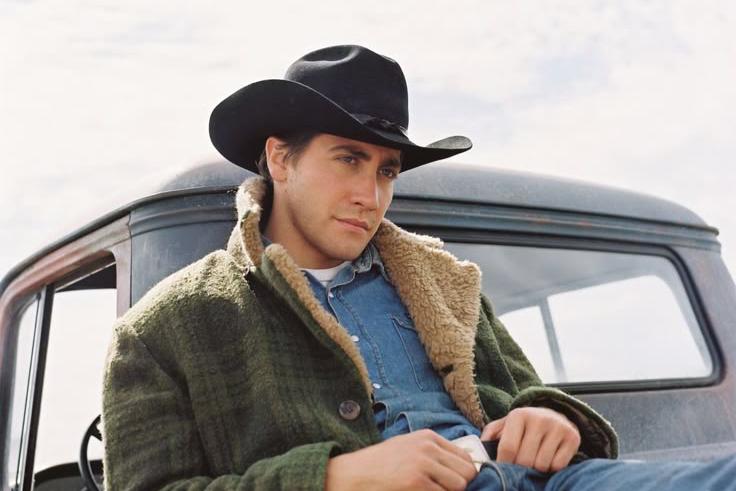
Starring alongside Heath Ledger, Jake Gyllenhaal played the more expressive and hopeful Jack Twist in Brokeback Mountain. While Ennis was defined by his fear, Gyllenhaal’s Jack was the character who dared to dream of a life where the two men could live together on a ranch. Born in 1980, Gyllenhaal was already a respected young actor, but his performance in this 2005 film pushed him into the upper echelon of Hollywood talent. He brought a sense of longing and frustration to the role, capturing the heartache of a man who is willing to risk everything for a love that society refuses to acknowledge or protect.
The chemistry between Gyllenhaal and Ledger was central to the film’s success, making the tragic ending feel deeply personal to audiences worldwide. Gyllenhaal received a BAFTA Award for Best Supporting Actor and an Oscar nomination for his work, cementing the film’s status as a landmark in LGBTQ+ cinema. In the years since the film’s release, Gyllenhaal has frequently spoken about how the role changed his perspective on storytelling and the importance of empathy. His portrayal of Jack Twist remains a powerful reminder that the desire for connection is a universal human experience that transcends the personal identity of the performer.
Sean Penn As Harvey
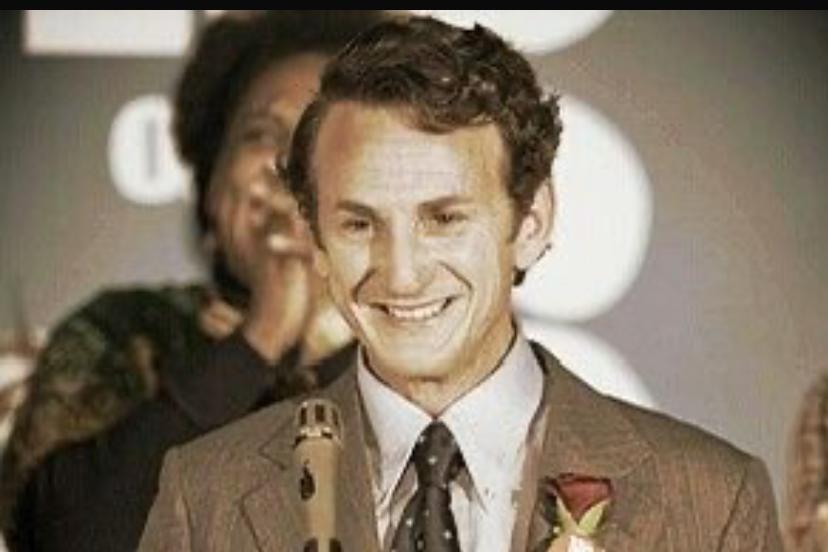
Sean Penn underwent a remarkable transformation to play the title role in Milk, which premiered in theaters on November 26, 2008. The film chronicled the life of Harvey Milk, the first openly gay man to be elected to public office in California. Penn, known for his gritty and often intense roles in films like Mystic River, adopted a much softer, more gregarious persona to capture Milk’s infectious optimism and political savvy. The role required Penn to depict Milk’s journey from a New York businessman to a “Mayor of Castro Street” in San Francisco, leading a movement for civil rights during the 1970s.
Penn’s performance was widely lauded for its authenticity, particularly his ability to portray Milk’s romantic relationships with the same naturalism as his political battles. In February 2009, Penn won the Academy Award for Best Actor for the role, and in his acceptance speech, he made a passionate plea for equal rights and marriage equality. Although Penn is straight, his portrayal was seen as a tribute to a fallen hero of the LGBTQ+ movement. By bringing Harvey Milk’s story to a global audience, Penn helped ensure that the legacy of the slain supervisor continued to inspire new generations of activists fighting for justice.
Tom Hanks In Philadelphia
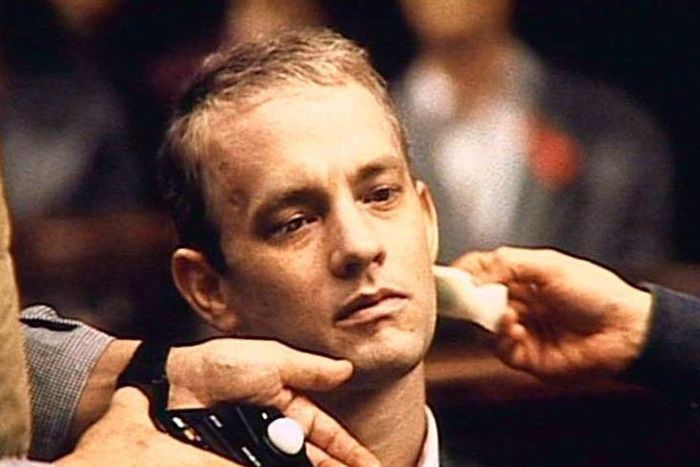
At a time when Hollywood was largely silent about the HIV/AIDS epidemic, Tom Hanks took a significant career risk by starring in Philadelphia, released on December 22, 1993. Hanks played Andrew Beckett, a high-powered attorney who is unjustly fired by his law firm after they discover he is living with AIDS. The film was a groundbreaking mainstream legal drama that forced general audiences to confront the stigma and fear surrounding the disease. Hanks, who was primarily known as a comedic and “everyman” actor, lost thirty pounds for the role to realistically depict the physical toll of the illness.
The emotional core of the film was Beckett’s relationship with his partner, Miguel, and his struggle for dignity in his final days. Hanks’ performance was a massive success, earning him his first Academy Award for Best Actor in 1994. His win was seen as a turning point in how the entertainment industry addressed LGBTQ+ issues, moving away from mockery and toward compassion. Hanks, a straight man, used his platform to humanize a group of people who were being marginalized and ignored by much of society. His work in Philadelphia remains one of the most socially significant performances in the history of modern American film.
Colin Firth’s Quiet Professor
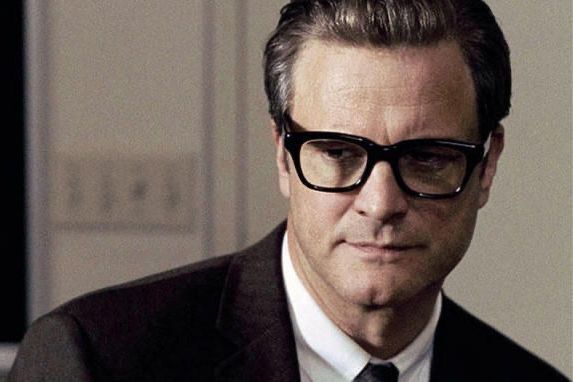
Colin Firth delivered one of the most understated and moving performances of his career in the 2009 film A Single Man. Set in 1962 and directed by Tom Ford, the film follows a day in the life of George Falconer, a British professor living in Los Angeles who is contemplating suicide following the sudden death of his partner of sixteen years. Firth, a straight actor known for his roles in Pride and Prejudice and Bridget Jones’s Diary, brought a profound sense of “stiff upper lip” grief to the role, portraying a man who must hide his devastating loss from a world that doesn’t recognize his relationship as valid.
The film, which debuted at the Venice Film Festival on September 11, 2009, was a visual and emotional triumph. Firth’s performance was praised for its subtlety; he conveyed George’s isolation through small, quiet moments rather than grand dramatic outbursts. This portrayal earned him a BAFTA Award and an Academy Award nomination. By focusing on the universal experience of mourning a loved one, Firth’s performance bridged the gap between gay and straight audiences. It highlighted the fact that the pain of losing a soulmate is a human experience that requires no translation, regardless of the gender of the people involved.
Ewan McGregor’s Romantic Comedy
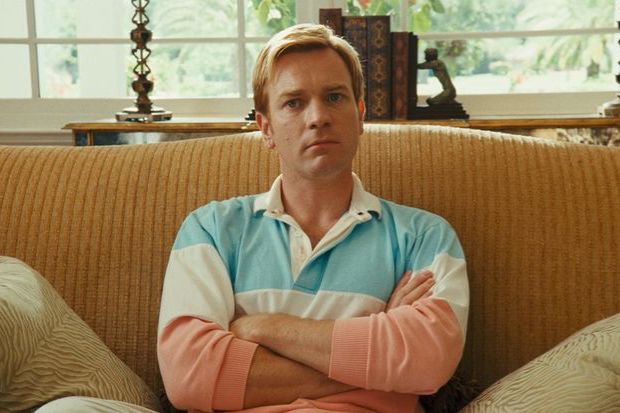
Ewan McGregor brought a refreshing sense of sweetness to the 2009 dark comedy I Love You Phillip Morris. Based on a true story, McGregor played the title character, a gentle and soft-spoken man who becomes the object of affection for a prolific con artist played by Jim Carrey. The film, which premiered at the Sundance Film Festival on January 18, 2009, was notable for its matter-of-fact treatment of a gay relationship. McGregor, who is straight, played Phillip Morris with a genuine warmth that made the central romance feel grounded, even as the plot around it became increasingly absurd and chaotic.
The film was a departure from the typical “tragic” gay narrative of the time, focusing instead on a bizarre and hilarious love story. McGregor’s performance was praised for its sincerity; he never treated the character as a caricature, but rather as a man deeply in love with a deeply flawed partner. His willingness to participate in a film that featured a prominent same-sex romance helped normalize queer stories in the comedy genre. McGregor has often stated that he viewed the project simply as a great script about the lengths people go to for love, proving that for a dedicated actor, the heart of the character is what matters most.
Julianne Moore’s Family Story
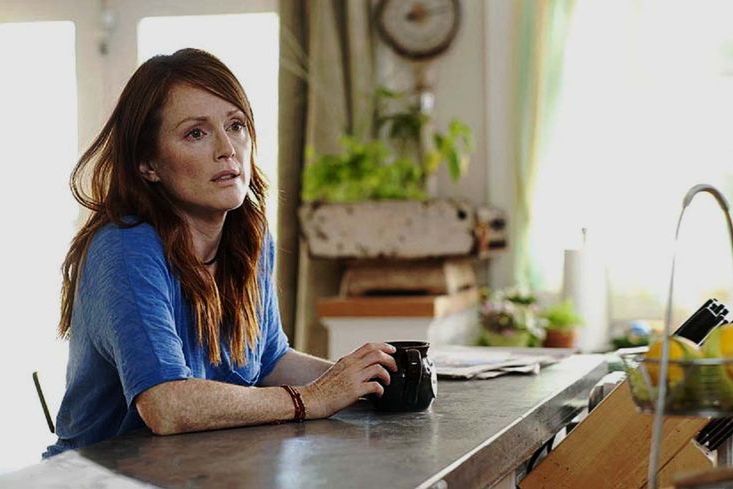
Julianne Moore delivered a grounded and deeply relatable performance in the 2010 indie hit The Kids Are All Right, which premiered at the Sundance Film Festival on January 25, 2010. Moore played Jules, a woman in a long-term marriage with her partner Nic, portrayed by Annette Bening. The film explores the nuances of a modern family when their two teenage children decide to seek out their biological sperm donor. Moore, who is straight in real life, avoided the typical tropes of “coming out” stories, instead focusing on the universal complexities of middle-aged marriage, infidelity, and the messy realities of parenting in the 21st century.
The film was a major critical success, earning four Academy Award nominations, including Best Picture. Critics praised Moore for her ability to portray Jules as a multi-dimensional woman who is both vulnerable and fiercely protective of her family unit. By depicting a same-sex household experiencing the same domestic ebbs and flows as any other family, the movie helped normalize LGBTQ+ domestic life for mainstream audiences. Moore’s work alongside Bening was hailed for its authentic chemistry, proving that an actor’s skill in portraying intimacy and commitment is not tied to their own sexual orientation but to their understanding of the human heart.
Ultimately, the evolution of cinema and television demonstrates that the essence of acting lies in the ability to transcend one’s own identity.


