
1. Homes That Anticipate Daily Routines
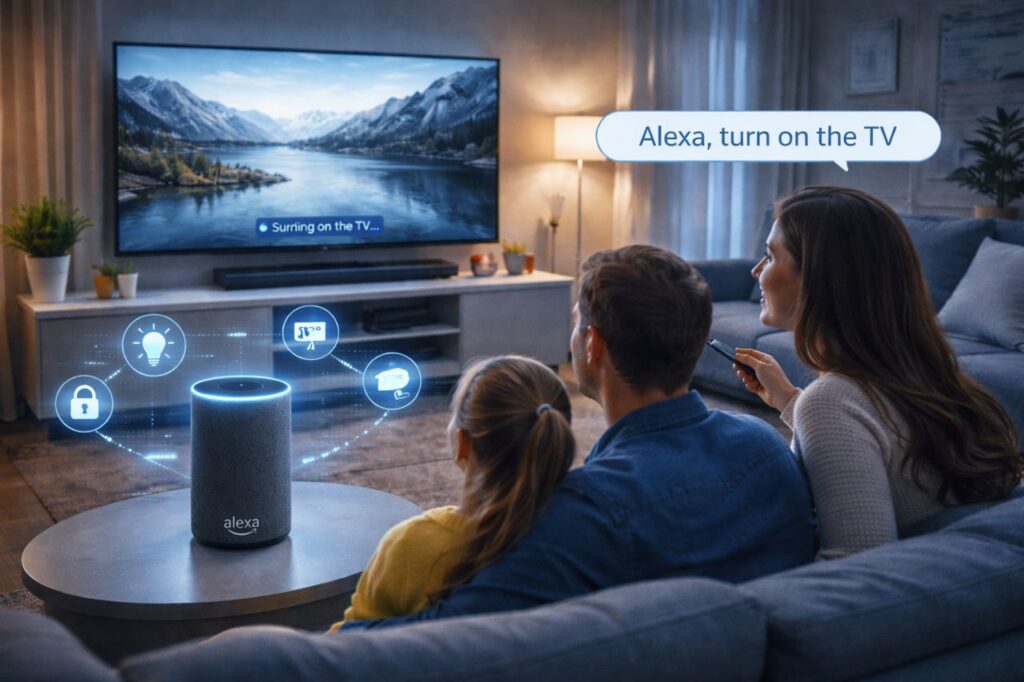
By 2026, smart homes are expected to feel less like collections of gadgets and more like quiet assistants working in the background. Systems powered by platforms such as Amazon Alexa and Google Nest already learn daily habits, and upcoming updates focus on prediction rather than commands. Lights may adjust automatically based on time, weather, and occupancy. Thermostats increasingly learn sleep patterns and energy pricing to balance comfort and cost. Security systems can distinguish between family members, visitors, and deliveries. The key shift is fewer spoken instructions. Instead of asking, the home observes patterns and responds quietly. This direction is widely discussed in smart home industry roadmaps and consumer tech reports, pointing to homes that feel more intuitive rather than more complicated.
2. Cars That Drive Themselves in Limited Conditions
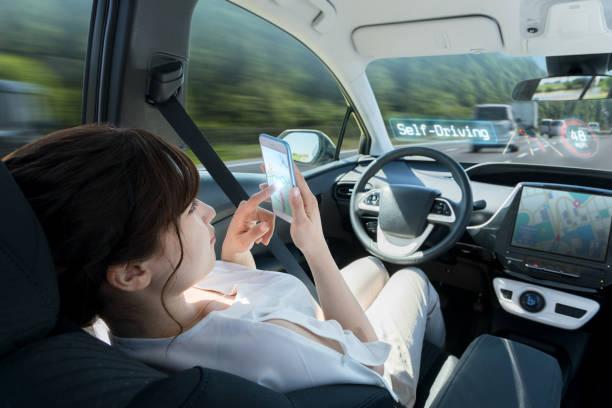
By 2026, fully driverless cars everywhere are unlikely, but conditional self-driving is becoming more common. Automakers and regulators are focusing on hands-free driving on highways, traffic jams, and mapped routes. Systems like advanced driver assistance can already steer, brake, and maintain speed under specific conditions. Companies such as Tesla and others continue refining software that improves through updates rather than hardware changes. What changes daily life is mental load. Commuters can relax their attention during long highway drives while remaining legally responsible. The technology’s growth is heavily regulated, discussed across transportation agencies and automotive safety groups, and is expected to expand gradually rather than suddenly.
3. Wearables That Detect Health Changes Earlier
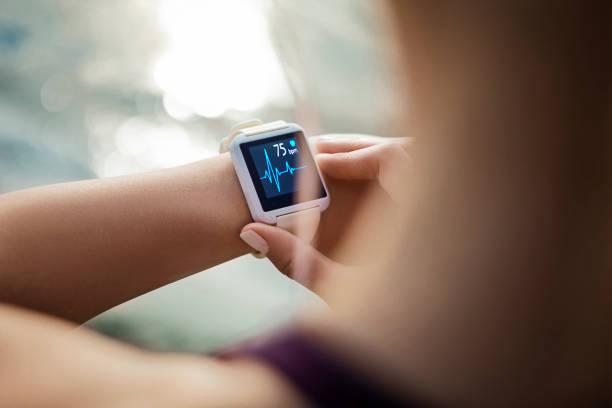
Wearable devices are moving beyond fitness tracking into early health detection. By 2026, smartwatches and health bands are increasingly designed to flag unusual patterns in heart rhythm, sleep quality, blood oxygen levels, and stress indicators. Brands like Apple and medical-device partners continue collaborating with health institutions to refine accuracy. The real impact is not diagnosis but awareness. Many users already report earlier conversations with doctors prompted by wearable alerts. Research shared in medical technology forums suggests this trend will grow, especially as sensors become more reliable and data sharing with healthcare providers improves, while still emphasizing privacy and consent.
4. AI Assistants That Handle Personal Admin
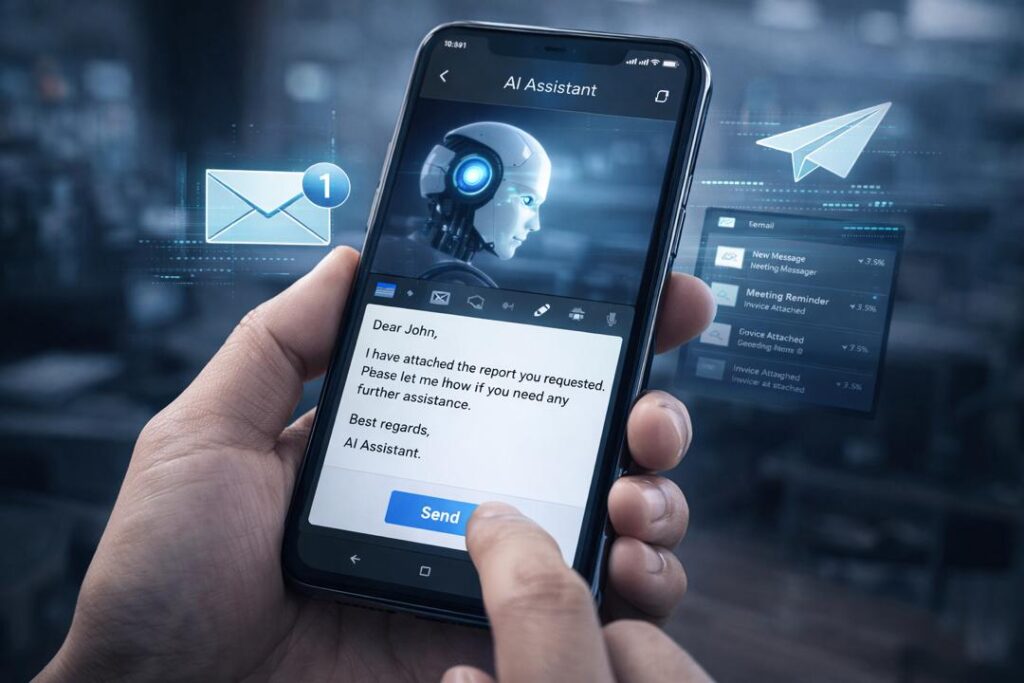
By 2026, digital assistants are expected to manage small but time-consuming tasks rather than just answering questions. These include scheduling appointments, summarizing long emails, tracking subscriptions, and reminding users about deadlines based on behavior patterns. Unlike earlier assistants, newer systems rely on contextual understanding rather than exact phrasing. Productivity platforms tied to companies like Microsoft continue integrating AI tools into everyday apps. This shift is widely discussed in workplace technology reports because it affects both professionals and families. The result is fewer forgotten tasks and less mental clutter, especially for people juggling multiple responsibilities.
5. Shopping That Predicts What You Need

Online shopping platforms are moving toward prediction instead of reaction. By 2026, many retailers aim to suggest replenishments before essentials run out, based on past behavior and seasonal patterns. This trend is visible in grocery delivery services and household supply subscriptions. Companies like Amazon have openly discussed anticipatory logistics for years. The daily-life change is subtle but noticeable. Fewer emergency runs for basics, more time saved, and smoother budgeting. Consumer technology analysts frequently note that transparency and opt-in controls will be key, as users want convenience without feeling watched.
6. TVs and Screens That Adapt to Viewers

Televisions and streaming screens are becoming more adaptive by design. By 2026, TVs increasingly adjust brightness, sound, and lcontent suggestions based on room lighting, viewing distance, and time of day. Platforms linked to companies like Samsung and others already test these features. The shift improves comfort rather than novelty. Evening viewing becomes easier on the eyes, while sound adjusts automatically for dialogue clarity. Industry discussions show a strong push toward reducing manual settings and making entertainment feel more responsive to human habits.
7. Payments That Rely Less on Cards
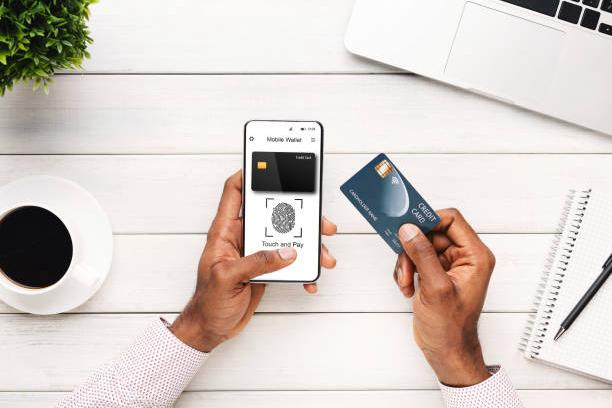
By 2026, physical cards are expected to matter less in everyday transactions. Mobile wallets, biometric authentication, and QR-based payments are becoming standard across many regions. Companies like Visa and mobile payment platforms continue expanding infrastructure. The daily impact is speed and convenience. Small purchases become faster, and identity verification improves security. Financial technology reports show this trend growing through partnerships with banks and governments, especially as fraud prevention tools improve alongside ease of use.
8. Work Tools That Blend Home and Office

Hybrid work is no longer temporary, and by 2026, tools are designed specifically for blended environments. Software platforms improve virtual collaboration, document sharing, and asynchronous communication. Companies like Zoom and others continue adapting features for mixed teams. The change affects daily routines, not just jobs. Commutes are fewer, schedules are more flexible, and collaboration depends less on location. Workplace research consistently shows this model reshaping productivity expectations and work-life balance.
9. Smart Appliances That Reduce Waste
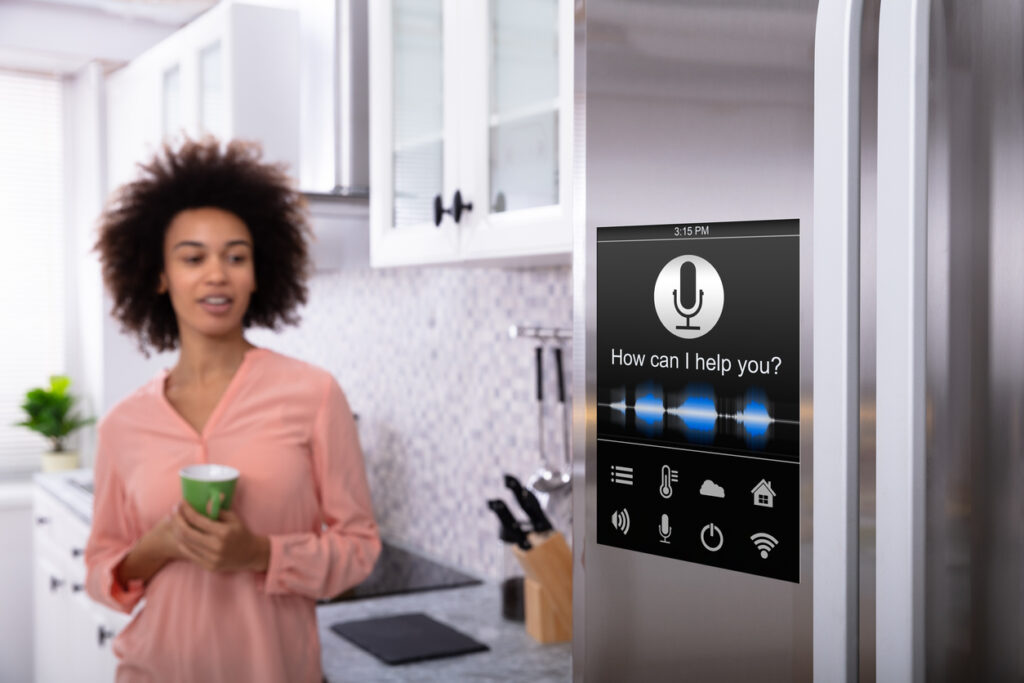
By 2026, appliances are increasingly designed to reduce waste rather than simply automate tasks. Smart refrigerators can track food freshness, suggest recipes, and reduce spoilage. Washing machines adjust water and energy use based on load type. Brands like LG highlight sustainability as a core selling point. Environmental technology discussions emphasize that small household efficiencies add up, making smart appliances part of broader climate and cost-saving strategies.
10. Navigation Apps That Factor Stress and Safety

Navigation technology is expanding beyond speed. By 2026, apps increasingly factor safety, road conditions, and even driving stress into route suggestions. Platforms like Google Maps already test features that avoid dangerous intersections or high-accident areas. This shift is backed by transportation research and urban planning discussions. For daily life, it means calmer commutes and smarter travel decisions, not just faster ones.
11. Faster, Smarter EV Charging Networks
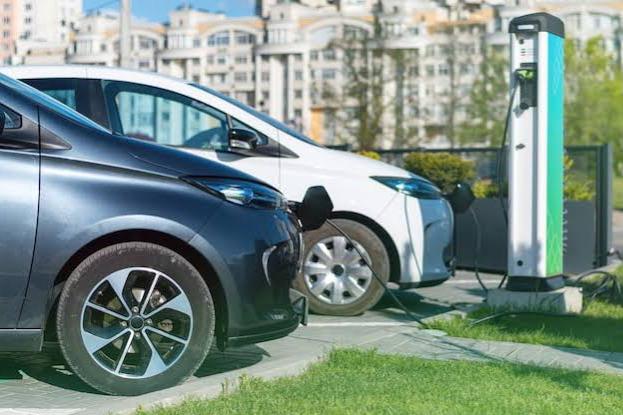
Public charging will keep growing but unevenly, more chargers, faster chargers, and smarter siting where demand is highest. Expect targeted rollouts (urban hubs, highway ultra-rapid stations, and dense apartment zones) plus private–public partnerships to fill gaps; China will continue to lead global capacity while other regions expand at variable speed depending on grid upgrades and policy support. For daily life that means fewer “range anxiety” moments for many drivers, though access will still vary by neighborhood and country. Big-picture data from the Global EV Outlook shows strong recent growth in public chargers and points to infrastructure as the critical factor for mainstream EV convenience.
12. Augmented Reality Glasses Move from Niche to Useful

By 2026, AR glasses won’t be everywhere, but niche consumer and workplace models will push practical use-cases: hands-free assembly instructions on factory floors, on-walk navigation overlays, or recipe steps projected in your kitchen. Retailers and developers are investing in AR experiences for virtual try-ons and contextual shopping help, and hardware makers are improving battery life, field of view, and comfort. The result for daily life is more immediate, contextual information without needing to pull out a phone, useful for commuting, repairs, and hands-busy tasks, though broad consumer adoption still depends on price, style, and clear everyday benefits.
13. Drone Delivery, Useful in Pockets, Not Ubiquitous
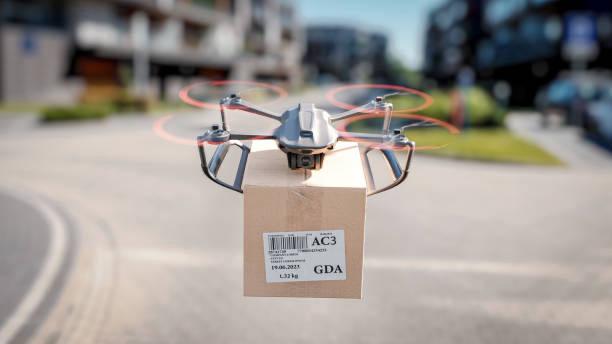
Drone delivery will expand in specific use cases, medical supplies to remote clinics, rapid small-item logistics, and isolated community services, but large-scale, everywhere delivery faces regulatory, cost, and airspace challenges. Recent years saw promising pilots from Zipline, Wing, and others, though some major players have paused or adjusted plans in certain markets as regulators and business cases are re-evaluated. For people in served areas, drones can cut delivery times dramatically; for most, they’ll remain a visible but limited option until rules and economics line up fully.
14. Edge AI Makes Real-Time Tech Feel Instant
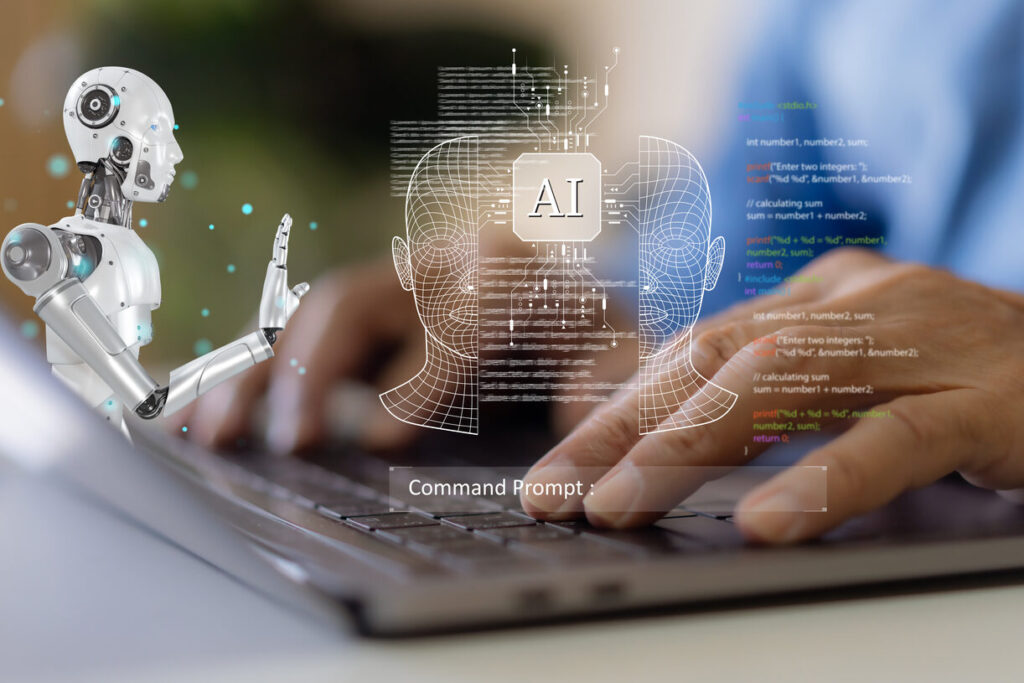
Putting AI inference closer to where data is generated, on phones, routers, cars, and local servers, reduces delay and improves privacy by keeping sensitive data at the edge. This shift helps voice assistants respond faster, in-car safety systems react quicker, and smart cameras make immediate decisions without round trips to distant cloud servers. For everyday life that means smoother interactions (less “thinking” pause), more resilient privacy options, and services that keep working even with poor internet. Industry reports and technical studies show edge AI is already reducing latency and will keep scaling into consumer devices.
15. Smart City Sensors Improve Local Services
Cities are rolling out networks of sensors for traffic flow, streetlight control, waste collection optimization, and air-quality monitoring. These systems cut costs and improve service, smarter streetlights save energy, sensors point trucks to full bins only, and traffic sensors enable better signal timing to reduce jams. In daily life, residents notice fewer dark streets, more reliable trash pickup, and sometimes quicker emergency responses. The benefits are real where cities invest, but neighborhoods without funding or connectivity may not see the same improvements, so equity in rollout is the real policy challenge.
16. Privacy & Regulation Shape What Tech Does Next

As devices harvest more personal data, expect stronger regional rules and clearer defaults, more explicit consent flows, privacy-preserving defaults, and legal limits on sensitive profiling. That affects daily interactions: features that require personal data may offer opt-outs or on-device processing, while businesses adapt to new compliance costs. The net effect should be more transparent choices for people, but also a patchwork of rules by country that companies must navigate, meaning services can behave differently depending on where you live.
17. AI Tutors and Personalized Learning Tools

Education tech will look more adaptive: AI-driven tutors can offer practice problems tailored to a student’s gaps, summarize reading material, and help adults upskill on the job. These tools are already used in pilot programs and private platforms; by 2026 they’ll be more reliable and better integrated into classrooms and online courses. For everyday life, parents and learners get on-demand explanations and practice, while professionals can reskill faster. Equity concerns remain, access and teacher integration determine who benefits most.
18. Delivery Robots and Micromobility Join the Street Scene
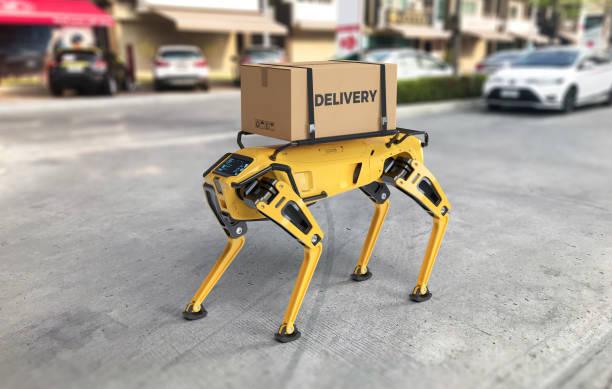
Small sidewalk robots, e-bikes, and scooters will integrate further with local deliveries and short trips. In many neighborhoods you’ll see couriers swapping vans for e-cargo bikes or robots handling last-mile runs, which cuts cost and traffic impact for short-distance errands. Cities experimenting with dedicated lanes and parking rules will shape whether these options are convenient or cluttered. For daily life, the payoff is faster local deliveries, cheaper short trips, and more transport choices, if cities manage space and safety well.


