
1. Needlepoint
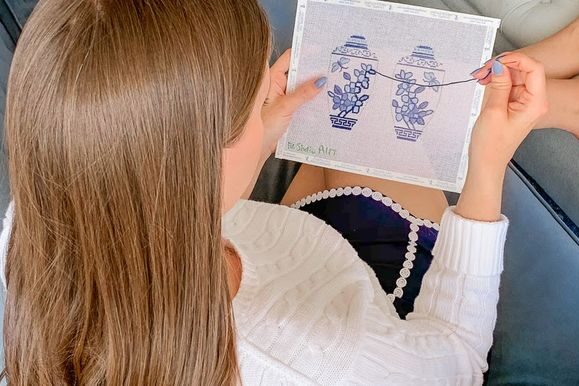
It is funny how certain hobbies quietly circle back into style. For years, many people thought needlepoint belonged only in a grandmother’s sewing basket, tucked beside half finished cushions and floral patterns. But lately, younger people are picking it up again, sometimes out of curiosity and sometimes because they simply want something calm to do with their hands. Sitting with a canvas and thread has a way of slowing everything down. The small stitches require focus but not pressure, which makes the craft feel gentle and welcoming even for beginners. It feels almost like stepping into a slower conversation with yourself.
Many first time stitchers say they started needlepoint because they wanted a break from screens. After a long day of emails, messages, and endless scrolling, the simple rhythm of stitching can feel surprisingly comforting. People often begin with small designs, maybe a simple phrase or a colorful pattern, and before long they find themselves planning the next project. Finished pieces become wall art, pillow covers, or handmade gifts. What makes needlepoint appealing again is not nostalgia alone. It is the quiet satisfaction of watching a design slowly appear under your hands, one careful stitch at a time.
2. Knitting
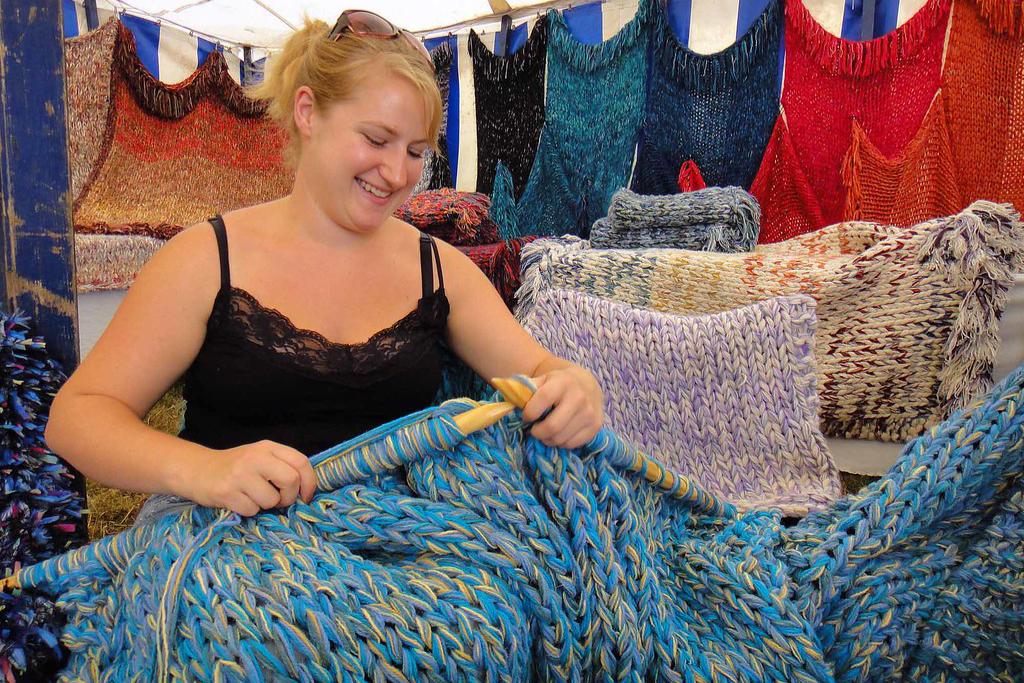
Knitting has quietly found its way back into everyday life for many young people who once thought it was something only grandparents did. Walk into a cozy café or sit in a park on a quiet afternoon and you might notice someone gently working two knitting needles together. At first glance the process looks complicated, but most beginners quickly discover that the basic stitches are simple to learn. Once those first rows begin to take shape, knitting becomes almost rhythmic and calming.
What keeps people coming back is the feeling of making something real with their own hands. A simple ball of yarn slowly transforms into a scarf, a hat, or even a sweater. Many knitters say the hobby helps them unwind after work because the repetitive movement relaxes the mind. Some gather with friends for casual knitting nights where conversation flows easily while hands stay busy. Others knit quietly at home while listening to music or watching a favorite show. Either way, knitting brings a steady pace to the day and reminds people that patience often leads to something warm and lasting.
3. Crocheting
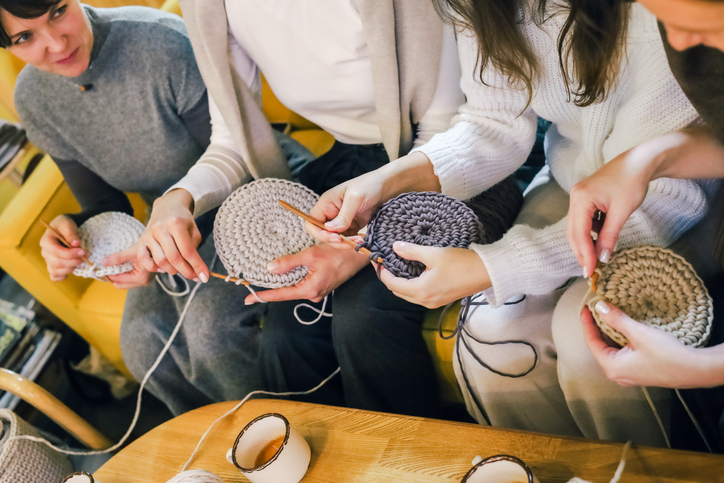
Crocheting often becomes the gateway craft for people curious about working with yarn. Instead of two needles, it uses a single hook, which many beginners find easier to manage. Once someone learns the basic motions, crocheting quickly starts to feel natural. The hook loops yarn into stitch after stitch, slowly forming something useful and beautiful. Many young hobbyists enjoy how quickly projects can begin to take shape compared to other crafts.
It is common to see crocheted bags, blankets, and hats appearing again everywhere. Some people even make small stuffed toys that feel charming and personal. The process encourages creativity because colors and patterns can be mixed freely without strict rules. Many beginners follow simple tutorials before experimenting with their own ideas. Crocheting also fits easily into daily life since it can be done almost anywhere. A few rows can be added while relaxing in the evening or chatting with friends. Over time the hobby becomes more than a craft. It turns into a comforting habit that makes quiet moments feel productive.
4. Canning And Preserving

Canning might seem like a skill from another era, but younger generations are discovering just how rewarding it can be. The idea is simple. Fresh fruits or vegetables are prepared, sealed into jars, and preserved so they can be enjoyed later. For people used to quick meals and grocery store convenience, the process feels surprisingly satisfying. Preparing ingredients slowly and filling jars with homemade jam or pickled vegetables creates a sense of accomplishment that modern cooking sometimes lacks.
Many beginners start small with something simple like strawberry jam. The moment those jars line up on the kitchen counter, it feels like a quiet success. Months later, opening one of those jars brings back the flavor of the season when it was made. The process also encourages people to think differently about food. Instead of wasting extra produce, it can be saved and enjoyed later. Canning turns cooking into a thoughtful ritual where time, patience, and care matter. What once helped families store food for winter now helps people reconnect with the simple pleasure of preparing it themselves.
5. Embroidery

Embroidery has slowly become a favorite hobby again for people who enjoy small and detailed crafts. The concept is simple. A needle, thread, and fabric come together to create patterns that slowly grow stitch by stitch. What makes embroidery appealing is the freedom it offers. Some people follow traditional floral designs, while others stitch words, symbols, or playful images that reflect their personality.
Many beginners discover embroidery when they want a relaxing activity that does not require complicated tools. Once the first stitches are learned, the process becomes soothing and almost meditative. Each stitch asks for patience and attention, which naturally slows the mind. Over time the design begins to appear across the fabric, creating something unique and personal. Finished pieces might decorate jackets, tote bags, or simple hoops displayed on a wall. The charm of embroidery lies in its quiet creativity. It allows people to sit, breathe, and create something meaningful with thread and imagination.
6. Gardening

Gardening is one of those hobbies that quietly teaches patience. Many young people begin with a few herbs in small pots or a tiny corner of soil in the backyard. At first the effort seems small, but watching those first green shoots appear brings a surprising sense of joy. There is something deeply satisfying about planting a seed and caring for it day after day until it grows.
Over time, what begins as a small experiment often grows into a real passion. People start learning which plants thrive in their space and which seasons bring the best harvest. Watering plants in the early morning or trimming leaves in the evening becomes part of a gentle routine. Gardening also creates a stronger connection to food and nature. A tomato picked from your own plant somehow tastes richer than one bought at the store. The process reminds people that growth takes time and care, a lesson that quietly stays with them.
7. Baking From Scratch
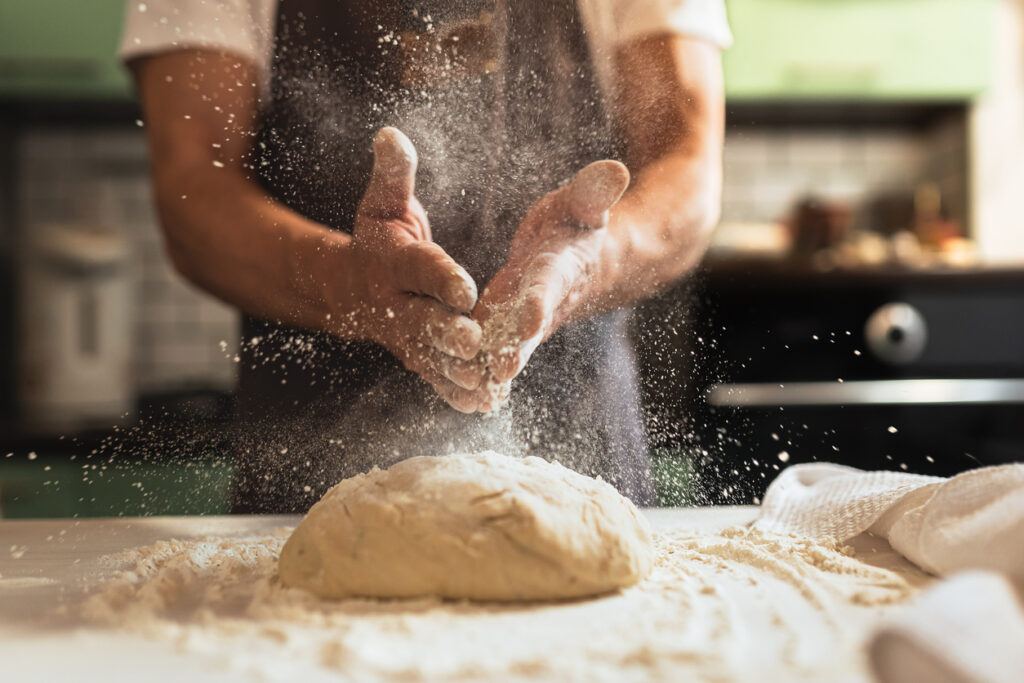
Baking from scratch has become a comforting hobby for many people who want to slow down in the kitchen. Instead of relying on ready made mixes, bakers measure flour, sugar, and butter carefully before bringing everything together. The process feels almost like a small ritual. Mixing dough, kneading it gently, and waiting for it to rise creates a calm rhythm that fills the kitchen with anticipation.
The best moment often arrives when the oven door finally opens. The warm smell of fresh bread or cookies spreads through the room, making the effort feel worthwhile. Many young bakers enjoy experimenting with recipes passed down through family or discovered in old cookbooks. Each attempt teaches something new about patience and timing. Baking from scratch transforms simple ingredients into something comforting and shared. A loaf of bread or tray of pastries becomes more than food. It carries the quiet satisfaction of having made something warm with your own hands.
8. Quilting
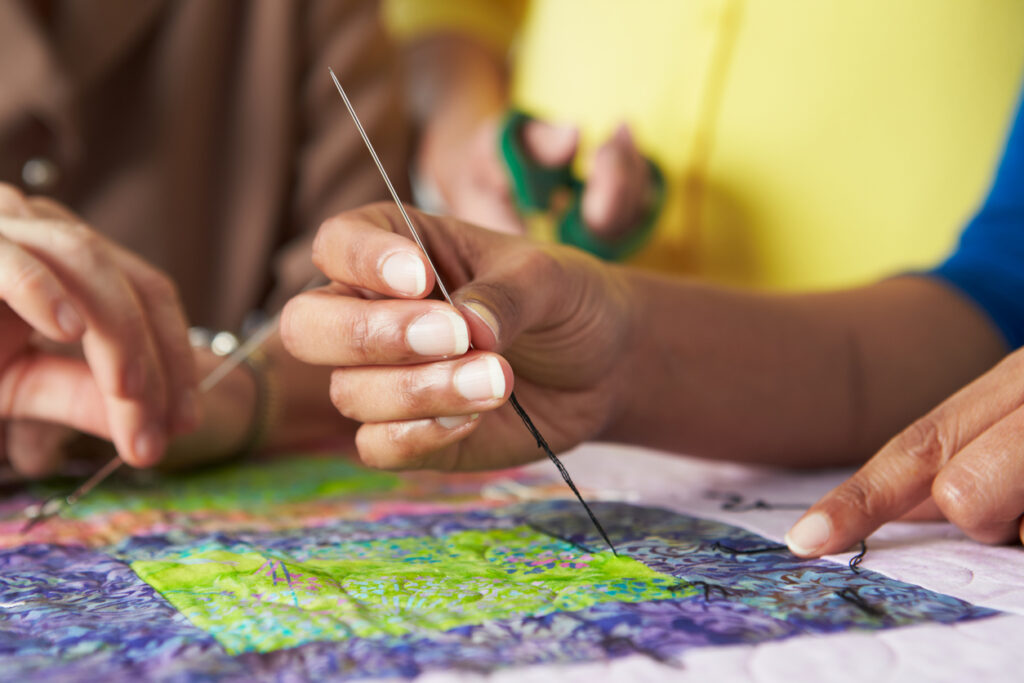
Quilting has long been associated with patience and storytelling. Each quilt begins with small pieces of fabric that are carefully arranged and stitched together over time. For many people in earlier generations, quilting was also a social activity. Friends and family gathered around large tables, sharing stories while slowly building something warm and lasting. Today, younger hobbyists are discovering the craft again and bringing their own creativity into it.
Many modern quilts use bright colors, geometric patterns, and fabrics that reflect personal memories. Some people even cut pieces from old clothing to include in their quilts, turning everyday materials into something meaningful. The process takes time because every square must be measured, placed, and sewn with care. Yet that slow pace is exactly what draws people in. Quilting encourages patience and attention, allowing the maker to focus on one small step at a time. By the time the quilt is finished, it holds more than warmth. It carries the quiet story of every careful stitch that brought it together.
9. Birdwatching

Birdwatching might be one of the easiest hobbies for anyone to begin. All it really requires is curiosity and a willingness to pay attention to the natural world. Many beginners start by noticing the birds that appear near their homes, whether it is a small sparrow on a fence or a larger bird gliding across the sky. At first the differences may seem subtle, but slowly people begin recognizing colors, shapes, and calls.
Once that awareness grows, a simple walk outdoors can feel much more interesting. Trees, rooftops, and open fields suddenly become places where something unexpected might appear. Some birdwatchers bring binoculars or small field guides to help them identify species, while others simply observe quietly. The hobby encourages patience and stillness because birds rarely stay in one place for long. Over time many people find that birdwatching helps them reconnect with nature in a peaceful way. It turns ordinary surroundings into something worth noticing again.
10. Sewing And Mending

Sewing and mending have slowly returned as useful and meaningful skills for many younger people. In the past, repairing clothing was simply part of everyday life. Today, as people think more carefully about what they buy and wear, learning to fix a torn seam or replace a missing button feels surprisingly empowering. The process usually begins with a simple needle, thread, and a little patience.
Once someone learns a few basic stitches, small repairs become easier than expected. A favorite shirt that might have been discarded can suddenly be saved with a quick fix. Beyond repairs, sewing also opens the door to creativity. People begin adjusting clothing for a better fit or adding details that make a piece feel personal. Some even move on to making garments from scratch. The skill brings a deeper appreciation for how clothing is made and encourages a slower, more thoughtful approach to fashion.
11. Blacksmithing

Blacksmithing may sound like something from a distant past, yet it continues to attract curious beginners today. The craft involves heating metal until it becomes soft enough to shape, then carefully hammering it into the desired form. Watching a piece of glowing metal transform into a tool or decorative object can feel fascinating, especially for someone seeing it for the first time.
Many beginners start with simple projects such as small hooks or basic tools. Each strike of the hammer must be deliberate because metal changes gradually with heat and pressure. The work requires focus, strength, and patience. For people who spend most of their time working on computers, blacksmithing offers a completely different experience. It is physical, creative, and deeply satisfying. The finished piece often carries visible marks from the hammer, reminding the maker of every step taken to shape it.
12. Pottery And Clay Work

Pottery studios have quietly become popular places for people who want to try something creative and hands on. Sitting at a pottery wheel with a lump of clay might feel intimidating at first, but most beginners quickly realize how enjoyable the process can be. As the wheel spins, the clay slowly responds to gentle pressure from the hands, forming shapes that grow taller and smoother with each movement.
The transformation from soft clay into a bowl, mug, or vase happens gradually. That slow pace teaches patience because rushing the process usually causes the shape to collapse. Many pieces do not turn out perfectly the first time, but those small imperfections often make them feel more personal. Over time people become more comfortable guiding the clay and experimenting with different designs. By the time a finished piece is fired and glazed, it carries the memory of every step that shaped it, making the craft feel deeply rewarding.


