
1. Rising Cost of Everyday Living
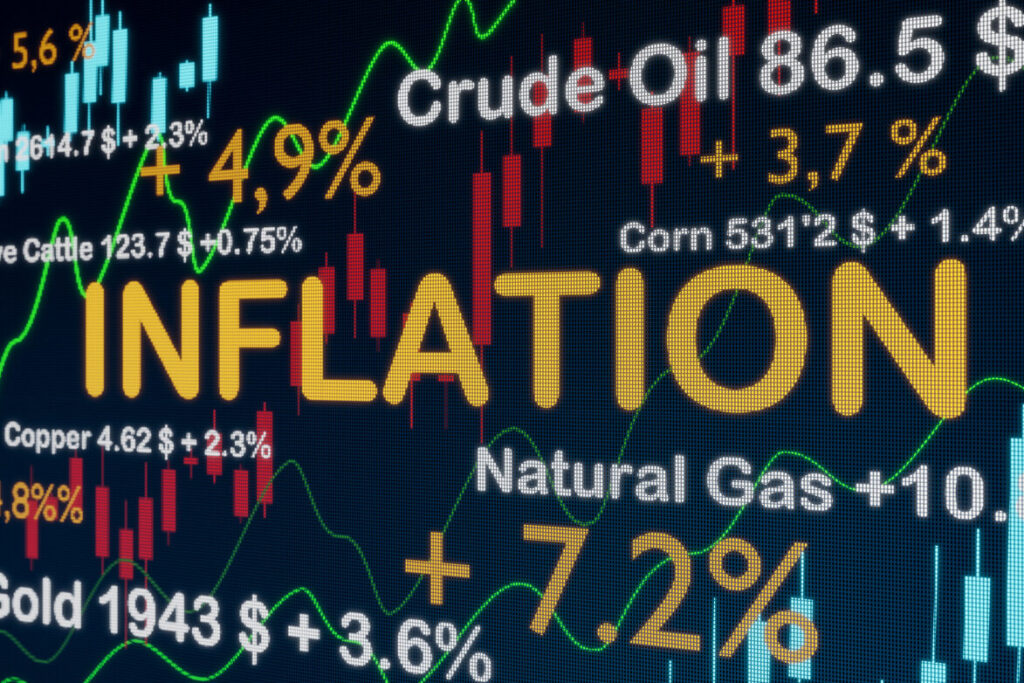
The steady rise in the cost of everyday living remains one of the most talked-about concerns heading into 2026. Global inflation may fluctuate, but essentials like food, rent, utilities, and transportation continue to stretch household budgets across many regions. Reports from economic institutions and consumer surveys show families spending a higher share of income on basics than they did just a few years ago. Online discussions frequently highlight shrinking grocery portions, higher fuel prices, and increased service fees. Even in countries where inflation has slowed, prices rarely return to earlier levels. For many people, the fear is not sudden collapse but a gradual erosion of financial comfort that makes saving, planning, or enjoying small pleasures feel harder than before.
2. Job Security in an AI-Driven Economy

Concerns about job security are growing as artificial intelligence and automation expand into more industries. By 2026, AI tools are expected to handle a wider range of tasks once performed by humans, from data analysis to customer service and content creation. While many experts emphasize that AI will also create new roles, workers remain anxious about how quickly transitions will happen. Social media conversations often reflect fear of being left behind without relevant skills. White-collar professionals are increasingly vocal about uncertainty, not just factory workers. The issue is less about technology itself and more about whether training systems, companies, and governments can adapt fast enough to protect livelihoods during this rapid shift.
3. Housing Affordability Pressure

Housing affordability continues to be a dominant worry worldwide as 2026 approaches. In many cities, home prices and rent levels have risen faster than wages, making ownership or even stable renting difficult for large segments of the population. Research from housing agencies shows younger adults delaying major life milestones because of housing costs. Online forums are filled with stories of people downsizing, moving farther from work, or returning to shared living arrangements. Even where new housing is being built, supply often lags behind demand. The fear many people share is that housing will remain out of reach for longer, turning what was once a basic expectation into a long-term financial struggle.
4. Personal Data and Digital Privacy

As digital services expand, personal data protection is becoming a major concern for 2026. From social media platforms to banking apps and smart devices, vast amounts of personal information are collected daily. Studies and news reports consistently show an increase in data breaches, identity theft, and unauthorized data sharing. Many users worry about how their information is stored, sold, or used by companies and governments. Discussions online reflect growing discomfort with constant tracking, facial recognition, and algorithmic profiling. While regulations are evolving in some regions, enforcement varies widely. The concern is not just privacy loss, but the long-term consequences of living in a world where personal data feels increasingly exposed.
5. Public Safety in Crowded Urban Spaces

Public safety in densely populated areas is another widespread concern tied to 2026. Urbanization continues to increase, placing more people in shared spaces such as public transport, markets, and entertainment districts. Reports from law enforcement and urban planners show mixed trends, with some crimes declining while others become more visible through social media. Viral videos often amplify fear, even when crime rates remain stable. People express unease about overcrowding, delayed emergency response, and infrastructure strain. The concern is not only crime itself, but the feeling of vulnerability in environments where systems appear stretched. Many cities are experimenting with new safety measures, but trust remains uneven.
6. Health System Capacity and Access

Health system capacity remains a lingering worry as countries prepare for the mid-2020s. Research shows many healthcare systems are still dealing with staffing shortages, aging populations, and delayed care from previous years. By 2026, demand for services is expected to grow, especially for chronic illness management and mental health support. Online conversations often mention long waiting times, rising medical costs, and unequal access between regions. Even in developed healthcare systems, people fear that quality care may become harder to reach quickly. The concern extends beyond emergencies to everyday health needs, where delays or costs can significantly affect quality of life.
7. Climate-Related Disruptions

Climate-related disruptions are no longer distant possibilities but immediate concerns for many communities looking toward 2026. Scientific data and climate reports consistently show increases in extreme weather events, including floods, heatwaves, and wildfires. These events affect food supply, insurance costs, housing stability, and public infrastructure. Social media has made climate impacts more visible, with real-time footage spreading quickly across platforms. Many people worry about how often disruptions will occur and whether communities are prepared to respond. The concern is not limited to environmental activists; it has become a practical issue tied to safety, finances, and long-term planning for families and businesses alike.
8. Mental Health Strain

Mental health strain is increasingly recognized as a major issue heading into 2026. Surveys from health organizations show rising levels of stress, anxiety, and burnout across age groups. Economic pressure, digital overload, and constant exposure to negative news contribute to emotional fatigue. Online conversations often describe feeling overwhelmed even when life appears stable on the surface. Younger generations, in particular, speak openly about mental exhaustion linked to work uncertainty and social expectations. While awareness has improved, access to affordable mental health support remains uneven. The concern many share is not just experiencing stress, but living in a world where recovery time feels shorter and pressure feels constant.
9. Cybersecurity Threats

Cybersecurity threats are expected to grow more sophisticated by 2026, raising concern among individuals and organizations alike. Research shows cybercrime continues to expand as more services move online, including banking, healthcare, and education. Phishing attacks, ransomware, and identity theft are frequently discussed across digital platforms. Many people worry that personal protection measures are no longer enough against advanced threats. Small businesses and individuals often feel especially vulnerable due to limited security resources. The concern is not just financial loss, but disruption to daily life when digital systems fail. As reliance on technology increases, trust in digital safety becomes a central issue.
10. Trust in Institutions and Information

A growing lack of trust in institutions and information sources is shaping concerns about 2026. Studies on public opinion show declining confidence in governments, media outlets, and large organizations across many countries. Social media has made it easier for misinformation to spread, blurring the line between verified facts and misleading content. Many people express uncertainty about whom or what to believe, especially during major events or crises. This erosion of trust affects decision-making, civic engagement, and social cohesion. The concern is not disagreement itself, but confusion and fatigue caused by constant conflicting narratives, making it harder for people to feel informed and secure.
11. Regional and Global Security Flashpoints
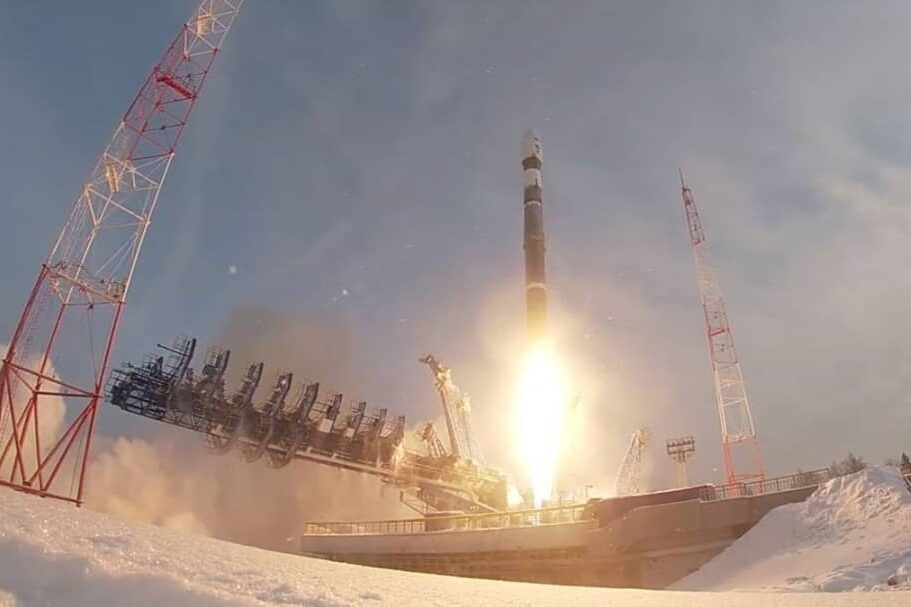
Concerns about regional and global security flashpoints are high going into 2026 because localized conflicts and major-power competition can ripple quickly across markets and supply chains. Recent large-scale military drills and incidents in hotspots such as the Taiwan Strait and elsewhere have shown how routine maneuvers can disrupt civilian life, air routes, and shipping lanes, prompting investor jitters and political realignments. Policymakers and businesses worry less about immediate world war and more about repeated, escalating incidents that raise insurance costs, slow trade, and prompt defensive spending, all of which add economic and social strain to already fragile recovery plans.
12. Family Stability under Economic Strain

Economic pressure affects not only wallets but family dynamics, and that creates widespread concern for 2026. Research shows that prolonged financial stress commonly leads to parental distress, increased family conflict, and disruptions to routines that matter for child development. When housing, food, or healthcare are uncertain, families make trade-offs, older children delaying college, caregivers working extra jobs, or multi-generational households re-forming, which changes long-term plans and mental health. Online conversations and social research point to an ongoing worry that, even without a dramatic recession, slow-but-steady cost pressures will reshape household choices, fertility decisions, and intergenerational mobility for years to come.
13. Digital Dependence and Major Service Outages
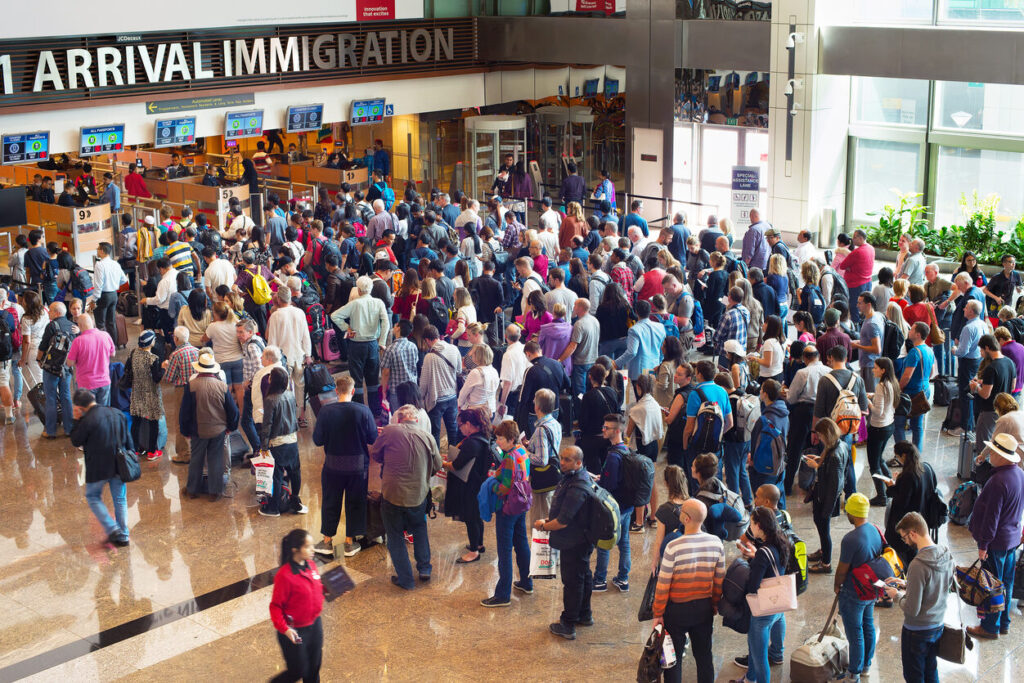
As more critical services move to the cloud, the worry about digital dependence grows, especially after high-profile cloud and platform outages in recent years that interrupted airlines, banks, and emergency services. These incidents expose how a single software bug or targeted attack can cascade across sectors, delaying transactions, grounding flights, and halting remote work. That fragility raises real concerns among businesses and consumers about redundancy, resilience, and the concentration of digital infrastructure in a handful of providers. Many communities and boards are now asking whether systems are engineered to fail gracefully and whether backup plans can realistically cover extended downtime.
14. Transportation Safety: New Modes, New Risks
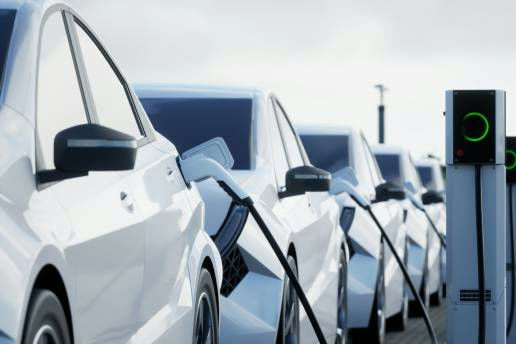
Transportation safety is evolving quickly with electric vehicles, micromobility, and early autonomous systems arriving on roads, and people are worried about how safely these technologies will scale. While autonomous driving promises fewer human-error crashes, technical limits (sensors in poor weather, edge-case decision-making), regulatory gaps, and mixed fleets on the road create new complexity. At the same time, infrastructure strain in dense cities, crowded transit, aging bridges, and inconsistent maintenance, keeps everyday commuters anxious. The core fear is not rejection of technology but uncertainty about timelines, oversight, and how fast regulations and road designs will catch up to reduce harm as use expands.
15. Retirement Shortfalls and Pension Anxiety

Many workers and retirees are worried that pensions and retirement savings won’t stretch as expected by 2026, especially after years of market volatility and demographic shifts that strain public and private pension systems. International analyses note ongoing reforms and, in some cases, reductions in benefits or higher contribution requirements to keep plans solvent. For individuals, the anxiety is practical: will savings cover health costs, housing, or long-term care? This worry affects younger workers too, who may delay retirement planning or change career paths, and it factors into broader calls for policy reform, better financial education, and alternative saving vehicles.
16. Fragile Supply Chains and Local Shortages

Supply-chain fragility is still on people’s minds because disruptions, from geopolitical rerouting and labor shortages to climate impacts and port congestion, can create localized shortages and higher prices. The pandemic exposed how tightly interlinked manufacturing, shipping, and retail are; recent years have shown that even narrow chokepoints (a key strait, a heavily used port, or a semiconductor plant) can ripple widely. Businesses are increasingly debating nearshoring, inventory buffers, and multi-sourcing to build resilience, but those solutions cost money, which can raise consumer prices and reinforce the worry that ordinary purchases will occasionally be harder to find or more expensive.
17. Education, Skills Gaps, and Future Employability

People are worried that education systems and training programs are not keeping pace with changing labor market demands, leaving students and mid-career workers exposed in 2026. Global employer surveys and workforce reports show strong demand for digital literacy, data skills, and soft skills like adaptability, yet many curricula remain slow to change. This gap creates anxiety for families planning education paths and for adults considering upskilling or reskilling. The concern is practical: without more agile training (micro-credentials, apprenticeships, employer partnerships), many will find it harder to secure stable, well-paid work in the jobs that are actually growing.
18. Climate Migration and Local Displacement
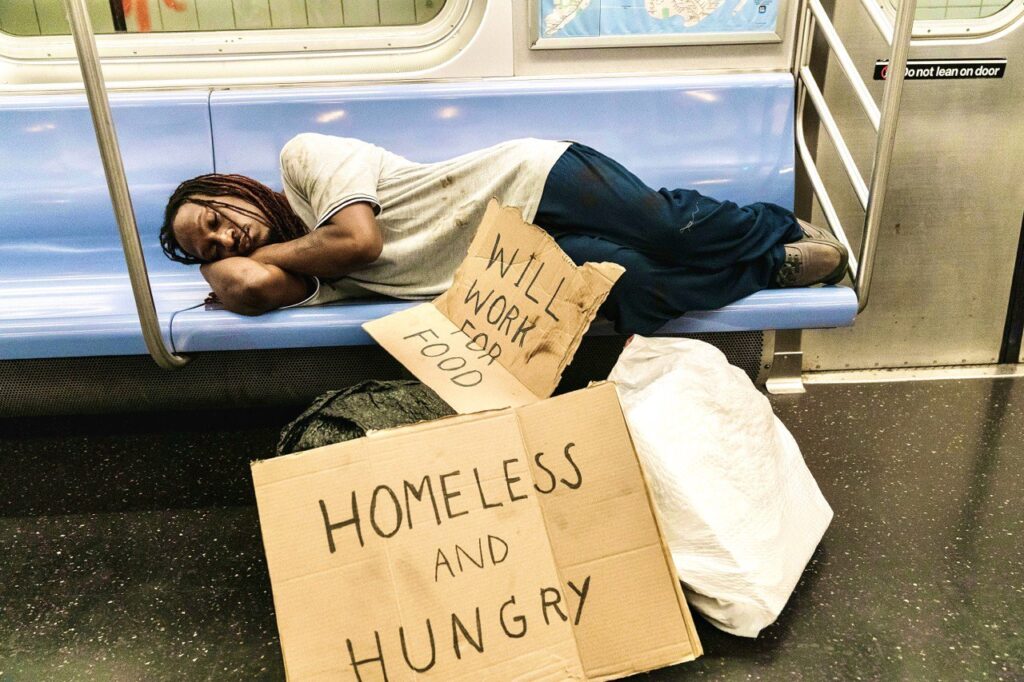
Climate-driven displacement is a growing worry as extreme weather, sea-level rise, and resource pressures push more people to move within and between countries. Humanitarian and climate agencies document rising internal displacement from storms, floods, and drought, events that disrupt livelihoods, education, and local services. Communities worry about sudden influxes, housing pressure, and competition for water and food, while displaced families face long-term insecurity and recovery needs. This is not only a humanitarian concern but also a planning challenge for cities and regions that must absorb people while maintaining services and social cohesion, a major policy and social issue into 2026 and beyond.
As 2026 approaches, the concerns people discuss are practical and interconnected. Each worry above reflects ongoing trends documented in research, reporting, and public conversation.


