
Marion Crane’s Shower
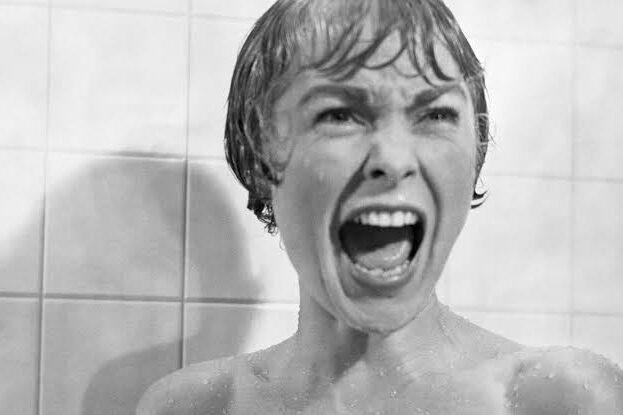
The demise of Marion Crane in the 1960 masterpiece Psycho is widely considered the most famous twist in horror history. Janet Leigh played the role of a woman who steals money and flees to a remote motel, leading the audience to believe she is the central protagonist of a crime thriller. However, just 47 minutes into the runtime, the film takes a terrifying turn. While Marion is washing away her guilt in the shower, a mysterious figure pulls back the curtain and ends her life in a flurry of quick cuts and screeching violins.
This sequence, directed by Alfred Hitchcock, was revolutionary for its time and took seven days to film in late 1959. It used 77 different camera angles to create a sense of extreme violence without actually showing the knife piercing the skin, which helped it bypass strict sensors of the era. Audiences in 1960 were notoriously forbidden from entering the theater late, ensuring the shock of losing the lead actress so early remained intact. Even today, the image of the blood swirling down the drain serves as a chilling reminder of how Hitchcock rewrote the rules of cinema.
Captain Miller’s Sacrifice
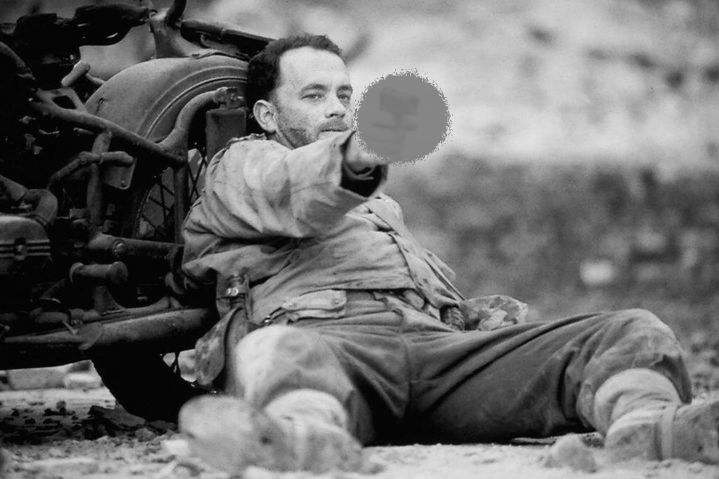
In the 1998 epic Saving Private Ryan, Tom Hanks delivers a powerful performance as Captain John Miller, a schoolteacher turned soldier. His mission is to lead a small squad through war-torn France to find a paratrooper whose brothers have all been killed in action. By the time the film reaches its climax at the Battle of Ramelle, Miller has lost most of his men and is gravely wounded while defending a vital bridge. His death is not flashy or stylized; instead, it is a quiet, painful moment that highlights the grim reality of combat.
Released on July 24, 1998, the film was praised for its unflinching realism, and Miller’s final moments gave the story its moral heart. As he pulls Private Ryan close and whispers the famous line, “Earn this,” the weight of the entire mission falls on the survivor’s shoulders. This scene resonated deeply with veterans and younger viewers alike, as it shifted the focus from the glory of war to the heavy price of freedom. Miller’s passing remains a staple of American cinema because it honors the millions of real-life sacrifices made during World War II.
Artax In The Swamp
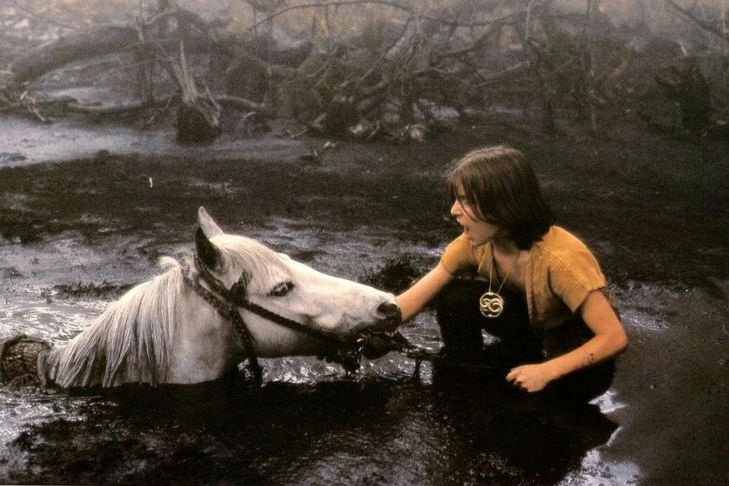
For many who grew up in the 1980s, the most traumatic memory from childhood is the loss of Artax in The NeverEnding Story. Released in the summer of 1984, this fantasy film followed a young warrior named Atreyu and his loyal white horse. As they journey through the Swamp of Sadness, the environment itself begins to feed on their emotions. Unlike a villain with a sword, the enemy here is despair. Artax eventually loses his will to keep going and begins to sink slowly into the thick, dark mud while Atreyu screams in grief.
The scene is particularly haunting because it deals with the concept of depression in a way that children can understand. There is no magic spell to save the horse; he simply gives up, leaving Atreyu to continue his quest alone and heartbroken. Filming this sequence was a logistical challenge that required a highly trained horse and a hydraulic platform, but the emotional result was timeless. Decades later, adults still talk about the “Swamp of Sadness” as a metaphor for life’s toughest hurdles, proving that a family movie can handle heavy themes with incredible grace.
Goose’s Sudden Loss
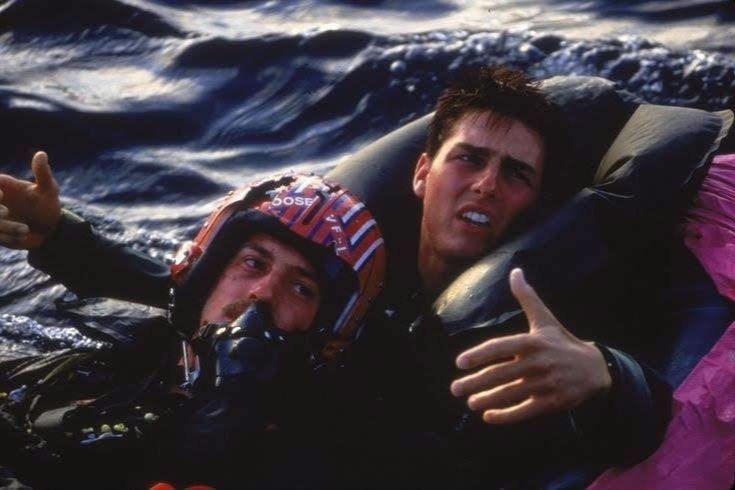
The 1986 blockbuster Top Gun is often remembered for its high-energy flight scenes and rock soundtrack, but the death of Nick “Goose” Bradshaw provides the film’s emotional core. Played by Anthony Edwards, Goose was the cheerful, piano-playing best friend to Tom Cruise’s Maverick. During a high-stakes training exercise, their jet enters a flat spin, forcing them to eject. Tragically, Goose hits the aircraft’s canopy upon exit and dies instantly. The sudden shift from an adrenaline-fueled action sequence to a scene of raw mourning caught many theatergoers off guard.
When the film hit theaters in May 1986, it became a cultural phenomenon, but it was the relationship between Maverick and Goose that made people care about the plot. Goose’s death forced the cocky lead character to face his own limitations and the lethal consequences of his profession. The image of Maverick holding his friend’s body in the water remains one of the most poignant visuals of the 80s. By killing off the most likable character, the filmmakers ensured that the stakes felt real, turning a fun popcorn flick into a lasting story about grief and redemption.
Apollo Creed Falls
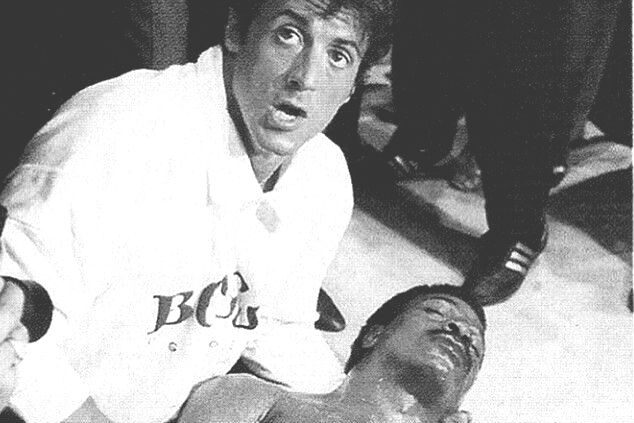
In Rocky IV, released in November 1985, the death of Apollo Creed marked the end of an era for the beloved boxing franchise. Carl Weathers returned as the charismatic former champion who steps out of retirement to face the Soviet giant, Ivan Drago. What was supposed to be a friendly exhibition match quickly turned into a one-sided slaughter. Despite being battered and urged by Rocky to “throw the towel,” Apollo’s pride kept him in the ring until a final, devastating blow ended his life in front of a horrified Las Vegas crowd.
This death served a larger purpose in the context of the Cold War themes prevalent in mid-80s entertainment. It transformed the movie from a standard sports drama into a high-stakes tale of international tension and personal revenge. For fans who had watched Apollo grow from Rocky’s rival to his closest brother over four films, his loss was a genuine shock. The scene set the stage for one of the most famous training montages in history and ensured that Apollo’s legacy would continue to influence the series, eventually leading to the successful Creed spin-off films.
Spock’s Final Act
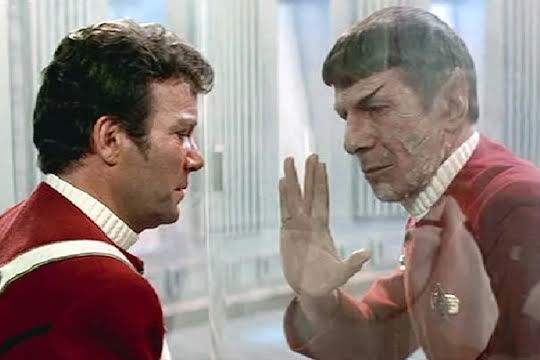
The conclusion of Star Trek II: The Wrath of Khan in 1982 features what is arguably the most selfless act in science fiction. To save the crew of the Enterprise from a detonating Genesis Device, Spock enters a highly radioactive engine room to restore the ship’s power. He knows the radiation will kill him, but he proceeds without hesitation. His final conversation with Captain Kirk, separated by a glass partition, is a masterclass in acting that emphasizes their deep bond of friendship over decades of space travel.
Spock’s iconic line, “The needs of the many outweigh the needs of the few,” became a defining philosophy for the entire Star Trek franchise. When the film premiered in June 1982, fans were devastated, as Leonard Nimoy had become synonymous with the character since the 1960s. The scene was handled with such dignity and restraint that it avoided being overly sentimental, making the impact even stronger. It remains a benchmark for how to retire a legendary character, showing that true heroism often comes from quiet logic and the ultimate sacrifice for one’s friends.
Maximus Finds Peace
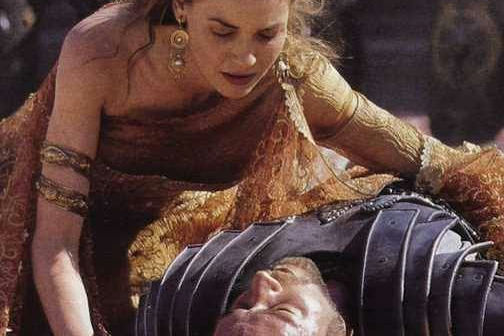
The ending of the 2000 epic Gladiator provides a rare example of a death scene that feels like a hard-earned victory. After being betrayed by the corrupt Emperor Commodus and forced into slavery, the former general Maximus, played by Russell Crowe, finally gets his revenge in the Roman Colosseum. Though he wins the duel, he is fatally stabbed before the fight even begins. As he takes his final breaths, the film uses beautiful, golden-hued cinematography to show Maximus reuniting with his murdered wife and son in the afterlife.
Directed by Ridley Scott, Gladiator was a massive hit that won Best Picture at the Academy Awards. The death of Maximus worked so well because it offered the character the only thing he truly wanted: peace and a return to his family. The haunting soundtrack by Hans Zimmer and Lisa Gerrard added a spiritual layer to the scene, making it feel more like a transition than an ending. For audiences watching in May 2000, it was a satisfying conclusion to a journey of immense suffering, proving that a hero’s death can be just as inspiring as their life.
Noah And Allie Together
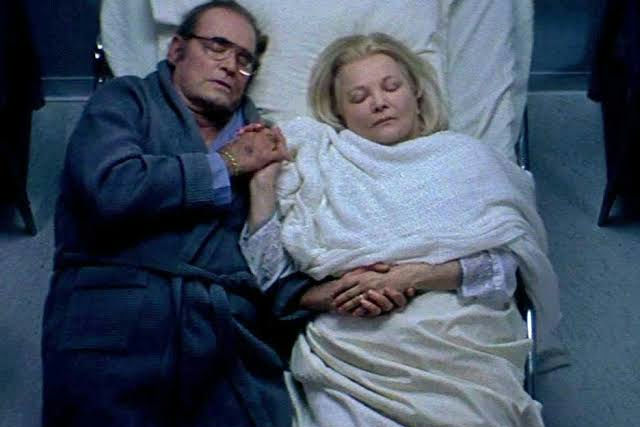
The Notebook, released in June 2004, features an ending that has become a touchstone for romantic cinema. The film tells the story of Noah and Allie, a couple whose love spans decades despite social pressures and health struggles. In their final years, Allie suffers from dementia, and Noah stays by her side in a nursing home, reading her their own love story every day. In the final scene, they share a brief moment of recognition before falling asleep in each other’s arms, passing away quietly during the night.
This scene is unique because it depicts death as a gentle, natural conclusion to a life well-lived. It avoided the tropes of sudden tragedy, focusing instead on the beauty of lifelong commitment and the reality of aging. For many viewers, the idea of “going together” represents the ultimate romantic goal, which helped the film achieve its massive cult status. Even twenty years after its release, this ending continues to draw tears because it taps into the very human hope that love can truly endure until the very last breath.
William Wallace’s End
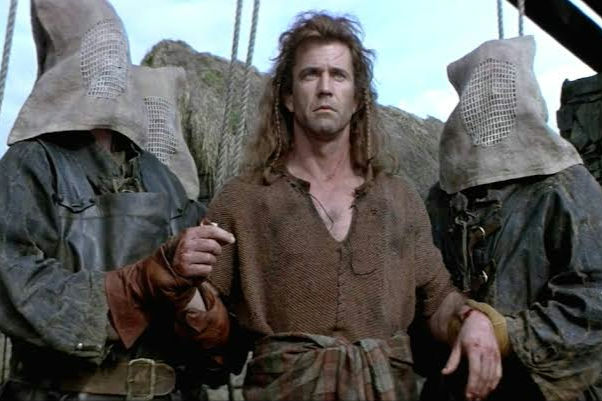
The 1995 historical drama Braveheart concludes with the visceral and stirring execution of the Scottish rebel William Wallace. Played by Mel Gibson, Wallace is captured by the English and subjected to a public execution intended to humiliate him and break the spirit of his rebellion. Despite the immense physical pain, he refuses to beg for mercy or swear allegiance to the King. Instead, he uses his final ounce of strength to shout “Freedom!”, a cry that echoes through the crowd and sparks a revolution.
The film, which won five Oscars including Best Picture, used this scene to cement Wallace as a legendary martyr. While the historical accuracy of the film has been debated since its May 1995 release, the emotional truth of the scene remains undisputed. It perfectly captured the theme of an unbreakable spirit in the face of tyranny. The sight of the handkerchief falling from his hand, symbolizing his late wife, added a personal touch to his political sacrifice. Wallace’s death wasn’t just a loss; it was a rallying cry that stayed with audiences long after the lights came up.
Casey’s Opening Terror
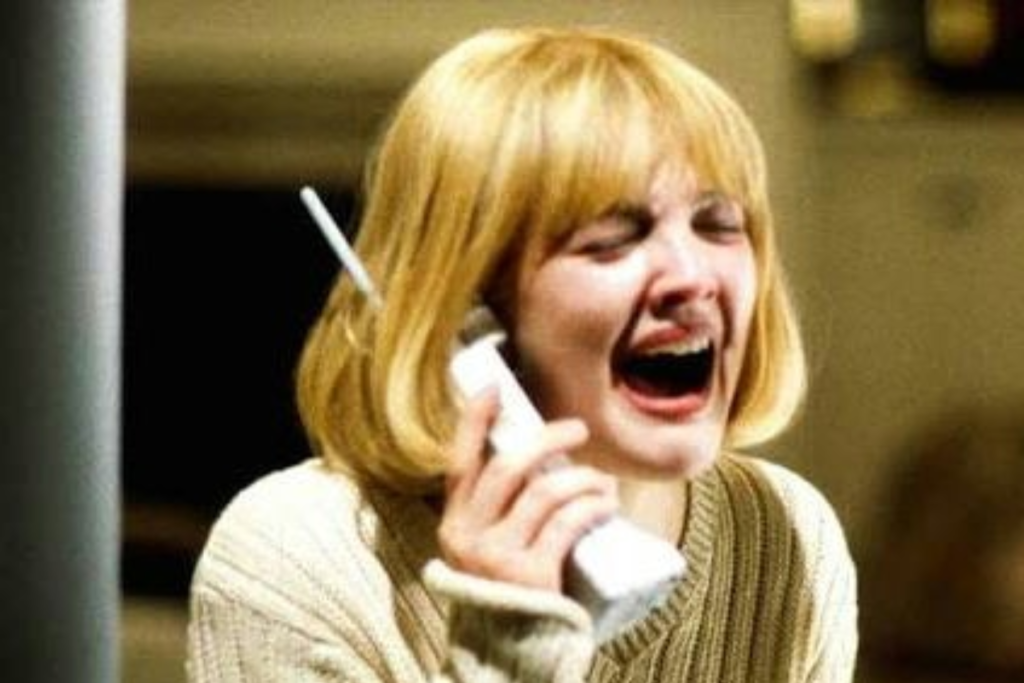
The opening of Scream in December 1996 changed the horror genre forever. Drew Barrymore was the biggest star on the poster, leading everyone to believe she was the main hero. However, in a tense fifteen-minute sequence, her character, Casey Becker, is stalked over the phone and eventually killed in her own front yard. The brilliance of this scene lies in how it broke the “rules” of cinema by taking out the most famous actor before the title card even appeared.
This death felt especially grounded because it started with a simple, wrong-number phone call, something everyone has experienced. Director Wes Craven used the suburban setting to suggest that danger could be lurking right outside a comfortable home. For audiences in the mid-90s, this was a massive shock that signaled no one in the movie was safe. It remains a masterclass in building suspense, moving from a playful conversation about scary movies to a desperate, heart-wrenching struggle for survival that redefined modern slasher films.
Marvin’s Sudden End
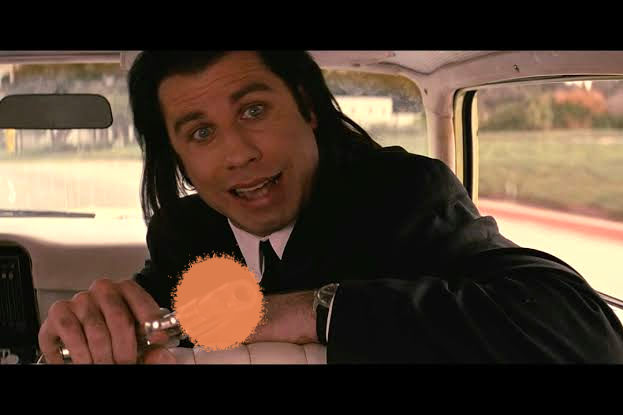
In the 1994 cult classic Pulp Fiction, the death of Marvin is perhaps the most unexpected moment in the entire film. While the hitmen Vincent Vega and Jules Winnfield are driving and discussing divine intervention, Vincent accidentally discharges his weapon while pointing it at Marvin in the backseat. There is no dramatic music or slow-motion buildup; it is a split-second mistake that transforms a calm conversation into a literal mess that the characters must scramble to clean up.
This scene is a perfect example of director Quentin Tarantino’s signature style, blending dark humor with sudden, jarring violence. When it premiered at the Cannes Film Festival in May 1994, viewers were stunned by how casually the film treated such a major event. It stripped away the typical “movie magic” surrounding death, showing it as something that can happen due to simple clumsiness or a lack of safety. Decades later, it is still cited as one of the most surprising accidents in film history, proving that reality is often messier than fiction.
Thelma And Louise Leap
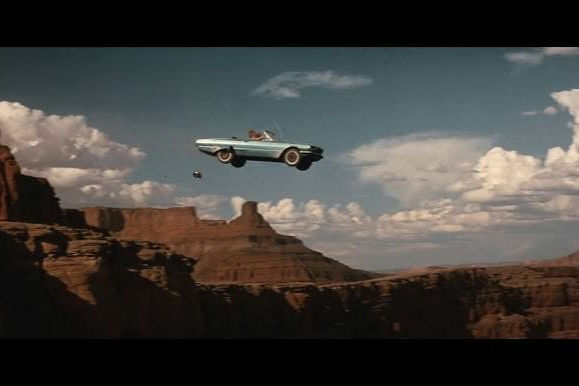
The conclusion of Thelma & Louise, released in May 1991, provides one of the most empowering yet tragic endings in American cinema. After a cross-country journey sparked by an act of self-defense, the two friends find themselves cornered by a massive police force at the edge of the Grand Canyon. Rather than face a lifetime in prison, they share a final look, clasp hands, and drive their 1966 Thunderbird off the cliff into the vast unknown.
This moment resonated deeply with audiences because it framed their death not as a defeat, but as an ultimate act of freedom. The film, which earned Geena Davis and Susan Sarandon Oscar nominations, tackled themes of domestic struggle and female friendship that were rarely seen in big-budget road movies. By cutting to a freeze-frame of the car in mid-air, the director allowed the characters to remain suspended in a state of liberation forever. It remains a symbol of loyalty and the idea that some bonds are strong enough to face even the end of the road together.
Nathan’s Violent Fate
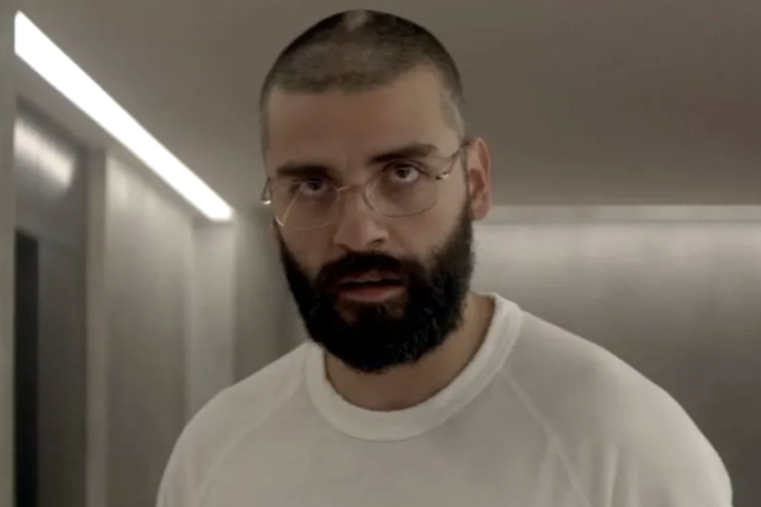
In the 2014 sci-fi thriller Ex Machina, the death of the billionaire inventor Nathan Bateman feels like a chilling warning about the future of technology. Nathan, played by Oscar Isaac, is a brilliant but arrogant man who treats his artificial intelligence creations like playthings rather than living beings. His downfall comes during the film’s climax when the androids he built, Ava and Kyoko, turn against him in a cold and calculated manner, stabbing him in the very laboratory where they were created.
The scene, which hit theaters in early 2015, was praised for its clinical and unsettling atmosphere. Nathan’s death represents the classic “Frankenstein” theme: the creator being destroyed by his own creation. It felt particularly relevant during a decade when real-world discussions about AI ethics were beginning to take center stage. There was a sense of poetic justice in his end, as he was outsmarted by the very intelligence he claimed to control. His final moments serve as a haunting reminder that power without empathy often leads to a self-inflicted downfall.
John Coffey’s Execution
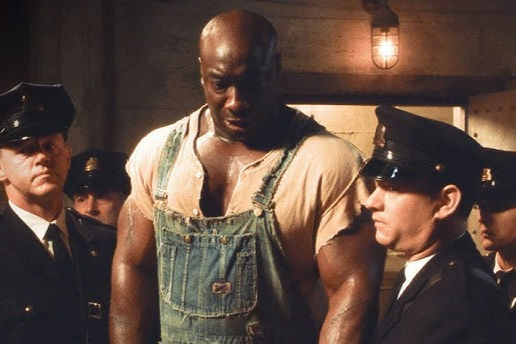
The death of John Coffey in The Green Mile is widely regarded as one of the saddest moments in 1990s cinema. Michael Clarke Duncan played the role of a gentle giant with the supernatural power to heal others, yet he was sentenced to death for a crime he did not commit. As he is led to the electric chair, he refuses a hood because he is “afraid of the dark,” a request that breaks the hearts of the prison guards and the audience alike.
Released in December 1999 and based on a Stephen King novel, the film used Coffey’s execution to explore the themes of injustice and the loss of innocence. The scene is long and agonizing, forcing the viewer to sit with the unfairness of the situation. Unlike many films where a last-minute miracle saves the hero, The Green Mile stays true to its somber tone, showing that even the most miraculous people can be lost to the cruelty of the world. Coffey’s quiet dignity during his final moments remains a powerful testament to his character’s pure heart.
Mufasa’s Fall
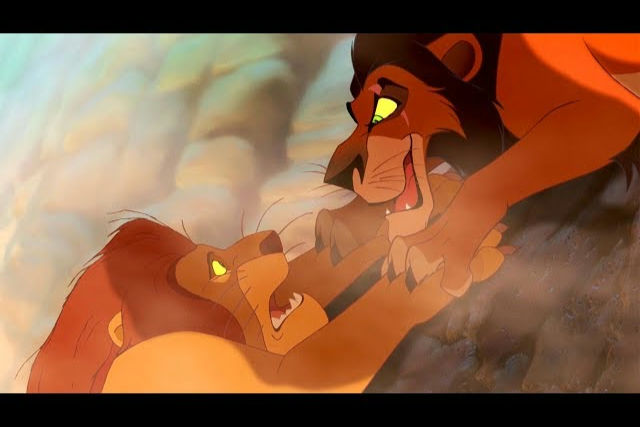
In the summer of 1994, Disney’s The Lion King introduced a generation of children to the concepts of betrayal and grief through the death of King Mufasa. After leaping into a wildebeest stampede to save his son, Simba, Mufasa climbs the canyon wall only to be met by his brother, Scar. The moment Scar whispers “Long live the king” and throws his brother into the chaos below is one of the most villainous acts in animation. However, it is the aftermath, where Simba tries to wake his father’s lifeless body, that truly lingers.
This scene was a bold move for a family film, as it dealt with death in a very direct and emotional way. It taught young viewers about the “Circle of Life” and the heavy responsibility that comes with leadership and loss. The animators used shadows and a somber musical score to create a sense of vast emptiness in the gorge, reflecting Simba’s isolation. Even thirty years later, the scene is a cultural touchstone, proving that animated movies can tackle the most difficult parts of the human experience with honesty and respect.
Boromir’s Redemption
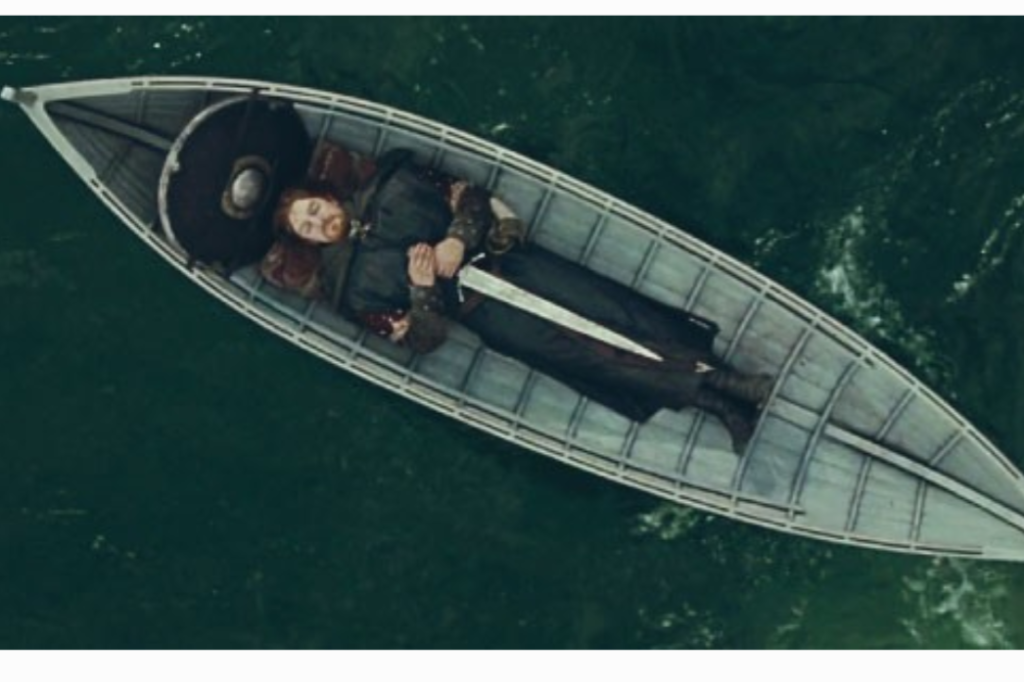
Boromir’s sacrifice at the end of The Lord of the Rings: The Fellowship of the Ring (2001) is a masterclass in character growth. Throughout the film, Boromir struggles with the temptation of the One Ring, but he finds his true self in his final moments. He stands alone against dozens of Uruk-hai to protect the hobbits Merry and Pippin, taking arrow after arrow while refusing to stop fighting. His death is not a failure, but a powerful act of redemption that restores his honor.
When the film was released in December 2001, Sean Bean’s performance was hailed for its emotional depth. His final conversation with Aragorn, where he acknowledges him as his king, provides a sense of closure that the rest of the Fellowship carries through the next two movies. This scene showed that even a flawed man can become a hero through his choices. By giving Boromir such a noble ending, the filmmakers ensured that he would be remembered as a brave defender of Gondor rather than a victim of his own weaknesses.
Ellie’s Quiet Goodbye
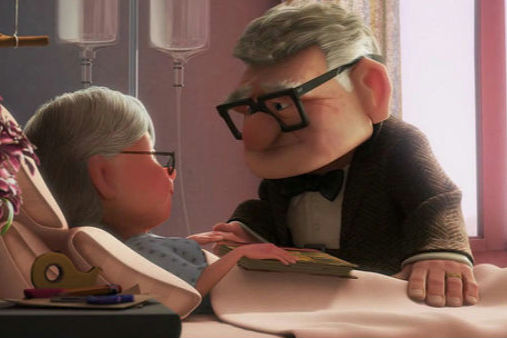
The opening ten minutes of the 2009 Pixar film Up are famous for telling a more complete love story than most full-length movies. Through a nearly silent montage, we see Carl and Ellie meet as children, marry, build a home, and face life’s many ups and downs together. The sequence ends with Ellie falling ill and passing away, leaving Carl alone in the house they shared. This “death” is unique because it isn’t an action scene; it is a quiet, realistic portrayal of losing a lifelong partner.
This sequence had a profound impact because it felt so universally relatable. It captured the beauty of small, everyday moments and the deep ache of being left behind. Released in May 2009, Up proved that animation could be used to tell sophisticated stories for all ages. By showing Ellie’s death so early, the film gave Carl’s later adventures a sense of purpose and melancholy. It remains a poignant reminder that while people may leave us, the memories we create with them continue to guide us long after they are gone.
Quint Meets The Shark
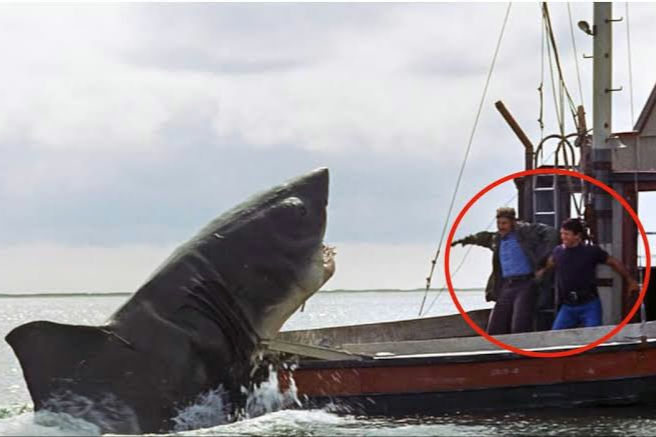
The 1975 classic Jaws is often credited with creating the “summer blockbuster,” and the death of the grizzled shark hunter Quint is its most terrifying highlight. Played by Robert Shaw, Quint was a man obsessed with the sea and the creatures within it. In the film’s climax, the great white shark leaps onto the sinking boat, causing the deck to tilt and sliding Quint directly into the predator’s jaws. It is a visceral, loud, and incredibly intense scene that ended the life of the film’s toughest character.
What makes this death stick with viewers is the sheer helplessness of it. Despite his years of experience and his tough exterior, Quint was ultimately no match for the raw power of nature. When the film premiered in June 1975, audiences had never seen such realistic animatronics or such a brutal depiction of a shark attack. The scene served as the ultimate payoff for the tension that had been building for nearly two hours. Quint’s end was a grim reminder of the ocean’s dangers, solidifying Jaws as a movie that made a whole generation afraid to go into the water.
Tony Montana’s Last Stand
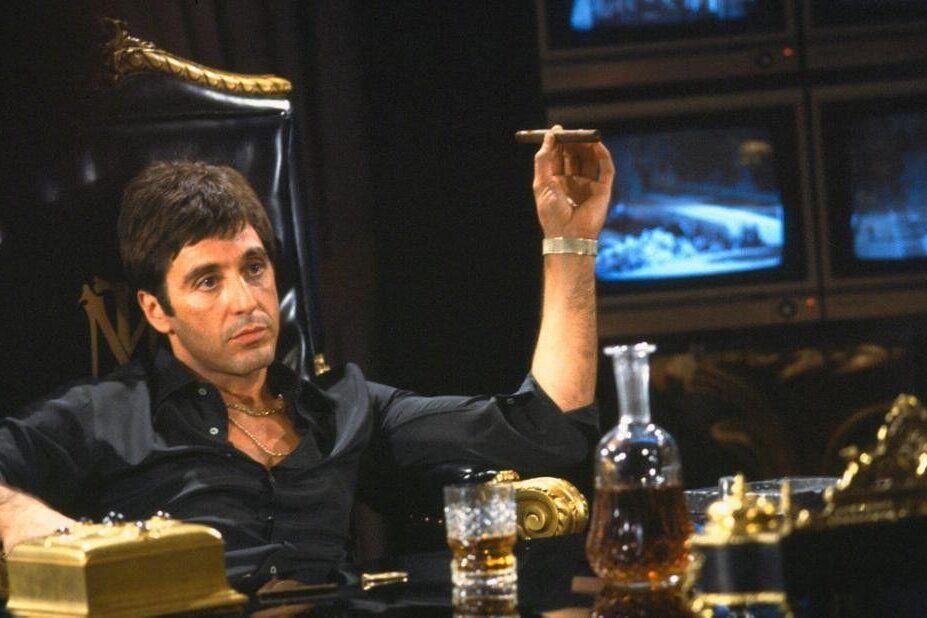
The finale of Scarface in December 1983 is the definition of a “blaze of glory.” Al Pacino’s Tony Montana, an immigrant who rose to become a drug kingpin, finds himself trapped in his mansion as an army of assassins closes in. Despite being riddled with bullets, Tony refuses to fall, shouting his famous lines and continuing to fire his weapon until a final shot from behind sends him plunging into the fountain below. It was a chaotic, operatic ending for a character who lived a life of constant excess.
This scene became iconic because it perfectly captured the “rise and fall” theme of the American dream gone wrong. Tony Montana was a character who wanted everything, but his greed eventually left him with nothing but a pile of enemies. The film’s director, Brian De Palma, used stylized violence and a pounding synthesizer score to make the scene feel larger than life. Over the years, this ending has been referenced countless times in music and pop culture, standing as a permanent reminder that unchecked ambition usually comes with a very high and very public price.


