
1. Hybrid work becomes the default, not a perk

By 2026, hybrid work is expected to move from being a company benefit to a standard operating model. Large employers across tech, finance, media, and consulting already allow employees to split time between home and the office, often two or three days a week. Research from global workplace surveys shows productivity has largely remained stable or improved under hybrid setups, while employee satisfaction has increased. Offices are increasingly used for collaboration, training, and meetings rather than daily desk work. This shift also helps companies reduce real estate costs, a factor frequently cited in earnings calls and annual reports. For workers, hybrid schedules reduce commuting time, lower transportation expenses, and allow more control over daily routines. By 2026, job seekers are expected to view rigid five-day office schedules as outdated rather than standard.
2. Smaller offices replace massive headquarters

Many companies are shrinking their physical footprints, replacing large headquarters with smaller offices or regional hubs. Commercial real estate data already shows declining demand for traditional office space in major cities, while flexible leases and shared workspaces are growing. Instead of housing entire workforces in one location, organizations are opting for satellite offices closer to where employees live. These spaces are designed for meetings, teamwork, and occasional in-person collaboration rather than daily attendance. This approach reduces overhead costs, including rent, utilities, and maintenance, while still preserving face-to-face interaction when needed. By 2026, it’s expected that fewer companies will view owning or leasing massive offices as essential to their identity. The office becomes a tool, not a requirement, supporting work rather than defining it.
3. Remote hiring expands global talent pools

Remote-friendly policies have allowed companies to hire beyond commuting distance, and this trend is expected to deepen by 2026. Employers increasingly recruit talent across regions and even continents, especially for digital, creative, and technical roles. Job postings frequently list “remote” or “location-flexible” as a core feature, reflecting this shift. For businesses, global hiring widens access to specialized skills and can reduce labor shortages. For workers, it opens opportunities without relocation costs or visas. This trend is supported by the rise of digital onboarding tools, cloud-based collaboration platforms, and secure remote access systems. While legal and tax considerations still shape where companies hire, many are building systems to manage distributed teams effectively. By 2026, diverse, geographically spread teams are expected to be routine rather than exceptional.
4. Flexible hours matter more than fixed schedules

Work is increasingly measured by output rather than hours spent online. Surveys from major consulting firms show employees value schedule flexibility as much as location freedom. By 2026, more roles are expected to allow workers to choose when they work, as long as deadlines and goals are met. This shift is especially visible in knowledge-based jobs where tasks don’t require constant real-time interaction. Flexible hours help employees balance caregiving, education, and personal responsibilities, while employers benefit from higher retention and reduced burnout. Asynchronous communication tools make it easier for teams to collaborate without being online simultaneously. This approach also supports global teams working across time zones. Instead of the traditional nine-to-five, workdays are becoming personalized, shaped around productivity rather than the clock.
5. Results-based performance replaces presenteeism

As fewer people work full-time in offices, performance is increasingly judged by results rather than visibility. By 2026, more organizations are expected to rely on clear goals, deliverables, and measurable outcomes instead of monitoring hours or physical presence. This shift has been accelerated by remote work, which makes traditional supervision methods less practical. Managers are being trained to set expectations, track progress, and provide feedback based on completed work. Employees benefit from greater autonomy and trust, while companies gain clearer insights into productivity. Research suggests results-focused systems can reduce bias, as employees are evaluated on output rather than who stays late or speaks most in meetings. Over time, this cultural change reshapes how success is defined across many industries.
6. Digital collaboration tools become essential infrastructure
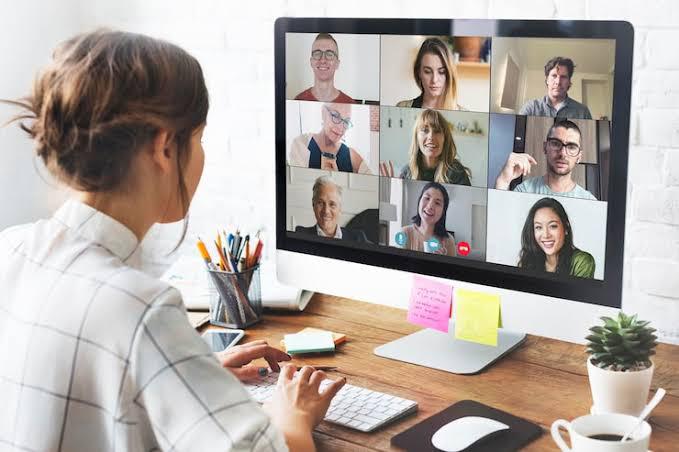
By 2026, digital collaboration tools are expected to be as fundamental as email once was. Video conferencing, shared documents, project management platforms, and team messaging apps already form the backbone of modern work. As teams become more distributed, these tools continue to evolve with better integrations, automation, and security features. Companies are investing heavily in platforms that centralize communication and reduce information overload. This infrastructure allows teams to collaborate across locations without relying on physical offices. Training and onboarding are also increasingly handled through digital systems, making remote integration smoother. For many workers, daily interaction with colleagues happens primarily through screens rather than meeting rooms. These tools are no longer optional add-ons but core systems supporting everyday operations.
7. Coworking spaces fill the gap between home and office

Coworking spaces are becoming a practical alternative for employees who don’t want to work from home full-time. By 2026, these shared offices are expected to serve freelancers, remote employees, and hybrid workers alike. Many companies now offer coworking memberships instead of maintaining traditional offices, especially in cities where staff are spread out. These spaces provide reliable internet, meeting rooms, and a professional environment without long-term leases. For workers, coworking reduces isolation while maintaining flexibility. Industry reports already show steady growth in coworking demand, particularly outside major business districts. As work becomes more location-independent, coworking spaces act as neutral, flexible hubs that support productivity without the structure of a corporate office.
8. Work-from-anywhere policies gain clearer rules

The idea of working from anywhere has gained popularity, but by 2026 it is expected to become more structured. Many companies are formalizing policies that define where employees can work, for how long, and under what conditions. This includes guidelines around taxes, data security, time zones, and local labor laws. While early remote work policies were often informal, businesses are now creating clearer frameworks to reduce legal and operational risks. Employees still enjoy greater freedom than before, but within defined boundaries. This balance allows companies to support mobility while maintaining compliance. As international remote work becomes more common, transparent policies help set expectations for both employers and employees.
9. Reduced commuting reshapes daily routines

Fewer required office days mean commuting plays a smaller role in daily life. Studies already show remote and hybrid workers save hours each week by avoiding daily travel. By 2026, this time savings is expected to influence how people structure their days, from getting more sleep to spending time with family or exercising. Reduced commuting also lowers transportation costs and carbon emissions, a point frequently highlighted in sustainability reports. Cities are beginning to adjust as peak-hour traffic patterns change and demand for office-centric services declines. For many workers, the absence of a daily commute becomes one of the most valued aspects of flexible work. This quiet shift has lasting effects on lifestyle and well-being.
10. Employers compete on flexibility to attract talent
By 2026, flexibility is expected to be a key factor in job competition, alongside salary and benefits. Surveys consistently show workers prioritize flexible location and schedules when choosing employers. Companies that insist on rigid office attendance often face higher turnover and recruitment challenges. As a result, flexibility is increasingly highlighted in job listings, career pages, and employer branding. This trend is especially strong among younger workers but extends across age groups. Offering flexibility helps companies appeal to a broader talent pool, including parents, caregivers, and professionals seeking better work-life balance. Over time, flexibility shifts from being a differentiator to an expectation, reshaping how organizations position themselves in the labor market.
11. AI-augmented roles reshape daily work

AI will increasingly act as a teammate rather than a replacement, automating repetitive tasks while augmenting higher-value human judgment. Expect roles to pivot: people will focus more on interpretation, oversight, and creative problem solving while AI handles data synthesis, first-draft writing, and routine analysis. Organizations that capture value from AI pair technology investments with new operating models and role redesigns to avoid “down-skilling” and ensure humans retain core skills. This won’t be uniform across jobs, task composition will determine whether automation helps, shifts, or replaces specific activities, but many companies are already reorganizing teams to blend human strengths with agentic AI.
12. Mental health become a benefit priority

As work moves between home and office, employers will put sustained emphasis on mental health supports, clearer boundaries, and recovery time to prevent burnout. Research shows remote and hybrid arrangements can both improve well-being (by cutting commutes and increasing flexibility) and raise risks (through isolation, blurring of work/home boundaries, and musculoskeletal strain). Employers are responding with policies that limit after-hours messaging, offer therapy and mental-health stipends, and design schedules to reduce meeting overload. By 2026, benefits packages and manager training are likely to explicitly include mental-health strategies as core retention tools.


