
Jimmy Swaggart
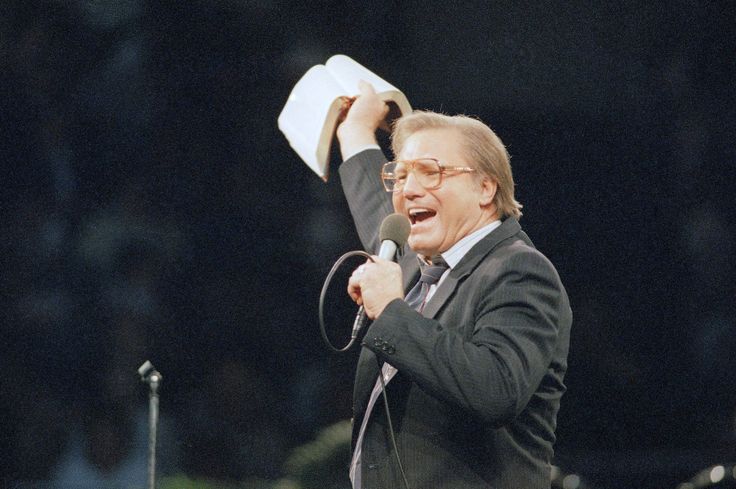
Jimmy Swaggart, a cousin of rock-and-roll pioneer Jerry Lee Lewis, became one of the most recognisable preachers in America during the 1980s. His broadcasts reached millions weekly and his sermons strongly condemned immoral behaviour, especially sexual misconduct. He spoke passionately about purity and warned believers about false teachers, earning a reputation as a strict moral voice within evangelical circles. Donations and book sales grew rapidly, and his Baton Rouge ministry expanded into a major broadcasting organisation.
In 1988 that image collapsed. Swaggart was photographed leaving a motel with a prostitute in New Orleans. After the news became public, he delivered a famous tearful televised confession, telling viewers he had sinned. The Assemblies of God denomination defrocked him, though he continued independent ministry afterwards. A second incident involving another sex worker surfaced in 1991, further damaging credibility. While his broadcasts continued for decades, the scandals reshaped how audiences viewed television preachers, and his emotional apology remains one of the most remembered religious broadcasts in American television history.
Jim Bakker
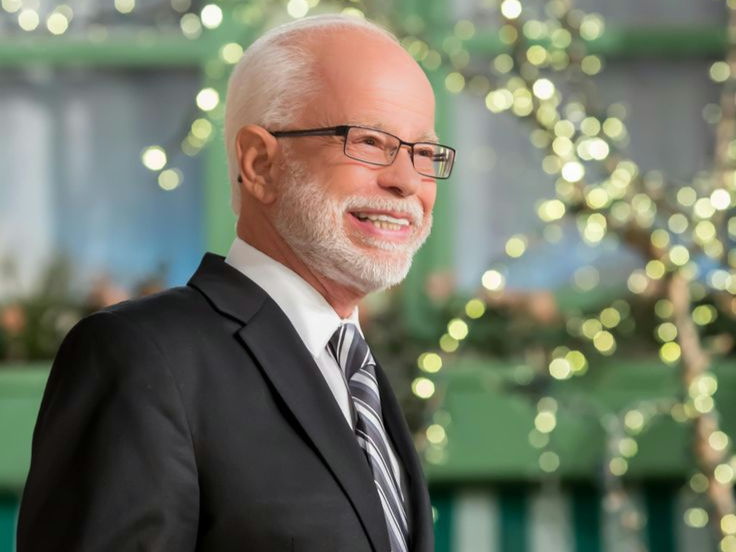
Jim Bakker rose to prominence in the 1970s through the PTL Club television network, which he hosted with his wife Tammy Faye. Their programme mixed cheerful preaching, celebrity interviews and constant fundraising appeals. At its height in the mid-1980s, the ministry generated millions of dollars annually and built the Heritage USA theme park in South Carolina. Supporters were encouraged to purchase “lifetime partnerships” promising hotel stays and spiritual blessings. To many viewers, Bakker represented joyful Christianity presented in modern television form.
In 1987, the ministry collapsed after financial records revealed serious irregularities. Prosecutors later showed that tens of millions of dollars donated by followers had been diverted to support luxury living and organisational deficits. In 1989 Bakker was convicted on fraud and conspiracy charges and sentenced to prison. He served several years before release and later returned to broadcasting, though controversies continued, including promotion of unproven medical products during the pandemic era. His case became a defining moment in American televangelism, demonstrating how religious broadcasting could blend faith and commercial enterprise in ways followers struggled to recognise.
T.B. Joshua
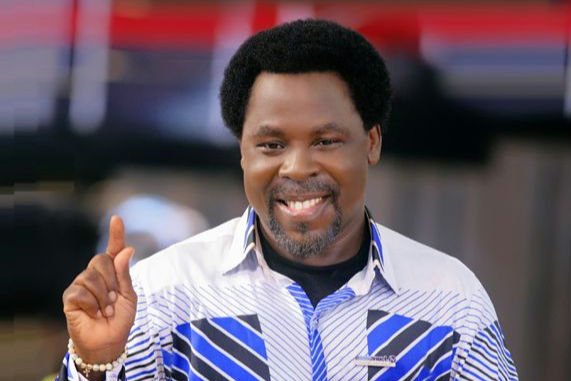
Widely considered the most infamous due to their massive cultural impact, the severity of the crimes, or the sheer scale of the deception, Temitope Balogun Joshua built one of Africa’s most influential churches, the Synagogue, Church of All Nations in Lagos. By the early 2000s his services were broadcast globally through Emmanuel TV, and visitors travelled from Europe, Asia and across Africa seeking miracles. He claimed to heal blindness, paralysis and even HIV, and many international politicians visited his compound. The church complex became both a pilgrimage site and a media studio, and his image as a humble prophet was widely promoted. Donations poured in, and he acquired luxury cars and aircraft while insisting the wealth supported ministry work.
After his death in 2021, a 2024 investigative documentary brought forward detailed testimonies from former followers. Several alleged they were imprisoned inside the compound for years and subjected to abuse, intimidation and sexual assault. Former staff also described staged healings using rehearsed participants. The revelations deeply shocked supporters because Joshua had built a reputation as a charitable figure who donated heavily after disasters. The contrast between public persona and alleged private conduct sparked wider debate across Nigeria about regulation of religious ministries and the dangers of unquestioned spiritual authority.
Kenneth Copeland

Kenneth Copeland is among the leading voices of the prosperity gospel, which teaches that faith and donations can bring financial blessing and physical health. Beginning in the late 1960s, his ministry expanded through television programmes, conferences and books distributed worldwide. His sermons emphasised positive confession and divine prosperity, and he developed a large international following. The ministry headquarters in Texas grew into a major campus with media facilities, and supporters often viewed him as a spiritual mentor guiding them toward success.
Criticism has largely centred on his lifestyle. Investigations and journalists documented ownership or ministry use of multiple private aircraft and luxury residences. Copeland defended the jets publicly, arguing commercial flights limited his ability to minister safely and effectively. During the COVID-19 pandemic he also conducted televised prayers claiming to rebuke the virus, which drew widespread attention online. Although supporters remain devoted, critics argue the opulence contradicts traditional Christian teachings on humility, making him a frequent subject in debates about wealth and religious leadership.
Robert Tilton
Robert Tilton became famous through the “Success-N-Life” television programme, a late-night broadcast that attracted large audiences during the late 1980s. His sermons promised financial breakthrough through faith and donations. Viewers were encouraged to mail prayer requests along with offerings, and many believed personal attention would be given to their letters. The programme generated extraordinary revenue, reportedly tens of millions annually, and Tilton’s church expanded rapidly in Texas.
Journalistic investigations later revealed troubling practices. Reports indicated that most mailed prayer requests were discarded rather than read, while donations were processed. The findings triggered lawsuits and a dramatic drop in viewers. Though Tilton denied wrongdoing and continued ministry in smaller form, the scandal changed public perception of televangelism. It highlighted how emotional appeals combined with personal financial promises could persuade vulnerable viewers to give beyond their means, often expecting direct spiritual intervention that never occurred.
Peter Popoff
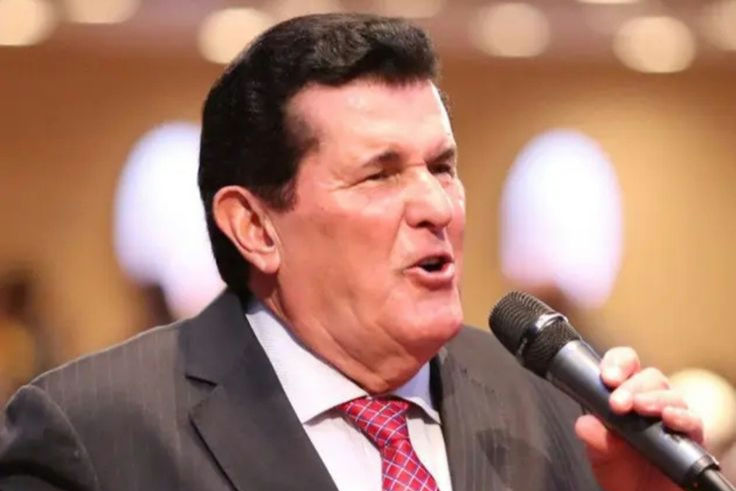
Peter Popoff toured the United States holding revival meetings in large auditoriums during the 1980s. Attendees were astonished because he appeared to know their names, addresses and illnesses without being told. He claimed God revealed these details supernaturally, and the apparent knowledge convinced many that healings were genuine miracles. Donations surged as crowds believed they were witnessing divine intervention firsthand.
In 1986 investigators working with sceptic James Randi discovered Popoff was receiving information through a hidden radio earpiece. His wife backstage read data gathered from registration cards filled out by audience members before the service. Television footage exposed the transmissions live, and the ministry soon filed for bankruptcy. Although Popoff later resumed broadcasting and still has followers, the exposure remains one of the clearest documented cases of staged faith healing and permanently altered public trust in televised miracle claims.
Oral Roberts
Oral Roberts was actually a pioneer of religious television. Beginning in the 1950s, he embraced broadcasting when many ministers distrusted the media. His programmes reached millions and helped create the modern concept of televised ministry. He founded Oral Roberts University in Oklahoma and encouraged a message of faith healing combined with education. Many historians credit him with shaping later televangelists who followed his model.
However, controversy erupted in 1987 when Roberts announced on television that God would “call him home” if he failed to raise 4.5 million dollars by a specific deadline. Supporters urgently donated and the target was eventually met. Critics argued the message resembled emotional pressure rather than spiritual teaching. The incident sparked national debate about fundraising ethics in religion. While he remained respected for earlier achievements, the episode left a lasting mark on his reputation and increased calls for accountability in televised ministries.
Ted Haggard
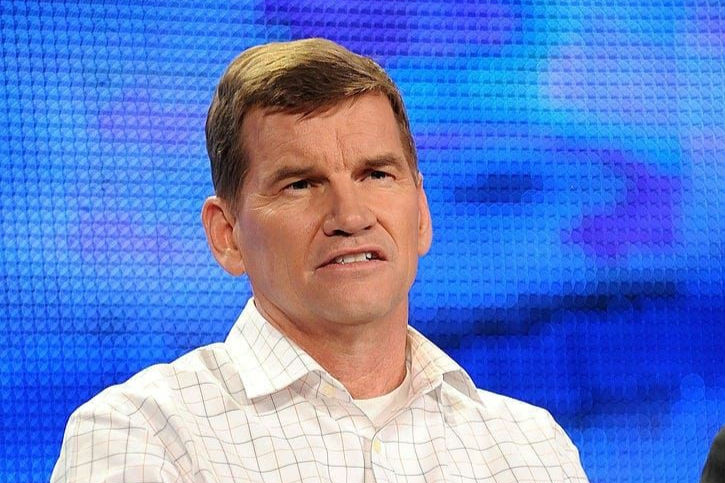
Ted Haggard led New Life Church in Colorado Springs and served as president of the National Association of Evangelicals, representing millions of American believers. He regularly advised political leaders and appeared in national media discussing family values and moral issues. His influence was significant, and he was widely viewed as a model evangelical pastor with a strong marriage and stable ministry.
In 2006 a male escort publicly alleged that Haggard had paid him for sexual encounters and purchased illegal drugs over several years. Haggard initially denied the claims but later admitted “sexual immorality.” He resigned immediately from leadership roles and underwent counselling. The scandal shocked many because of his outspoken public positions. Although he later attempted to rebuild a smaller church community, his fall became a major cultural moment showing how celebrity religious leadership can collapse quickly when private behaviour contradicts public teaching.
Jerry Falwell Jr.
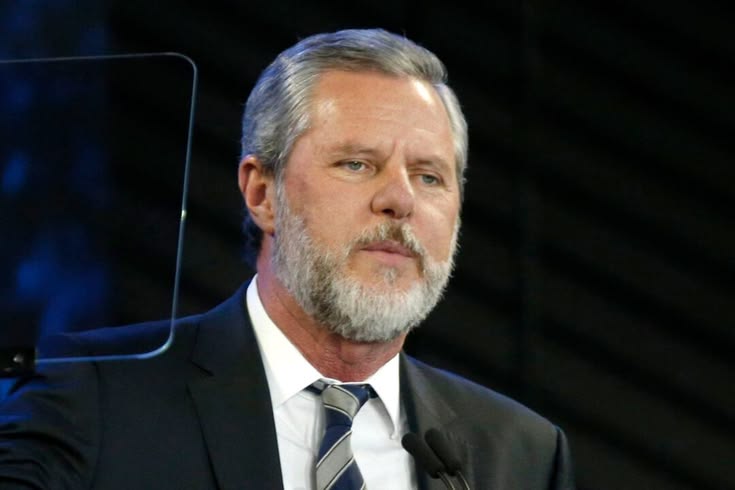
Jerry Falwell Jr., son of Moral Majority founder Jerry Falwell Sr., became president of Liberty University in 2007. Under his leadership the institution expanded financially and politically, and he became a prominent commentator within American conservative circles. He often spoke about traditional marriage and Christian leadership, presenting himself as a defender of religious values in public life.
In 2020 his position ended abruptly after reports emerged of a long-term sexual arrangement involving himself, his wife and a business associate. Allegations also included financial impropriety and blackmail claims. The university placed him on leave before his resignation. Lawsuits followed between Falwell and the institution, further extending public attention. The episode damaged the school’s reputation and highlighted the risks when religious authority, politics and personal life become closely intertwined under intense media scrutiny.
Eddie Long
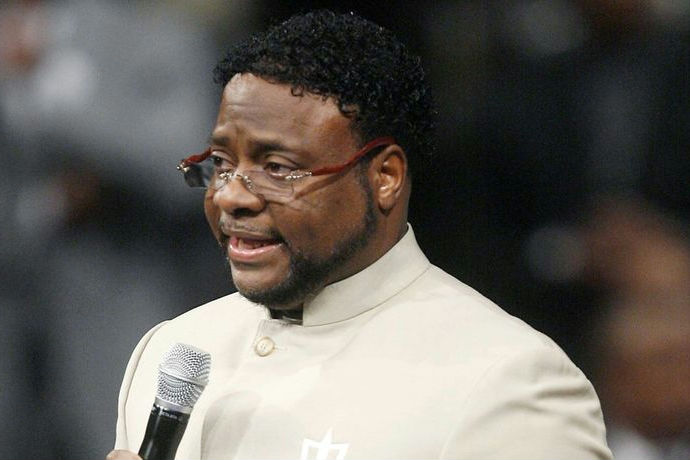
Bishop Eddie Long led New Birth Missionary Baptist Church near Atlanta, one of the largest congregations in the United States. His preaching style blended charismatic sermons with motivational speaking, and he encouraged young men to pursue discipline and leadership. He frequently appeared in media and built strong community programmes, gaining admiration among followers who saw him as a mentor figure.
In 2010 four young men filed civil lawsuits accusing Long of coercing them into sexual relationships using gifts, travel and spiritual influence. Long denied the accusations but later reached confidential settlements with the plaintiffs. Although not criminally convicted, the scandal severely reduced church attendance and public standing. He continued preaching until his death in 2017, yet the controversy remained central to discussions about power dynamics within religious organisations and the vulnerability of young followers seeking guidance.
Kong Hee
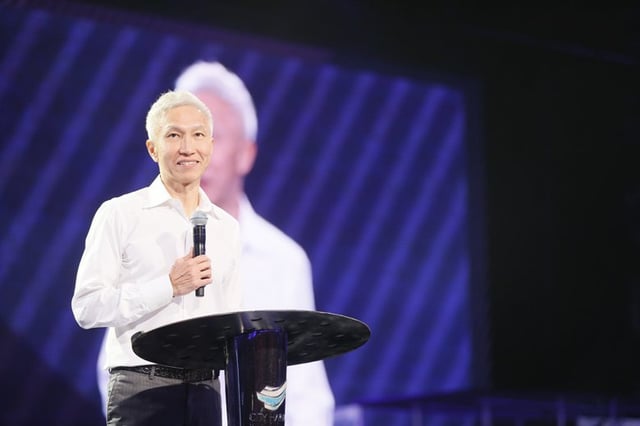
Kong Hee founded Singapore’s City Harvest Church in 1989, beginning with a small youth congregation that eventually grew into one of Asia’s largest megachurches. By the 2000s the church had tens of thousands of weekly attendees and international affiliates. Kong promoted a modern, youth-oriented Christianity and encouraged believers to influence popular culture. His wife, Sun Ho, pursued a pop music career, which the ministry described as outreach. Supporters admired his confident speaking style and leadership, and he became a well-known figure in the global charismatic movement.
Authorities began investigating the church’s finances in 2010. Prosecutors later showed that tens of millions of dollars in church funds had been channelled into supporting Sun Ho’s music career through complex financial arrangements. In 2015, a Singapore court convicted Kong and several church leaders of criminal breach of trust. He received a prison sentence, later reduced on appeal, and served time before his release in 2019. Although he apologised publicly to members, the case remains one of the largest charity finance scandals in Singapore and raised international concern about oversight within rapidly expanding religious organisations.
Shepherd Bushiri
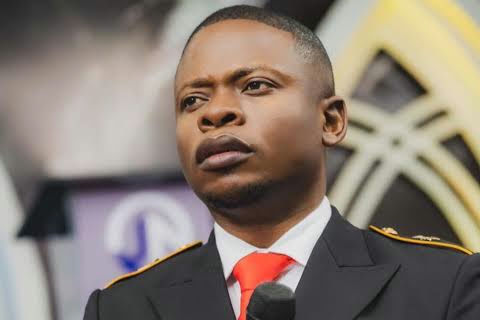
Shepherd Bushiri, widely called “Major One,” became famous across southern Africa through televised services and prophetic gatherings. His Enlightened Christian Gathering church attracted huge crowds in South Africa and Malawi, and his sermons focused on prophecy, deliverance and prosperity. He cultivated a celebrity image, arriving at services in luxury vehicles and travelling with heavy security. Many followers testified to personal breakthroughs, which strengthened loyalty and financial giving.
In 2020 South African authorities charged Bushiri and his wife with fraud and money laundering involving millions of dollars linked to investment schemes connected to the ministry. While out on bail, the couple left South Africa and returned to Malawi, prompting an international legal dispute over extradition. Bushiri denied wrongdoing and claimed persecution, yet the dramatic departure intensified public suspicion. The situation highlighted growing concerns across Africa about charismatic leaders operating financial ventures alongside spiritual activities and the difficulty regulators face when ministries operate across national borders.
Creflo Dollar
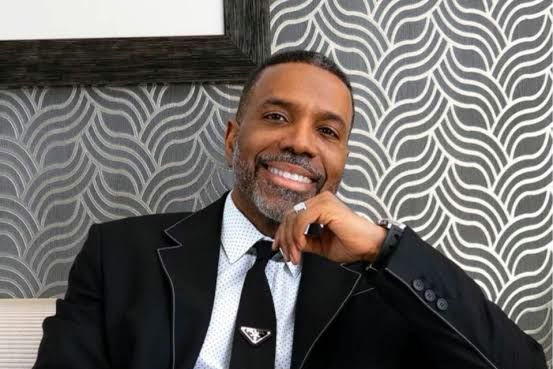
Creflo Dollar leads World Changers Church International in Georgia and became a central figure in the prosperity gospel movement. His sermons emphasised financial blessing through faith and giving, and his teachings reached millions via television and conferences. He built a large media ministry and authored numerous books. Many supporters found encouragement in his practical preaching about finances and personal discipline.
Criticism grew in 2015 when he publicly asked followers to contribute 65 million dollars for a Gulfstream G650 private jet, arguing it would allow efficient global ministry travel. The request sparked international backlash, including from other Christian leaders. Earlier, in 2012, he had been arrested following a domestic incident involving his teenage daughter, though charges were later dropped. While Dollar retained a loyal audience, the controversies raised broader questions about whether religious fundraising should support luxury lifestyles rather than charitable or community-focused activities.
Benny Hinn
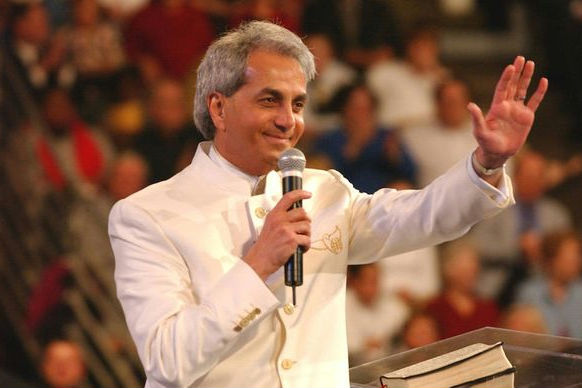
Benny Hinn rose to global fame in the 1990s as the face of massive “Miracle Crusades.” These events were high-production spectacles broadcast on major Christian networks like TBN, reaching millions of homes in over 100 countries. During these services, Hinn would often walk through crowds, praying for the sick and performing his signature “holy laughter” or “slaying in the spirit” gestures. For many viewers suffering from terminal illnesses, his televised programs represented a final glimmer of hope. By the early 2000s, his ministry was reportedly taking in over $100 million annually, funding a global empire of media and live events that made him one of the most recognizable religious figures in the world.
However, his career has been shadowed by intense scrutiny regarding his lifestyle and the legitimacy of his “miracles.” In 2007, the United States Senate Finance Committee, led by Senator Chuck Grassley, launched a high-profile inquiry into the finances of Hinn and five other televangelists. The investigation looked into the use of private jets, luxury hotels, and multi-million dollar homes funded by tax-exempt donations. While the probe concluded in 2011 without penalties, it sparked a national conversation about transparency. In 2019, Hinn made headlines by publicly renouncing “prosperity gospel” teachings, admitting he had gone too far in linking financial giving to divine blessings, though critics remain skeptical of his long-term impact.
Mark Driscoll
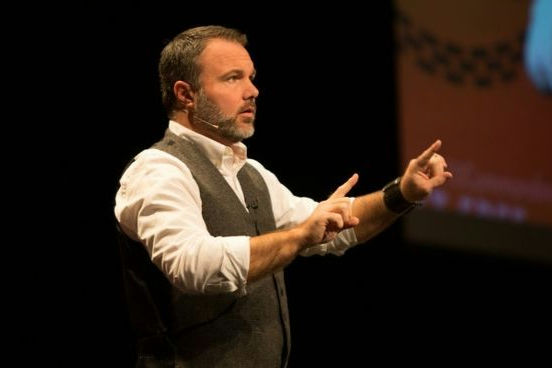
In 1996, Mark Driscoll co-founded Mars Hill Church in Seattle, which quickly became a blueprint for reaching younger, urban generations. Driscoll was known for his “tough-guy” persona and a “punk rock” approach to traditional theology, using podcasts to reach a global audience long before they were mainstream. At its peak around 2012, Mars Hill boasted 15,000 members across 15 locations in five states. Driscoll was celebrated as a relatable leader who wasn’t afraid to use blunt language to discuss modern social issues and marriage. His influence was so significant that The New York Times Magazine once dubbed him one of the most influential, and controversial, figures in the American church.
The empire began to crumble in 2014 when a series of internal and external scandals surfaced. Church elders and former staff members accused Driscoll of maintaining a “culture of fear” and engaging in bullying behavior. Specific allegations included the misuse of $210,000 in church funds to manipulate the New York Times bestseller list for his book Real Marriage. Following a formal investigation by church leadership, Driscoll resigned in October 2014, and Mars Hill Church dissolved entirely by the end of that year. While he started a new ministry in Arizona in 2016, the Mars Hill collapse remains a landmark case study in the risks of “celebrity pastor” culture and the lack of executive oversight.
David Yonggi Cho

David Yonggi Cho was the founder of the Yoido Full Gospel Church in Seoul, South Korea, which earned a spot in the Guinness World Records as the world’s largest single congregation. Starting the church in a tent in 1958, Cho grew the ministry to more than 700,000 members by the 1990s. He revolutionized church growth through his “cell group” model, where small neighborhood meetings provided intimacy within a massive organization. His books, such as The Fourth Dimension, were translated into dozens of languages, and he served as a mentor to thousands of pastors globally. For decades, he was seen as the primary architect of the explosive growth of Christianity in modern Korea.
His legacy was tarnished in February 2014 when he was convicted of embezzling approximately $12 million in church funds. The court found that Cho had directed church officials to purchase unlisted stocks from his eldest son at prices far above market value, resulting in massive losses for the congregation. He was also found guilty of tax evasion. Though he was 78 at the time and received a suspended three-year prison sentence, the ruling sent shockwaves through the global religious community. Cho passed away in September 2021, leaving behind a complicated history that balanced pioneering spiritual leadership with a cautionary tale about the necessity of independent financial auditing in massive religious institutions.
Robert Morris

Robert Morris founded Gateway Church in Southlake, Texas, in 2000. Under his leadership, Gateway became one of the most prominent megachurches in the United States, claiming a membership of over 100,000 people across multiple campuses. Morris was highly regarded for his teaching on “The Blessed Life,” focusing on the principles of tithing and generosity. He served as a spiritual advisor to high-ranking political figures and was a staple on Christian television. His approachable, fatherly demeanor made him a trusted voice for families seeking moral guidance. For over two decades, he was considered a pillar of the evangelical community with an unblemished public reputation.
The situation changed drastically in June 2024 when Morris resigned following allegations of child sexual abuse dating back to the 1980s. A woman came forward detailing a years-long pattern of abuse that began when she was only 12 years old. The fallout was immediate; by early 2025, Morris pleaded guilty to multiple felony charges related to the case. The revelation led to a massive restructuring of Gateway Church and a broader national debate about the effectiveness of background checks for religious leaders. This case is often cited as a tragic example of how institutional loyalty can sometimes silence victims for decades, highlighting the urgent need for external accountability and victim-centered policies in large organizations.
Kent Hovind
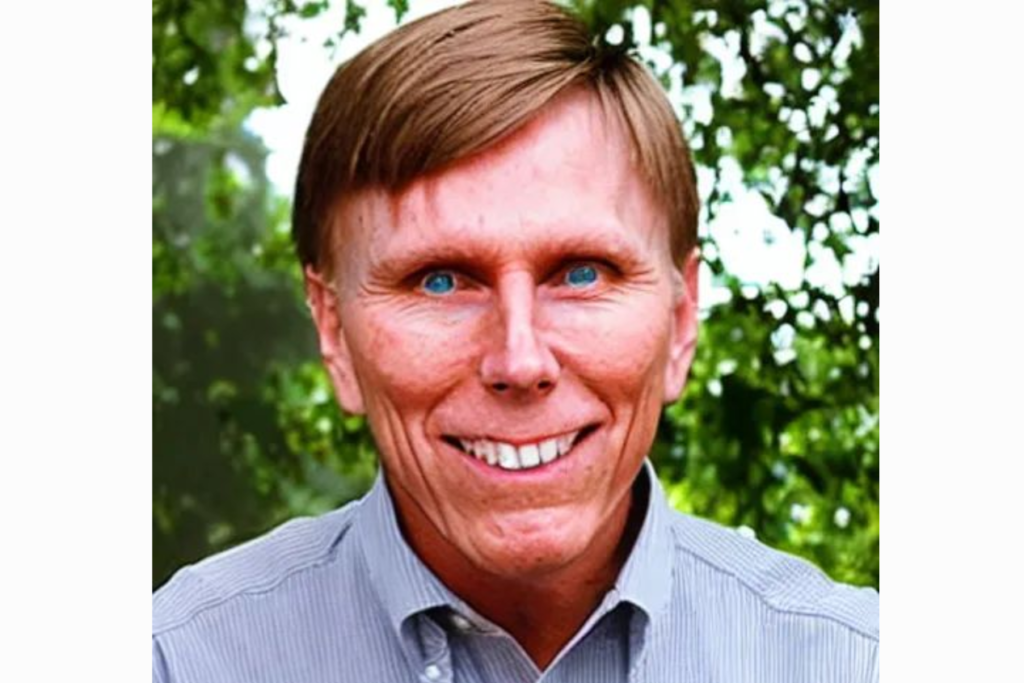
Kent Hovind, often referred to by his nickname “Dr. Dino,” became a prominent figure in the 1990s through his creation science seminars. He traveled extensively, delivering high-energy presentations that challenged the theory of evolution and promoted a literal, 6,000-year-old “Young Earth” perspective. Hovind’s videos were staples in many homeschool households, and he eventually opened “Dinosaur Adventure Land,” a theme park in Florida designed to reflect his beliefs. To his supporters, he was a brave defender of faith who was willing to debate mainstream scientists; to his critics, he was a promoter of debunked theories who lacked accredited scientific credentials.
His public ministry was interrupted in 2006 when he was convicted on 58 federal counts, including failure to pay $845,000 in employee withholding taxes and “structuring” bank withdrawals to avoid government reporting requirements. Prosecutors argued that Hovind claimed his ministry belonged to God and therefore was not subject to United States tax laws. He was sentenced to ten years in federal prison. After his release in 2015, he returned to public speaking and reopened his theme park in a new location. His legal battles remain a significant point of discussion regarding the intersection of religious freedom and the legal obligations of “educational” ministries to follow civil financial regulations.
Aimee Semple McPherson
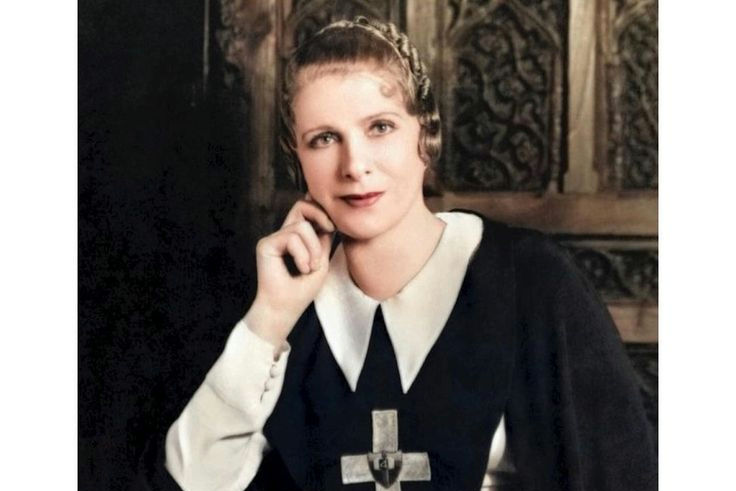
Aimee Semple McPherson was a true pioneer of the “media age,” becoming one of the first female religious superstars in the 1920s. She founded the Foursquare Church and built the 5,000-seat Angelus Temple in Los Angeles, which featured its own radio station, a rarity for the time. “Sister Aimee,” as she was known, captivated audiences with “illustrated sermons” that used elaborate stage props, costumes, and live animals to bring biblical stories to life. During the Great Depression, her commissary fed an estimated 1.5 million people, making her a beloved figure among the poor. She was a cultural phenomenon who effectively merged the worlds of Hollywood showmanship and traditional revivalism.
Her fame turned into a media circus in May 1926 when she mysteriously disappeared while swimming at Venice Beach. Most believed she had drowned, but she reappeared 36 days later in Mexico, claiming she had been kidnapped and held for ransom. However, a grand jury investigation found evidence suggesting she had actually spent that time in a “love cottage” with a former employee. While the charges of perjury and obstructing justice were eventually dropped in 1927 due to lack of evidence, the scandal permanently altered her public image. Her story serves as an early historical example of how the intense spotlight of celebrity can complicate a leader’s personal life and test the loyalty of their followers.
Tony Alamo
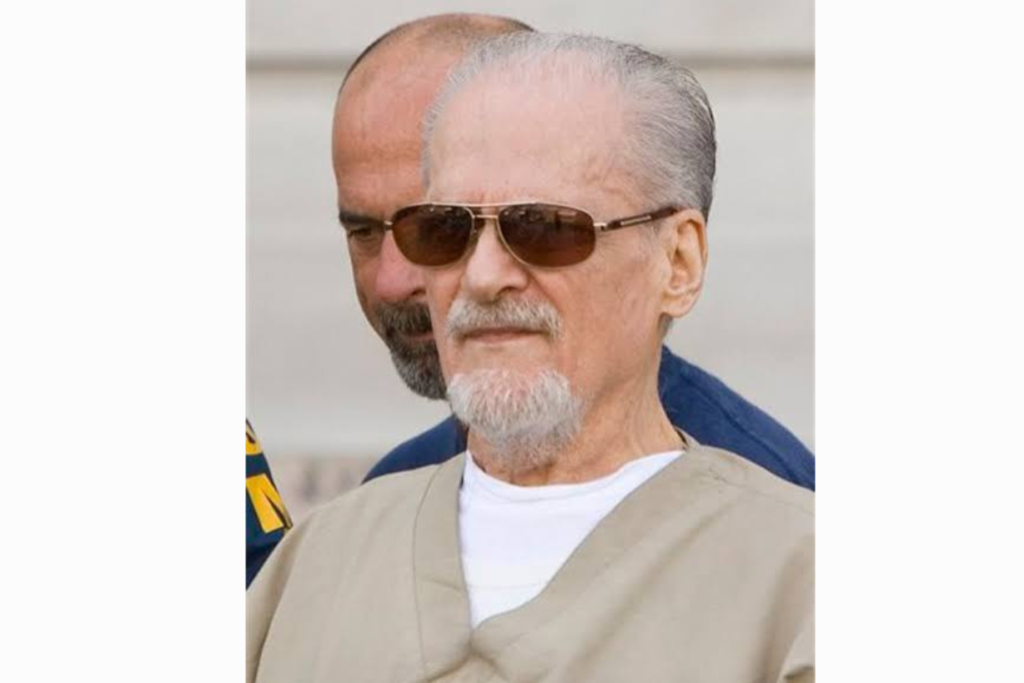
Tony Alamo and his wife Susan founded their ministry in the mid-1960s, initially focusing on reaching “street people” and drug addicts in Hollywood. By the 1970s and 80s, the organization moved to Arkansas, where it grew into a wealthy communal empire supported by businesses like a designer denim jacket factory worn by celebrities. Alamo styled himself as an end-times prophet, demanding total devotion and labor from his followers. Many members lived in isolated compounds, cut off from the outside world and completely dependent on Alamo for food and housing. This total control eventually led to the ministry being labeled as a cult by sociologists and former members.
The dark reality of the group was exposed in 2009 when Alamo was convicted of bringing young girls across state lines for sexual purposes. Trial testimony revealed that Alamo had “married” multiple girls as young as eight and nine years old, claiming divine authorization for his actions. He was sentenced to 175 years in federal prison, where he died in 2017 at the age of 82. The case remains one of the most disturbing examples of how charismatic authority can be used to facilitate predatory behavior. It serves as a grim reminder of the dangers inherent in religious groups that lack transparency, discourage outside contact, and vest absolute, unquestionable power in a single leader.
The lesson is not about abandoning belief. Rather, it encourages discernment, transparency and responsible leadership so that faith communities remain healthy rather than dependent on personality.
Like this story? Add your thoughts in the comments, thank you.


