
1. Tasmanian Tiger (Thylacine)
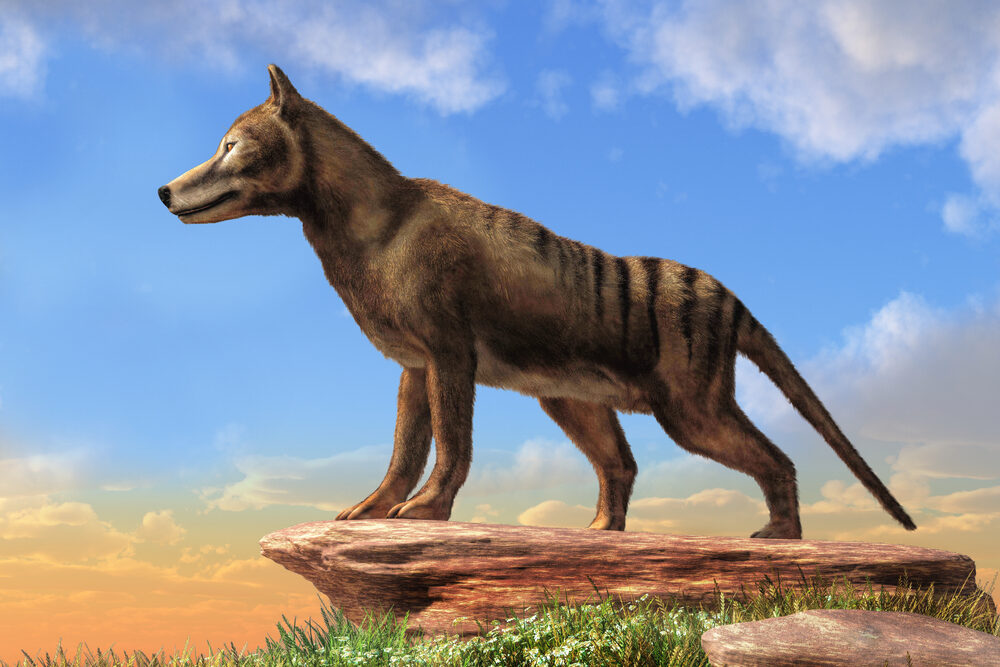
Some animals seem to vanish into history books, while others quietly survive against all odds. The Tasmanian tiger, also known as the thylacine, was a dog-sized marsupial native to Australia and Tasmania. It had distinctive dark stripes across its lower back, which gave it its misleading “tiger” nickname. European settlers blamed the animal for livestock losses, leading to widespread hunting and government-backed bounties in the late 19th and early 20th centuries. The last known captive thylacine died in Hobart Zoo in 1936. Since then, occasional sightings and blurry footage have fueled speculation about survival, but none have been scientifically verified. Extensive surveys, camera traps, and ecological studies have failed to produce conclusive evidence. Despite ongoing interest and hope, conservation bodies classify the species as gone.
Final answer: No, it is extinct.
2. Coelacanth
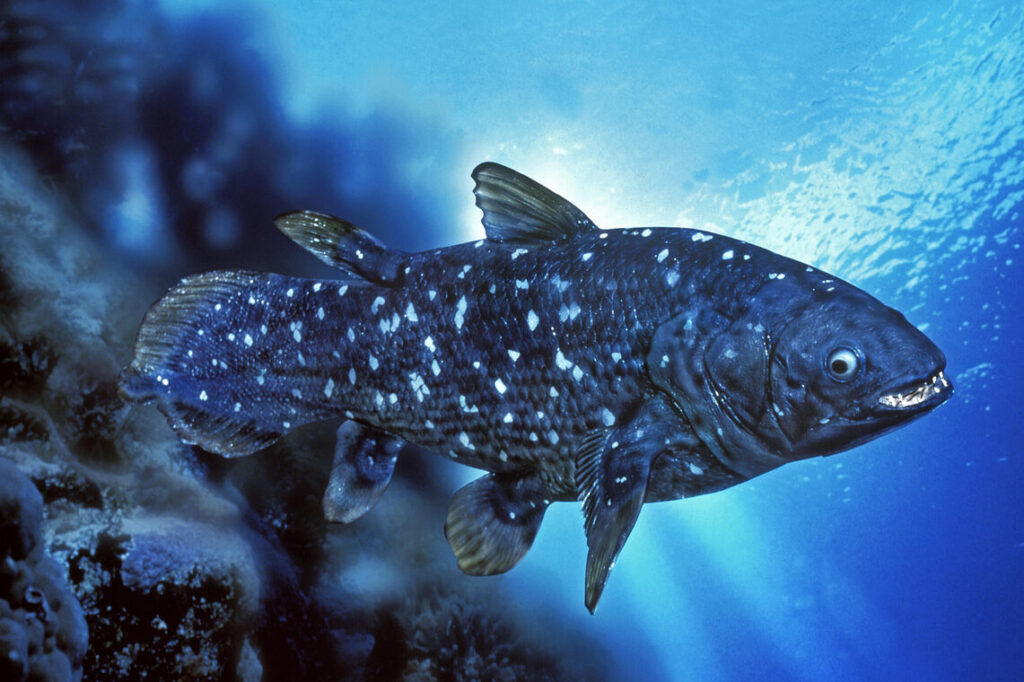
For decades, the coelacanth was considered one of the most famous extinct animals in science. Fossils showed it thriving over 300 million years ago, and researchers believed it disappeared alongside the dinosaurs. That assumption was shattered in 1938 when a living coelacanth was caught off the coast of South Africa. Since then, small populations have been documented near Indonesia, Comoros, and other deep marine regions. These ancient-looking fish live hundreds of metres below the surface and have changed very little over time, earning them the label “living fossil.” They are extremely rare, protected by law, and difficult to study due to their depth. Their rediscovery remains one of zoology’s greatest surprises.
Final answer: Yes, it is still alive.
3. Dodo
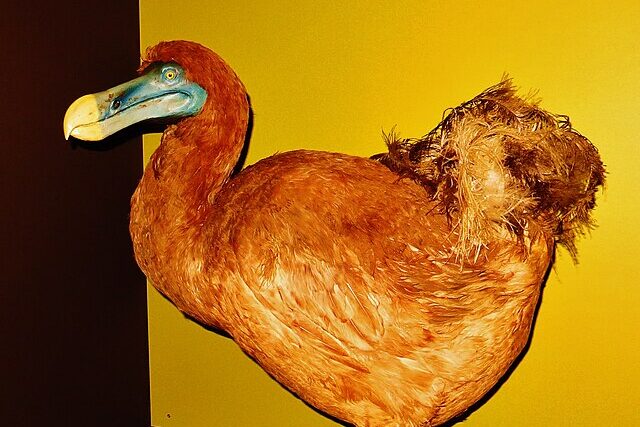
The dodo was a flightless bird that lived only on the island of Mauritius in the Indian Ocean. It evolved without natural predators, which made it unusually tame and poorly adapted to human arrival. When sailors reached the island in the late 1500s, they hunted the birds for food and introduced animals like rats and pigs that destroyed dodo nests. Within less than a century, the species disappeared completely. The last widely accepted sighting occurred in the 1660s. Although popular culture sometimes suggests secret survivors, there has never been credible physical or photographic evidence. The dodo’s story is now used worldwide as a cautionary tale about human-driven extinction.
Final answer: No, it is extinct.
4. Ivory-Billed Woodpecker
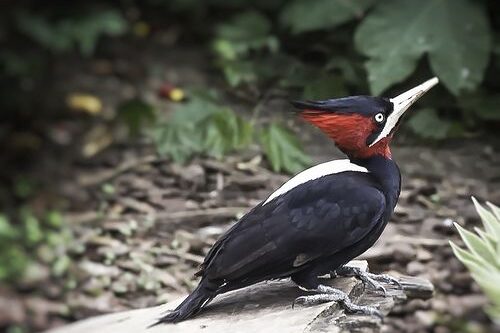
Once found in the swampy forests of the southeastern United States, the ivory-billed woodpecker was one of the largest woodpeckers in North America. It depended heavily on old-growth forests, which were heavily logged during the late 19th and early 20th centuries. By the 1940s, sightings became extremely rare. Occasional reports and disputed video footage in the 2000s sparked renewed hope, but extensive searches failed to confirm a breeding population. In 2021, U.S. authorities proposed declaring the species extinct, though some scientists argue the evidence is not absolutely final. As of now, it remains one of the most debated cases in modern conservation history.
Final answer: No, it is considered extinct.
5. Giant Panda

The giant panda has long been a symbol of endangered wildlife, leading many people to assume it nearly vanished or disappeared entirely. Native to China, pandas rely almost exclusively on bamboo, which makes them highly sensitive to habitat loss. Decades of deforestation pushed their numbers dangerously low by the late 20th century. However, sustained conservation efforts, including protected reserves and breeding programmes, helped stabilise and increase the population. In 2016, the species was officially downgraded from “endangered” to “vulnerable.” While still at risk, pandas now represent a rare conservation success story rather than a lost species.
Final answer: Yes, it is still alive.
6. Woolly Mammoth
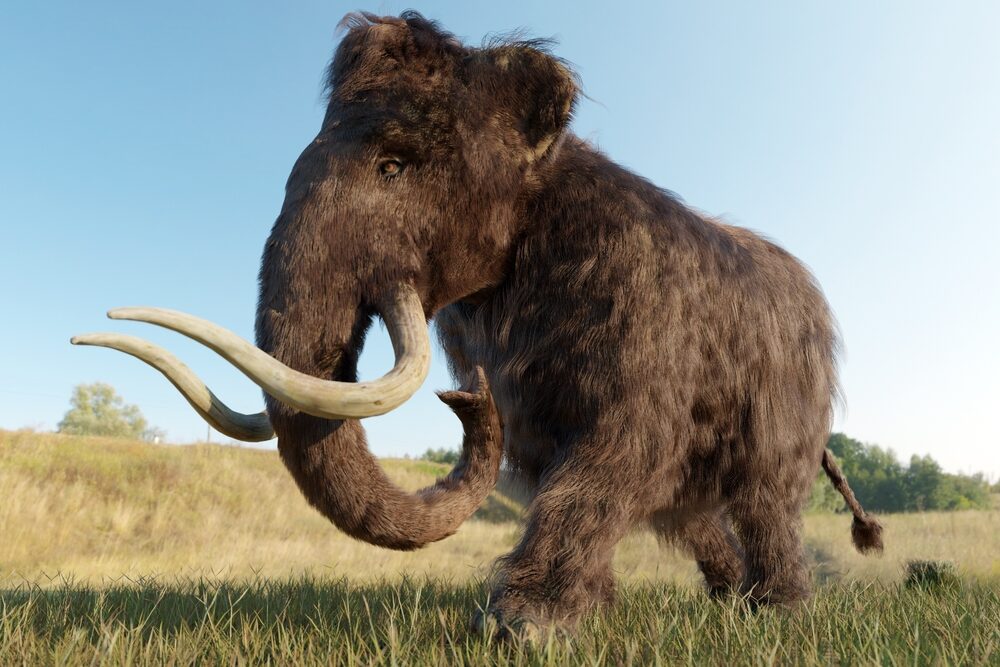
The woolly mammoth once roamed vast areas of the Northern Hemisphere during the Ice Age, thriving in cold grassland environments. Closely related to modern elephants, it was well adapted to freezing temperatures with thick fur, fat layers, and curved tusks. Most populations disappeared around 10,000 years ago as the climate warmed and human hunting increased. However, small groups survived much longer on isolated Arctic islands, with the last known population living on Wrangel Island until about 4,000 years ago. Well-preserved frozen remains discovered in Siberia sometimes spark rumours of survival, but these specimens are ancient. Today, the species exists only in fossils and frozen carcasses studied by scientists.
Final answer: No, it is extinct.
7. Okapi
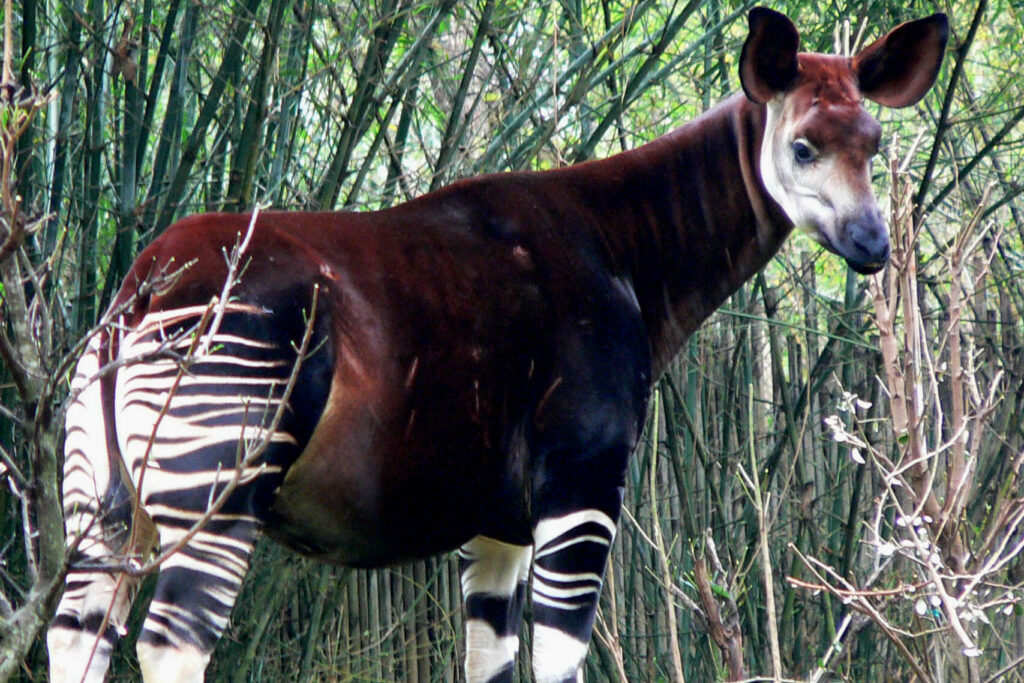
The okapi looks so unusual that early European explorers believed local reports described a mythical creature. Native to the dense rainforests of the Democratic Republic of the Congo, it has the body of a giraffe but the striped legs of a zebra. For centuries, it remained unknown to Western science due to its shy nature and remote habitat. The okapi was officially identified in 1901 and is now recognised as the giraffe’s closest living relative. Although threatened by habitat loss and poaching, small populations continue to survive in protected forest regions. Its secretive lifestyle still makes sightings rare, adding to its mysterious reputation.
Final answer: Yes, it is still alive.
8. Passenger Pigeon
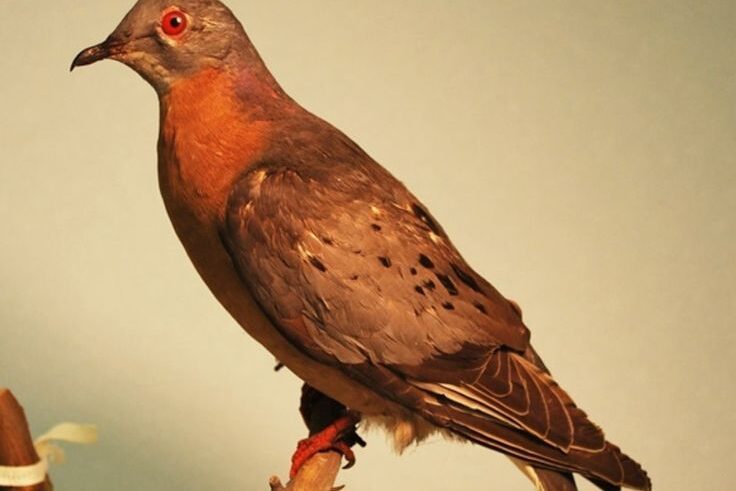
The passenger pigeon was once one of the most abundant birds on Earth, with flocks so large they reportedly darkened the sky for hours. Native to North America, these birds relied on massive forests for nesting and food. During the 19th century, industrial-scale hunting and widespread deforestation caused their numbers to collapse rapidly. Despite early warnings from naturalists, conservation laws came too late. The last known passenger pigeon, named Martha, died in captivity at the Cincinnati Zoo in 1914. No verified sightings have occurred since. The species is now a powerful symbol of how quickly human activity can eliminate even the most numerous animals.
Final answer: No, it is extinct.
9. Saola
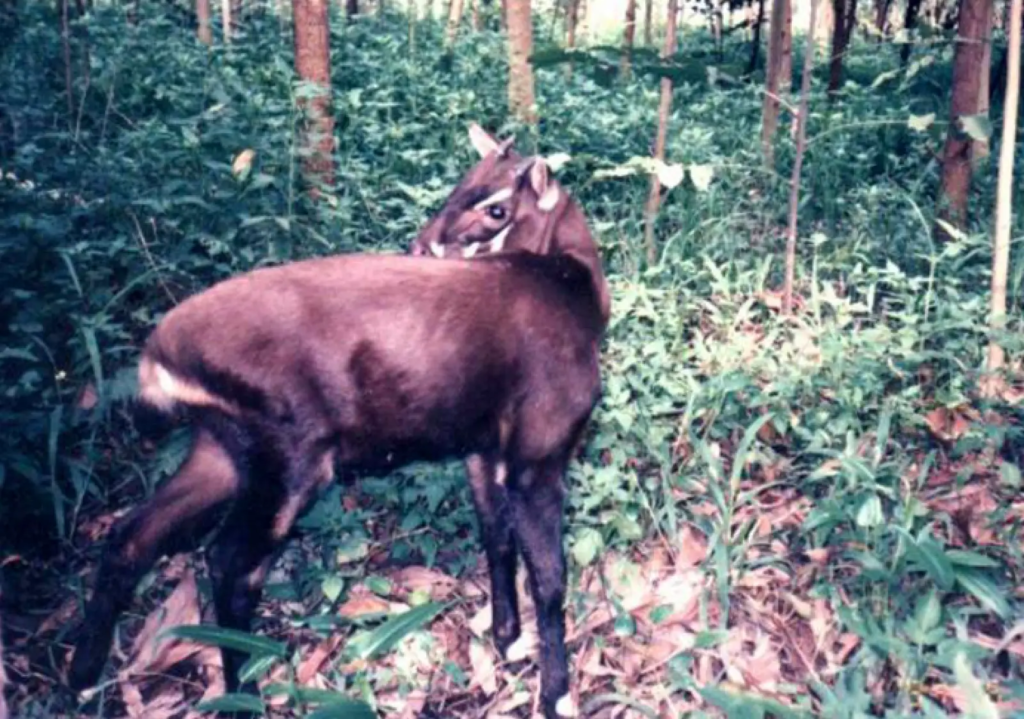
Often called the “Asian unicorn,” the saola is one of the rarest large mammals in the world. It was first described by scientists in 1992 after skulls were found in Vietnam and Laos. Living deep in remote forests, the saola avoids human contact so effectively that very few photographs exist. Camera traps have occasionally captured images, confirming its continued existence, but no individuals are currently held in captivity. Habitat loss and illegal hunting pose serious threats to its survival. Despite its extreme rarity, scientists agree that the species has not disappeared, though its future remains uncertain.
Final answer: Yes, it is still alive.
10. Great Auk
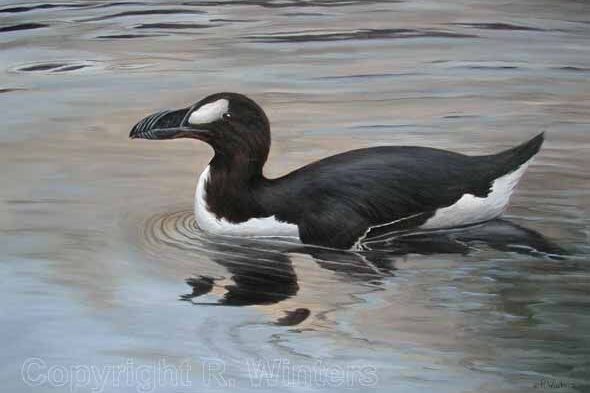
The great auk was a large, flightless seabird that lived along the rocky coasts of the North Atlantic. It resembled a penguin but was only distantly related. Valued for its feathers, meat, and oil, the bird was heavily hunted by humans for centuries. As its numbers dwindled, collectors targeted the last remaining individuals for museums. The final confirmed pair was killed in 1844 on an island near Iceland. Since then, no credible evidence has suggested survival. Today, the great auk is remembered as one of the earliest well-documented cases of human-caused extinction.
Final answer: No, it is extinct.
11. Quagga
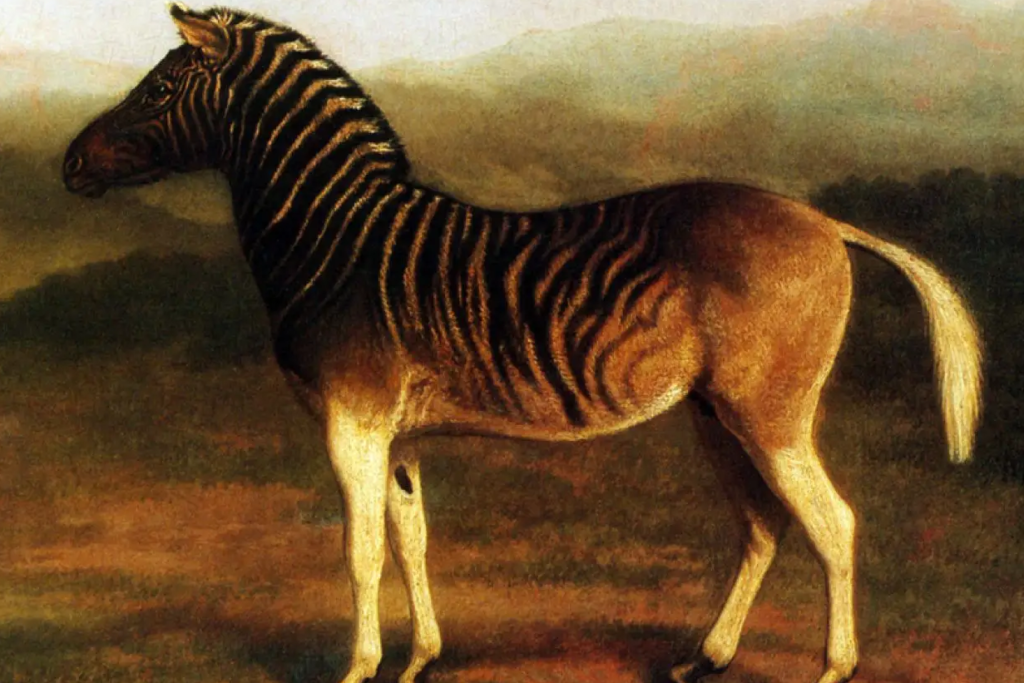
The quagga was a subspecies of plains zebra native to South Africa, easily recognised by its unique appearance. Unlike modern zebras, the quagga had bold stripes only on the front half of its body, while the rear was mostly plain brown. During the 19th century, European settlers hunted quaggas extensively for their hides and to reduce competition with livestock. No conservation measures were introduced in time. The last known quagga died in captivity at the Amsterdam Zoo in 1883. Although modern genetic projects aim to selectively breed zebras with quagga-like traits, these efforts do not bring the original animal back. The true quagga exists only in historical records and preserved specimens.
Final answer: No, it is extinct.
12. Snow Leopard
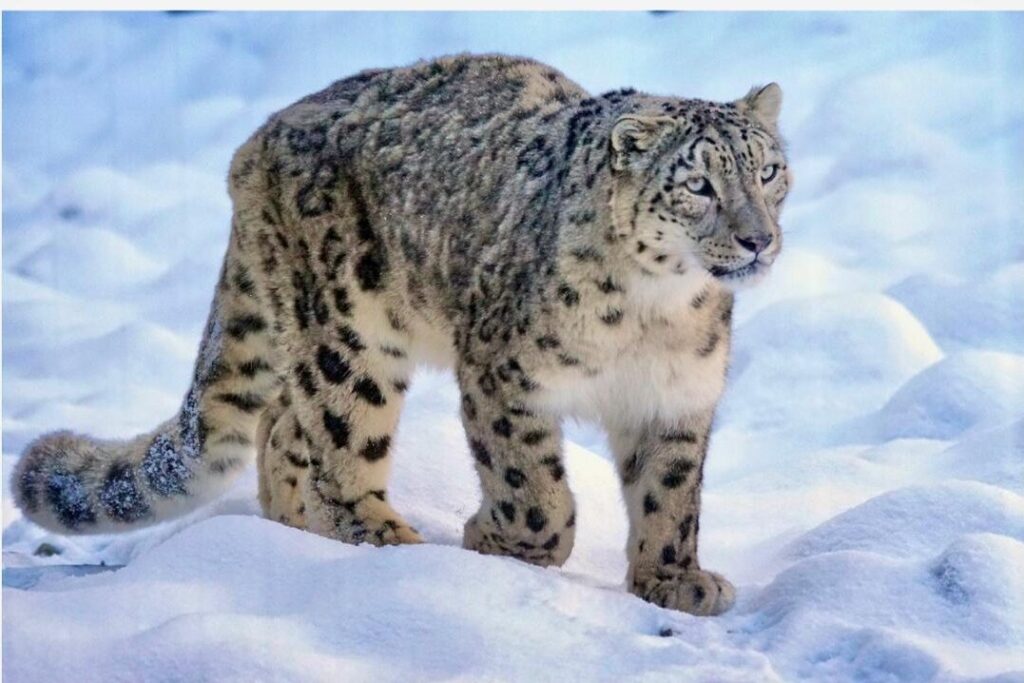
Snow leopards are famous for being rarely seen, which has led many people to assume they may have disappeared. These elusive big cats live in the high mountain ranges of Central and South Asia, including the Himalayas. Their thick fur and natural camouflage allow them to blend seamlessly into rocky landscapes. Although their population is relatively small, snow leopards are still found across several countries. Threats such as poaching, climate change, and declining prey continue to affect their numbers. Conservation programmes and protected areas have helped confirm their ongoing survival, even if direct sightings remain uncommon.
Final answer: Yes, it is still alive.
13. Steller’s Sea Cow
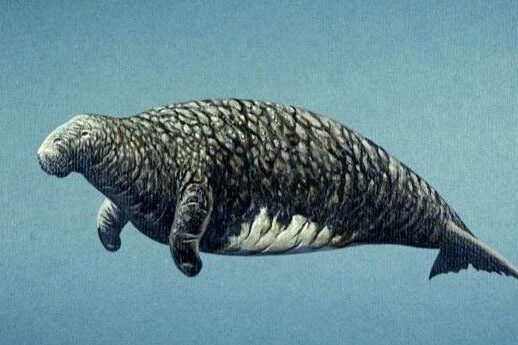
Steller’s sea cow was a massive marine mammal related to modern manatees and dugongs. It lived in the cold waters of the Bering Sea and fed primarily on kelp. The species was first documented by Europeans in 1741 and was already vulnerable due to its slow movement and inability to dive deeply. Sailors hunted the animals heavily for meat, fat, and hides. Shockingly, the entire species was wiped out within just 27 years of its discovery. The last confirmed individual was killed in 1768. Its rapid disappearance is one of the fastest recorded extinctions caused by humans.
Final answer: No, it is extinct.
14. Komodo Dragon
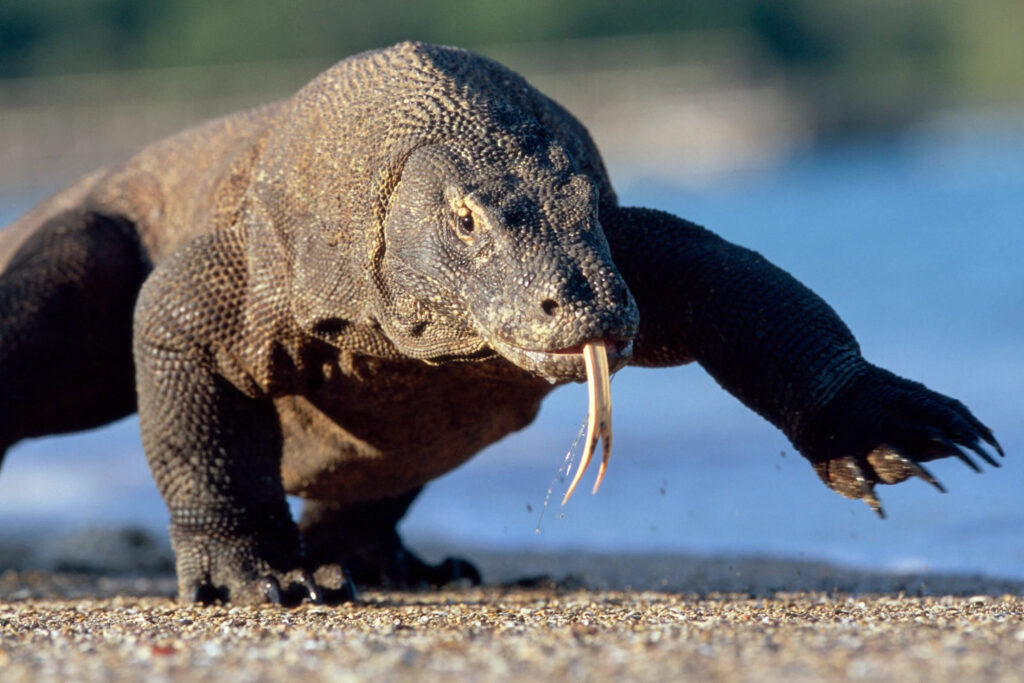
The Komodo dragon is the largest living lizard on Earth and is sometimes mistakenly thought to be a prehistoric relic that no longer exists. Native to a handful of Indonesian islands, these powerful reptiles can grow over three metres long. They are skilled hunters with venomous bites that weaken prey. While their population is limited, Komodo dragons are protected within national parks and conservation areas. Habitat changes and rising sea levels pose future risks, but the species continues to survive in the wild. Tourists and researchers regularly observe them under controlled conditions.
Final answer: Yes, it is still alive.
15. Irish Elk
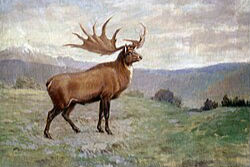
Despite its name, the Irish elk was not limited to Ireland and was actually a giant species of deer found across Europe and Asia. It is best known for its enormous antlers, which could span over three and a half metres. The species lived during the last Ice Age and relied on open grasslands for survival. As climates shifted and forests spread, suitable habitats declined. Human hunting likely added additional pressure. The last known Irish elk populations disappeared around 7,700 years ago. Today, the animal is known only through fossils and impressive museum displays.
Final answer: No, it is extinct.
16. Blue Whale
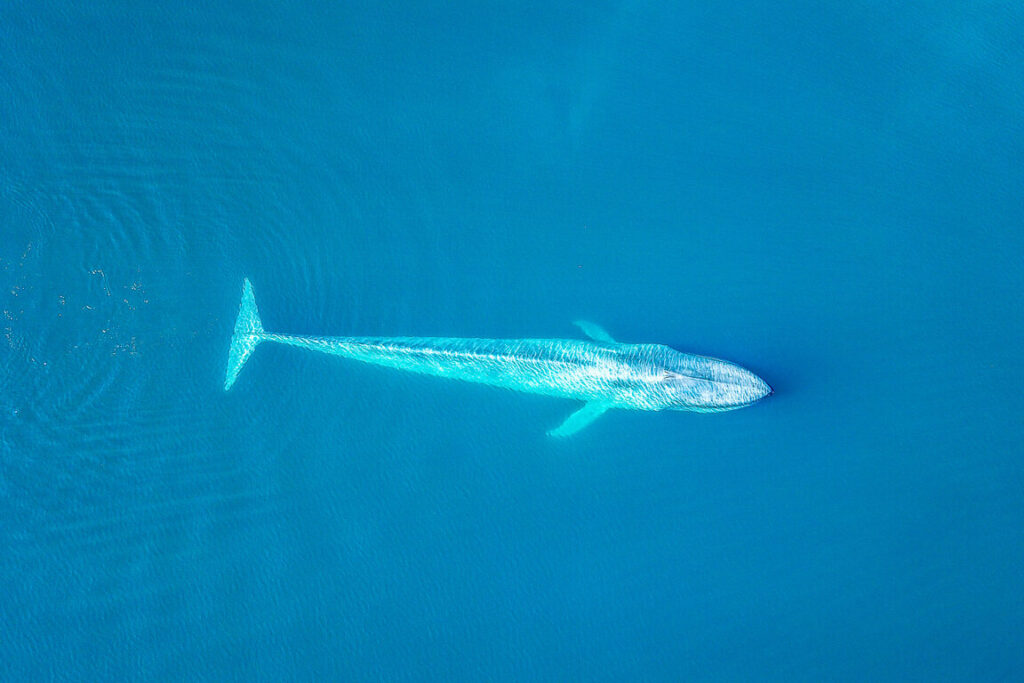
The blue whale is the largest animal known to have ever lived, even bigger than the biggest dinosaurs. Because commercial whaling pushed the species to the brink of extinction in the 20th century, many people assume it may no longer exist. At its lowest point, populations were reduced by more than 90 percent worldwide. International bans on commercial whaling helped halt the decline, allowing some populations to slowly recover. Blue whales are still found in oceans across the globe, though their numbers remain far lower than historical levels. Sightings are rare but well documented by researchers and conservation groups.
Final answer: Yes, it is still alive.
17. Golden Toad
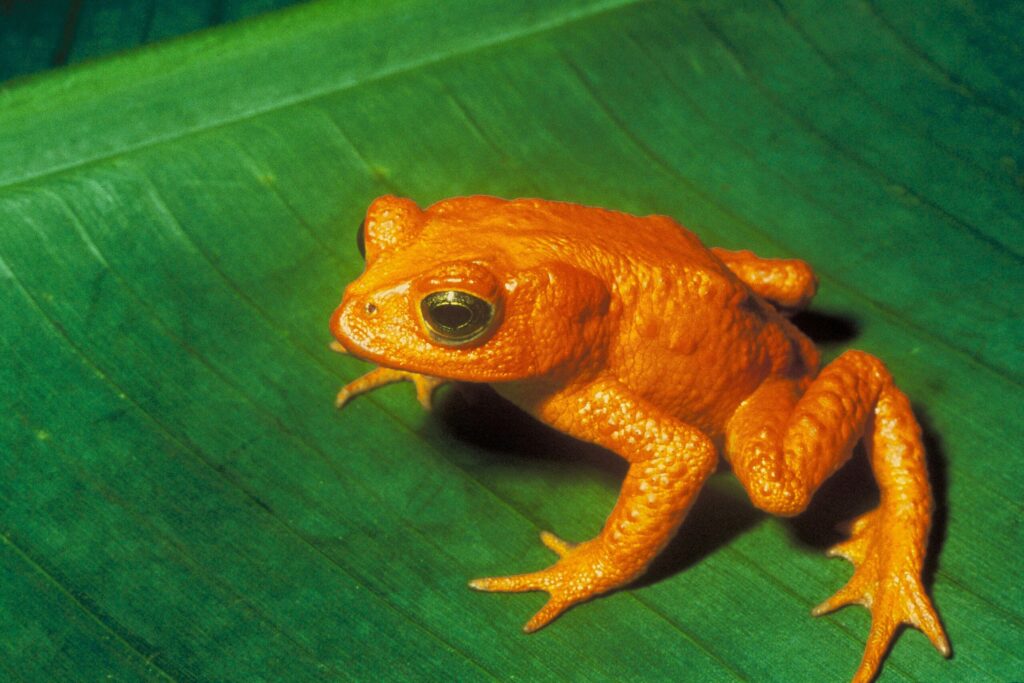
The golden toad was a brightly coloured amphibian native to the cloud forests of Costa Rica. First described in 1966, it became an icon of tropical biodiversity. During the late 1980s, its population crashed suddenly, likely due to a combination of climate shifts, disease, and environmental stress. The last confirmed sighting occurred in 1989. Despite multiple searches over several decades, no individuals have been found since. Scientists now consider the golden toad one of the clearest examples of modern amphibian extinction linked to environmental change.
Final answer: No, it is extinct.
18. Przewalski’s Horse
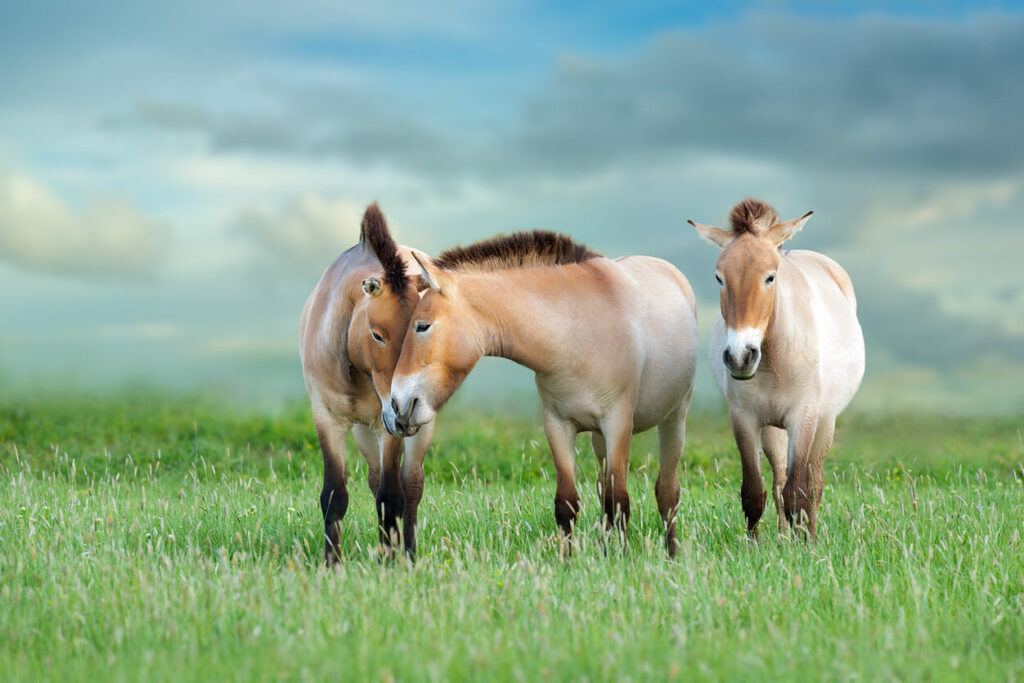
Przewalski’s horse is the last truly wild horse species in the world, native to the steppes of Central Asia. By the mid-20th century, it had disappeared entirely from the wild due to hunting and habitat loss. For several decades, the species survived only in zoos and breeding centres. Carefully managed reintroduction programmes in Mongolia and China began in the 1990s. Today, small but stable wild populations exist once again. While still endangered, Przewalski’s horse represents a rare conservation success story where a species returned to its natural environment after vanishing from the wild.
Final answer: Yes, it is still alive.
How many did you get right? Like this story? Add your thoughts in the comments, thank you.
This story Extinct or Still Alive? 18 Animals That Keep People Guessing was first published on Daily FETCH


