
Faces Across Time And Space
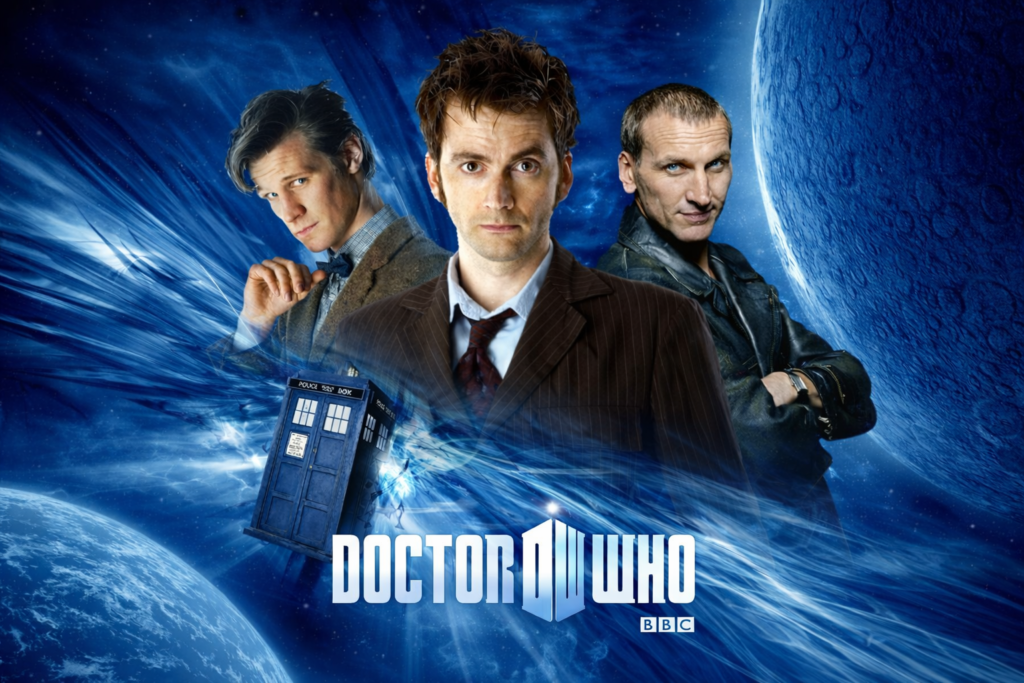
For over sixty years, Doctor Who has evolved from a modest BBC experiment into a global cultural phenomenon. It all began on November 23, 1963, as a Saturday tea-time program designed to teach children about history and science. However, the show soon hit a practical hurdle: the lead actor’s failing health. To keep the story going, the writers invented “regeneration,” a brilliant concept where the main character, a mysterious alien traveler, can transform his physical form when near death. What started as a clever production fix became the show’s greatest strength, allowing the series to reinvent itself constantly while maintaining a single, continuous narrative.
Because of this unique ability to change, every generation of fans has its “own” Doctor. Some viewers remember the grainy black-and-white era of the 1960s, while others joined during the vibrant 2005 relaunch. Each actor brings a new personality and philosophy to the wandering Time Lord, reflecting the era in which they played the role. Watching the different versions of the Doctor is like taking a trip through television history, seeing how special effects and storytelling styles have shifted from the mid-20th century into the high-tech world of today.
An Unearthly Beginning
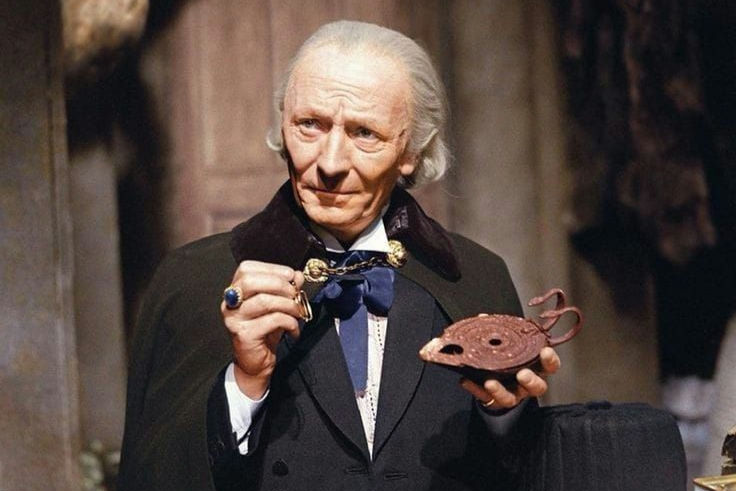
William Hartnell was the very first actor to step into the TARDIS when the show premiered on November 23, 1963. A veteran of British film and TV, Hartnell was chosen to provide a sense of authority to what was then a very strange and risky concept. His “First Doctor” wasn’t exactly warm and fuzzy at the start; he was often stubborn, irritable, and deeply suspicious of the humans who traveled with him. However, over his three-year tenure, the character gradually softened. By the time he faced his final adventures in 1966, he had become a much more grandfatherly figure, blending his stern nature with a hidden sense of humor and kindness.
By October 1966, Hartnell’s declining health made it difficult for him to keep up with the grueling filming schedule. To save the show, the BBC introduced the first-ever regeneration in the story The Tenth Planet. On October 29, 1966, viewers watched in shock as the Doctor collapsed and transformed into a completely different man. This moment changed television history forever. Hartnell’s dignified and serious performance laid the essential foundation for the series; without his initial success in making a grumpy alien feel like a hero, the show likely would not have survived its first few years or become the legend it is today.
The Cosmic Hobo
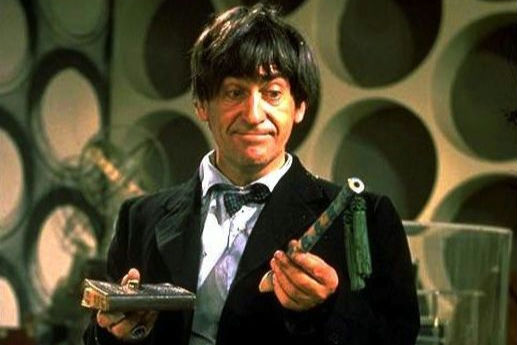
Patrick Troughton took over the mantle in October 1966, facing the nearly impossible task of convincing the public that he was the same character they had watched for three years. Rather than imitating Hartnell, Troughton went in a completely different direction. He portrayed the Second Doctor as a “Cosmic Hobo”, a playful, eccentric wanderer who often wore oversized clothes and played the recorder. He used a persona of bumbling foolishness to trick his enemies into underestimating him, proving that the Doctor’s greatest weapon was always his mind rather than physical strength or social status.
Troughton’s era, which lasted until June 1969, was famous for introducing terrifying monsters like the Cybermen and the Ice Warriors. He also appeared in the classic 1967 serial The Evil of the Daleks, which solidified the pepper-pot aliens as the Doctor’s ultimate rivals. Troughton decided to leave after three seasons, establishing a “three-year rule” that many future actors would follow. His departure story, The War Games, saw the Doctor captured and put on trial by his own people, the Time Lords. His whimsical yet deeply intelligent interpretation of the character influenced almost every actor who has played the role since.
The Action Scientist
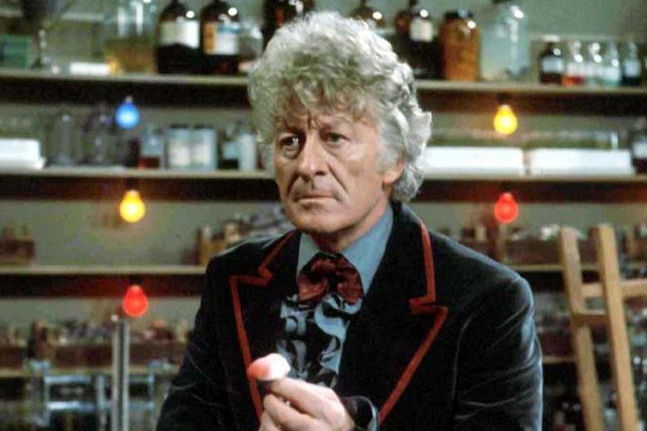
Jon Pertwee debuted as the Third Doctor in January 1970, a year that marked a massive shift for the series as it moved from black-and-white to full-color broadcasting. To save money, the producers “exiled” the Doctor to Earth, where he became a scientific advisor to UNIT, a military group led by the iconic Brigadier Lethbridge-Stewart. Pertwee’s Doctor was a dashing man of action who loved fast cars, practiced “Venusian Aikido,” and wore flamboyant velvet jackets. This version was more of a sophisticated secret agent than a wandering alien, bringing a sense of grounded heroism to the series during the early 1970s.
Pertwee’s five-season run, which concluded in June 1974, gave the show a polished, cinematic feel that appealed to a wider audience. He shared a legendary on-screen chemistry with companions like Jo Grant and the beloved Sarah Jane Smith, who first appeared in 1973. By the time he moved on, Pertwee had proven that Doctor Who could succeed as a high-stakes adventure show without losing its sense of mystery. His era is remembered for its warmth and its focus on protecting the Earth from alien invasions, helping the program transition seamlessly into the modern era of television production and storytelling.
The Long Scarf
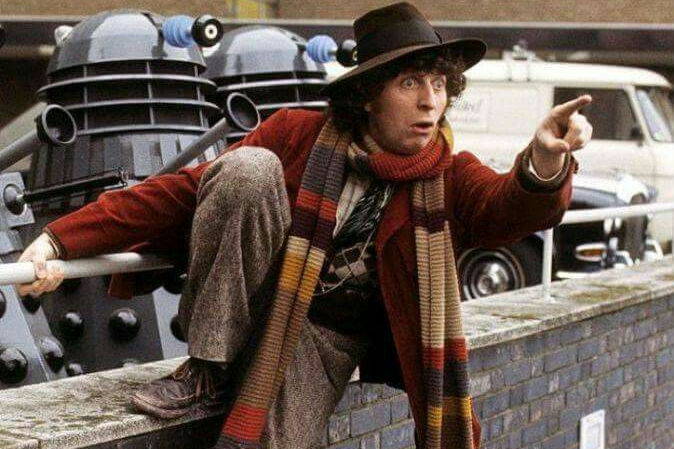
Tom Baker arrived in December 1974, and he quickly became the most iconic face of the entire franchise. With his towering height, wide grin, and a multi-colored scarf that seemed to go on forever, he defined the character for a whole generation of fans. Baker’s Fourth Doctor was truly alien, one minute he was offering someone a “jelly baby” sweet and making jokes, and the next he was delivering a terrifyingly serious speech about the nature of evil. This unpredictable energy made him magnetic to watch, and under his lead, the show’s ratings soared to record heights during the mid-to-late 1970s.
Baker held the role for seven consecutive seasons, finally stepping down in March 1981, which remains the longest tenure for any lead actor in the show’s history. His era featured some of the program’s most famous stories, such as 1975’s Genesis of the Daleks, which introduced the creator of the Daleks, Davros. Baker’s popularity helped the show find massive success abroad, particularly in the United States. For many people around the world, his curly hair and long scarf are still the first things that come to mind when they hear the theme music. He didn’t just play the Doctor; he became the Doctor.
The Youthful Traveller
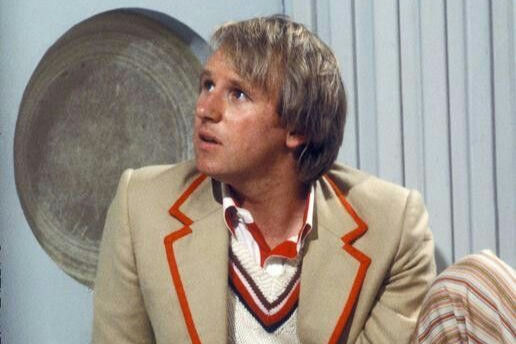
In March 1981, Peter Davison took over the role, becoming the youngest actor to play the part at that time (he was just 29). Coming off the success of the popular drama All Creatures Great and Small, Davison brought a much softer, more vulnerable energy to the TARDIS. His Fifth Doctor was a polite, tea-drinking diplomat who preferred to solve problems with words rather than authority. He famously wore a cricket-themed outfit with a piece of celery pinned to his lapel, a quirky fashion choice that fit his gentle personality perfectly. Unlike the more dominant Doctors before him, he often functioned as part of a team.
Davison’s era emphasized the relationships between the Doctor and his many companions, creating a more emotional atmosphere inside the TARDIS. He stayed for three years, departing in March 1984 after the acclaimed story The Caves of Androzani. Many critics and fans consider his final adventure one of the best in the show’s history, as he sacrificed his own life to save his companion, Peri. Davison’s portrayal of a more “human” and fallible Doctor was a major influence on later actors like David Tennant. He proved that the Doctor didn’t always have to be the loudest person in the room to be a hero.
The Colourful Rebel
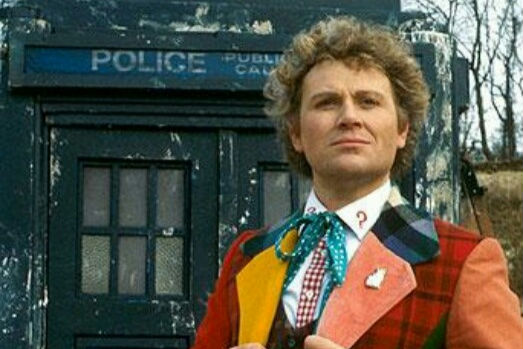
Colin Baker (no relation to Tom) took the lead in March 1984, bringing an incredibly bold and controversial style to the role. His Sixth Doctor wore a loud, multi-colored patchwork coat and possessed a personality that was just as vibrant. This version of the Doctor was often arrogant, blunt, and even a bit rude to his friends, which was a shocking change for audiences used to the gentle Fifth Doctor. However, Baker’s goal was to show an alien who was slowly relearning how to be kind, revealing a deeply moral and caring soul hidden beneath a very prickly and theatrical exterior.
Unfortunately, Baker’s time on the show was hampered by behind-the-scenes drama at the BBC. The show was put on an eighteen-month hiatus in 1985 and faced budget cuts that made filming difficult. He was eventually asked to leave the role in 1986, and he did not even get the chance to film a proper regeneration scene on screen. Despite these challenges, fans have grown to love his Doctor through hundreds of popular audio dramas released in the decades since. He represented a risky, experimental period for the show, proving that the character could be difficult and complex while still remaining a hero at heart.
The Chessmaster Doctor
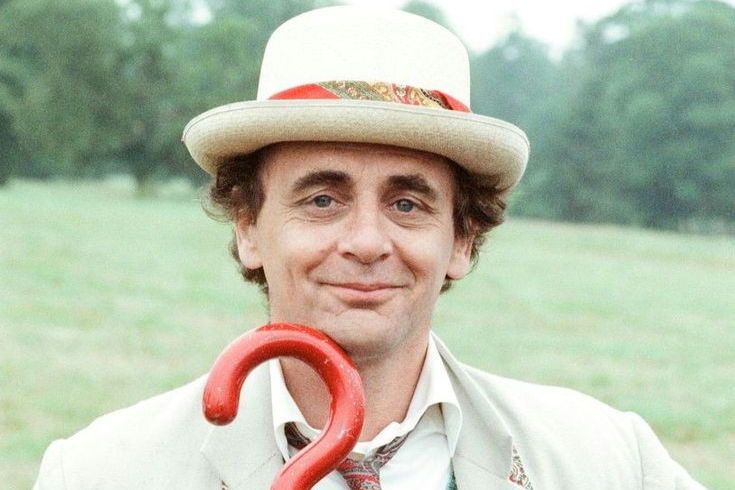
Sylvester McCoy stepped into the role in September 1987, initially playing the Seventh Doctor as a clownish figure who enjoyed slapstick comedy and spoon-playing. However, as the show progressed, McCoy and the writers shifted the character into something much darker and more mysterious. By 1988, the Doctor had become a “Chessmaster,” an ancient being who manipulated his enemies from behind the scenes with complex plans. This era added a much-needed sense of mystery back to the character’s origins and featured a fantastic partnership with the street-wise teenager Ace, who became one of the show’s most beloved companions.
McCoy served as the Doctor until the original series was put on “indefinite hiatus” in December 1989. Although the show wasn’t officially canceled at the time, it wouldn’t return to regular television for sixteen years. McCoy later returned for a brief appearance in the 1996 television movie to pass the torch to his successor. Over the years, fans have praised his era for its ambitious storytelling and for paving the way for the “darker” Doctors of the modern era. His performance showed that beneath a friendly, umbrella-carrying exterior, the Doctor was a powerful force that shouldn’t be trifled with by any monster.
The Movie Doctor
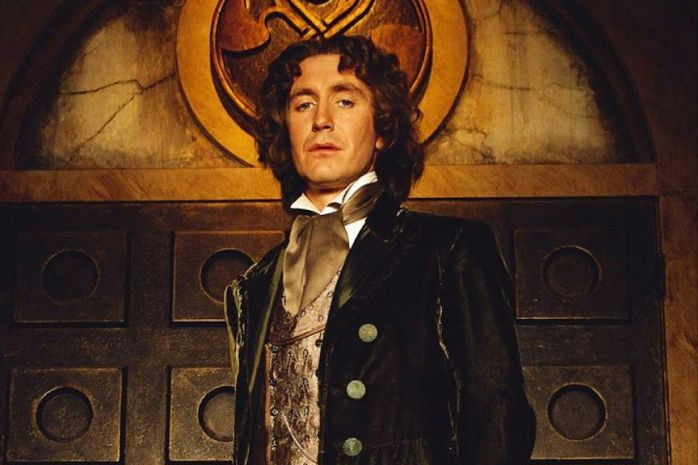
After seven years of silence, Doctor Who returned to screens in May 1996 with a high-budget television movie starring Paul McGann. The Eighth Doctor was a breath of fresh air: romantic, poetic, and much more open with his emotions than previous versions. He famously wore a Victorian-style velvet suit and brought a sense of wonder and elegance to the character. While the movie was intended to launch a new series in partnership with American producers, it didn’t quite hit the ratings targets needed for a full comeback, leaving McGann as a “one-hit wonder” on television for many years.
Despite having only one full movie, McGann became a legend in the fan community through a massive series of books and audio plays that explored his adventures for decades. He finally made a surprise return to television in November 2013 for a special mini-episode titled The Night of the Doctor, which celebrated the show’s 50th anniversary. This appearance finally showed his regeneration and linked his era to the modern revival. McGann is often seen as the bridge between the “Classic” and “New” eras of the show, keeping the spirit of the Time Lord alive during the long years when the TARDIS was off the air.
The Warrior Incarnation
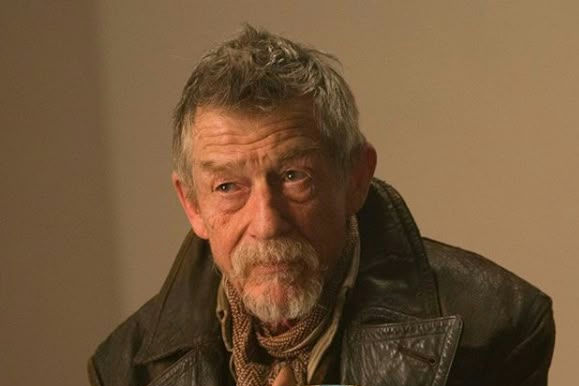
In November 2013, legendary actor John Hurt was introduced as a “secret” version of the character known as the War Doctor. Appearing in the 50th-anniversary special, The Day of the Doctor, this incarnation existed during the gap between the original series and the 2005 revival. He was the version of the Doctor who fought in the Great Time War, a conflict so terrible that he felt he no longer deserved to use the name “Doctor.” Hurt played the character as a battle-weary soldier, burdened by the impossible choices he had to make to save the universe from the Daleks.
Hurt’s performance added a massive amount of emotional weight to the show’s history, explaining why the modern Doctors carried so much guilt and sadness. Even though he only appeared in one major episode, his presence redefined the entire timeline of the show. He showed that even a hero can be pushed to the breaking point by war, and his eventual redemption alongside the other Doctors was a highlight of the anniversary celebrations. John Hurt brought a level of prestige and theatrical gravitas to the role, reminding everyone that the Doctor is a character with a long, complicated, and sometimes dark history.
The Survivor
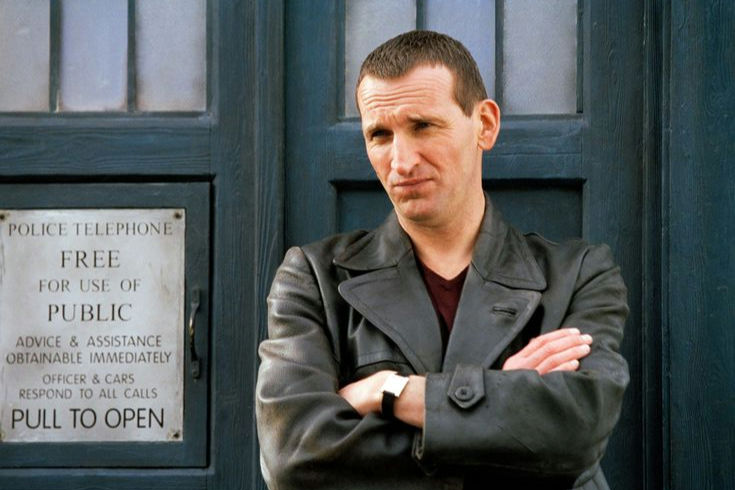
Christopher Eccleston was the man responsible for bringing Doctor Who back from the dead in March 2005. After the show had been off the air for sixteen years, the BBC took a massive risk by relaunching it for a modern audience. Eccleston played the Ninth Doctor as a “survivor”, a man deeply scarred by the Great Time War who hid his sadness behind a tough, leather-jacket-wearing exterior and a big, toothy grin. He traded the traditional eccentric costumes for a simple, rugged look, making the character feel more like a real person living in 21st-century London.
Eccleston only stayed for one season, departing in June 2005, but his impact was monumental. He introduced a new generation to the concept of regeneration and proved that the show could be fast-paced, emotional, and relevant to a modern world. His relationship with his companion, Rose Tyler, gave the series a romantic and grounded heart that it had sometimes lacked in the past. Even though his time was short, he laid the essential groundwork for everything that followed in the “New Who” era. Without his intense and grounded performance, the show might never have become the global powerhouse it is today.
The Beloved Tenth
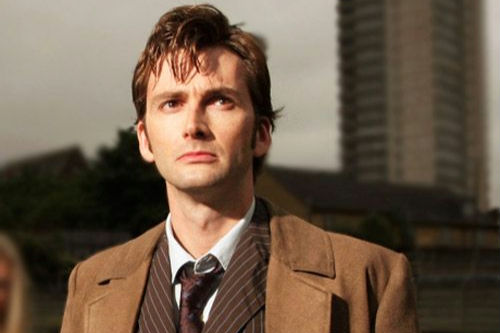
David Tennant took over in December 2005 and quickly became a global superstar. His Tenth Doctor was a “man of the people”, charming, talkative, and incredibly energetic, often seen running down corridors in a pinstripe suit and sandshoes. He brought a unique blend of geeky humor and heartbreaking loneliness to the role, which helped make the show a massive hit across the world. Fans fell in love with his catchphrases like “Allons-y!” and his deep emotional bonds with companions like Rose Tyler, Martha Jones, and the hilarious Donna Noble. Under his lead, the show became a Saturday night staple.
Tennant’s era, which lasted until January 2010, featured some of the most famous episodes in the show’s history, including the terrifying 2007 story Blink, which introduced the Weeping Angels. When he finally left the role in the two-part special The End of Time, millions of viewers cried along with him as he uttered his famous final words, “I don’t want to go.” His popularity was so massive that he actually returned to the show in 2023 to play the Fourteenth Doctor for the 60th-anniversary specials. For many fans who grew up in the 2000s, David Tennant is the definitive version of the Time Lord.
The Youngest Doctor
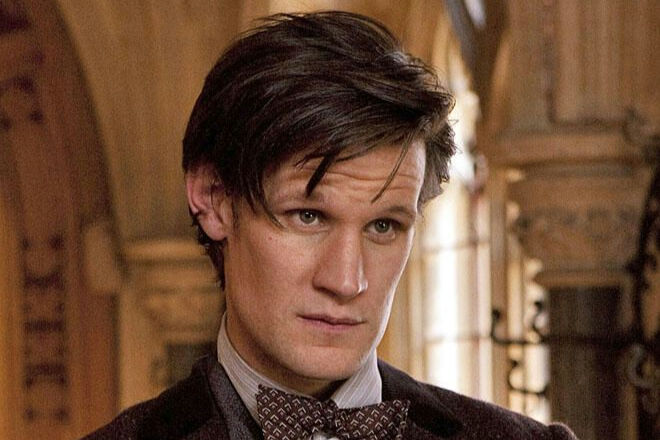
In April 2010, Matt Smith stepped into the TARDIS as the youngest actor ever to play the lead, being only 26 at the time of his casting. Despite his youth, Smith had an uncanny ability to act like an “old man in a young man’s body.” His Eleventh Doctor was a whimsical, bowtie-wearing professor who often felt like a fairytale character. He was famous for his “cool” fashion sense, insisting that bowties, fezzes, and stetsons were the height of style, and for his deep, ancient eyes that suggested he had seen far too much of the universe’s history.
Smith’s era was defined by complex, mind-bending storylines involving the mysterious “Silence” and the cracks in time. He shared a beautiful, long-running story with Amy Pond and Rory Williams, which explored the idea of the Doctor as a lonely god looking for a family. Smith stayed in the role until December 2013, departing in the emotional Christmas special The Time of the Doctor. His version of the character was a huge hit in the United States, helping Doctor Who break into the American mainstream in a way it never had before. He proved that the Doctor could be both a silly friend and a powerful, ancient protector.
The Scottish Philosopher
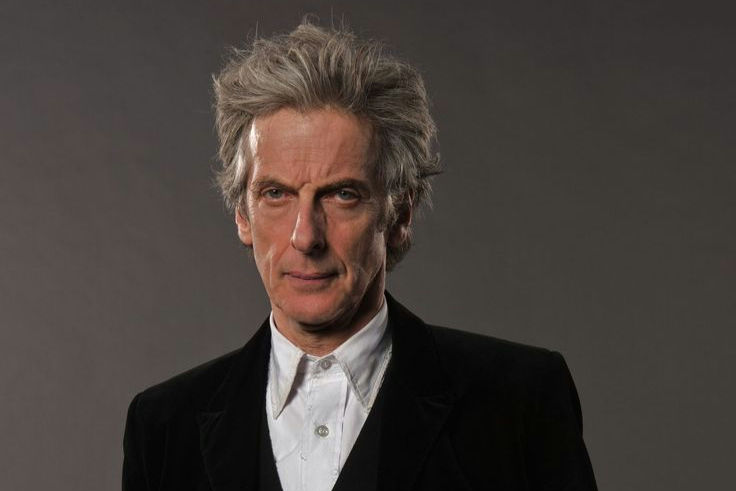
Peter Capaldi arrived in August 2014, bringing a much sharper and more mature energy to the show. As a lifelong fan of the series and an Oscar-winning filmmaker, Capaldi played the Twelfth Doctor as a grumpy but deeply caring punk-rock philosopher. Early on, his Doctor struggled with his identity, famously asking, “Am I a good man?” Over his three seasons, he evolved from a cold and distant figure into a kind, guitar-playing mentor who fought for what was right simply because it was the decent thing to do. His performance was often praised for its incredible acting range and theatrical depth.
Capaldi’s tenure featured some of the most experimental and acclaimed episodes ever made, such as the 2015 masterpiece Heaven Sent, where he performed almost entirely alone for nearly an hour. He shared a complex bond with companion Clara Oswald and later took on a teaching role with the brave Bill Potts in 2017. He eventually stepped down in the Christmas special Twice Upon a Time in December 2017, leaving behind a legacy of thoughtfulness and integrity. Capaldi reminded everyone that being the Doctor isn’t about being young or popular, it’s about the choices you make when things are at their darkest.
The First of Her Kind
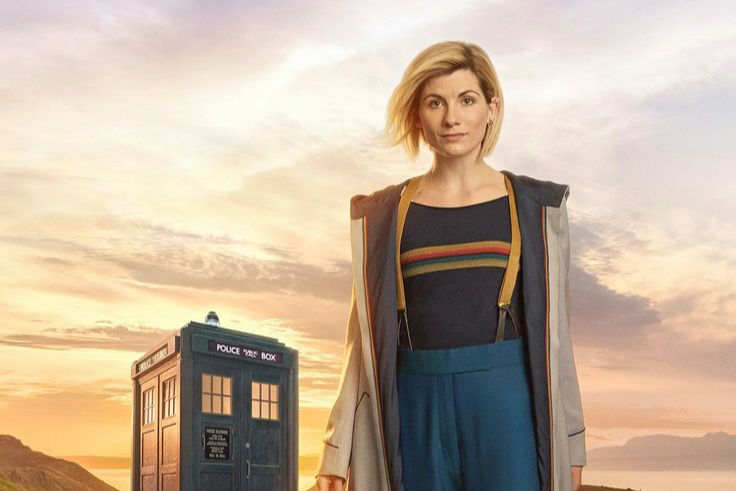
Jodie Whittaker made history in October 2018 when she became the first woman to officially lead the series as the Thirteenth Doctor. Her arrival was a massive cultural moment that drew millions of new viewers to the program. Whittaker’s Doctor was a “bright” hero, optimistic, high-energy, and deeply focused on the power of teamwork. Instead of being a lonely traveler, she surrounded herself with a “fam” of three companions, traveling through time to solve problems with kindness and curiosity. Her era also brought back a focus on educational history, featuring figures like Rosa Parks in 2018 and Mary Shelley in 2020.
Whittaker’s time on the show saw a major visual upgrade, with cinematic cameras and epic locations giving the series a big-budget feel. She faced off against classic monsters like the Daleks and the Cybermen while also uncovering a shocking secret about the Doctor’s true origins in the 2020 story The Timeless Children. She finished her run in October 2022 during the BBC’s centenary special, The Power of the Doctor. Regardless of debates about the writing, Whittaker’s performance broke a massive glass ceiling for the franchise, proving once and for all that the Doctor’s spirit is universal and not limited by any one physical form.
The Familiar Return
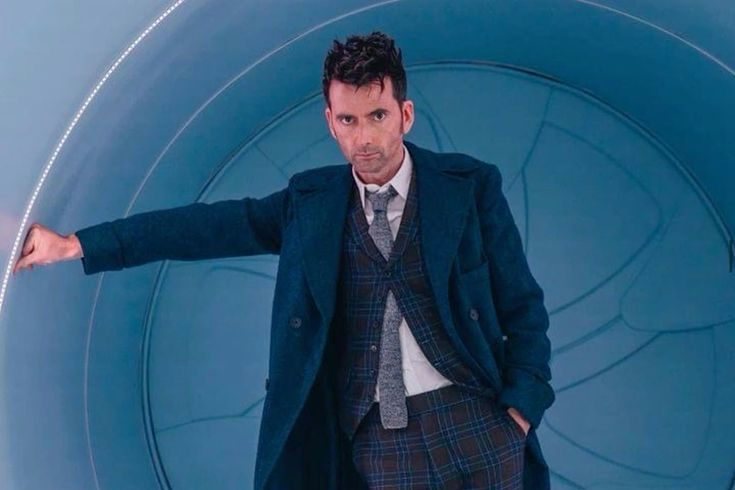
In a move that stunned the television world, David Tennant returned to the series in October 2022, but not as the Tenth Doctor. Following a surprising regeneration, he was officially designated as the Fourteenth Doctor. This marked a rare moment in the show’s history where a previous actor returned to lead the series in a brand-new incarnation. Appearing in three high-profile specials in November and December 2023, Tennant’s return was part of the grand celebration for the program’s 60th anniversary. It provided a nostalgic bridge for long-time fans while the show transitioned into a massive new partnership with Disney+ for international distribution.
Although the face was familiar, the Fourteenth Doctor was more vulnerable and emotionally open than his predecessor. These specials reunited him with his beloved companion Donna Noble, played by Catherine Tate, and resolved long-standing storylines from over a decade prior. In the final special, The Giggle, the show introduced “bi-generation,” a twist that allowed the Fourteenth Doctor to retire peacefully on Earth with his found family while a new Doctor headed out into the stars. This creative choice allowed the character to finally heal from centuries of trauma, setting a hopeful and restorative tone for the future of the entire franchise.
A Fresh Era
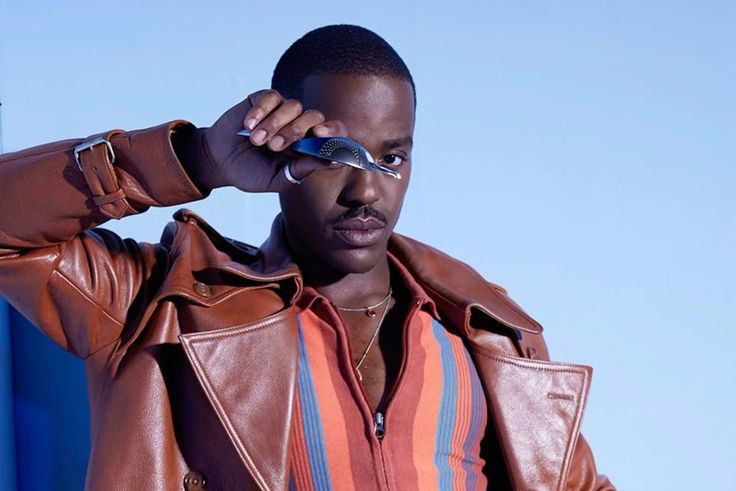
Ncuti Gatwa made his groundbreaking debut as the Fifteenth Doctor in December 2023, making history as the first Black actor to lead the series full-time. Known for his charismatic breakout role in Sex Education, Gatwa brought a vibrant, stylish, and deeply soulful energy to the TARDIS. His Doctor is a man who has “done the therapy,” appearing more emotionally adjusted and joyful than many of his previous versions. He trades the typical heavy coats for a rotating wardrobe of modern fashion, reflecting a character who is comfortable in his own skin and ready to embrace the wonders of the universe with open arms.
The 2024 season, often referred to as “Season 1” of the new era, leaned into a “soft reboot” style to welcome new audiences worldwide. Alongside his companion Ruby Sunday, Gatwa’s Doctor faced a mix of traditional sci-fi threats and more fantastical, supernatural elements. This era emphasizes inclusivity, musicality, and a fast-paced storytelling style designed for a global streaming audience. Even after six decades on the air, Gatwa’s performance proves that Doctor Who remains fresh and relevant. By embracing a more modern and diverse perspective, the show ensures that the Doctor’s journey through time and space will continue for many years to come.


