
1. Technology That Feels Personal
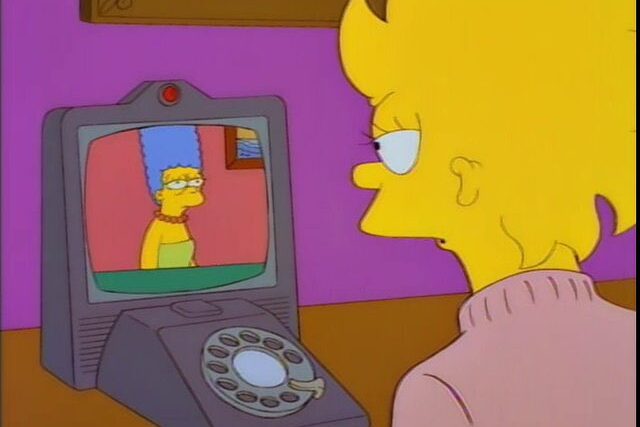
For years, viewers laughed at how The Simpsons treated technology like a character rather than a tool, and that feeling quietly opens this list. In one-episode, smart devices respond with tone and timing that feel almost emotional. As 2026 approaches, people joke about assistants sounding impatient or overly helpful. The humor works because it reflects daily routines. Phones wake us, remind us, correct us, and listen. Fans say the prediction is not frightening, just accurate. Technology no longer feels neutral. It feels present, involved, and oddly aware of how humans move through their everyday lives now.
2. Screens Replacing Attention
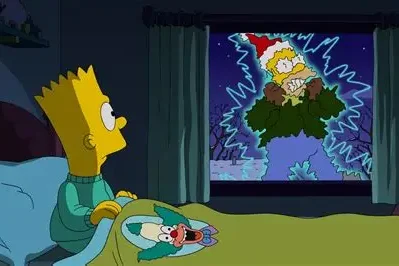
There was a moment where children stared at screens while learning drifted elsewhere, and fans say it feels close to home. By 2026, many believe attention will be the real challenge rather than access. Parents often say learning is available, but focus is missing. The episode hinted at distraction, not failure. That detail sticks. Education continues, but depth feels thinner. Notifications interrupt curiosity. Multitasking replaces patience. Fans relate because they see it daily. The humor lands softly because it mirrors lived experience. People are present, yet elsewhere. The show noticed that shift early, using comedy to point at something subtle and deeply human.
3. Political Noise Fatigue
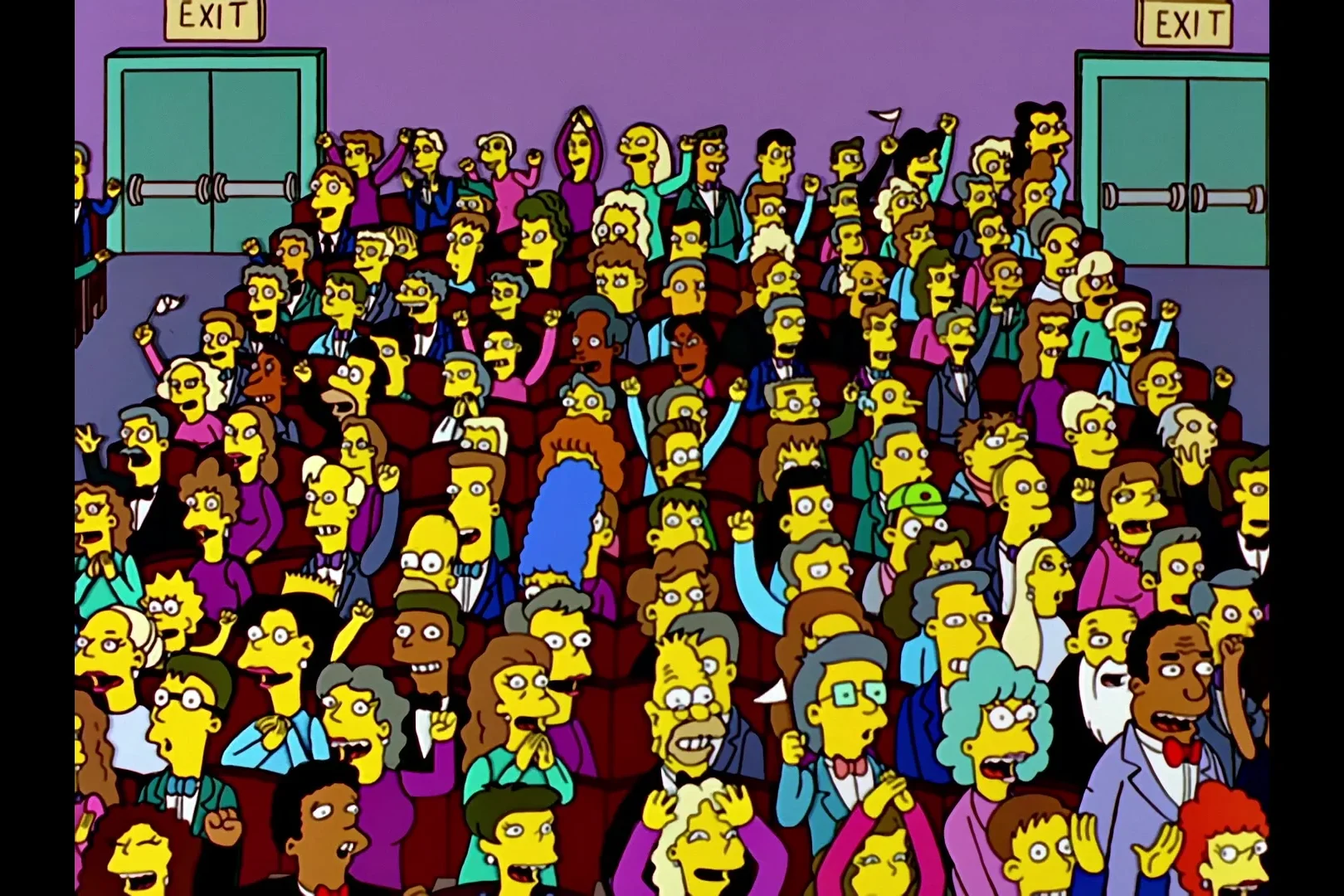
In one episode, political chaos unfolds while characters barely react, and fans say that emotional response feels familiar. As 2026 approaches, many feel overwhelmed instead of shocked. Headlines arrive quickly, outrage fades faster. The prediction is not about leaders. It is about exhaustion. Viewers recognize the cycle of caring deeply, then needing rest. The humor works because it reflects numbness, not apathy. People still want change, but constant noise dulls reaction. Fans say the show observed this early. When everything feels urgent, nothing holds attention for long, and that quiet truth still resonates.
4. Machines Creating Culture
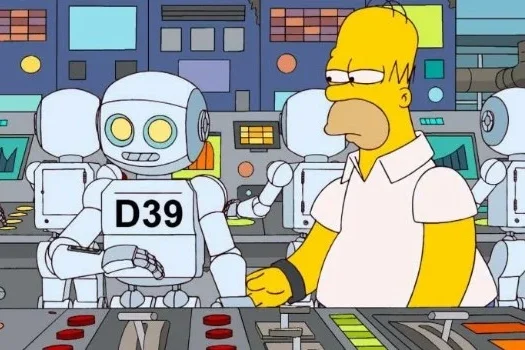
A joke about machines creating entertainment once felt far fetched, but fans now see it differently. By 2026, many expect technology to shape music, writing, and art even more. The episode was not mocking creativity. It was questioning authorship. Fans often say creativity feels faster now, but thinner. Content appears everywhere, yet meaning feels harder to hold. The prediction resonates because people notice the shift already happening. Art still matters, but the process feels crowded. The humor lingers because it raises questions without answering them, which makes it feel thoughtful rather than dramatic.
5. Apologies Without Change
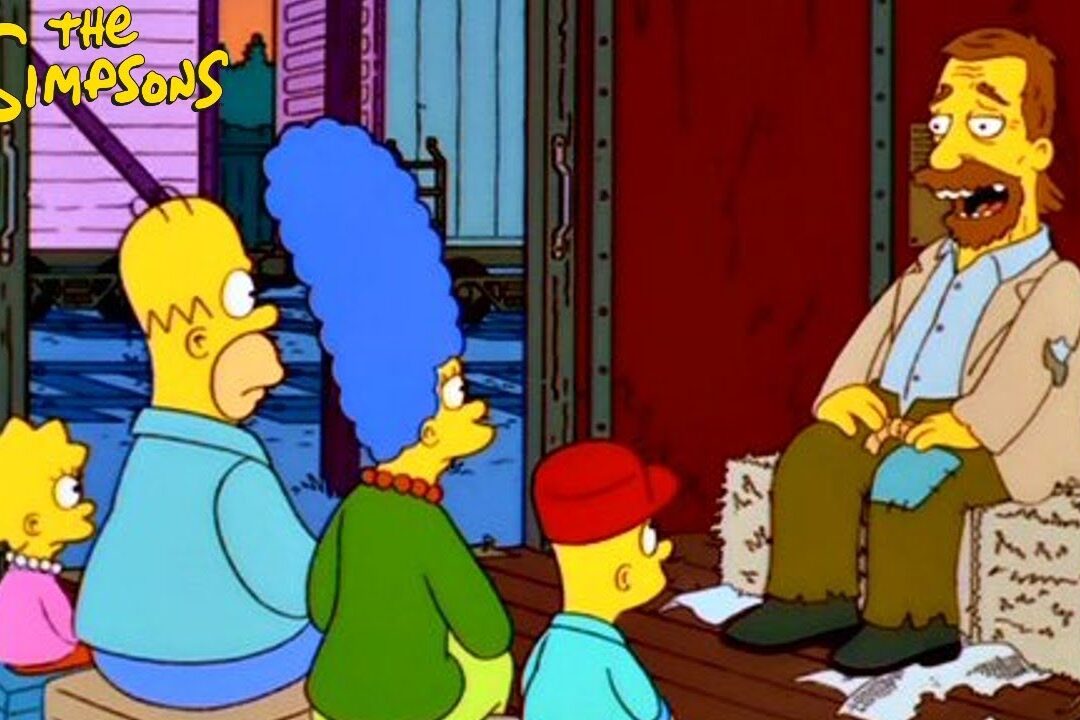
There was a scene where companies apologized repeatedly while nothing improved, and fans say it feels familiar. By 2026, many expect apologies to sound routine instead of meaningful. The joke works because it mirrors public patterns. Statements appear, reactions spike, then attention moves on. Viewers say the episode captured how trust erodes quietly. It is not anger that lingers, but doubt. The prediction feels grounded because people recognize the cycle. Words replace action. Fans do not feel outraged watching it again. They feel recognition, which is why the satire still lands gently.
6. Fame Over Skill
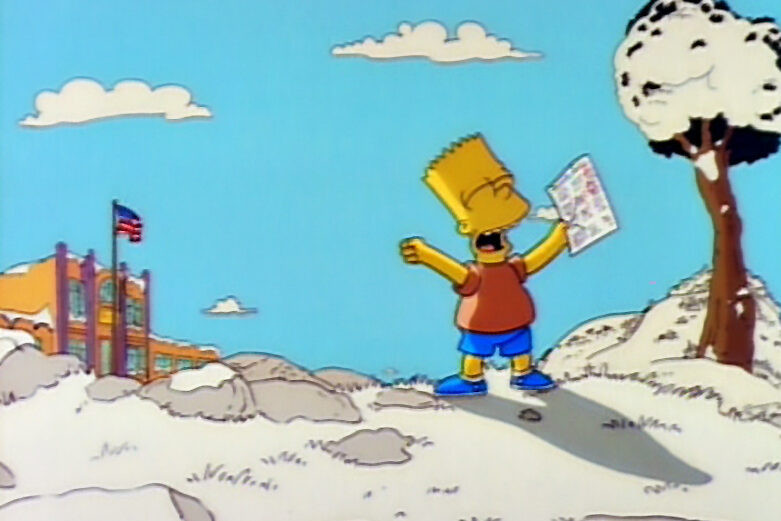
In one episode, popularity mattered more than ability, and fans say this idea feels closer now. As 2026 nears, visibility often outweighs experience. The episode did not dismiss talent. It questioned how influence is chosen. Fans relate because platforms reward presence rather than preparation. The prediction resonates quietly. People notice who gets heard and why. It feels familiar in daily conversations and online spaces. The humor works because it reflects observation rather than judgment. Being known opens doors. Being capable still matters, but it competes with attention more than it used to.
7. Food Without Kitchens
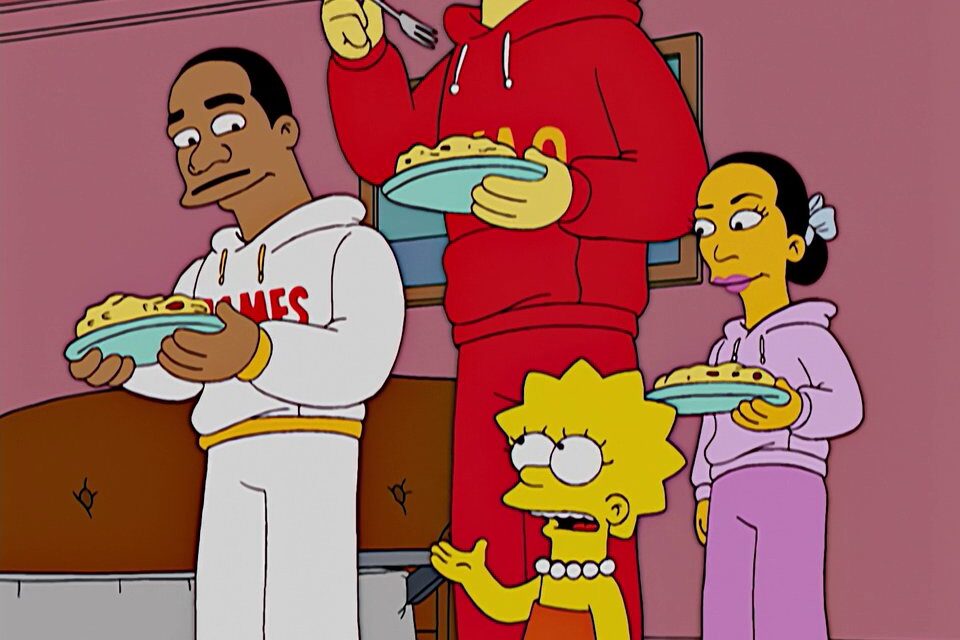
A scene showing meals made by machines once felt exaggerated, but fans now see it as plausible. By 2026, convenience may shape eating habits even more. The episode was not rejecting cooking. It was observing speed. Fans say food feels more functional lately. Eating becomes a task instead of a moment. The prediction lands because many already choose ease over ritual. The humor works gently. It does not criticize choice. It notices it. Viewers relate because they recognize the tradeoff between comfort and time in everyday routines.
8. Watching Becoming Normal
Cameras everywhere were once a cartoon exaggeration, but fans now say it feels ordinary. By 2026, surveillance may feel invisible rather than alarming. The episode focused on acceptance, not fear. That detail stands out. Phones track habits. Apps monitor movement. Spaces observe behavior. Fans say the prediction is about comfort replacing concern. The humor works because it feels calm. People know they are watched, but convenience often wins. The satire reflects how boundaries shift quietly over time, which makes it feel familiar rather than shocking.
9. Climate Jokes Losing Humor
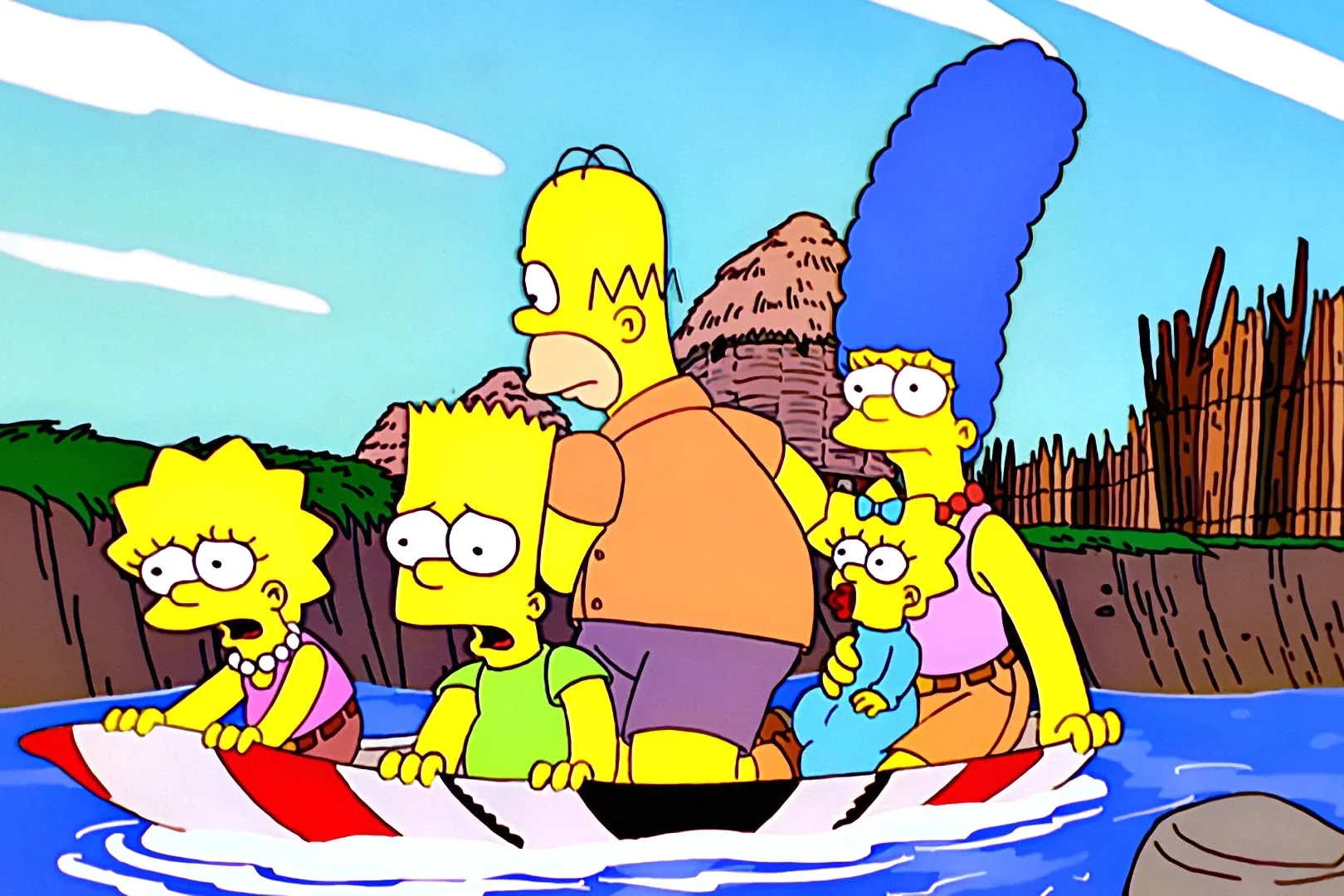
Weather jokes once felt harmless, but fans now say they land differently. As 2026 approaches, exaggerated storms feel less funny and more familiar. The episode used humor to point at imbalance, not panic. Fans say reality slowly caught up. The prediction feels gradual rather than dramatic. Conversations shift from disbelief to adjustment, from laughter to concern. The humor feels softer now, almost uneasy. Viewers rewatch those scenes with a pause instead of a laugh. They recognize how satire can age when conditions persist, and how comedy sometimes becomes a quiet record of change people did not expect to face.
10. Short Attention Living
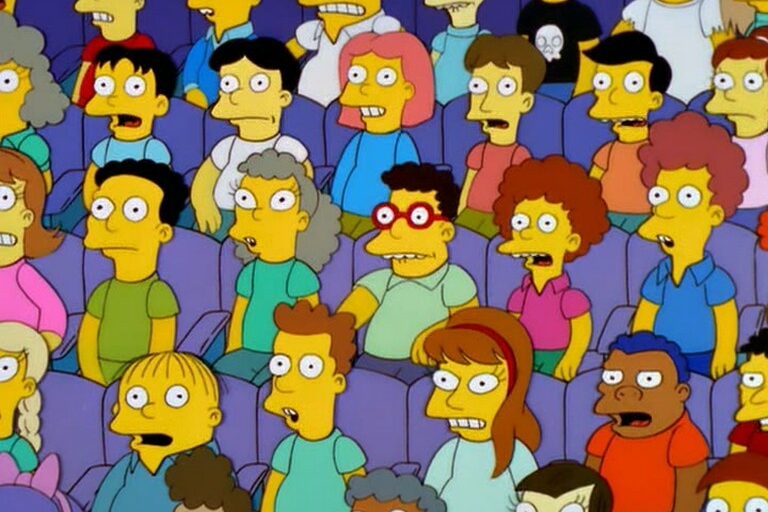
There was an episode where interest vanished mid moment, and fans say that rhythm feels accurate. By 2026, attention may feel like a limited resource. The episode was not criticizing curiosity. It observed distraction. Fans relate because focus competes with endless stimulation. Conversations stop halfway. Tasks overlap. Interest jumps. The humor works because it reflects habit, not failure. As this half closes, fans notice a shared thread. Life moves fast, reactions shrink, and awareness comes later, quietly shaping how everything is experienced.
11. Work Burnout as Routine
There was an episode where exhaustion felt normal rather than alarming, and fans say that tone feels familiar now. By 2026, many expect burnout to be treated as part of everyday life instead of a warning sign. People talk about being tired the way they talk about weather. The episode did not exaggerate stress. It normalized it. Fans relate because work rarely stops at the office anymore. Messages follow people home. Rest feels scheduled, not natural. The humor works quietly because it reflects acceptance rather than rebellion. Viewers recognize themselves in that rhythm, where pushing through feels expected and slowing down feels almost irresponsible in modern routines.
12. Children Outsmarting Systems
A joke about kids outthinking rules once felt playful, but fans now say it feels realistic. As 2026 approaches, younger generations adapt faster than the systems meant to guide them. The episode highlighted curiosity rather than rebellion. Fans notice how quickly children learn shortcuts, work around limits, and question authority. Adults struggle to keep up. The prediction resonates because it reflects daily life. Technology changes, rules lag behind. The humor works because it celebrates cleverness while hinting at imbalance. Viewers see children navigating platforms, tools, and expectations with ease, reminding adults that control often fades when adaptability grows faster than structure can respond.


