
1. Great Dane

Known as gentle giants, Great Danes are among the tallest dog breeds in the world, with a friendly and affectionate temperament. However, their large size also puts a strain on their health. Great Danes are prone to heart conditions like dilated cardiomyopathy, where the heart becomes enlarged and struggles to pump effectively. They are also susceptible to gastric torsion (bloat), a life-threatening condition where the stomach twists. Their average lifespan is around 7-10 years, but with proper monitoring and proactive care, some can enjoy longer lives.
2. Bulldog

Bulldogs, including the English Bulldog, are beloved for their wrinkly faces and affectionate nature. Unfortunately, their distinct flat-faced structure (brachycephalic) makes them highly susceptible to respiratory issues, which can make even simple activities challenging. They are also prone to joint problems, skin issues, and heart disease. Their lifespan is usually around 8-10 years, and their health can be significantly improved through weight management, careful exercise, and regular veterinary check-ups to mitigate breathing difficulties.
3. Bernese Mountain Dog

Bernese Mountain Dogs are known for their gentle temperament and gorgeous tricolored coats. Sadly, they also have one of the highest rates of cancer among all dog breeds, significantly impacting their lifespan, which averages 7-9 years. Common cancers in this breed include malignant histiocytosis and lymphoma. Additionally, like many large breeds, Bernese Mountain Dogs may suffer from joint and hip issues. Proper nutrition, regular exercise, and early cancer screenings can help improve their quality of life.
4. Boxer

Boxers are known for their playful, energetic personalities and strong loyalty to their families. However, they are prone to various health conditions, including heart issues such as arrhythmogenic right ventricular cardiomyopathy, a disease that can lead to sudden death. Boxers are also at an increased risk of developing cancers like mast cell tumors and lymphoma. Their average lifespan is around 10 years, but with attentive care and regular vet visits, it may be possible to detect issues early.
5. Irish Wolfhound

Standing as one of the tallest dog breeds, Irish Wolfhounds are gentle and affectionate despite their imposing size. Unfortunately, their size contributes to several health concerns, including a higher risk of heart disease, particularly dilated cardiomyopathy. Bone cancer (osteosarcoma) is also a significant concern in this breed. Irish Wolfhounds typically live 6-8 years, with genetics playing a strong role in their lifespan. Ensuring a balanced diet and minimizing excessive strain can help manage health challenges.
6. Rottweiler

Rottweilers are powerful, confident dogs known for their protective instincts and loyalty. However, their large frames can make them prone to bone cancer (osteosarcoma), hip dysplasia, and other joint issues. Cardiovascular health is another area of concern. While their lifespan is usually 8-10 years, Rottweilers benefit from a careful approach to diet, exercise, and routine screenings for joint and cardiac health to maximize their years.
7. Doberman Pinscher
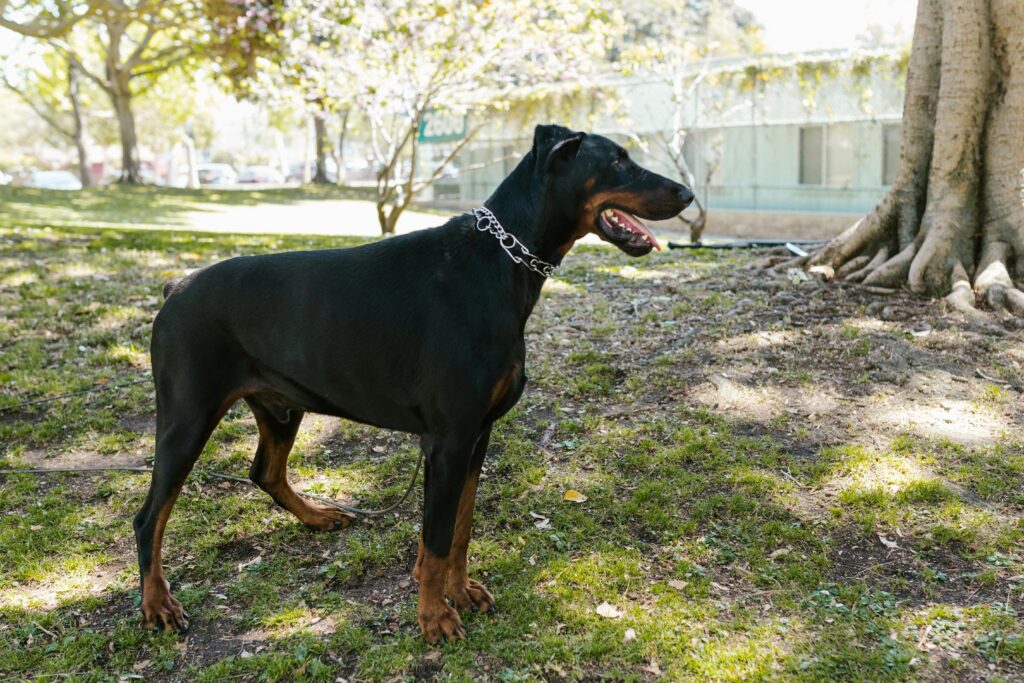
Doberman Pinschers are intelligent, elegant, and known for their strong bond with their families. Unfortunately, they are predisposed to dilated cardiomyopathy, which can cause the heart muscles to weaken over time, as well as cervical vertebral instability (“wobbler syndrome”), leading to spinal issues. Their lifespan is typically around 10-12 years. Regular cardiovascular check-ups and specialized care for mobility concerns can improve their overall quality of life.
8. Cavalier King Charles Spaniel

These small, affectionate dogs melt hearts wherever they go, but they face serious health risks. Mitral valve disease (a heart condition that leads to heart failure) is common in the breed and can occur early. Syringomyelia, a neurological condition caused by skull malformation, can also lead to pain and mobility issues. Cavalier King Charles Spaniels generally live 9-14 years. Routine health screenings and proactive heart care are critical for this beloved breed.
9. Dogue de Bordeaux (French Mastiff)

The Dogue de Bordeaux, a breed with a powerful build and a gentle heart, has one of the shortest lifespans among all breeds, usually between 5-8 years. They are prone to heart disease, bloat, and joint issues such as hip dysplasia. Their massive size increases stress on their joints and cardiovascular system. Providing a balanced diet, moderate exercise, and careful monitoring for signs of bloat can help improve their overall health.
10. Saint Bernard

Saint Bernards are known for their sweet, gentle nature and impressive size. Unfortunately, this size also contributes to numerous health issues, including bone cancer (osteosarcoma) and heart conditions. They often live around 8-10 years and are susceptible to joint and mobility problems as they age. Careful attention to diet and joint health, as well as routine screenings for cancer, can enhance their well-being.
11. German Shepherd
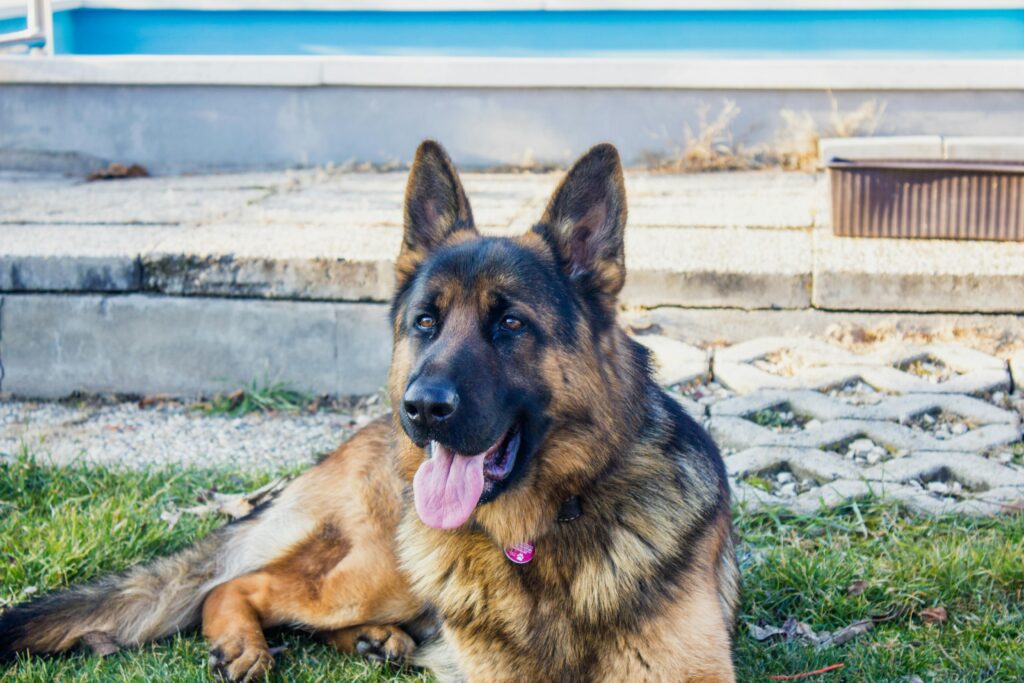
Highly intelligent and loyal, German Shepherds are often used in police and service work. However, they can be prone to degenerative myelopathy (a spinal cord disease similar to ALS) and hip dysplasia. Their lifespan generally ranges from 9-13 years. Maintaining a healthy weight, consistent exercise, and supplements for joint health can make a significant difference in their mobility and comfort as they age.
12. Bullmastiff

Bullmastiffs are large, protective dogs with a lifespan of 7-9 years. Unfortunately, they may experience health issues like cancer (especially lymphoma), heart disease, and joint problems, including elbow and hip dysplasia. Their massive size means they need careful management to prevent excessive weight gain, which can worsen joint problems. Early health screenings and preventative care can make a big difference.
13. Pug

Pugs are full of charm and personality, but their brachycephalic (flat-faced) structure makes them prone to breathing difficulties, heat intolerance, and eye conditions. Their typical lifespan ranges from 12-15 years, but respiratory issues can limit their ability to exercise and lead to other complications. Providing proper ventilation, monitoring weight, and avoiding excessive heat exposure is vital for a healthy Pug.
14. Newfoundland

Newfoundlands are gentle giants known for their kind, loving nature. They are prone to heart issues, particularly subaortic stenosis (SAS), a condition that restricts blood flow from the heart. Additionally, their large size makes them susceptible to joint problems and hip dysplasia. With an average lifespan of 8-10 years, proper weight management, moderate exercise, and heart screenings are crucial for their care.
15. Chow Chow

Chow Chows, with their lion-like manes and distinctive appearance, often face a variety of health problems. They can be prone to autoimmune diseases, hip dysplasia, and eye disorders such as entropion (inward-rolling eyelids). Their lifespan typically averages around 8-12 years. Providing regular vet visits, eye exams, and monitoring their weight can help manage health issues and ensure a happier, healthier life.


