
1. Bacterial Risks
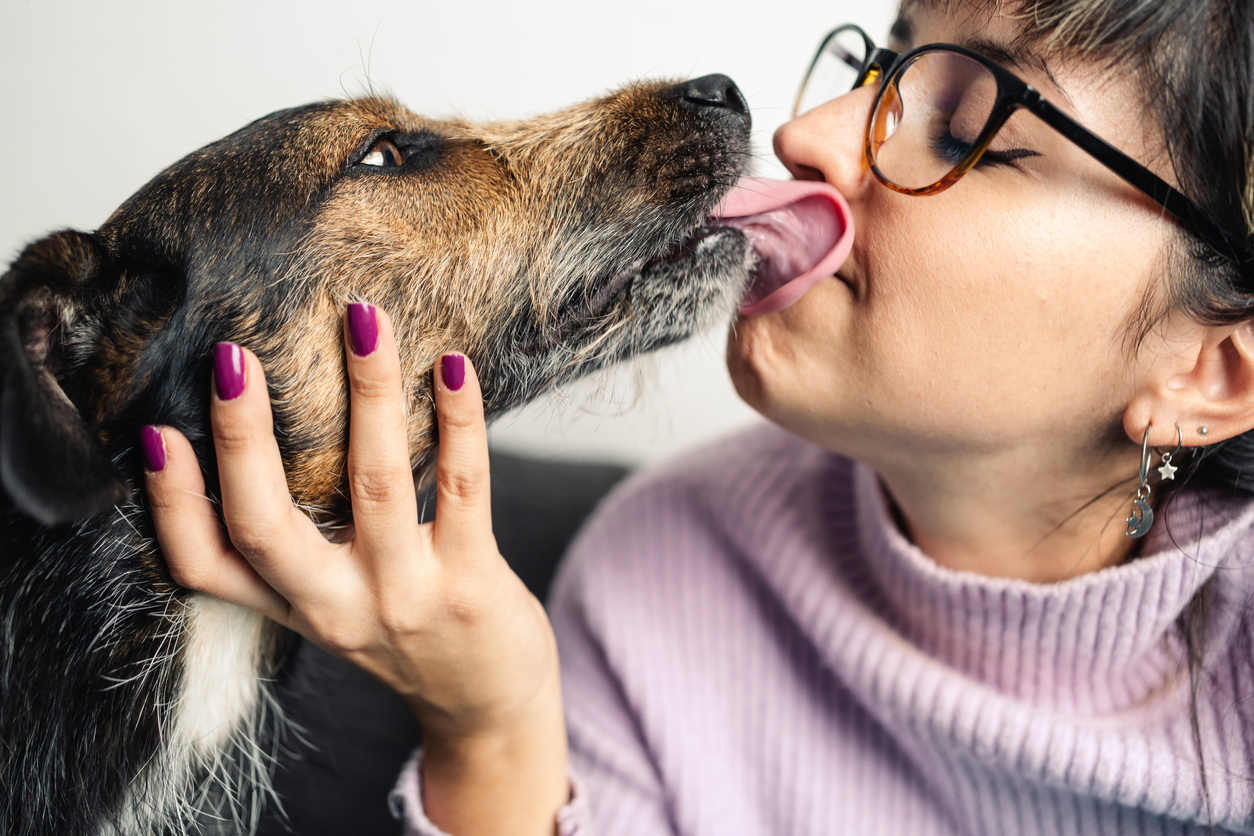
Dog saliva contains over 600 types of bacteria, similar to humans but with notable differences such as Porphyromonas gulae, which causes periodontal disease in dogs. While dog saliva is slightly alkaline, reducing cavities in dogs, it also carries zoonotic bacteria like Capnocytophaga canimorsus that can, in rare cases, infect humans. Though saliva has antibacterial proteins, licking wounds can actually worsen infections, and factors like diet and dental chews affect oral microbiota. Because dogs often lick contaminated surfaces or their own paws, harmful bacteria can easily be transferred to people through face licking.
2. Parasite Transmission

Dogs may spread parasites such as Giardia, Cryptosporidium, and Toxocara canis through saliva, especially if contaminated with fecal matter. These parasites can cause diarrhea, cramps, and in severe cases, organ damage or vision problems. While infections are uncommon with proper care, puppies and shelter dogs are at higher risk of carrying them. Regular deworming, year-round parasite prevention, and good hygiene reduce transmission, but close contact after dogs lick contaminated areas can pass parasites to people.
3. Fungal Infection Spread
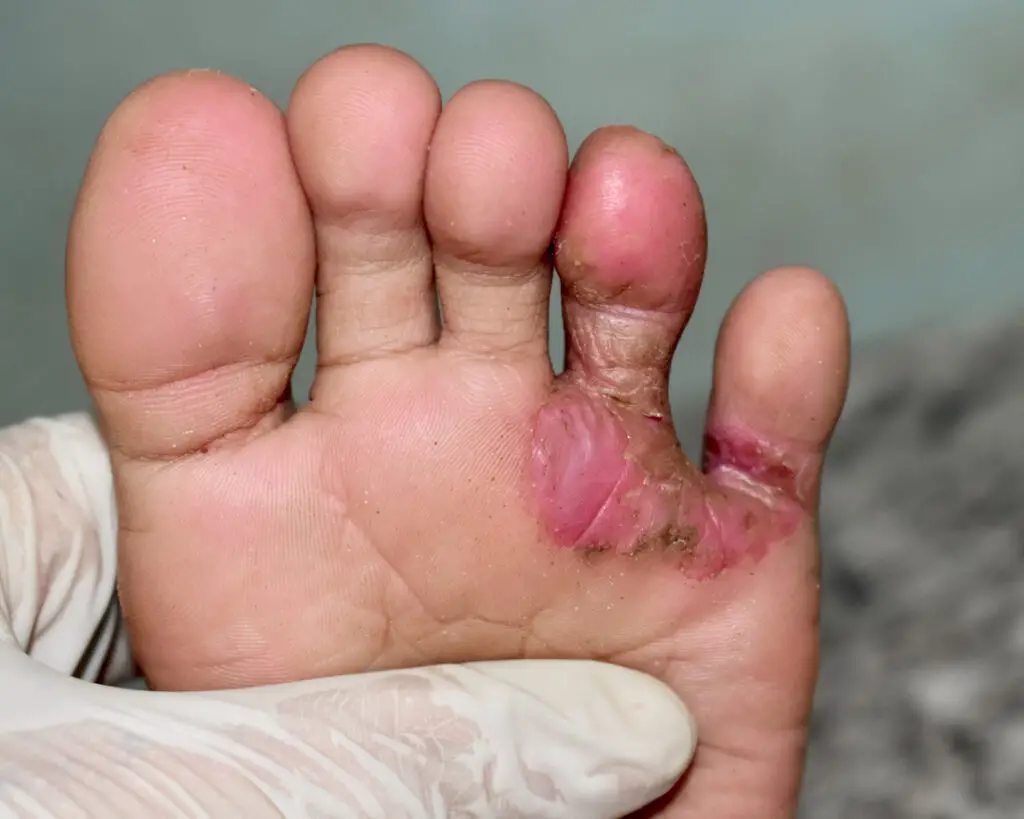
Ringworm, a contagious fungal infection caused by Microsporum canis, can spread from dogs to humans through close contact, including licking. Up to 20% of dogs may carry it without symptoms, and spores can survive in the environment for over a year. In people, ringworm appears as red, itchy circular rashes and is more concerning for children, elderly, or immunocompromised individuals. Treatment requires antifungal medication for both pets and owners, along with thorough cleaning to prevent reinfection.
4. Allergy Triggers

Proteins in dog saliva, especially Can f 1, can trigger allergic reactions ranging from mild itching to severe breathing issues. Up to 30% of allergy sufferers react to pets, and saliva exposure is a common culprit when dogs lick faces or skin. While some breeds are marketed as hypoallergenic, no dog is completely free of allergens. For sensitive individuals, limiting direct saliva contact, using antihistamines, or seeking allergy treatments like immunotherapy may be necessary.
5. Zoonotic Disease Transfer
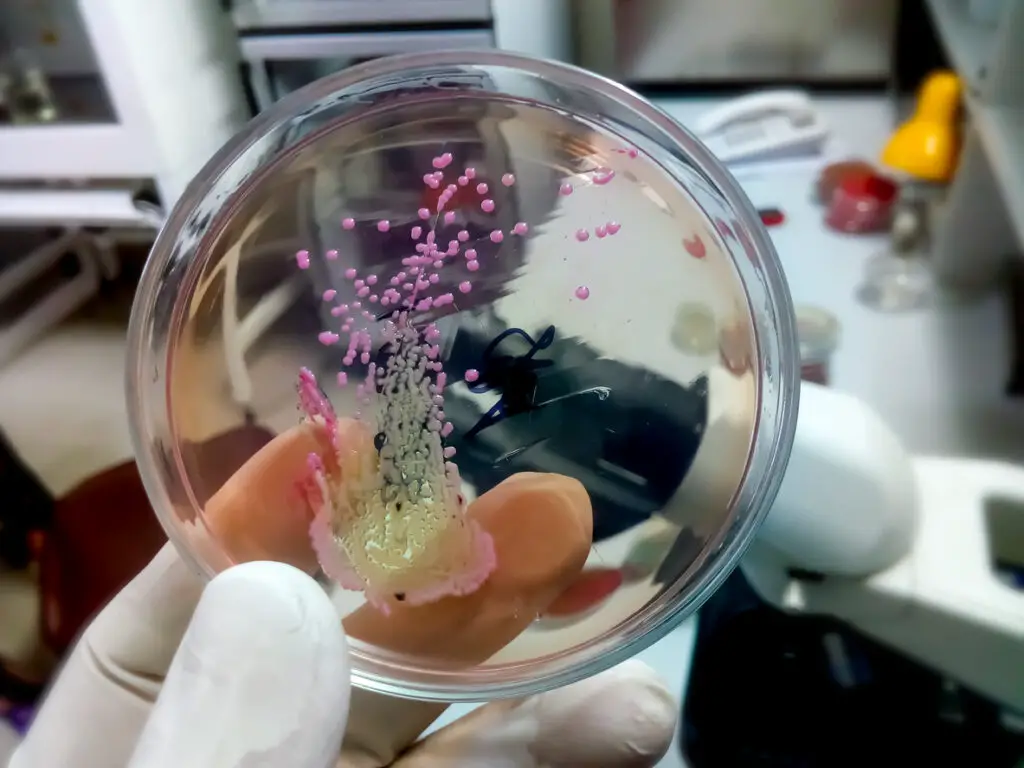
Though rare, diseases like rabies and Capnocytophaga canimorsus can spread from dog saliva to humans through mucous membranes or open wounds. While rabies transmission through licking is extremely unlikely, C. canimorsus infections, though rare, can be severe and even fatal in people with weakened immunity. Proper hygiene, handwashing, and avoiding saliva contact with cuts or eyes help minimize risk, especially for vulnerable groups.
6. Fecal Contamination Concerns
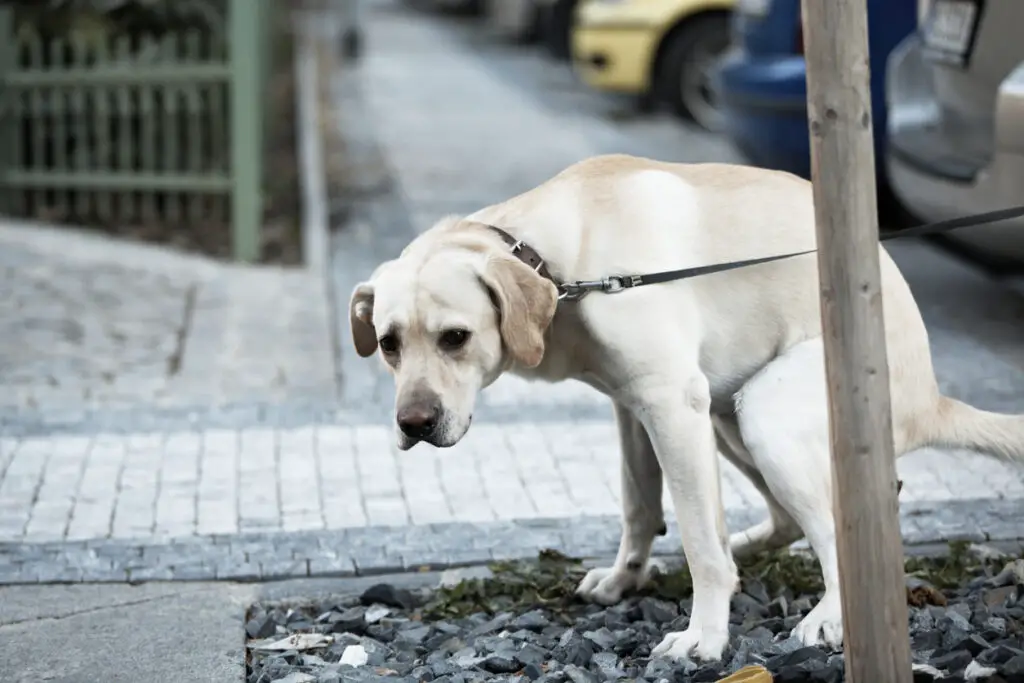
Many dogs practice coprophagia (poop eating), which can transfer fecal bacteria or parasites when they lick human skin or faces afterward. This behavior likely stems from scavenger ancestry but poses health risks for owners, including intestinal parasite transmission and bacterial infection. Dogs licking their anal areas before licking people increases this risk further, underscoring the need for prevention and hygiene.
7. Chemical Interactions
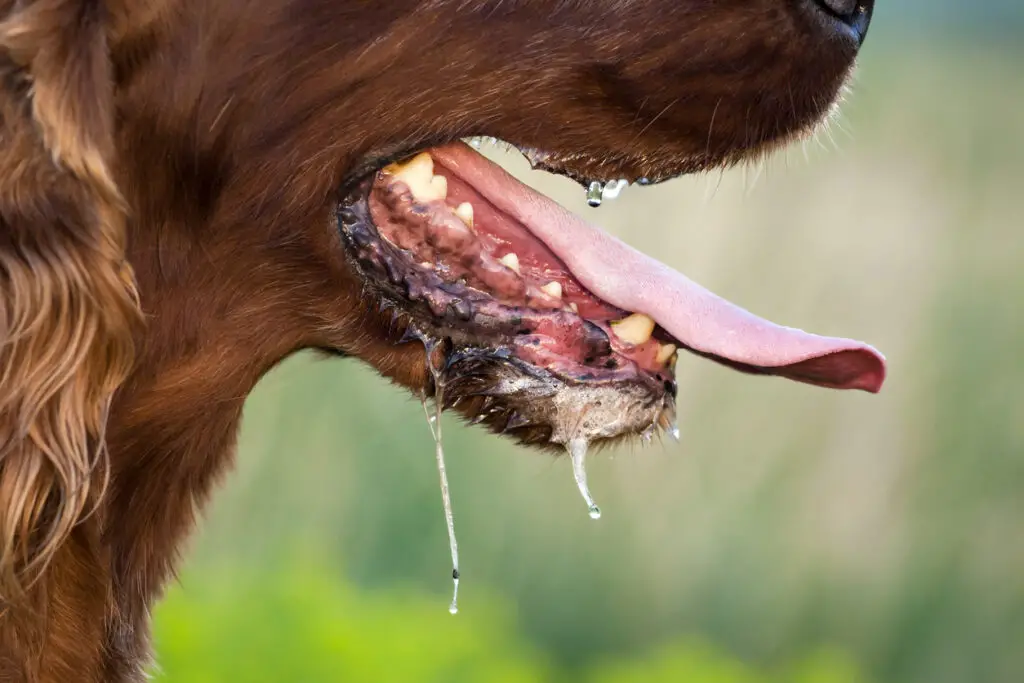
Dog saliva can interact with products on human skin, such as makeup or medicated creams, sometimes irritating the dog’s mouth or transferring chemicals back to the person. While saliva has mild antibacterial properties, it also carries zoonotic microbes that may enter through facial contact. Additionally, if a dog has ingested medication, traces could be spread during licking, raising concerns for both pet and human health.
8. Wound Infection Risks

Allowing dogs to lick cuts or scrapes can introduce bacteria like Capnocytophaga canimorsus directly into the bloodstream, potentially causing severe infections, especially in people with compromised health. Though rare, such cases have led to life-threatening sepsis and amputations. The CDC advises avoiding saliva contact with wounds, washing thoroughly after exposure, and seeking medical care if symptoms like fever or swelling develop.
9. Risks for Compromised Immune Systems
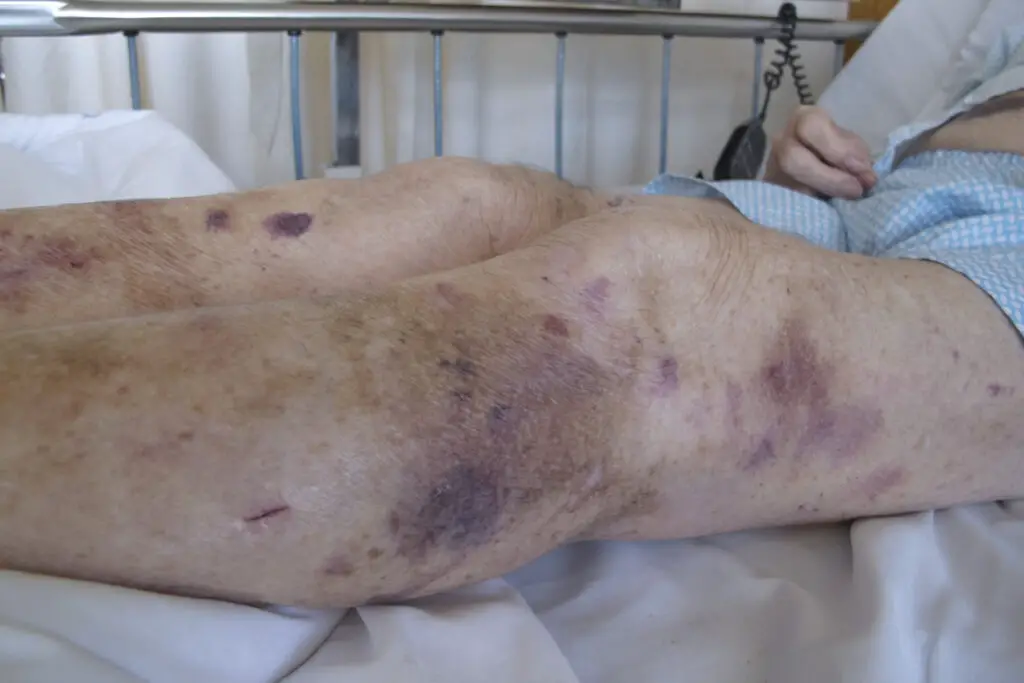
People with weakened immune systems — such as chemotherapy patients, the elderly, children, or those with chronic illness — face higher risks from bacteria and parasites in dog saliva. Even minor exposures can lead to severe infections. Medical groups recommend immunocompromised individuals avoid close contact with pet saliva, especially near the face, and practice strict hygiene to balance the joy of pet companionship with safety.
10. Capnocytophaga Infection Danger
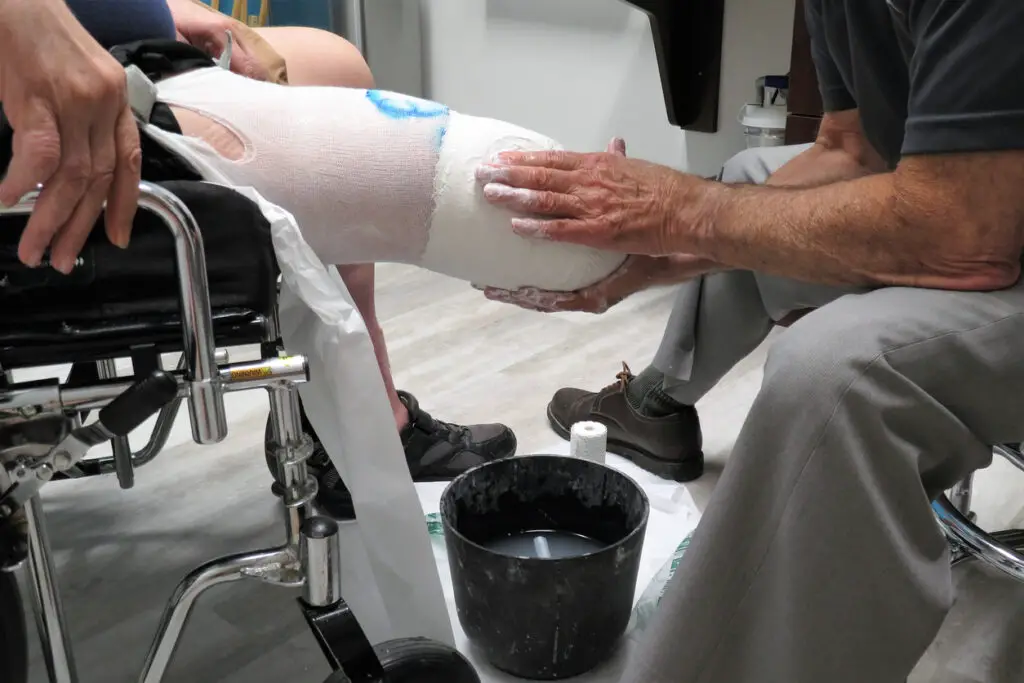
Capnocytophaga canimorsus is present in most dog mouths and rarely causes illness in humans, but when it does, infections can be life-threatening, with high fatality rates. Severe cases, like Greg Manteufel’s 2018 infection leading to amputations, highlight the danger for people with certain risk factors such as alcoholism or spleen removal. While rare, these cases stress the importance of avoiding dog saliva contact with wounds or mucous membranes.
11. Mucous Membrane Vulnerabilities
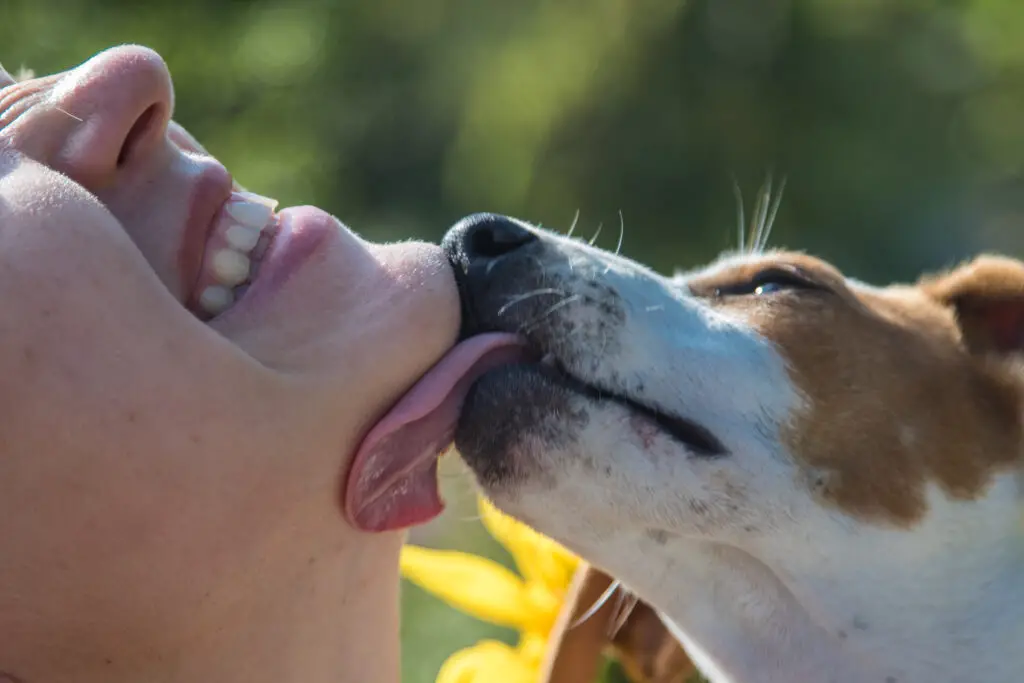
When dogs lick near the eyes, nose, or mouth, microbes in their saliva can bypass skin defenses and directly enter the body through mucous membranes. This can lead to eye infections like conjunctivitis or oral infections if bacteria colonize sensitive tissues. Avoiding facial licking helps protect these vulnerable entry points and reduces infection risk.
12. Oral Health Impacts
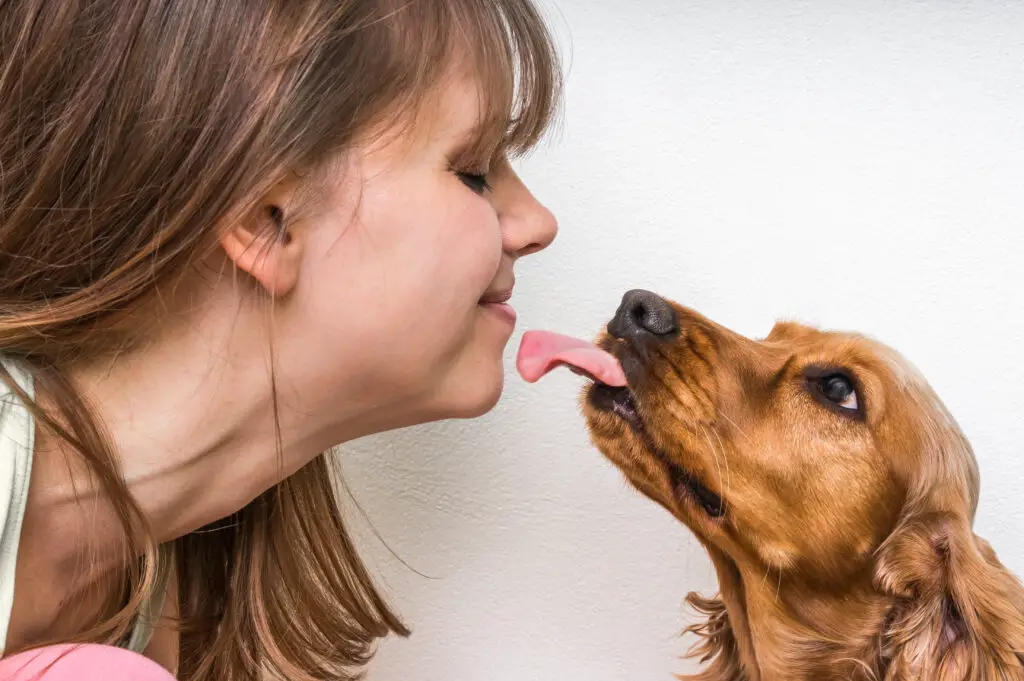
Dog saliva contains bacteria linked to periodontal disease, such as Porphyromonas gulae, which may transfer when dogs lick near human mouths. While most healthy immune systems block colonization, repeated exposure or existing dental issues can increase risk. Maintaining good oral hygiene for both pets and owners reduces the chances of cross-species bacterial problems.


