
1. Dogs Process Speech in Two Hemispheres
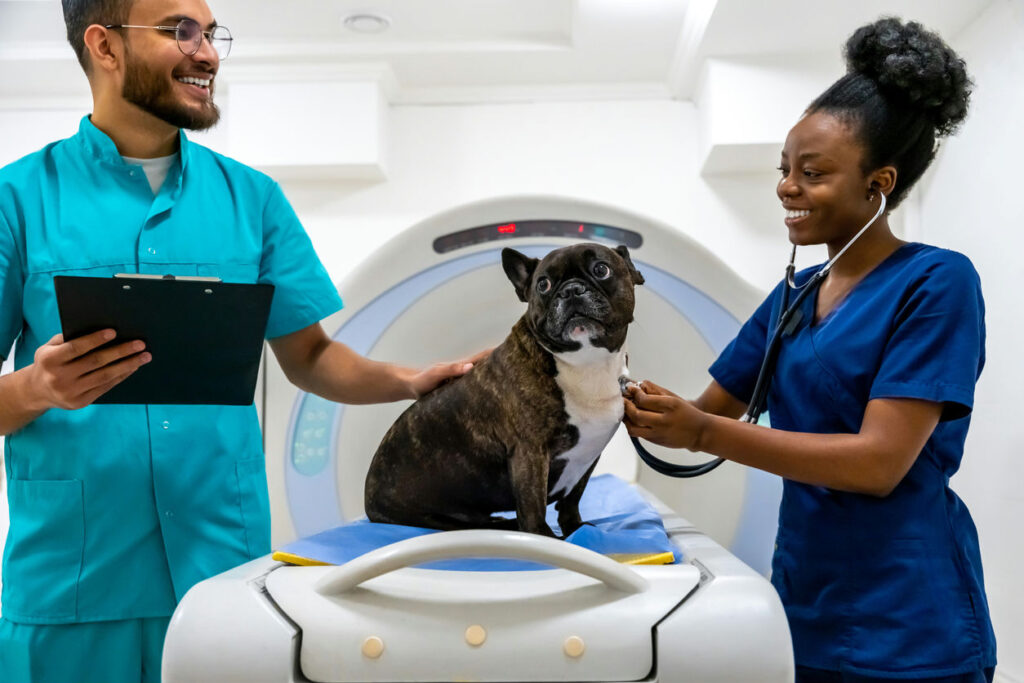
Science reveals that our dogs are more perceptive listeners than we often give them credit for, analyzing both what we say and how we say it. Scientific research using fMRI (functional Magnetic Resonance Imaging) has demonstrated that a dog’s brain processes human speech in a manner strikingly similar to a human’s. Specifically, dogs tend to process the meaning of words using the left hemisphere of their brain, while the emotional tone, or intonation, is analyzed in the right hemisphere. This neural division of labor highlights that both elements, the actual words and the pitch/emotion, are important components of how a dog deciphers human communication. This suggests that a dog is not simply ignoring the words but is actively integrating two distinct pieces of auditory information.
2. Praise is Only Rewarding When Tone and Word Match
A critical finding from brain scanning studies is that the reward centers in a dog’s brain only show a significant increase in activity when both the word and the intonation are positive. For example, hearing “good boy” in a neutral, flat tone, or hearing meaningless words like “however” in a highly enthusiastic, praising tone, does not stimulate the brain’s reward system as strongly. This research indicates that for a dog to feel truly praised, they must perceive a semantic (word) and emotional (tone) match, proving that they do pay attention to the literal meaning of their owner’s speech.
3. The Brain’s Left Hemisphere Bias for Words
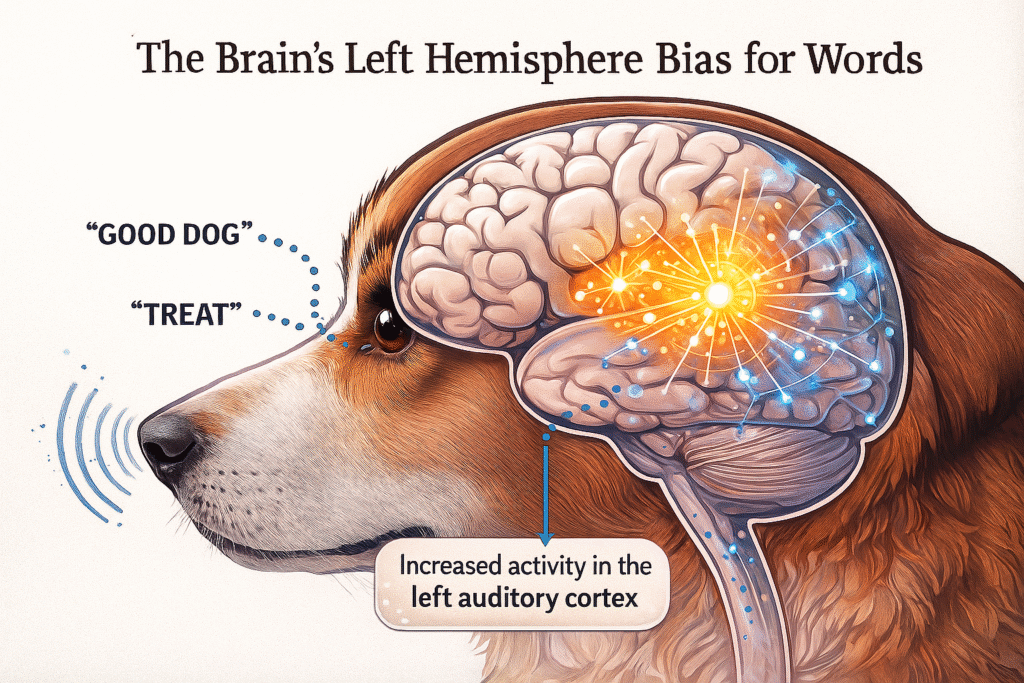
Just like humans, dogs exhibit a left-hemisphere bias when processing meaningful words, regardless of the intonation used. This suggests that the dog brain is specifically attuned to recognizing familiar, learned words. Researchers found that praise words, when compared to neutral words, resulted in increased activity in the left auditory cortex. This finding is significant because it shows that dogs possess a neural mechanism for distinguishing and recognizing learned vocabulary, independent of the accompanying voice modulation.
4. Canines Are Experts at Reading Body Language

While vocal communication is important, dogs are arguably even more adept at interpreting non-verbal signals. They constantly monitor facial expressions, posture, and body movements, using these physical cues to better understand their owner’s intentions and emotional state. For instance, a pointing gesture is a powerful and universally understood cue for a dog, and they rely on eye contact to establish a deeper connection and gauge a human’s attention and mood. A cheerful tone paired with crossed arms and a frown would likely confuse a dog, forcing them to prioritize the visible, physical cues.
5. Dogs Understand a Limited, Yet Flexible, Vocabulary
Although dogs don’t understand the complexities of grammar or syntax, most are capable of recognizing and associating dozens of specific words with objects or actions. For highly trained canines, this vocabulary can sometimes extend into the hundreds. The words most easily grasped are typically commands, names of objects, or action-related words like “walk,” “food,” and “treat.” Their understanding comes from a consistent pairing of the word with a specific action or reward, creating a strong associative learning bond.
6. The Right Hemisphere Decodes Emotion
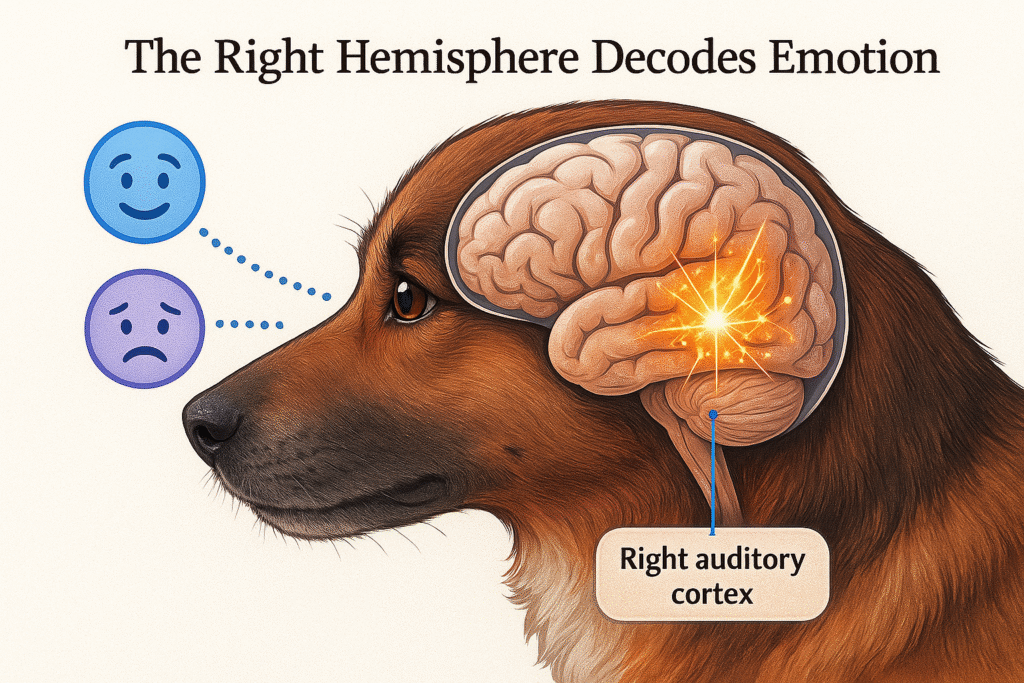
The right side of the brain is not only for tone processing but is also a key center for interpreting emotional content in sounds, a trait dogs share with humans. When a dog hears human vocalizations, the right side of their auditory cortex is primarily activated, especially when those sounds convey a strong emotion like happiness or sadness. This specialization allows them to quickly categorize the human’s mood, which informs their immediate behavioral response, such as approaching with a wagging tail or retreating submissively.
7. Intonation Carries the Immediate Message
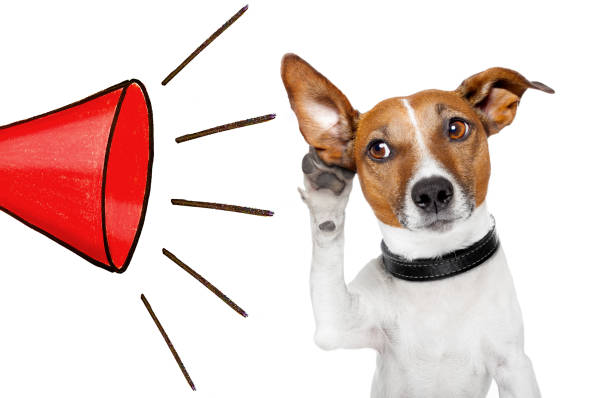
Before a dog learns word associations, the tone, volume, and rhythm of a human voice deliver the most immediate and critical information. When a dog hears human speech, they first process it as a sound pattern. A sudden, sharp volume change or a demanding, low tone immediately signals that something is up and requires their attention. This initial tonal information serves as a powerful emotional filter, setting the stage for how they interpret any subsequent words.
8. ‘Dog-Directed Speech’ Aids Comprehension

When people speak to their dogs, they naturally adopt a higher pitch, slower tempo, and exaggerated intonation, often referred to as “dog-directed speech” (DDS) or “pet-directed speech.” This is similar to the way humans speak to infants. Studies suggest that this slowed-down, melodic rhythm, which is closer to a dog’s natural vocalization rate, actually helps improve their comprehension and attention. The modified speech pattern seems to be an unconscious human adjustment that exploits the dog’s auditory processing capabilities.
9. They Distinguish Between Intentional and Accidental Acts
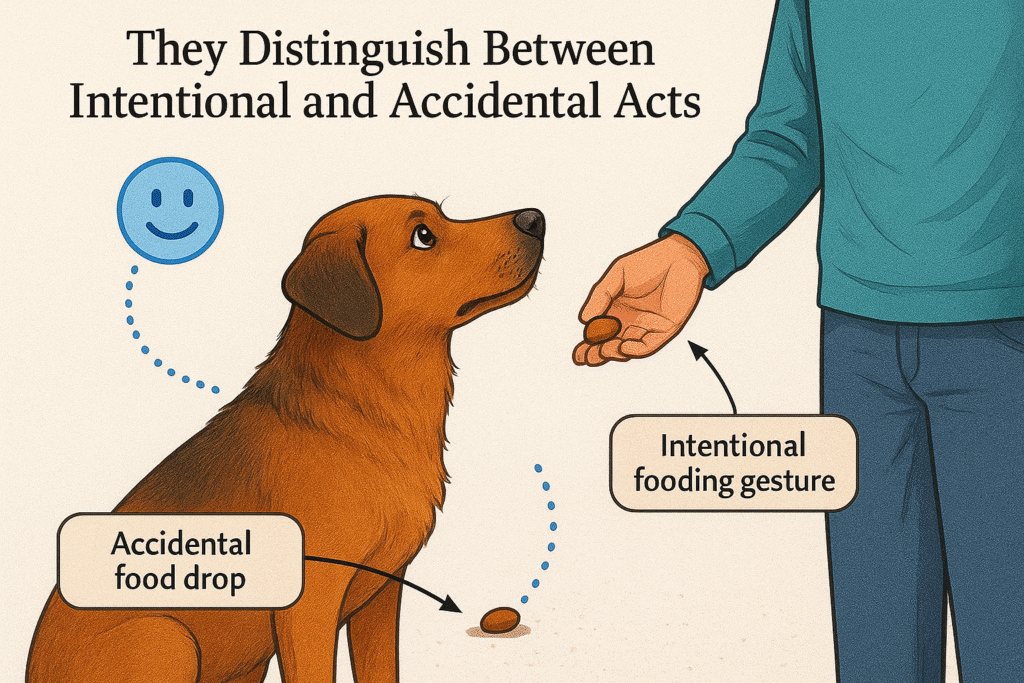
Research has shown that dogs can differentiate between a human’s intentional actions and purely accidental ones, a skill that relies heavily on interpreting a full range of cues, not just words. For instance, a dog will often react differently to an accidental food drop versus an intentional feeding gesture. This sophisticated social intelligence suggests they are not just responding to stimuli, but are making inferences about the human’s mental state, often using subtle body language and contextual clues to judge intent.
10. Dogs Recognize Familiar Voices
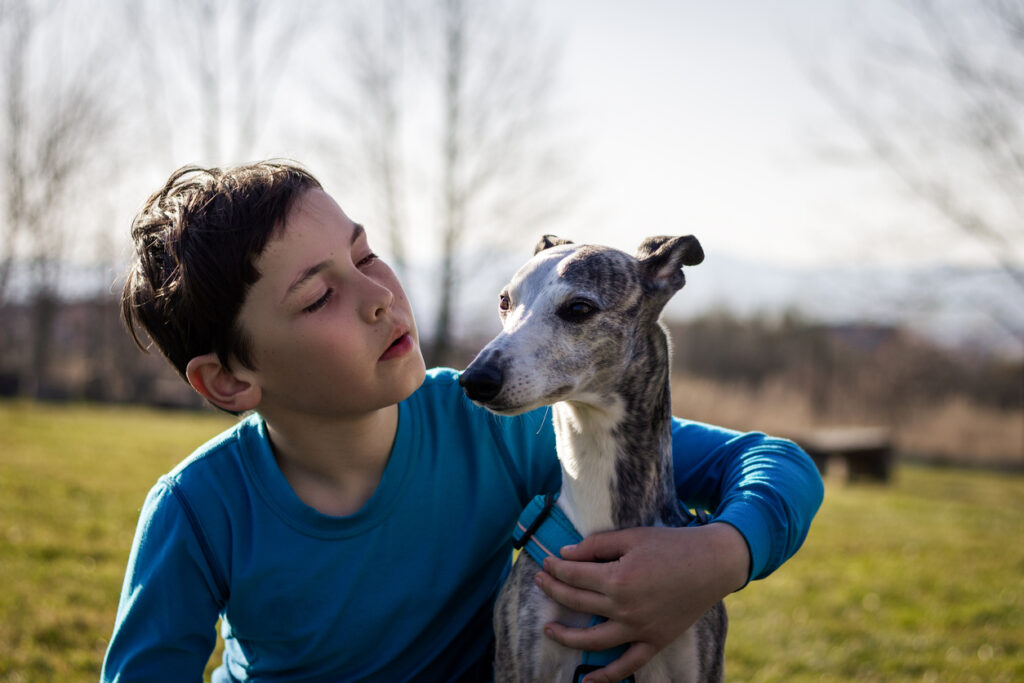
A dog’s auditory system is refined enough to discriminate between the voice of their primary owner and that of an unfamiliar person. Studies have demonstrated that dogs show greater attentiveness, measured by looking time or a greater degree of excitement, toward their owner’s voice. This ability is based on acoustic parameters like fundamental frequency (pitch) and timbre, confirming that vocal identity is an important social cue in the human-canine relationship.
11. Consistently Used Words Become Commands
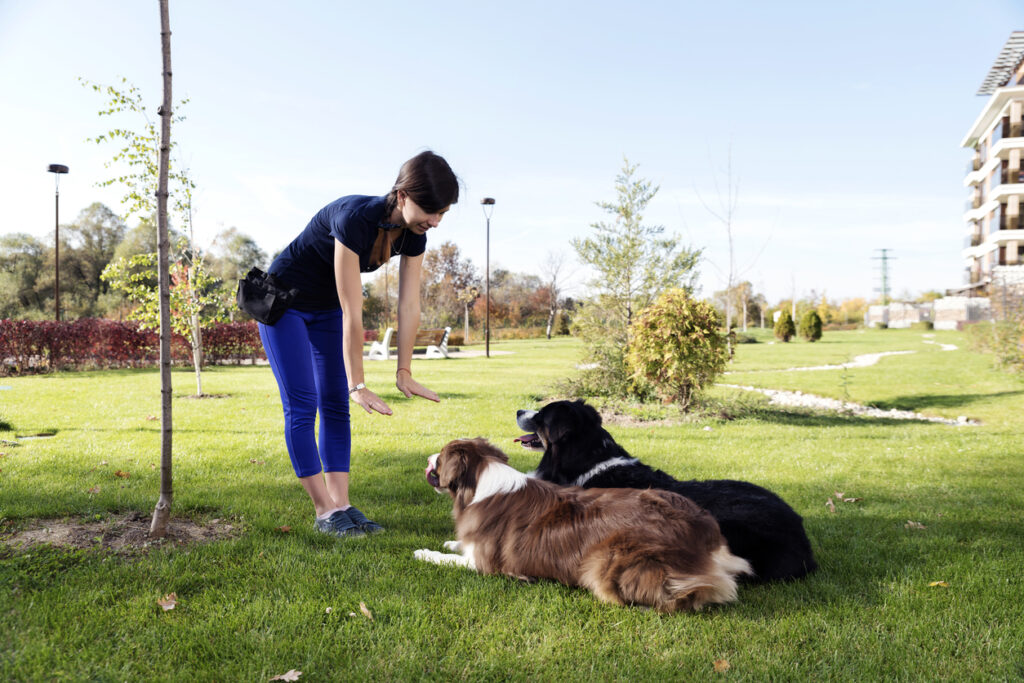
The process by which a dog learns specific commands like “sit” or “stay” is a classic example of associative learning, where the word is consistently paired with an action and a reward. The word becomes a powerful cue because it predicts a consequence, but this bond is easily broken if the owner varies the word (e.g., alternating between “down” and “lie”) or uses inconsistent intonation. Clear, simple, and repetitive language is the most effective way to leverage a dog’s ability to understand vocabulary.
12. Processing Speech is Similar to Human Infants

The level of cognitive ability dogs display in understanding human communication is often compared to that of a human toddler, typically in the range of a six- to twelve-month-old infant. This comparison highlights a functional comprehension that is high in emotional and contextual sensitivity, but low in grammatical understanding. Like human infants, dogs are hyper-focused on social and emotional cues as they begin to piece together the meaning behind the words they hear.
13. Dogs Are Sensitive to Language Rhythm
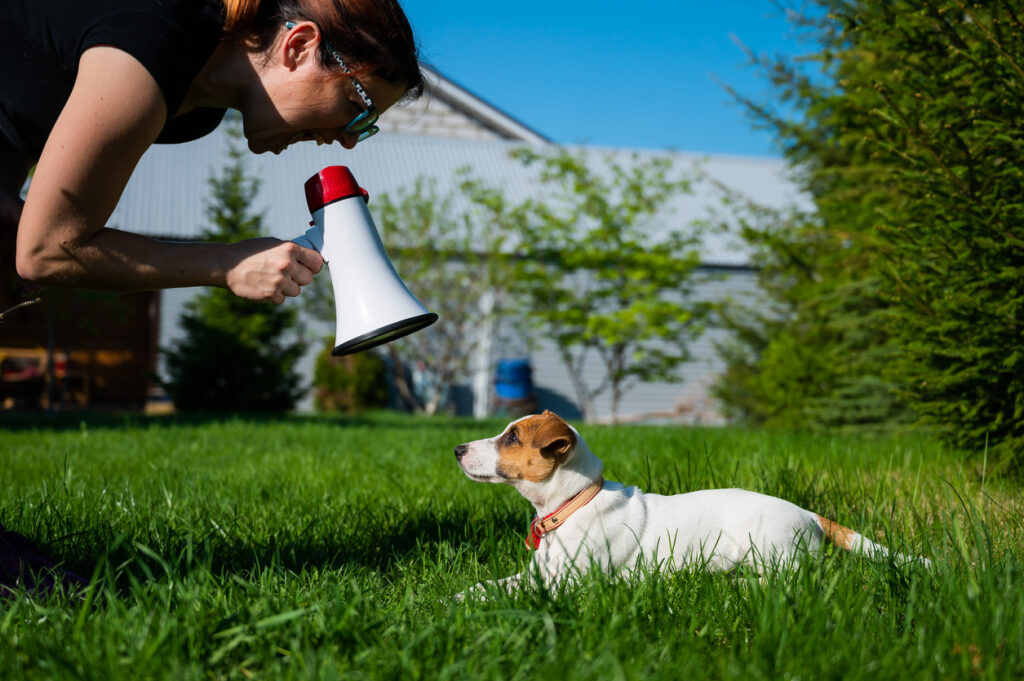
Beyond tone and pitch, dogs are also sensitive to the rhythm and tempo of human speech. Research has revealed that dogs primarily rely on a slower neural rhythm (called delta tracking) to process speech compared to the faster rhythm humans use. The finding that humans spontaneously slow down their speech when talking to their dogs may be a biological adaptation to better match the canine’s receptive abilities, facilitating a more successful vocal connection between the two species.
14. Different Breeds Show Varying Word Aptitude
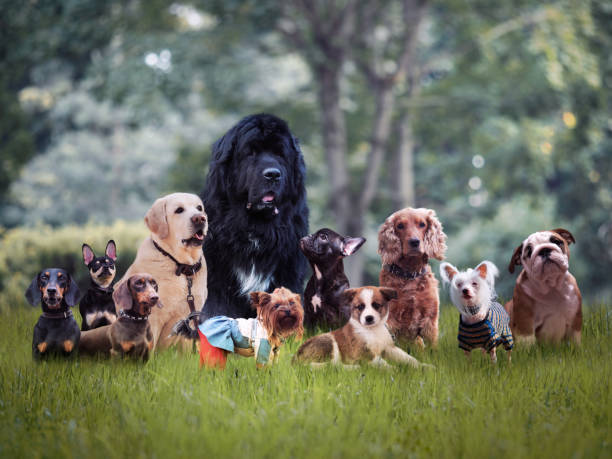
While all dogs have the fundamental capacity to learn words and interpret tone, some breeds exhibit a greater aptitude for verbal comprehension, often due to their historical role as working dogs. Highly intelligent breeds like Border Collies and Labrador Retrievers, who were specifically bred to respond to complex verbal cues and hand signals, often excel at word recognition and large vocabularies. This suggests that centuries of selective breeding for close communication have enhanced their inherent capacity for human language processing.
15. Auditory Cortex Location is Similar to Humans
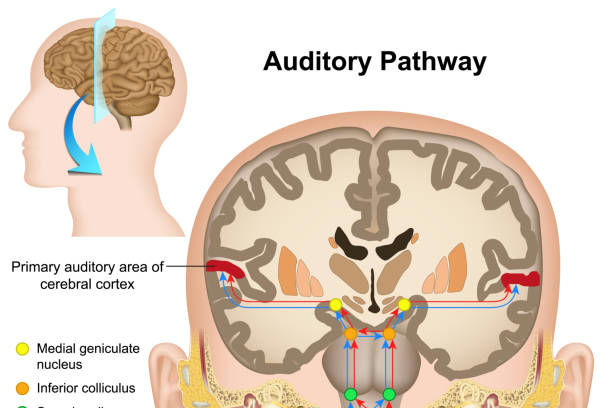
Brain scans have confirmed that dogs possess a specialized voice area within their brain’s temporal lobe that functions similarly to the vocal regions found in the human brain. This area responds more strongly to vocal sounds (both human and canine) than to non-vocal environmental sounds, such as car noises. The structural commonality between dog and human brains in processing vocal input supports the idea that the mechanisms for understanding social vocalization evolved a very long time ago.
16. Tone Signals Emotional Cues Directly

The dog’s ability to swiftly interpret the emotional tone of voice is a direct survival tool rooted in their evolutionary history as a social species. An angry, sharp tone signals potential danger or disapproval, prompting a submissive or avoidant response, while a gentle, happy tone signals safety, reward, or an invitation to play. This quick emotional decoding is often prioritized over the literal words, as it provides the most immediate information about the human’s disposition and the safety of the current environment.
17. A Positive Tone Can Override Negative Words

In a purely behavioral sense, a dog may seem to respond more to a positive tone than to negative words. If an owner says “You are a smelly hound” in a high-pitched, enthusiastic voice while patting the dog, the dog will likely wag its tail and display joy. However, fMRI studies clarify this is not a true understanding of the words, but a reaction to the combination of the rewarding tone and accompanying positive body language, which together outweigh the unknown or irrelevant word meaning.
18. Dogs Can Differentiate Between Languages

Groundbreaking research has demonstrated that dogs can differentiate between a familiar human language and an unfamiliar one, making them the first non-human animals known to possess this ability. In the study, dogs were played text in both a language they had heard (like Hungarian) and one they had not (like Spanish). The results showed different brain activation patterns, suggesting their auditory cortex is capable of differentiating speech sound patterns, though the mechanism is distinct from how humans process different languages.
19. Context Clues Enhance Word Meaning

Dogs are masters of using context to fill in the gaps of their verbal comprehension. When an owner says “Leash,” the word is often accompanied by the sound of keys jingling, the sight of the owner reaching for a coat, or the action of heading toward the door. The dog integrates these situational cues, the entire context, with the sound of the word to fully understand that the activity is a walk. This holistic approach to communication means dogs rarely rely on words alone.
20. Lack of Grammar Focuses Attention on Key Words

Because dogs do not grasp the grammar or syntax of human language, their attention is naturally focused on a small number of keywords within a sentence. They essentially filter out filler words, articles, and complex phrases to isolate the simple noun or verb that they have learned to associate with a reward or action. This limitation forces them to be highly effective at picking out the most critical, high-value vocabulary in their owner’s speech.
21. They Use Left and Right Brain Regions for Word/Tone Integration
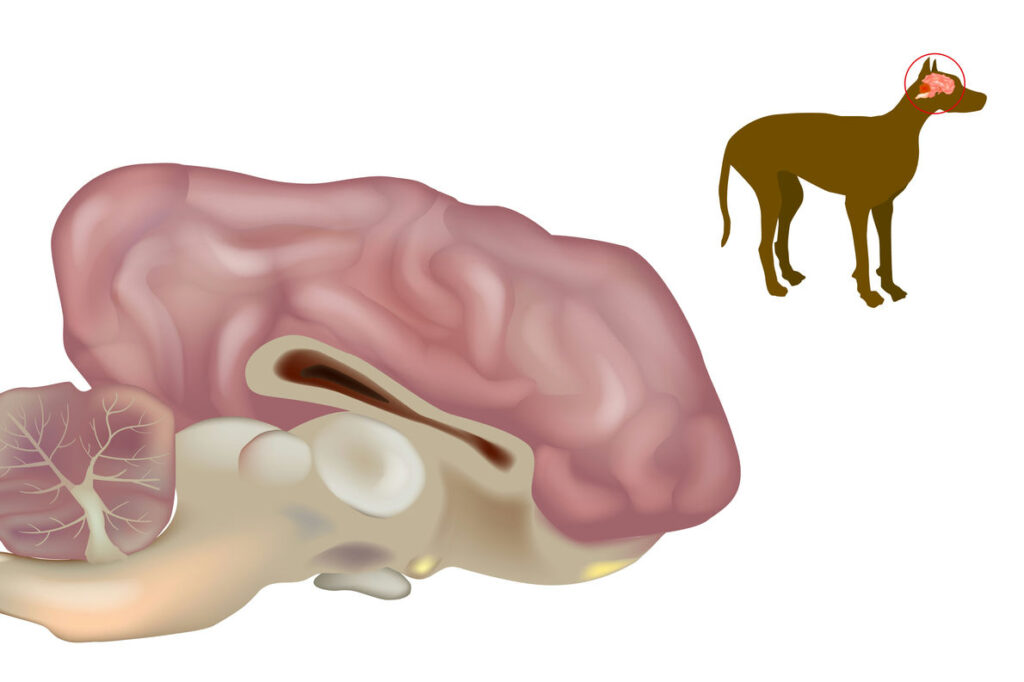
The final perception of a human verbal command is a product of both the left and right auditory regions working together. While the left side identifies the word, the right side assesses the emotion. It is the integration of these two pieces of information that allows a dog to correctly interpret the owner’s full intent. This dual processing demonstrates that dogs are not simply responding to sound, but are performing a complex, two-stage auditory analysis.
22. Inconsistent Tone Causes Confusion
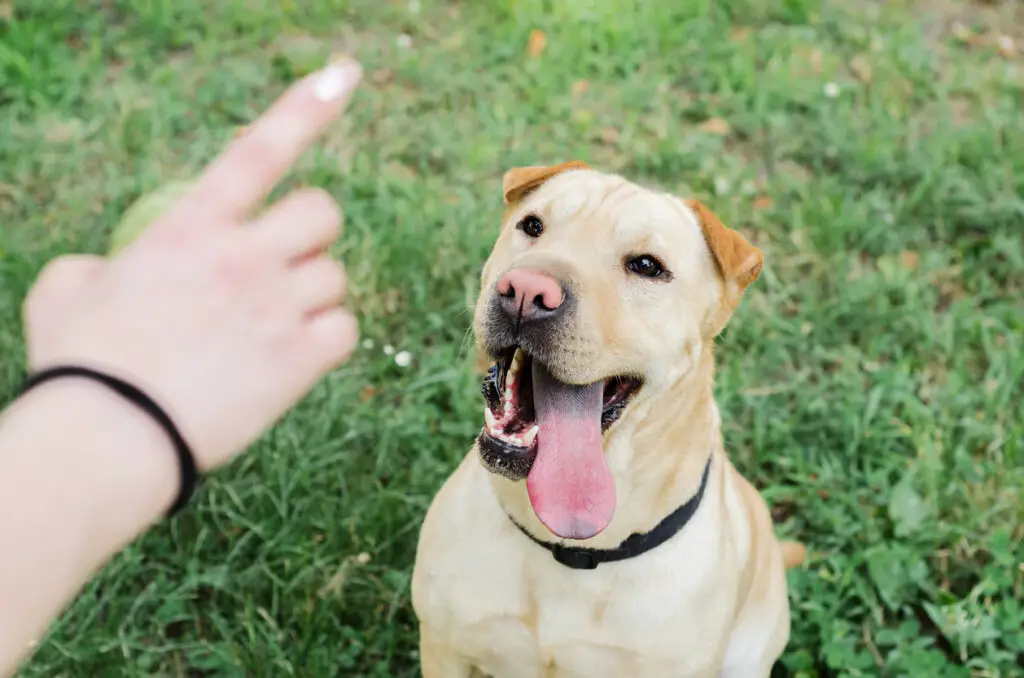
A major challenge in training and communication with dogs is an owner’s inconsistent use of tone. If an owner uses a happy, high-pitched voice to give a firm command like “stay,” the dog may interpret the tone as an invitation to play or approach, overriding the instructional meaning of the word. Consistent and clear pairing of a specific tone (e.g., firm, low for commands) with a specific word is essential for preventing confusion and ensuring the dog responds appropriately.
23. The Human-Canine Bond Facilitates Learning

The deep, thousands-of-years-long history of domestication has created a unique social bond that has actively shaped a dog’s cognitive ability to process human communication. Dogs have been selected to be particularly attentive to human social cues, making them far more skilled at reading people than even other highly intelligent animals like great apes. This co-evolutionary process has provided dogs with an innate “head start” in learning the significance of human communicative gestures.
24. Tone and Volume Distinctions Are Easily Made
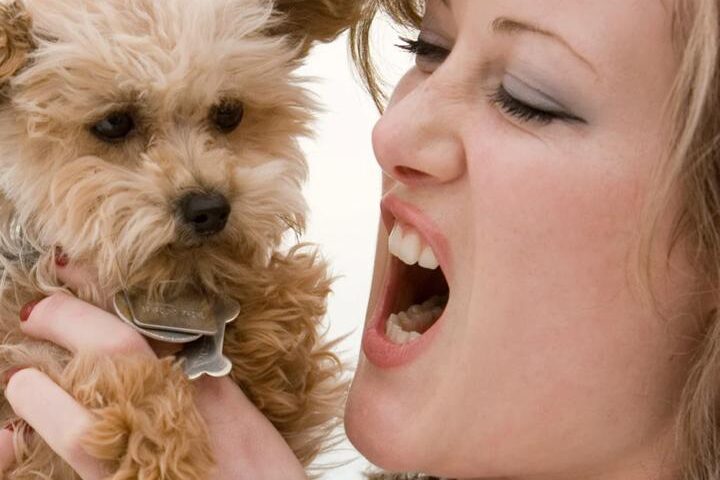
Dogs have no trouble distinguishing between varying volumes, from a soft whisper to a loud shout, or different tones like cheerful, sad, or demanding. These basic acoustic distinctions are fundamental to their perception of the human voice. This sensitivity to subtle variations in sound intensity and frequency allows them to quickly assess the urgency or seriousness of a situation conveyed through their owner’s voice.
25. Facial Expressions Are Crucial Visual Reinforcement

Dogs are highly skilled at reading human faces and recognize that certain vocal tones are consistently paired with specific facial expressions. For example, a cheerful tone is usually accompanied by a relaxed face, slight smile, and open eyes, while an angry tone involves a furrowed brow and tightened mouth. The visual reinforcement of the facial expression serves as a final piece of evidence, confirming the message being delivered by the words and intonation.
The science is clear: our canine companions are perceptive listeners who value both our vocal emotion and our learned words. They process the how and the what in separate but coordinated parts of their brains, requiring a match between tone and meaning to feel truly rewarded.
Like this story? Add your thoughts in the comments, thank you.
This story Do Dogs Understand Our Tone Better Than Our Words? Here’s What Science Says was first published on Daily FETCH


