
1. Rats
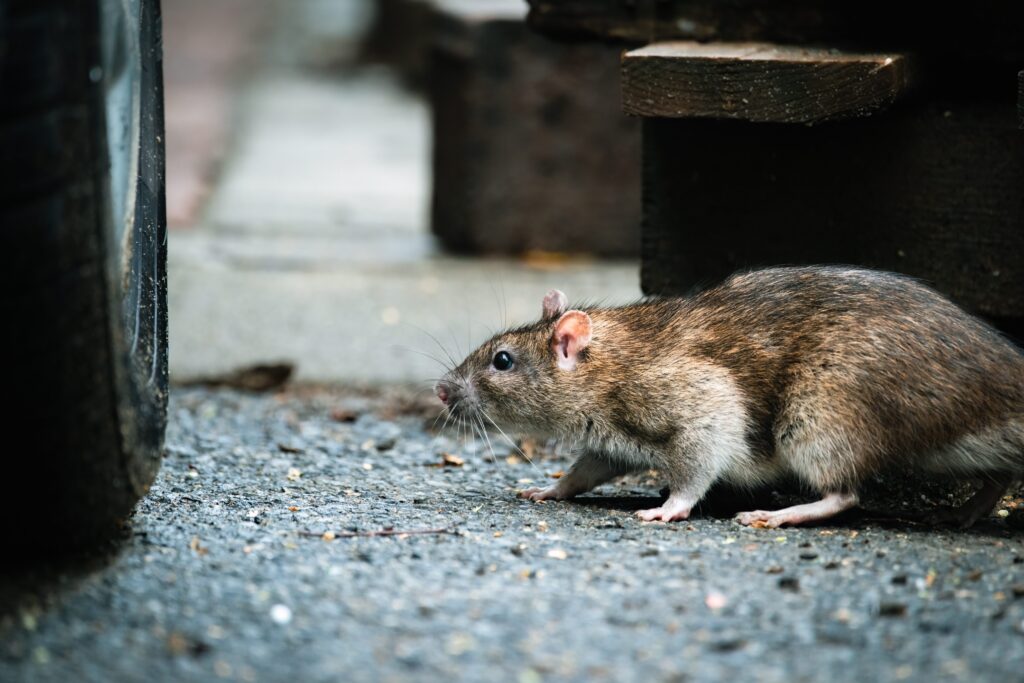
Many studies show that rats experience sleep phases similar to humans, including both non-REM and REM sleep, and that during sleep the same neurons that fired when the rat navigated a maze while awake fire again in sleep. In one experiment, scientists could predict with surprising accuracy which part of the maze the rat was “visiting” in its sleep, suggesting the rat was mentally replaying a familiar environment. Because of that memory-replay during sleep, it seems likely that rats do “dream” of real experiences, which could include familiar places like the maze they ran through.
2. Dogs
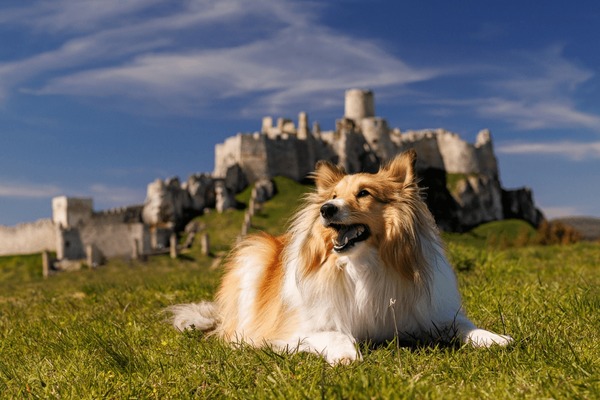
Dogs spend significant time in REM sleep, showing brainwave patterns, eye movements, and occasional leg or paw twitching that closely resemble those of humans during dreaming. Pet owners often observe their dogs twitching, paddling, or making soft noises in sleep, behaviors commonly interpreted as the dog re-experiencing familiar events, such as running, playing, or chasing. While we can’t ask the dog what it dreams about, the physiological signs and behavioral clues strongly suggest dogs likely dream, maybe about familiar places like the park, yard, or home.
3. Cats
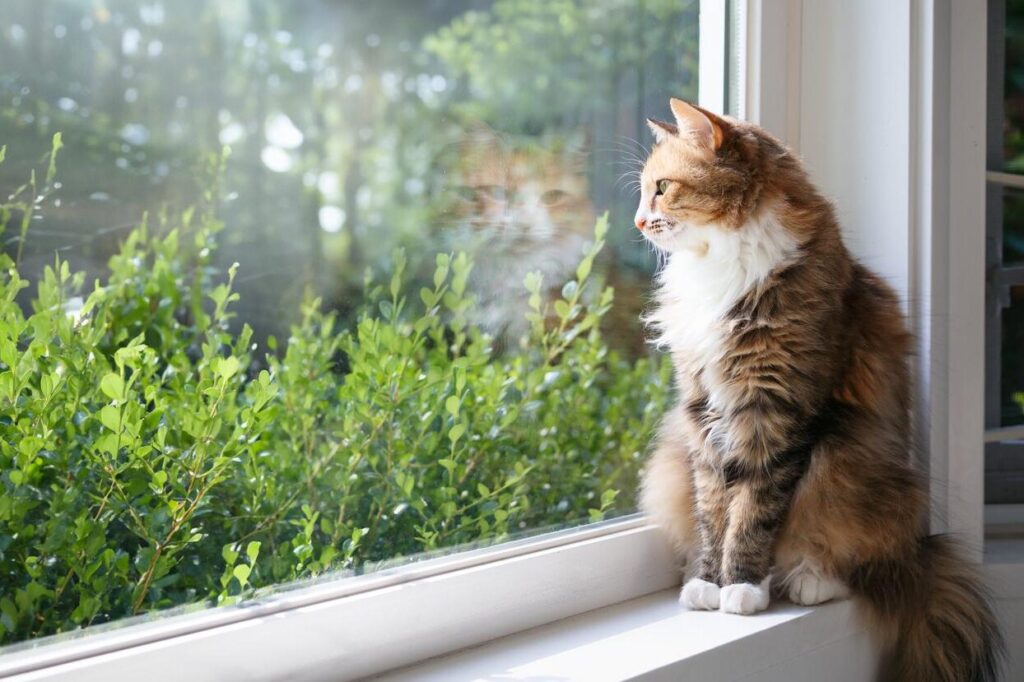
From early sleep studies by researchers such as Michel Jouvet, cats have been shown to enter REM sleep, with the brainstem causing muscle atonia (so they don’t act out their dreams). In experiments where that muscle paralysis was removed, cats began acting out hunting, pouncing, or grooming behaviors, as if reacting to dream-content involving chasing or exploring. Given this evidence, it seems very plausible cats dream, and likely dream of familiar behaviours and perhaps familiar places from their daily life.
4. Birds (e.g. Small Songbirds)
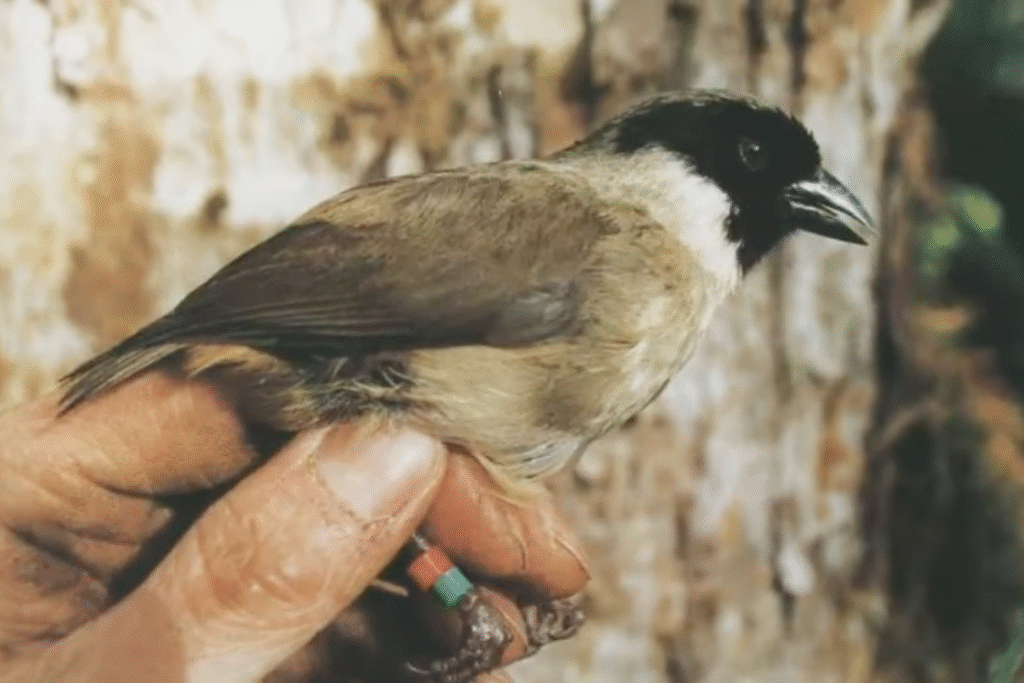
Sleep researchers have observed that some birds exhibit REM-like sleep cycles, with rapid eye movements and brain activity similar to mammals. For example, birds such as zebra finches have been shown to practise vocalisations while asleep, a kind of “dream rehearsal” of songs they learn in waking life. This suggests birds may indeed dream, perhaps including memories or imprints of familiar places, like their nest or territory, or familiar behaviours such as singing.
5. Horses
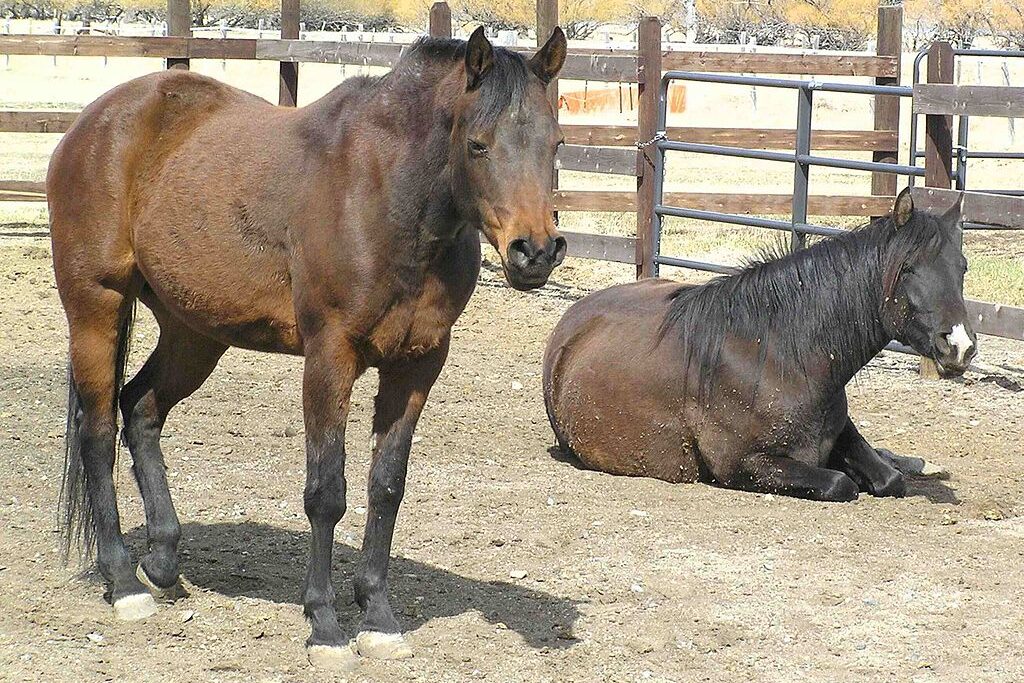
Horses need to lie down occasionally to experience REM sleep, the stage most associated with dreaming. Because they alternate between standing rest and lying-down sleep, their REM sleep is shorter and less frequent than in many smaller mammals. That said, because they do enter REM phases, it is plausible horses have dreams, and those dreams could involve images or experiences from their waking life, such as familiar surroundings like stables, pastures, or interactions with humans or other horses.
6. Elephants
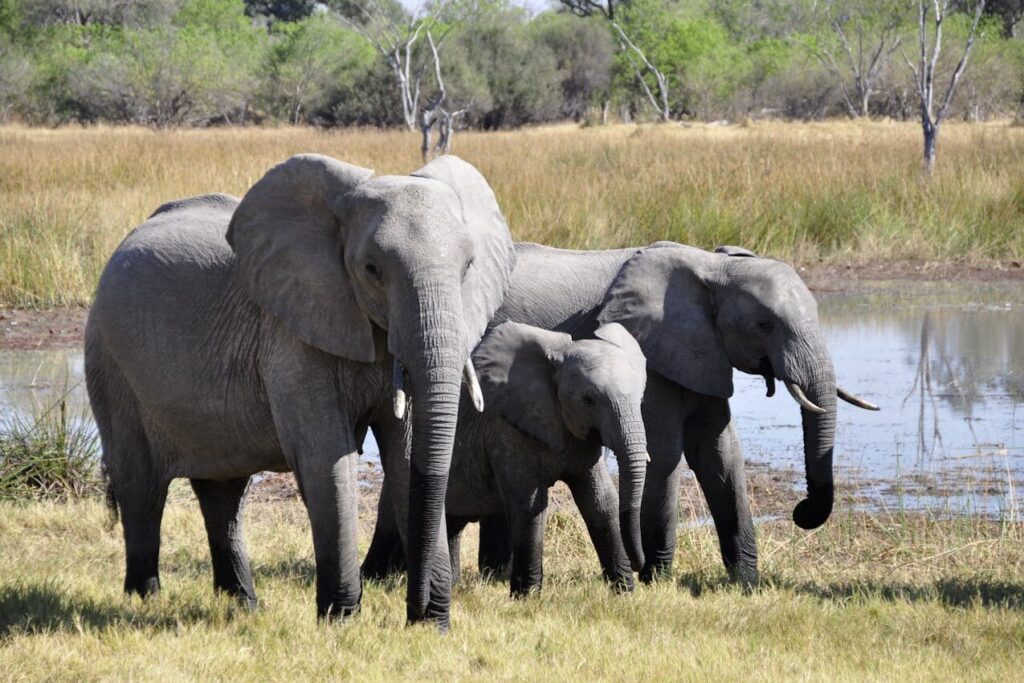
Elephants experience both REM and non-REM sleep, though they sleep far fewer hours than most mammals, sometimes only two to four hours a night. Researchers have found that elephants do enter brief REM states, the stage most often linked to dream activity. Their strong memory skills, emotional depth, and ability to recall locations across long distances suggest that if elephants do dream, those dreams may involve familiar places like waterholes, migration paths, or social interactions within their herd. Because elephants can remember landscapes for years and even decades, scientists believe their dream content, if present, likely draws from these rich environmental memories.
7. Dolphins
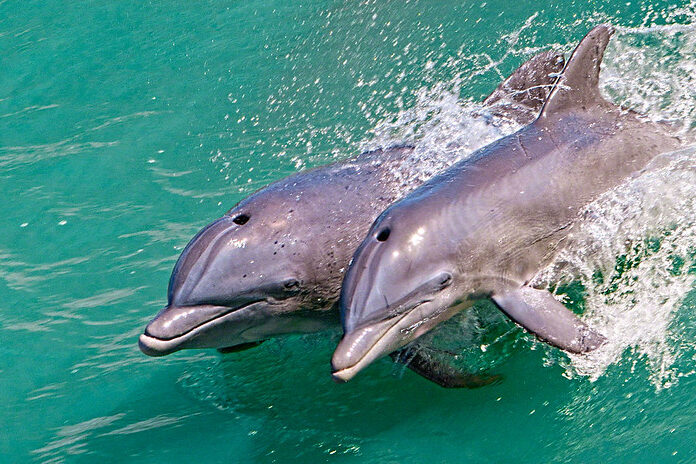
Dolphins experience unihemispheric slow-wave sleep, meaning one half of the brain sleeps while the other half stays awake to maintain breathing and awareness of predators. Because this sleep pattern rarely produces full REM sleep, researchers believe dolphins likely do not dream in the way land mammals do. Their sleep is more functional than imaginative, focused on survival rather than memory replay. While dolphins are highly intelligent and capable of complex social memory, the absence of deep, full-brain REM periods suggests they do not dream of familiar places in the way animals with typical REM cycles might.
8. Chimpanzees
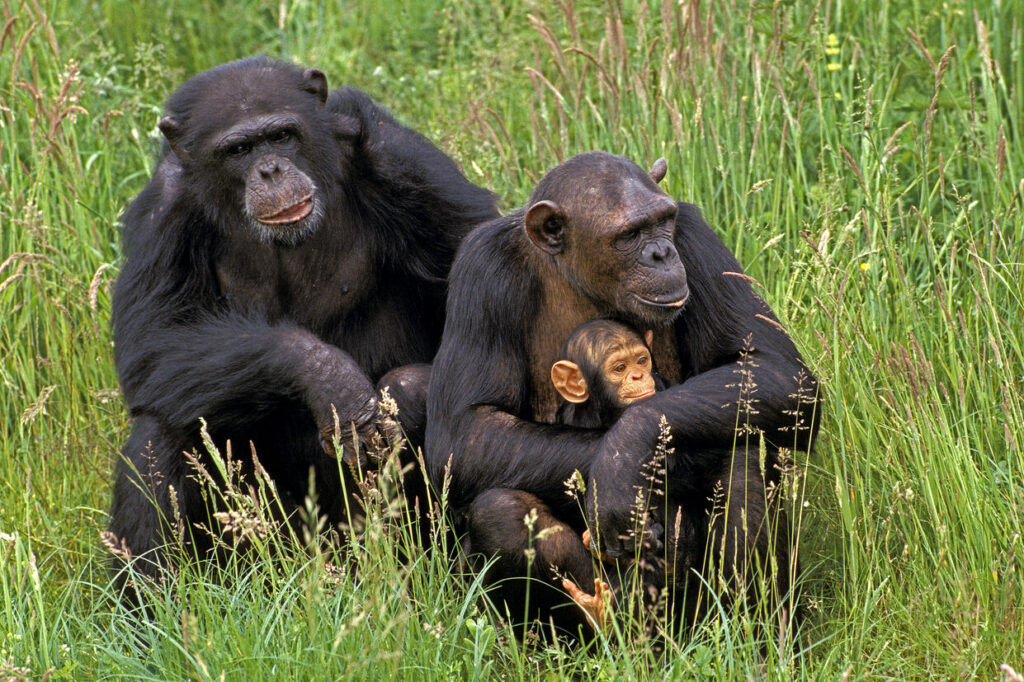
Chimpanzees share many neurological similarities with humans and show clear REM sleep cycles, which strongly suggests they dream. Their complex behavior, tool use, and emotional lives point toward dreams that might mirror real experiences, much like human dreams often do. Scientists believe chimpanzees could dream about familiar forests, food sources, or interactions with group members. Because their brains replay daytime experiences during sleep, researchers think chimps use dreaming to process social information, practice behaviors, or reinforce memories of significant events and places.
9. Octopuses
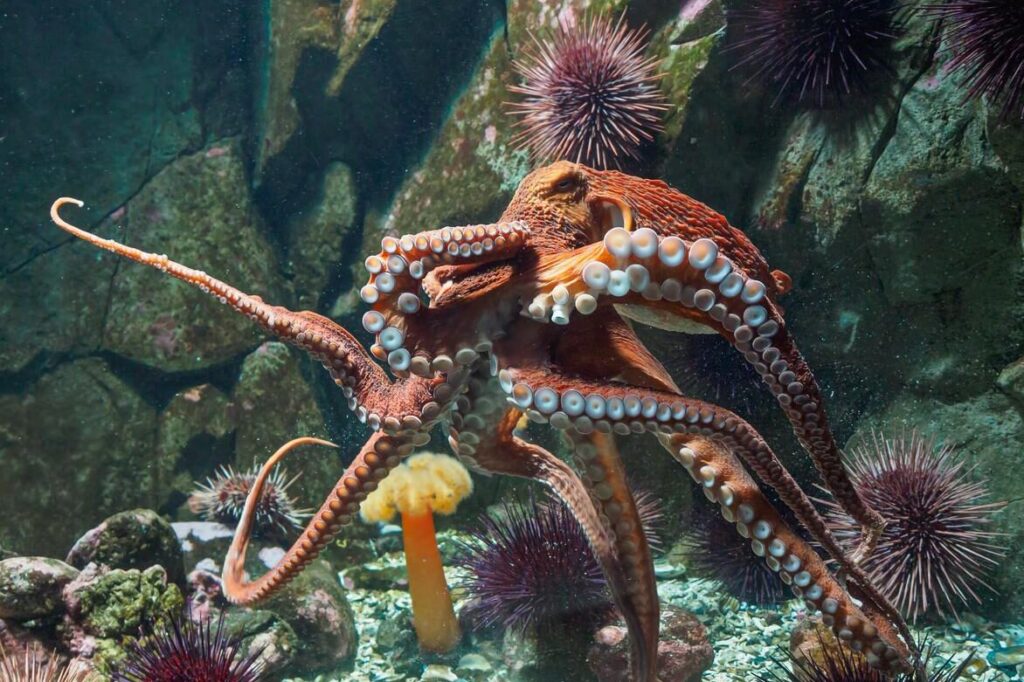
Octopuses show fascinating sleep behaviors, including color-changing episodes during rest that resemble their waking camouflage patterns. Researchers studying the sleep cycles of species like the common octopus and the California two-spot octopus have identified a REM-like active sleep stage. During these brief episodes, the octopus’s skin rapidly shifts colors and textures, suggesting neural activity tied to memory or experience. While scientists cannot confirm dream content, the replay of patterning hints that octopuses may dream about familiar hunting grounds, hiding spots, or interactions with prey. Their high intelligence adds further support to the idea that dreams might serve a memory-processing function.
10. Lions
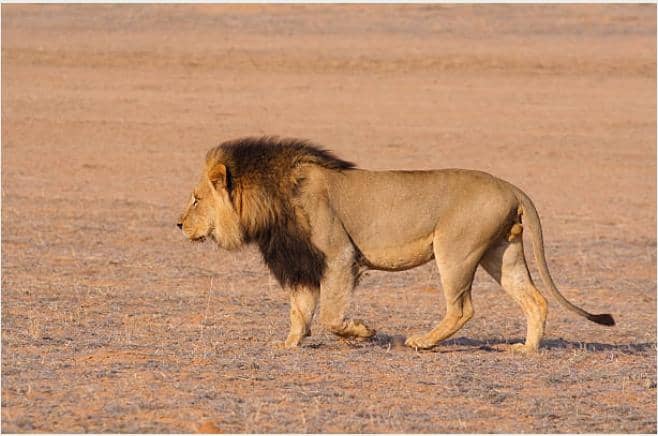
Lions sleep up to 20 hours a day, giving them ample opportunity to enter REM sleep, the phase linked to dreaming. Because they spend so much time resting after hunts and territorial patrols, their sleep is thought to be a time when the brain processes daily activity. Researchers believe lions likely dream, possibly replaying familiar environments like their pride’s territory, key hunting grounds, or encounters with prey. Their REM sleep patterns are similar to domestic cats, which have long been known to exhibit dream-like sleep behaviors. This makes it very likely that lions experience dreams tied to places and actions they know well.
11. Wolves
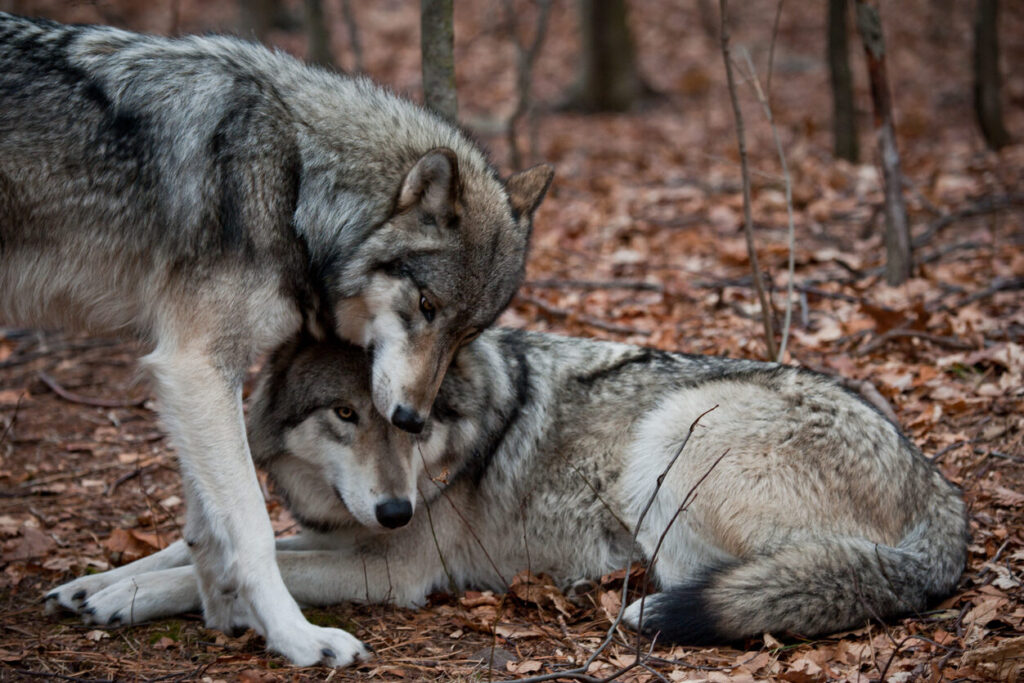
Wolves experience REM sleep just like domestic dogs, and researchers believe they also dream. Given their structured pack life and reliance on familiar territories, it’s likely that wolves replay memories connected to hunting routes, pack communication, or specific landmarks within their home range. Their brains show the same sleep-stage patterns associated with memory consolidation, suggesting dreams may help strengthen learned behaviors, such as tracking prey or navigating long distances. Observations of resting wolves, including twitching paws, tail movements, and soft vocalizations, further support the idea that they enter dream states rooted in their daily experiences.
12. Giraffes
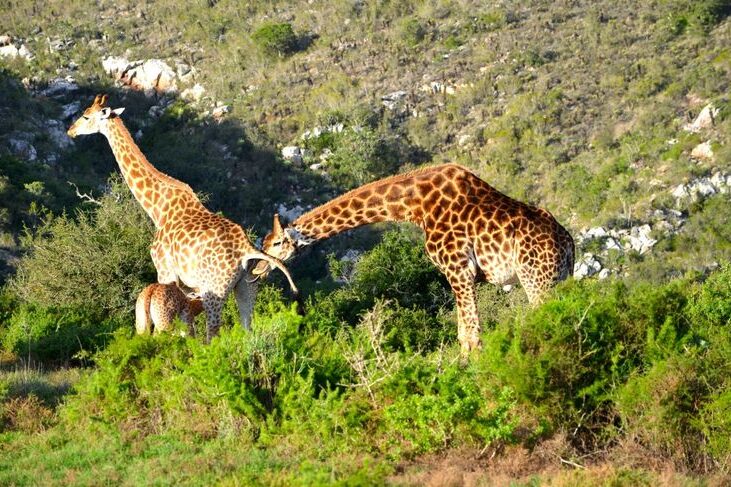
Giraffes sleep very little, sometimes only 30 minutes to a few hours per night, usually split into short increments. They still reach brief REM sleep, but because these periods are extremely short, scientists believe giraffes dream far less than many other mammals. Their limited REM cycles make rich, extended dreams unlikely. However, when giraffes do achieve REM sleep, they might briefly process familiar surroundings, such as the layout of their feeding territory or interactions with herd members. Their minimal dreaming is thought to be an evolutionary adaptation, keeping them alert to predators.
13. Bears
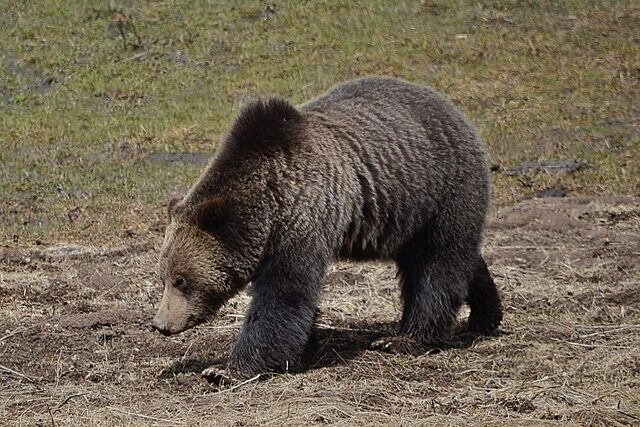
Bears enter a unique winter dormancy often mistaken for true hibernation, but they still experience lighter sleep cycles that include short REM phases. During their active months, they show more typical sleep patterns with clearer REM sleep, which suggests the possibility of dreaming. Because bears rely heavily on memory to relocate food sources, fishing spots, and den sites, any dream activity may involve replaying these familiar places. Their problem-solving skills and strong spatial memory add weight to the idea that bears dream, especially during deeper sleep in the warmer seasons.
14. Rabbits
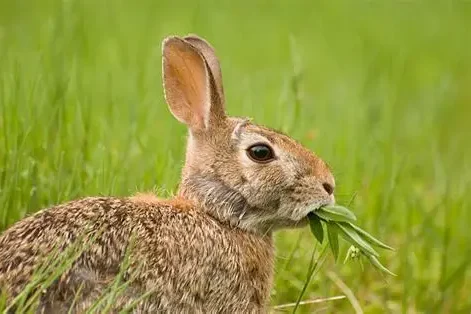
Rabbits show clear REM sleep stages, and owners often notice rapid eye movement, quick breathing, or small leg twitches while they rest. These physical signs are consistent with dreaming in mammals. As prey animals constantly aware of their surroundings, rabbits may use dreaming to process daily stressors or recall familiar areas like burrows, tunnels, or grazing spots. Their brains show the same sleep-related memory-processing patterns seen in other small mammals, suggesting rabbits likely dream of environments they know well, possibly helping them learn routines and recognize safe pathways.
15. Pigs
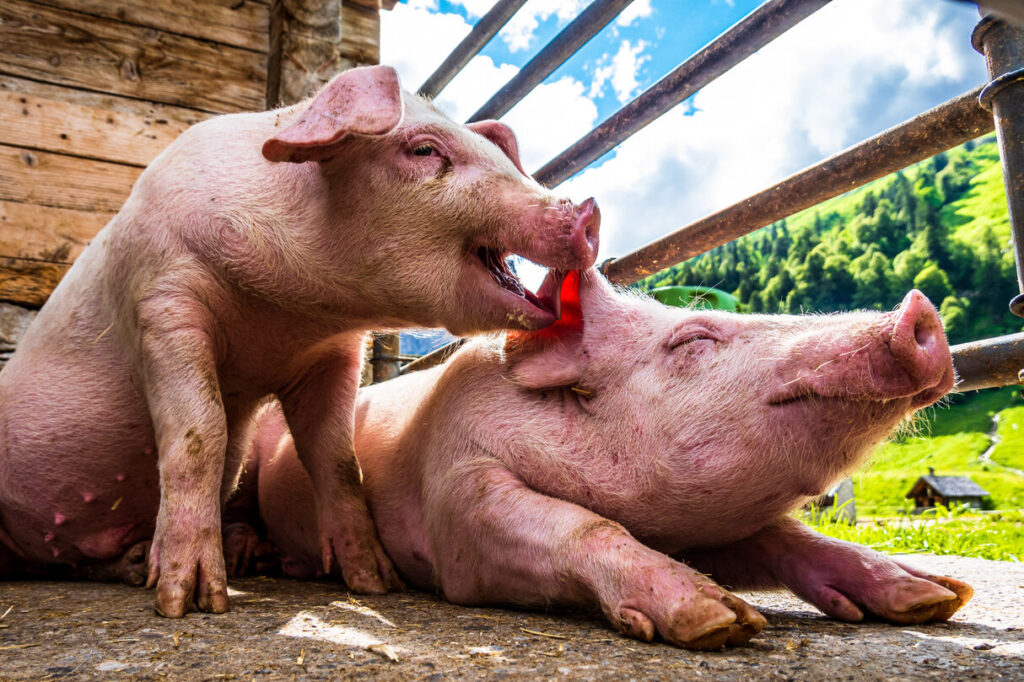
Pigs are highly intelligent with strong social memories, and they exhibit REM sleep patterns similar to humans and dogs. This makes it very likely that pigs dream. Studies show that pigs remember locations, recognize other individuals, and mentally map their surroundings, so their dreams may replay familiar barns, pastures, or interactions with herd mates. Their emotional depth and cognitive abilities point to dreams that help reinforce learning and manage daily experiences. Farmers often report pigs twitching, grunting softly, or shifting during sleep, behaviors consistent with dream activity.
16. Sheep
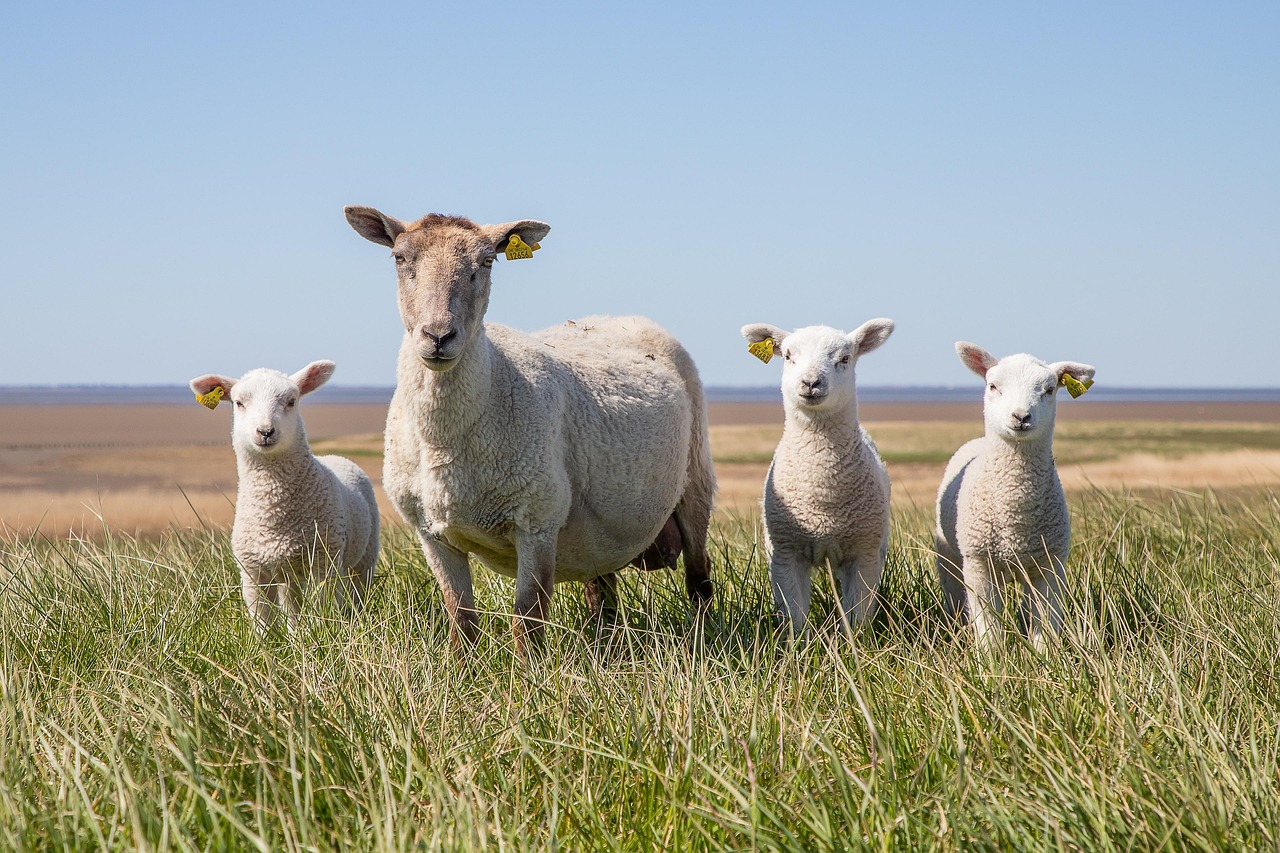
Sheep experience REM sleep in short bursts, usually while lying down in a safe, quiet area. Research shows that their brain activity during REM sleep resembles patterns seen in other mammals known to dream. Because sheep rely heavily on memory to navigate grazing zones and recognize flock members, scientists believe any dreams they have may involve familiar pastures or daily routines. Their calm, repetitive behaviors don’t mean their minds are inactive, studies suggest they use sleep to consolidate spatial memory, making it likely that they revisit known places in brief dreamlike episodes.
17. Cows
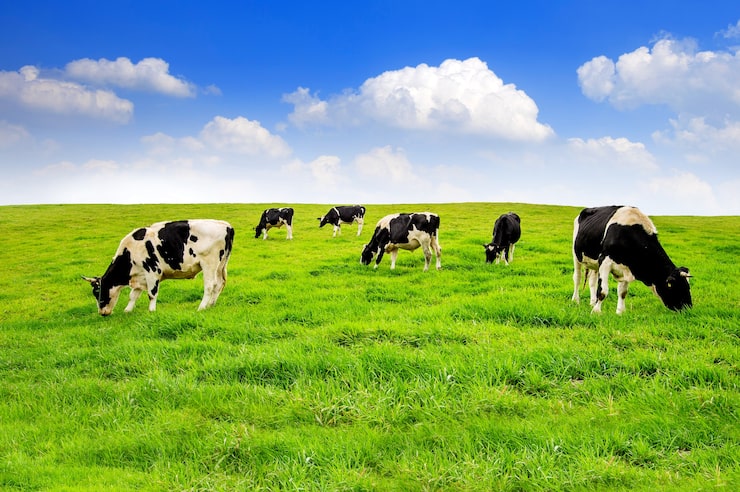
Cows enter both non-REM and REM sleep, although they require a peaceful environment to reach deep rest. When REM sleep occurs, their brain shows activity similar to dreaming mammals, leading researchers to conclude cows likely have dreams. Their strong bonds with herd mates and memory for pasture layouts suggest their dream content could involve familiar fields, feeding areas, or social interactions. Because cows remember safe watering spots and respond to routine patterns in their environment, it’s possible their dreams help strengthen these daily spatial and social memories.
18. Bats
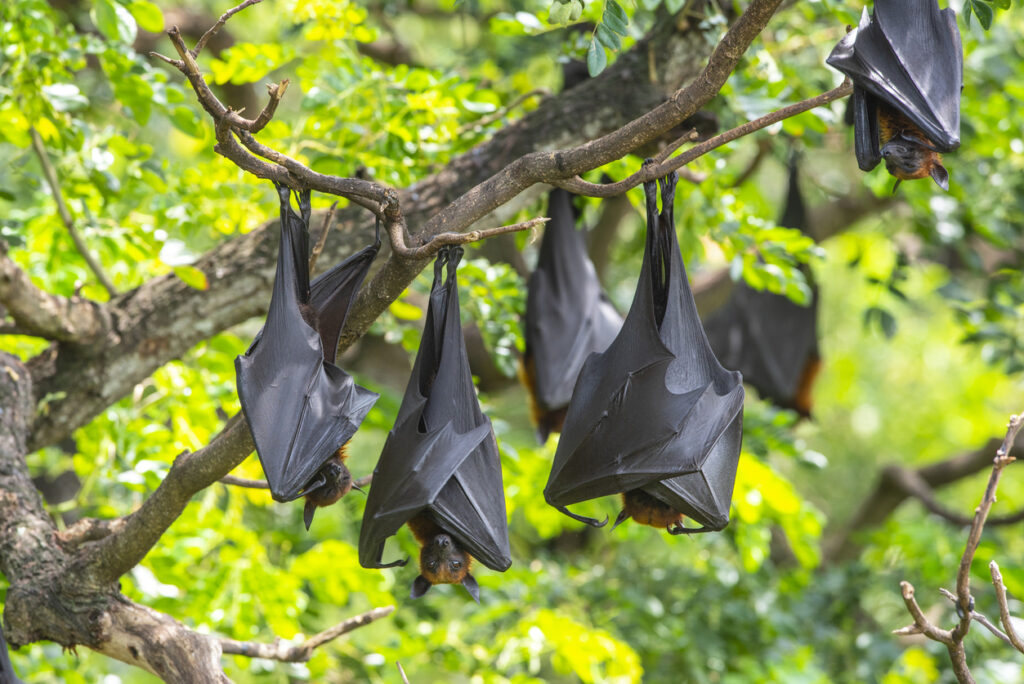
Bats spend long hours resting but experience relatively short REM periods, depending on the species. Research has confirmed that fruit bats and some insectivorous bats enter REM sleep, which opens the possibility for dreaming. Their highly specialized navigation skills, including echolocation, make scientists curious about what bat dreams might “feel” like. While we cannot decode the content, their reliance on specific roost sites and foraging routes suggests that bats may replay familiar cave structures, tree canopies, or nightly feeding paths in their dream states.
19. Frogs
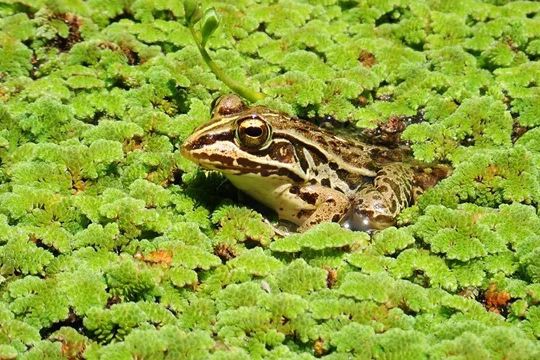
Frogs show distinct sleep cycles, but researchers have found no evidence of REM sleep in most frog species. Without REM, frogs are unlikely to dream in the way mammals or some birds do. Their sleep patterns are more about conserving energy and regulating body functions than processing memories. Because frogs rely more on instinctual responses than complex spatial memory, scientists think dreaming, especially about familiar places, is unlikely. Their simple sleep architecture suggests they rest without recreating or replaying experiences from waking life.
20. Raccoons
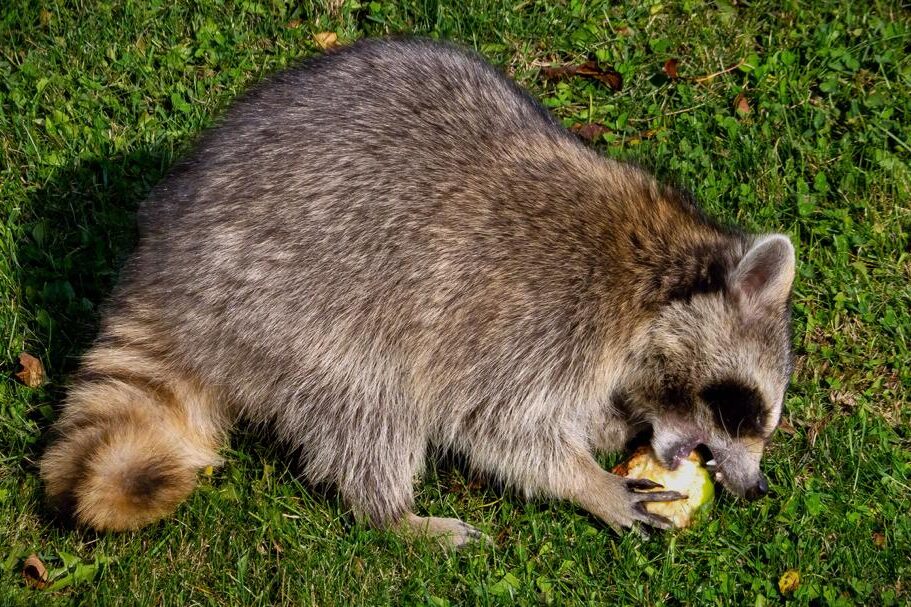
Raccoons experience REM sleep and show many signs associated with dream activity, such as twitching paws, facial movements, and occasional soft vocalizations during rest. Their intelligence and problem-solving abilities make them strong candidates for dream-based memory consolidation. Wild raccoons remember den locations, food sources, and complex human-made environments like trash routes. These strong spatial memories suggest that if raccoons dream, they may revisit familiar neighborhoods, wooded areas, or successful scavenging spots. Their curious nature and adaptable behaviors make REM sleep an important part of how they process experiences.
21. Sea Otters
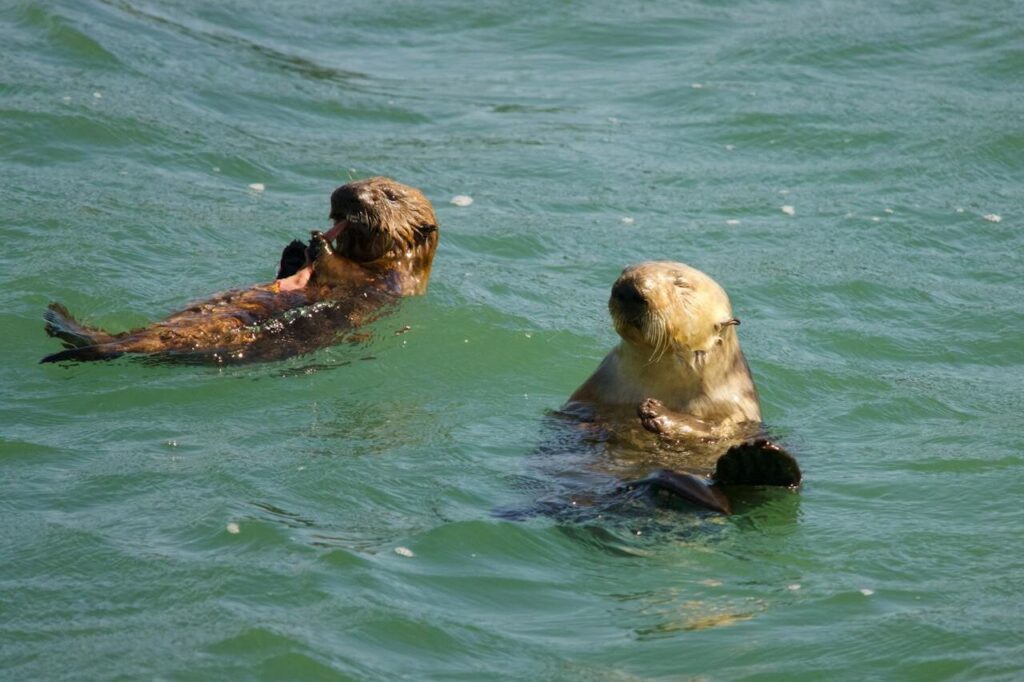
Sea otters experience clear REM sleep stages, often while floating on their backs or holding paws with other otters to stay together. During REM sleep, they show twitching whiskers, subtle body movements, and rapid eye activity, suggesting dream-like states. Because otters rely on memory to locate feeding grounds, handle tools like rocks, and navigate kelp forests, researchers believe their dreams may replay familiar underwater landscapes or problem-solving tasks. Their strong attachment to resting sites and foraging routines makes it likely that their dream content is tied closely to the places and behaviors they know well.
22. Red Foxes
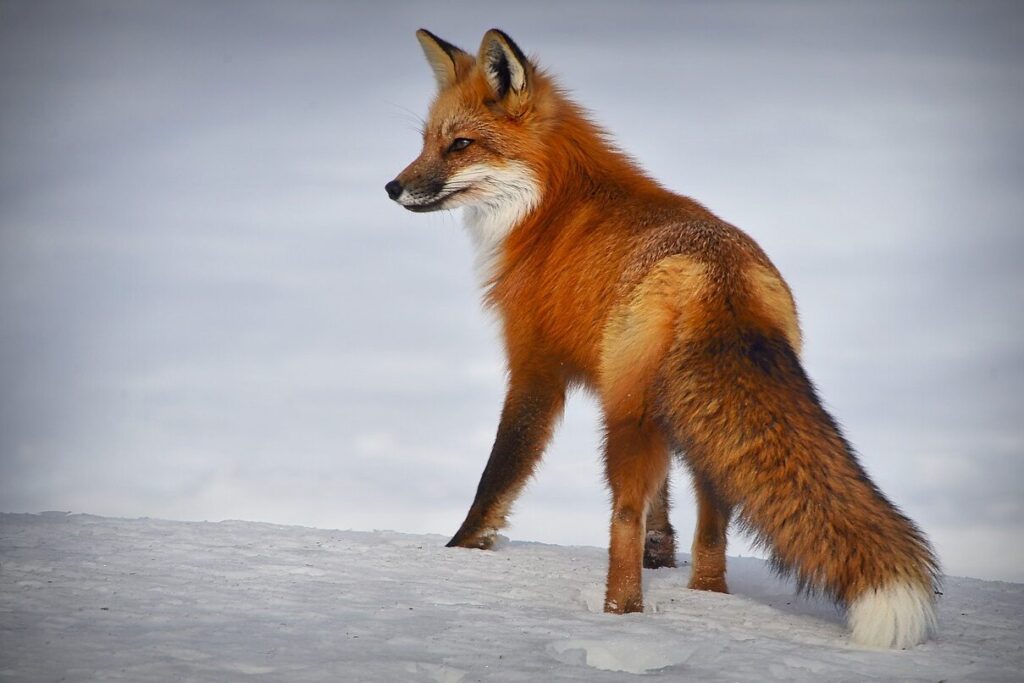
Red foxes sleep several hours each day and enter full REM stages, which means they likely dream. Observations of sleeping foxes often reveal small leg jerks or soft vocalizations, signs consistent with dream activity in mammals. Foxes depend heavily on familiar hunting routes, den locations, and seasonal food caches. Because of this, researchers think any dreams they experience may involve revisiting known trails, stalking prey in remembered fields, or navigating territories they patrol regularly. Their sharp memory and adaptable behavior support the idea that dreaming helps reinforce their daily survival skills.
23. Koalas
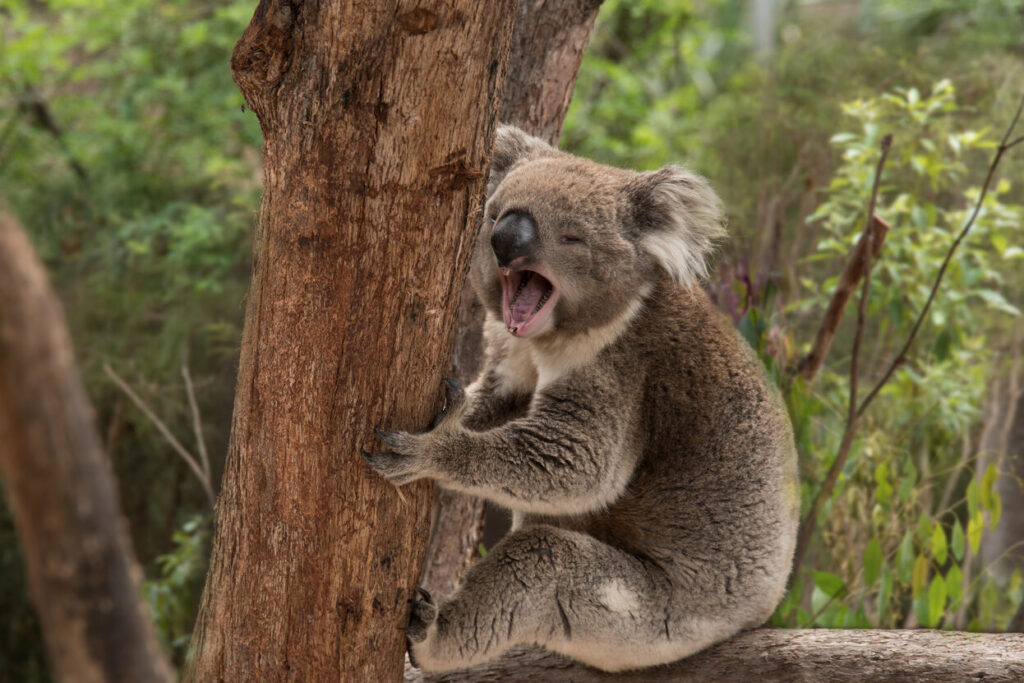
Koalas sleep up to 18–22 hours a day due to their low-energy eucalyptus diet, and this long rest period includes REM sleep. This makes it likely they dream, though their dreams may be shaped by their slow, predictable routines. Koalas rely on memory to identify suitable eucalyptus trees and remember safe resting branches. Their dream activity may involve these familiar treetop locations or the steady movements they make while navigating their arboreal home. Because their lives revolve so closely around their territory, any dreams they have are probably tied to these well-known spaces.
24. Parrots
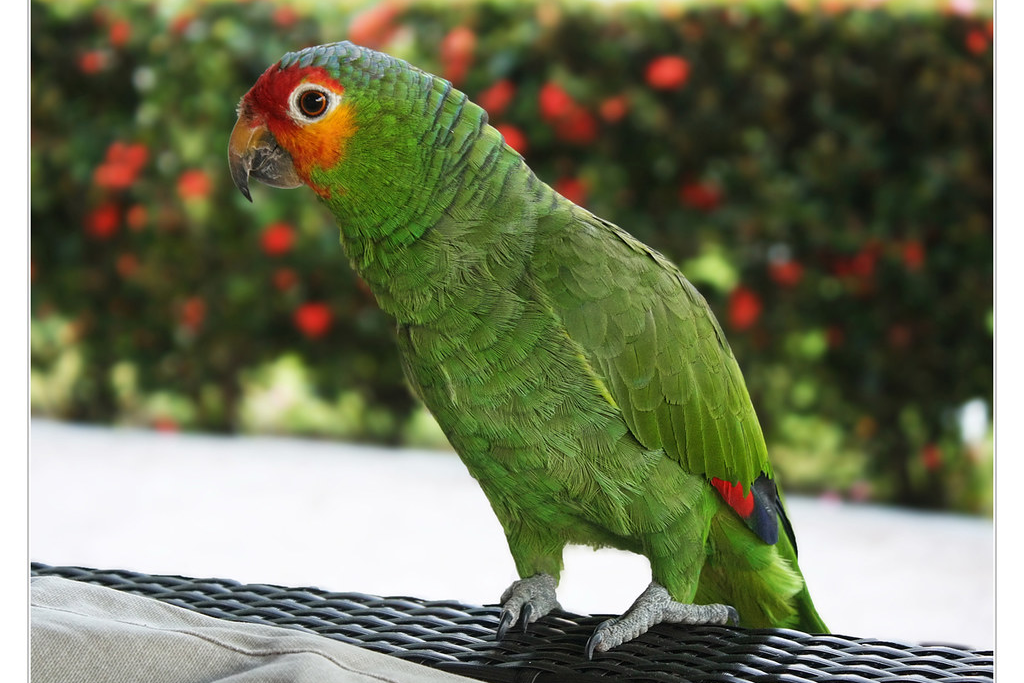
Parrots show complex sleep cycles with both slow-wave and REM sleep, and studies reveal that they rehearse vocal patterns during sleep much like songbirds do. This suggests memory processing and potentially dream activity. Parrots also form strong bonds and recall safe flight routes, feeding sites, and human interactions. Dreaming could help reinforce learned words, mimicry, or daily routines. Their intelligence and emotional awareness make it likely that dreams play a role in processing familiar places and social experiences in their environment.
25. Turtles
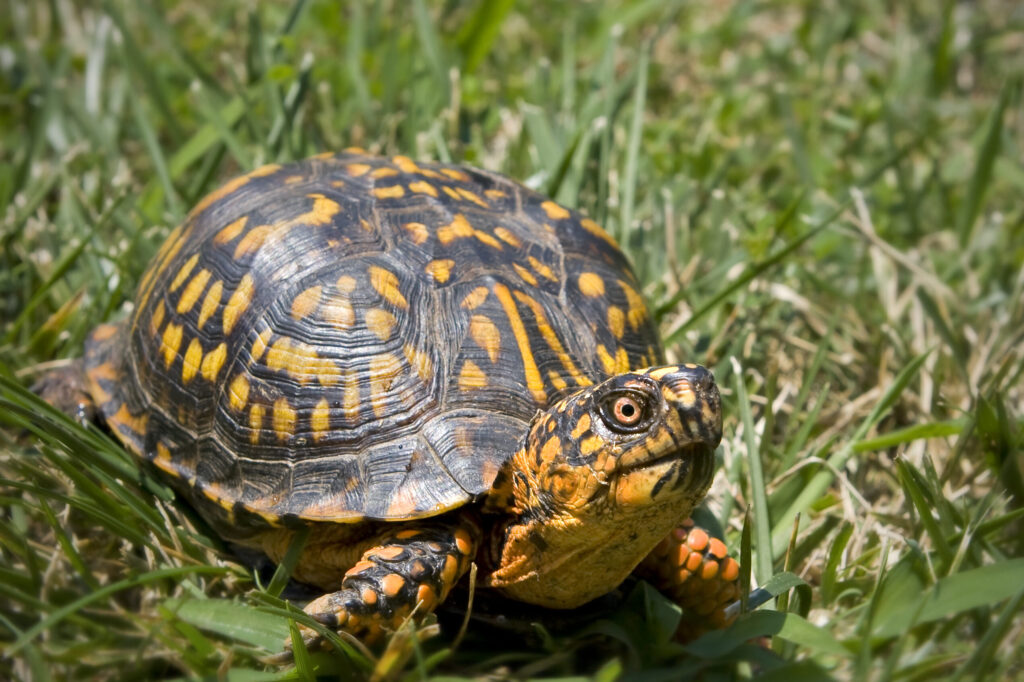
Turtles experience sleep cycles, but most species show minimal evidence of REM sleep, which means dreaming is less likely. Their slow metabolism and simple brain structure mean their sleep is focused on rest rather than complex memory processing. Some studies suggest mild active sleep stages in hatchlings, but nothing resembling mammalian REM. Because turtles rely more on instinct and long-term navigation behaviors—such as returning to nesting beaches—they may store spatial information without needing dream-based memory replay. As a result, dreaming of familiar places is unlikely for most turtles.
26. Penguins
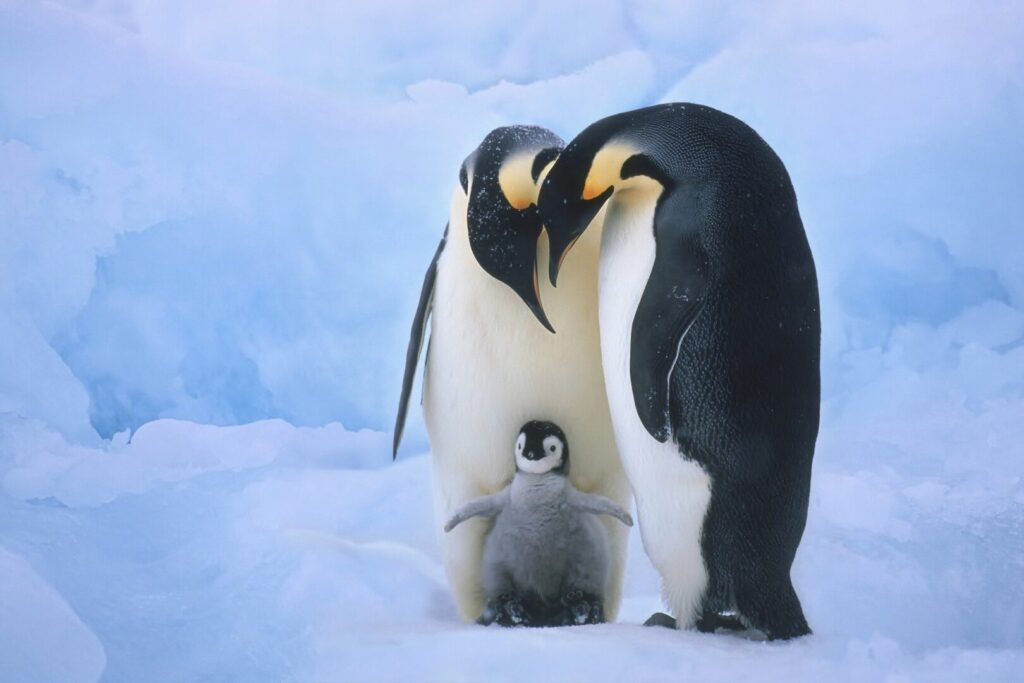
Penguins experience short sleep cycles throughout the day and night rather than one long stretch. Research on species like the emperor penguin shows they achieve REM sleep, though in brief intervals, which makes dreaming possible. Because penguins rely on strong spatial memory to navigate crowded colonies, remember safe diving spots, and locate their chicks among thousands of adults, any dreams they experience may replay these familiar environments. Their REM sleep often occurs while standing or resting on their bellies, and subtle movements during rest suggest memory processing similar to other REM-sleeping birds.
27. Goats
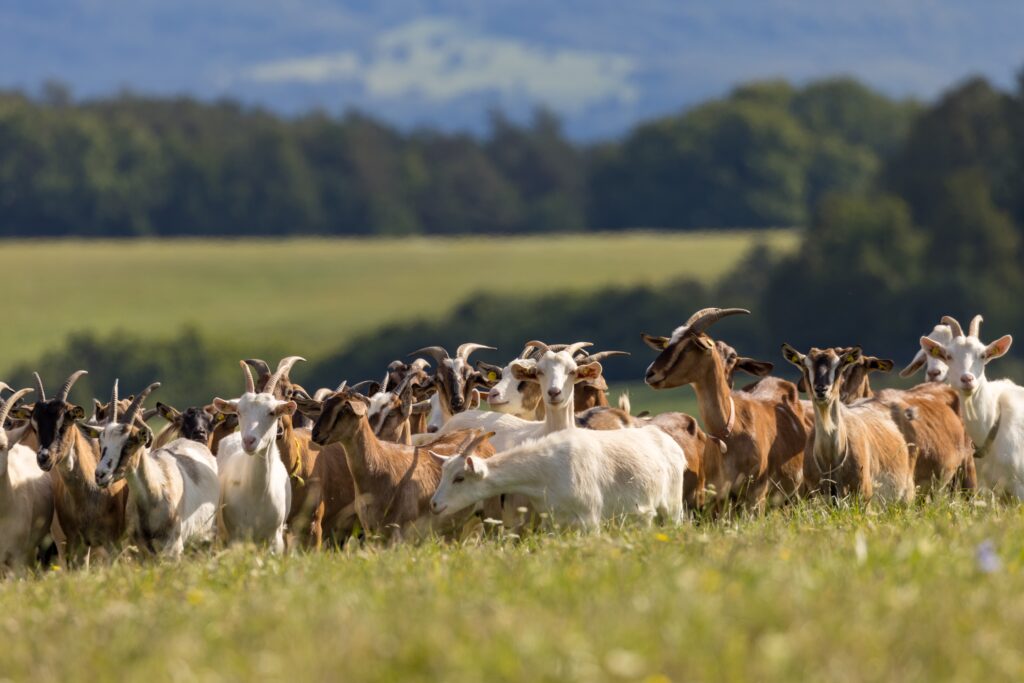
Goats enter both non-REM and REM sleep, especially when resting in safe, quiet areas. Researchers observing domesticated goats have noted typical REM indicators such as twitching ears, shifting legs, and rapid eye movement. Because goats depend on spatial awareness to navigate rocky terrain, avoid predators, and follow herd routes, their dreams may reflect these daily challenges. Their strong memory for paths, shelters, and human caretakers suggests dreaming could help reinforce familiar grazing areas or social interactions within the herd.
28. Camels
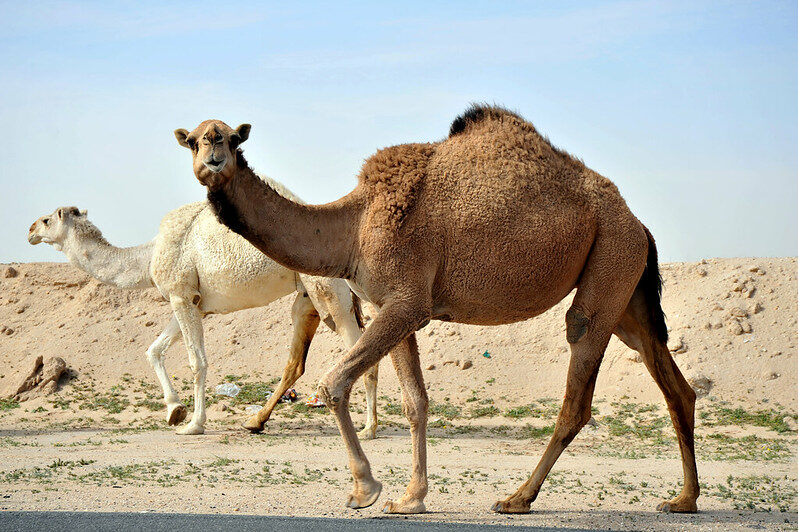
Camels are capable of both REM and non-REM sleep, though they tend to rest lightly in harsh desert environments. When conditions are calm, camels lie down and enter deeper sleep states that include REM phases, making dreaming plausible. With their ability to recall water sources, safe resting spots, and long migration routes, camels likely hold mental maps that could appear in dreamlike replay during sleep. Their REM periods are shorter than those of many domestic animals but still long enough to support basic memory consolidation.
29. Hedgehogs
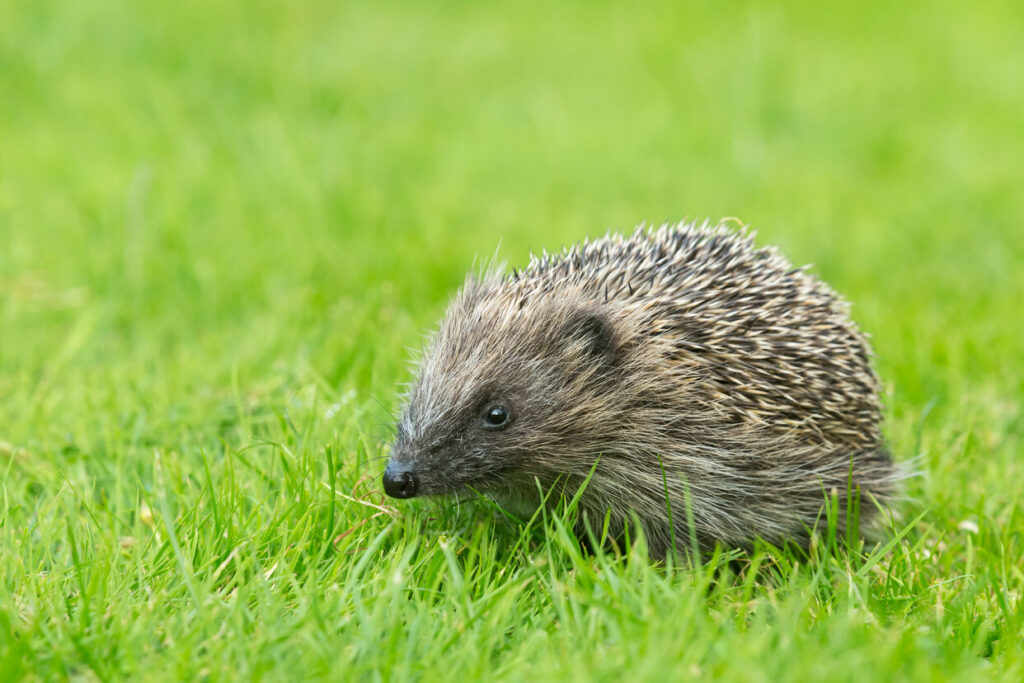
Hedgehogs are known to experience REM sleep, especially during warm seasons when they are fully active. During REM sleep, they may twitch their paws, snout, or quills, signs commonly associated with dream activity in small mammals. Because hedgehogs explore familiar territories in search of insects and safe nesting spaces, scientists believe their dreams may revisit these nightly foraging paths. Their reliance on memory to navigate complex, scent-rich environments makes REM sleep an important time for reinforcing learned routes and safe hiding spots.
30. Squirrels
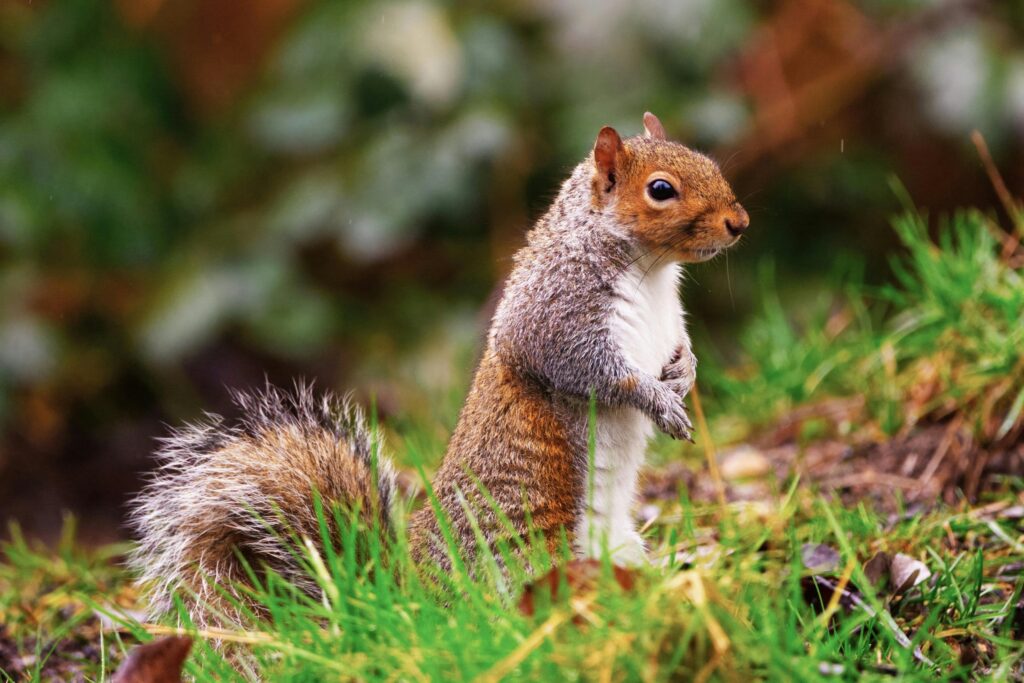
Squirrels show clear REM sleep patterns, particularly tree squirrels that build secure nests and feel safe enough to relax fully. Their REM stages include eye movement, small vocalizations, and limb twitches that point toward possible dreaming. Since squirrels create detailed mental maps of where they store food, remember tree layouts, and track territorial boundaries, researchers think their dreams may involve replaying these familiar areas. Dreaming may help strengthen their memory of food caches and seasonal routes, which are essential for their survival.
Dreams may be mysterious, but they offer a surprising window into how animals understand their world. Together, these patterns remind us that sleep, whether filled with vivid memories or quiet stillness, plays a vital role across the animal kingdom, helping each species navigate its own familiar world.
This story Do Animals Dream of Familiar Places? Researchers Look at Sleep Patterns was first published on Daily FETCH


