
1. Grilled Cheese That Starts with Better Bread
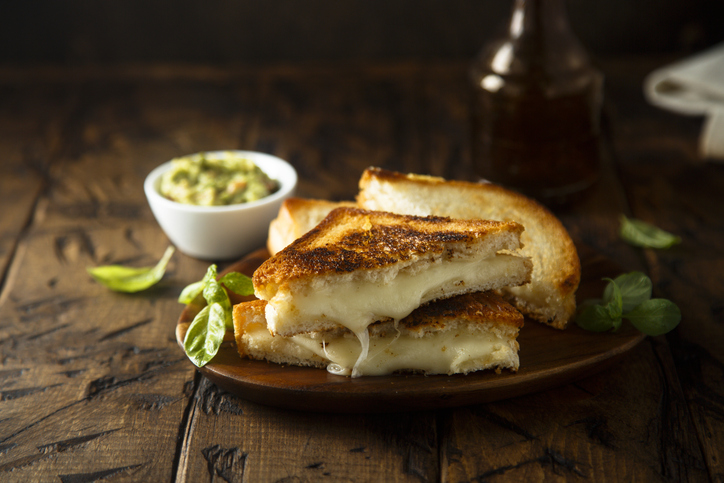
Comfort food shows up quietly, usually when the day feels long and familiar meals feel safest. Grilled cheese sits right at the center of that feeling, simple, warm, and reliable without asking questions. It is often thrown together quickly, yet one small choice can make it better without changing its soul. Using thicker bakery style bread instead of thin sandwich slices gives the cheese room to melt and the crust space to brown evenly. The result still feels nostalgic, but more deliberate. The sandwich holds together, tastes fuller, and invites you to slow down instead of rushing through the bite.
That bread swap changes more than texture, it changes the mood of cooking. You watch the pan closer, wait for color, and flip with intention rather than habit. The cheese melts slowly, stretching instead of leaking, and the crust turns crisp without burning. The sandwich feels balanced in your hands and satisfying on the plate. Nothing fancy is added and nothing familiar is taken away. It simply feels like comfort that was handled with care. When food tastes grounded, it reminds you that small decisions matter, especially in meals meant to comfort, steady, and reset the rhythm of a day.
2. Mac and Cheese with a Quiet Flavor Boost
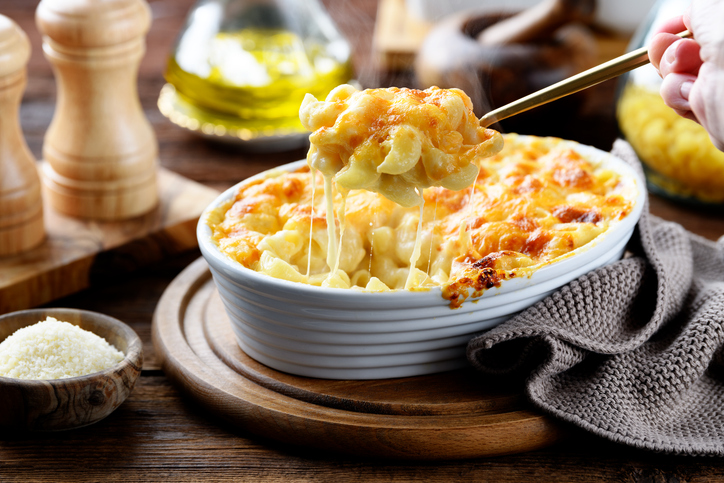
Mac and cheese feels like a conversation you already know by heart. Creamy, rich, and familiar, it comforts without asking questions. Still, there are moments when it can feel a little flat, especially when everything leans too heavily on richness alone. Adding a small pinch of mustard powder or a spoon of prepared mustard gives the sauce balance. It does not announce itself or change the dish’s identity. Instead, it sharpens the cheese flavor and gives the sauce definition, making each bite feel clearer and more complete without losing its cozy appeal.
What makes this change special is how invisible it feels. No one tastes mustard, they just notice that the mac and cheese tastes better. The creaminess feels intentional instead of heavy, and the cheese tastes brighter without becoming sharp. The dish still belongs at family tables and quiet nights at home. It simply feels more awake. This small adjustment respects tradition while quietly improving it, which is exactly what comfort food does best when it grows with you instead of away from you.
3. Mashed Potatoes Made with Warm Milk
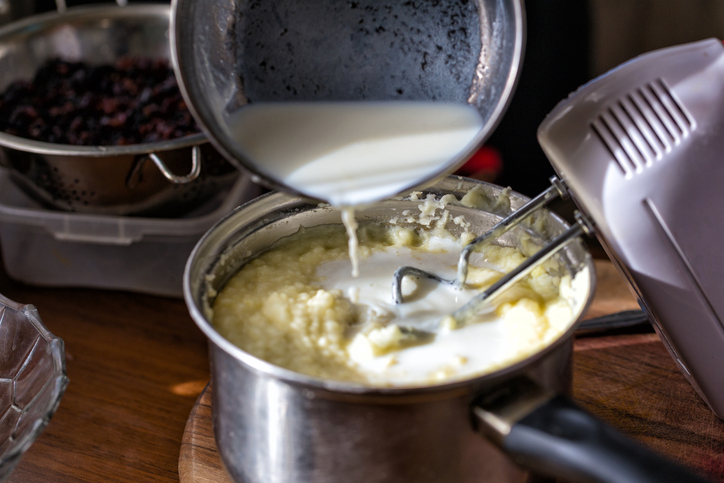
Mashed potatoes are meant to be soft, soothing, and generous, but cold milk can work against that goal. When cold liquid meets hot potatoes, the texture tightens and the flavor dulls. Warming the milk before mixing allows everything to blend smoothly. The butter melts evenly, the potatoes stay fluffy, and the bowl stays warm longer. Nothing about the recipe changes, yet the final result feels calmer and more thoughtful, like the dish was given the time it deserved instead of being rushed through.
This small habit turns mashed potatoes into what they are meant to be. The flavor opens up instead of cooling down, and the texture feels smooth without becoming heavy. Each spoonful feels comforting in a steady way, not just filling. It is the kind of care that does not demand attention, but you notice it immediately. Warm milk does not complicate the dish, it simply allows the potatoes to be their best, which is often all comfort food needs.
4. Chicken Soup Finished with Fresh Herbs

Chicken soup already carries comfort in its warmth and familiarity. It is what people reach for when they need something steady and gentle. Adding fresh herbs at the very end gives it a small lift without changing its purpose. A handful of chopped parsley or dill stirred in just before serving adds freshness and clarity. The soup still feels soothing, but it now smells brighter and tastes a little more alive, like a quiet reminder that comfort does not have to feel heavy.
This finishing touch works because it respects the soup’s simplicity. The herbs are not cooked down or hidden, they sit lightly on top of the warmth that is already there. The broth stays familiar, but the flavor feels balanced and complete. It is like opening a window in a cozy room. Everything stays comfortable, just a little clearer. That small moment at the end makes the soup feel cared for, not just prepared.
5. Pancakes That Rest Before Cooking
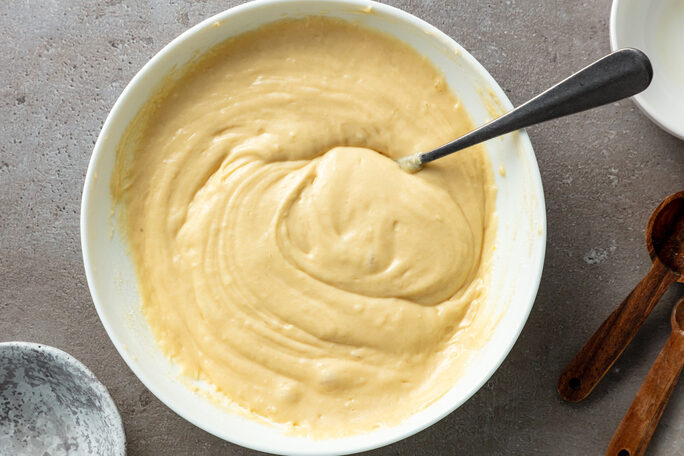
Pancakes are often mixed and poured in a hurry, especially on busy mornings. Letting the batter rest for ten minutes changes the final texture in a noticeable way. During that pause, the flour hydrates fully and the bubbles settle, which helps the pancakes cook evenly. The inside becomes softer, the edges brown more gently, and the stack feels consistent from top to bottom. Nothing new is added, but everything works better together.
That short wait also changes the rhythm of breakfast. Instead of rushing, you slow down for a moment. You heat the pan properly, clear the counter, and let the batter become what it needs to be. The pancakes still taste familiar, but they feel more intentional. It is a reminder that sometimes comfort food improves not by doing more, but by allowing time to do its quiet work.
6. Spaghetti Brought Together With Pasta Water
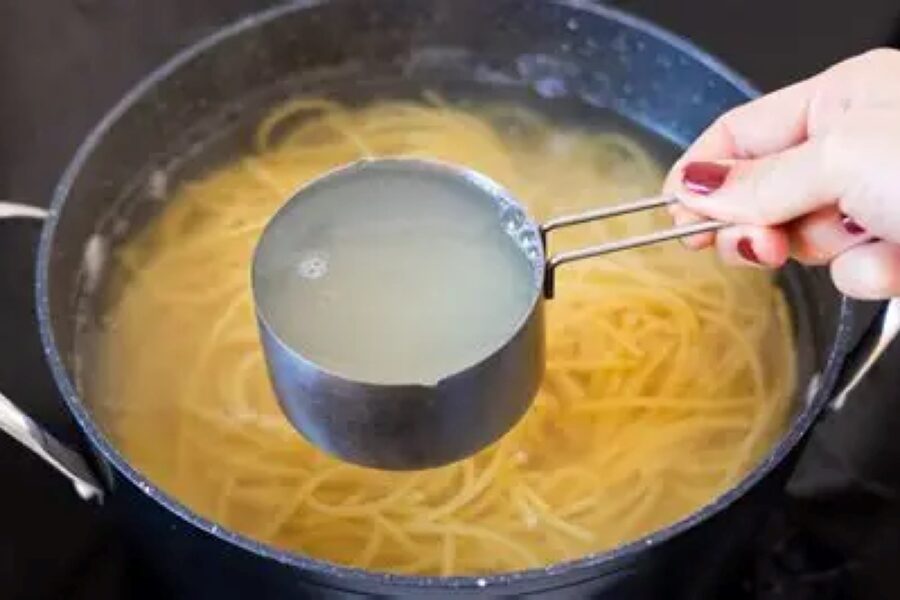
Spaghetti often looks finished before it truly is, especially when the sauce and noodles are treated as separate things. Draining the pasta without saving any of the cooking water can leave the sauce sitting on top instead of clinging. Holding back a small cup of that starchy water changes everything quietly. When stirred into the sauce, it helps oil, tomatoes, or cheese bind naturally. The flavors come together instead of competing. The spaghetti still feels simple and familiar, but it tastes smoother and more complete. Each forkful feels intentional rather than accidental, like the dish was allowed to finish properly before reaching the table.
The texture is where this small step truly shines. The noodles feel silky instead of slippery, and the sauce coats them evenly instead of pooling at the bottom. Nothing feels dry or disconnected. The meal still works for busy nights and quick dinners, but it tastes like it was handled with care. This habit does not add effort or ingredients, it simply uses what is already there. Once you notice the difference, spaghetti without pasta water feels unfinished, like something important was skipped.
7. Scrambled Eggs Cooked With Patience
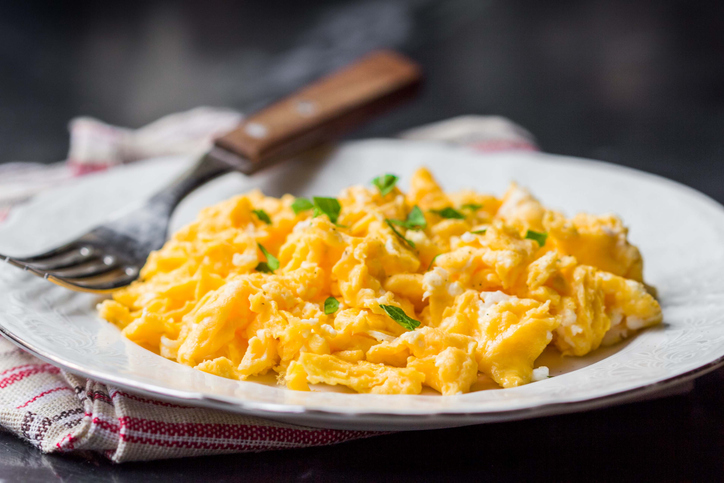
Scrambled eggs are often rushed, especially on busy mornings when speed feels necessary. Turning the heat too high causes the eggs to tighten quickly, losing their softness before they ever reach the plate. Cooking them gently over lower heat allows the curds to form slowly and stay tender. The eggs remain creamy without needing extra milk or cream. Their natural flavor comes through clearly, and the texture feels calm instead of stiff. This small change does not complicate breakfast, it simply respects the ingredients and gives them time to behave as they should.
Slowing down also changes how breakfast feels overall. The eggs sit softly on the plate, inviting you to eat without hurrying. They feel comforting in a steady way, not just filling. You notice the warmth, the softness, and the way the eggs hold together without drying out. It is a quiet reminder that attention matters, even with the simplest foods. Patience turns scrambled eggs from something you eat quickly into something you actually enjoy.
8. Tomato Soup Softened With a Touch of Cream

Tomato soup balances sweetness and acidity, but it can sometimes lean too sharp, especially when served alone. Adding a small splash of cream gently softens that edge without dulling the tomato flavor. The soup becomes rounder and smoother, making each spoonful feel warmer and more settled. It still tastes like tomato soup, just less harsh. This small adjustment keeps the dish comforting instead of overwhelming, especially on days when you want something simple that does not demand too much from your senses.
The key to this change is restraint. The cream should never take over or turn the soup heavy. It simply supports what is already there. The tomatoes still lead, but they do so more gently. The bowl feels balanced and complete, like it belongs beside a grilled sandwich or a quiet afternoon. This simple touch turns tomato soup into something that feels finished, steady, and intentionally comforting without losing its familiar charm.
9. Rice Cooked in Broth Instead of Water
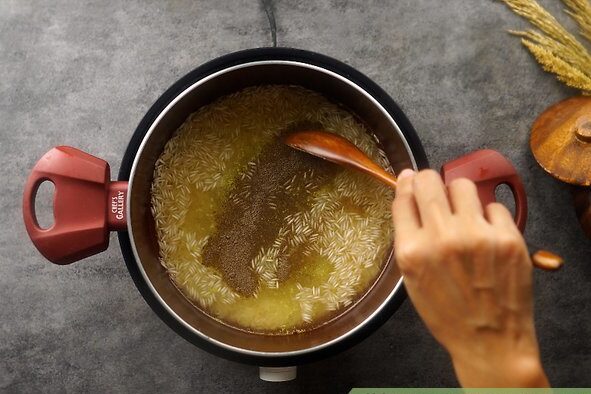
Plain rice often plays a quiet role on the plate, filling space without adding much flavor. Cooking it in broth instead of water gives it purpose without changing its simplicity. As the rice cooks, it absorbs the flavor of the broth, becoming more fragrant and satisfying. The grains still stay neutral enough to pair with anything, but they no longer disappear into the background. This small switch adds depth without making the dish feel busy or complicated.
What makes this change work is how natural it feels. The rice supports the rest of the meal instead of just sitting beside it. Each bite carries a gentle richness that makes the plate feel more complete. It is still everyday rice, just better prepared. This habit fits easily into regular cooking routines and quietly improves meals without drawing attention to itself. Once you get used to it, plain water feels like a missed opportunity.
10. Meatloaf With a Balanced Glaze
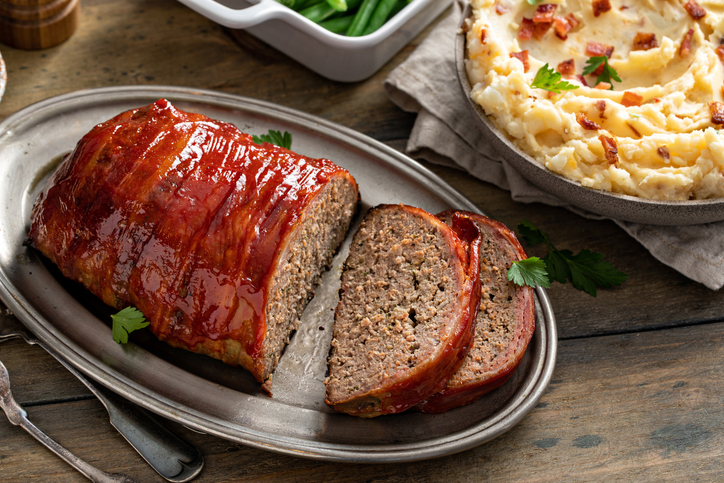
Meatloaf carries a lot of nostalgia, often tied to family dinners and familiar routines. The glaze on top can either support that feeling or overpower it. Using a softer, balanced glaze allows the meat to remain the focus. A gentle mix keeps the topping flavorful without turning it into the main event. The meatloaf tastes warmer and more cohesive, with each element working together instead of competing.
This balance makes the dish feel calm and comforting. The glaze adds moisture and flavor without shouting. Each slice holds together well and tastes familiar in the best way. Nothing feels forced or overdone. The meatloaf still feels like the one you remember, just handled with a little more care. That small adjustment keeps the dish grounded and satisfying, reminding you why it earned its place as a comfort food staple in the first place.
11. Oatmeal Seasoned Early With Salt

Oatmeal is often treated as a blank canvas, waiting for toppings to give it personality. What many people miss is that the oats themselves need attention from the very beginning. Adding a small pinch of salt while the oatmeal cooks brings out its natural nuttiness and warmth. The grains taste fuller, and the texture feels more complete instead of flat or watery. Sweet toppings taste clearer, and savory additions feel intentional rather than forced. This simple step does not make the oatmeal salty, it makes it present, allowing the base to stand on its own before anything else is added.
Seasoning early also changes how satisfying the bowl feels. The oatmeal holds your interest longer and feels comforting in a steady way rather than just filling space. You notice the warmth, the softness, and the balance in each spoonful. Nothing fancy is required, just awareness at the start. Once you get used to oatmeal prepared this way, skipping salt feels like something important is missing, even when the bowl looks the same.
12. Burgers That Rest Before Serving
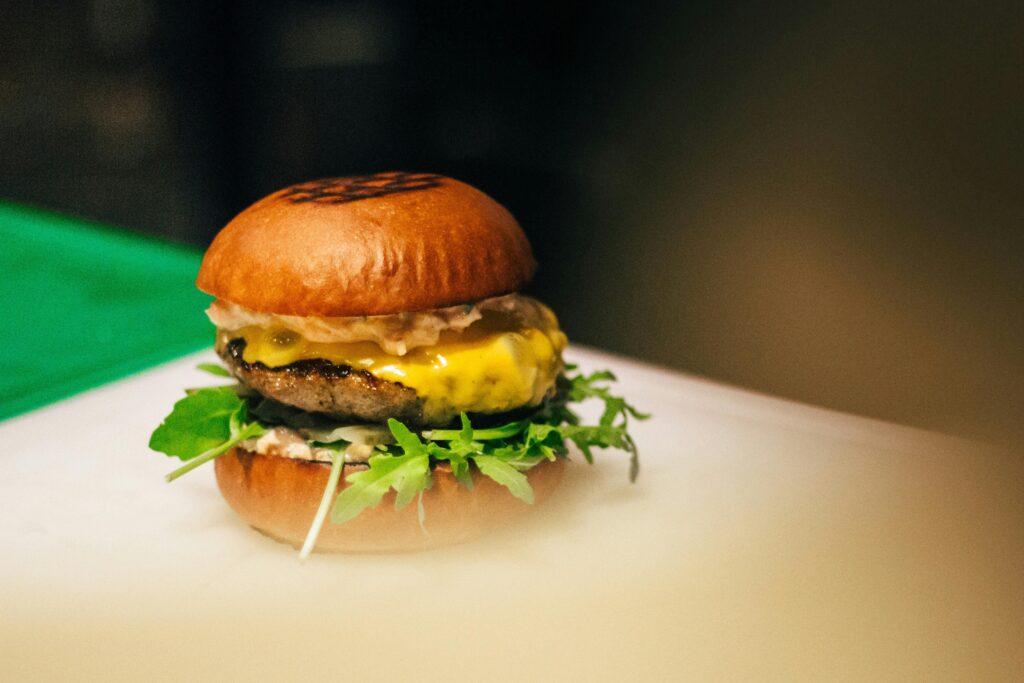
Burgers are often pulled straight from the pan and served immediately, but that rush costs them flavor and moisture. Letting burgers rest for a few minutes after cooking allows the juices to redistribute throughout the meat. Instead of spilling out onto the plate, they stay inside where they belong. The burger tastes richer, feels juicier, and holds together better with every bite. This pause finishes the cooking process quietly, making the burger feel complete rather than hurried.
Resting burgers also improves the eating experience. The bun stays intact, the toppings sit better, and the meat feels tender instead of loose. The meal still feels casual and relaxed, just more satisfying. This small wait does not complicate cooking or slow things down in a frustrating way. It simply respects the food. Once you notice the difference, serving burgers straight off the heat feels like cutting a conversation short.
13. Chili Deepened With a Hint of Cocoa

Chili already carries layers of spice, warmth, and richness, but a tiny pinch of cocoa powder adds depth without changing its identity. The cocoa does not make the chili sweet or chocolatey. Instead, it deepens the background flavors, making the spices feel warmer and the tomatoes more rounded. The chili tastes richer and more balanced, especially after it has simmered and rested. This small addition works quietly, adding complexity without demanding attention.
What makes this change effective is its subtlety. You do not notice a new flavor, only that the chili feels fuller and more satisfying. Each spoonful lingers slightly longer, warming without overwhelming. The dish still feels familiar and comforting, just more settled. It is a gentle enhancement that respects tradition while adding a layer of depth that makes the chili feel thoughtfully prepared rather than routine.
14. Pizza Finished With Olive Oil

Pizza often feels complete the moment it leaves the oven, but one small finishing touch can bring everything together. A light drizzle of olive oil added after baking softens the crust slightly and enhances the aroma. The cheese tastes richer, the toppings feel more connected, and the slice carries a gentle sheen that makes it more inviting. This addition does not change the pizza’s personality, it simply highlights what is already there.
The olive oil works quietly in the background. It smooths sharp edges, rounds flavors, and gives the pizza a sense of balance. Each bite feels cohesive instead of scattered. The slice still feels casual and familiar, just more polished. This small habit turns homemade pizza into something that feels finished, without adding effort or drawing attention away from what makes pizza comforting in the first place.
15. Fried Rice Made With Day Old Rice
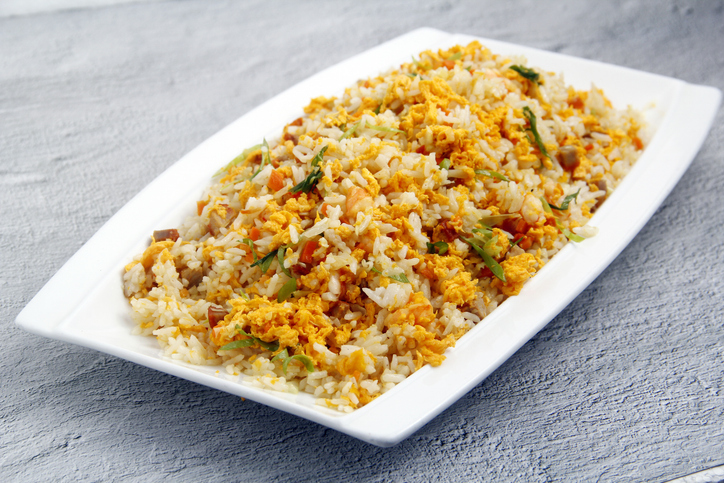
Fried rice is meant to be light, separated, and balanced, but fresh rice often works against that goal. Using day old rice allows the grains to dry slightly, helping them stay separate when cooked. The rice absorbs flavor evenly instead of clumping, and the texture feels chewy rather than soft. This simple planning step makes a noticeable difference without changing the ingredients or technique.
Day old rice also improves how the dish comes together in the pan. The grains toast gently, the seasoning distributes evenly, and nothing turns mushy. The fried rice feels intentional and satisfying, not heavy or crowded. It still works as a quick meal, but it tastes like it was made with care. Once you try fried rice this way, using fresh rice feels like starting at a disadvantage.
16. Lasagna That Rests Before Cutting

Lasagna often comes out of the oven bubbling and fragrant, tempting everyone to cut into it immediately. Taking a short pause before slicing makes a real difference in how it turns out on the plate. Letting the lasagna rest allows the layers to settle and the sauce to thicken naturally. The pasta holds its shape, the cheese firms gently, and each portion comes out intact instead of sliding apart. The flavors also have a moment to come together, tasting more unified and balanced. This simple wait does not cool the dish too much, it simply finishes the cooking process quietly and thoughtfully.
That resting time also changes how the meal feels. Serving neat slices feels calmer and more satisfying than scooping from a loose pan. Each bite carries pasta, sauce, and filling in the right proportion. The lasagna still tastes rich and comforting, just more composed. This small act of patience turns a familiar dish into one that feels carefully made, reminding you that comfort food often benefits from slowing down at the very end.
17. Cookies Baked From Chilled Dough
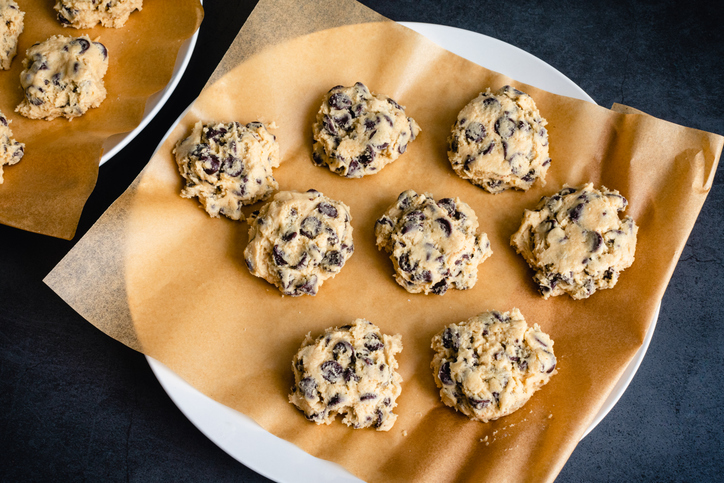
Cookie dough is often mixed and baked right away, but chilling it briefly improves both flavor and texture. Cooling the dough allows the butter to firm up and the sugars to settle, which helps the cookies bake thicker instead of spreading too quickly. The flavors deepen as the ingredients rest together, creating a richer taste without adding anything new. The cookies come out with crisp edges and soft centers, holding their shape better on the tray. This simple pause quietly improves a treat that already feels familiar and comforting.
Chilling the dough also changes the baking experience. You move with more intention, preheating the oven properly and spacing the cookies carefully. The finished cookies feel balanced, not greasy or flat. Each bite has structure and warmth, making the treat feel worth the wait. It is a small step that fits easily into home baking routines, yet it transforms the final result into something that tastes thoughtfully prepared rather than rushed.
18. Ramen Finished with a Touch of Butter
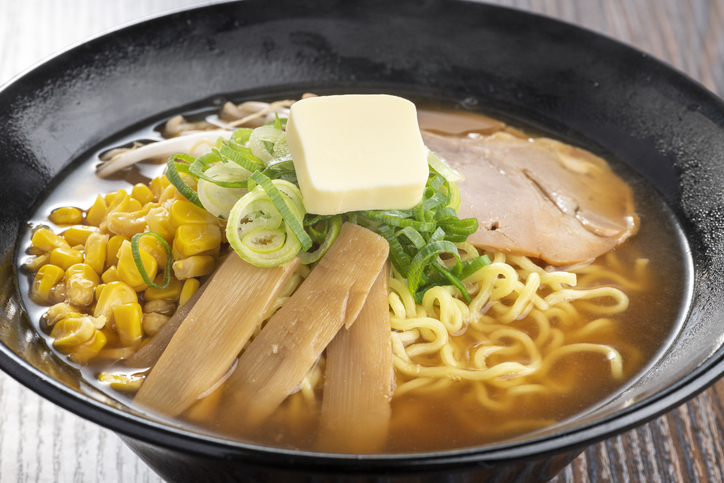
Ramen is known for its salty, savory broth and comforting warmth, but it can sometimes taste a little sharp. Adding a small pat of butter at the end softens the broth and brings everything together. The butter melts quietly, smoothing the saltiness and adding a gentle richness without overpowering the noodles or toppings. The broth tastes rounder and more satisfying, especially on days when you want something deeply comforting without extra effort.
This finishing touch works because it stays subtle. The ramen still tastes like ramen, just warmer and more cohesive. The noodles feel silkier, and the broth clings to them more smoothly. It is a simple adjustment that makes an instant or homemade bowl feel more intentional. Butter does not change the character of the dish, it simply supports it, turning an already comforting meal into something that feels complete and steady.
19. Shepherd’s Pie with a Crisped Potato Top

Shepherd’s pie is built on soft layers, but adding contrast improves every bite. Briefly crisping the mashed potato topping under high heat creates a light crust that balances the tender filling beneath. The top turns golden and slightly firm, while the inside stays creamy and warm. This small step adds texture without complicating the recipe, making the dish feel more satisfying and less one note.
That crisp finish also changes how the pie is served. Each scoop holds together better, and the contrast between soft and firm keeps the meal interesting. The flavors remain familiar, but the experience feels more complete. It is still comforting and homey, just with a little more care at the end. This gentle contrast reminds you that even the most traditional meals can feel fresh with one thoughtful adjustment.
20. Baked Potatoes With Seasoned Skins
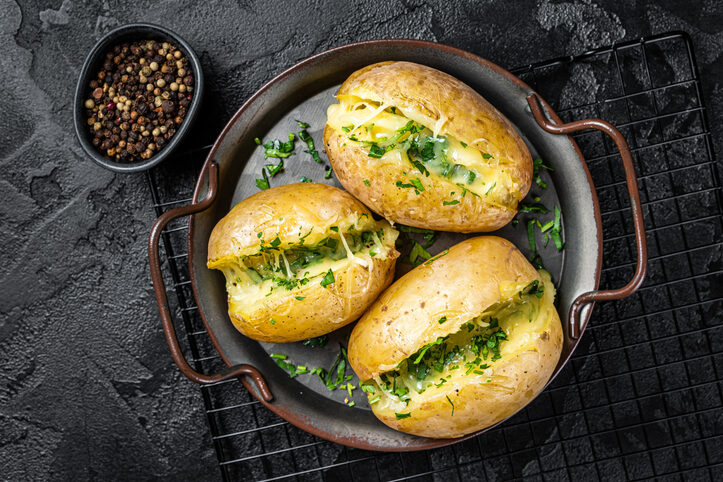
Baked potatoes often focus only on the inside, leaving the skin overlooked. Seasoning the skin with salt before baking transforms the entire potato. The skin crisps gently and becomes flavorful instead of tough or bland. Each bite feels intentional, whether you eat the potato plain or loaded with toppings. This small step turns the whole potato into part of the experience, not just the filling.
Seasoned skins also change how satisfying the meal feels. You enjoy the contrast between the crisp exterior and the fluffy interior. Nothing is wasted, and the potato feels complete on its own. It still works as a simple side dish, but it carries more presence on the plate. This easy habit improves texture and flavor without adding work, making baked potatoes feel like a comfort food that was fully considered.
21. Cornbread Made With Buttermilk

Cornbread is often loved for its crumbly texture and gentle sweetness, but it can sometimes turn dry or flat if the base is not quite right. Using buttermilk instead of regular milk makes a quiet but important difference. The acidity in buttermilk softens the cornmeal and helps the batter stay moist as it bakes. The crumb becomes tender without losing structure, and the flavor gains a subtle tang that balances the sweetness. The cornbread still feels familiar, but it tastes fuller and more comforting, especially when served warm straight from the oven.
This small change also affects how the cornbread fits into a meal. It pairs better with soups, stews, and chili because it does not crumble apart too quickly or dry out on the plate. Each bite feels intentional and steady. The bread holds its own without needing butter to rescue it. Buttermilk does not reinvent cornbread, it simply lets it become the version people remember liking best, the one that feels warm, balanced, and thoughtfully made.
22. Tuna Salad Brightened with Lemon Juice
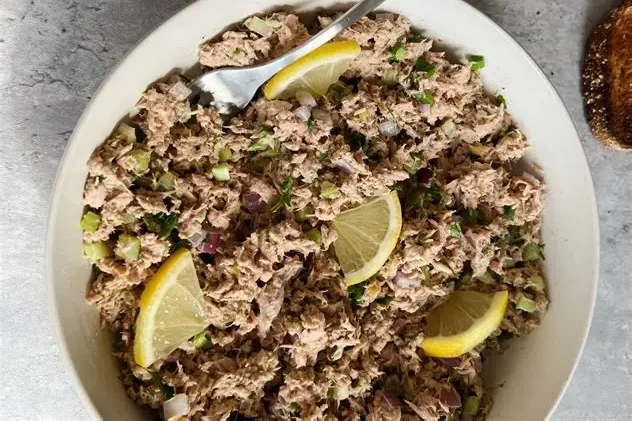
Tuna salad is often mixed quickly and served cold, which can make it feel heavy or muted. Adding a small squeeze of fresh lemon juice changes the balance instantly. The acidity lifts the flavors, cutting through the richness of the mayonnaise and bringing clarity to the tuna itself. The salad tastes cleaner and lighter without losing its comforting quality. This simple addition makes the dish feel fresher and more awake, especially when eaten on bread or crackers.
The lemon juice does not dominate or make the salad sour. It simply sharpens what is already there. The tuna tastes more present, the seasoning feels balanced, and the overall texture feels less dense. This small habit turns tuna salad into something you enjoy eating rather than something you tolerate out of convenience. It is an easy adjustment that keeps a familiar dish satisfying while making it feel a little more cared for.
23. French Toast Seasoned with a Pinch of Salt

French toast is often thought of as a sweet dish, but skipping salt can leave it tasting flat. Adding a small pinch of salt to the egg mixture balances the sweetness and brings out the warmth of the bread and spices. The custard tastes fuller, and the final result feels richer without becoming heavy. The bread absorbs the mixture evenly, cooking into a soft center with a lightly crisp exterior.
This seasoning step changes how the toppings behave as well. Syrup tastes more rounded, fruit feels brighter, and butter melts into the toast instead of sitting on top. The dish still feels indulgent, but it also feels balanced. Salt does not make the French toast savory, it makes it complete. Once you notice the difference, French toast without salt feels unfinished, even if it looks the same on the plate.
24. Baked Ziti Kept Moist With Extra Sauce
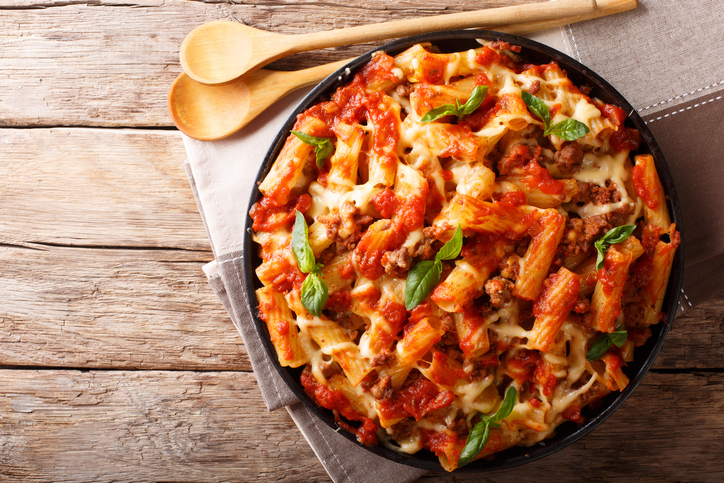
Baked ziti is meant to be comforting and generous, but it can dry out easily in the oven. Saving a portion of sauce to layer on top before baking keeps the pasta moist and cohesive. The noodles stay tender, and the cheese melts evenly without hardening. Each serving comes out warm and satisfying, with sauce present in every bite instead of just the center.
This small adjustment also improves leftovers. The ziti reheats better, staying soft instead of stiff. The flavors remain balanced, and the dish continues to feel comforting even the next day. Extra sauce does not overwhelm the pasta, it supports it. This simple habit keeps baked ziti feeling like a meal meant to nourish and comfort, not one that fades after the first serving.
25. Meatballs Browned Before Simmering

Meatballs are often dropped straight into sauce, but browning them first builds flavor and structure. Searing the outside creates a gentle crust that helps the meatballs hold together as they cook. The browning adds depth, making the final dish taste richer without changing the seasoning. The meatballs remain tender inside while gaining character on the outside.
This step also benefits the sauce. The browned bits left behind add warmth and complexity when incorporated. The dish feels more developed, even though nothing extra was added. Browning takes a few more minutes, but it transforms the entire meal. The meatballs taste intentional and satisfying, reminding you that comfort food often improves when given just a little more attention at the beginning.
26. Quesadillas Cooked Over Lower Heat
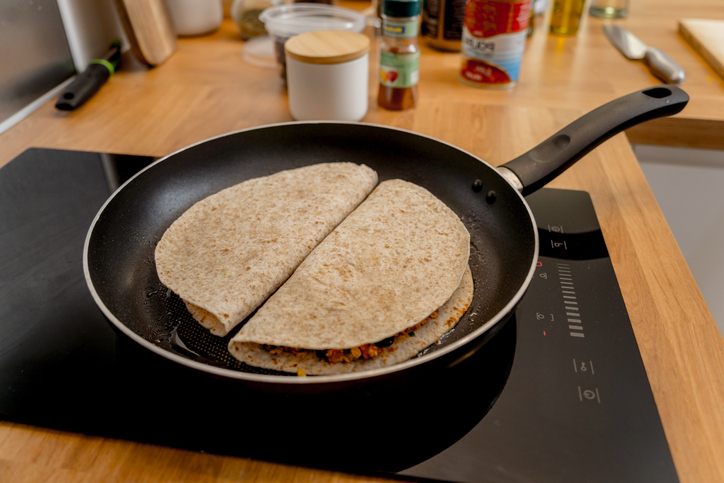
Quesadillas are often cooked quickly over high heat, which can leave the tortilla browned before the cheese inside fully melts. Lowering the heat and cooking them a little slower changes the result in a meaningful way. The tortilla crisps gently instead of burning, and the cheese melts evenly, becoming stretchy and smooth. The filling warms through properly, allowing the flavors to blend instead of staying separate. The quesadilla still feels fast and casual, but it tastes calmer and more balanced. This small adjustment keeps the dish comforting rather than rushed.
Cooking over lower heat also improves how the quesadilla holds together. The cheese acts as a true binder, keeping everything in place when sliced or folded. Each bite feels cohesive instead of falling apart. The outside has texture without toughness, and the inside stays warm and soft. This slower approach does not add work, it simply gives the ingredients time to meet each other properly. Once you try it this way, fast cooked quesadillas can feel unfinished.
27. Banana Bread Made with Fully Ripe Bananas
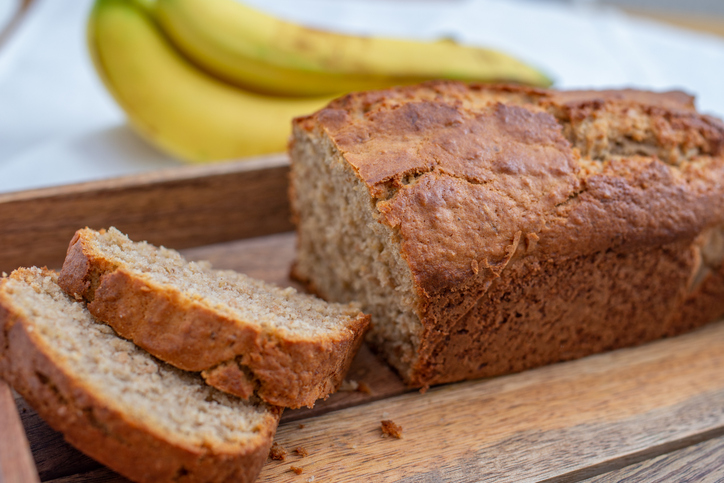
Banana bread depends heavily on the fruit itself, yet bananas are often used before they are ready. Fully ripe bananas, with dark spots and soft flesh, bring natural sweetness and moisture to the batter. They mash easily and distribute flavor evenly, reducing the need for extra sugar. The bread bakes up tender and fragrant, with a deeper banana flavor that feels comforting and familiar. This small choice changes the outcome without altering the recipe itself.
Using ripe bananas also improves texture. The loaf stays moist longer and slices cleanly without crumbling. Each bite feels rich without heaviness, and the flavor lingers gently. The bread still works as a simple snack or breakfast, but it tastes more intentional. Letting bananas ripen fully requires patience, but the reward is banana bread that feels complete, warm, and worth the wait.
28. Creamy Pasta Balanced With Pasta Water

Creamy pasta sauces can sometimes feel heavy or thick, especially when they sit for a few minutes. Adding a small amount of pasta water helps loosen the sauce while keeping it cohesive. The starch in the water allows the cream to coat the noodles evenly instead of clumping. The sauce feels smoother and lighter without losing richness. This small step improves both texture and flavor without adding ingredients.
The result is a dish that feels balanced rather than overwhelming. The pasta carries sauce naturally, and each bite tastes consistent from start to finish. The meal still feels indulgent, but not tiring. Using pasta water also helps leftovers reheat better, staying silky instead of stiff. It is a quiet habit that makes creamy pasta feel more thoughtful and comfortable to eat.
29. Apple Pie With a Rested Filling
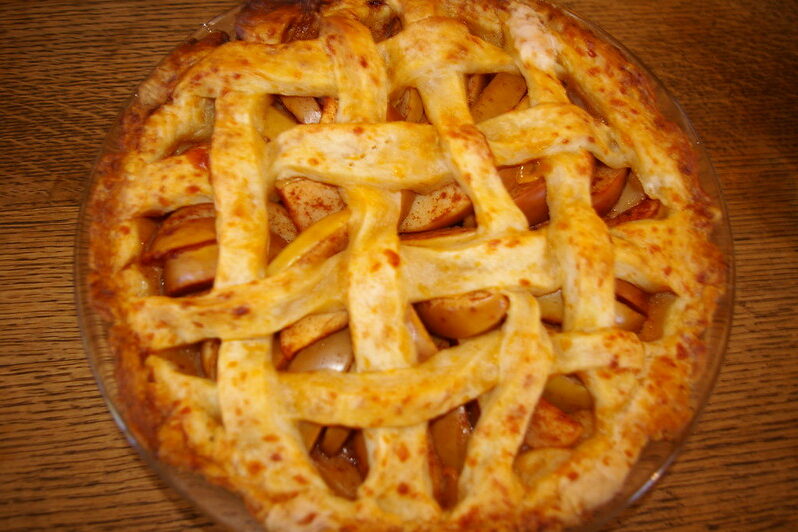
Apple pie often looks ready the moment it comes out of the oven, but slicing too soon can undo all the work. Letting the pie rest allows the filling to thicken and settle. The juices redistribute, creating slices that hold together instead of spilling. The apples taste more balanced, and the spices feel blended rather than sharp. This short wait improves both presentation and texture without affecting warmth too much.
Resting also deepens the eating experience. Each slice feels complete, with crust and filling working together. The pie still tastes comforting and familiar, just more composed. This pause turns apple pie from something messy into something satisfying to serve and eat. It is a gentle reminder that some dishes finish cooking after they leave the oven.
30. Hot Chocolate Balanced with a Pinch of Salt
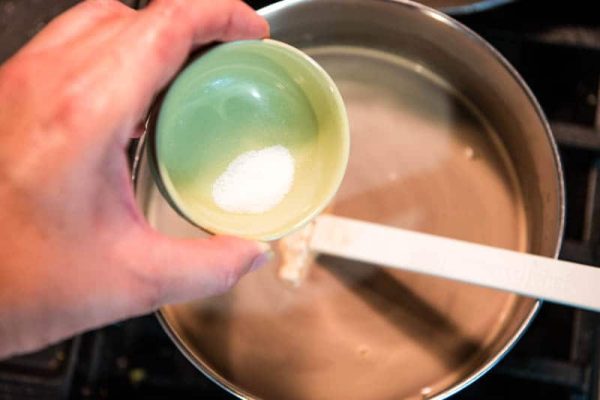
Hot chocolate is one of the simplest comfort drinks, often made quickly with little thought beyond sweetness. Adding a small pinch of salt while heating it changes the flavor in a quiet but noticeable way. The chocolate tastes deeper, warmer, and more rounded instead of flat or overly sweet. The salt does not make the drink salty, it sharpens the cocoa and helps the richness come through. Each sip feels fuller and more satisfying, especially on slow evenings or cold mornings when the goal is comfort, not intensity.
This small adjustment also changes how the drink feels overall. The sweetness becomes smoother, the milk tastes creamier, and the chocolate lingers longer on the palate. Whether made from cocoa powder or melted chocolate, the balance feels intentional rather than rushed. The mug warms your hands, the flavor settles instead of rushing, and the drink feels complete without needing extra toppings. A pinch of salt allows hot chocolate to feel like a finished comfort rather than a quick sugar fix, proving that even the simplest treats respond beautifully to gentle attention.


