
Chicken à la King
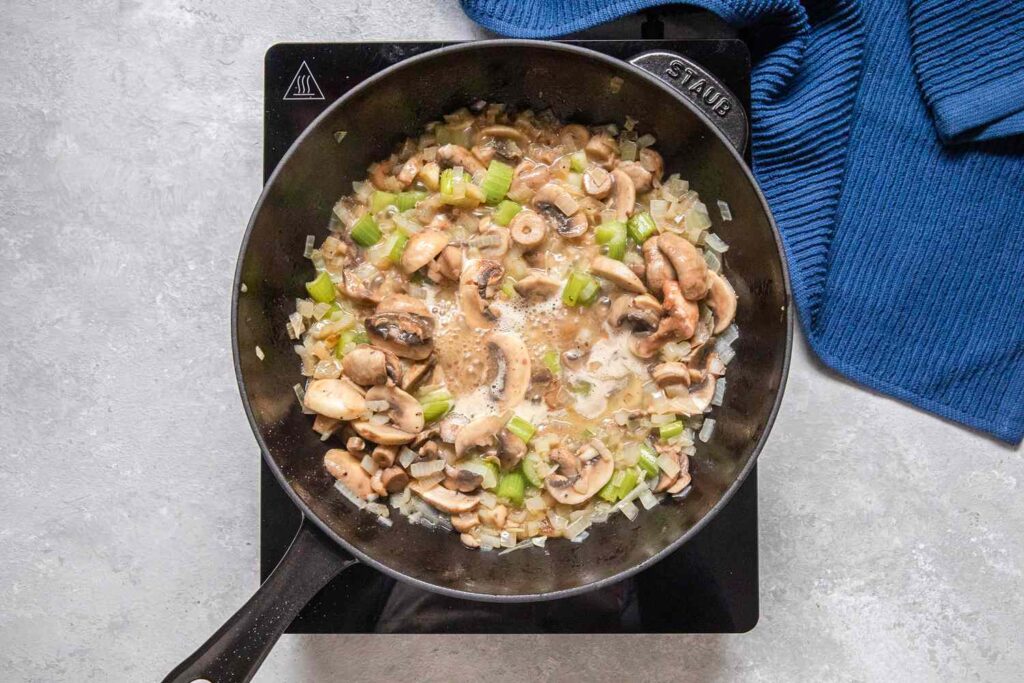
There is something comforting about starting with a dish that never needed attention to feel important. Chicken à la king once lived quietly in American kitchens, showing up on toast, rice, or biscuits without announcing itself. It was creamy, dependable, and built from ingredients people already had on hand. Families leaned on it when they needed dinner to feel complete without feeling complicated. The sauce carried warmth, the chicken gave substance, and the whole dish felt like a gentle way to bring everyone back to the table after a long day. It did not try to impress. It simply worked, and people trusted it because of that.
What makes chicken à la king worth revisiting now is that same sense of ease. It fits into modern kitchens where time is short but comfort still matters. With simple adjustments and careful cooking, it can feel fresh without losing its identity. Bringing it back is not about nostalgia alone. It is about remembering that meals once centered on calm, familiar flavors that invited people to slow down, sit together, and feel taken care of without needing much explanation at all.
Liver and Onions
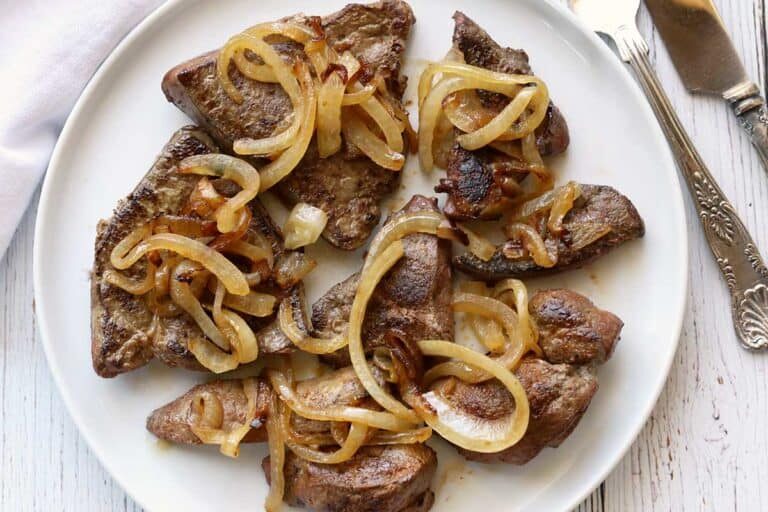
Liver and onions carries more memory than most meals, often tied to childhood dinners where opinions were strong and reactions were honest. It was not a dish meant to charm, but one meant to nourish. Cooked carefully, the liver was tender and mild, while the onions added sweetness and balance. Families served it because it was affordable, filling, and respectful of the whole animal. It reflected a time when cooking was practical and thoughtful, even when the flavors challenged younger palates. At its best, it felt grounding and intentional rather than harsh or heavy.
What deserves a return is not the pressure to love it, but the chance to understand it differently. When prepared with care and not rushed, liver and onions can feel surprisingly gentle. It fits into conversations about mindful eating and reducing waste without needing to change its core. Giving it space again allows people to reconnect with older food values that emphasized respect, nourishment, and learning how patience in cooking often changes how a dish is received.
Tomato Aspic

Tomato aspic once held its place at tables where presentation mattered, especially during gatherings that leaned toward quiet elegance. Clear, chilled, and neatly shaped, it was meant to refresh rather than fill. The flavor was subtle, built from seasoned tomato juice and allowed to set just enough to hold its form. It offered relief from heavier dishes and brought a sense of calm to the plate. People did not rush through it. They noticed it, even if they did not always understand it. That pause was part of its purpose.
Over time, tomato aspic became shorthand for outdated food trends, but that reputation ignores its restraint. Today, when simplicity is slowly finding its way back into cooking, aspic makes sense again. It asks very little and gives clarity in return. Served thoughtfully, it can feel intentional rather than odd. Revisiting tomato aspic is less about bringing back a look and more about restoring balance, reminding us that not every dish needs to compete for attention to belong.
Creamed Chipped Beef

Creamed chipped beef once belonged to mornings that started early and demanded strength. Served hot over toast, it was filling, salty, and dependable. Families leaned on it when breakfast needed to hold people through long hours. It appeared in diners, homes, and military kitchens, carrying a sense of routine and readiness. The sauce was simple and thick, built to coat rather than overwhelm, while the beef brought a savory punch that lingered. It was not subtle food, but it was honest food, meant to steady rather than surprise. People ate it slowly, often with coffee nearby, knowing it would last them until much later.
What makes creamed chipped beef worth revisiting is its purpose. It reminds us that breakfast was once about fuel and care, not trends. Prepared thoughtfully, with balance and restraint, it can feel grounding instead of heavy. Bringing it back allows room for meals that acknowledge effort and endurance. It fits into a renewed appreciation for dishes that show up quietly, do their job well, and leave people feeling supported rather than rushed or distracted.
Waldorf Salad

The Waldorf salad once offered a refreshing pause in meals that leaned rich and filling. Apples, celery, grapes, and a creamy dressing came together in a way that felt deliberate and calm. It was often served at gatherings where conversation mattered, providing crunch and brightness without demanding attention. Each ingredient had space to be itself, and that balance made the salad feel composed. It was light but not flimsy, familiar but not boring, and dependable enough to appear again and again without feeling tired.
What makes the Waldorf salad deserving of a return is its restraint. It does not rely on complexity to feel complete. In a time when salads often try to prove something, this one simply exists with confidence. Reintroducing it means valuing texture, freshness, and balance over excess. It reminds us that some dishes succeed because they know when to stop. Served thoughtfully, it still fits modern tables, offering clarity and ease in a way that feels quietly reassuring.
Baked Alaska

Baked Alaska was never meant to be rushed. It arrived at the table with intention, combining cake, ice cream, and meringue in a way that invited curiosity. People leaned in, intrigued by the contrast of hot and cold sharing the same space. It was dessert as experience, encouraging conversation before the first bite. The flavors were familiar, but the structure felt playful, almost daring, especially when served during celebrations. It created a pause, reminding everyone that food could still surprise them.
What makes baked Alaska worth returning to is that sense of wonder. Modern desserts often chase simplicity, but there is room for drama when it feels joyful rather than forced. With careful preparation, baked Alaska can feel exciting without being overwhelming. Bringing it back is not about showing off skill. It is about restoring moments where dessert felt communal and memorable. Sometimes the best endings are the ones people talk about long after the plates are cleared.
Stuffed Bell Peppers

Stuffed bell peppers once signaled a meal that was planned rather than improvised. They required preparation, patience, and trust in the oven to do its work. Filled with rice, meat, and seasoning, they stretched ingredients while still feeling generous. Families relied on them when they wanted dinner to feel complete without excess. As they baked, the peppers softened and absorbed flavor, creating a dish that felt unified and comforting by the time it reached the table.
What makes stuffed peppers relevant again is their adaptability. They welcome change without losing their structure. Different fillings can reflect different tastes, yet the core remains familiar. Bringing them back honors meals that respected time and intention. They remind us that cooking does not need urgency to be meaningful. Sometimes it needs stillness. Stuffed bell peppers offer that pause, encouraging a slower rhythm that allows food to develop depth and people to settle into the experience of sharing a thoughtful meal.
Ham Salad

Ham salad was a familiar presence in lunchboxes and picnic spreads, never flashy but always reliable. Chopped ham mixed with a creamy base and small bits of crunch made sandwiches feel intentional. It was easy to prepare and easy to share, fitting neatly into everyday life. People trusted it to show up without fuss, offering comfort in its consistency. It did not aim to impress. It aimed to satisfy, and often did.
What makes ham salad worth revisiting is its humility. In a world full of elaborate spreads, it stands as a reminder that simplicity still works. With thoughtful seasoning and care, it can feel refreshed without changing its nature. Bringing it back supports meals that value ease and familiarity. It belongs to a style of eating that respects time, resources, and the comfort of knowing exactly what you are about to enjoy.
Spoonbread

Spoonbread lived comfortably between side and centerpiece, soft enough to scoop and rich enough to matter. Made from cornmeal, milk, and eggs, it reflected a style of cooking rooted in care and repetition. It often appeared warm from the oven, inviting people to slow down and savor texture rather than rush through bites. Spoonbread did not demand seasoning tricks. Its appeal came from balance and timing, from knowing when it was ready to be served.
What makes spoonbread deserving of attention now is its gentleness. It fits into conversations about comfort without excess. Serving it again reconnects tables with a quieter form of satisfaction. Spoonbread reminds us that softness has a place, and that not every dish needs edges to be memorable. It brings warmth in a literal and emotional sense, offering something steady in moments when people are looking for food that feels kind and dependable.
Jellied Cranberry Sauce

Jellied cranberry sauce has long been treated as a joke, yet it held its place at holiday tables year after year. Served sliced and cold, it provided contrast to heavy dishes and rich flavors. Its tart sweetness cut through fullness, offering balance whether people acknowledged it or not. It was dependable, arriving exactly as expected, shaped the same way every time. That predictability gave it a quiet role in shared traditions.
What makes jellied cranberry sauce worth keeping is its consistency. It never pretended to be something else. In gatherings where everything else changes, it stayed familiar. Revisiting it with appreciation rather than irony allows space for tradition without embarrassment. Some foods exist to anchor memory rather than evolve. Jellied cranberry sauce does that gently, reminding us that not every part of the table needs reinvention to remain meaningful.
Chicken Divan

Chicken divan once felt like a dependable answer when dinner needed to serve more than hunger. It showed up at family tables, potlucks, and gatherings where food was meant to be shared easily. Broccoli and chicken folded into a creamy sauce created something familiar and reassuring. It was warm, filling, and forgiving, allowing cooks to work with what they had while still producing something that felt complete. People trusted it because it rarely failed. It held its shape, traveled well, and offered comfort without asking for attention.
What makes chicken divan worth returning to is its generosity. It represents a time when meals were built to include everyone, not impress anyone. With thoughtful preparation, it can feel balanced rather than heavy. Bringing it back honors casseroles that served real purpose. Chicken divan reminds us that cooking was once about showing care through effort and consistency. It fits into modern life as a reminder that shared meals do not need novelty to matter. They need warmth, familiarity, and the quiet assurance that everyone will leave the table satisfied.
Sloppy Joes

Sloppy joes were never meant to be neat, and that was part of their charm. Ground meat simmered in a tangy sauce, piled onto soft buns, created a meal that felt relaxed and approachable. They appeared on weeknights when time was short and expectations were simple. Families leaned into their messiness, knowing the reward was flavor and fullness rather than presentation. Sloppy joes invited people to eat with their hands, laugh at spills, and focus on the moment instead of manners.
What makes sloppy joes deserving of a return is their honesty. They never pretended to be refined or complex. With better ingredients and care, they can still feel satisfying without losing their spirit. Bringing them back supports meals that value connection over perfection. Sloppy joes remind us that food can be joyful without structure. They belong to a style of eating where comfort mattered more than control, and where dinner felt like a pause rather than a performance.
Pineapple Upside Down Cake

Pineapple upside down cake carried a quiet confidence, often baked without ceremony and served warm. The caramelized fruit and soft cake created a balance of sweetness and comfort that felt familiar. It appeared at family gatherings and casual celebrations, offering dessert without complication. People did not rush it. They let it cool slightly, then cut generous slices, trusting its flavors to speak for themselves. It was approachable and comforting, the kind of dessert that welcomed everyone.
What makes this cake worth revisiting is its simplicity. It does not rely on decoration or trend. Its appeal lies in timing and balance. Bringing it back means appreciating desserts that feel homemade rather than staged. Pineapple upside down cake reminds us that sweetness does not need excess to feel complete. It offers warmth and familiarity, grounding the end of a meal in something steady. Sometimes the most memorable desserts are the ones that arrive quietly and leave people feeling content rather than impressed.
Creamed Spinach

Creamed spinach once carried a sense of occasion, often served alongside meals meant to feel special. It transformed a leafy vegetable into something smooth and indulgent, offering richness without overshadowing the main dish. The texture was soft, the flavor deep, and the portion usually modest. It was meant to complement rather than dominate. People appreciated it as a small luxury, one that made the meal feel complete.
What makes creamed spinach relevant again is its balance. When prepared thoughtfully, it celebrates the vegetable instead of hiding it. Bringing it back allows room for richness without guilt or excess. It reminds us that vegetables can be comforting and satisfying in their own right. Creamed spinach fits into modern tables as a reminder that indulgence does not need to be loud. Sometimes it arrives quietly, adds depth, and leaves without overstaying its welcome, which is exactly what made it special in the first place.
Pot Roast
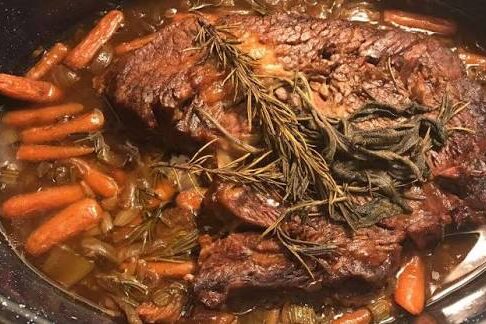
Pot roast was never hurried. It cooked slowly, filling kitchens with a steady aroma that promised comfort hours before dinner was served. Families planned around it, knowing it required time and patience. Meat and vegetables softened together, creating a dish that felt unified and generous. Pot roast marked Sundays and special evenings when slowing down felt natural. It was less about the recipe and more about the rhythm it created in the home.
What makes pot roast deserving of renewed attention is what it represents. It teaches patience in a culture that rarely waits. Bringing it back is not about nostalgia alone. It is about choosing meals that allow space for rest and conversation. Pot roast reminds us that some dishes exist to anchor time, not fill it. As food trends shift, its steady presence feels grounding. It suggests that slowing down at the table still matters, and that some traditions quietly hold everything together.
Tuna Noodle Casserole

Tuna noodle casserole once lived at the center of weeknight cooking, especially in homes where meals needed to stretch without feeling thin. Canned tuna, egg noodles, and a creamy base came together easily, creating something filling and familiar. It was dependable food, the kind that showed up when schedules were tight and energy was low. Families trusted it because it delivered warmth and balance without demanding much attention. It baked quietly, filling the kitchen with a soft, comforting smell that signaled dinner was handled.
What makes tuna noodle casserole worth revisiting is its adaptability. With thoughtful choices, it can feel lighter and more intentional while still keeping its core. Bringing it back is not about clinging to the past but about honoring meals that solved real problems. It represents cooking that prioritized care over creativity. Tuna noodle casserole fits into modern life as a reminder that simplicity can still feel complete. Sometimes the most useful dishes are the ones that meet people where they are and make ordinary evenings feel manageable.
Salisbury Steak
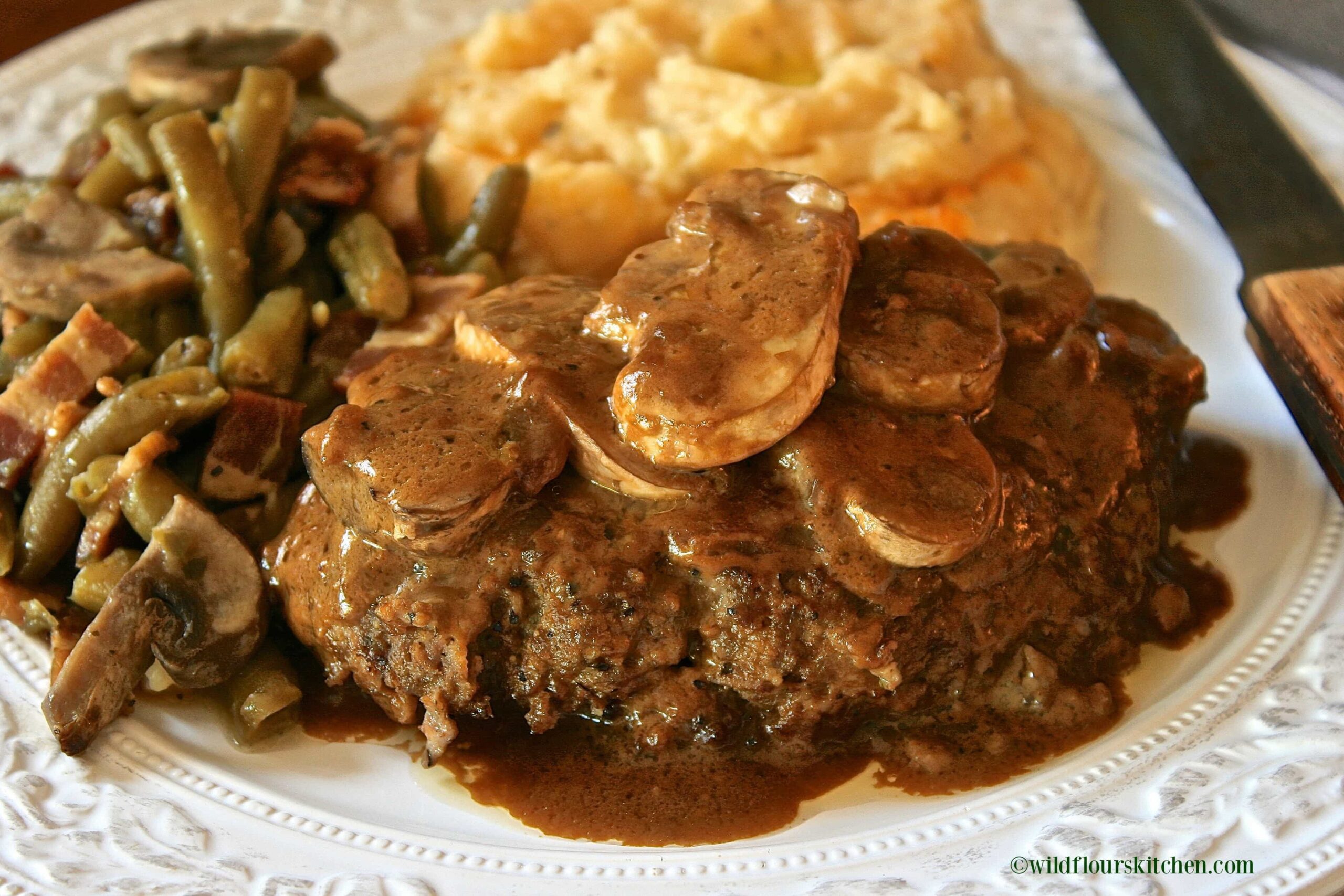
Salisbury steak was never about elegance. It was about turning ground meat into something that felt like a proper meal. Shaped into patties and served with gravy, it appeared often with mashed potatoes or simple vegetables. Families leaned on it when they wanted something hearty that did not require expensive cuts or long preparation. It carried the comfort of routine, offering flavors people recognized and trusted. Salisbury steak felt steady, especially on nights when predictability mattered.
What makes Salisbury steak deserving of a return is its honesty. It did not hide what it was. When prepared carefully, it delivers warmth and satisfaction without excess. Bringing it back allows space for meals that feel grounding rather than performative. Salisbury steak reminds us that food does not need to be complicated to feel meaningful. It fits into modern kitchens as a reminder that dependable flavors still matter. Sometimes familiarity is not a weakness but a quiet strength that holds meals together.
Corned Beef Hash

Corned beef hash belonged to mornings that needed recovery or reassurance. Chopped beef and potatoes cooked together created a crisp, savory dish that felt restorative. It often appeared as a way to use leftovers wisely, turning yesterday’s meal into something new and satisfying. People trusted it to bring balance back to the day, especially when served hot and fresh. It was simple, filling, and deeply comforting, offering structure when mornings felt slow or uncertain.
What makes corned beef hash worth bringing back is its practicality. It reflects a time when resourcefulness was built into cooking. With careful preparation, it still feels relevant and nourishing. Bringing it back supports meals that respect effort and continuity. Corned beef hash reminds us that good food does not always start from scratch. Sometimes it begins with what remains and transforms it into something steady and grounding. It fits easily into modern routines while carrying a sense of care that feels timeless.
Ambrosia Salad

Ambrosia salad once appeared at gatherings where dessert and side blurred gently together. A mix of fruit, coconut, and a creamy base created something light and sweet without being overwhelming. It was often served chilled, offering contrast to heavier dishes on the table. Families brought it to potlucks and celebrations because it felt cheerful and familiar. Ambrosia salad did not demand explanation. It simply belonged, adding softness to shared meals.
What makes ambrosia salad worth revisiting is its sense of ease. It was never meant to be serious food. It existed to bring balance and brightness. Bringing it back allows room for dishes that prioritize comfort over sophistication. Ambrosia salad reminds us that sweetness does not always need structure. Sometimes it can be gentle and uncomplicated. It fits into modern gatherings as a reminder that not every dish must impress. Some only need to make people feel welcome.
Meatloaf

Meatloaf once held a steady place at dinner tables, shaped carefully and baked until firm. It was adaptable, welcoming different seasonings and additions depending on what was available. Families relied on it because it stretched ingredients while still feeling substantial. Served with simple sides, it created a sense of completion. Meatloaf was dependable food, the kind that showed up week after week without complaint, offering comfort through consistency.
What makes meatloaf deserving of attention now is its flexibility. It changes easily without losing its identity. Bringing it back means valuing meals that adapt to real life. Meatloaf reminds us that food can be forgiving and still meaningful. It fits into modern kitchens as a reminder that care does not always look elaborate. Sometimes it looks like a familiar shape on a plate, served warm, carrying the quiet reassurance of home.
Chicken Fried Steak
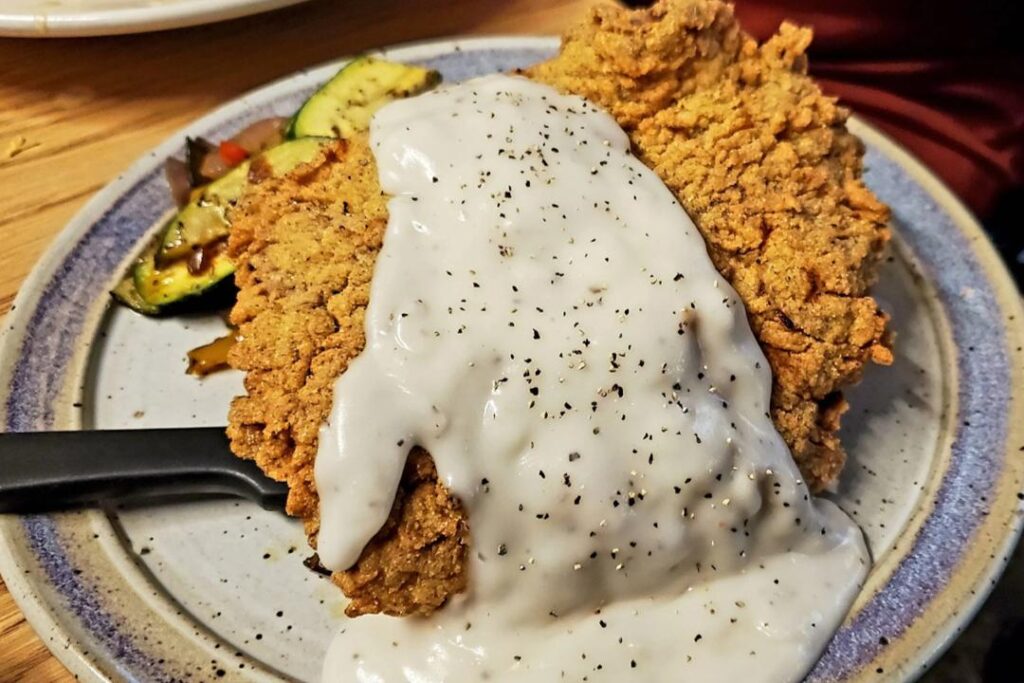
Chicken fried steak once signaled a meal meant to satisfy deeply. Breaded, pan fried, and covered in creamy gravy, it brought warmth and texture together in a way that felt generous. Families served it when hunger needed more than subtlety. The crunch gave way to tenderness, while the gravy tied everything together. It was hearty food, built to linger and fill plates with purpose. People expected fullness, and it delivered without apology.
What makes chicken fried steak worth returning to is its clarity. It knows exactly what it is. Prepared with care and moderation, it can feel comforting rather than overwhelming. Bringing it back allows room for meals that embrace richness without embarrassment. Chicken fried steak reminds us that satisfaction has a place at the table. It fits into modern kitchens as an occasional indulgence that feels earned. Sometimes food exists to ground us, offering a moment of reassurance through texture, warmth, and familiar flavor.
Shrimp Louie

Shrimp Louie once felt elegant without being distant. Chilled shrimp served over crisp greens with a creamy dressing brought balance to the table. It appeared at lunches and special dinners where meals leaned lighter but still intentional. The presentation was calm and clean, offering freshness rather than fullness. People appreciated it as a pause between heavier dishes, a reminder that meals could feel complete without weight.
What makes shrimp Louie deserving of a return is its restraint. It does not rush or overwhelm. Bringing it back honors dishes that value clarity and simplicity. Shrimp Louie fits easily into modern eating habits where freshness matters. It reminds us that elegance does not require excess. Sometimes it lives in careful assembly and thoughtful contrast. Served again, it reconnects tables with a quieter form of satisfaction that feels steady and intentional.
Boston Brown Bread

Boston brown bread carried a sense of patience that matched its preparation. Steamed rather than baked, it developed slowly, creating a dense, slightly sweet loaf. It was often served alongside simple meals, adding depth without distraction. Families valued it because it felt filling and honest, rooted in tradition rather than trend. The texture invited slower eating, encouraging people to pay attention.
What makes Boston brown bread worth revisiting is its rhythm. It teaches that good things can take time. Bringing it back allows space for techniques that are not rushed. It fits into conversations about traditional cooking without needing explanation. Boston brown bread reminds us that food can be grounding without being heavy. It offers quiet nourishment and continuity, qualities that still resonate in kitchens looking for balance and intention.
Creamed Peas

Creamed peas once appeared quietly on dinner plates, never announcing themselves but always completing the meal. They were soft, warm, and dependable, offering comfort through familiarity. Families served them alongside roasted meats and simple mains because they required little effort and delivered consistency. The peas held their shape while the creamy sauce wrapped them gently, creating a side dish that felt reassuring rather than exciting. It was food meant to support, not compete, and that quiet role mattered. Creamed peas were often associated with home cooking where balance was valued and meals were built with intention rather than display.
What makes creamed peas worth revisiting now is that sense of calm they bring to the table. They remind us that not every dish needs bold flavor or sharp contrast to be meaningful. In a time when plates are often crowded with attention seeking elements, creamed peas offer restraint. Bringing them back allows room for softness and simplicity. They fit naturally into meals that prioritize comfort and coherence. Creamed peas show that food can still be satisfying when it knows its purpose and fulfills it gently.
Baked Ham with Pineapple

Baked ham with pineapple once marked moments when families gathered and food carried meaning beyond nourishment. Served during holidays and special occasions, it filled kitchens with a recognizable aroma that signaled togetherness. The sweetness of the pineapple balanced the saltiness of the ham, creating a pairing people expected and welcomed. It was a dish meant to be shared, sliced generously, and enjoyed without explanation. Leftovers stretched the celebration into the following days, reinforcing its role as a meal that kept giving.
What makes baked ham with pineapple deserving of a return is its understanding of balance. It never chased complexity. It relied on contrast and familiarity to do the work. Bringing it back means honoring dishes that brought people together without effort. It fits into modern tables as a reminder that celebration does not need reinvention. Some meals already know how to show up when it matters. Baked ham with pineapple quietly holds that space, connecting past gatherings with present ones through flavor and memory.
American Goulash

American goulash once lived in kitchens where practicality shaped meals. Made with pasta, ground meat, tomatoes, and simple seasoning, it was a one pot solution that fed families without strain. It simmered slowly, allowing flavors to settle into something cohesive and comforting. People returned to it because it stretched ingredients and time, offering warmth in large servings. It was not flashy food. It was dependable, filling, and built for repetition. Goulash felt like something you could rely on when schedules were tight and appetites were real.
What makes American goulash worth revisiting is its honesty. It reflects a kind of cooking that prioritized nourishment over novelty. With small adjustments, it still fits into modern routines without losing its heart. Bringing it back honors meals that solved everyday problems with care. American goulash reminds us that food does not need reinvention to remain relevant. Sometimes it only needs to be remembered and cooked with the same intention that made it trusted in the first place.
Chicken Pot Pie

Chicken pot pie once represented comfort in its most complete form. Tender chicken, vegetables, and gravy tucked beneath a crust created a meal that felt secure and thoughtful. It often arrived at the table steaming, inviting patience before the first bite. Families trusted it because it combined everything needed in one dish. It filled homes with a familiar aroma that signaled rest and nourishment after long days.
What makes chicken pot pie deserving of attention now is its sense of care. It asks for time and rewards it with balance. Bringing it back encourages meals that feel whole rather than hurried. Chicken pot pie reminds us that comfort food can still feel intentional. It fits into modern kitchens as a reminder that slowing down at dinner can be an act of kindness. Sometimes the most meaningful meals are the ones that hold everything together quietly.
Scalloped Potatoes
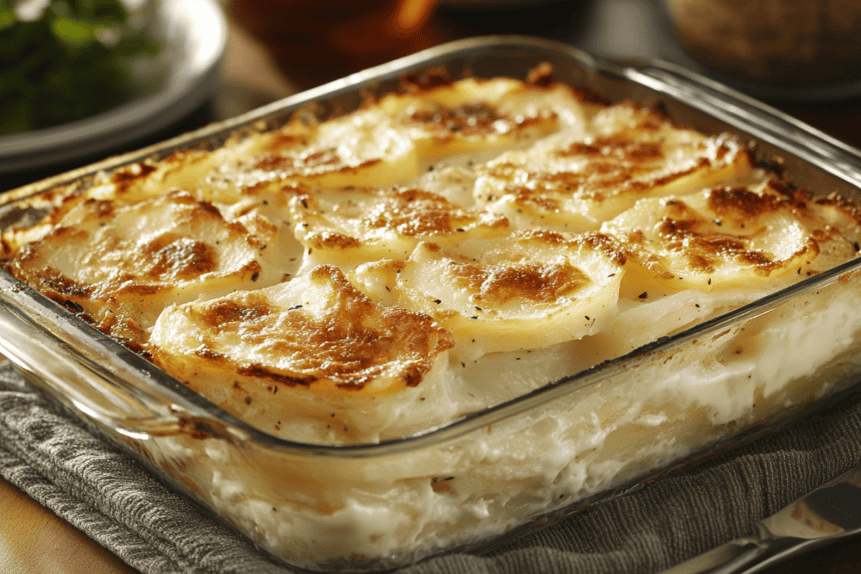
Scalloped potatoes once appeared at tables where meals unfolded slowly. Thin slices baked together in a creamy sauce created something cohesive and comforting. The layers softened into one another, offering richness without sharpness. Families served them during gatherings where sharing mattered, trusting the dish to satisfy without distraction. It was food that rewarded waiting.
What makes scalloped potatoes worth returning to is their gentleness. They do not rush or demand attention. Bringing them back supports meals that value process. Scalloped potatoes remind us that patience still has a place in cooking. They fit into modern meals as a reminder that layering effort often leads to depth. Sometimes comfort comes from allowing food the time it needs to become what it is meant to be.
Baked Beans with Pork
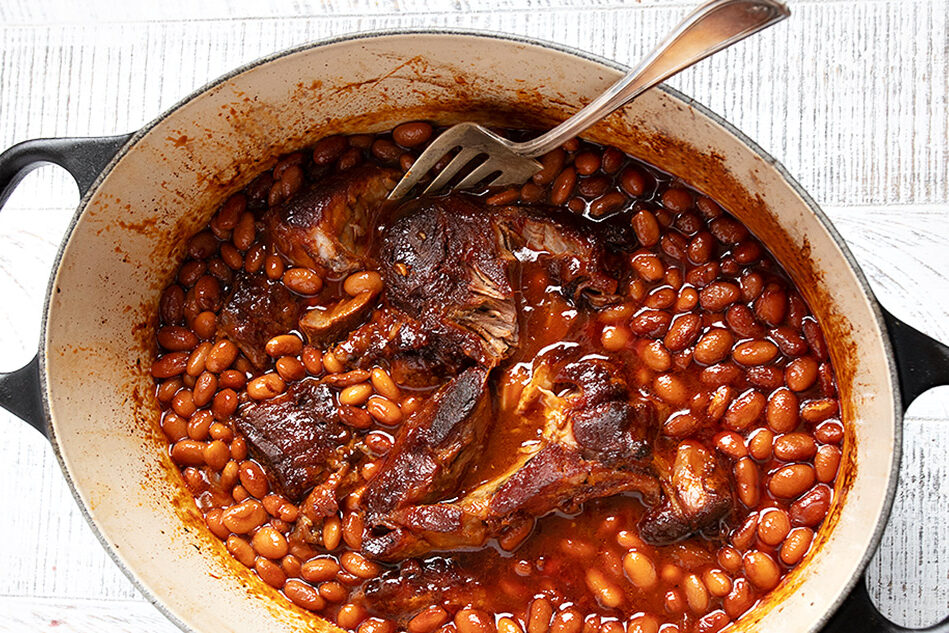
Baked beans with pork once held a dependable place on American tables, especially during meals meant to last. Sweet, savory, and slow cooked, they were prepared hours ahead and allowed to deepen as they sat. Families served them at gatherings where food needed to stretch and remain steady. The beans absorbed flavor gradually, while the pork added richness that anchored the dish. It was not rushed food. It was built to linger, to be returned to, and to feel just as good later as it did at first serving. People trusted baked beans because they stayed consistent throughout the day.
What makes baked beans with pork worth revisiting is their patience. They remind us that some dishes are meant to unfold slowly rather than impress quickly. Bringing them back honors meals that respected time and continuity. They fit naturally into modern cooking that values preparation and ease. Baked beans offer comfort without urgency, showing that food can hold space quietly. Their return would support meals that move at a gentler pace and allow people to settle in rather than rush through.
Rice Pudding

Rice pudding once closed meals with softness rather than spectacle. Made from simple ingredients, it relied on slow cooking and careful attention. Warm or chilled, it offered familiarity that felt calming after heavier dishes. Families turned to it when dessert needed to comfort rather than excite. Rice pudding was often served in small bowls, encouraging slower eating and conversation. It did not dominate the table. It completed it, offering something steady and reassuring.
What makes rice pudding deserving of a return is what it represents across generations. Many of the dishes in this list share that same quiet purpose. They were built to care for people without asking much in return. Ending with rice pudding feels natural because it reflects the heart of these classics. They endured because they worked. Bringing them back means choosing warmth, balance, and simplicity again. If these dishes stirred recognition, consider revisiting one. Cook it, share it, and pass along the comfort that once shaped everyday American tables.


