
Tony Iommi Lost The Tips Of Two Fingers
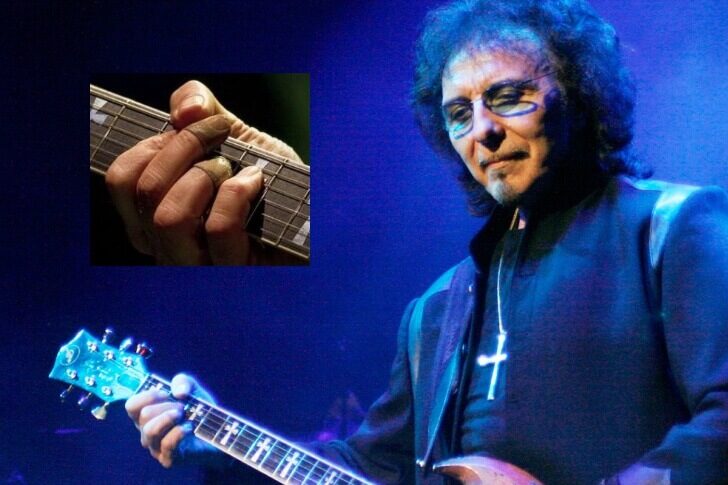
We tend to look at celebrities and assume their lives have always been polished and untouched, but Tony Iommi’s story begins in a factory, not on a stage. As a teenager working his last shift before pursuing music full time, he lost the tips of two fingers in a machinery accident. Doctors told him he might never play guitar again, and for a while, that felt like the end of the road. Instead of giving up, he went home determined to figure out how to keep playing, even if it hurt.
He made his own fingertip covers using melted plastic and adjusted his guitar tuning to reduce the strain on his injured hand. That deeper, heavier sound became central to Black Sabbath’s identity and later shaped heavy metal itself. What could have ended his music career at seventeen quietly reshaped it. He did not ignore what happened. He worked around it. And in doing so, he proved that losing part of your hand does not mean losing your gift.
Bethany Hamilton Lost Her Left Arm

At thirteen, Bethany Hamilton was surfing near her home in Hawaii when a shark attacked and took her left arm. The shock was immediate and life altering. Recovery was painful, and the sudden attention from the world only added to the weight of it all. Still, when she later spoke about that season, she kept returning to one simple desire. She wanted to get back on her board. Not for headlines. Not for sympathy. Just because surfing was part of who she was.
Within weeks, she returned to the ocean, relearning how to paddle, balance, and stand with one arm. It was not instant or easy. It took practice and steady determination. She eventually went back to competitive surfing and built a professional career. Watching her ride waves today, you see skill and control before you notice what is missing. She did not let the loss close her future. She adjusted her method and kept going.
Matthew Perry Lost Part Of His Middle Finger
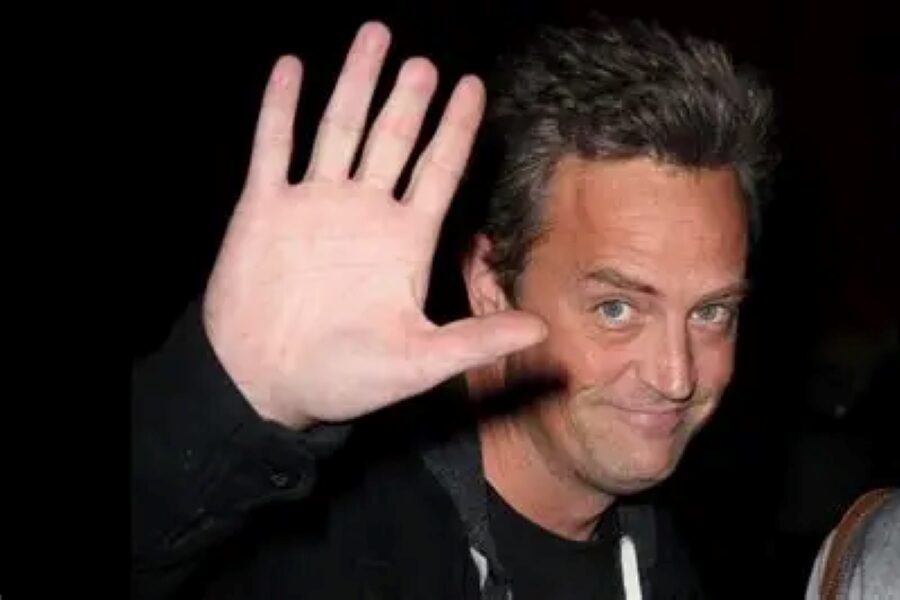
Long before he became a household name, Matthew Perry lost part of the tip of his middle finger in a childhood accident involving a door. It was not dramatic or public at the time. It was one of those things that happen quickly and leave a permanent reminder. By the time he was starring on television, that missing piece was simply part of his hand, something most viewers never even noticed.
On screen, his timing and humor carried the scene. The audience focused on the jokes, the expressions, the chemistry between cast members. The injury did not define him and he did not center it in interviews. It existed quietly in the background of a very full life. Like many childhood scars, it faded into normalcy. His career unfolded without that early accident limiting what he could do.
Padma Lakshmi Lost Tissue In A Car Accident
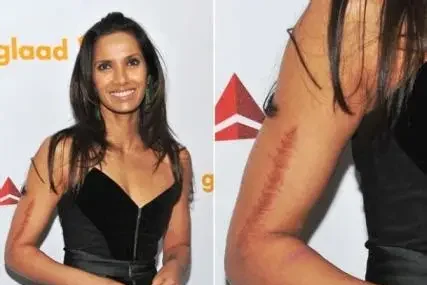
When Padma Lakshmi was fourteen, she survived a serious car accident that left a long scar down her arm and significant tissue damage underneath. The injury changed the appearance of her arm permanently. For years, especially while working in modeling and television, she tried to hide it. Stylists suggested sleeves. Photographers chose careful angles. The scar felt like something to manage.
Over time, she decided to stop covering it. She began wearing sleeveless outfits and letting the scar show naturally. In interviews, she has said that it represents survival, not flaw. The tissue she lost is part of her history, not something she needs to erase. Audiences gradually grew used to seeing it, and it became simply part of her presence. Her career did not shrink because of it. If anything, her confidence grew stronger.
Erik Weihenmayer Lost His Sight
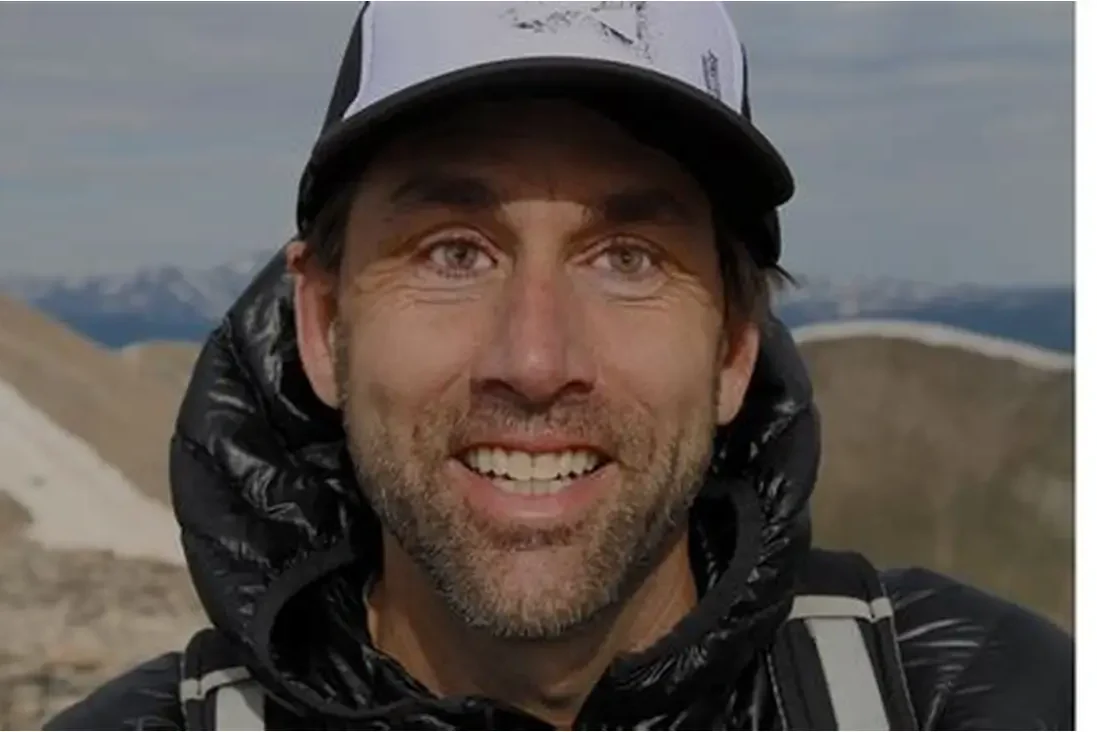
Erik Weihenmayer permanently lost his sight at the age of thirteen due to a rare genetic eye disease called retinoschisis. The condition progressively damaged his retinas until he became completely blind. There was no surgery to reverse it and no gradual improvement. His vision faded until it was gone. Losing eyesight meant relearning daily life from scratch, from reading and navigating spaces to rebuilding confidence as a teenager trying to understand a world that suddenly looked different.
What makes his story remarkable is not the diagnosis but what followed. After losing his sight completely, he went on to become the first blind person to summit Mount Everest. Climbing the highest mountain in the world requires physical endurance, coordination, and intense focus. He trained rigorously and relied on sound, touch, and teamwork to navigate terrain most people with full vision would fear. The loss of his eyesight was permanent. It did not return. Instead of narrowing his world, he expanded it in ways few could imagine.
Rick Allen Lost His Left Arm
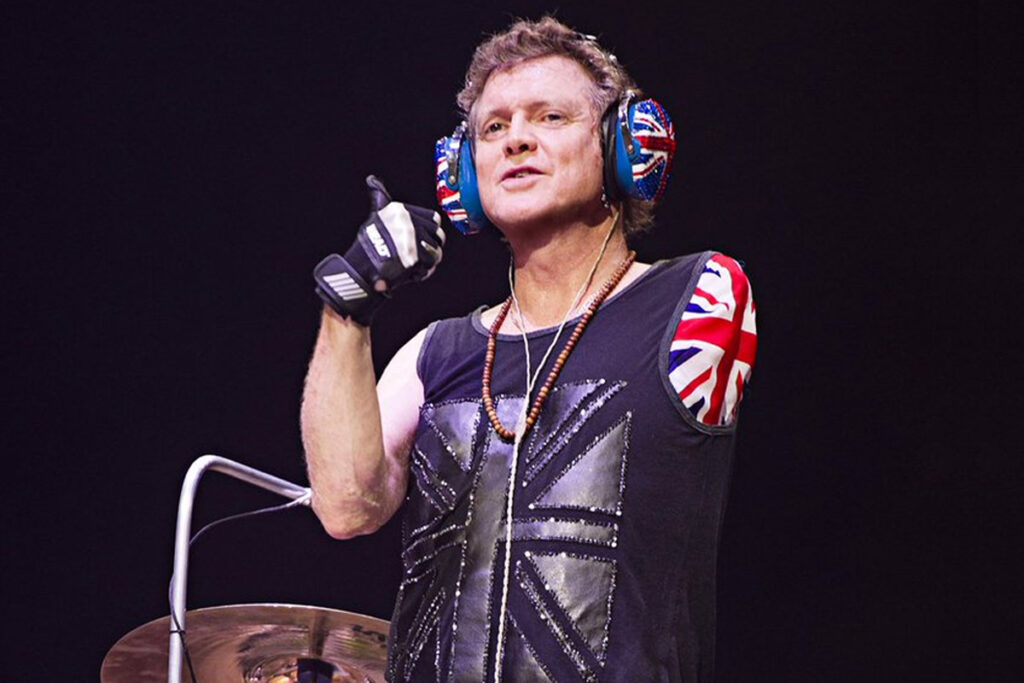
Before Jim Carrey became known for his big expressions and over the top physical comedy, he experienced a childhood accident that resulted in the loss of part of one of his fingers. It was not something that happened under bright lights or in front of cameras. It was an ordinary injury that left a permanent change. By the time audiences were watching him on screen, that missing piece had already become part of his normal, something he lived with quietly.
If you watch his performances closely, you will see how expressive his hands are, how much movement he brings into every role. The missing portion of his finger never limited that. He did not slow down or shrink back. He leaned fully into his talent. That detail about his hand rarely becomes the focus, and that is what makes it feel real. Life went on. His career grew. The absence did not erase the presence.
James Doohan Lost Part Of His Finger
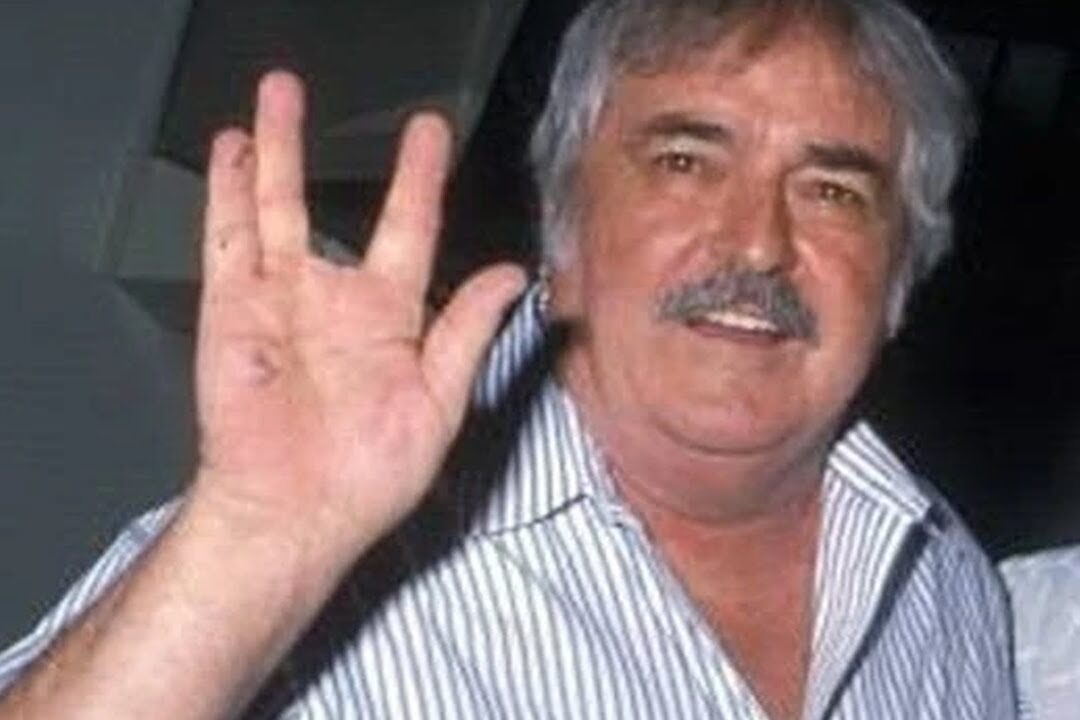
Before James Doohan became known as Montgomery “Scotty” on Star Trek, he served in the Royal Canadian Artillery during World War II. During the war he was part of the D-Day invasion at Juno Beach, and later saw brutal combat in the Netherlands. In one incident while firing a pistol, a bullet accidentally struck his right middle finger, necessitating its amputation. The loss was permanent and real, not a scar or minor injury. He continued his service and was even wounded again later in the war, earning the Military Medal for bravery under fire.
After the war, Doohan pursued acting and eventually landed the role of Scotty, the beloved engineer aboard the USS Enterprise. Most fans never noticed his missing finger on screen because he moved and performed with remarkable confidence. He never publicly downplayed the loss, but he also never allowed it to limit his career. From wartime injury to sci-fi legend, his missing digit traveled with him into the hearts of audiences worldwide, yet it rarely defined him. That simple, human detail quietly reminds us that body part loss does not erase presence.
Jeremy Beadle Was Born With A Smaller Hand
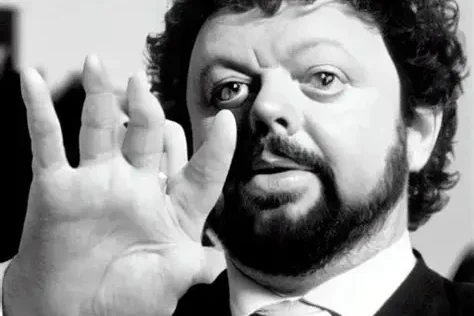
Jeremy Beadle was born with Poland syndrome, a condition that left one of his hands significantly smaller than the other. In television, where appearance is often scrutinized, that difference was visible from the start. Instead of trying to hide it, he addressed it openly and sometimes even joked about it himself. That approach shifted how people reacted.
He built a successful career as a television presenter, known for his wit and personality more than anything else. The size of his hand did not overshadow his work. By acknowledging it without embarrassment, he removed much of the tension around it. Viewers focused on what he said and how he connected, not on what was different. His story shows how confidence can reshape perception. The physical difference remained, but it never reduced his impact.
Ashton Kutcher Was Born With Webbed Toes
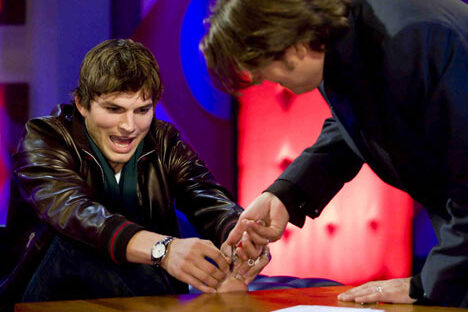
Ashton Kutcher once revealed during a television interview that he was born with webbed toes, a condition medically known as syndactyly. He explained that two of his toes were connected by skin when he was born. The condition was partially corrected when he was younger, but he still has visible webbing between them. It is not something that resulted from an accident later in life. It is something he was born with, a natural physical difference that remained with him into adulthood. When he spoke about it publicly, he did so casually, even joking about it.
What stood out was not just the condition itself, but how lightly he carried it. He did not frame it as a defect or something embarrassing. He treated it as an ordinary fact about his body. Most people have something slightly unusual about them, whether they talk about it or not. By mentioning his without hesitation, he made it feel simple and human. It became just another detail in a much larger life and career.
Josh Sundquist Lost His Left Leg
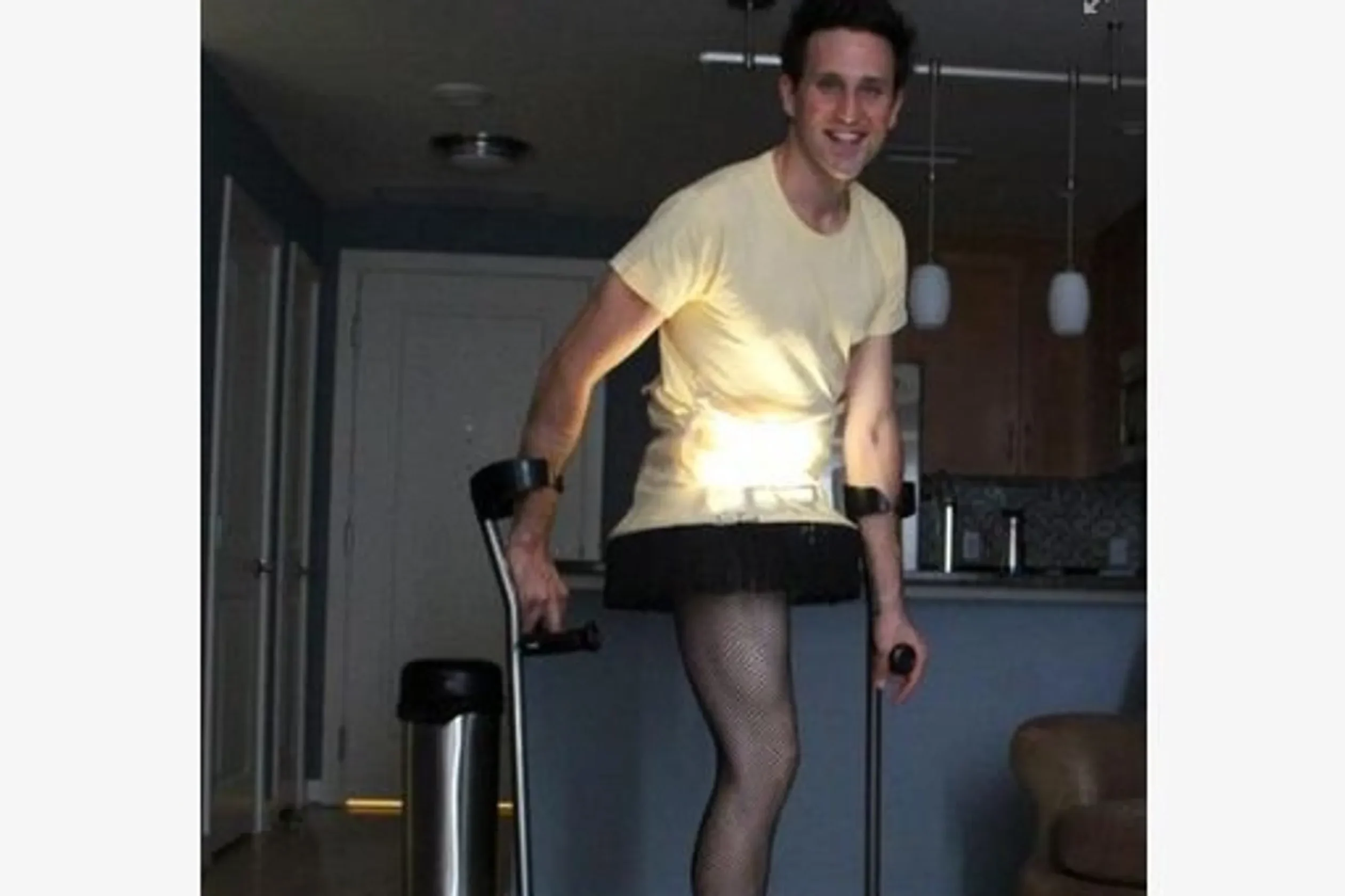
Josh Sundquist was just nine years old when he was diagnosed with bone cancer in his left leg. After doctors tried chemotherapy and the tumor did not respond, they made the decision to amputate his leg above the knee to save his life. That moment was sudden and permanent. He did not grow his leg back. He did not regain what was lost. From that day forward, his left leg was gone.
Adjusting to life with one leg as a child was not easy. He learned to use a prosthetic, fell down, got back up, and practiced walking, running, and eventually skiing with determination and patience. Over time, he developed confidence and strength that most people never have to cultivate at such a young age. As an adult he became a Paralympic athlete, a motivational speaker, and a bestselling author. The absence of his left leg did not hold him back. It became part of who he was, shaping his path toward resilience, humor, and connection with audiences around the world.
Shannon Elizabeth Lost Part Of Her Reproductive System

Shannon Elizabeth has shared publicly that she underwent surgery which resulted in the removal of part of her reproductive system due to serious medical complications. It was not something visible to fans or obvious on screen, but it was deeply personal and life altering. Health issues like that often arrive quietly, behind closed hospital doors, forcing decisions that carry emotional weight. For her, it meant adjusting expectations and facing conversations about her body that many people prefer to keep private.
What makes her story resonate is the calm way she has acknowledged it without turning it into spectacle. She continued working in film and television, showing up to auditions and events just as she always had. The surgery did not define her public identity, but it did become part of her lived experience. Like many people who navigate internal loss, she carried it with strength, allowing her career and passions to remain at the forefront of her life.
Jerry Garcia Lost His Right Middle Finger
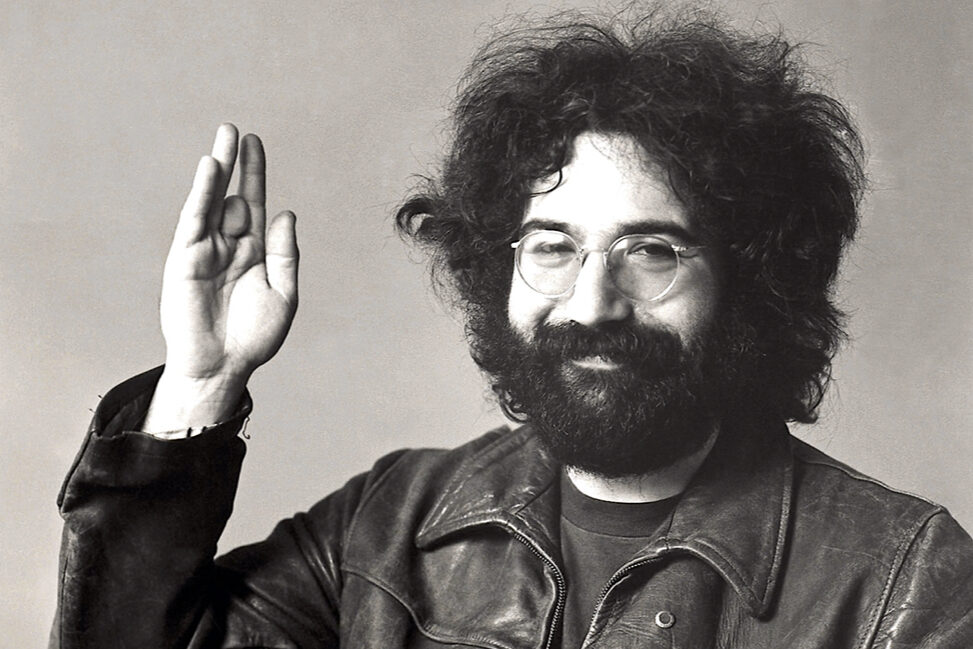
Long before Jerry Garcia became the frontman of the Grateful Dead, he lost most of his right middle finger in a childhood accident. He was just four years old when he and his older brother were chopping wood. In a sudden moment, the blade came down and severed a large portion of his finger. Doctors were able to treat the injury, but the missing part was permanent. He grew up learning how to use his hand differently, adjusting naturally as children often do.
As he developed into a guitarist, that missing finger did not stop him from mastering complex riffs and improvisations. In fact, some fans believe it subtly influenced his unique playing style, shaping how he positioned his hand on the fretboard. He never tried to hide it. Photographs show the shortened finger clearly. It was simply part of him. The loss did not take music away from him. If anything, it became folded into the identity of one of rock’s most recognizable performers.
Tony Meléndez Was Born Without Arms
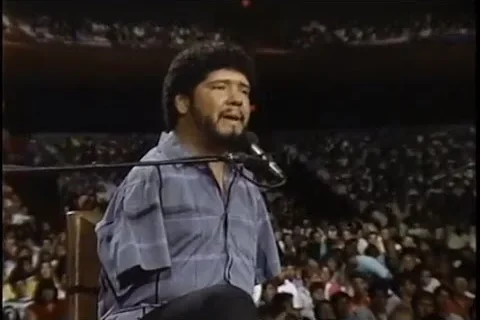
Tony Meléndez was born without arms due to a rare birth condition called amelia, which means he never developed arms at all. From the moment he entered the world, his body looked different in an unmistakable way. There was no injury, no accident, and no surgical removal. The absence of both arms was part of who he always was. As a child, he learned to use his feet for everyday tasks most people do with hands, such as writing, eating, brushing his teeth, and eventually playing musical instruments.
As he grew older, Meléndez discovered a deep passion for music. He learned to play guitar with his feet, a skill that took immense patience and practice. His talent brought him before audiences around the world, including a famous performance for Pope John Paul II in 1987 where the Pope told him “my melody is Jesus’ love.” The permanent absence of his arms never stopped him from performing with joy, reaching people emotionally with his voice and guitar skills. His body difference became part of his story of courage and creativity.
Rose Siggins Was Born Without Legs
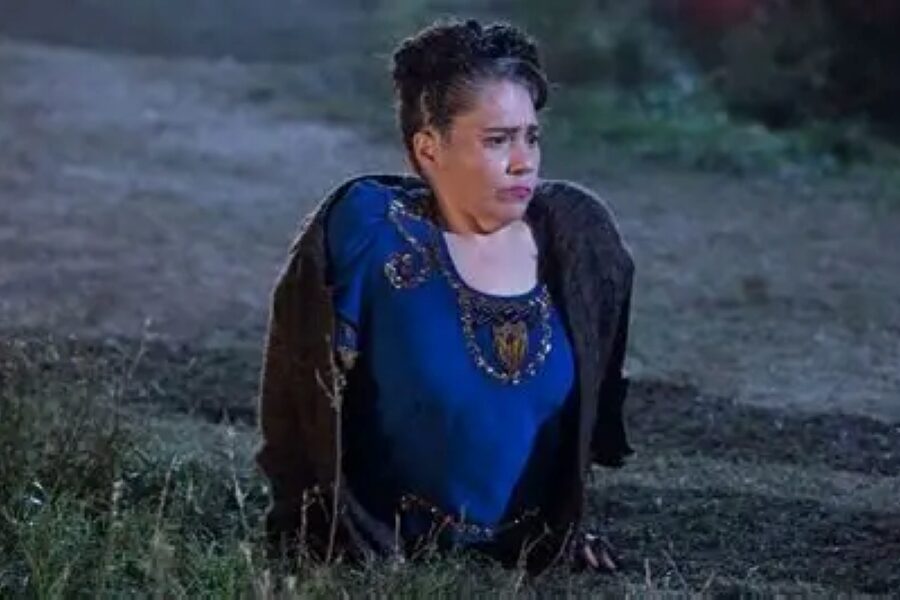
Rose Siggins, known for her role on American Horror Story, was born with sacral agenesis, a rare condition that resulted in her being born without legs. From birth, the lower half of her body developed differently. As a child, she used a skateboard to move around before later using a wheelchair. Her condition was not the result of an accident. It was something she lived with from the beginning.
Rather than allowing that absence to limit her presence, she pursued acting and embraced roles that reflected her lived experience. On screen, she did not hide her body. She performed confidently, bringing authenticity to her characters. The lack of legs was visible and real, but it did not reduce her ambition. She built a career in entertainment while navigating a world not always designed for her body, showing that physical absence does not erase talent or individuality.
Lauren Wasser Lost Both Legs
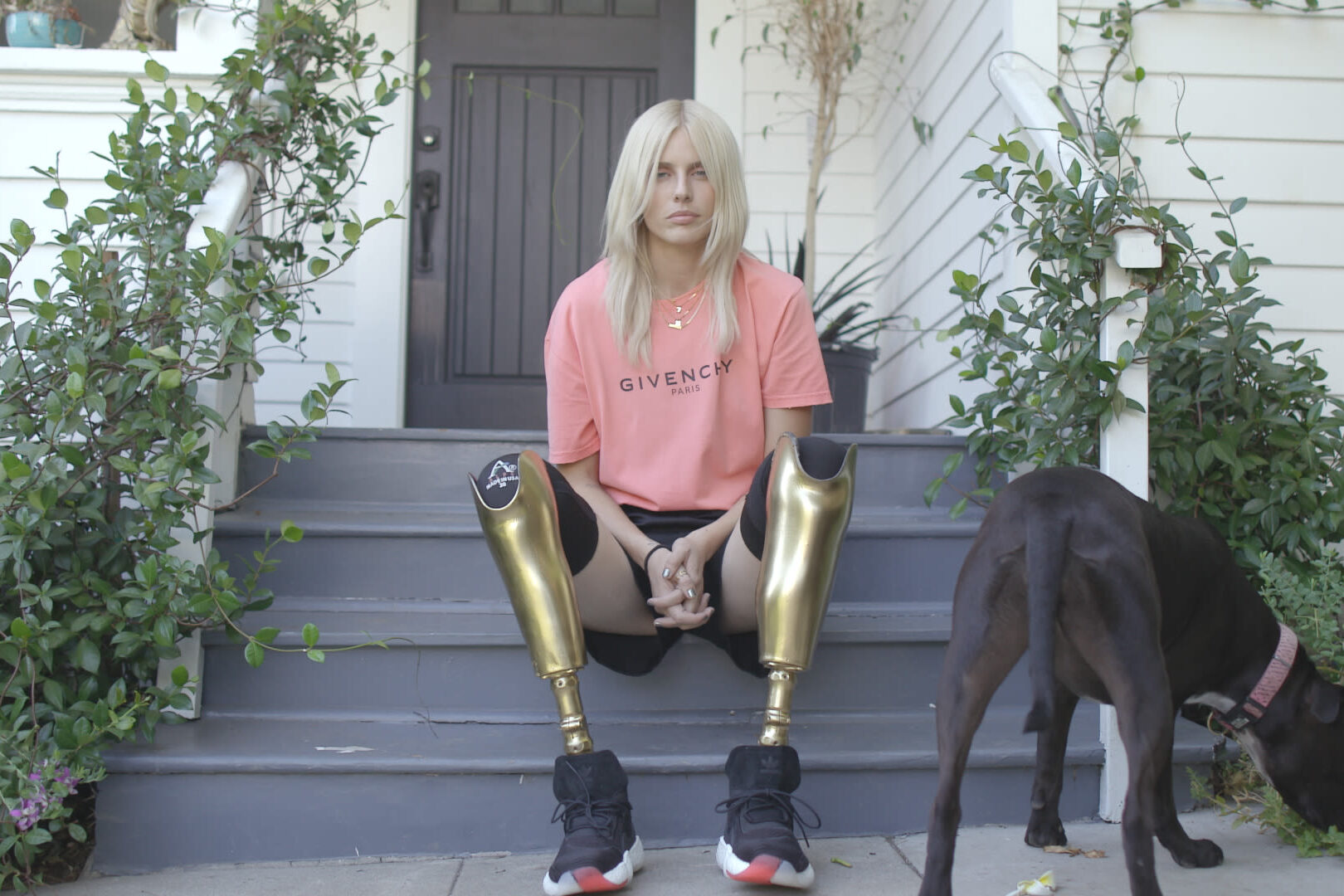
Model Lauren Wasser lost her right leg in 2012 due to toxic shock syndrome caused by a bacterial infection. The infection spread rapidly, leading to life threatening complications that required doctors to amputate her leg below the knee. Years later, complications forced the amputation of her other leg as well. The loss was medical, sudden, and permanent. She went from walking into hospitals to leaving without limbs.
Recovery required multiple surgeries, prosthetics, and relearning balance. For someone working in fashion, where body image is constantly scrutinized, it could have ended everything. Instead, she returned to modeling, often wearing visible gold prosthetic legs. She did not conceal the amputation. She incorporated it into her identity. The absence of her legs did not remove her confidence or her career. It reshaped them in a way that felt direct and undeniable.
Buster Douglas Lost His Left Eye
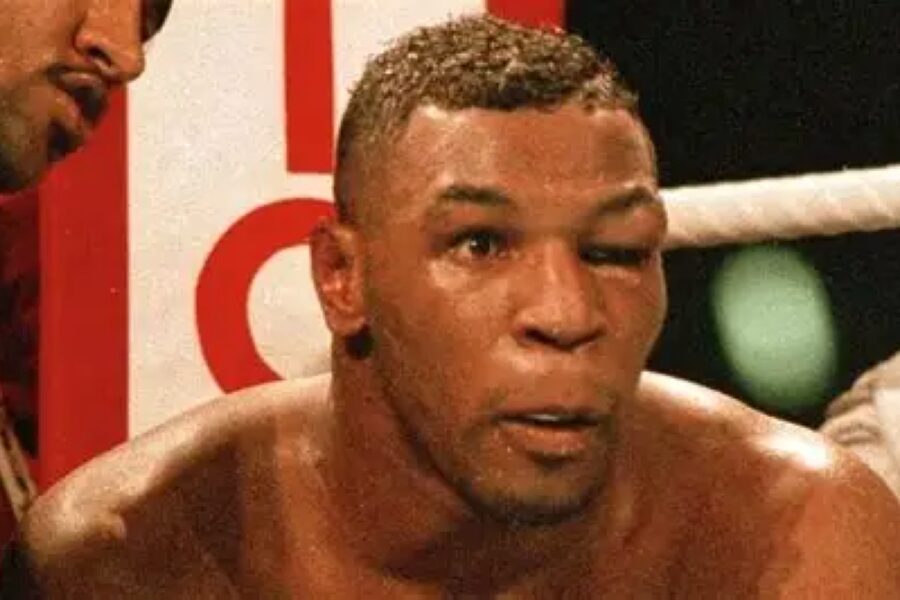
Buster Douglas, the heavyweight boxer famous for defeating Mike Tyson, permanently lost his left eye later in life due to complications from diabetes. The condition progressed to the point where doctors had to surgically remove the eye to prevent further damage. The loss was medical and irreversible. Photographs from interviews and public appearances clearly show the absence of his left eye, often covered or visibly different in structure.
The amputation changed how he navigated daily life, including depth perception and balance, both crucial for someone who once fought professionally. Yet Douglas continued to make public appearances and speak openly about health and personal responsibility. The missing eye is visible in media coverage and interviews, not hidden from view. His story reflects a different kind of loss, one that happened after athletic fame, showing that physical absence can arrive later in life and still be carried forward with resilience and openness.
Aron Ralston Lost His Right Forearm
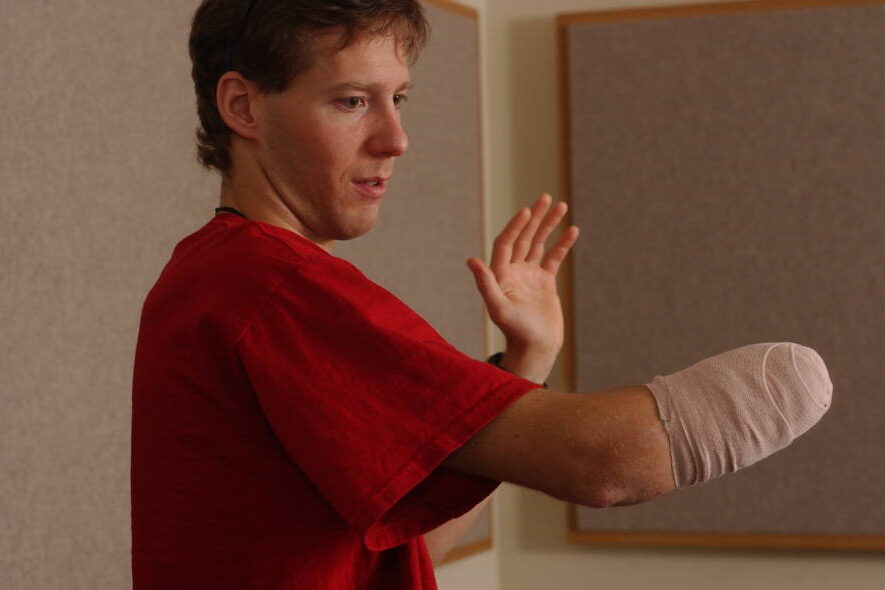
Aron Ralston, the mountaineer whose story inspired the film 127 Hours, lost his right forearm in a canyon accident in Utah. While hiking alone, his arm became trapped under a massive boulder. After days without rescue and facing dehydration, he made the life saving decision to amputate his own forearm. The limb was permanently removed below the elbow. Photographs of Ralston after the incident clearly show the missing portion of his right arm.
The loss was extreme, sudden, and unforgettable. After rescue and recovery, he learned to use a prosthetic and returned to climbing. He did not retreat from the outdoor life that nearly cost him everything. Instead, he resumed mountaineering and public speaking. Images of him climbing with a prosthetic arm are widely available and documented. The absence of his forearm is visible and permanent, a stark reminder of survival and human endurance under impossible circumstances.
Mark Inglis Lost Both Legs
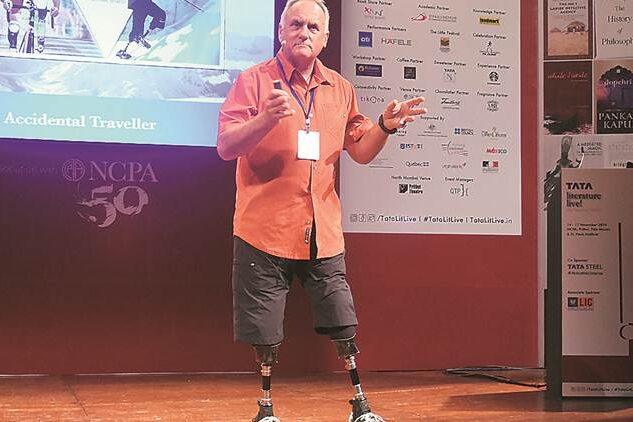
Mark Inglis, a New Zealand mountaineer, lost both of his legs below the knee after being trapped in an ice cave during a climbing expedition on Mount Cook. He and a fellow climber were stranded for days in extreme cold. Severe frostbite set in, and doctors later amputated both legs to save his life. The amputations were permanent, and photographs of Inglis clearly show him using prosthetic limbs.
Rather than stepping away from mountaineering, Inglis returned to climbing using advanced prosthetics. In 2006, he became the first double amputee to summit Mount Everest. Images of him at the summit and during expeditions show his prosthetic legs clearly. The absence of his lower limbs did not remove his ambition to climb. Instead, it required adaptation and strength. His story is widely documented and visually confirmed, making it a clear and accurate example of permanent limb loss in the public eye.
Zach Gowen Lost His Left Leg
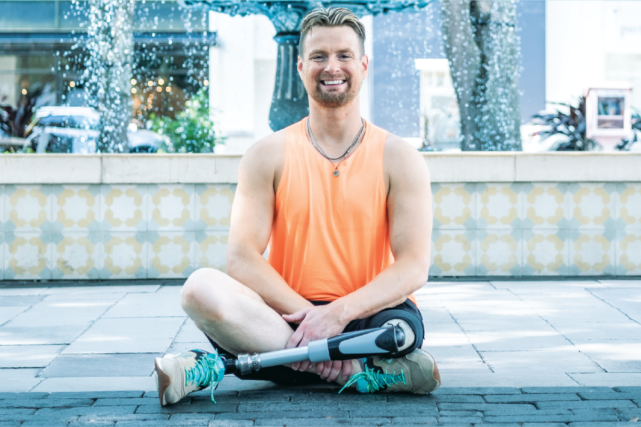
Zach Gowen became widely known as the first one-legged wrestler signed to a major professional wrestling promotion. He lost his left leg to cancer at the age of eight. The amputation was permanent and is visible in nearly every public image of him as a performer. Photos of him wrestling, standing on the ring ropes, and interacting with fans all show the loss clearly. There is no hidden limb or prosthetic claiming otherwise in media.
Gowen’s path into the wrestling world was unconventional, but he built a career that challenged assumptions about what the sport could look like. Fans saw him compete against opponents with two legs, using his strength, speed, and balance. His missing left leg was part of his narrative, not something brushed away. The images of him in the ring, stepping down the ramp on crutches or with a prosthetic, show the loss front and center. His career remains one of the most direct examples of overcoming physical amputation in the public eye.
Shaquem Griffin Lost His Left Hand
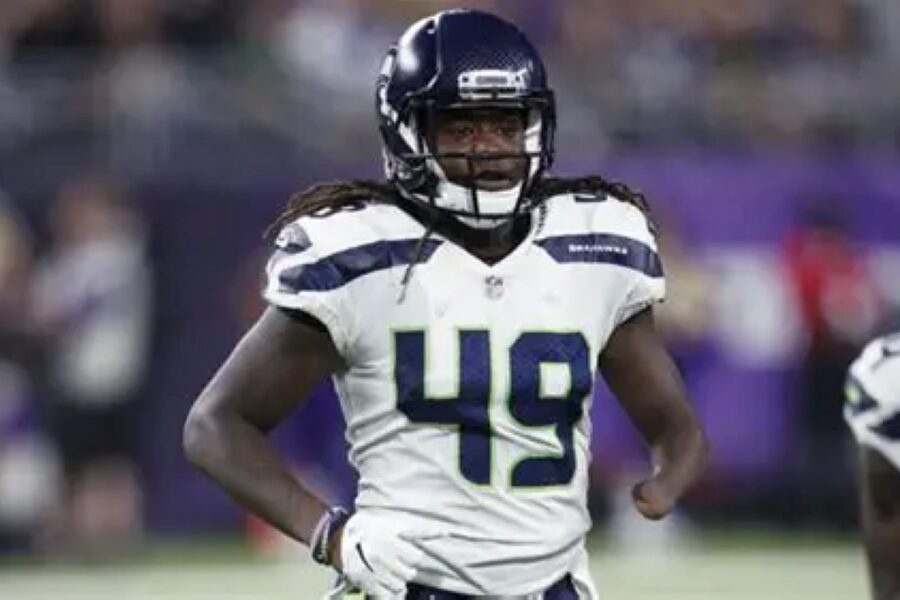
Shaquem Griffin, who played in the NFL as a linebacker, was born with a condition called amniotic band syndrome that resulted in the amputation of his left hand when he was four years old. The hand was removed surgically because it lacked full functionality and caused pain. The absence is clearly visible in his athletic photos and game footage. Despite missing a hand, Griffin developed into an elite athlete from a young age.
He excelled in high school football, earning a scholarship to the University of Central Florida, where he became an All-American. Griffin went on to the NFL Combine and later played for the Seattle Seahawks. His success was widely covered by major media outlets, with images showing his missing hand as he competed at the highest level of the sport. People saw the gap in real time, not hidden or recreated. His story is celebrated as a powerful example of resilience, grit, and athletic excellence.
Jessica Cox Was Born Without Arms
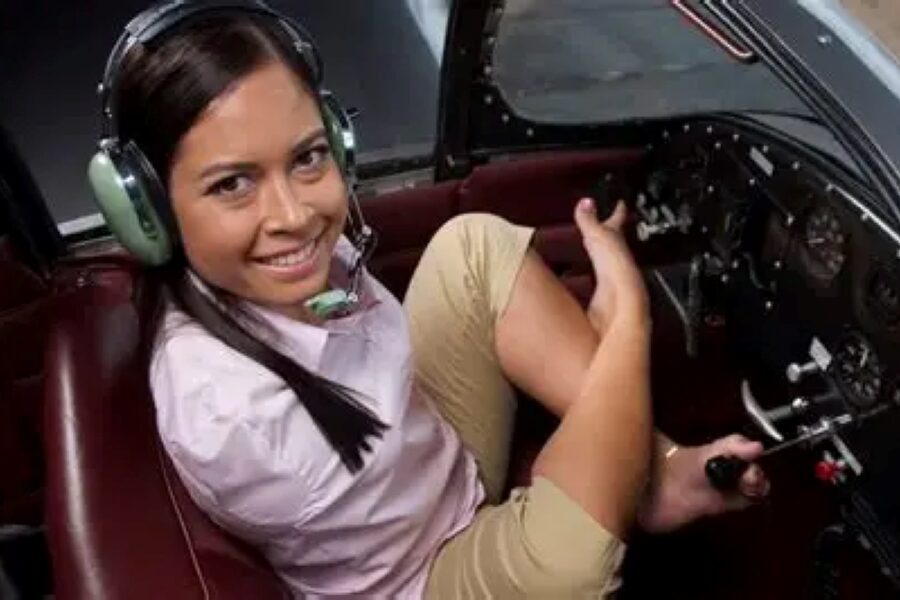
Jessica Cox was born without both arms due to a rare birth condition. From birth, her body developed without upper limbs, and she grew up learning how to use her feet for nearly everything. There was no accident and no surgical removal. Her arms were never there. Photographs and interviews throughout her life clearly show the absence of both arms, and she has never hidden it. As a child, she learned to write, eat, dress herself, and navigate the world using her feet with steady determination.
As an adult, she became the first armless pilot licensed to fly an airplane. She operates the controls with her feet, demonstrating balance and precision that required intense training. Images of her flying, speaking publicly, and performing daily tasks are widely available and unmistakable. The absence of her arms is visible, real, and permanent. Yet her confidence and skill define her more than the loss itself. Her life shows how adaptation can become second nature when the body develops differently from the start.


