
1. A Quiet Health Shift

This story begins quietly, blending into everyday life until patterns become harder to ignore. By 2050, drug resistant infections could overtake other causes of death if nothing changes. It starts with small infections taking longer to heal and treatments feeling less reliable. Doctors hesitate more, patients worry longer, and families notice recovery is no longer predictable. Nothing feels sudden or dramatic, yet everything feels slightly off. This slow shift reshapes how we think about safety, medicine, and trust in care. What once felt routine now carries uncertainty, setting the tone for a future already unfolding around us.
2. When Medicine Stops Working
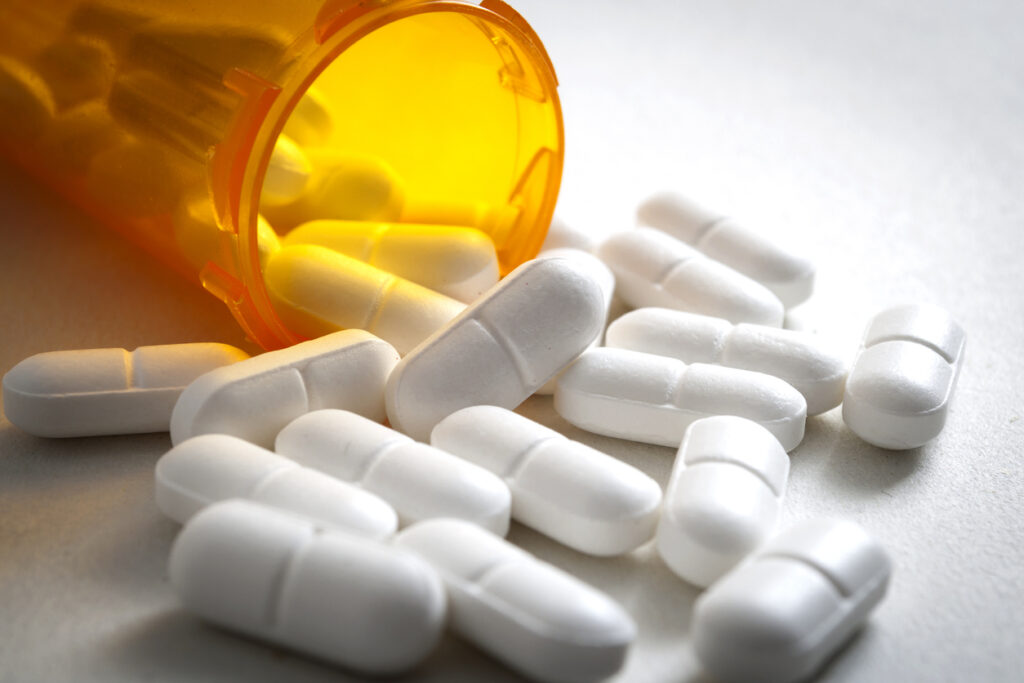
Antibiotics once felt dependable, like quiet helpers we rarely questioned. Over time, bacteria learned to survive them, making some treatments weaker or useless. Infections linger longer, symptoms return, and repeat visits become common. Doctors must choose medications carefully, knowing options are shrinking. Patients begin to realize medicine has limits, and recovery is no longer guaranteed. This change affects confidence in healthcare and alters expectations around healing. The idea that treatment might fail slowly becomes normal, shifting how people approach illness and making even simple infections feel more serious than they used to.
3. Everyday Illnesses Becoming Dangerous
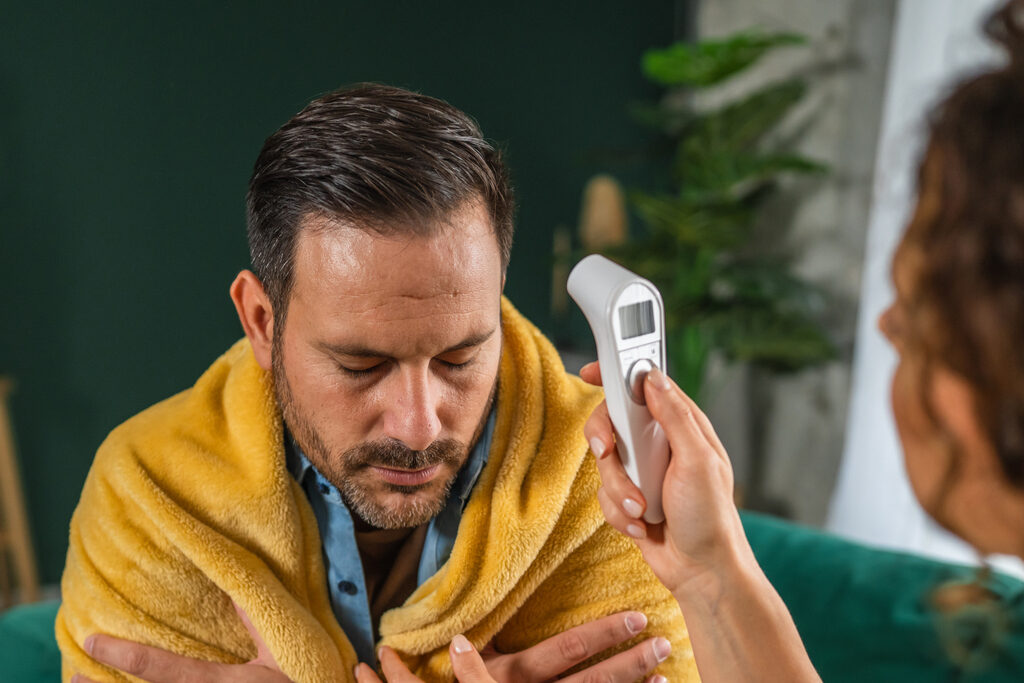
Minor infections used to be brief interruptions, something handled quickly and forgotten. Now, those same illnesses can spiral into serious problems when antibiotics fail. Cuts take longer to heal, fevers last longer, and complications appear unexpectedly. Families grow cautious, watching symptoms closely instead of waiting things out. This change quietly reshapes daily life, replacing ease with concern. What once felt manageable now demands attention and urgency. The line between minor and serious illness blurs, making everyday health feel more fragile and reminding people that small symptoms no longer always stay small.
4. Hospitals Feeling the Pressure

Hospitals experience the impact of resistance every day. Patients stay longer, treatments grow complex, and beds fill faster. Medical teams face difficult choices with fewer effective tools. Waiting times increase, and resources stretch thin. This pressure affects not only patients but staff who must manage rising workloads and emotional strain. Care feels slower and more cautious. What once moved efficiently now requires extra steps. The hospital environment quietly changes, reflecting a system adjusting to infections that refuse to respond, and revealing how resistance reshapes healthcare from the inside out.
5. Surgeries Carry New Risks

Modern surgery relies on antibiotics to prevent infection before and after procedures. As resistance grows, even planned operations feel less predictable. Doctors weigh risks more carefully, and patients ask more questions. Recovery times lengthen, and complications become harder to control. Surgeries once considered routine now carry added concern. This shift changes how people think about medical intervention, turning confidence into caution. Trust in outcomes softens, replaced by careful planning and hesitation. What should feel straightforward becomes layered with uncertainty, reshaping decisions around procedures many once accepted without fear.
6. The Rising Cost of Care

Drug resistant infections increase healthcare costs in quiet but powerful ways. Longer hospital stays, stronger medications, and repeated testing raise expenses for families and systems alike. Insurance coverage strains, and out of pocket spending grows. Illness becomes not only a physical challenge but a financial one. People delay care, worry about bills, and face stress beyond symptoms. This economic pressure spreads slowly, affecting households and communities. The cost of staying healthy rises steadily, showing how resistance reshapes lives far beyond the doctor’s office.
7. Misuse That Starts at Home

Resistance often begins with everyday habits. Skipping doses, saving antibiotics for later, or using them unnecessarily gives bacteria room to adapt. These actions feel harmless, even practical, but their effects accumulate over time. Many people never connect personal choices to global consequences. Yet these small decisions quietly weaken medicine for everyone. This reality shifts responsibility beyond hospitals and laboratories, reminding us that resistance grows through daily behavior. What happens at home plays a role in shaping whether treatments will work tomorrow or quietly fail.
8. Farming’s Hidden Influence

Antibiotics are widely used in farming to prevent disease and support animal growth. Over time, this practice allows resistant bacteria to spread through food systems. Most consumers never see the connection, yet it reaches dinner tables and communities. Bacteria do not stay confined to farms. They move through meat, water, and soil. This hidden pathway shows how resistance extends beyond healthcare settings, woven into everyday consumption. It reminds people that food choices and production methods quietly influence human health, even when the connection feels distant or unseen.
9. Children Growing More Vulnerable

Children rely heavily on antibiotics during early development, making resistance especially concerning. Infections that once cleared quickly now linger longer. Parents notice repeated illnesses and slower recoveries. Pediatric care becomes more cautious, with fewer reliable treatment options. This shift changes how families experience childhood sickness, replacing reassurance with worry. Fevers feel heavier, and doctor visits feel more urgent. Childhood illnesses lose their sense of routine safety. Resistance quietly reshapes early life, affecting how children heal and how parents navigate care during those vulnerable growing years.
10. Aging With Higher Risk

Older adults face greater danger from infections due to aging immune systems. When antibiotics fail, recovery becomes harder and complications rise. Families caring for aging relatives feel the impact deeply, watching small infections escalate quickly. Hospital visits increase, and treatment plans grow complex. This reality reshapes aging, turning common illnesses into serious threats. Caregiving carries added emotional weight as outcomes become less predictable. Resistance quietly changes what it means to grow older, affecting independence, safety, and how families plan for long term care.
11. Travel Spreading Resistance
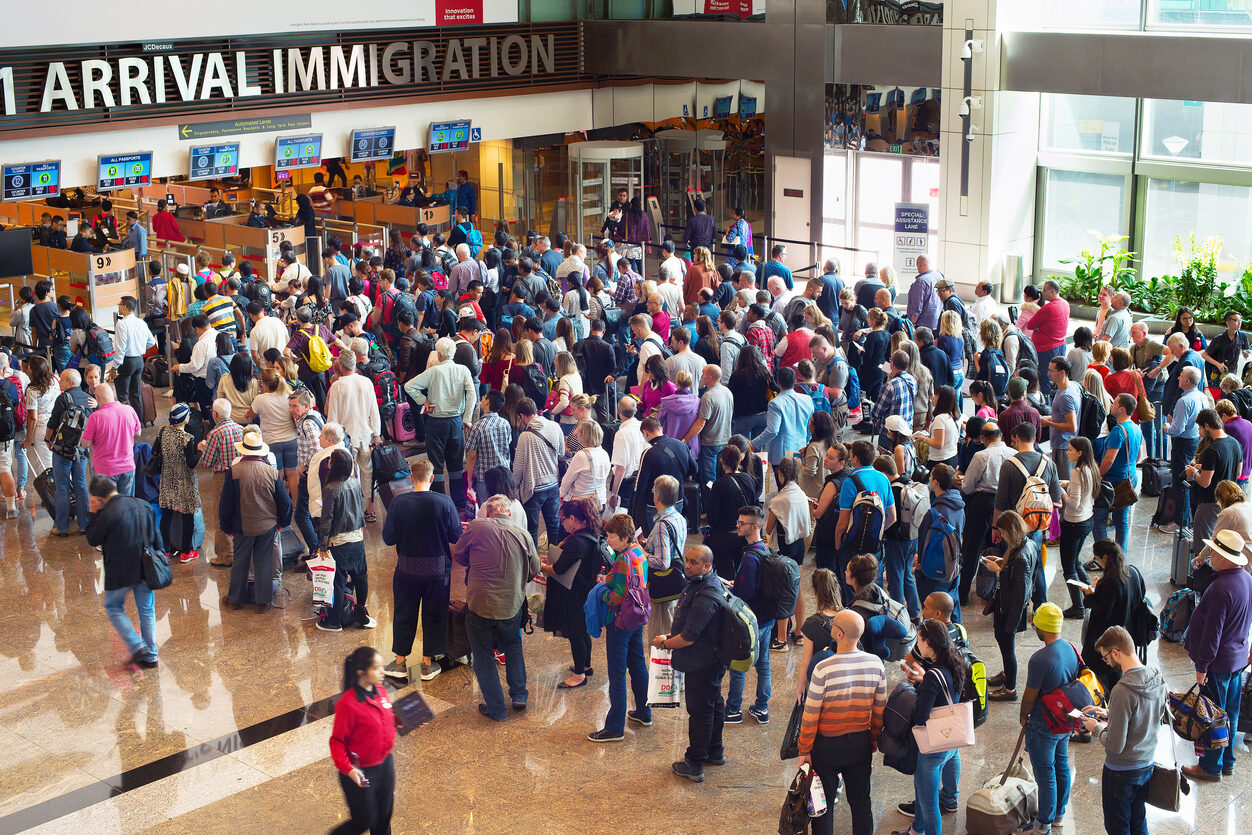
Modern travel allows resistant bacteria to move easily across regions and countries. An infection picked up during a trip can follow someone home without warning. This reality connects distant health systems in ways people rarely consider. Local doctors face bacteria shaped by global movement. Resistance feels closer, no longer confined to faraway places. Travel becomes part of the story, showing how easily health risks cross borders. What happens elsewhere does not stay there, quietly reminding us that resistance is a shared global challenge.
12. Fewer New Treatment Options
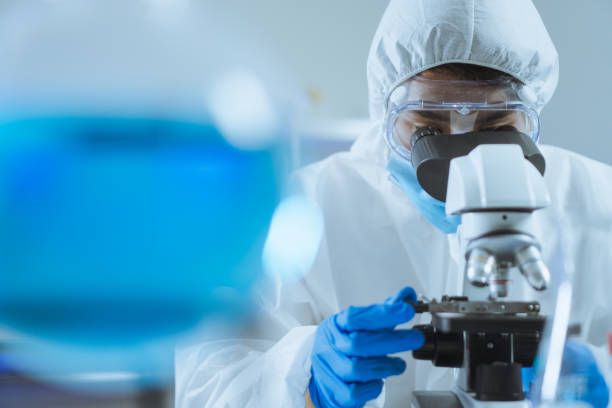
Developing new antibiotics is slow, expensive, and less profitable than other medicines. As a result, fewer new treatments reach patients. Meanwhile, bacteria continue adapting at a steady pace. Doctors work with shrinking options, often relying on older drugs with limited effectiveness. This imbalance creates quiet urgency in healthcare. The gap between evolving infections and available treatments grows wider each year. It feels like running out of tools while the problem expands. This shortage shapes medical decisions and highlights how fragile modern treatment options have become.
13. Cancer Treatment Becoming Riskier
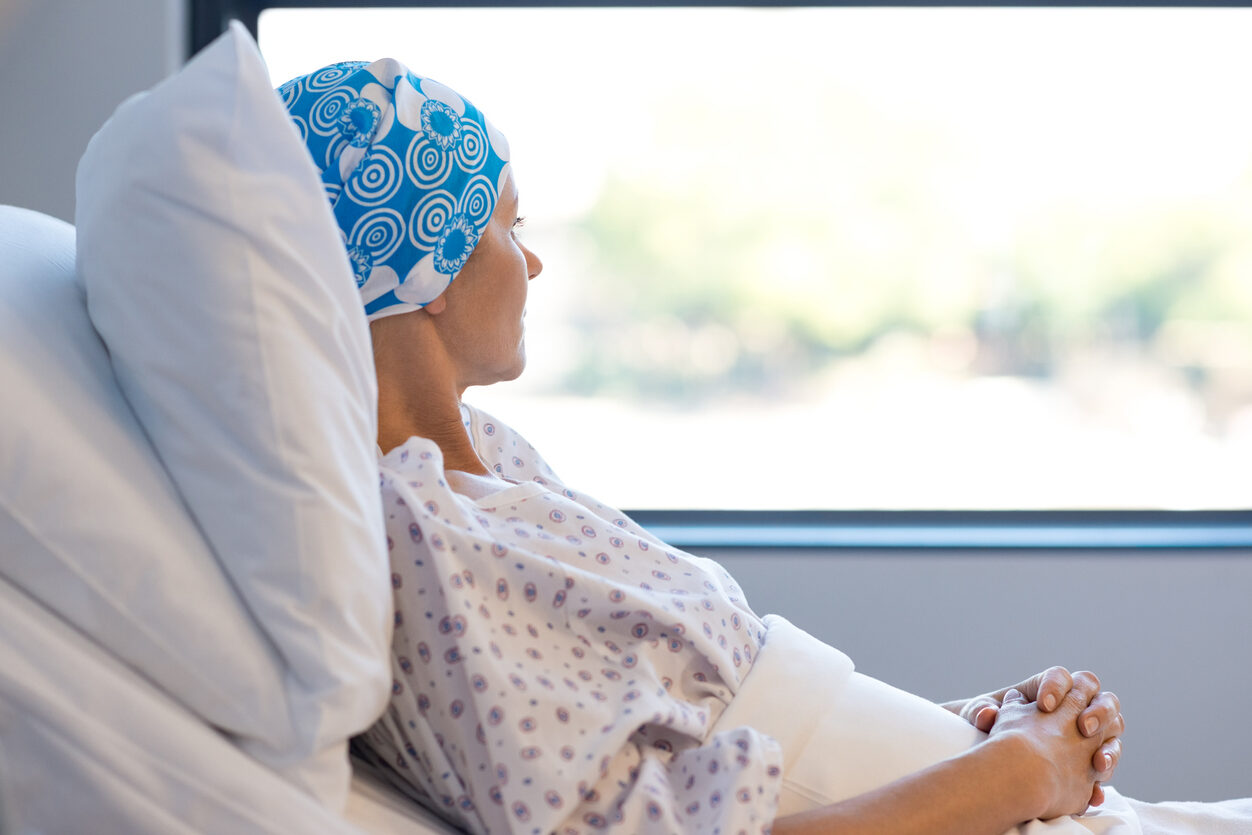
Cancer care depends heavily on antibiotics to protect patients whose immune systems are weakened by treatment. When those antibiotics stop working, even routine infections become dangerous. Chemotherapy and radiation already place the body under stress, and resistance adds another layer of uncertainty. Doctors must delay or adjust treatment plans, which affects outcomes and emotional wellbeing. Patients feel exposed, knowing recovery depends on medicines that may fail. This connection surprises many people, revealing how drug resistance quietly reaches into complex care. It turns cancer treatment into a more delicate balancing act, where safety feels harder to guarantee.
14. Organ Transplants Facing New Limits

Organ transplants rely on antibiotics before and after surgery to prevent life threatening infections. When bacteria resist treatment, the risk surrounding transplants increases sharply. Doctors hesitate, eligibility becomes stricter, and recovery grows more uncertain. Patients waiting for transplants feel this tension deeply, knowing success depends on fragile protection. A second chance at life feels harder to secure. Resistance quietly reshapes what is possible in transplant medicine, narrowing options and raising risks. It reminds us that advanced medical procedures depend on simple tools working reliably, and when they do not, hope itself becomes more fragile.
15. Mental Health Feeling the Weight
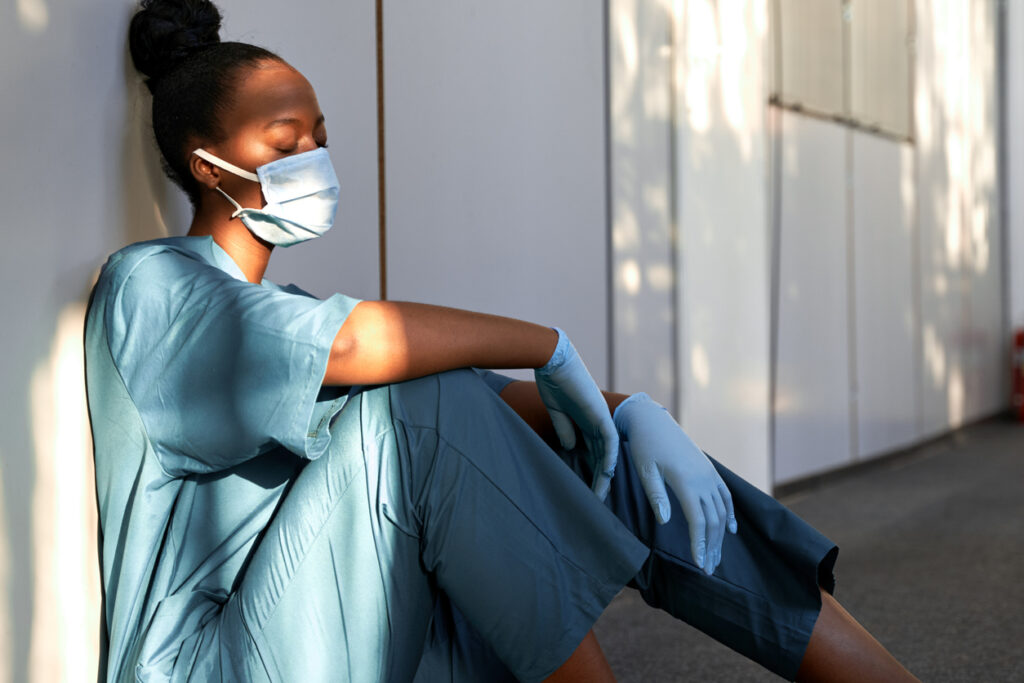
Living with prolonged illness takes a toll beyond the body. Drug resistant infections often mean longer recovery, repeated hospital visits, and constant uncertainty. Patients experience anxiety about treatments failing. Caregivers feel exhausted and helpless. The emotional strain builds quietly, affecting sleep, mood, and relationships. Mental health struggles often go unnoticed beside physical symptoms. This hidden burden adds another layer to resistance, reminding us that health is not only about curing infections. It is also about preserving peace of mind, resilience, and emotional stability during already difficult experiences.
16. Inequality Making Outcomes Worse
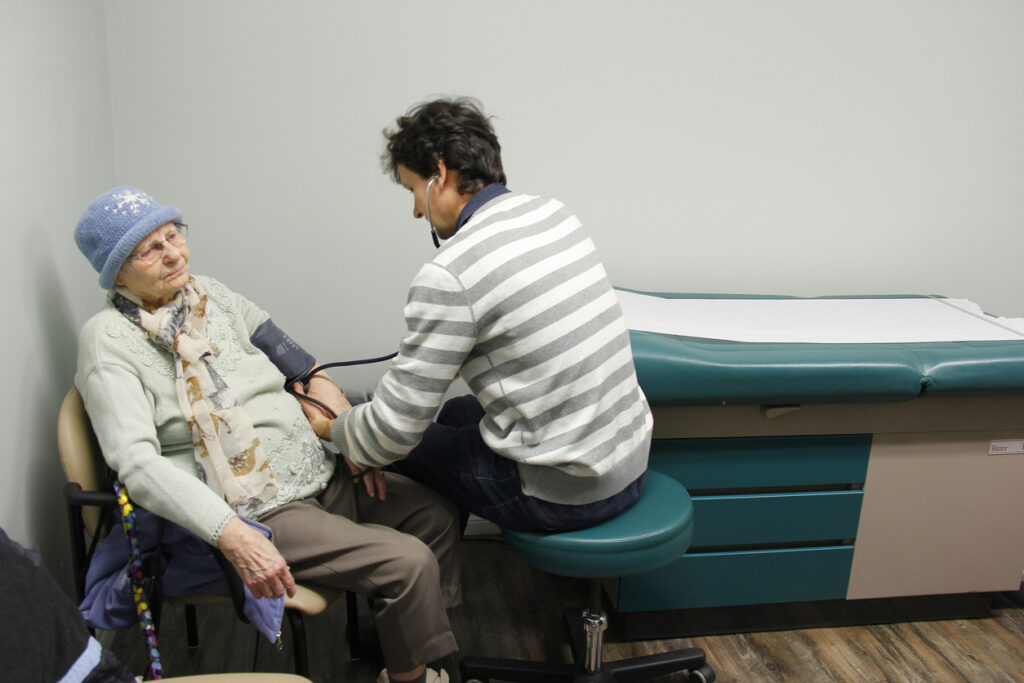
Drug resistance hits hardest where healthcare access is limited. Communities with fewer resources face delayed diagnosis, incomplete treatment, and higher exposure risks. Clean water, proper sanitation, and reliable care play major roles in prevention. Without them, infections spread faster and treatment fails more often. This deepens existing inequality, turning resistance into a social issue as much as a medical one. The gap between those protected and those vulnerable widens quietly. Resistance reflects and reinforces disparities, showing how health outcomes often follow lines of access, income, and opportunity.
17. Environmental Spread Beyond Hospitals
Resistant bacteria do not stay in clinics or homes. They move through wastewater, rivers, soil, and food chains. Medications enter the environment through human and animal waste, allowing bacteria to adapt outside medical settings. This makes resistance harder to track and control. It becomes part of everyday surroundings, invisible but present. The environment acts as a silent carrier, spreading risk in ways people rarely consider. This broader spread shows that resistance is not contained. It lives where people live, work, and grow food.
18. Diagnostic Guesswork Fueling Resistance

Doctors often work under pressure, making fast decisions with limited testing tools. Sometimes antibiotics are prescribed before confirming an infection type. While well intentioned, this practice allows unnecessary exposure to medication. Bacteria gain more chances to adapt. Better diagnostics take time and resources many settings lack. This challenge highlights how system limitations contribute to resistance. It is not always about poor choices but about constrained options. The result is a cycle where uncertainty feeds misuse, and misuse strengthens resistance, quietly accelerating the problem.
19. Letting Go of Quick Fix Thinking

Many people expect fast relief from illness. Drug resistance forces a shift in mindset. Healing becomes slower, treatments more cautious, and patience more necessary. Doctors explain limits more often. Patients wait longer for improvement. This change challenges how society views sickness and recovery. The idea of instant solutions fades, replaced by careful management. While uncomfortable, this shift encourages more thoughtful care. It reminds people that medicine is powerful but not unlimited, and that recovery sometimes requires time, restraint, and realistic expectations.
20. Food Safety Feeling Less Certain

Resistant bacteria can contaminate food products, making foodborne illnesses harder to treat. Infections last longer and respond poorly to standard care. This affects trust in food systems, even when safety standards exist. Consumers become more cautious about handling, preparation, and sourcing. What once felt automatic now requires attention. Resistance quietly complicates food safety, linking what we eat to how infections behave. It shows how health risks move through everyday routines, turning meals into another place where prevention matters more than people realize.
21. Work Life Taking a Hit

Longer illnesses mean more missed workdays and slower recovery. People return to work still unwell or stay away longer than expected. Productivity drops quietly. Chronic complications affect focus and energy. Employers adjust schedules while teams carry extra strain. This impact spreads beyond individuals, touching workplaces and economies. Resistance reshapes work life in subtle ways, reminding us that health supports daily function. When recovery stalls, routines break. The cost of resistance appears not only in hospitals but in offices, shops, and homes everywhere.
22. Emergency Care Losing Certainty
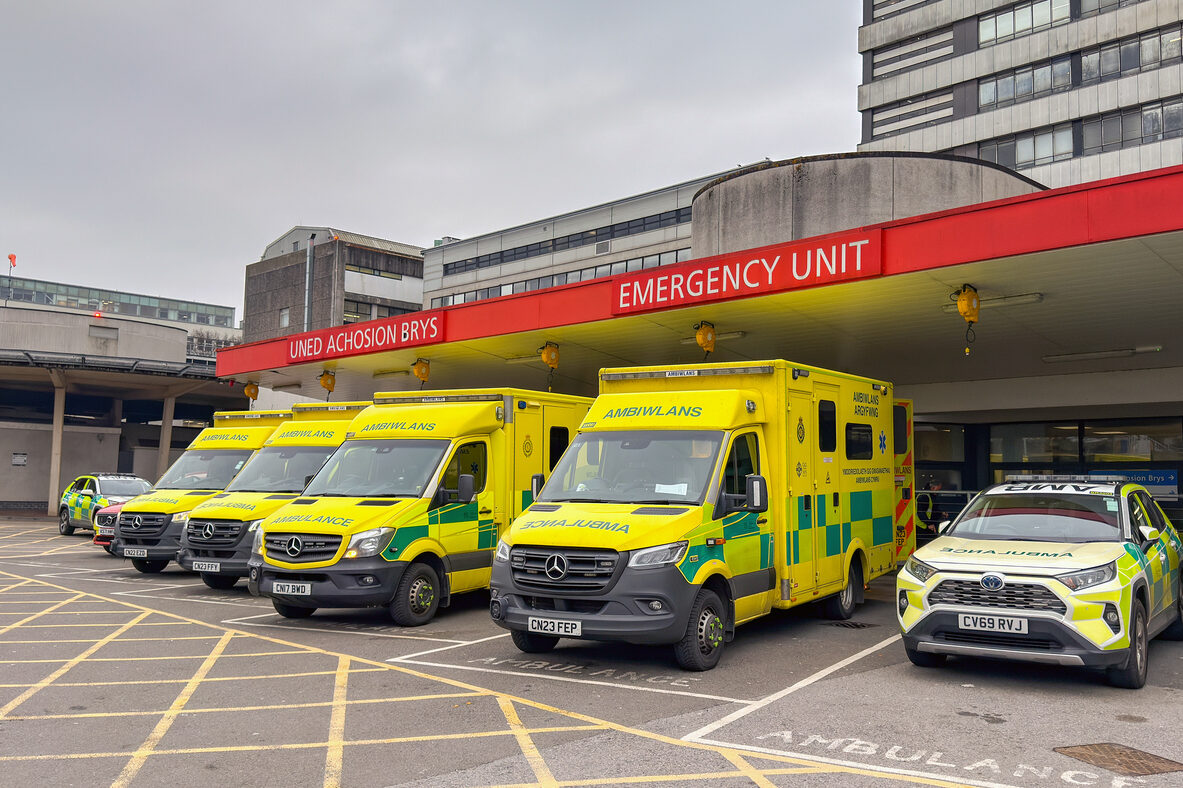
Emergency medicine relies on speed and effective treatment. Drug resistance complicates both. Infections that once responded quickly now require careful testing and stronger drugs. Outcomes become less predictable. Patients spend more time waiting and recovering. Emergency teams face rising pressure as tools lose reliability. This shift changes expectations around urgent care. What once felt decisive now feels uncertain. Resistance quietly alters how emergencies are handled, reminding people that even critical care depends on medicines working as intended.
23. Trust in Healthcare Being Tested

When treatments fail, confidence in care weakens. Patients question advice. Doctors feel constrained by limited options. Communication becomes more important than ever. Trust must be rebuilt through honesty and shared understanding. Resistance tests this relationship, revealing how fragile confidence can be when outcomes change. Maintaining trust becomes part of treatment itself. This challenge highlights the human side of medicine, where reassurance, clarity, and connection matter as much as prescriptions in helping people feel safe and supported.
24. Small Habits With Big Impact

Everyday actions still matter. Washing hands, completing prescriptions, avoiding unnecessary antibiotics, and staying vaccinated slow resistance. These habits feel ordinary, almost invisible. Yet their collective impact is powerful. Prevention becomes a shared responsibility woven into daily life. Resistance reminds people that health protection is not only clinical. It happens in homes, schools, and communities. Small choices quietly shape future outcomes, reinforcing the idea that simple care today protects treatment effectiveness tomorrow.
25. A Future Worth Protecting

Drug resistant infections already affect millions, but the future still holds real opportunity. Awareness is growing, smarter habits are spreading, and healthcare systems are learning to respond better. Small actions add up when repeated daily, and progress often begins quietly. Choosing prevention, respecting medicine, and supporting responsible care strengthens outcomes for everyone. This path is not about fear, but about possibility. The choices people make today shape how effective treatment remains tomorrow. A healthier future is still within reach if care is shared and intentional.
This story By 2050, This Will Overtake Every Other Cause of Death If Nothing Changes was first published on Daily FETCH


