
French Cinema Icon Forever
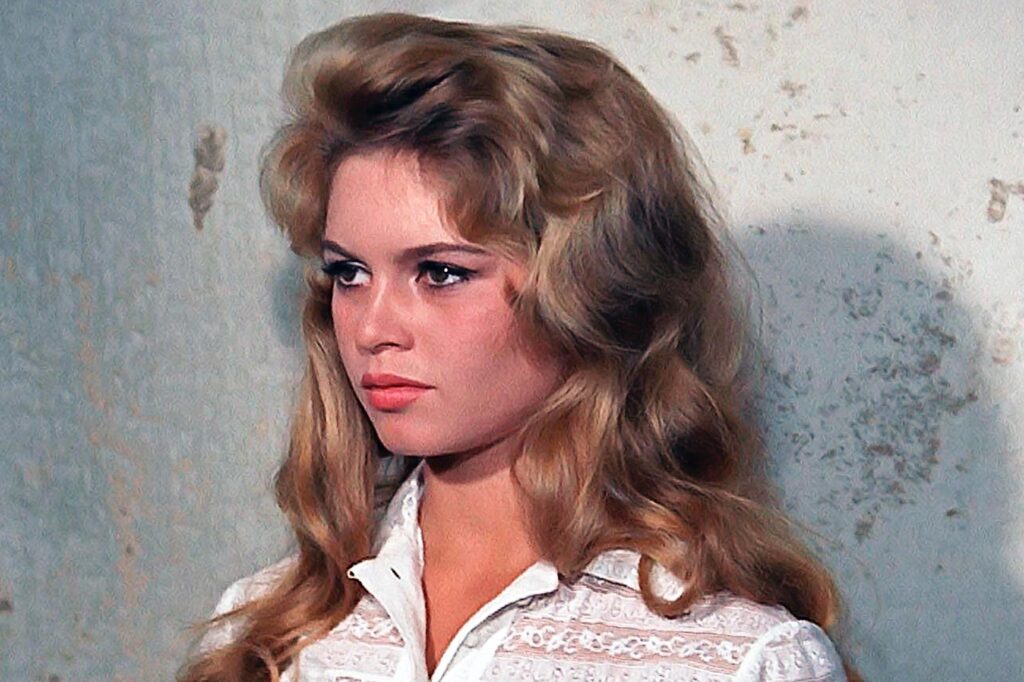
Brigitte Bardot was one of the most iconic figures of 20th-century culture. Brigitte Bardot rose from a Paris childhood to become one of the most recognizable faces in world cinema. Born in 1934, she broke into film in the early 1950s and shot to superstardom with roles in movies like And God Created Woman. Her free-spirited persona and undeniable screen presence helped define global cinema in the 1950s and *60s, influencing fashion, film style, and popular culture across continents. Bardot’s cinematic impact made her a household name long before she ever stepped into activism.
The Birth of ‘BB’ – A Global Sex Symbol
Bardot’s persona came to symbolize a new kind of liberated glamour. Labeled “BB” by fans and the press, her image merged natural beauty with bold independence. The success of And God Created Woman not only launched her as an international film star but also helped shift cultural conversations about femininity and sexuality during a conservative era. Her influence extended beyond France to Hollywood and beyond, making her one of the most talked-about public personalities of her generation.
Retreat from the Spotlight

At the height of her fame, Bardot made one of the most surprising life decisions in celebrity history: she walked away from her film career in the early 1970s. Tired of relentless media attention and the pressures of fame, she chose to leave Hollywood and Parisian celebrity life behind. Her departure marked the end of a glittering acting era and the beginning of a new personal mission that would define the remainder of her years.
A Life Largely Lived in Seclusion

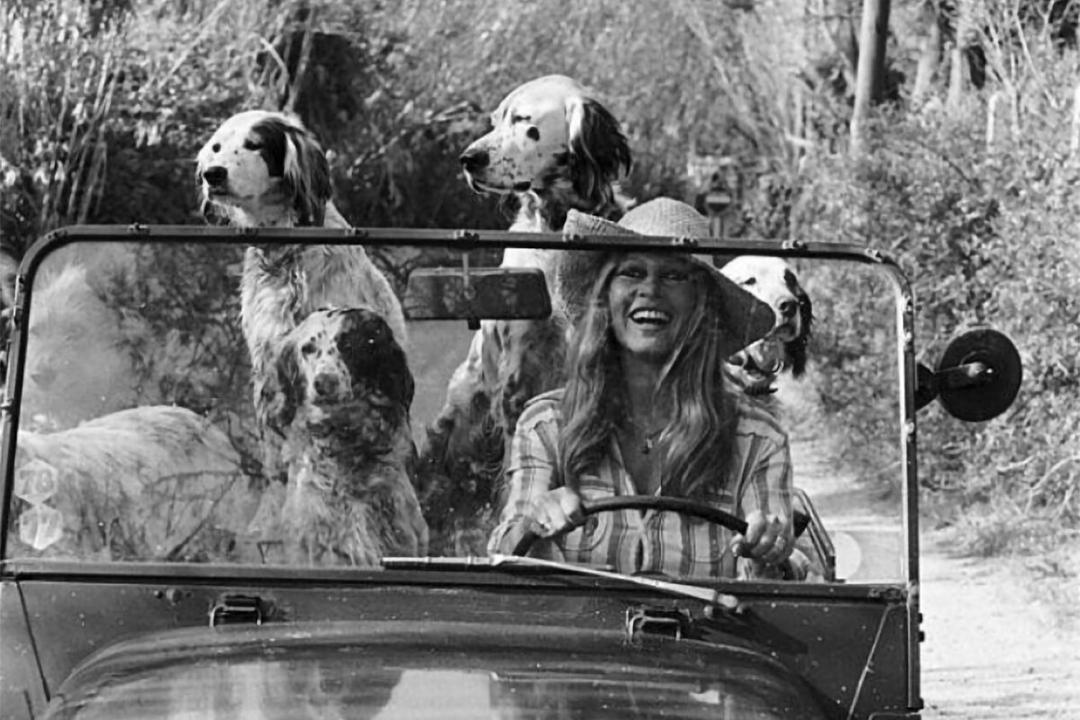
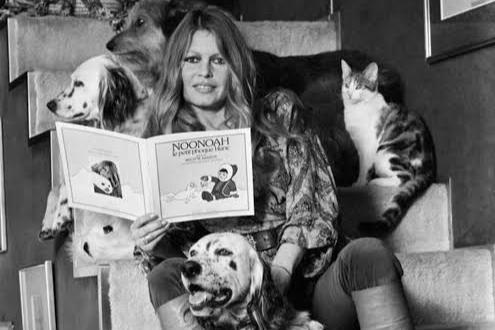
After stepping away from acting, Brigitte Bardot chose a quiet life far from celebrity culture, settling in her famed home, La Madrague, in Saint-Tropez. There, she lived with numerous rescued animals, rarely granting interviews or public appearances. This retreat was not driven by indifference but by emotional exhaustion with fame and a desire for peace. Despite her isolation, Bardot remained deeply engaged with animal-welfare campaigns through letters, public statements, and her foundation’s work. Her reclusive lifestyle became symbolic of her rejection of superficial celebrity in favor of purposeful living. Even while out of sight, her influence continued to shape public debate around animal protection in France and beyond.
Turning Fame into Compassion
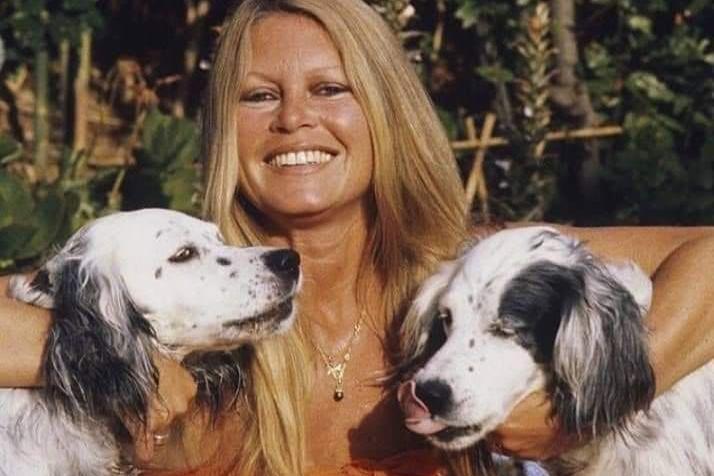
Bardot’s transition from movie star to animal rights advocate wasn’t gradual, it was a passionate transformation rooted in personal awakening. After encountering graphic evidence of mistreatment in slaughterhouses, she began speaking out publicly against cruelty to animals in 1962, long before many modern animal welfare movements took shape. This early activism laid the foundation for her lifelong commitment to living beings without a voice.
Foundation for the Voiceless
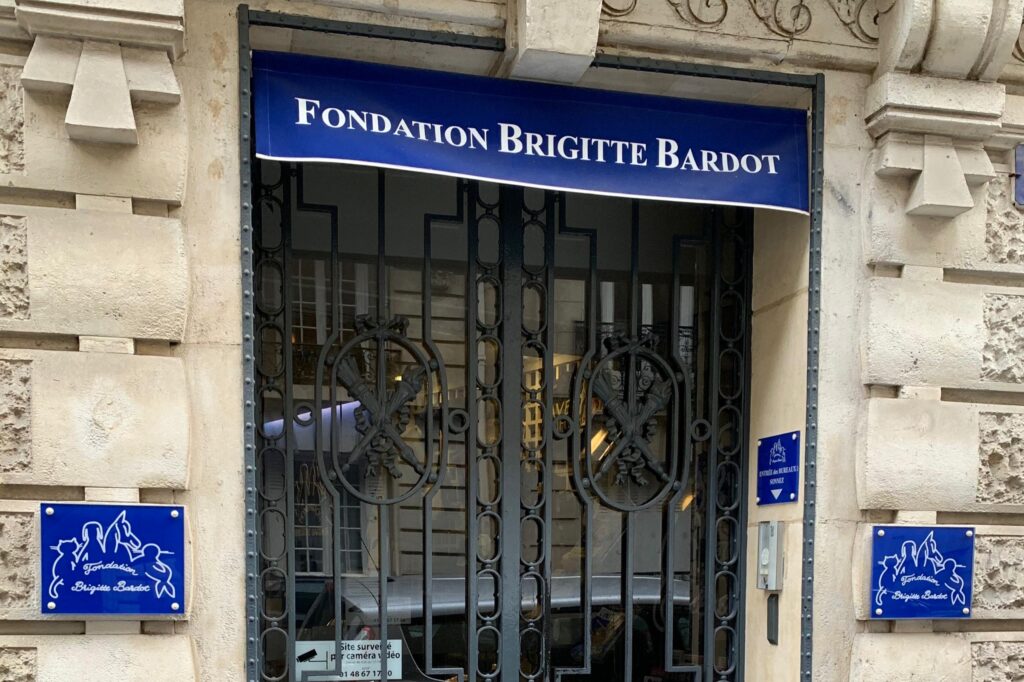
In 1986, Bardot established the Brigitte Bardot Foundation for the welfare and protection of animals, a nonprofit that would become the centerpiece of her activist life. What began as personal compassion grew into organized global support for animal shelters, rescue missions, and legal advocacy against cruelty. The foundation is officially recognized as of public utility in France and continues operations with tens of thousands of supporters.
A Voice That Reached World Leaders
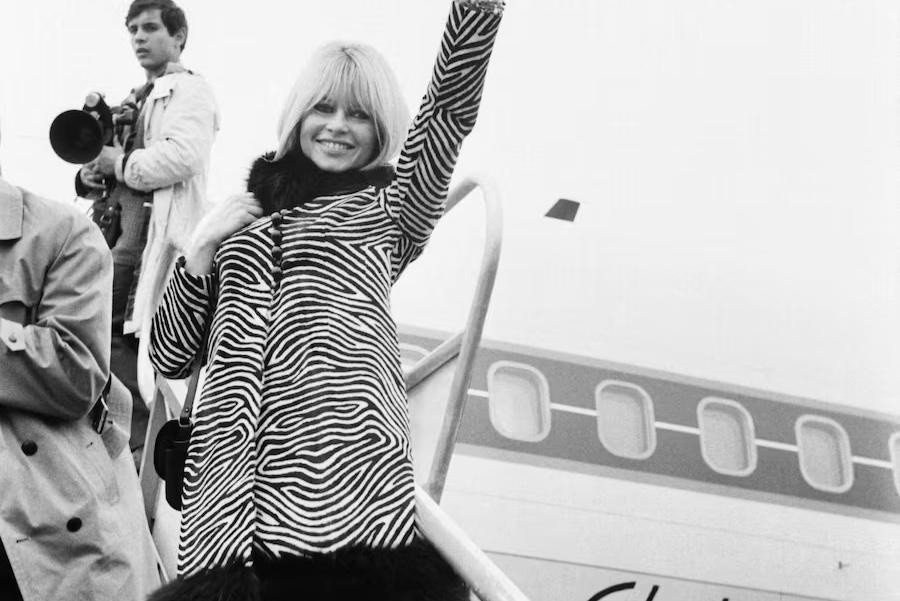
Bardot frequently addressed open letters to presidents, ministers, and international organizations, demanding stronger animal-protection laws. These letters, often published in French and global media, targeted issues such as seal hunting, factory farming, live animal exports, and bullfighting. While not always diplomatically worded, they succeeded in drawing public attention to practices many preferred to ignore. French officials confirmed that her campaigns placed sustained pressure on policymakers, sometimes leading to parliamentary debates and regulatory reviews. Her celebrity status gave these messages reach, but it was her persistence that made them hard to dismiss. Bardot understood that visibility could be a powerful tool for change.
Global Reach and Real Impact

Under Bardot’s leadership, the foundation didn’t just operate pet shelters, it influenced wildlife protection and anti-cruelty policies worldwide. It helped create sanctuaries for elephants in South Africa, koalas in Australia, and other vulnerable species elsewhere. Working with international coalitions, the foundation also lobbied for stronger protections against hunting, trafficking, and mistreatment of animals.
Animal Rescue and Care on the Ground
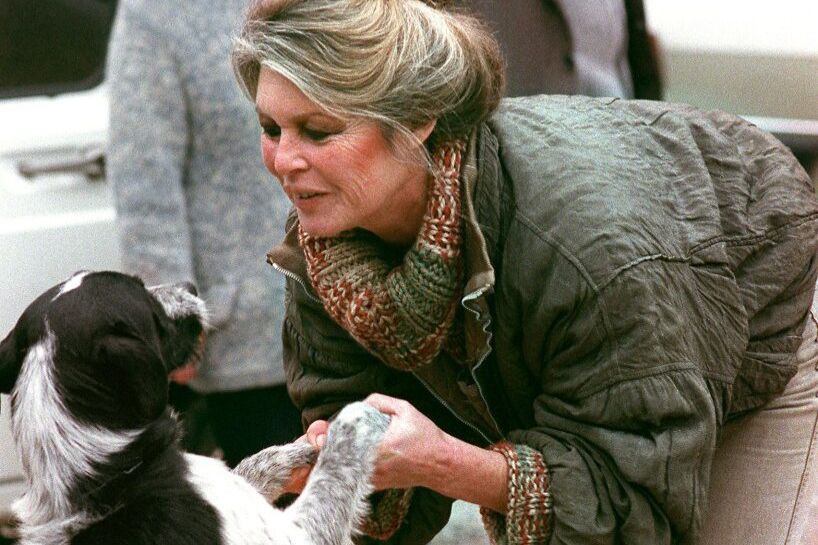
Beyond legislation and public campaigns, Bardot’s work had a very real human face. The foundation runs shelters across France caring for thousands of abused or abandoned animals each year. It also organizes neutering campaigns to reduce stray populations, and partners with local authorities to improve animal welfare laws. Through these grassroots actions, Bardot’s legacy touches countless individual lives.
Health Struggles in Later Years
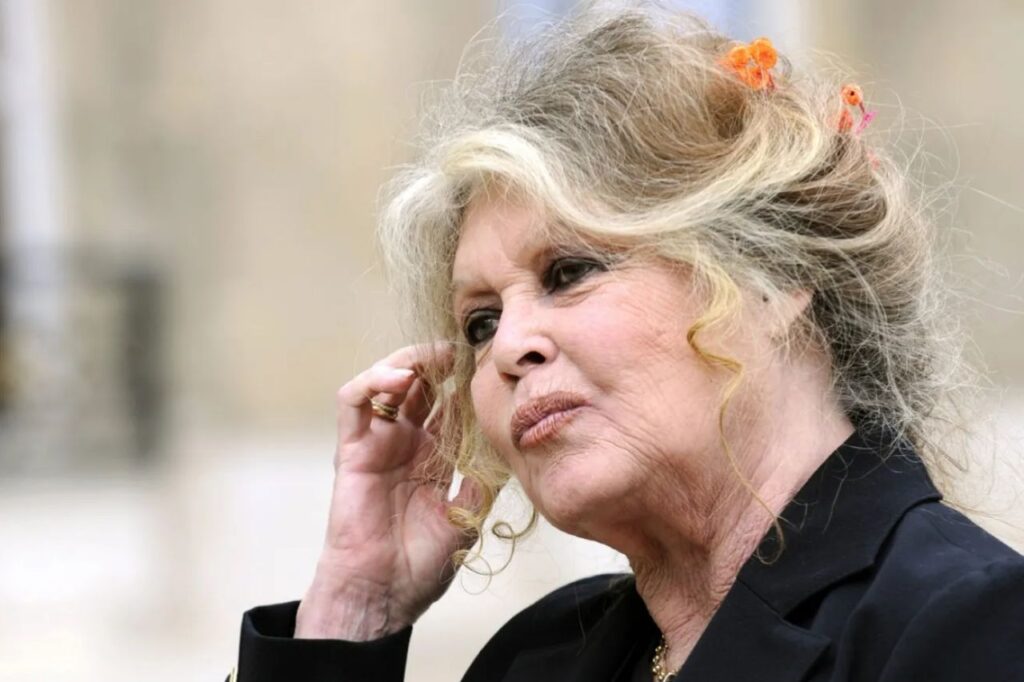
In her final decades, Bardot faced recurring health challenges, including respiratory issues that required hospitalization. These struggles further limited her public appearances but did not end her involvement in animal causes. Through aides and foundation staff, she continued issuing statements and supporting rescue efforts. French media often reported on her health with sensitivity, noting how closely her well-being was followed by the public. Her perseverance despite declining health reinforced the image of a woman driven by conviction rather than comfort. Even as her physical world grew smaller, her moral focus remained expansive.
Final Message of Love
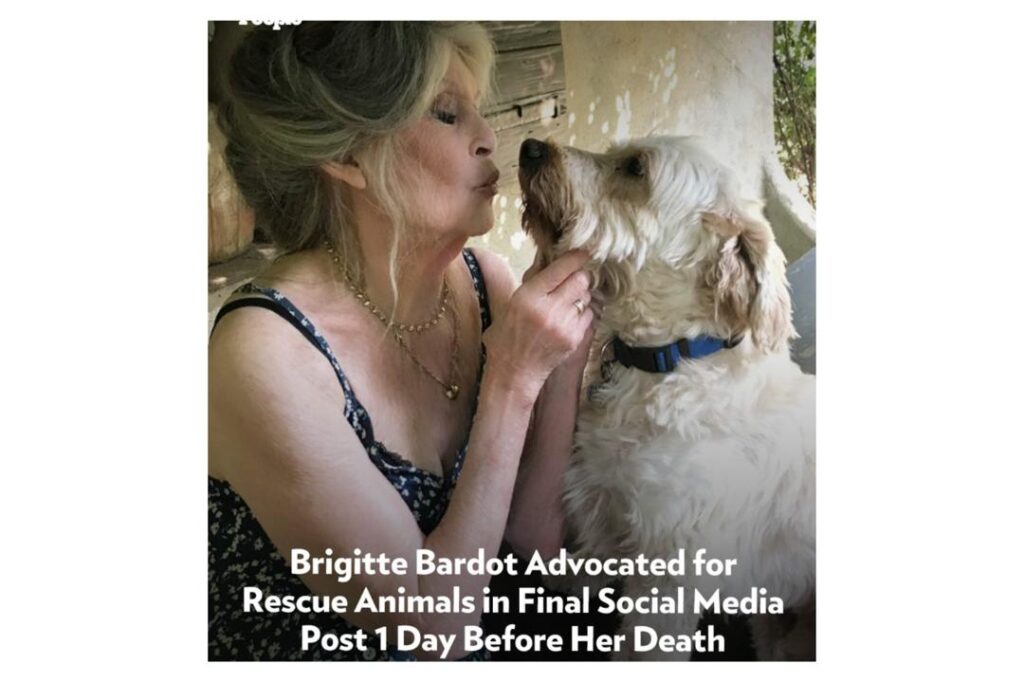
Even in her final days, Bardot continued to use her voice for animals. One of her last social media posts featured a plea to find a home for an older rescue dog suffering from arthritis, showing her gentle interaction and urging her followers to take action. This final post underscored the reality that her passion for animals remained central to her identity to the very end. Despite declining health, she remained involved in animal-welfare causes through written statements and the continued work of her foundation. Media coverage during this period often emphasized her privacy, reflecting both her physical condition and her desire for a quieter life away from constant attention.
Tributes, Public Reaction and Divided Remembrance
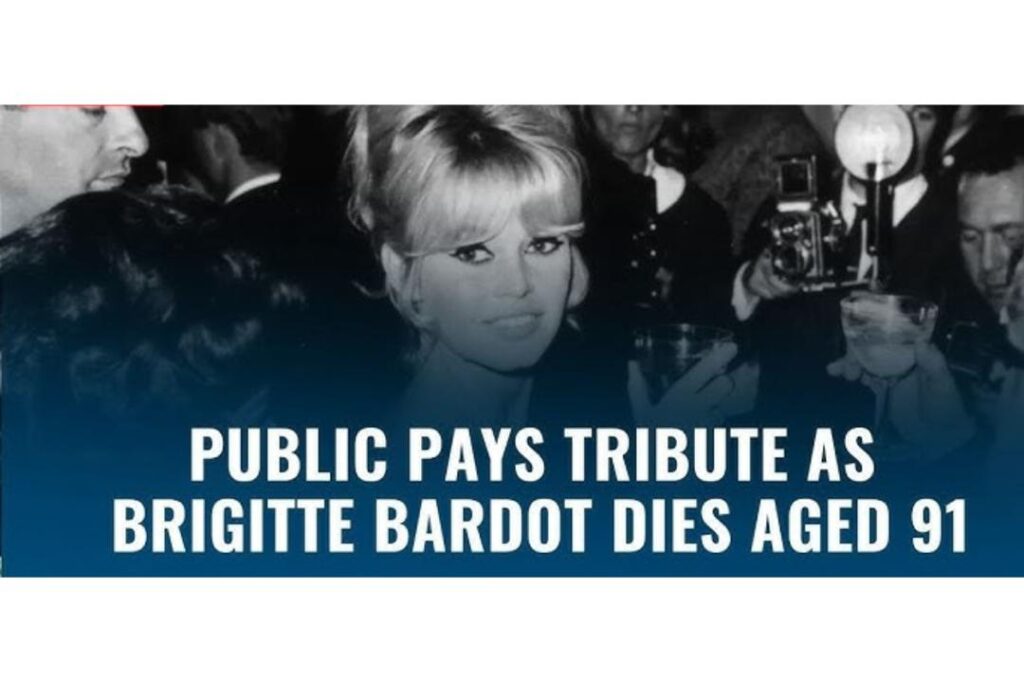
News of Bardot’s death sparked tributes across the globe, including from French President Emmanuel Macron, who hailed her as “a legend of the century.” Media outlets and fans alike remembered her cinematic impact alongside her humanitarian commitments. While reactions also acknowledged the complexities of her life, Bardot’s imprint on culture and compassion was a universal theme in the tributes. Animal-welfare organizations marked the moment by reaffirming commitments to ongoing campaigns inspired by her work. While opinions about her life remained complex, the scale of response underscored how deeply she had shaped public consciousness over multiple generations.
A Complex and Provocative Figure
Bardot’s public legacy also included serious and well-documented controversy. Beginning in the late 1990s, she made repeated public statements and published open letters that French courts ruled as inciting racial hatred. Many of these remarks focused on immigration and Islamic practices in France and were widely criticized for targeting minority communities. Over the years, Bardot was convicted multiple times under French hate-speech laws and fined for these statements. While some supporters viewed her comments as expressions of cultural concern, human-rights organizations and civil-rights groups condemned the language as harmful. These convictions remain an established part of her public record and continue to shape how her life and influence are assessed.
Influence on Modern Animal Activism

Long before animal welfare became a mainstream cause, Bardot was publicly confronting cruelty with urgency and emotion. Activists and scholars often credit her with helping normalize animal-rights discussions in Europe during the late 20th century. Her foundation provided a model for celebrity-led advocacy that combined funding, rescue operations, and political lobbying. Today, many European animal-protection groups cite her work as an early inspiration. While methods have evolved, Bardot’s approach, using fame to amplify moral responsibility, remains influential. Her activism helped move animal welfare from the margins of public concern into everyday conversation.
Recognition Beyond the Film World
Although Bardot distanced herself from film honors later in life, her animal-welfare work received formal recognition from various institutions and advocacy groups. The Brigitte Bardot Foundation was officially recognized by the French state as being of public utility, a designation reserved for organizations with significant national impact. This status allowed the foundation to expand its reach and secure long-term partnerships. The recognition signaled that Bardot’s post-cinema life was not a footnote, but a second legacy entirely. For many supporters, these acknowledgments validated her decades of uncompromising activism.
An Enduring Cultural Image
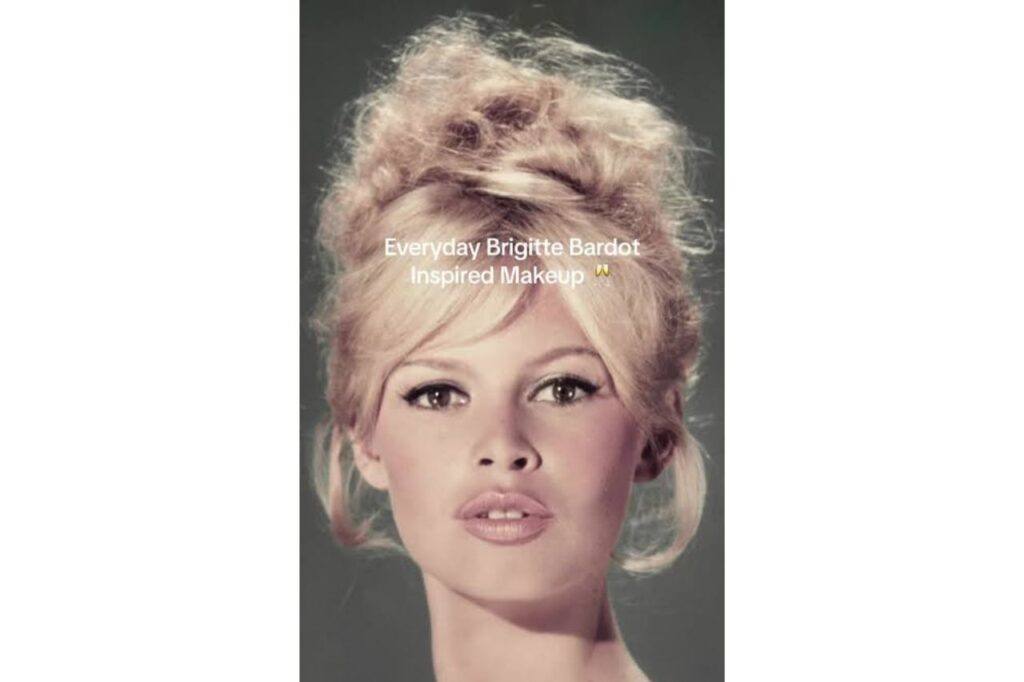
Decades after leaving cinema, Bardot’s image continued to influence fashion, music, and visual culture. Her hairstyle, minimalist makeup, and relaxed elegance became enduring references in magazines and exhibitions worldwide. Museums and retrospectives often framed her not just as an actress, but as a symbol of post-war cultural change. This lasting fascination kept public attention on her life, indirectly drawing new audiences to her animal-rights work. Bardot’s ability to remain culturally relevant without self-promotion was rare, reinforcing the power of authenticity over constant visibility.
A Legacy Defined by Contrast and Action
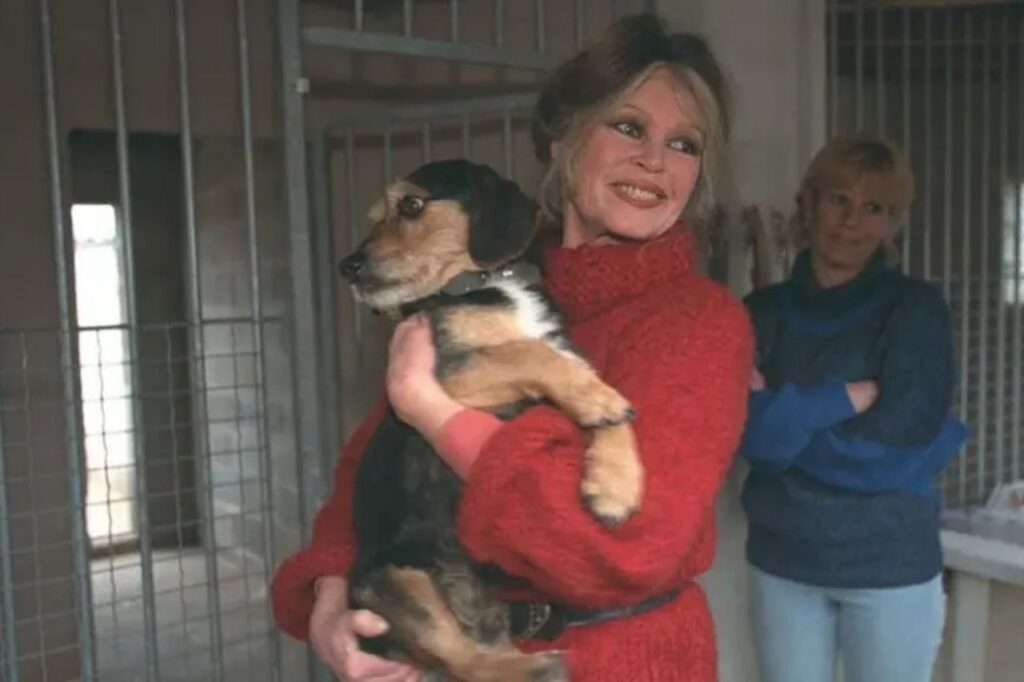
Bardot’s death did not mark the end of her mission. The Brigitte Bardot Foundation continues to operate shelters, fund rescues, and campaign for stronger animal-protection laws worldwide. Staff and volunteers have stated that her vision remains central to every initiative. For supporters, the most meaningful tribute is not remembrance alone, but continued action on behalf of animals. At the same time, her repeated convictions for inciting racial hatred remain an inseparable part of her public story. Remembering Bardot requires holding these realities together, recognizing both the positive impact of her activism and the consequences of her divisive rhetoric. Her life continues to prompt reflection on the responsibilities that accompany fame and influence.
A Parisian Childhood That Shaped Her Discipline
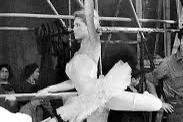
Brigitte Bardot was born in Paris in 1934 into a conservative, upper-middle-class family that valued structure and discipline. Her father was an engineer, and her mother emphasized manners, appearance, and cultural refinement. As a child, Bardot trained in classical ballet, an experience that shaped her posture, physical confidence, and sense of rhythm on screen. Although she later rejected the strict expectations placed on her, this early discipline contributed to her distinctive screen presence. Ballet also introduced her to the arts world at a young age, opening doors to modeling and photography. These formative years created a tension between order and freedom that later defined both her acting style and her personal life.
From Ballet Student to Fashion Discovery
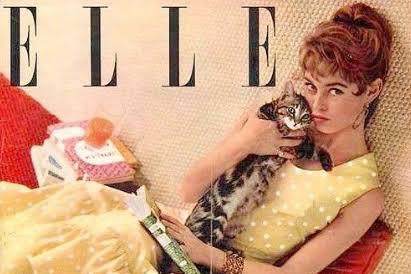
Bardot’s entry into the public eye came not through film but fashion. As a teenager, she appeared on the cover of Elle magazine, where her natural beauty and youthful confidence caught the attention of filmmakers. Unlike the polished glamour typical of actresses at the time, Bardot projected ease and spontaneity. This contrast helped her stand out in postwar France, where cultural norms were slowly shifting. Modeling introduced her to creative circles and allowed her to move comfortably in front of the camera. Though she initially planned a ballet career, film opportunities quickly followed. Her early modeling work laid the foundation for a screen image that blended innocence with independence, setting the stage for her later rise to stardom.
Early Film Roles and a Slow Rise to Recognition
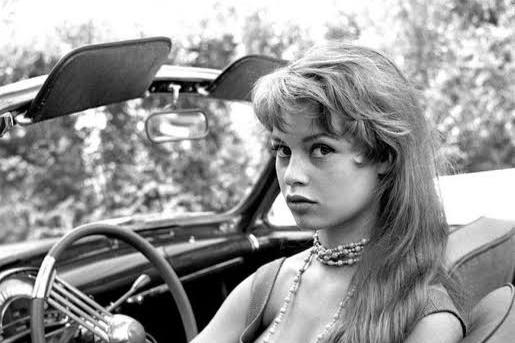
Bardot began acting in the early 1950s, taking on small roles that emphasized charm rather than dramatic depth. These early performances were modestly received, and her career progressed gradually rather than overnight. French cinema at the time favored established stars, leaving little room for newcomers to break through quickly. Bardot used this period to gain experience, working with respected directors and refining her natural style. Her performances hinted at an emotional openness that audiences found relatable. Though critics were initially unsure how to categorize her, filmmakers recognized her unique appeal. This steady early phase allowed Bardot to develop professionally before becoming an international sensation, grounding her fame in experience rather than sudden exposure.
The Role That Changed Everything
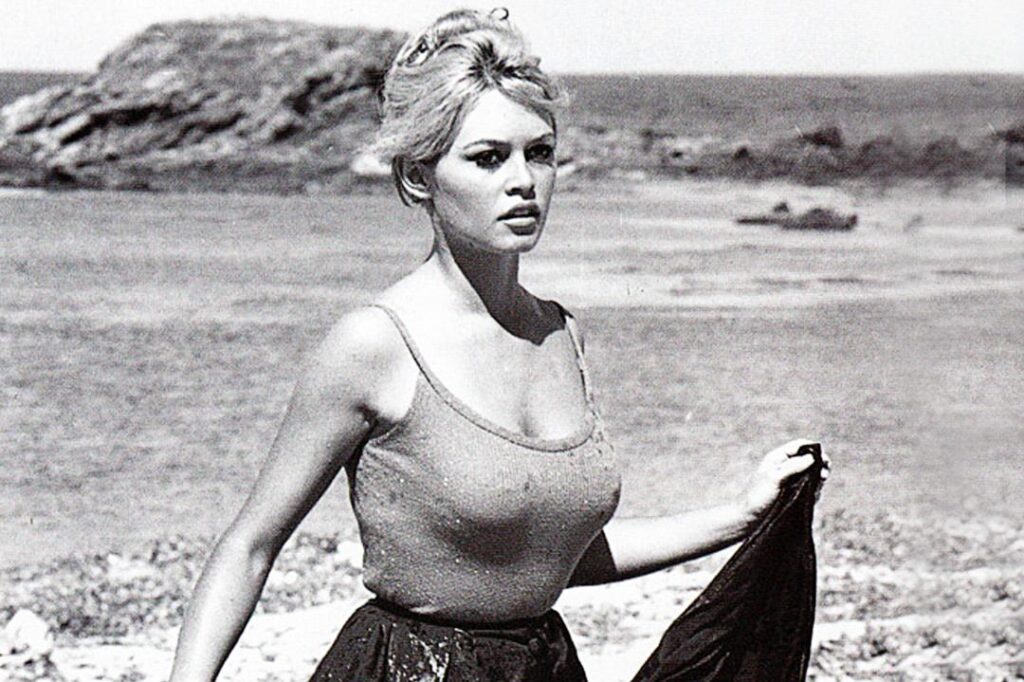
International fame arrived with And God Created Woman (1956), the film that permanently altered Bardot’s career. Her portrayal of Juliette introduced a new type of female character—uninhibited, emotionally expressive, and unapologetically independent. The film’s success sparked debate, admiration, and controversy, particularly for its portrayal of female desire. Bardot’s performance captivated audiences across Europe and the United States, making her an overnight cultural symbol. Unlike traditional romantic leads, her character resisted moral judgment, reflecting broader social changes of the era. The role transformed Bardot from a rising actress into a global phenomenon. It also established her image as both a cinematic trailblazer and a figure who challenged convention.
Becoming a Symbol of a Cultural Shift
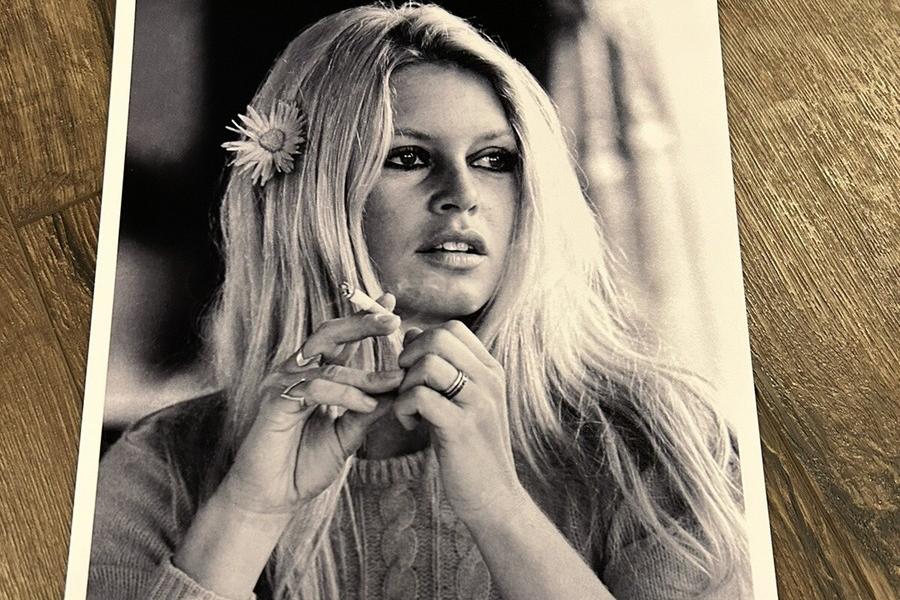
Following her breakout role, Bardot came to represent changing attitudes toward femininity and freedom in the late 1950s. Her on-screen presence rejected rigid gender expectations, resonating with younger audiences in postwar societies. She embodied a relaxed sensuality that contrasted sharply with earlier Hollywood ideals. Directors often built films around her personality rather than forcing her into traditional roles. This made her both influential and difficult to categorize. Bardot’s image appeared in magazines, posters, and fashion spreads worldwide, extending her influence beyond cinema. She became a symbol of personal liberation during a period of social transformation. This cultural role elevated her beyond acting, turning her into a lasting icon of her era.
Major Films That Cemented Her Stardom
After her breakthrough, Bardot starred in several successful films, including Contempt (1963), directed by Jean-Luc Godard. This role showcased a more introspective side of her acting, earning critical respect. Other notable films such as Viva Maria! and Le Mépris strengthened her international reputation. These projects allowed her to work alongside prominent directors and actors, expanding her artistic range. While critics debated her technical skills, audiences consistently responded to her emotional authenticity. Bardot’s ability to command attention without overacting became her signature. These films collectively cemented her status as one of the defining cinematic figures of her generation, blending popular appeal with artistic credibility.
Working with Europe’s Leading Directors
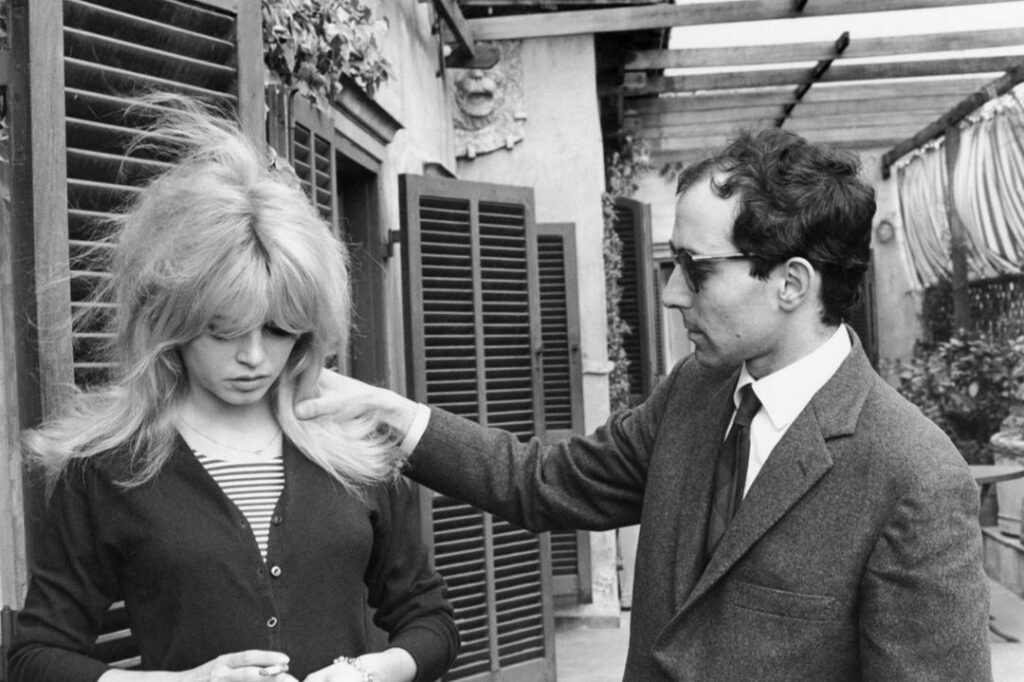
Bardot collaborated with some of Europe’s most influential filmmakers, including Jean-Luc Godard and Louis Malle. These partnerships placed her at the center of major artistic movements within French cinema. Directors were drawn to her naturalism, which aligned with emerging styles that favored realism over theatrical performance. Bardot’s willingness to appear vulnerable on screen made her effective in emotionally complex roles. While she sometimes resisted intellectual interpretations of her work, her presence enhanced the emotional impact of the films she appeared in. These collaborations elevated her career beyond popular stardom and linked her legacy to a transformative era in European filmmaking.
Marriages, Relationships, and Public Scrutiny
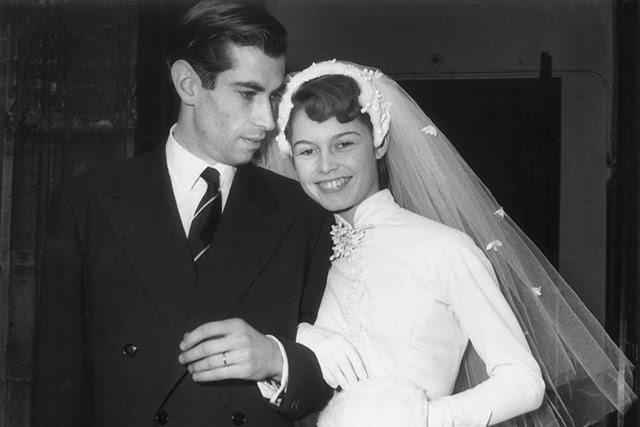
Bardot’s personal life attracted nearly as much attention as her career. She married four times, including a high-profile relationship with filmmaker Roger Vadim, who played a significant role in shaping her early career. Media coverage of her romances often blurred the line between her screen roles and real life. While public fascination fueled her fame, it also contributed to emotional strain. Bardot later expressed discomfort with constant scrutiny, describing fame as intrusive rather than empowering. Her relationships became part of a broader cultural narrative about celebrity and privacy. These experiences influenced her eventual decision to step away from acting, prioritizing personal well-being over continued stardom.
Motherhood and a Complicated Family Life
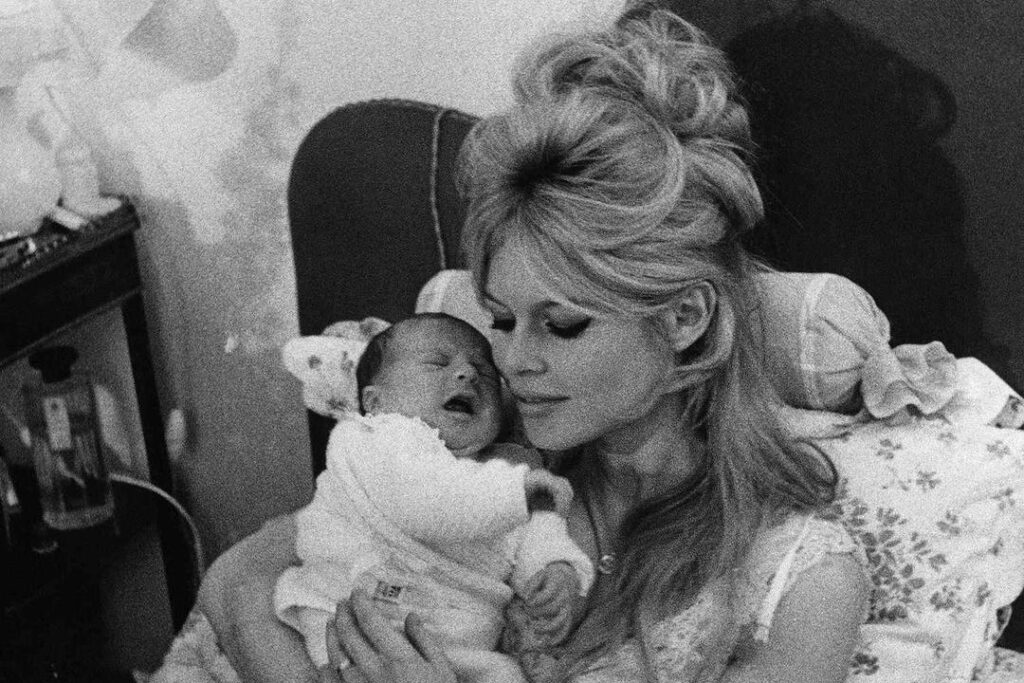
Bardot became a mother in 1960, a role she later described as emotionally challenging. She spoke openly about struggling with the expectations of motherhood while under intense public pressure. Her honesty on the subject was controversial, particularly in a period when maternal roles were idealized. Bardot’s candid reflections revealed the personal cost of fame and social expectation. While her relationship with her son remained largely private, her comments sparked broader conversations about choice, responsibility, and societal judgment. This openness reinforced her image as a woman unwilling to conform to prescribed roles. Her family experiences added depth to public understanding of her life beyond cinema.
Leaving Film at the Height of Fame
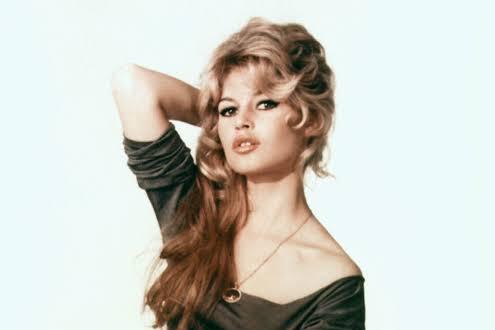
In the early 1970s, Bardot retired from acting while still widely recognizable, a decision that surprised fans and industry figures alike. She cited exhaustion, loss of privacy, and dissatisfaction with fame as key reasons. Unlike many actors who faded gradually, Bardot made a definitive break, closing one chapter of her life completely. Her departure underscored how deeply she felt constrained by celebrity culture. This choice later allowed her to focus fully on animal welfare activism, which became her primary public identity. Leaving film at her peak reinforced her reputation as someone guided by conviction rather than expectation, shaping how her career is remembered today.
Like this story? Add your thoughts in the comments, thank you.


