
The Man Behind The Smirk
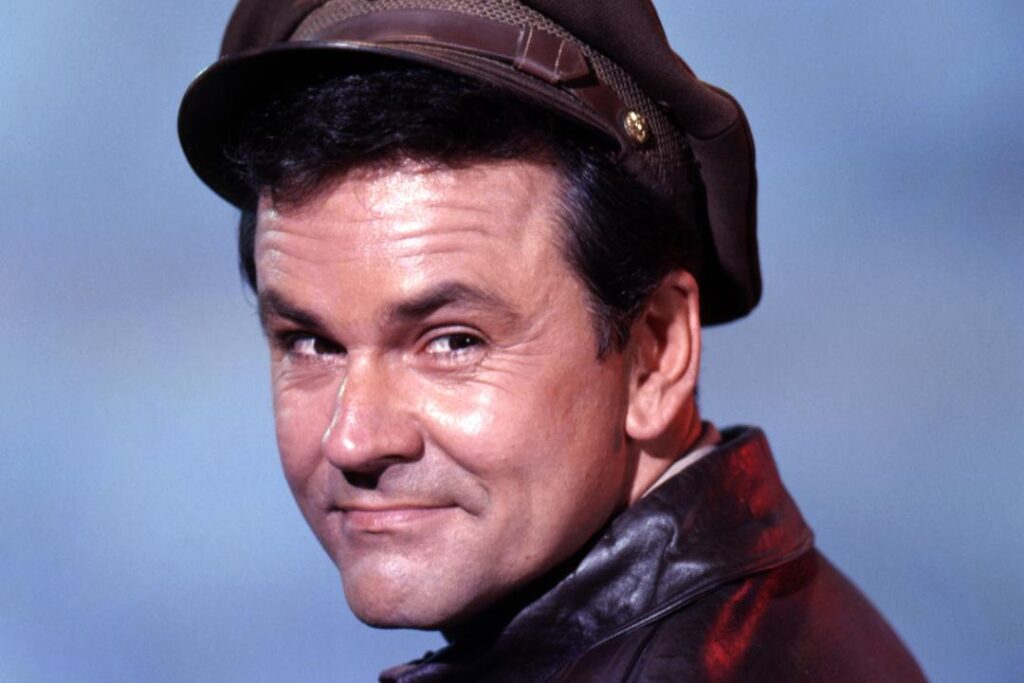
To millions of television viewers in the 1960s, Bob Crane was the very definition of effortless charm and wit. As the clever Colonel Hogan on the hit sitcom Hogan’s Heroes, he outsmarted captors with a signature wink that made him a household name across America. His transition from a top-tier radio personality in Los Angeles to a television superstar seemed like a natural progression for a man who possessed such an infectious and bright energy. He was born on July 13, 1928, in Waterbury, Connecticut, and by the time he reached adulthood, his quick tongue and musical talent as a drummer were evident to everyone he encountered in the burgeoning entertainment industry.
However, the sunny exterior of the man who brought laughter to millions hid a complex and increasingly turbulent private life. This story matters because it serves as a sobering reminder of the vast chasm that can exist between a public persona and personal reality. The tragic end of Bob Crane did not just mark the loss of a talented entertainer, but it also unveiled a secret world that would eventually consume his career and lead to one of Hollywood’s most notorious unsolved mysteries. Exploring his life requires us to look past the carefully polished image of a family man and see the deep compulsions that drove him to risk everything he had built for a lifestyle lived in the shadows.
Rising Star Of Radio
Before he was a television icon, Bob Crane was known as “The King of the Los Angeles Airwaves” due to his incredible success at KNX radio. His show was a whirlwind of celebrity interviews and musical talent, where he would frequently accompany guests on his drums while maintaining a sharp and engaging banter. During the late 1950s and early 1960s, he became the highest-rated morning host in the city, earning a staggering salary for the time and becoming a celebrity in his own right before ever stepping onto a film set. This era of his life represented a professional peak where his creativity and charisma were in perfect harmony with his audience’s needs for morning entertainment.
It was during these years that the foundation for his future stardom was laid, yet it was also when his private interests began to shift toward the obsessive. While he was a dedicated professional by day, he was developing a fascination with photography and technology that would later play a significant role in his downfall. His move to television was intended to be the next logical step in a glittering career, beginning with a recurring role on The Donna Reed Show from 1963 to 1965. He was a man who seemed to have it all, but the pressures of growing fame would only serve to amplify the hidden, darker aspects of his personality that he kept separate from his public identity.
The Colonel Hogan Era
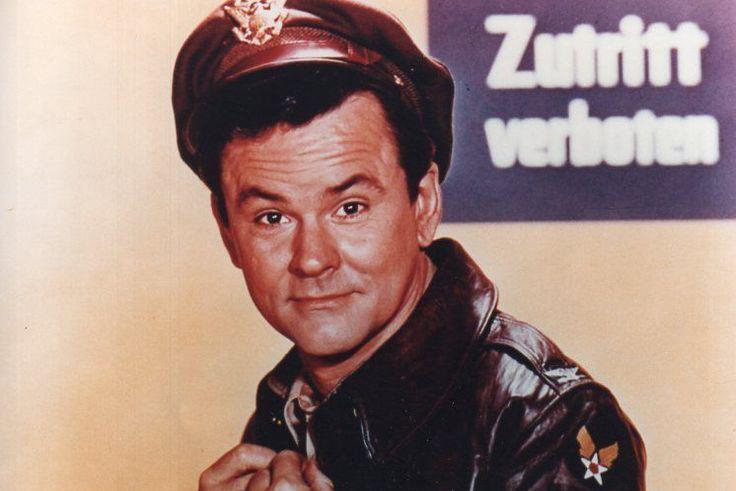
Landing the lead role in Hogan’s Heroes in 1965 catapulted Bob Crane to a level of fame that few actors ever achieve. The show was an unlikely success, finding humour in the grim setting of a prisoner-of-war camp, and Crane’s performance was the glue that held the ensemble together. His portrayal of Colonel Robert Hogan was so convincing and likeable that he received two Emmy nominations for his work, cementing his status as a television legend. For six seasons and 168 episodes, he was the face of one of the most popular shows on CBS, becoming a fixture in living rooms across the nation and a hero to a generation of viewers.
Behind the scenes of this massive success, however, Crane was leading a double life that his fans could never have imagined. He began to use his celebrity status to pursue a lifestyle centred around sexual encounters, which he often documented with the latest video technology of the time. As the show’s run continued through the late sixties, the lines between his professional obligations and his private compulsions began to blur, creating a precarious situation for his public image. He was married to Anne Terzian at the time, but the stability of his home life was crumbling under the weight of his secret activities, setting the stage for the personal turmoil that followed.
A Fateful Friendship Begins
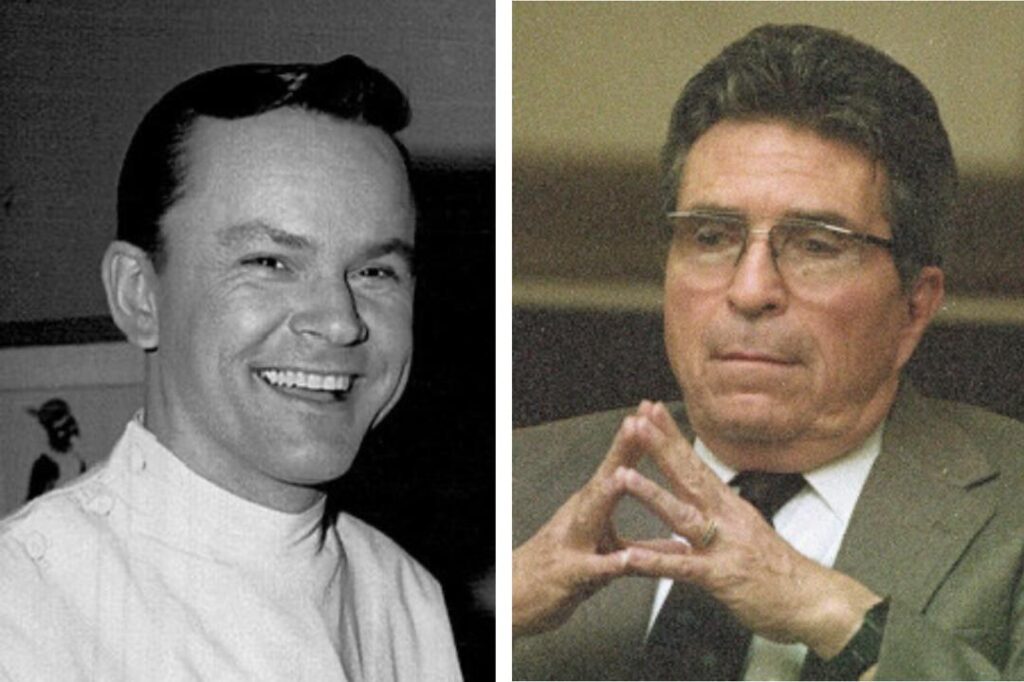
During the height of his television fame in 1968, Bob Crane was introduced to a technician named John Carpenter who worked for Sony. This introduction was a turning point because Carpenter provided Crane with the early video recording equipment that allowed him to document his private life in even greater detail. The two men formed a bond based on their shared interests in technology and their mutual pursuit of a hedonistic lifestyle. Carpenter was an expert in the emerging field of home video, and he served as a guide for Crane as he navigated the technical aspects of filming his personal exploits in increasingly sophisticated ways.
This friendship was not merely a social connection but a partnership that facilitated Crane’s growing addiction to his secret activities. Carpenter often accompanied Crane on his trips, acting as a wingman and technician for the recordings they produced together. While Crane felt he had found a confidant who understood his needs, this relationship would eventually become a focal point for investigators after his life took its final, tragic turn. The two men spent years together, forming a deep and often strange reliance on one another that blurred the lines between friendship and a darker, co-dependent habit that would haunt both of them for the rest of their lives.
The Career Starts Fading
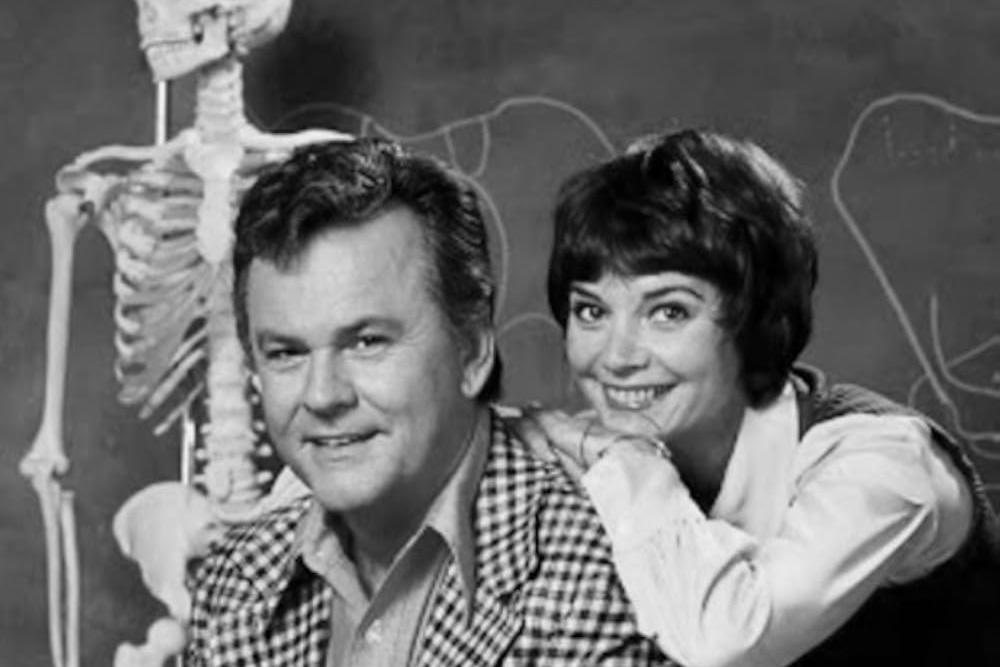
When Hogan’s Heroes was cancelled in 1971, Bob Crane found it surprisingly difficult to secure another leading role that matched his previous success. He was frequently typecast as the charming colonel, and the industry was beginning to hear whispers about his unconventional private life. His attempt at a comeback with The Bob Crane Show in 1975 was short-lived, as the series failed to capture the magic of his earlier work and was cancelled after only three months. This failure was a significant blow to his standing in Hollywood, and he found himself relegated to guest spots on shows like The Love Boat and Quincy, M.E. while searching for a new path.
The decline of his television career forced him to turn to dinner theatre, travelling across the country to perform in plays for smaller audiences. This transition was a significant blow to his ego and his financial stability, but it allowed him to continue his nomadic lifestyle. He spent much of the mid-1970s on the road, performing in cities far from the glamour of Los Angeles, and it was during these tours that his reliance on John Carpenter grew even stronger. Despite the professional setbacks, Crane remained outwardly optimistic, though the gap between his former glory and his current reality was becoming increasingly difficult for him to ignore as he struggled to find relevance.
Final Days In Scottsdale
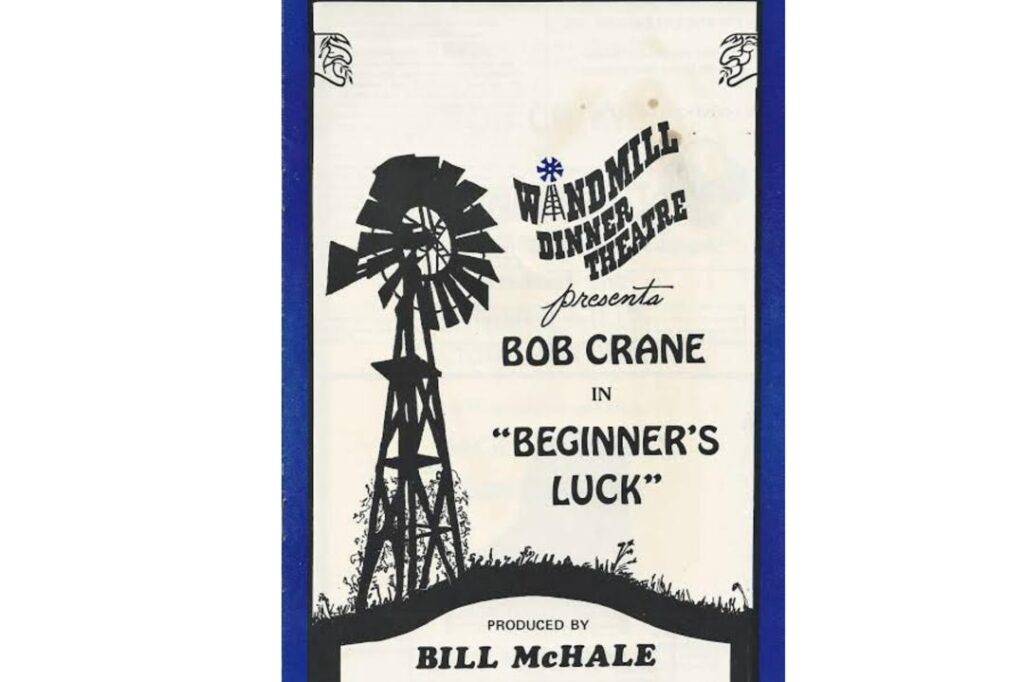
In June 1978, Bob Crane was in Scottsdale, Arizona, performing in a lighthearted play called Beginner’s Luck at the Windmill Dinner Theatre. To the local audiences, he was still the same smiling star they remembered from their television screens, and he played the role with his usual professional flair and dedication. However, his personal life was in a state of flux as he was in the middle of a divorce from his second wife, Sigrid Valdis, whom he had married in 1970. He was living in a rented apartment, trying to balance his nightly performances with the messy reality of a life that felt like it was slowly unravelling around him.
During this time, John Carpenter was also in Scottsdale, and the two men continued their usual routine of socialising and recording. Witnesses reported that the friendship appeared to be under significant strain, with Crane allegedly telling friends that he wanted to distance himself from Carpenter and move in a new direction. These final days were a mix of routine theatrical performances and a growing sense of unrest in his most significant and controversial friendship. On the night of June 28, 1978, Crane performed his last show, and after a late-night meeting with Carpenter, he returned to his apartment, never to be seen alive by the public again.
A Gruesome Discovery Made
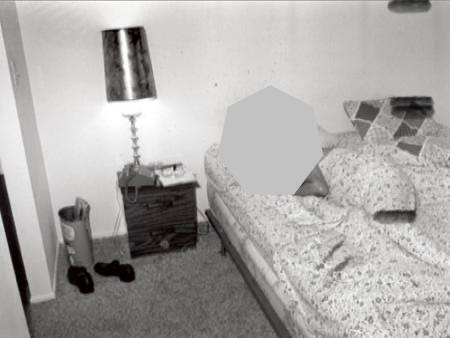
The world was shocked on June 29, 1978, when Bob Crane was found dead in his apartment at the Winfield Place Apartments. He had failed to show up for a scheduled luncheon with his co-star, Victoria Ann Berry, who eventually went to check on him, only to find a scene of horrific violence. Crane had been bludgeoned to death with a blunt object while he slept, and the brutality of the crime was in stark contrast to his public image of a gentle and funny man. The local police were immediately called to the scene, beginning an investigation that would quickly peel back the layers of a man who had kept his true self hidden.
The investigation quickly shifted from a simple murder case to a media sensation as the details of Crane’s private life began to emerge. Police discovered a vast collection of photographs and video tapes that revealed a side of the actor that the public had never seen. This discovery fundamentally changed the narrative of the case, as the search for a motive led detectives deep into the underworld of Crane’s secret and obsessive hobby. The media’s obsession with these details often overshadowed the search for the killer, as the public grappled with the shocking revelation that their beloved sitcom hero had been living such a double life.
The Prime Suspect Emerges
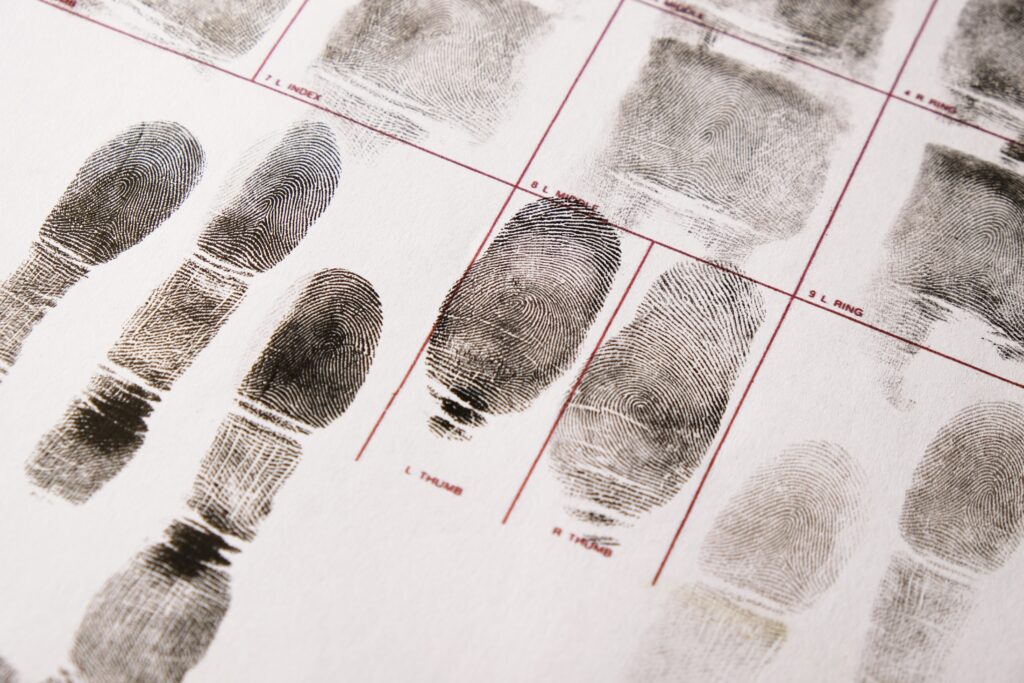
Almost immediately, investigators focused their attention on John Carpenter, as he was the last person known to have seen Bob Crane alive. Forensic evidence in Carpenter’s rental car showed traces of blood that matched Crane’s rare Type B group, though the technology of the time was unable to provide a definitive DNA match. Despite the suspicious evidence and the clear motive of a friendship turned sour, the local prosecutor initially declined to file charges in 1978, citing a lack of a murder weapon and the circumstantial nature of the case. Carpenter was allowed to return to California, while the Scottsdale police continued to struggle with a lack of physical evidence.
The case went cold for over a decade, with Carpenter maintaining his innocence and continuing his life away from the spotlight. It wasn’t until 1990 that a new investigation was launched, spurred by the discovery of a photograph from the crime scene that allegedly showed a piece of brain tissue on the door of Carpenter’s rental car. This led to Carpenter finally being arrested and charged with the murder in 1992, fourteen years after the crime took place. The trial that followed was a media circus that revisited every sordid detail of Crane’s final years, pitting his public legacy against the dark reality of his private associations and the failures of the initial investigation.
The Trial Of Carpenter
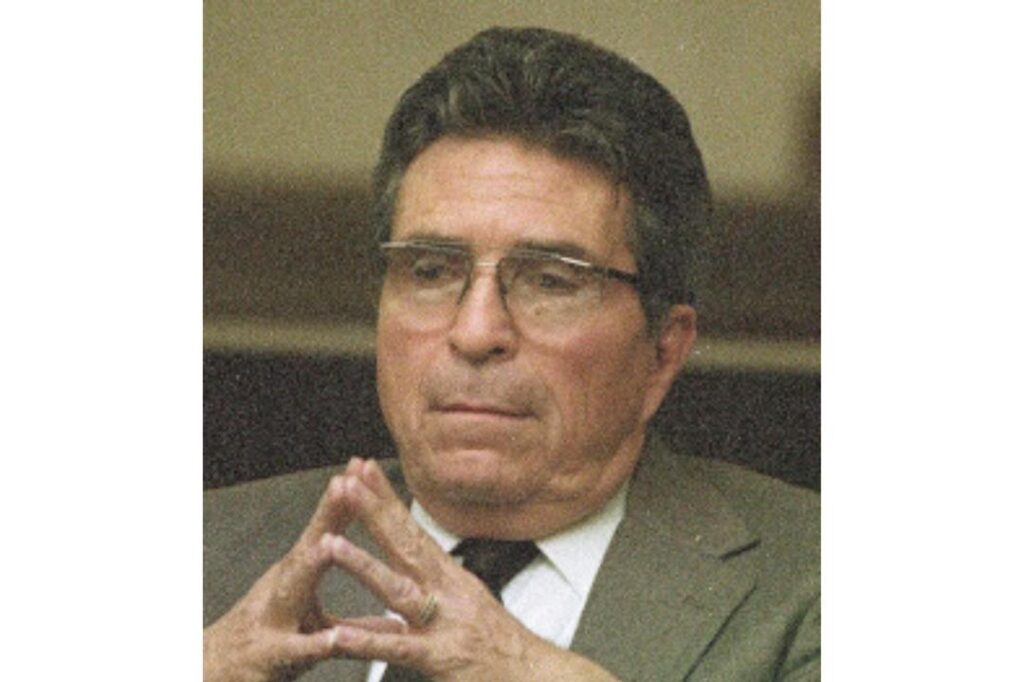
The 1994 trial of John Carpenter was a high-stakes legal battle that attempted to solve the mystery of Bob Crane’s death once and for all. Prosecutors argued that Carpenter had killed Crane in a fit of rage after being told their friendship was over, using the blood evidence from the car as their primary weapon. However, the defence successfully highlighted the lack of physical evidence linking Carpenter to the crime scene and the possibility of other suspects from Crane’s complicated life. They argued that the investigation had been botched from the start and that Carpenter was simply a convenient scapegoat for a department that was desperate to close a high-profile case.
Ultimately, the jury found John Carpenter not guilty after several weeks of testimony, leaving the murder of Bob Crane officially unsolved. The verdict was a blow to Crane’s family and fans who had hoped for closure, and it ensured that the cloud of suspicion would forever hang over the case. The trial did more than just address the murder; it permanently etched the image of Crane’s secret life into the public consciousness, overshadowing the professional achievements he had worked so hard to build. Carpenter passed away in 1998, still maintaining his innocence, leaving the true identity of Bob Crane’s killer as one of the most enduring mysteries in the history of Hollywood.
A Complicated Family Legacy
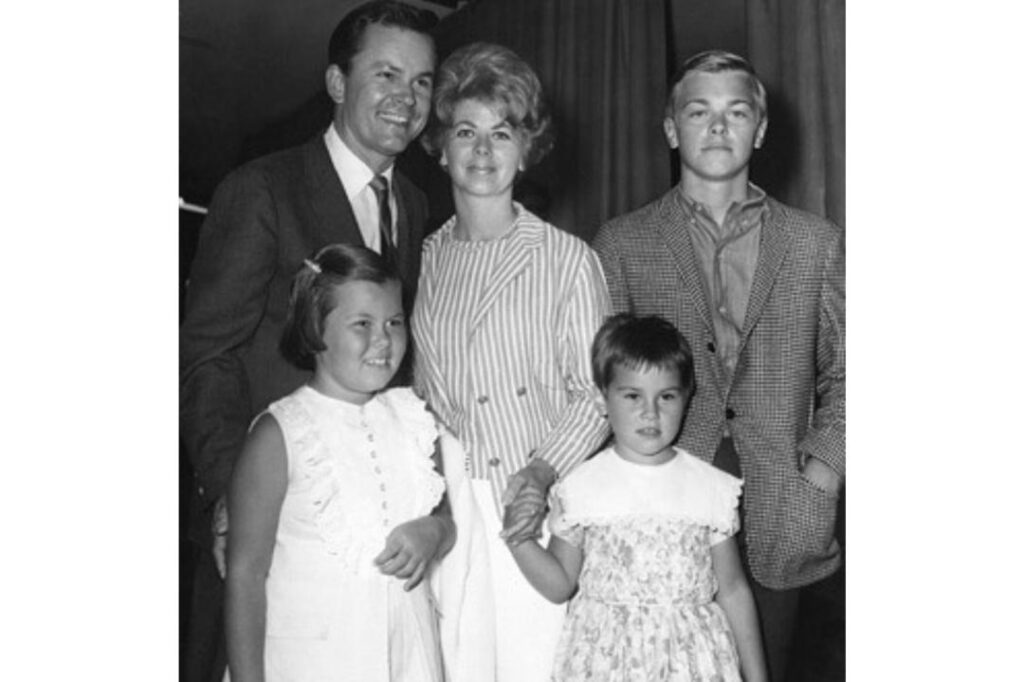
For Bob Crane’s children, the aftermath of his death and the subsequent revelations were a source of profound pain and confusion. His son, Robert Crane Jr., has often spoken about the difficulty of reconciling the loving father he knew with the man described in the tabloid headlines. The family has had to navigate a world where their father’s name is synonymous with scandal, even as they try to preserve the memory of his talent and his genuine kindness. They have faced the challenge of grieving for a parent while the rest of the world debated the most intimate and controversial aspects of his private life, a burden that few families are forced to carry.
They have worked to ensure that his contributions to radio and television are not entirely forgotten, even while acknowledging the struggles he faced with his personal demons. This delicate balance reflects the broader challenge of remembering a person who was both a gifted artist and a deeply flawed human being. The legacy of Bob Crane remains a cautionary tale about the complexities of fame and the heavy price that can be paid when the shadows of one’s private life finally come to light. His family continues to deal with the fallout, hoping that one day the focus can return to the joy he brought to so many through his work on the screen.
The Enduring Mystery Remains

Today, the apartment where Bob Crane met his end remains a point of interest for true crime enthusiasts, and the case continues to be debated in books and documentaries. The lack of a definitive answer has allowed various theories to flourish, but the truth likely died with Crane and those who knew him best. His story serves as a permanent fixture in the annals of Hollywood lore, representing the ultimate collision of celebrity glitter and dark reality. It is a narrative that continues to fascinate and disturb, proving that even the most beloved figures can have secrets that are far more complex than the characters they portray for the public.
While the man himself is gone, the lessons of his life remain relevant in an era where the private lives of public figures are more scrutinized than ever. Bob Crane was a man who had everything, talent, fame, and the love of millions, yet he was ultimately brought down by the very things he tried to keep hidden from the world. His life was a performance that captivated a nation, but the final act was a tragedy that no one could have scripted. He remains a figure of intense curiosity, a reminder that the people we think we know through our screens are often struggling with realities we can barely imagine.
The tragic story of Bob Crane reminds us that a person’s worth is often far more complex than the single factory of fame can ever truly capture.
Like this story? Add your thoughts in the comments, thank you.


